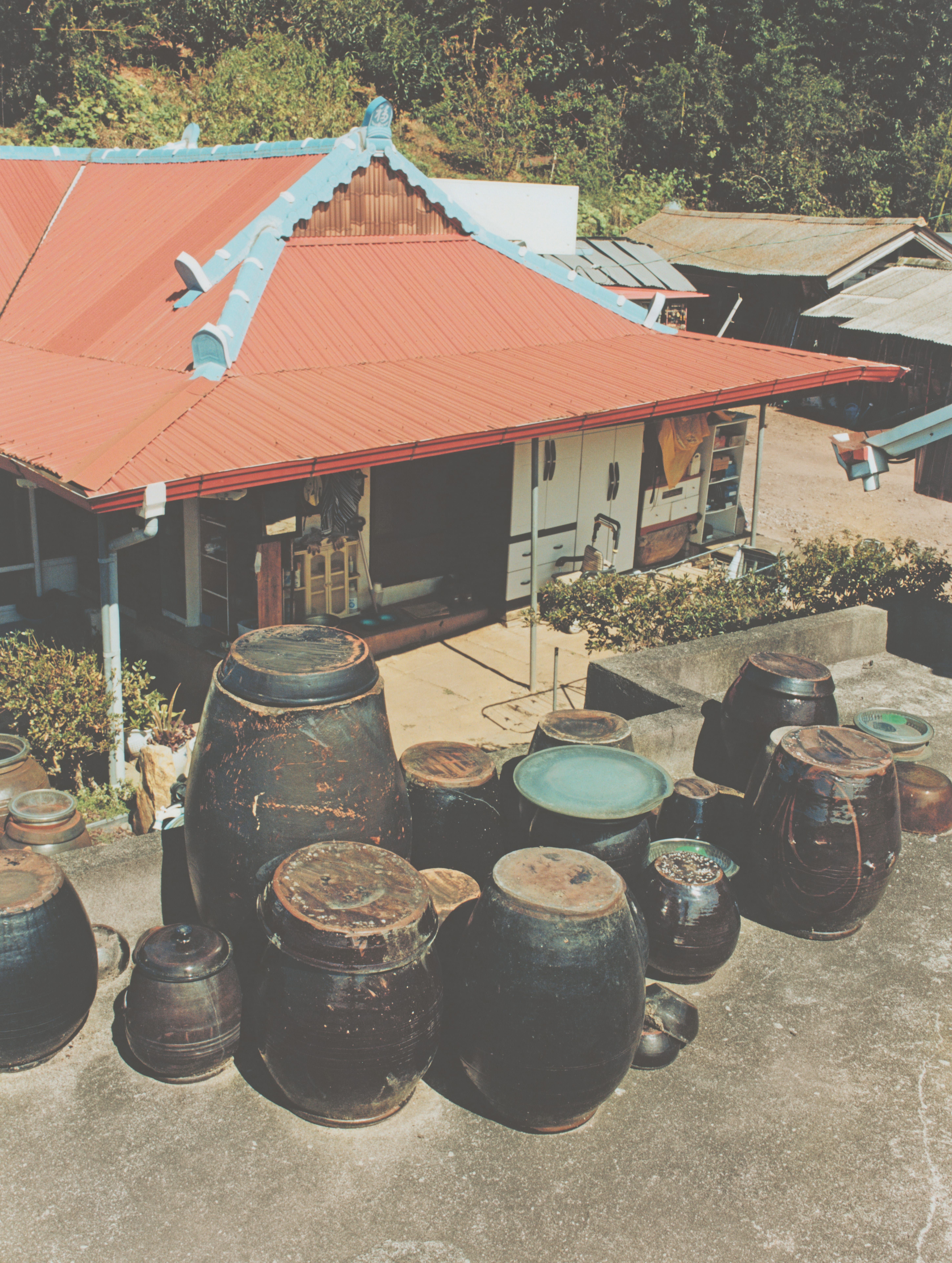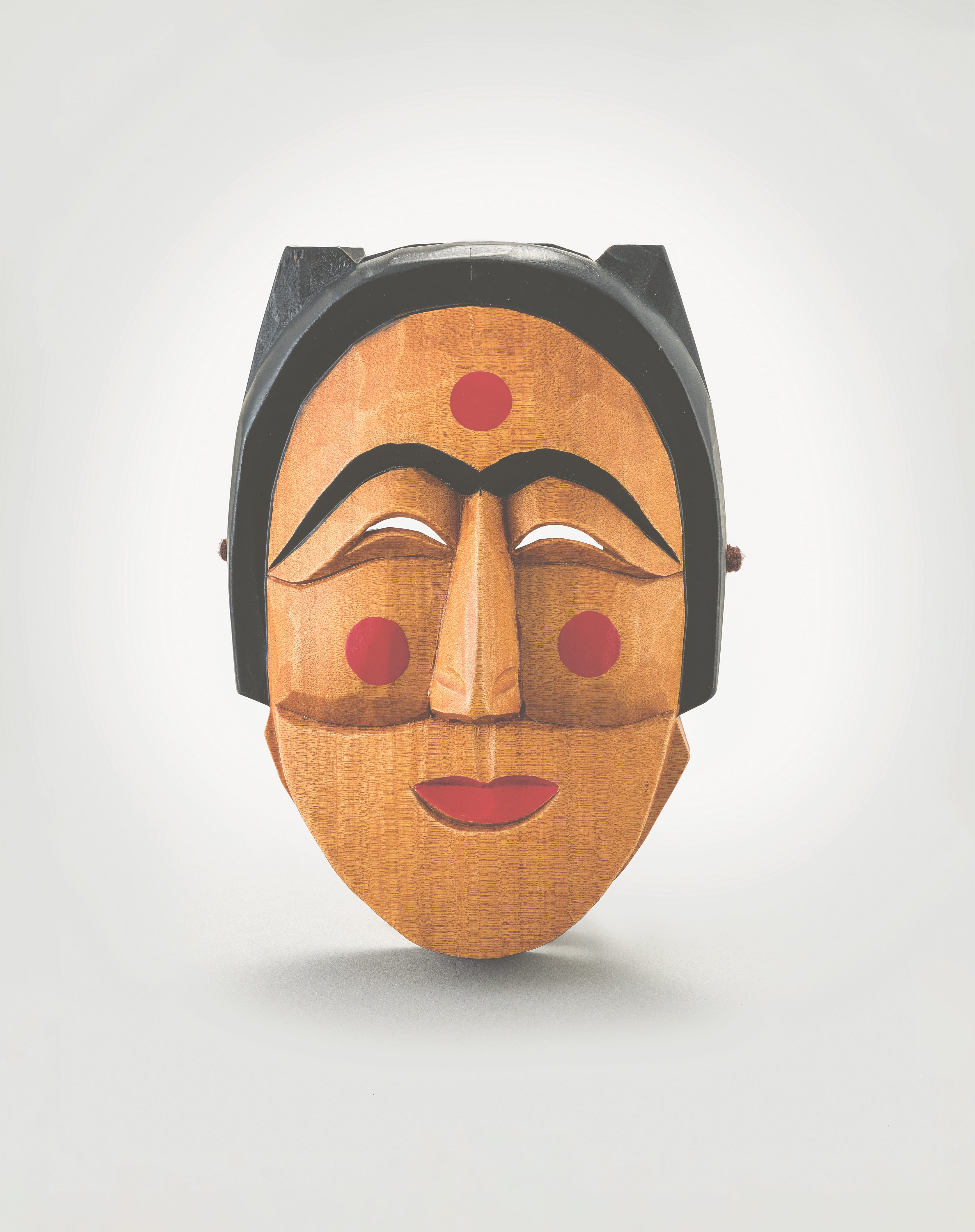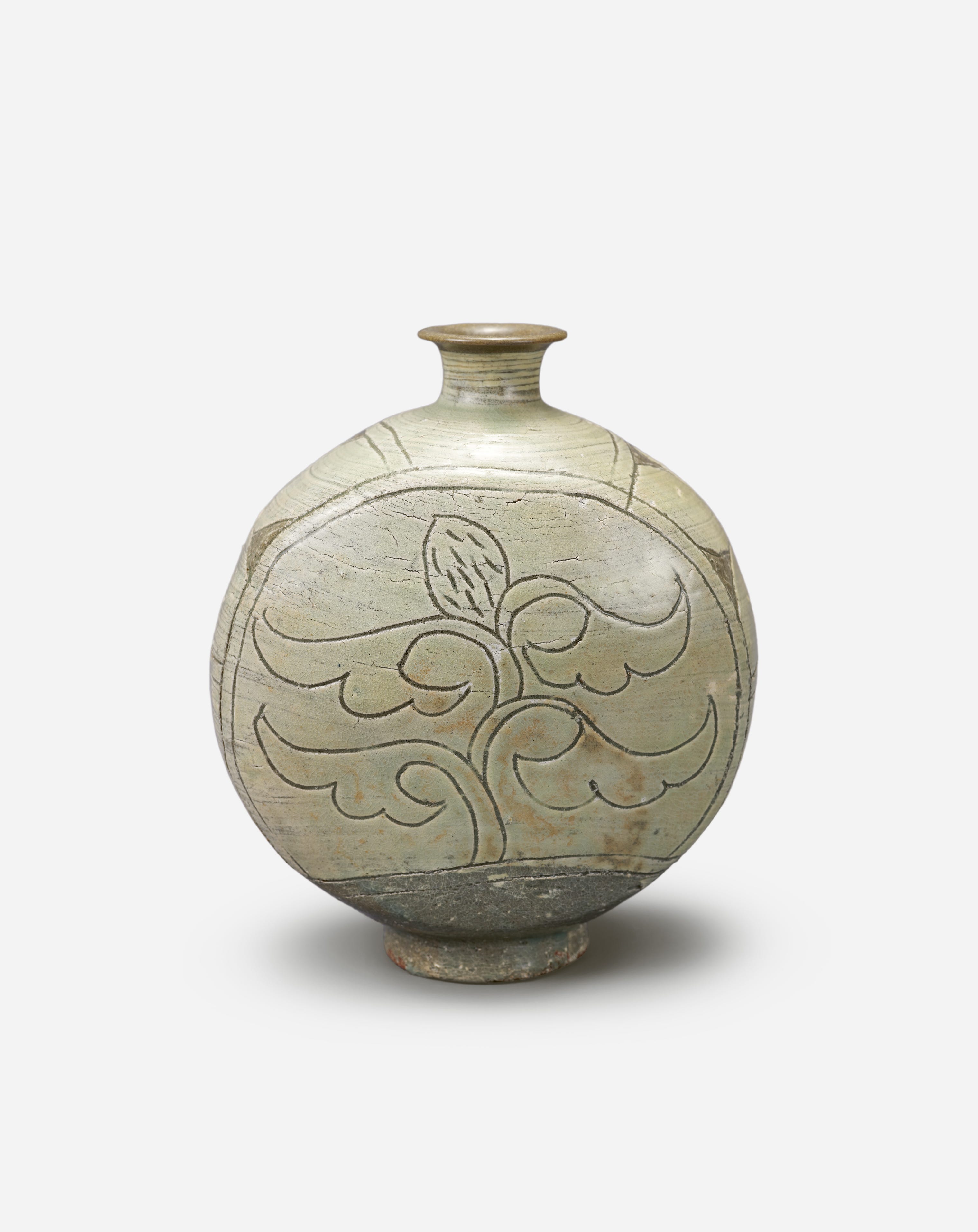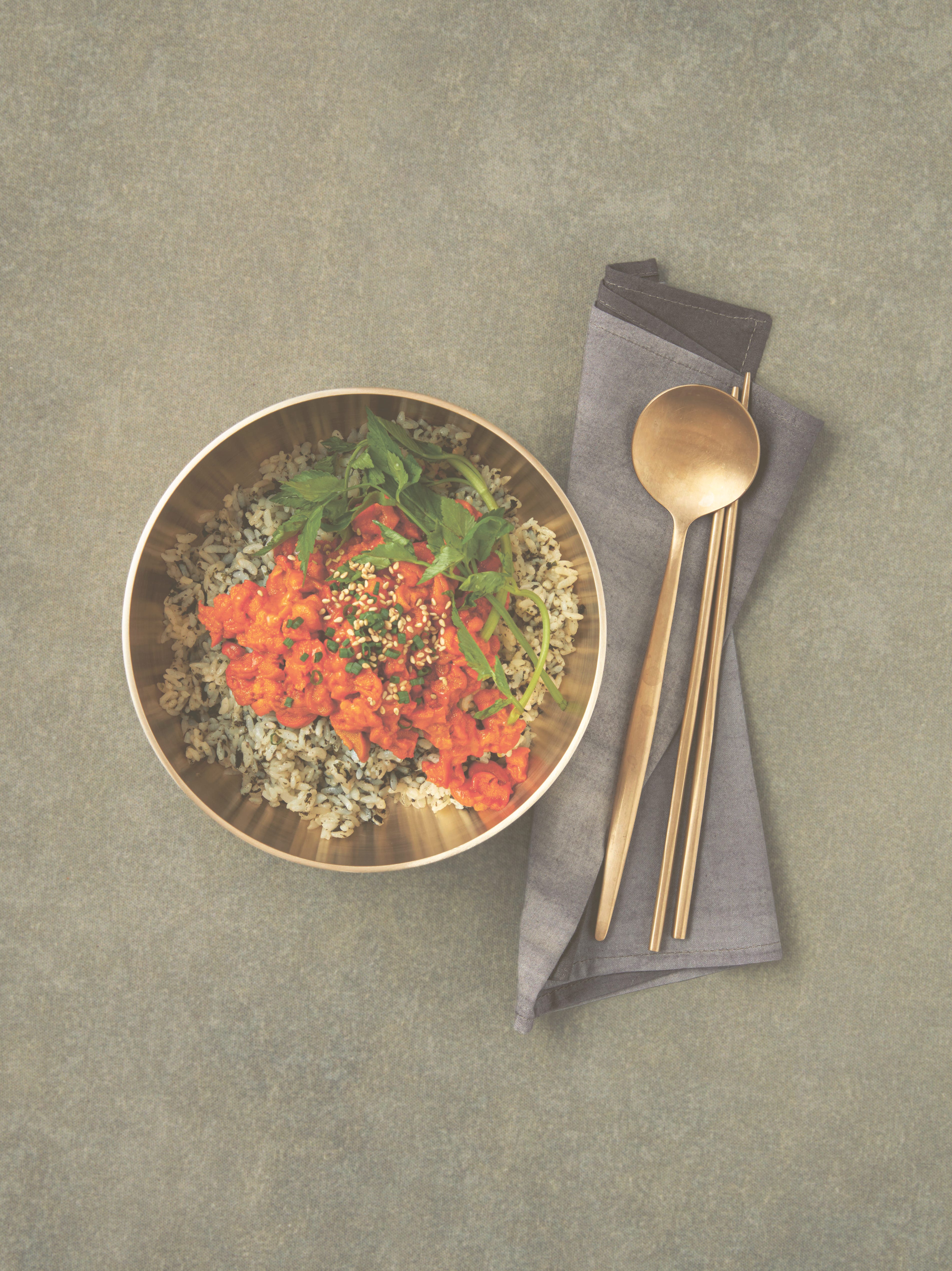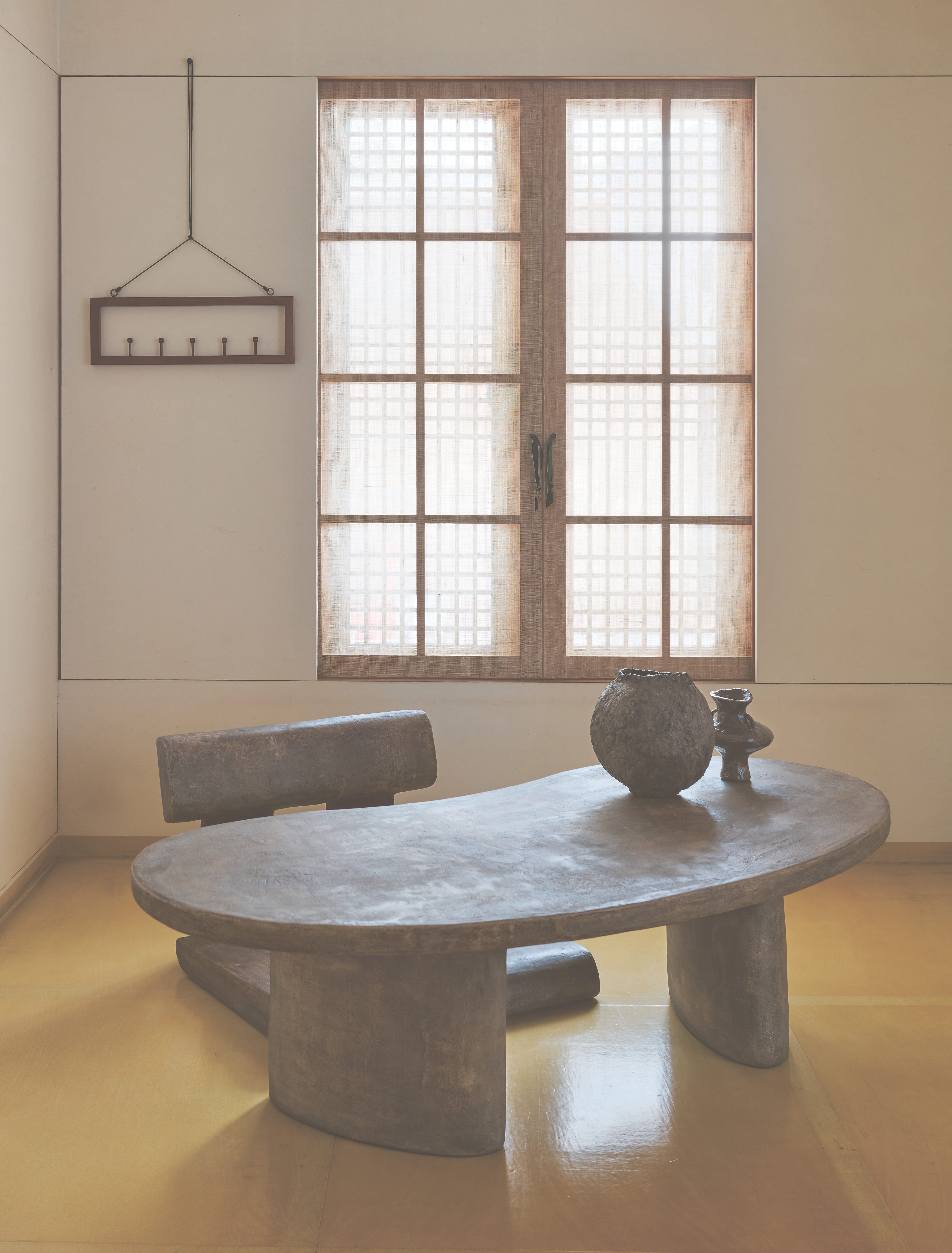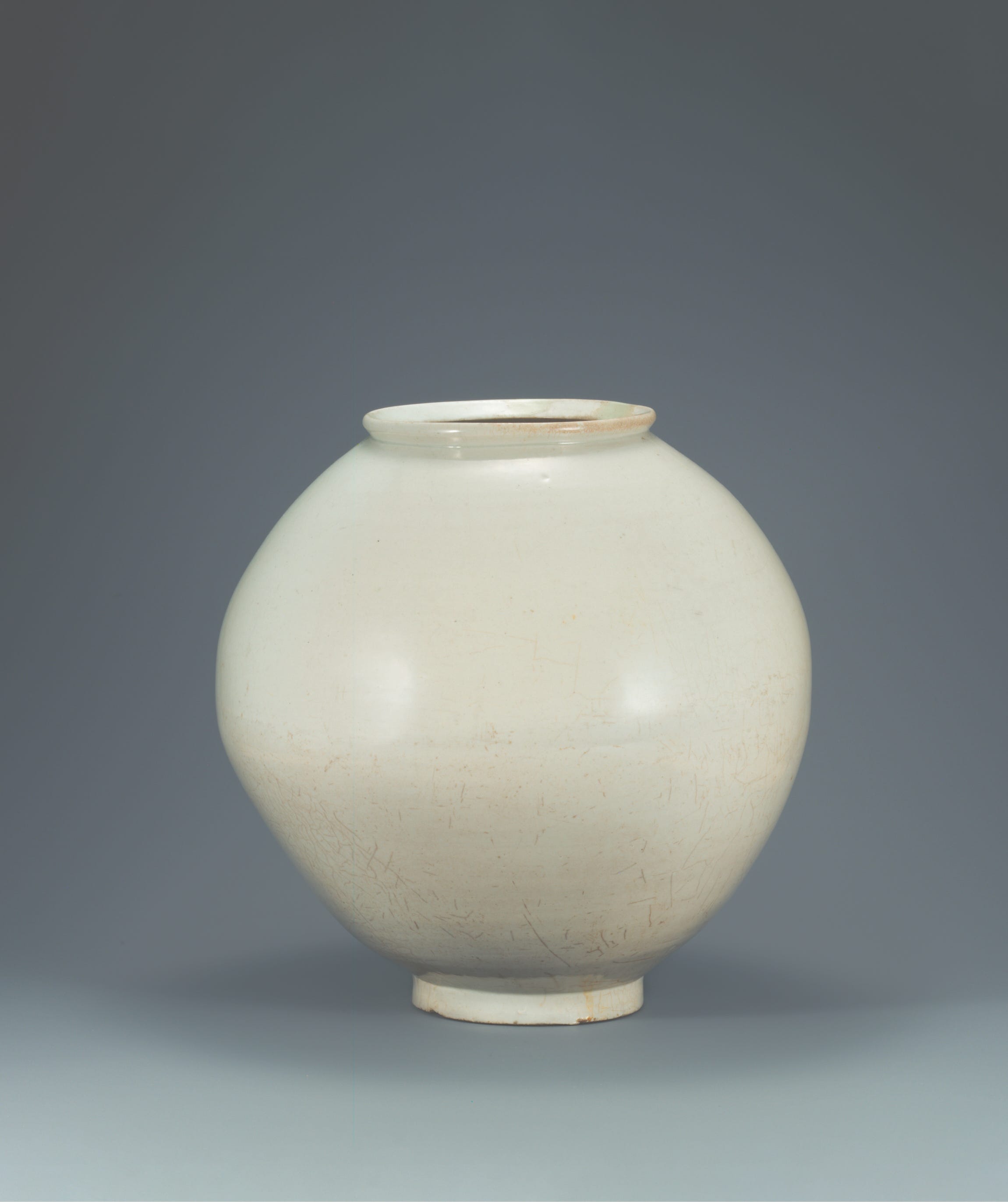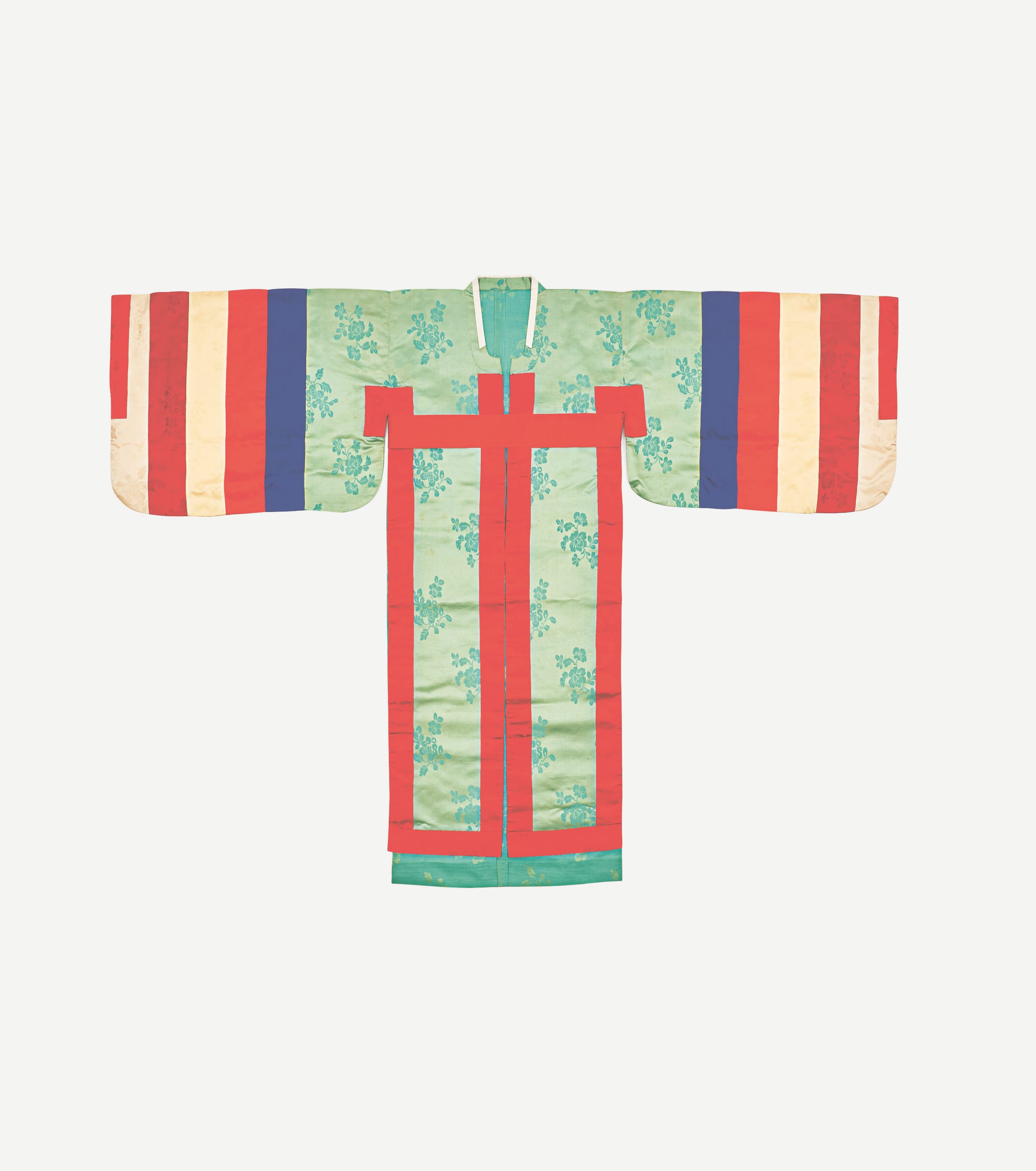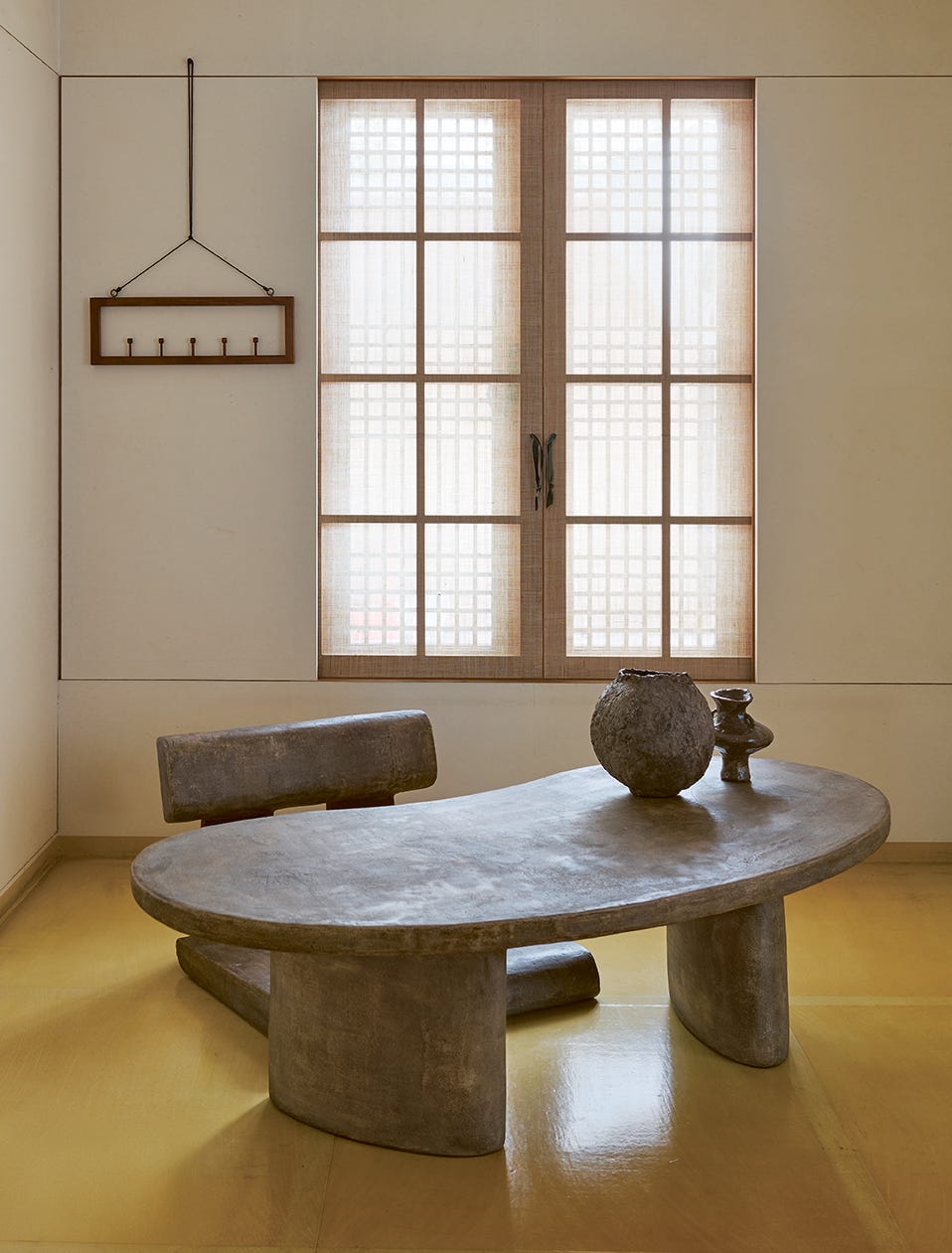
There is a moment for Korean design. It is thriving everywhere as Korean culture has grown to be immensely popular across the globe. Korea has been recognized as one of the only countries where traditional crafts are utilized to create an intriguing body of contemporary design on a national level, similar to Japan. The recent and first edition of Design Miami in Seoul, held at the Dongdaemun Design Plaza designed by Zaha Hadid, has brought to the world’s stage the fascinating and innovative work done by Korean craftspeople and designers who have turned their ancestors’ traditions and the DNA of daily wares into contemporary expressions.
While Korean contemporary design has a strong presence at design galleries and gift shops, the profound discourse surrounding it has yet to receive a formal analysis, at least in English. Now that Hyo Jung Lee, a London-based Korean graphic designer and the founder of the Korean Craft and Design platform, published a comprehensive volume on Korean design in English, so that the spirit of Korean craft and design can finally be explored. Entitled Jeong: The Spirit of Korean Craft and Design, the volume, published by Phaidon, is a valuable resource on the subject, demonstrating how the Korean identity is embedded in the featured objects.
Crafts have a central role in Korean life, as suggested by Teo Yang. In his essay, he stated that the crafts are “not only a way of making, but also a way of thinking.” It is a part of the culture in a way we find hard to understand in America, because Korean people have an emotional connection and a sense of attachment to the crafts. Its role in popular culture dates back to the Joseon Era, Korea’s last and longest living imperial dynasty which began in the 14th century. This influence is still deeply embedded in contemporary Korean culture and the crafts.
We learn that ‘Jeong, the title of the book, means a deep sense of connection and attention to detail, and the profound connection between maker, object, and user. It is unique to Korea as it captures the emotion that shapes relationships, behaviors, and artistic expressions. The objects in this book are organized according to their use, highlighting the utilitarian nature of Korean design while exploring the significance of jeong, tracing the history of Korean craft and placing Korean design in the context of the wider international design scene.
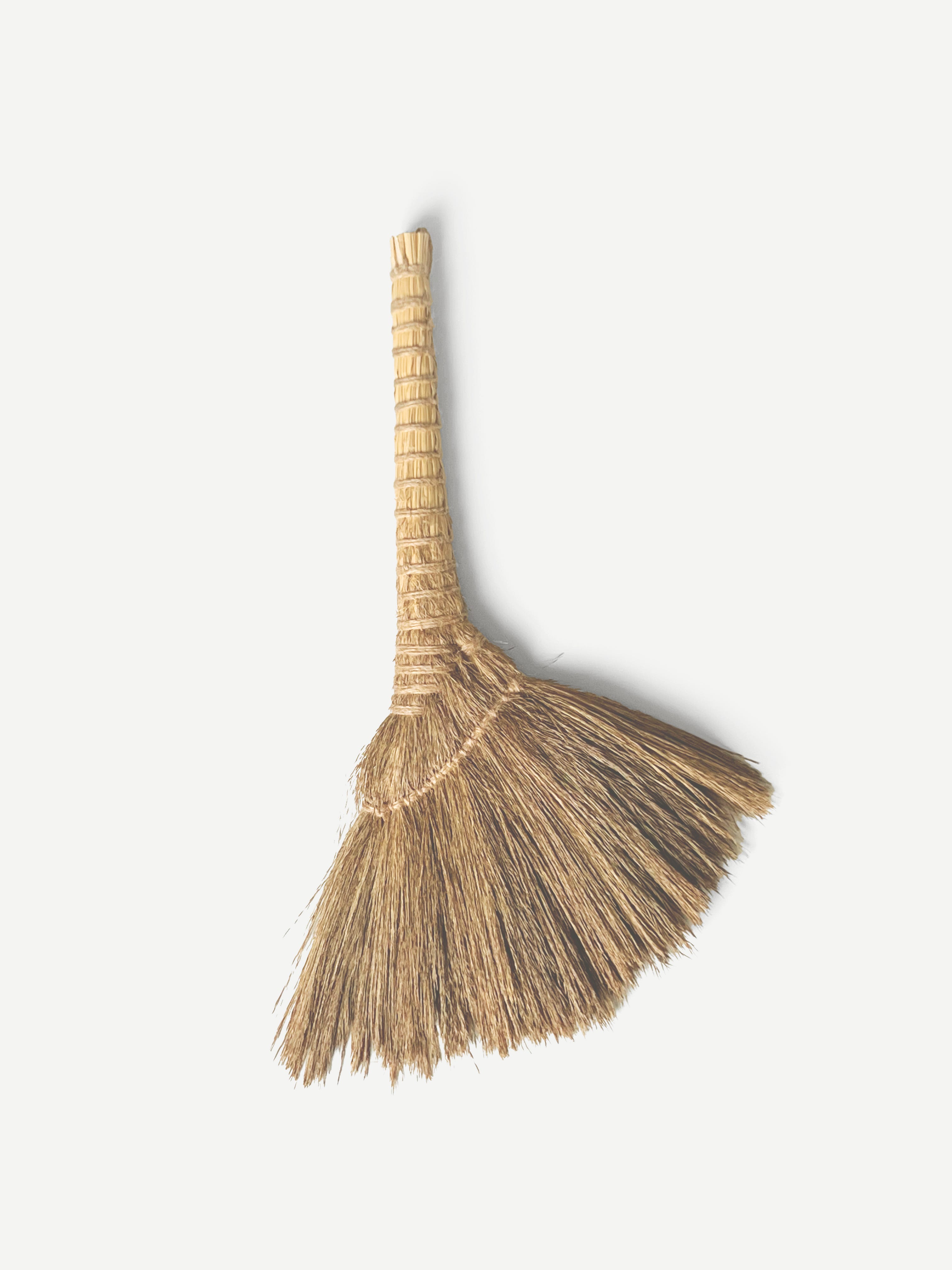
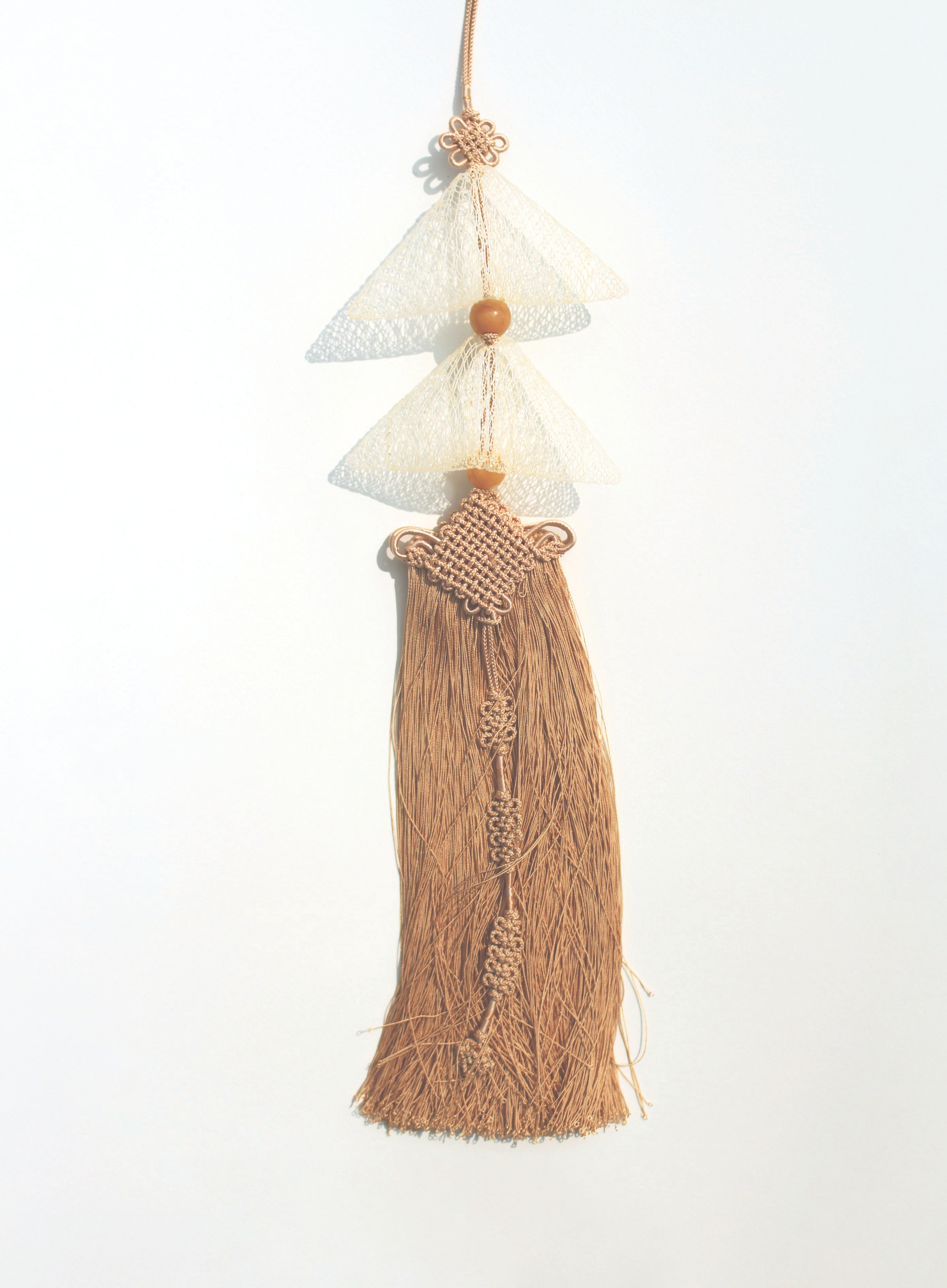
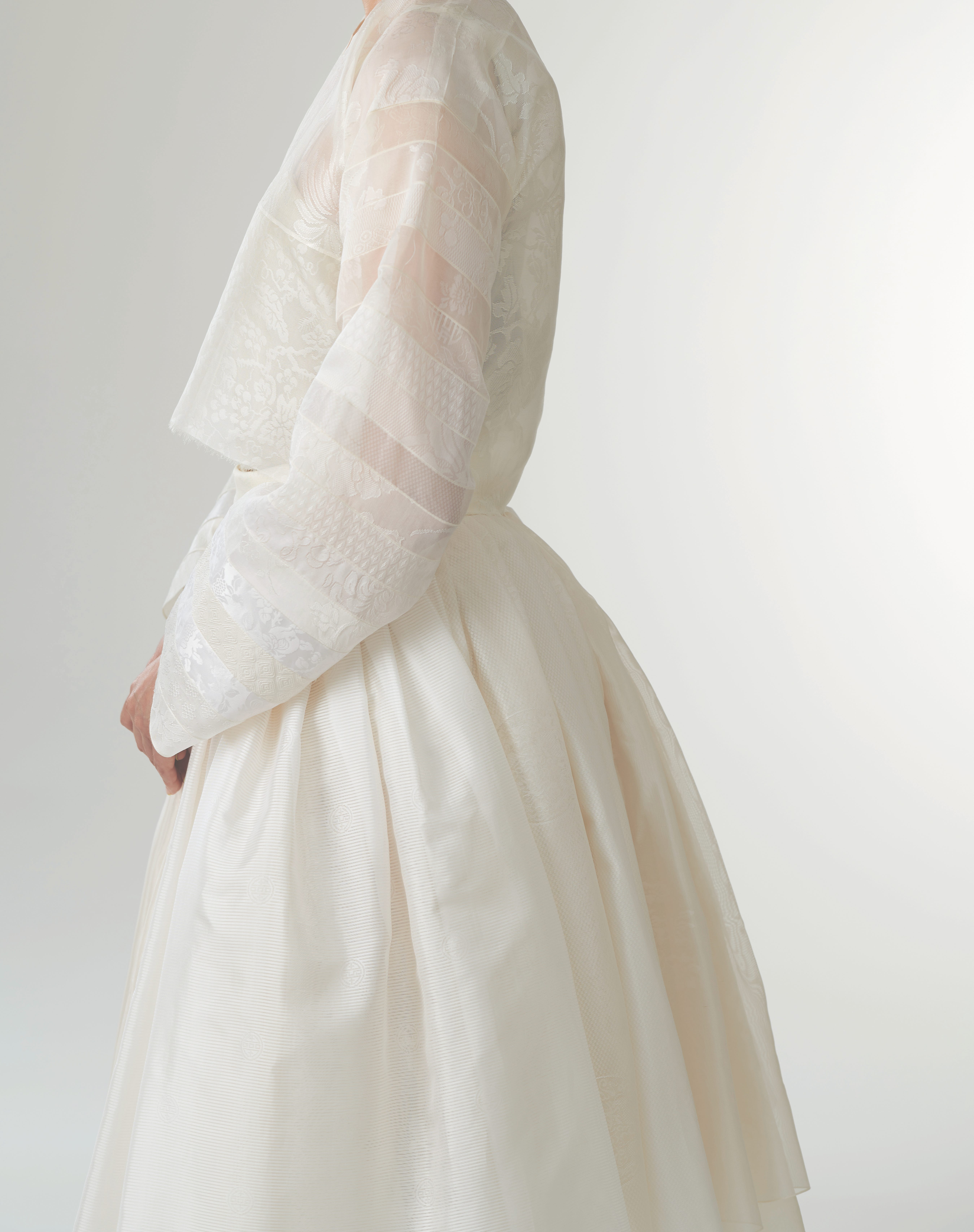
The book covers not only collectible design by celebrated artists, but also everyday objects by anonymous artisans. While flipping through the pages, the reader is made aware of Korean lifestyle, demonstrated across 175 objects crafted in lacquer, clay, wood, fiber, and basketry. The book itself is printed on tactile craft paper and stitch-bound in traditional Korean style, creating a stunning object that invites exploration. Design-obsessed readers will also enjoy finding in-depth essays by contemporary Korean design prodigy Teo Yang, curator Beth McKillop, and the Chairperson of the Arumjigi Foundation in Seoul, J. Kathryn Hong. I have to admit that reading this book is greatly contributing to my desire to go to Korea. As it transitions into a worldwide phenomenon, it has come to be known as the Korean Wave. Currently it dominates film, fashion, and cuisine, even taking over the New York City fine dining scene with a record high of 12 Korean restaurants earning Michelin stars in the 2025 guide, Korean contempoary design is the new player in the global market.