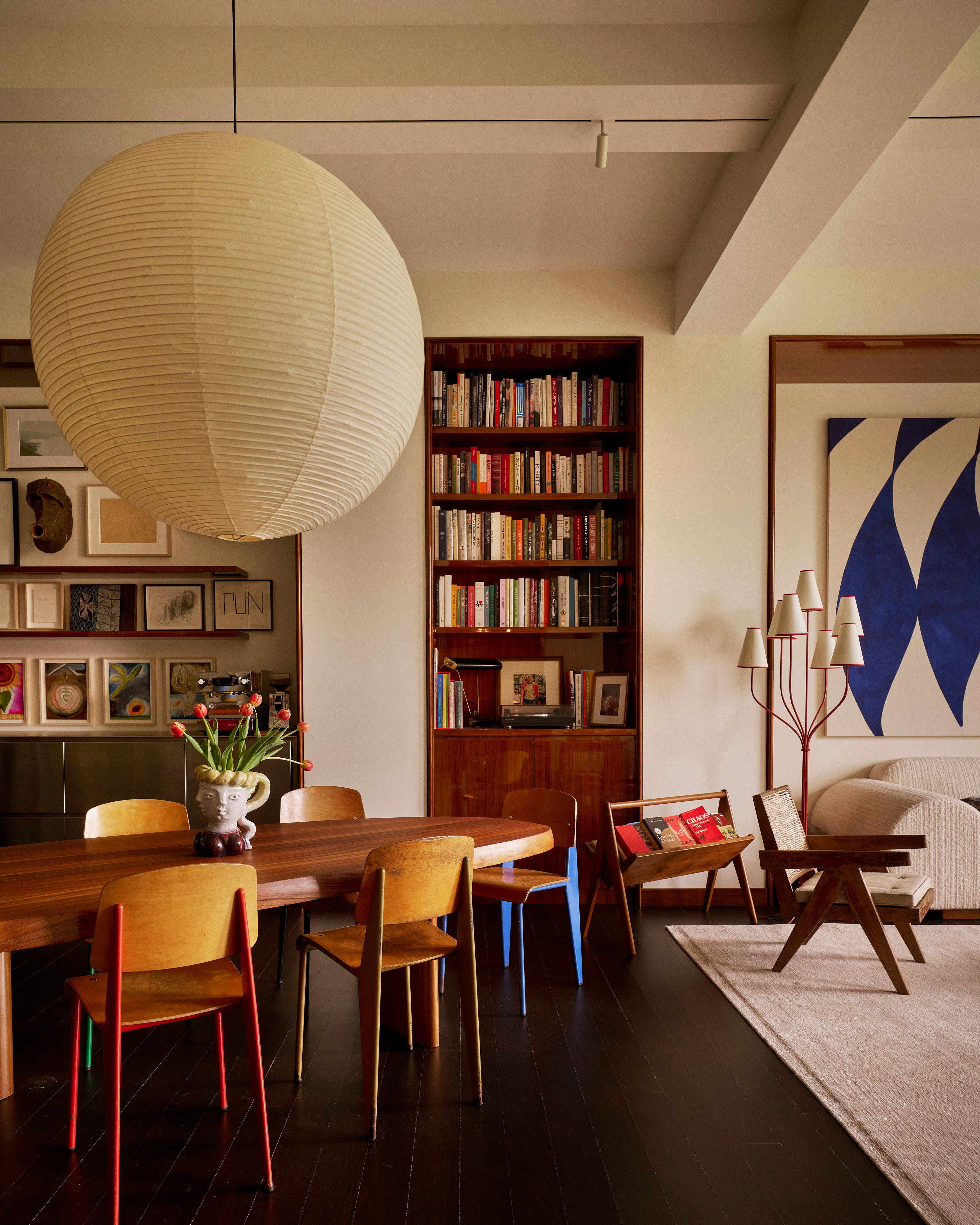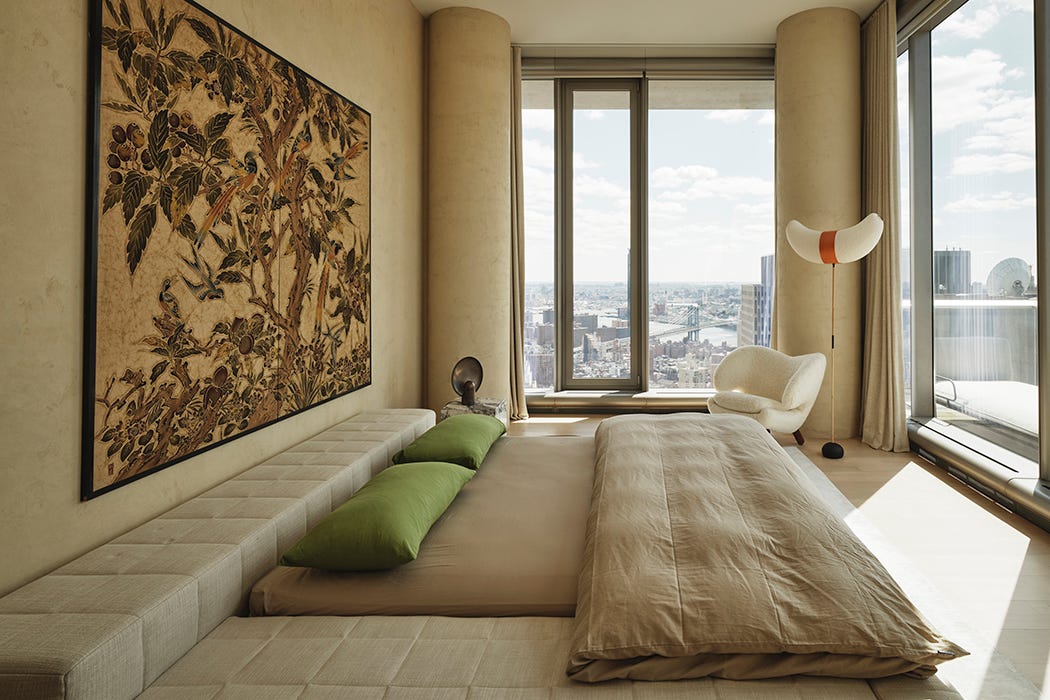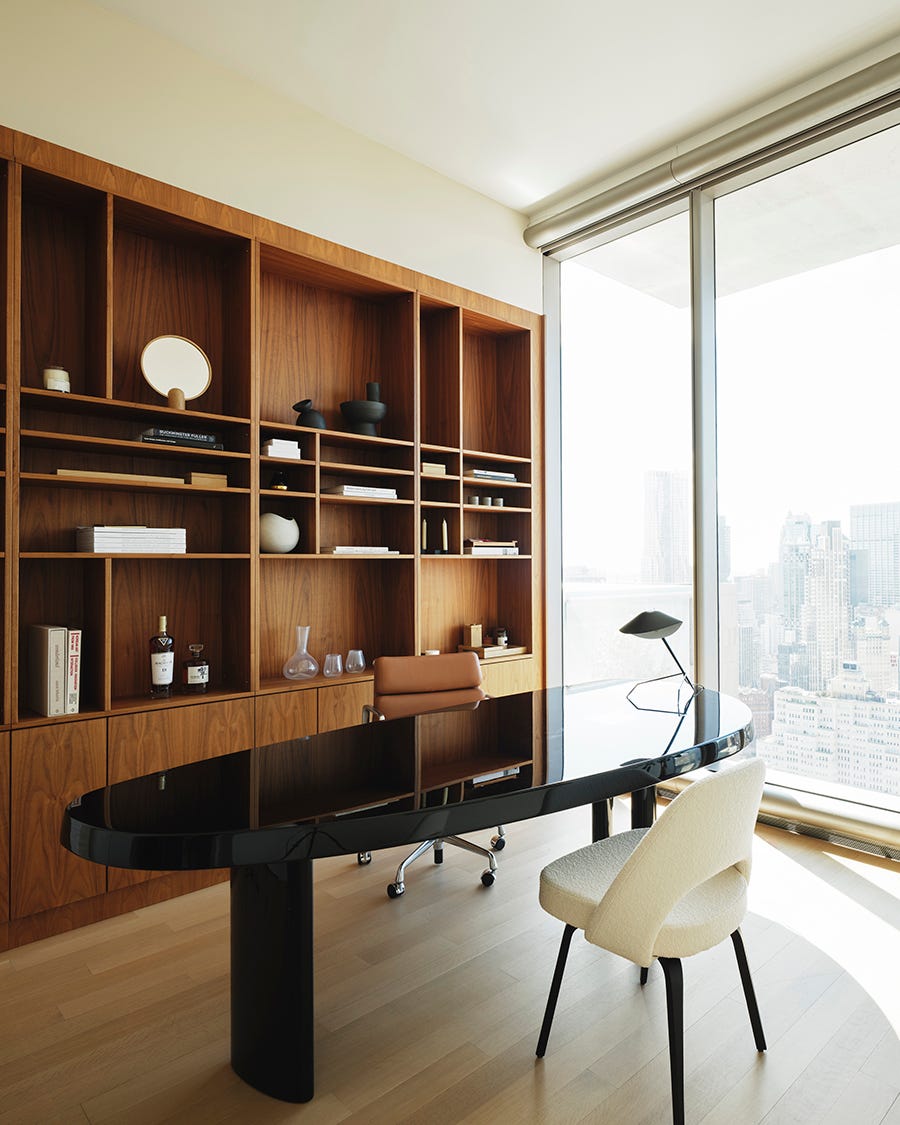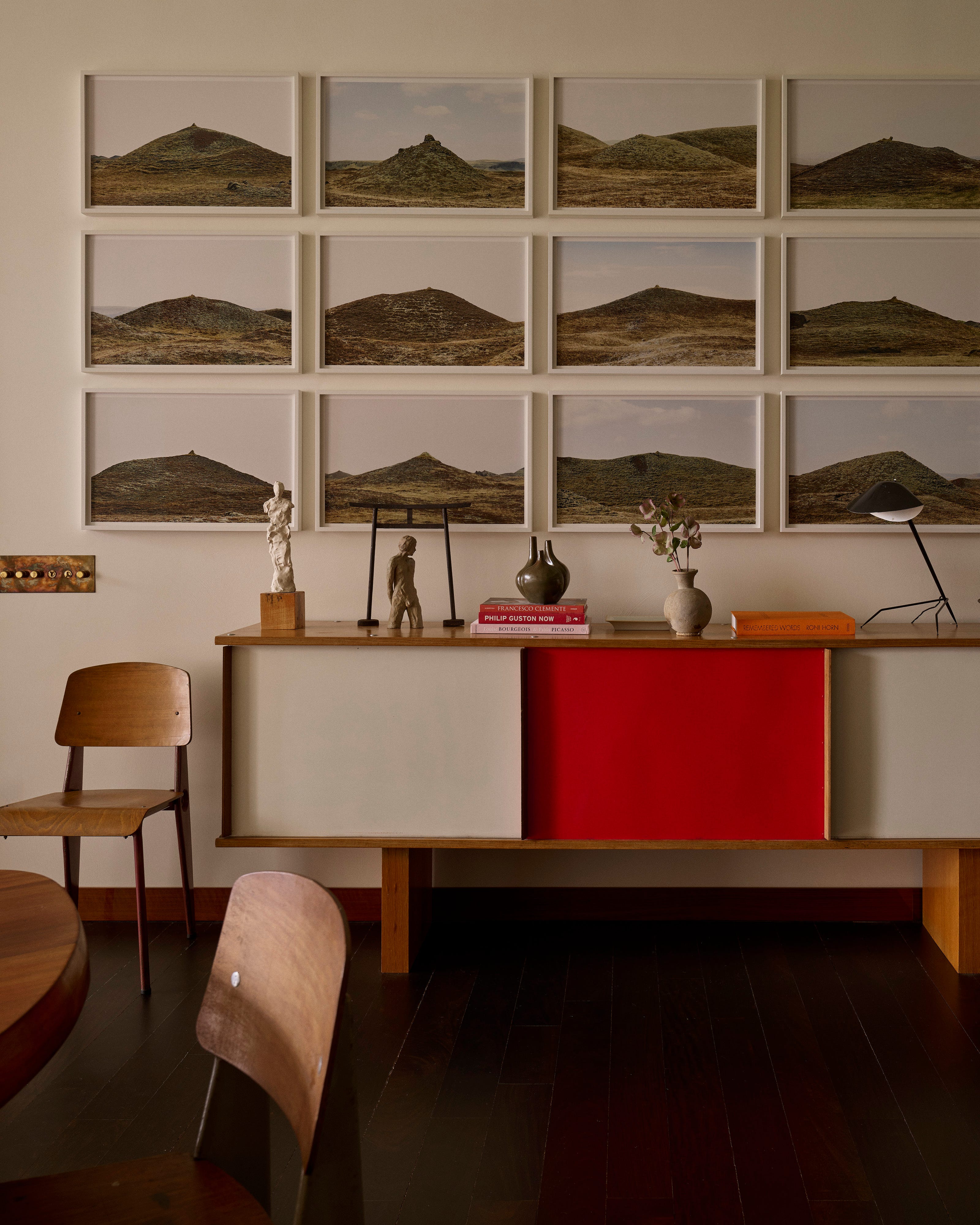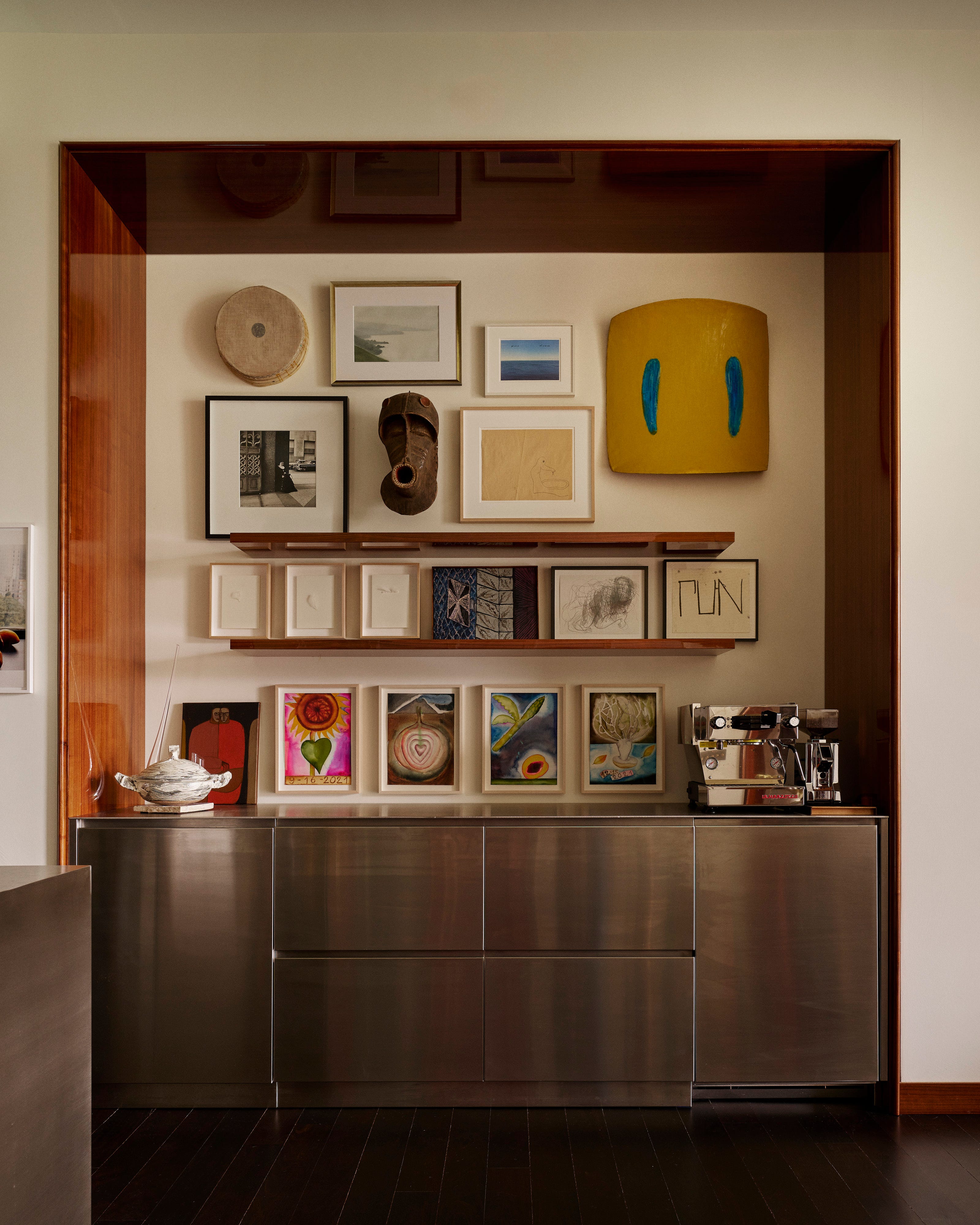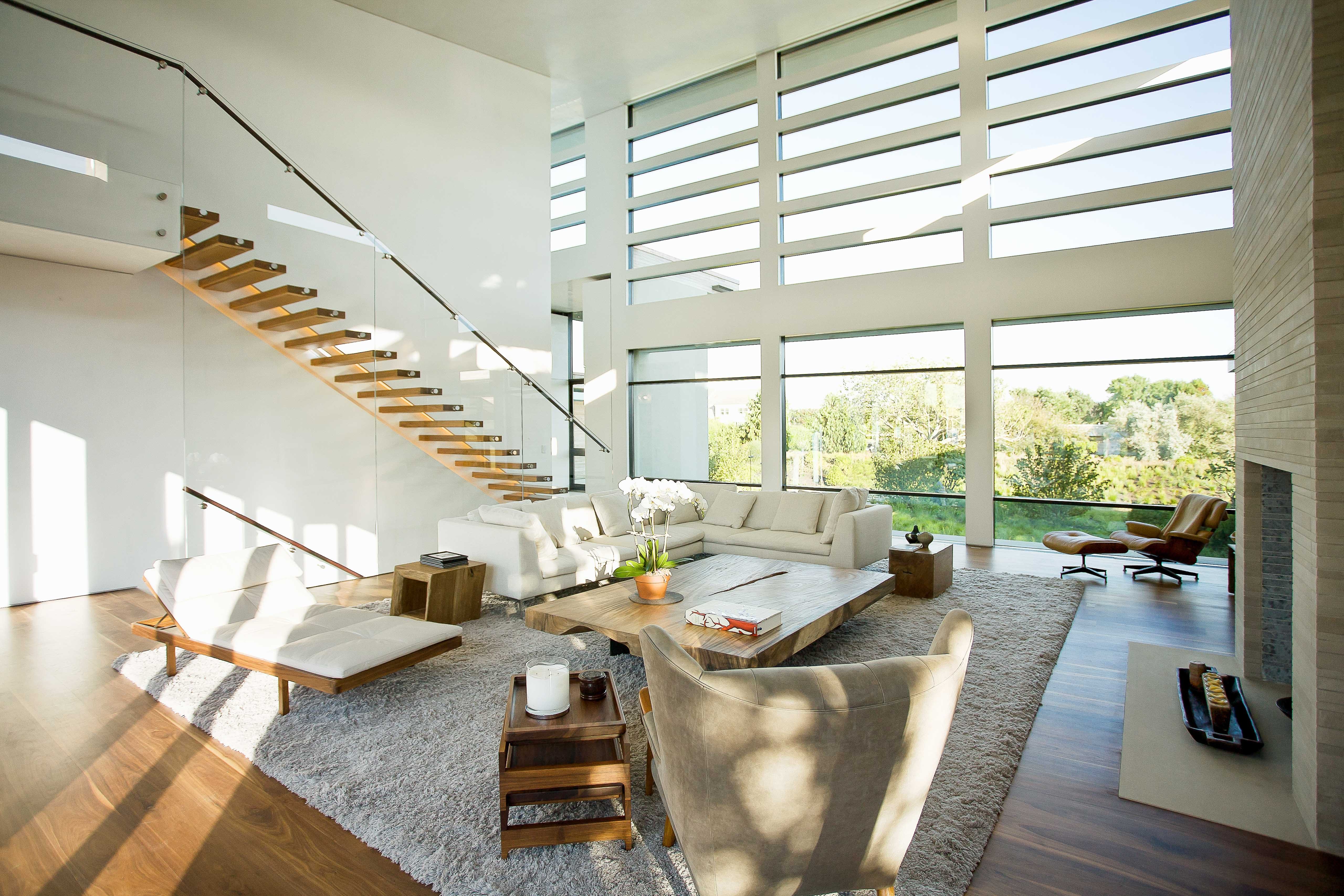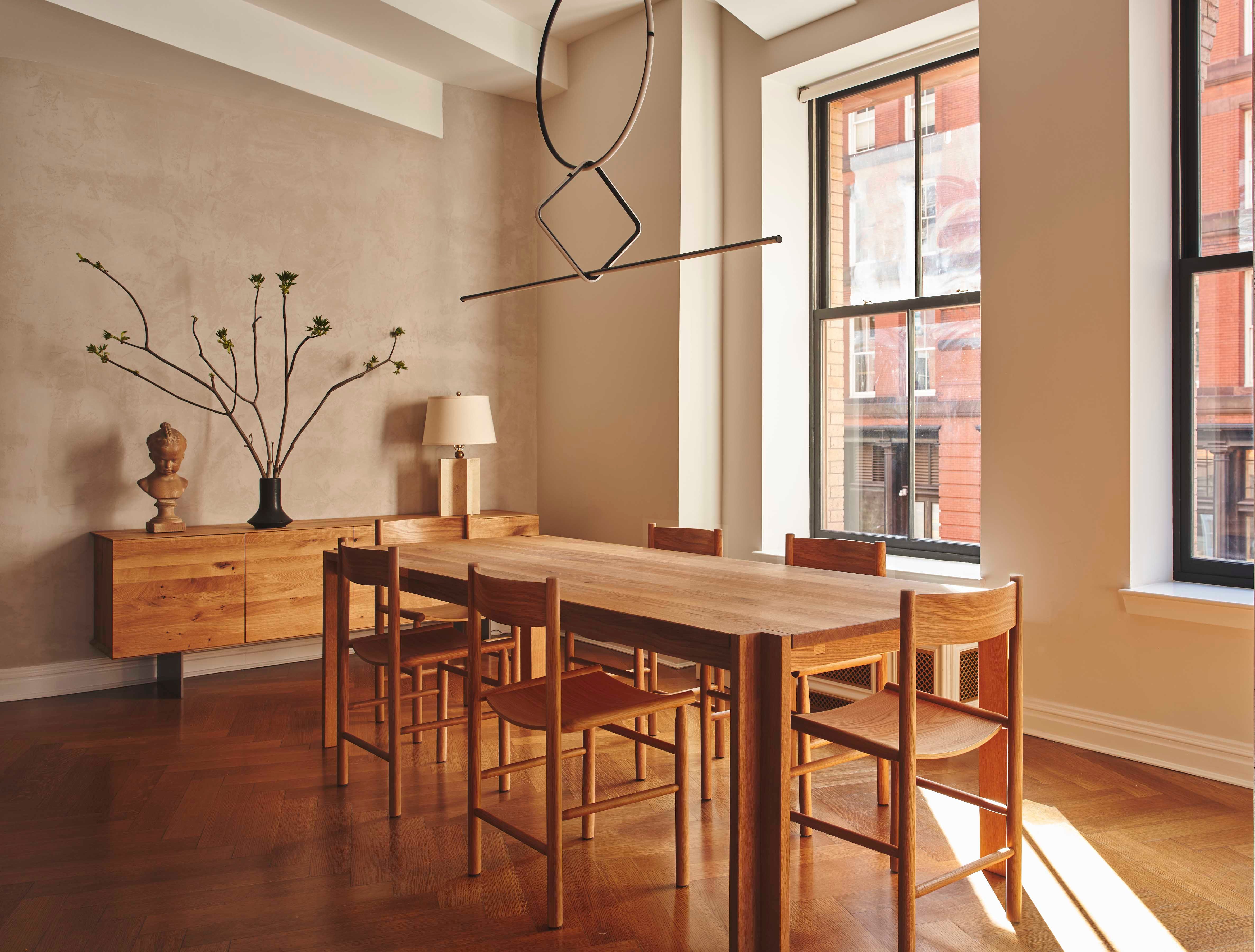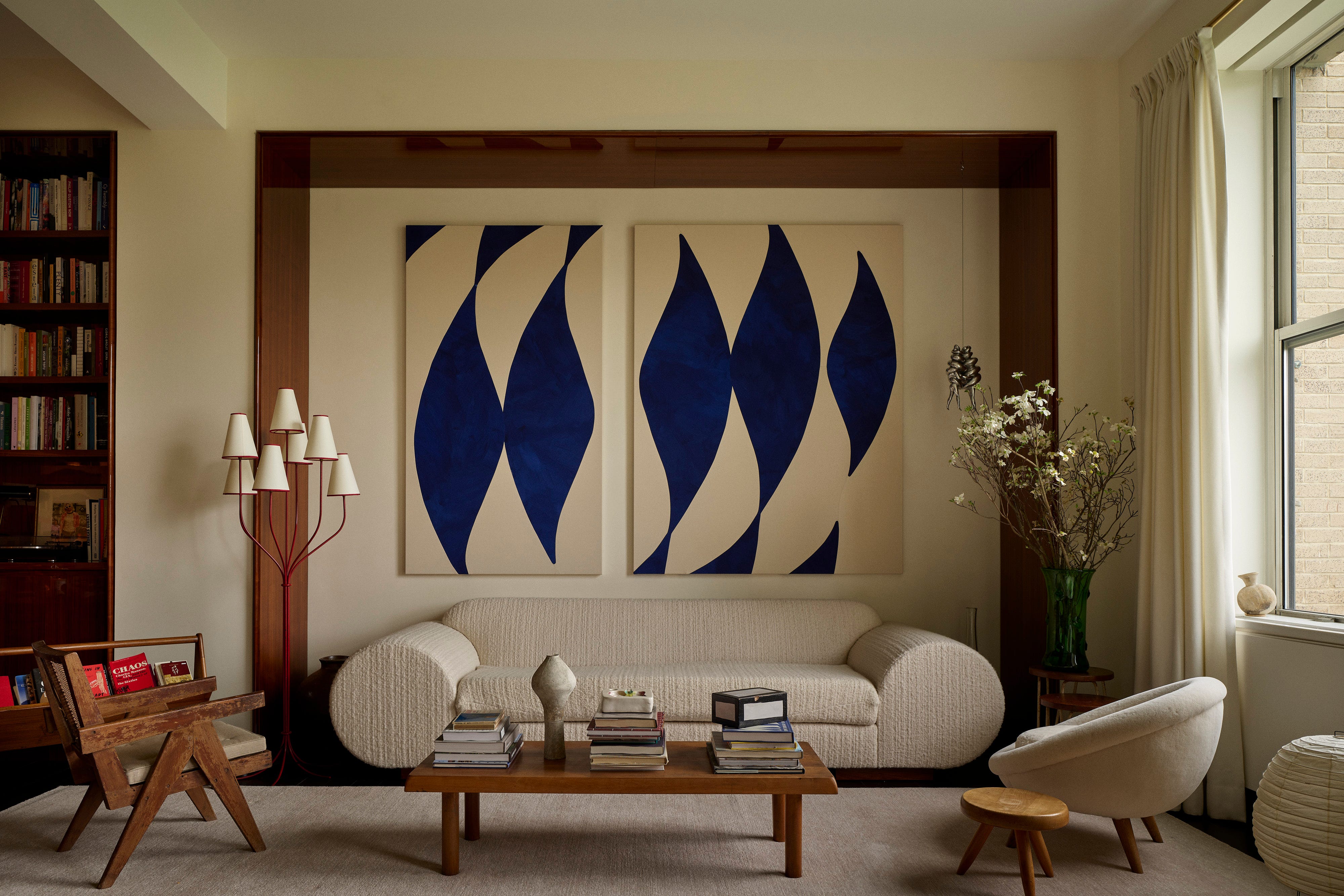
For architectural designer Tommy Zung, each project begins with a singular vision that brings architecture, interiors, and objects into a coherent whole. The founder of Studio Zung and my guest in Magical Spaces of the Past and Present, he has created dazzling residential interiors shaped by his own brand of minimalism and his love of mid-century French furniture. His holistic approach and charismatic presence on social media have brought Zung’s work to an international audience. Yet the starting point for each home is intensely personal, and the design language of every project grows out of his clients’ stories and aspirations. He sees his role as creating artful environments they can inhabit and enrich over time with their collections, gradually make them their own.
“Every project,” he says, “is thoughtful, mindful, considered all the way through, culturally relevant, and intimate to the particular client.” The idea that a home should reflect the people who live in it is familiar. What distinguishes Zung is the rigor with which he pursues it. His approach is akin to couture, designed with the same attention to fit and individuality that haute couture brings to clothing, where everything from the layout and proportions to the materials, furnishings, and finishes are tailored to a particular client and place.
It was this philosophy and refined visual language, so close to my own, that prompted me to invite Zung to the series. I wanted to hear how he creates interiors that are at once serene, precise, and intellectually engaging. Natural materials, finely worked finishes, and the way light moves through a room give these spaces their character. References to design history and to his clients’ own memories give them depth.
Zung’s eye was formed early, growing up surrounded by some of the most adventurous figures in American art and design - Ruth Asawa, Merce Cunningham, Josef Albers, and Isamu Noguchi, whose studio housed Buckminster Fuller’s New York office. His father, the architect Thomas T. K. Zung, was born in China and came to the United States to study architecture. At Virginia Tech, he met Buckminster Fuller, the visionary architect and inventor who pioneered the geodesic dome. Fuller was first his teacher and later his partner in Buckminster Fuller, Sadao and Zung Architects. Together they worked on geodesic domes, prefabricated houses, tensegrity structures, and museum exhibitions, giving physical form to Fuller’s often complex ideas. His memories of running around the Noguchi’s studio, which is the Museum today is special to him. One of the most moving moments in our conversation came when I showed Tommy a photograph of himself as a young teen with Fuller, his godfather, and the singer John Denver, taken minutes before Denver went onstage in Philadelphia.
Tommy initially resisted his father’s wish that he become an architect and worked in fashion before finding his way to architectural design. What struck me in our conversation was how precisely he could explain why he loves the things he loves. He spoke about furniture by Charlotte Perriand, Jean Prouvé, and Jean Royère, and about the Brutalist and tribal qualities he sees in Rick Owens’s pieces. He reserves particular affection for Noguchi’s Akari lamps, which he often places in his interiors. Handmade from Japanese washi paper, they are, in his eyes, masterpieces one can live with easily.
His clients are immersed in the arts and want to live with exceptional works of art and design. They come to him at different stages in the development of their taste, united by a curiosity about objects and a desire to live more simply. For Zung, there is a connection between collecting and sustainability. A piece of furniture can be a cultural artifact, something to live with and keep over time.
His recent interior for Daniel Humm, the Swiss-born chef and owner of Eleven Madison Park, is a particularly revealing example. The precision Humm brings to cooking finds a parallel in Zung’s approach to designing his home in Manhattan. Humm’s attraction to minimalism, his upbringing as the son of an architect, and his conviction that art belongs in everyday life all helped shape the home. That conviction is equally visible at his restaurant. His insistence on original pieces and exceptional craftsmanship gave Zung a way to express something of the chef’s character and the exacting spirit of his culinary practice.
“Use real materials and let them age” is Zung’s mantra. In rooms of such precision, he welcomes the imperfections that come with use. Brass tarnishes, stone takes on a patina, and leather softens and darkens where it is handled. To Zung, these materials grow more beautiful with age. There is poetry in watching them change, in seeing how they take on the traces of the people who live with them.
“Architecture,” he says, “is a laborious profession.” For Zung, heading out into the ocean on his surfboard is the ultimate freedom. Back in the studio, he brings a patient, disciplined eye to a philosophy he has spent his career refining. You see it in the care with which he chooses each object and in the space he gives it. A chair, a lamp, or a piece of sculpture can hold its own in one of his rooms. Much of the power of his interiors comes from that restraint.