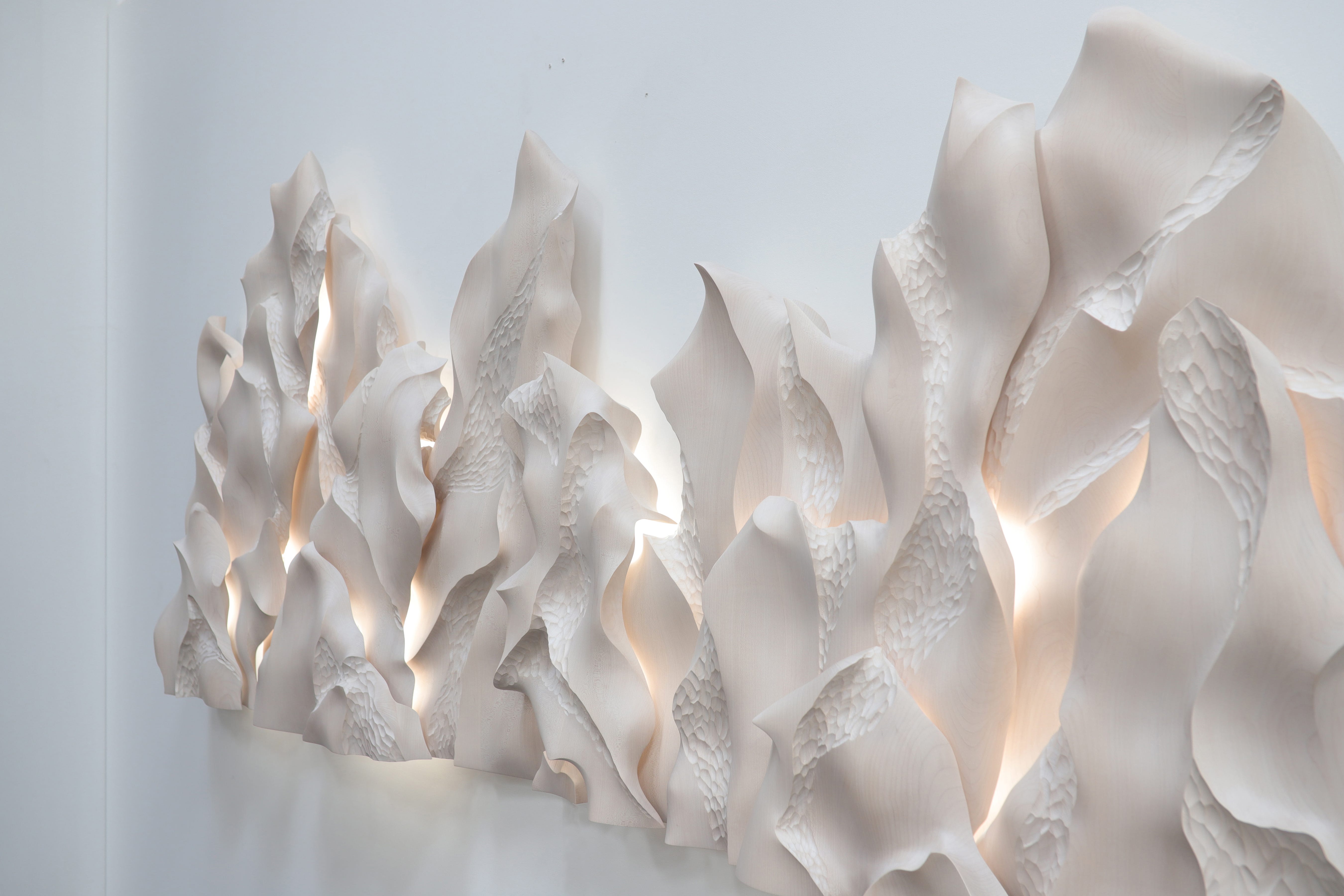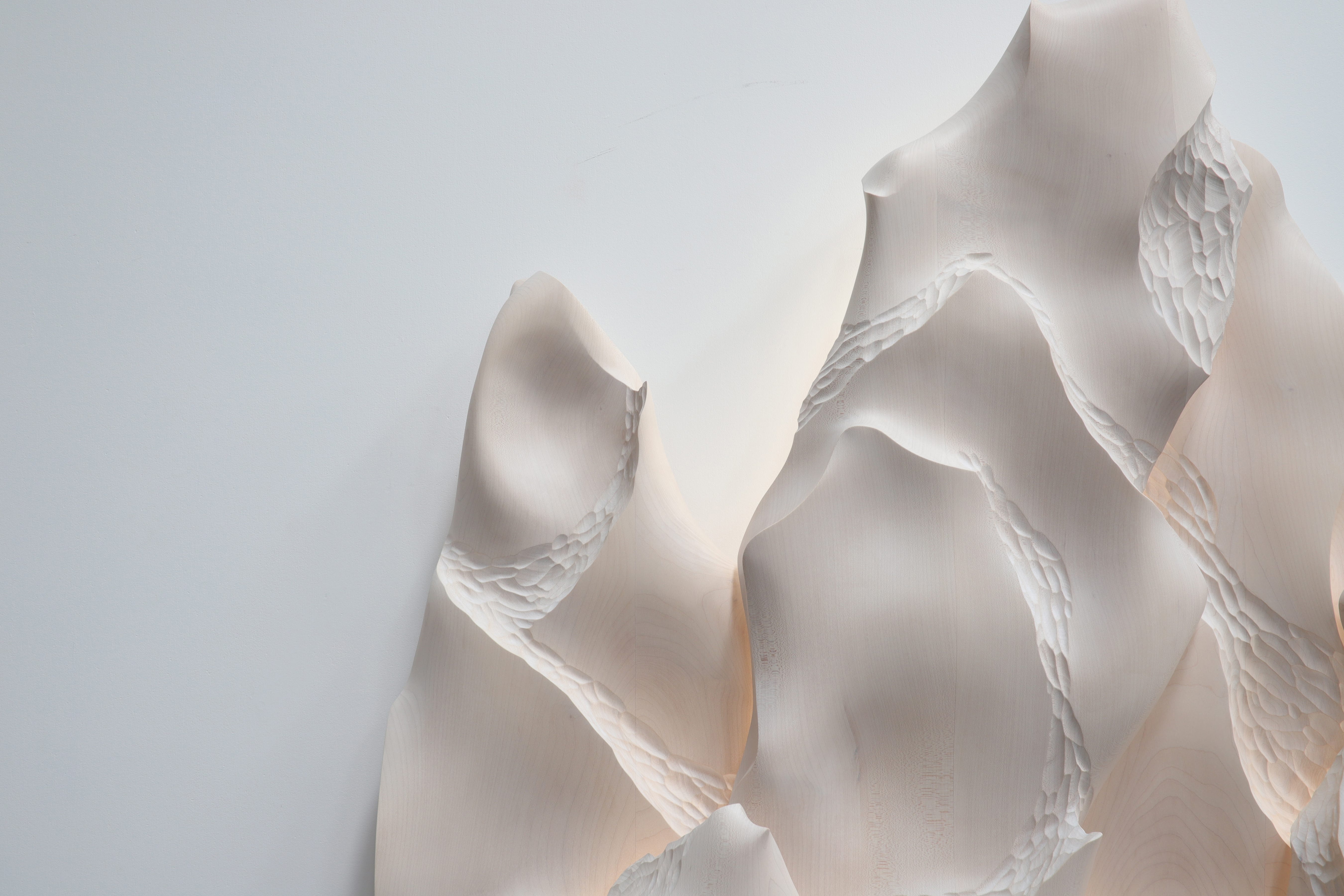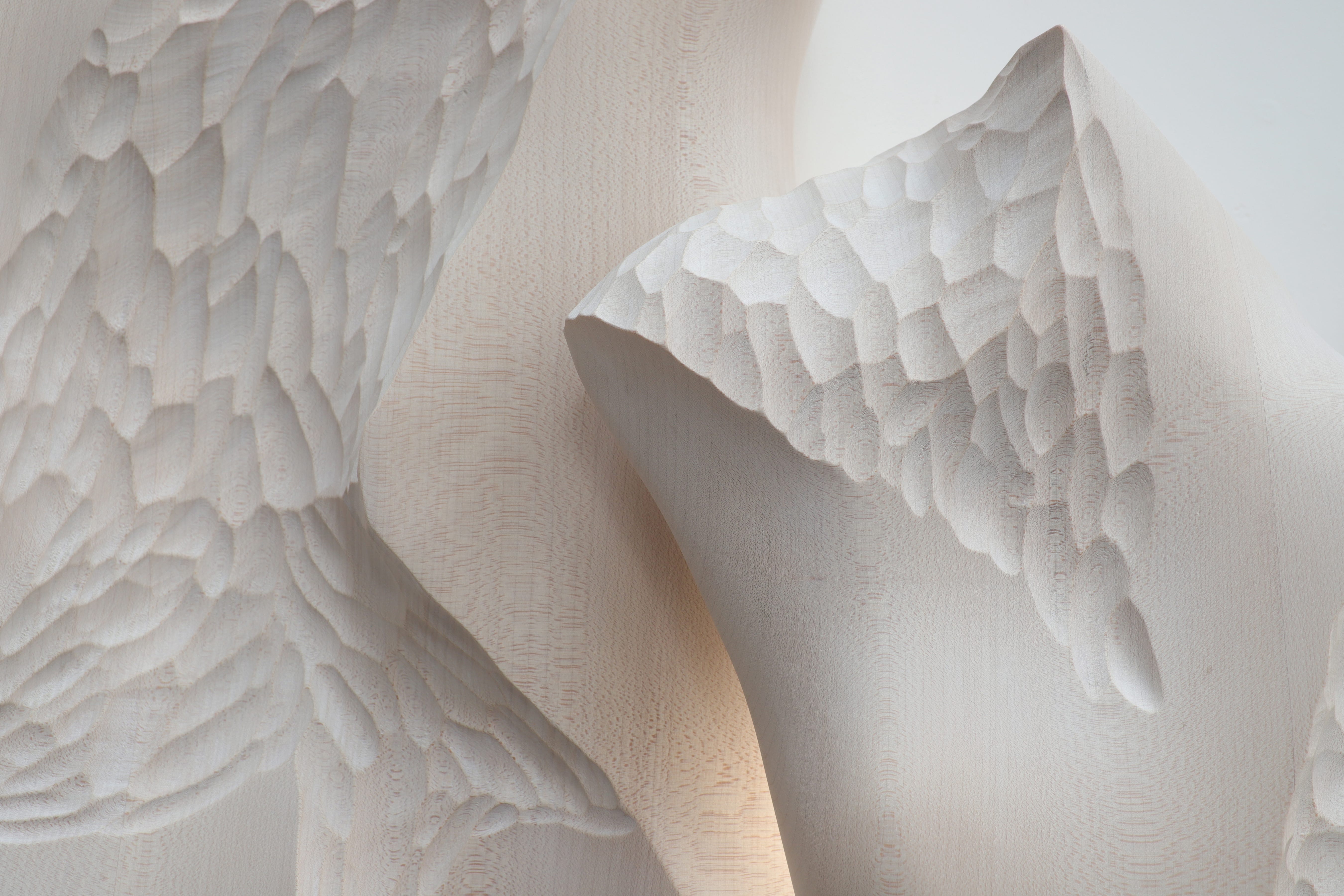
Wendell Castle (1932–2018) was one of my favorite American designers—not only for his brilliant oeuvre and his role in pioneering handmade art furniture in the United States, nor merely for his contribution to the narrative of modern design, which he propelled forward with an unerring attunement to the zeitgeist until the day he died. I loved him because he was, above all, a singular human being: humble, unfailingly dignified in his treatment of others, and possessed of a rare gift for making you feel that you, not he, were the one who mattered. His artistic energy was unparalleled—he never looked back, continually reinventing himself and achieving one breakthrough after another. In his eighties, he embraced digital tools without hesitation, yet remained rooted in handcraftsmanship even amid the digital age, a duality that allowed him to expand his formal vocabulary immensely.
I was delighted to learn of the Wendell Castle Project, a residency program dedicated to preserving and advancing his artistic legacy and craft. Over a three-month period, participating artists work in Castle’s own workshop in Rochester, New York, encouraged to experiment with and explore handmade wood construction—particularly the stack-lamination carving technique he pioneered in the 1960s. The residency offers artists and makers new directions and creative challenges through research, process, dialogue, and exploration, all in the spirit of Castle himself.
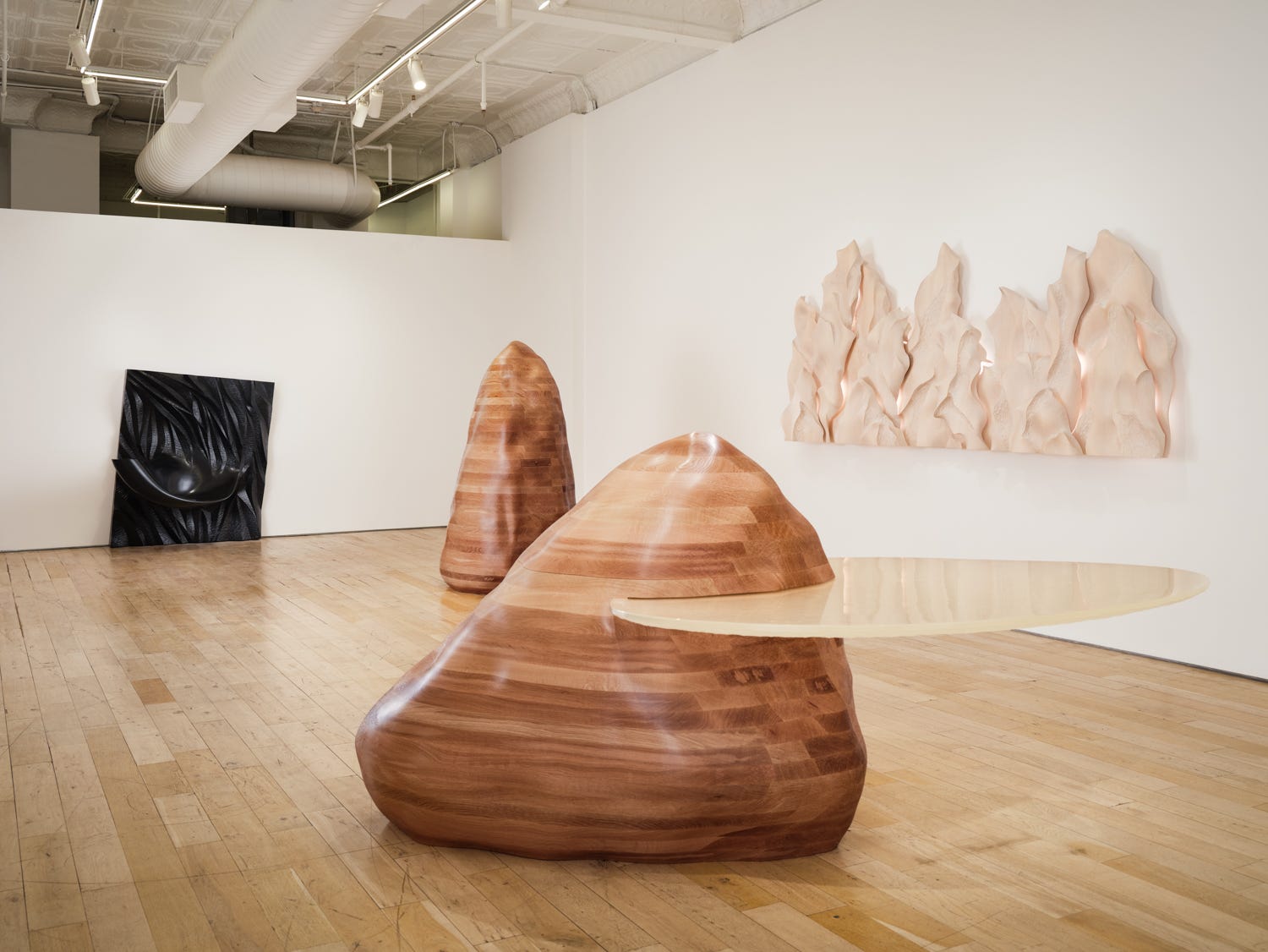
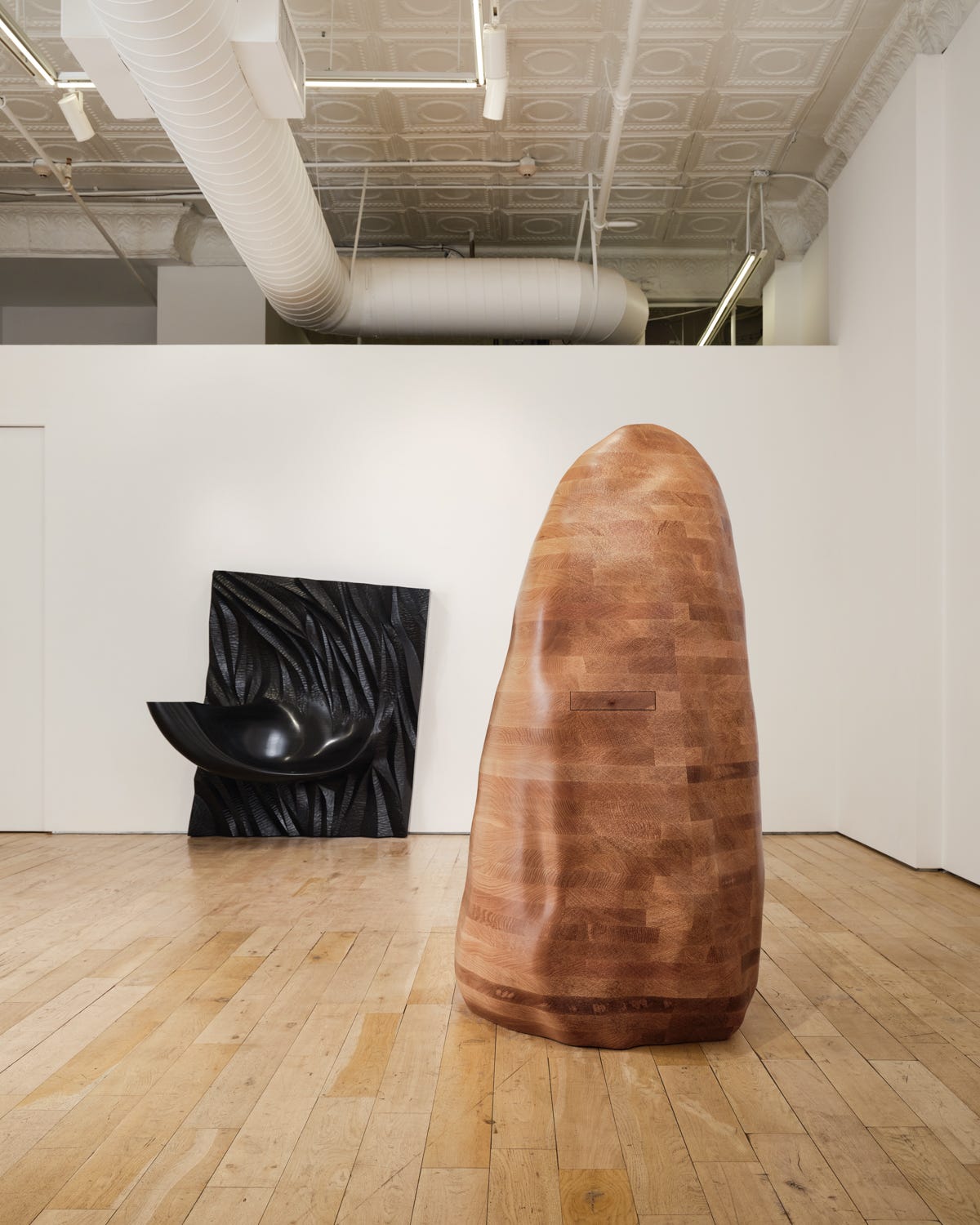
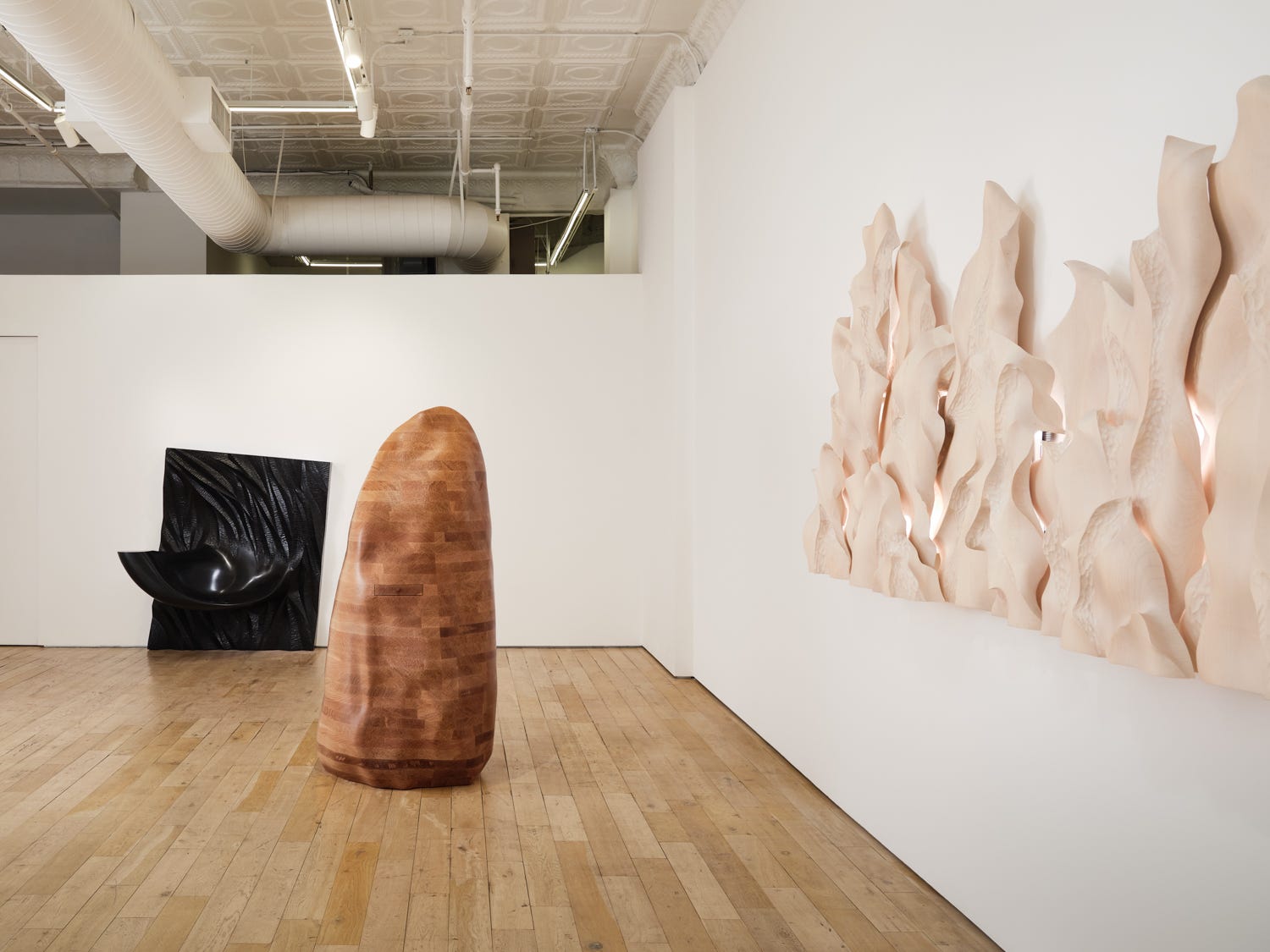
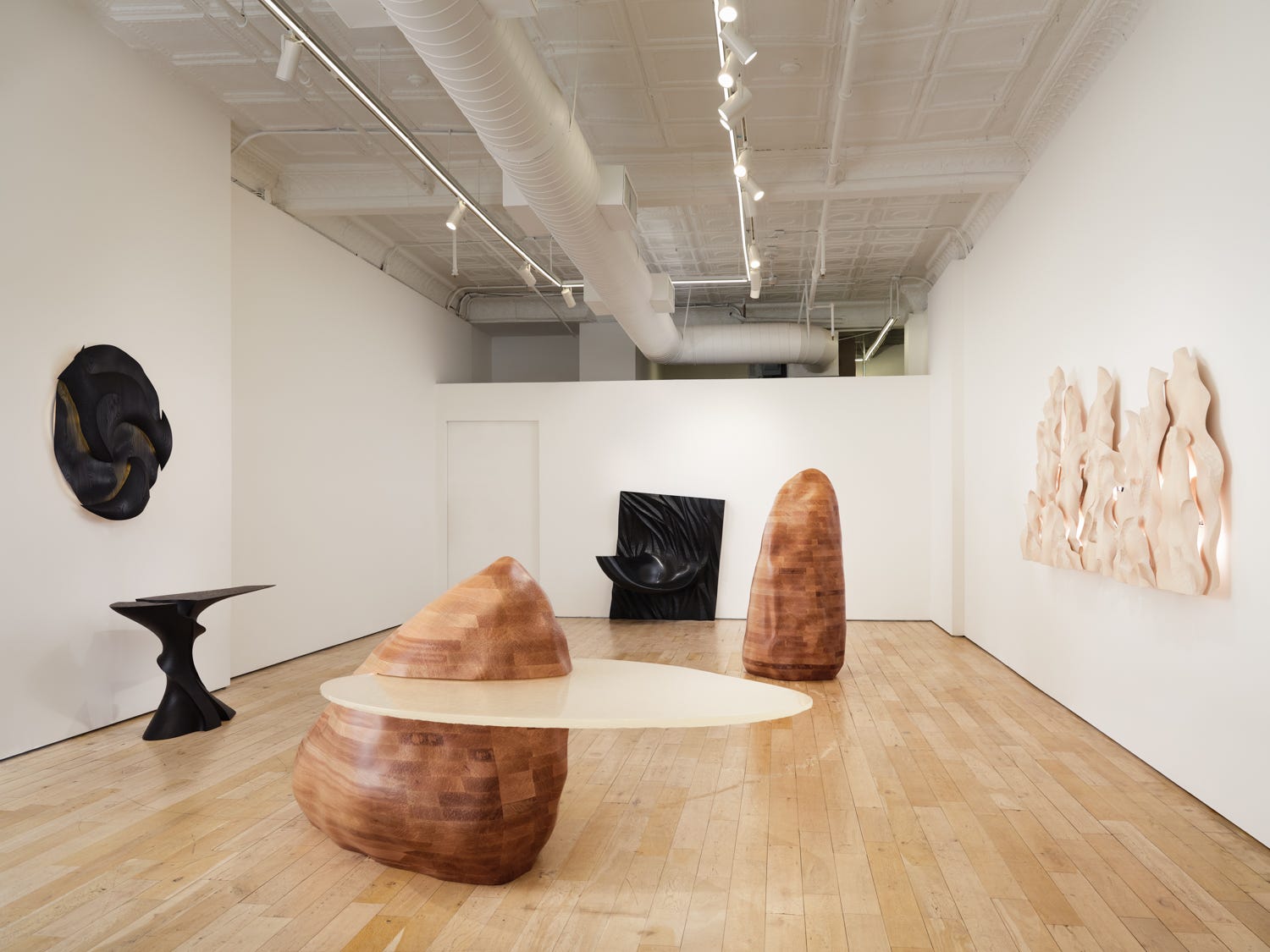
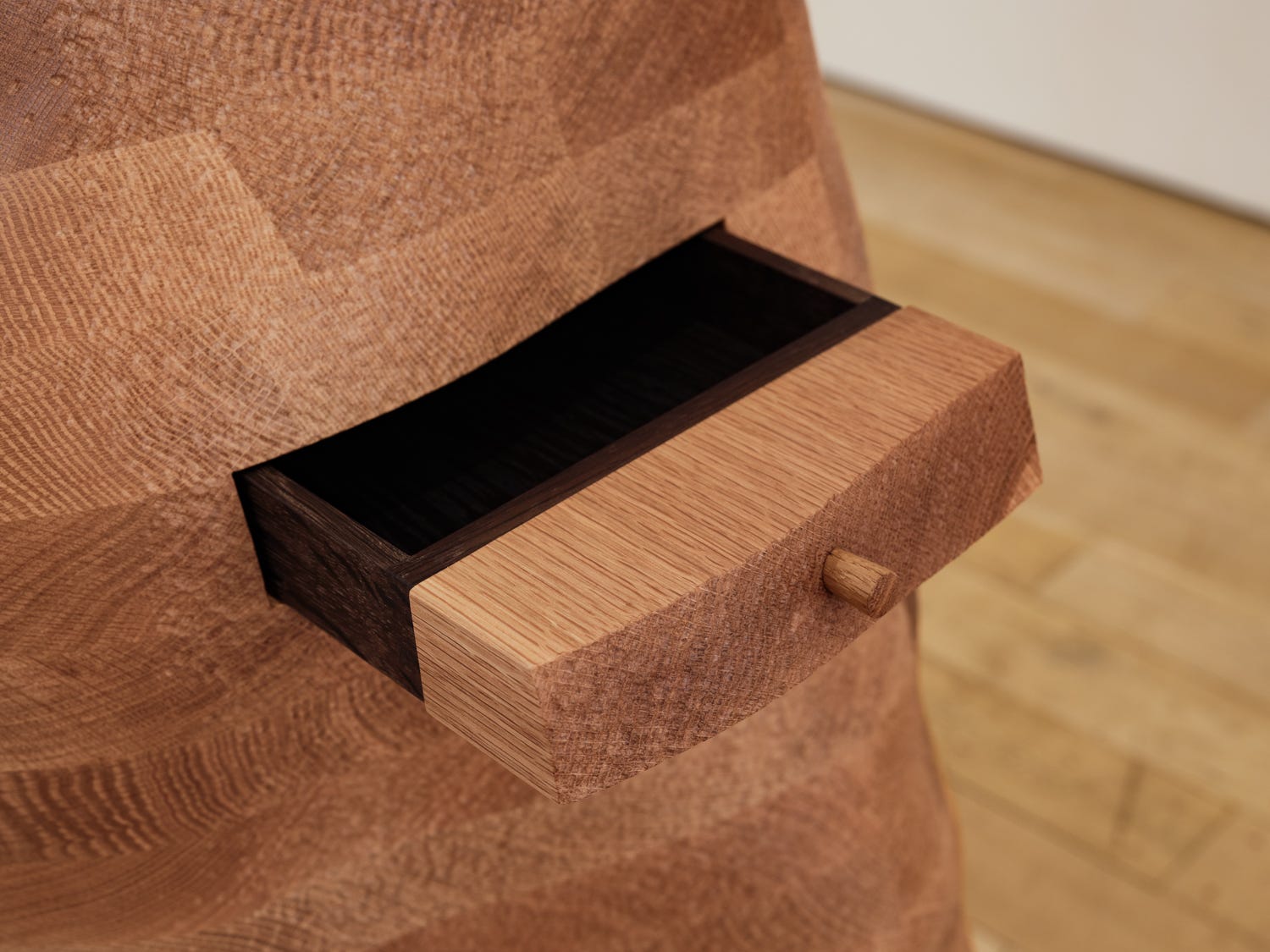
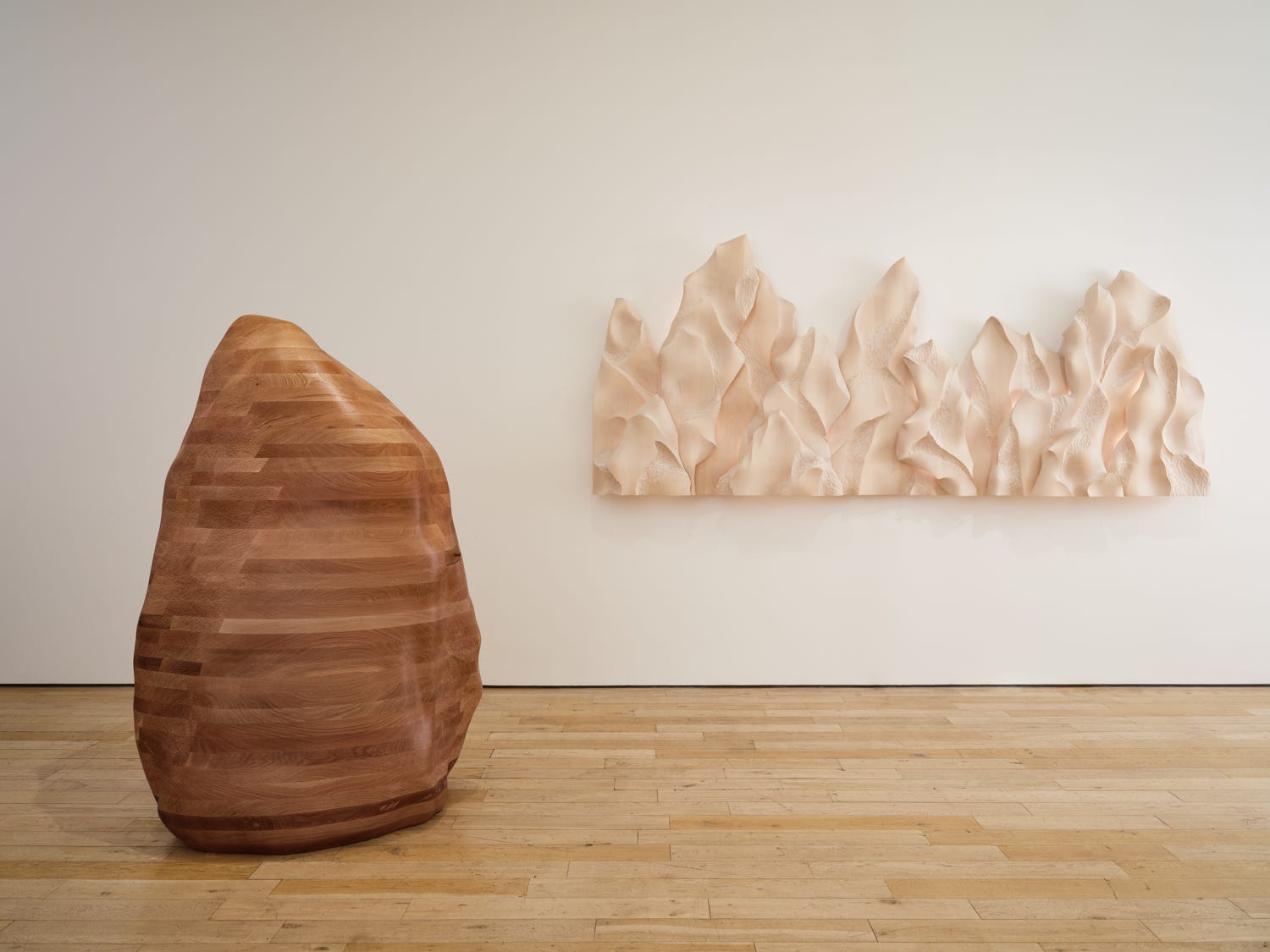
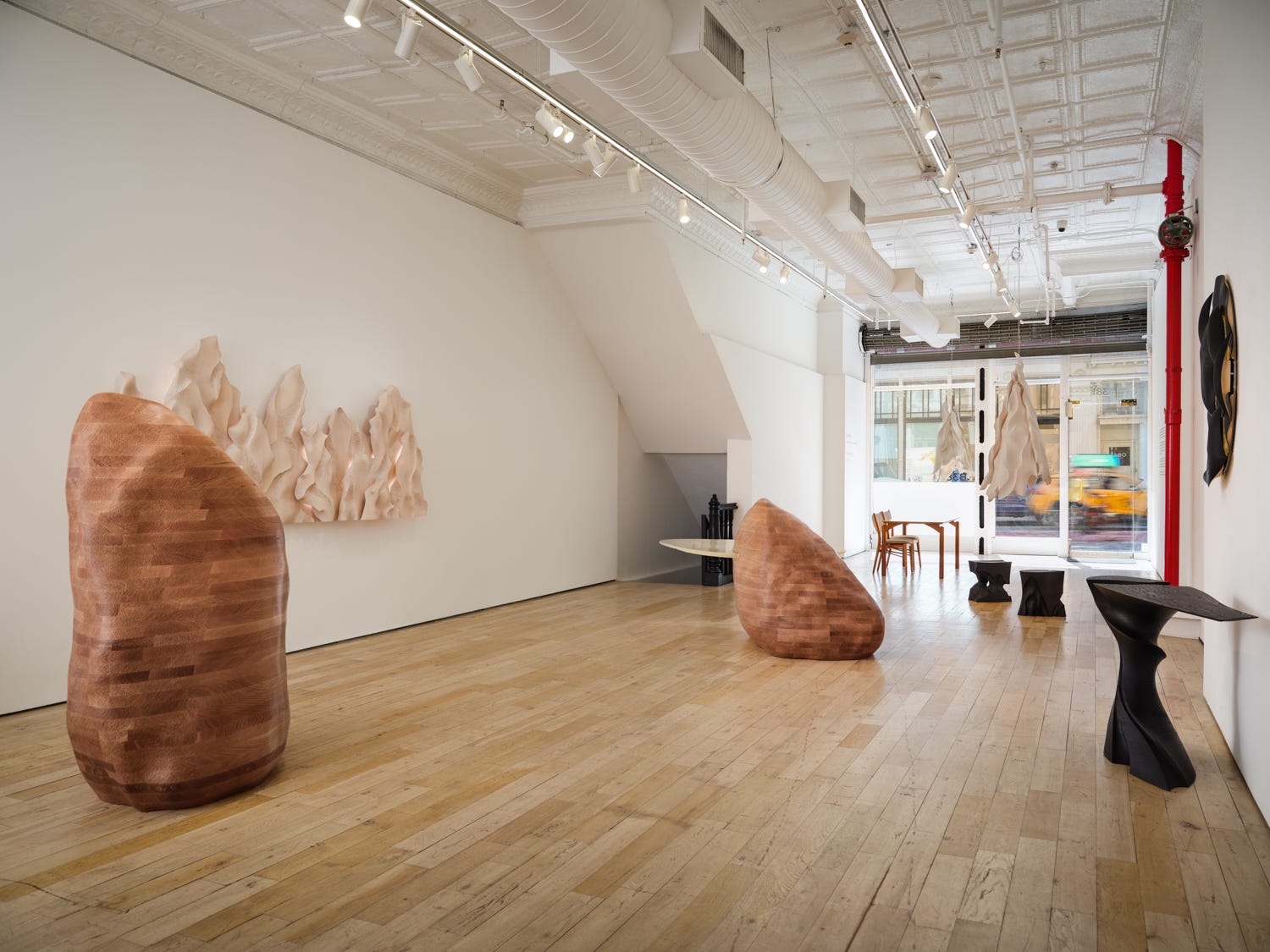
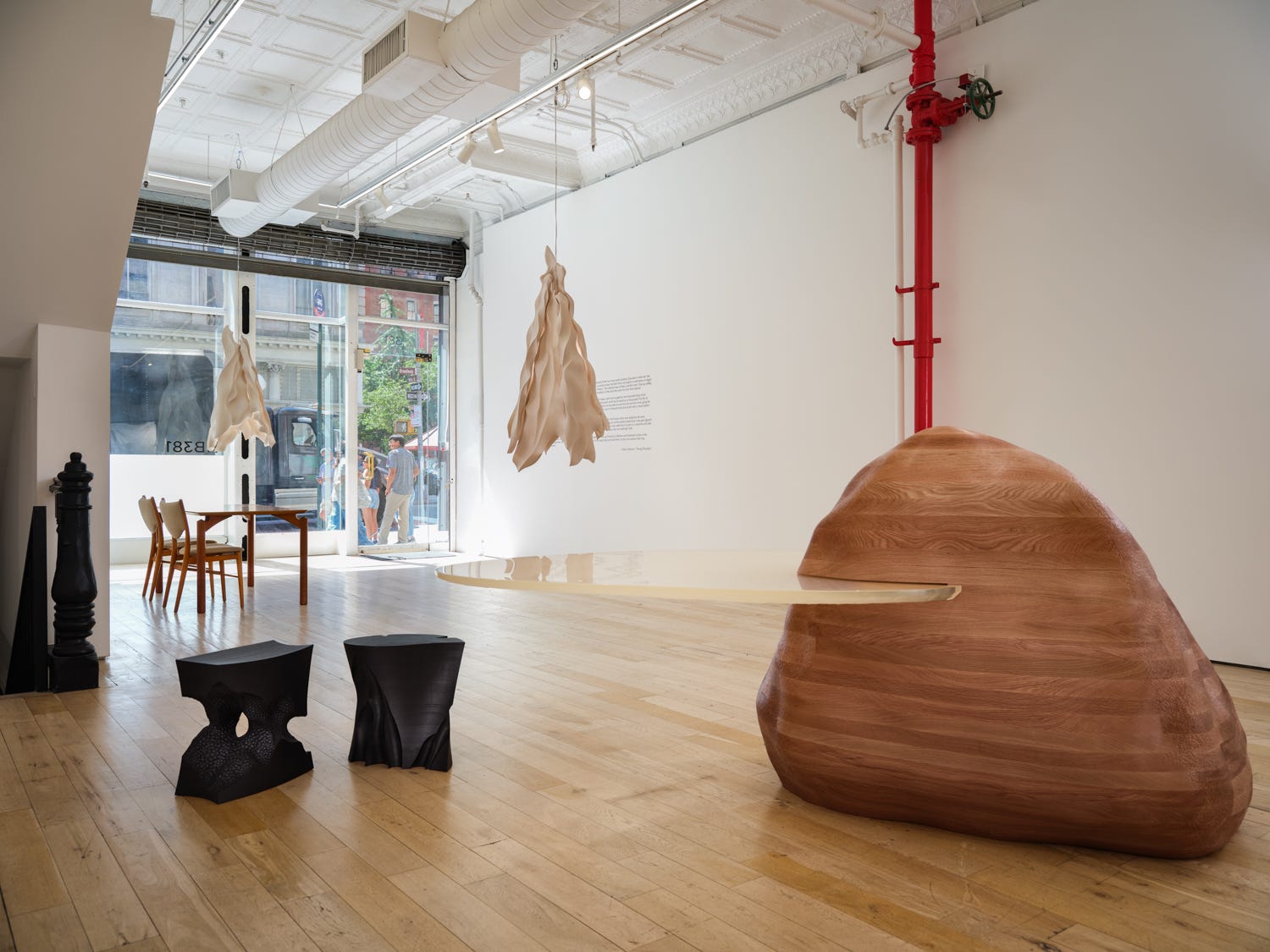
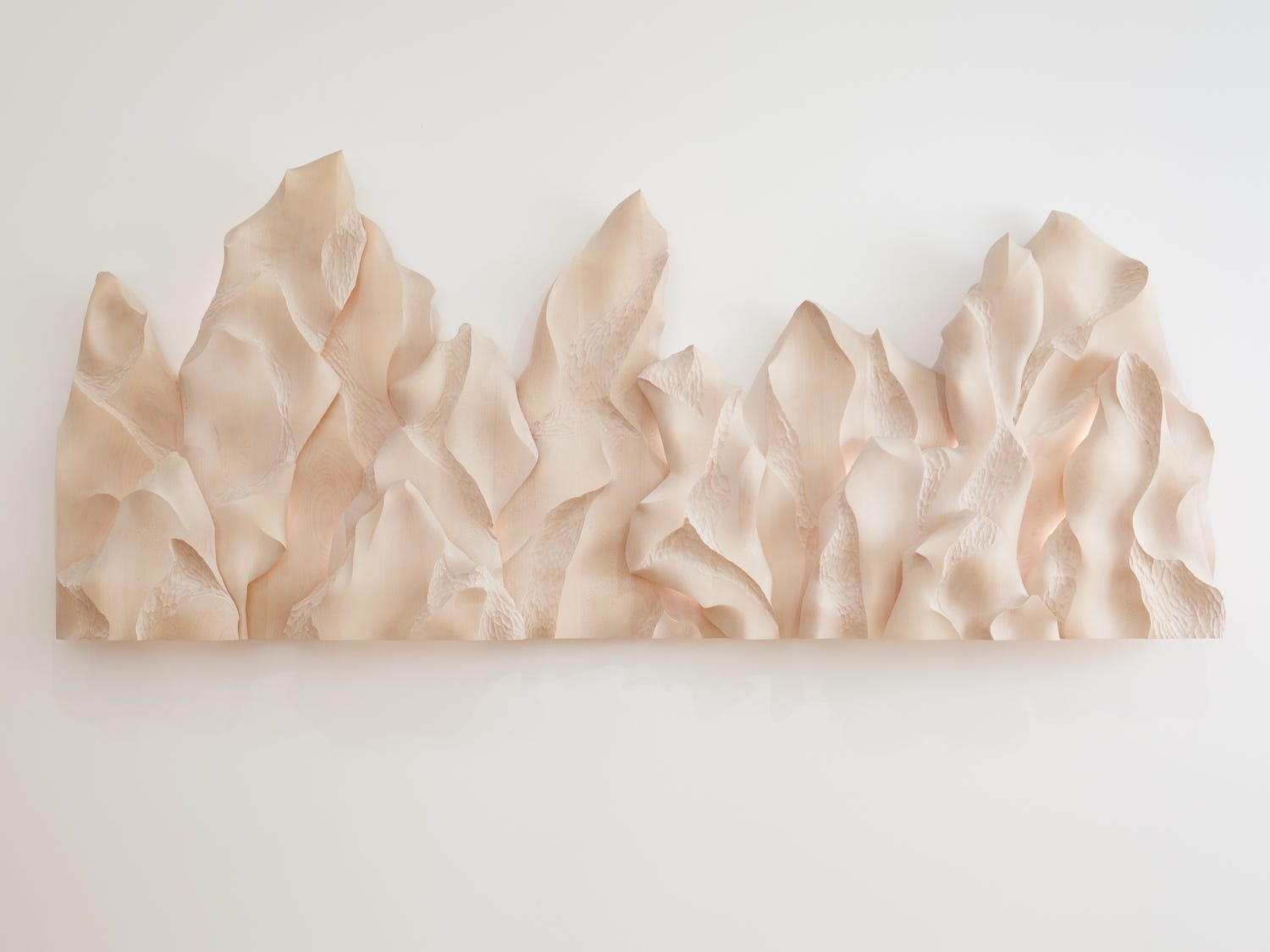
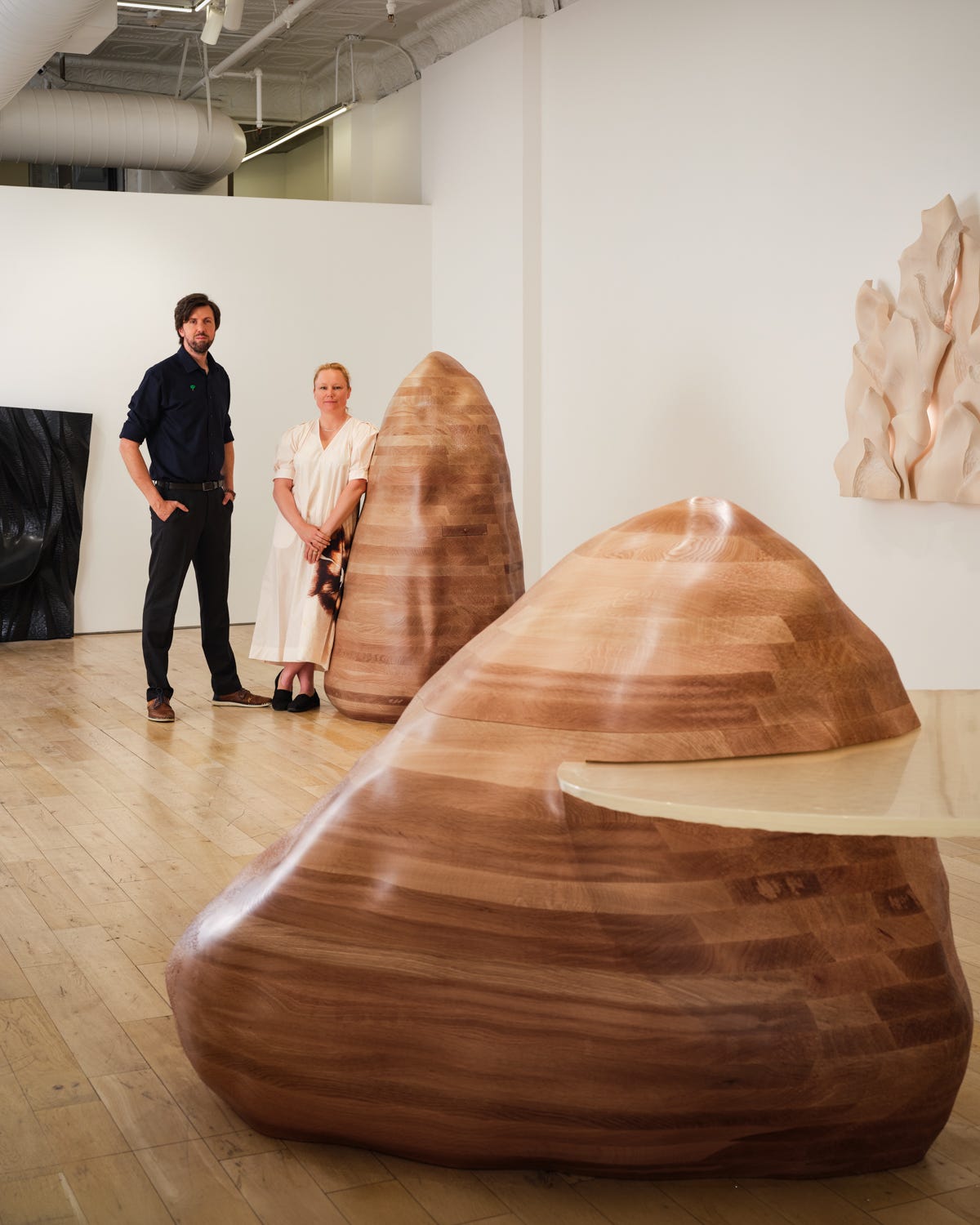
The most recent iteration of the project, exhibited at HB381 Gallery in New York, was created by Danish designers Mette Bentzen and Lasse Kristensen—husband and wife, and founders of the design studio Egeværk, based in Elsinore, Denmark. It came as no surprise to me that the pair secured this highly competitive residency: they are true cabinetmakers in the Danish tradition, known for hand-carved furniture of refined, delicate, and fluid form, drawn from nature’s cyclical rhythms. Where Castle famously worked in American woods, the duo favor Danish ash and other local timbers. They brought this Nordic sensibility to the residency, producing two remarkable and sculptural pieces of furniture which carry sophisticated narrative.
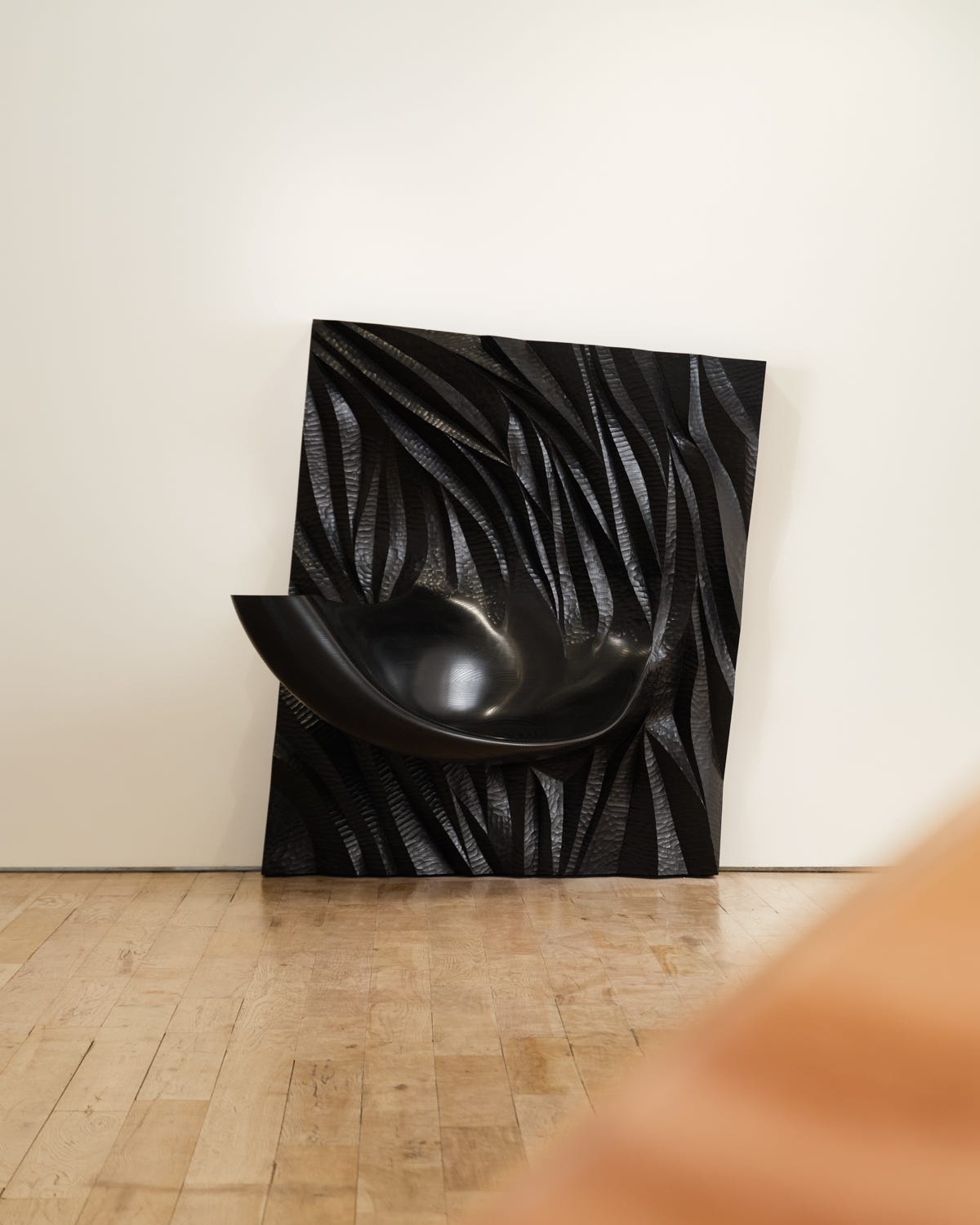
The curatorial decision to include historical works by Castle himself, drawn from the Friedman Benda collection, was inspired—it allows viewers to encounter the master’s works and their contemporary interpretations under a single roof.
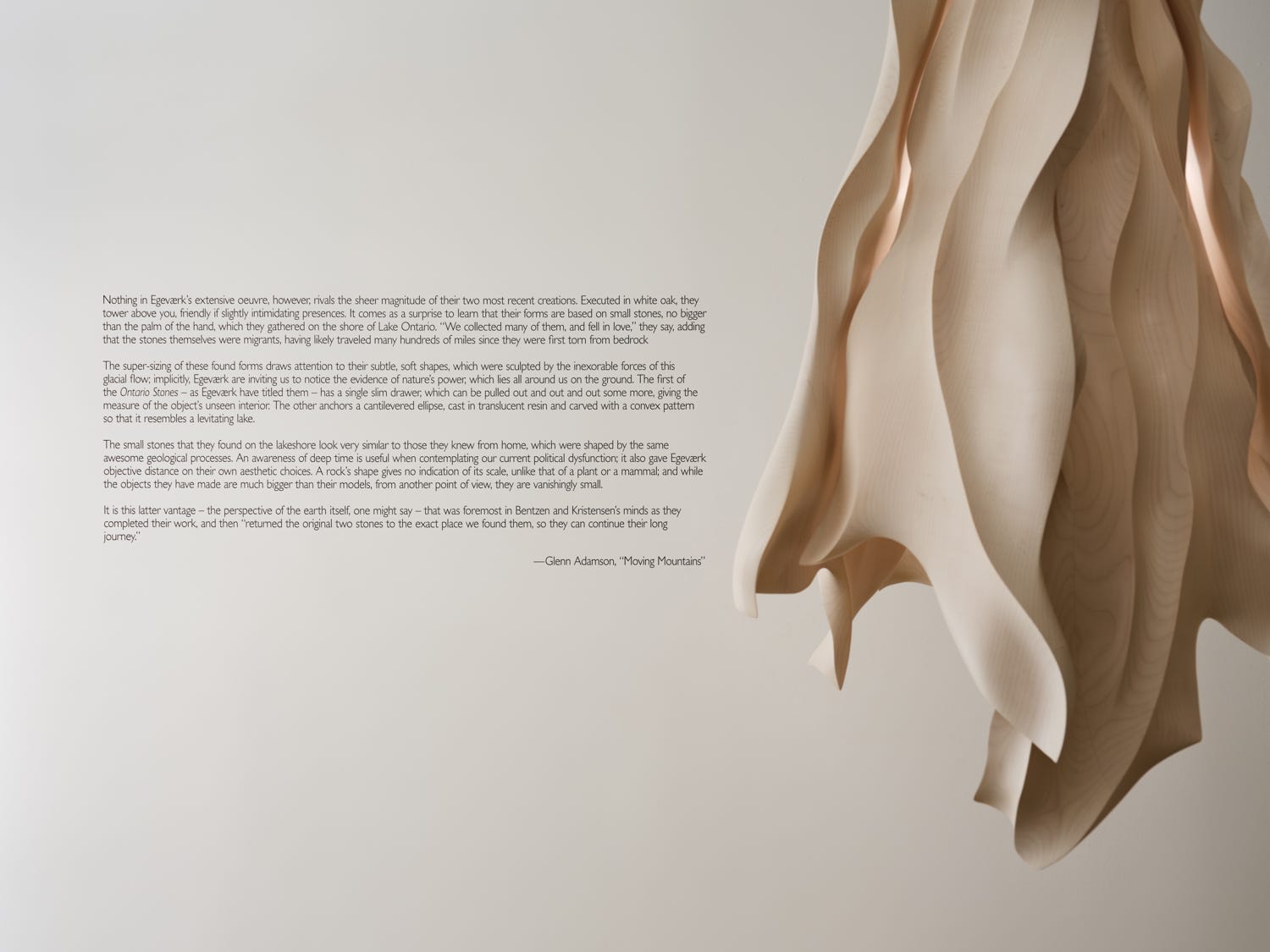
The project’s narrative bridges Scandinavia and America almost as a parable. Titled Ontario Stones, the two sculptures—crafted using Castle’s own methods—took their point of departure from two stones the artists discovered along the shore of Lake Ontario, remnants of the cliffs at Chimney Bluffs State Park. Composed of gravel and stone deposited during the last Ice Age, these cliffs are now steadily eroding. As the artists explain: “We have deliberately integrated some of Wendell’s working processes into the construction of the stack lamination, drawing inspiration from his freedom in conceiving form and scale. Much of Castle’s work carries a distinct presence within the space it inhabits—and that is precisely what we sought to give these two pieces: a presence of their own.” I would have preferred the table's surface to be rendered in glass or wood rather than resin—my only reservation.
The exhibition will be on view at HB381 Gallery (of Hostler Burrows) through August 14th.