The Shakers and the design culture they forged are enjoying renewed interest. They were the hottest topic when I studied the history of decorative arts in the 1990s, an integral part of the study of Americana. Exhibitions and publications at that time were ubiquitous. The enthusiasm faded over the decades, however, and eventually excluded from design discourse in recent years, remaining a topic in American Folk Art.
The first significant and comprehensive museum exhibition devoted to the Shaker design legacy in decades, A World in the Making: The Shaker, opened at the Vitra Design Museum in June, thousands of miles from where the members of the egalitarian Christian sect established themselves in more than 20 American communities. The multi-institutional show (opening on January 30th at the Institute of Contemporary Art in Philadelphia, and later at Milwaukee Art Museum) brings to light not only the Shakers’ material culture, but also the way they inspire artists, architects, and designers today, proposing fresh angles and contemporary interpretations in the examination of their widely influential designs.
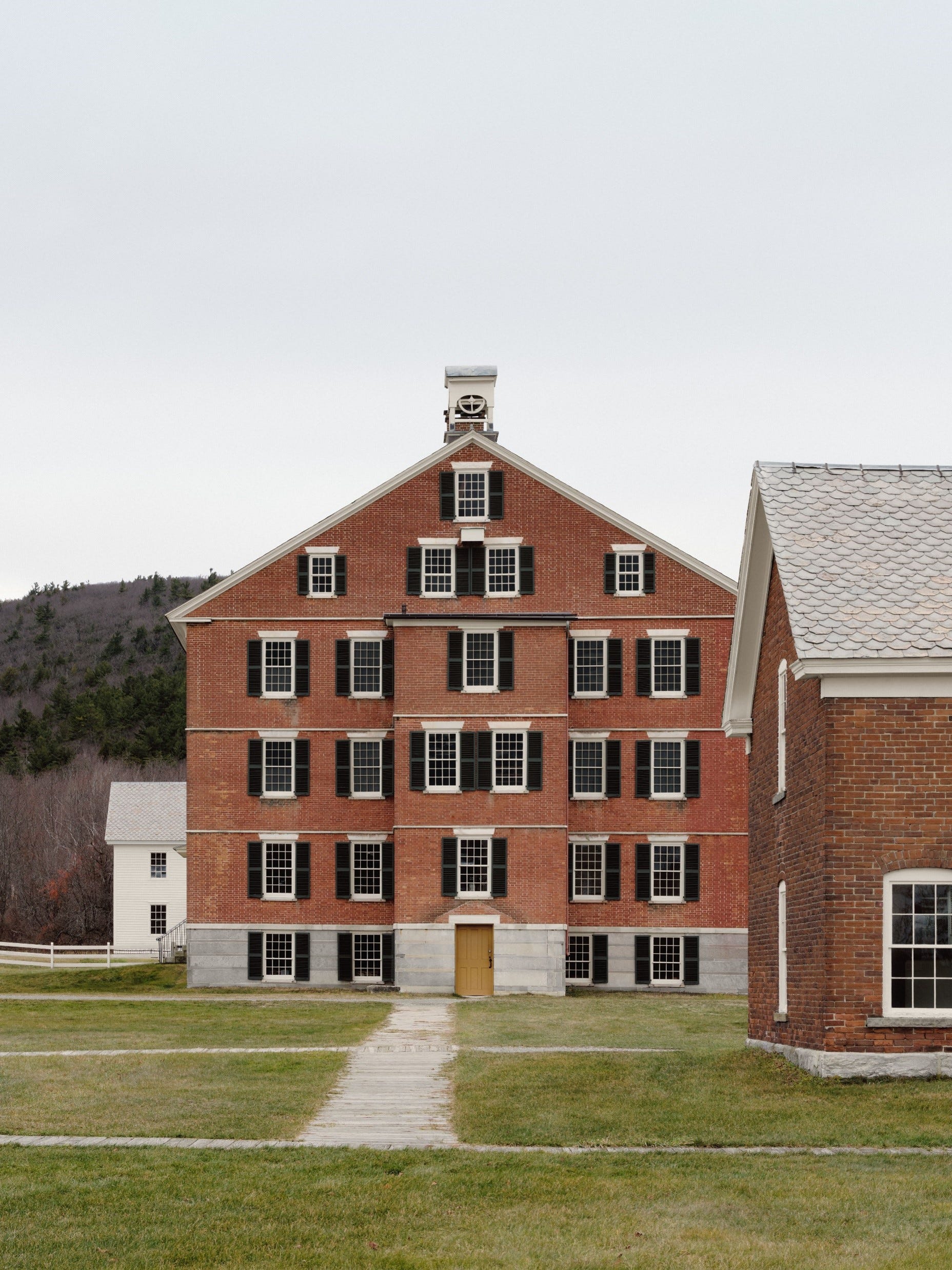
Founded in Manchester, England in the 18th century by the prophet Ann Lee, the Shakers came to America, escaping persecution, and their communities flourished in New England, New York, and the Midwest during the heyday of 19th-century religious sects. While they joined many other religious groups – the Oneida were known for their silverware and the Amish for their rich body of quilts that reflected their way of life – none produced what is considered ‘modern design.’ Yet, the Shakers, with their community buildings and dwelling houses, furniture, and daily objects they crafted, their distinctive clothing and agricultural tools, removed from the vogue of the day and from the 19th-century ethos, and all made in their unique minimalist aesthetics, had entered the pantheon of modern design decades ago. “The Pared-down functional furniture and everyday objects,” says Mea Hoffmann, a curator at Vitra Design Museum, who co-curated the exhibition and was my recent guest in Masterpieces of Design and Architecture, “not only reflect their rejection of superfluous ornamentation, which was seen as prideful, but also embody their constant pursuit of improvement, their striving for perfection in all aspects of life.” Their objects are a direct expression of their belief system; their craft is the direct result of their faith and its principles.
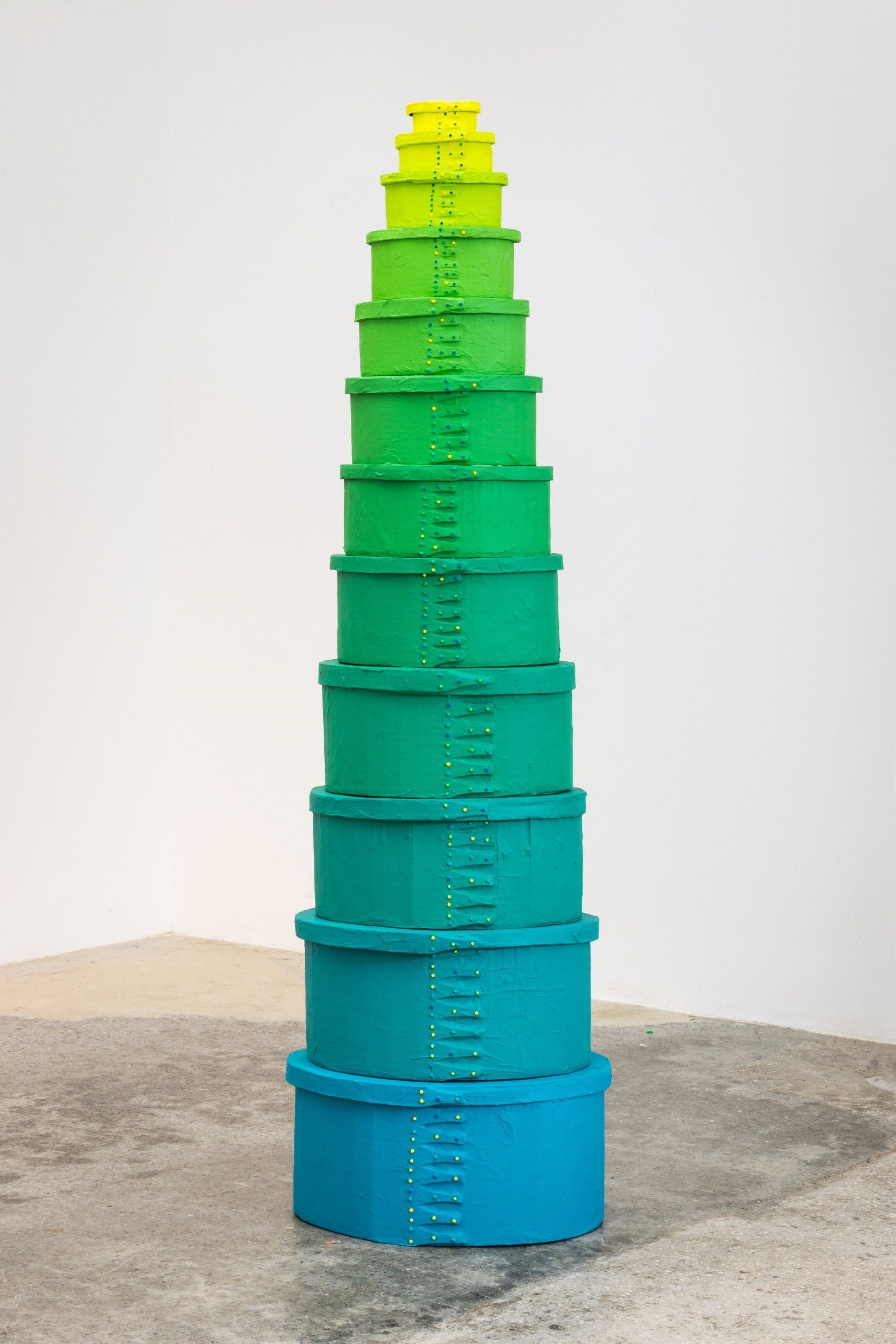
“Why now?” I asked, and Hoffmann spoke about a “momentum of interest” and a revival of Shaker design by makers, designers, and visionaries over the past few years. Considering how the principles of the Shakers are relevant and practiced today was the point of departure for the curatorial direction of the monographic exhibition—the time had come for a fresh analysis. The objects, most of which are on loan from the Shaker Museum in Chatham, New York (the primary lender to the exhibition), are complemented by new works by contemporary artists and designers that reflect the Shakers’ values, spirituality, aesthetics, lifestyle, and material culture. This ambitious show follows recent exhibits, of which last summer’s Believers: Artists and the Shakers at the Institute of Contemporary Art, Boston brought to light contemporary artists’ work created during a residency in Sabbathday Lake; there is also a film coming out now on Ann Lee.
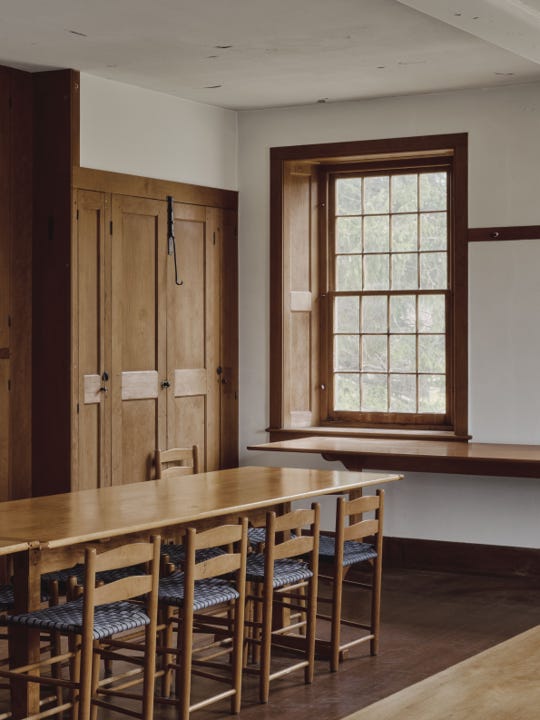
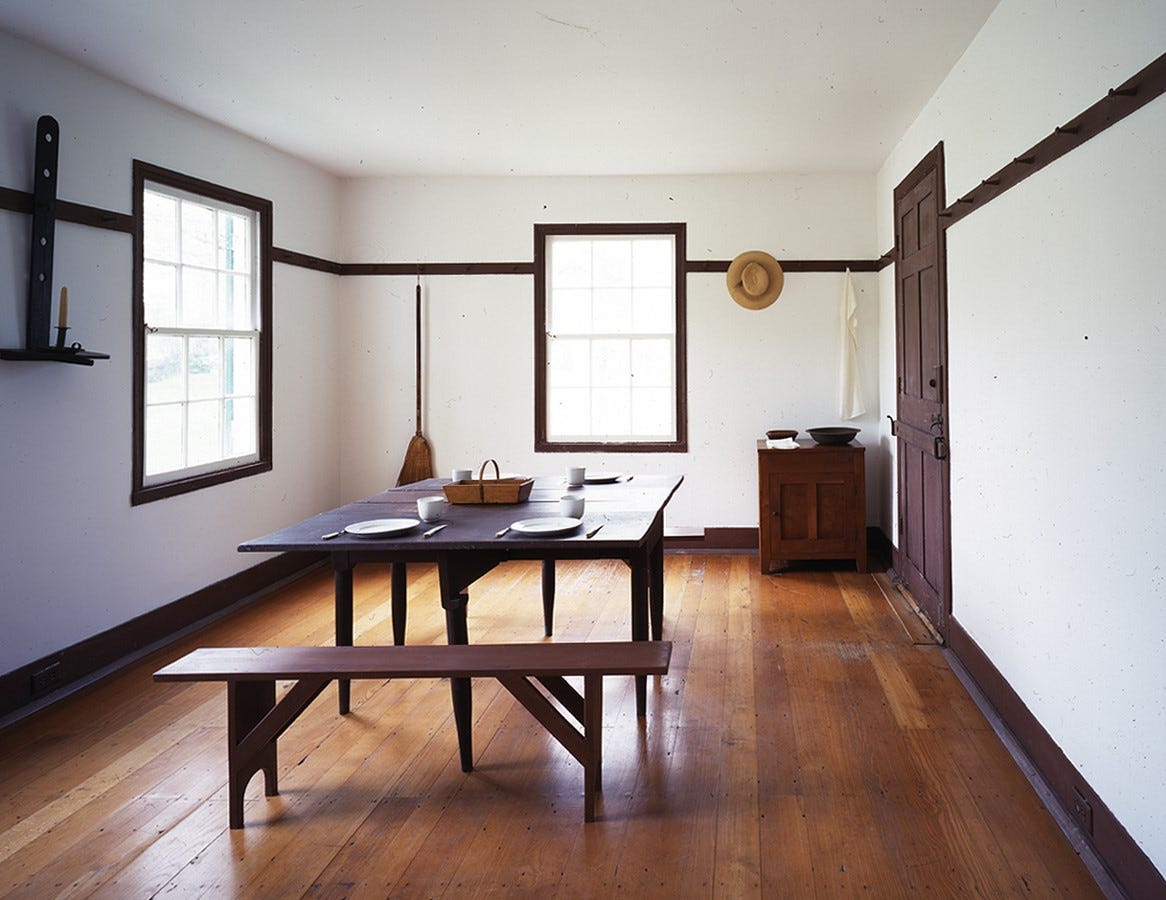
The exhibition is divided into four sections. It starts with an introduction to Shaker life, integrating photographs of Shaker architecture with objects that represent the complete typology formulated for Shaker daily life, and includes my favorite object, a four-meter-long meeting bench. The second section illuminates how their religious beliefs resulted in a distinctive style and order, as represented in the furniture and garments; as this section is very much about the different Shaker industries, it presents agriculture, medicine, and accessibility aids, as all aspects of Shaker life and economy were equally important and an expression of their ethos. The third section examines the relationship between the insulated life and the design ethos, and the concluding part highlights the legacy of the Shakers, and their spirituality, reinterpreted in contemporary work.
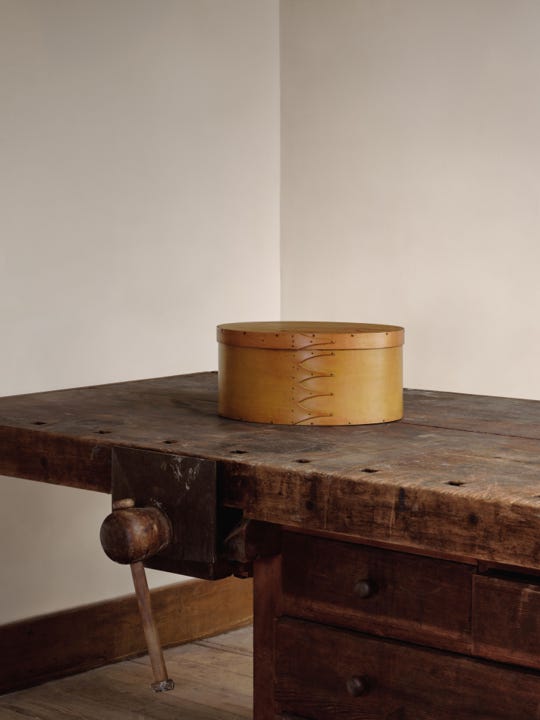
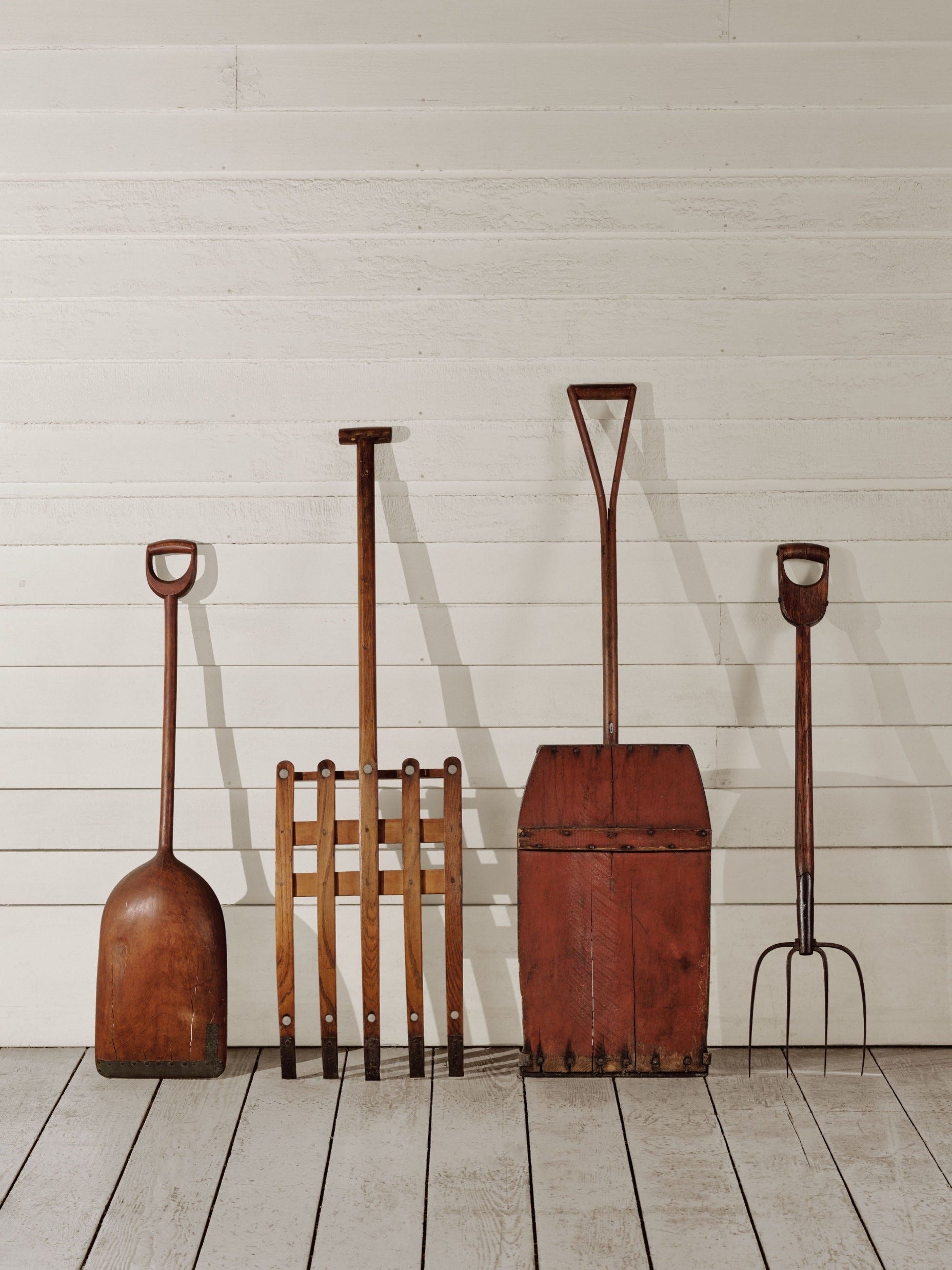
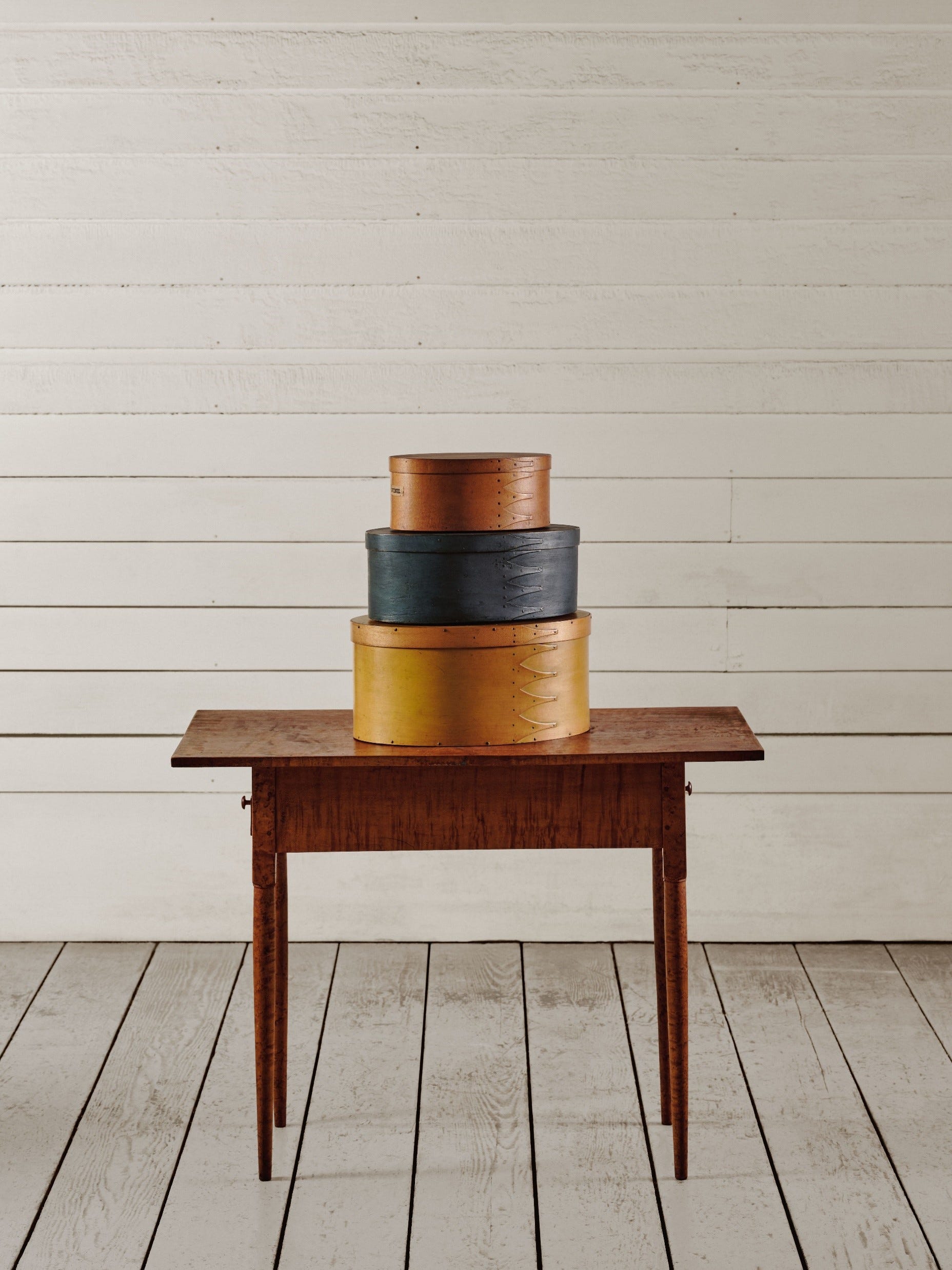
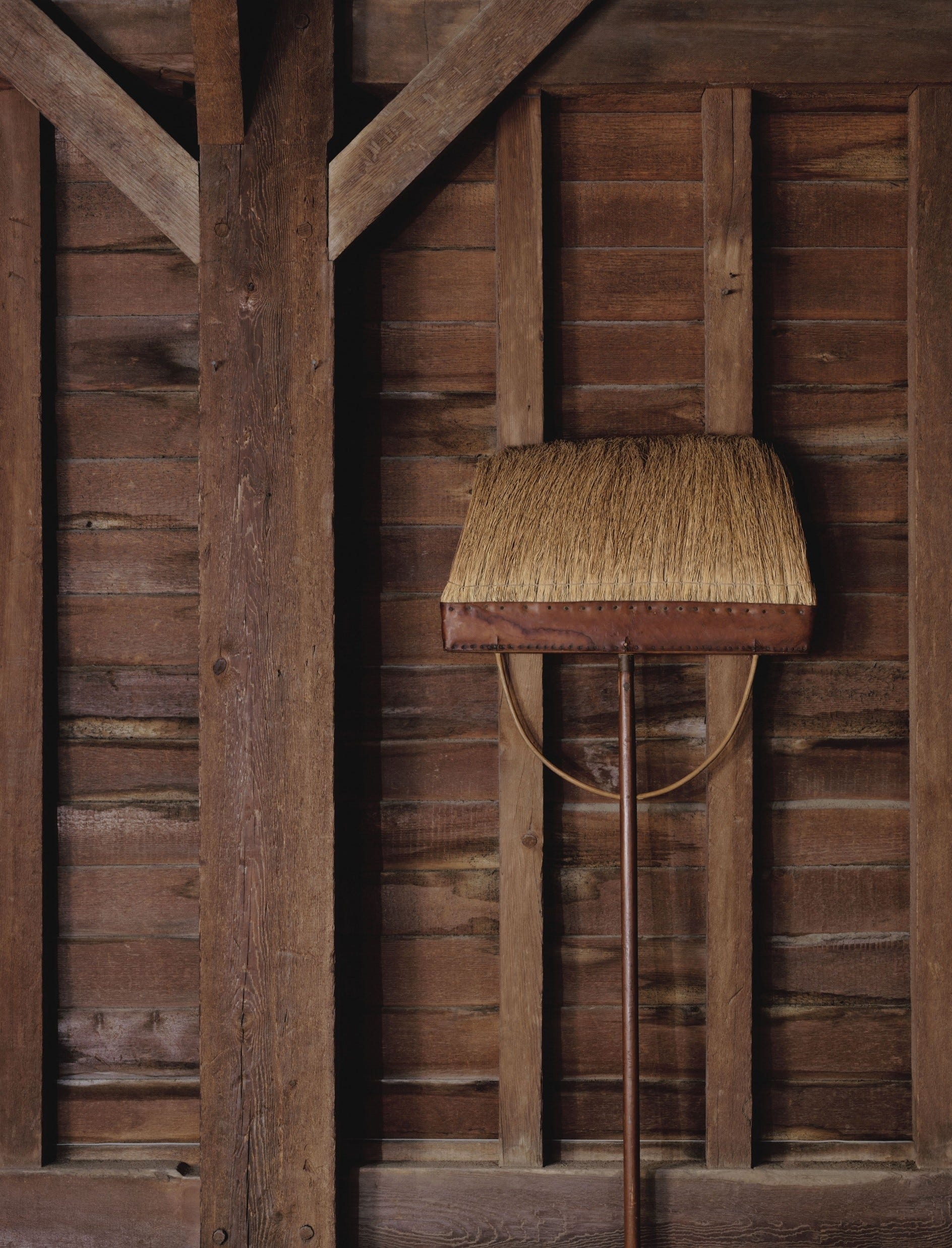
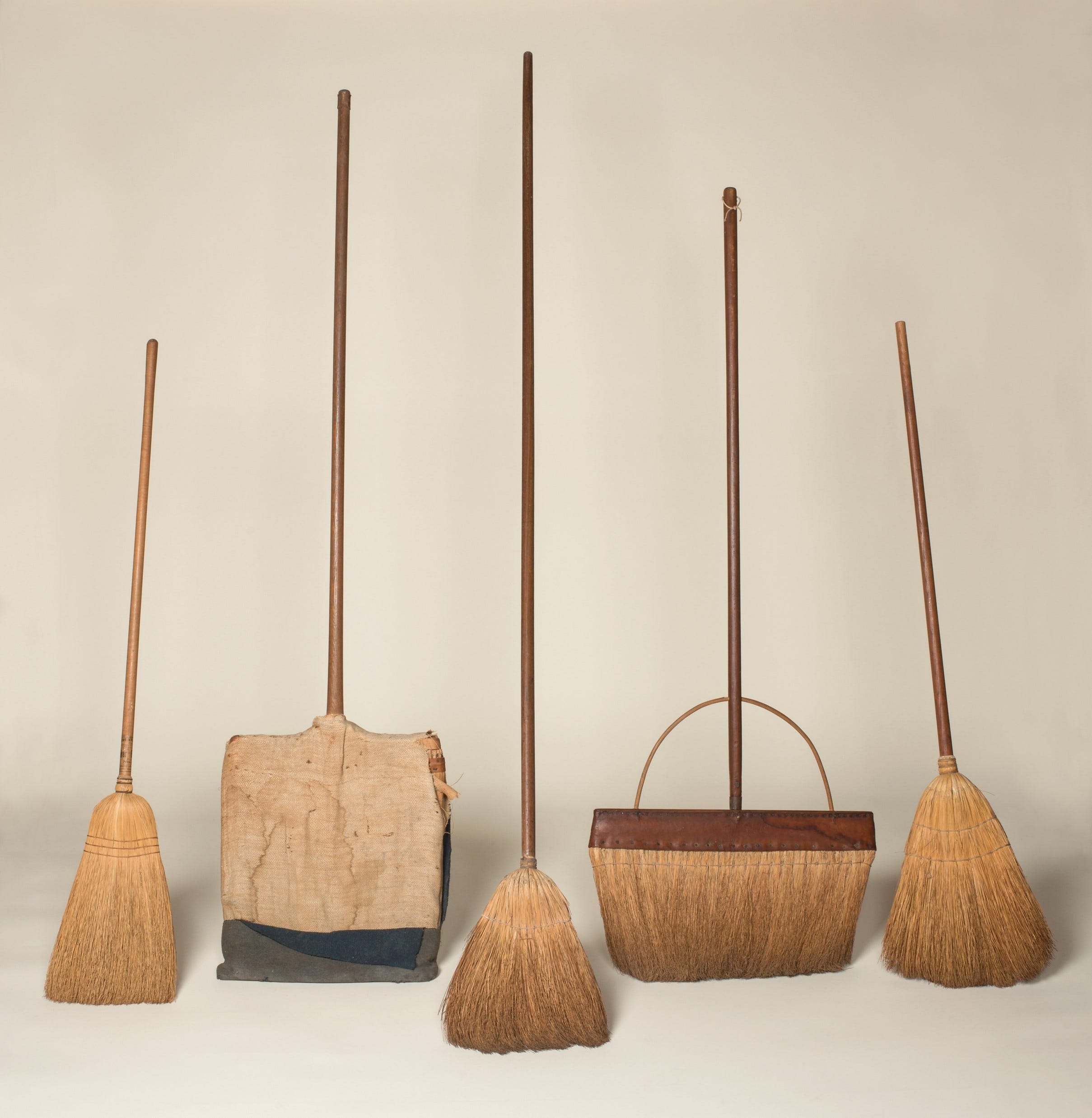
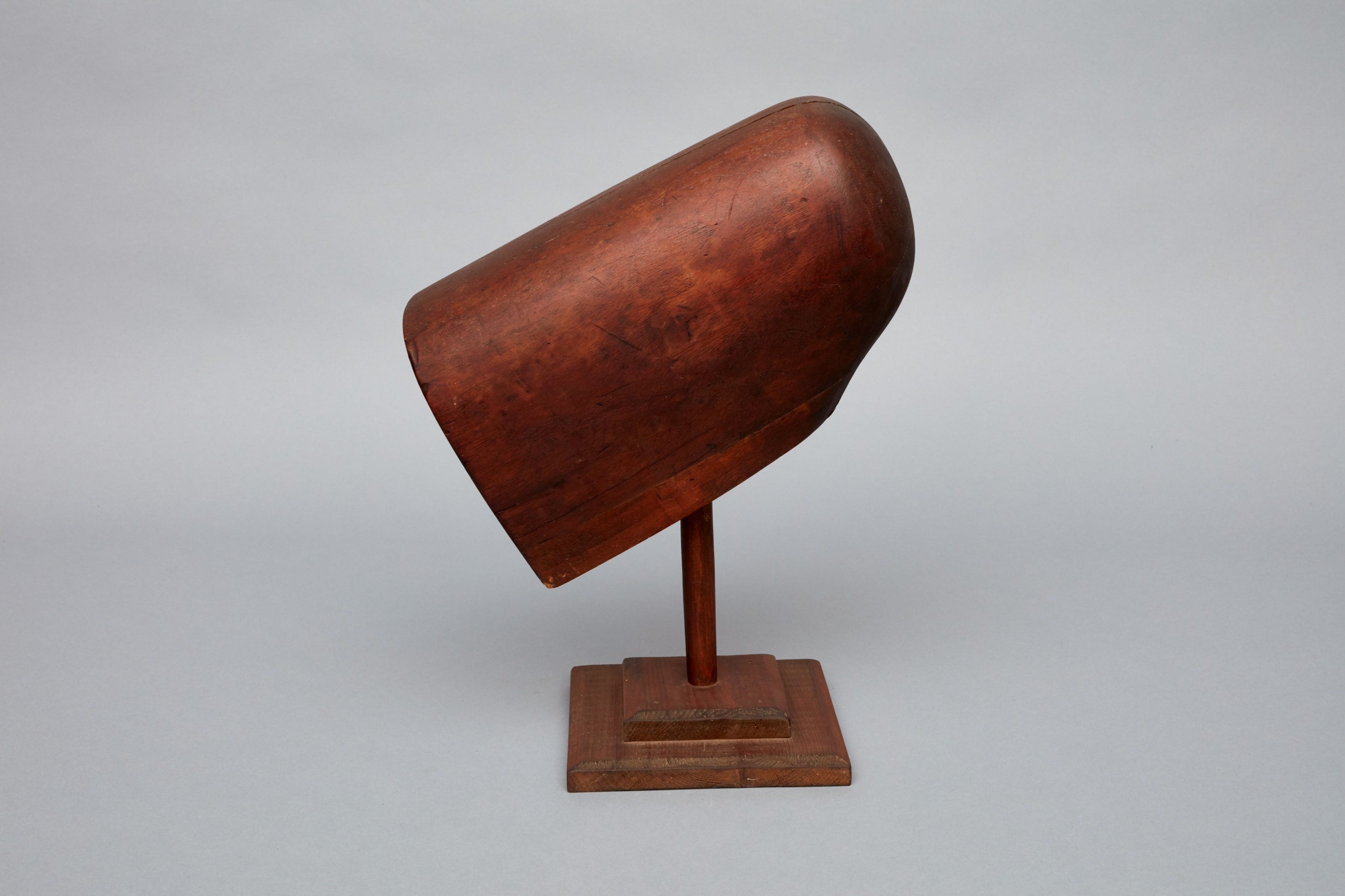
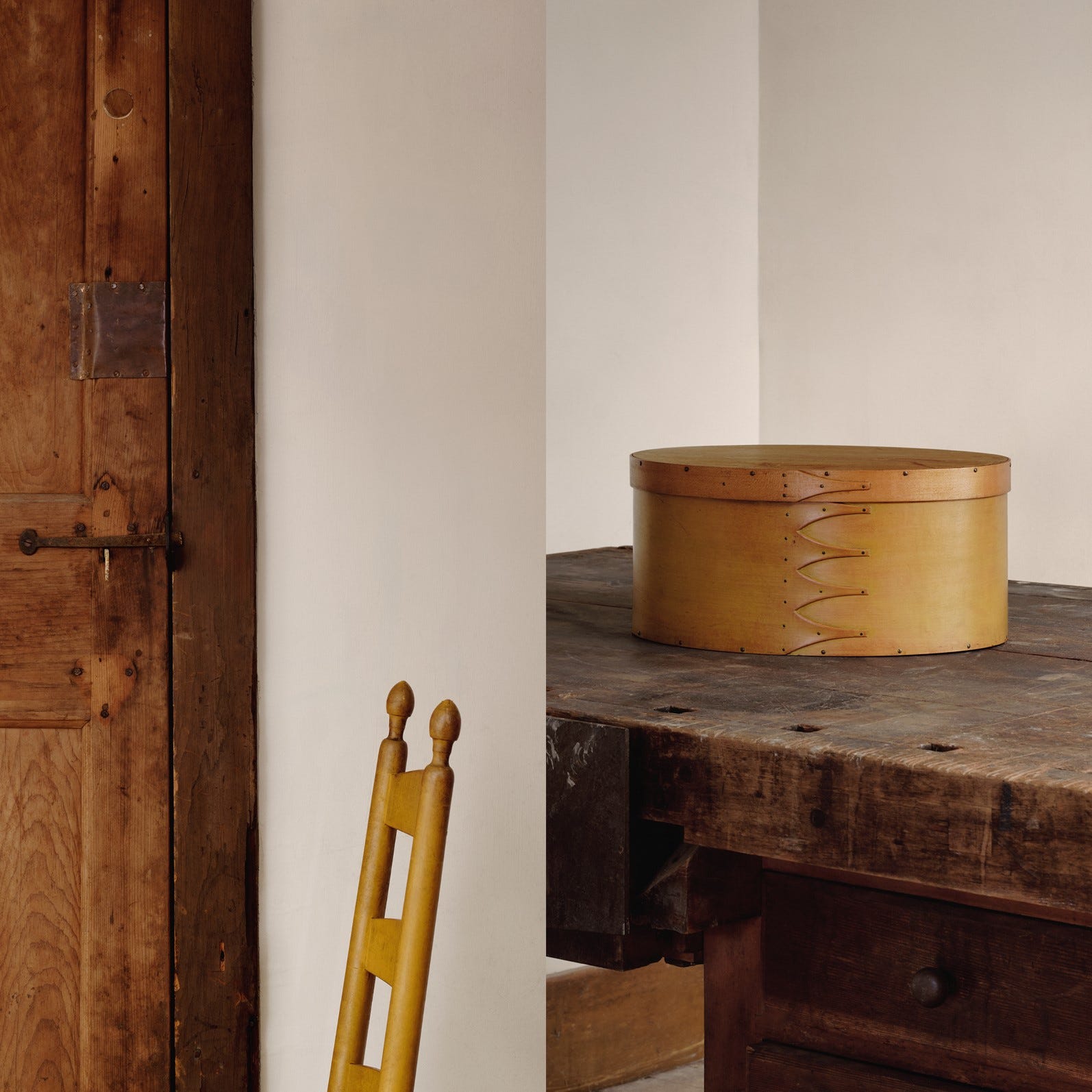
Many prominent figures have collected Shaker furniture over the years – Ellsworth Kelly and Jasper Jones, among others — and it is largely represented in many public design collections. There is a sense of sophistication in the pieces, which are filled with narrative, and in the exquisite pieces that grew from religious belief and went stark during a time that the rest of the world lived surrounded by heavily ornamented homes. If you ask collectors, they will tell you that they praise Shaker furniture for its high quality, craftsmanship, and the primacy of utility and simplicity. These qualities are illuminated in the exhibition by the various furniture typologies presented: peg rails, long meeting benches, chests, chairs, sewing desks, oval storage boxes, agricultural tools, and candlestands.
The Shakers’ optimistic, utopian, and pacifist views are like a breath of fresh air during these times of instability and fragility, in a world marked by conflicts and crises such as climate change and geopolitical tensions. The exhibition answers the key questions of why Shaker design has become a part of design’s narrative, and how their unique worship services of dancing and shaking while praying, the advancement of gender and racial equality, pacifism, and communal living, have led to one of the most intriguing manifestations in modern design. The exhibition will be presented at the Institute of Contemporary Art in Philadelphia (31 January – 9 August 2026) and at the Milwaukee Museum of Art (25 September 2026 – 31 January 2027).
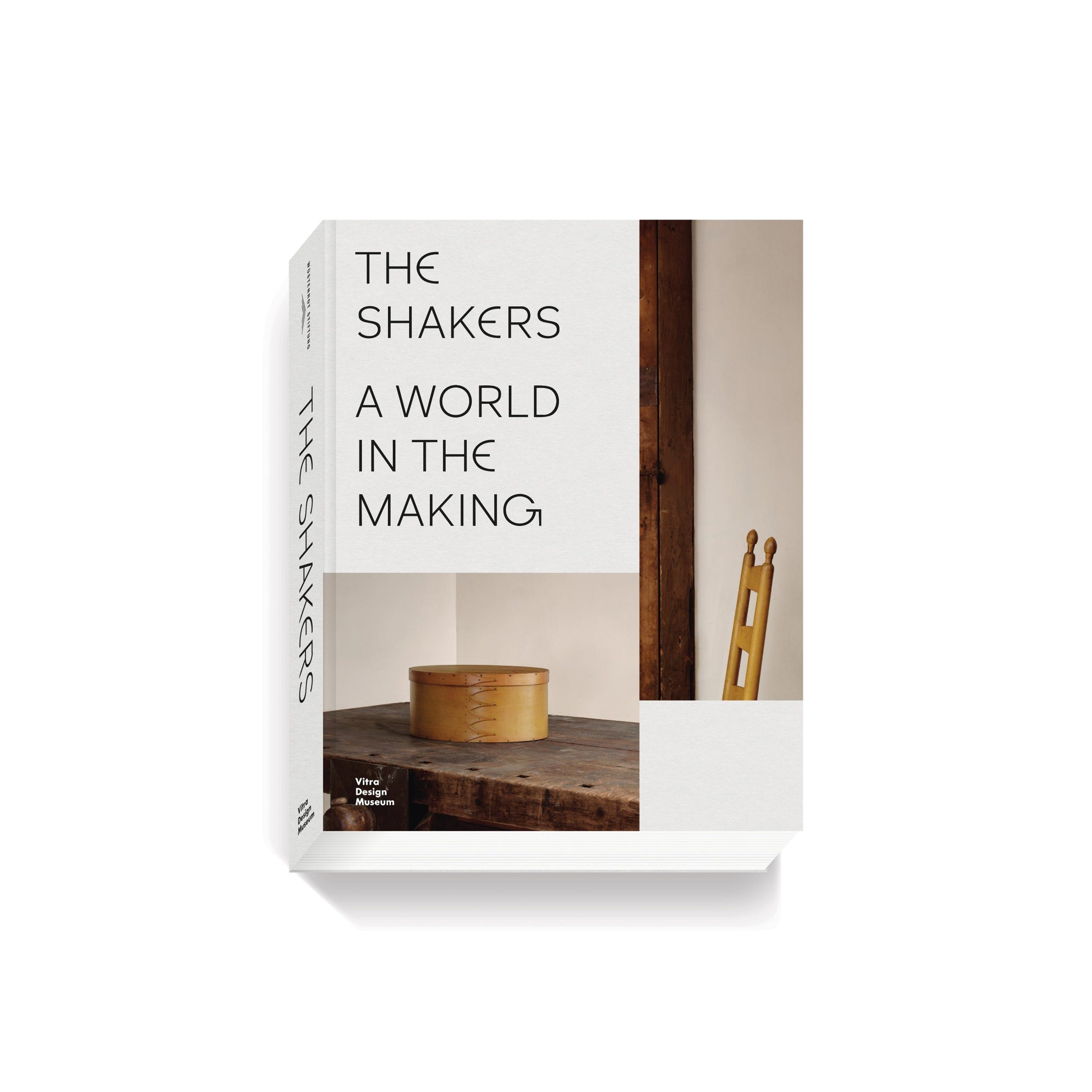
The exhibition catalogue consists of approximately dozen scholarly essays and beautiful photography, making invaluable contribution to the study of the Shakers and their lasting influence, a mandatory addition to any library.