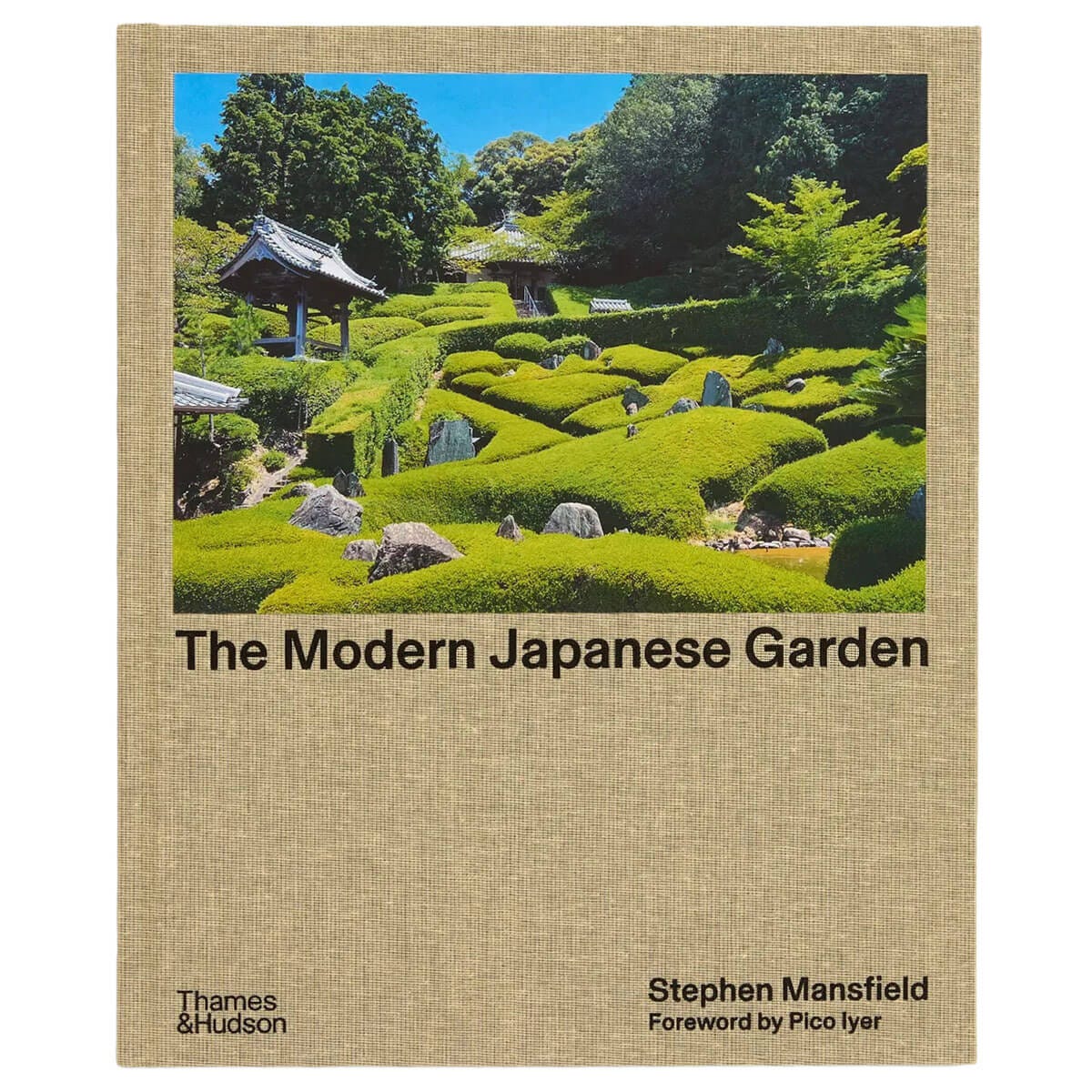
Forget everything you think you know about the Japanese garden. In his new book, The Modern Japanese Garden, British writer and photographer Stephen Mansfield surveys gardens from the twentieth century and the present, revealing a tradition far more complex and multifaceted than we might imagine. “Not long after I first set foot in Kyoto,” he writes, “I registered that you don’t enter many a Japanese garden; it enters you.” This evocative observation immediately drew me into his account, capturing precisely how I felt upon first visiting the Katsura Imperial Villa—a place I have since called the most beautiful on earth. For anyone traveling through Japan, the garden’s presence is inescapable; it permeates the country’s architecture, culture, and everyday life. Yet despite having visited many of its public and private gardens, reading Mansfield’s book and speaking with him made me realize how much I had yet to discover—and how exploring the gardens he features might deepen my understanding and refine my eye.
For Mansfield, who has lived in Japan for decades, an interest in gardens grew into a consuming passion. Long before deciding to write this book, published by Thames & Hudson, he had visited at least 500 gardens across the country. These encounters cultivated the expertise with which he interprets the Japanese garden’s evolving character and the relationships it embodies between heritage, nature, and modernity. His deliberate selection of gardens that are fully or partially open to the public gives the book another valuable dimension: it invites readers to venture beyond familiar tourist routes and discover extraordinary, lesser-known landscapes. Along the way, he encourages an appreciation of the vision, skill, and sustained care required to create and preserve them, as well as the considerable resources their upkeep demands.
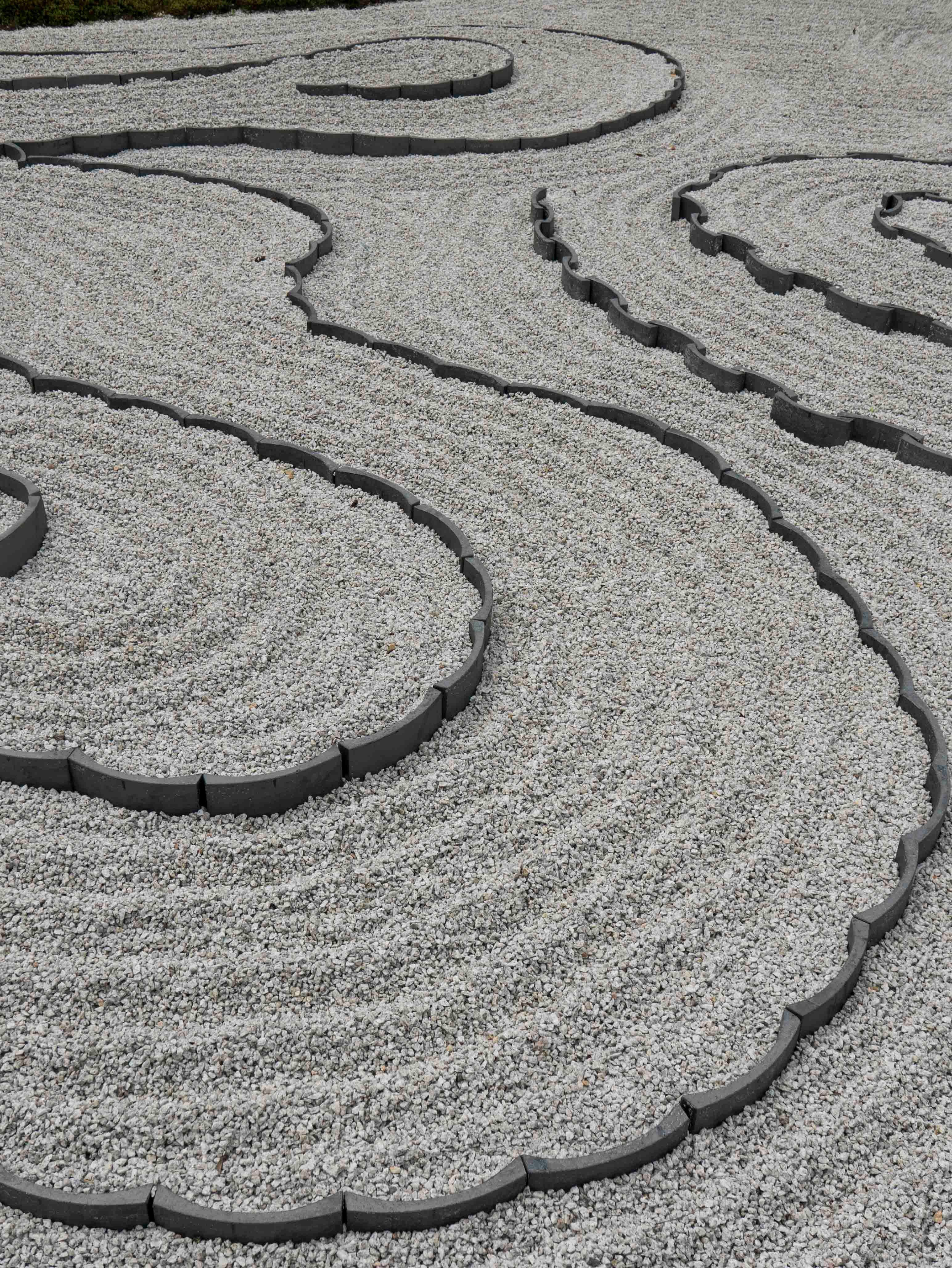
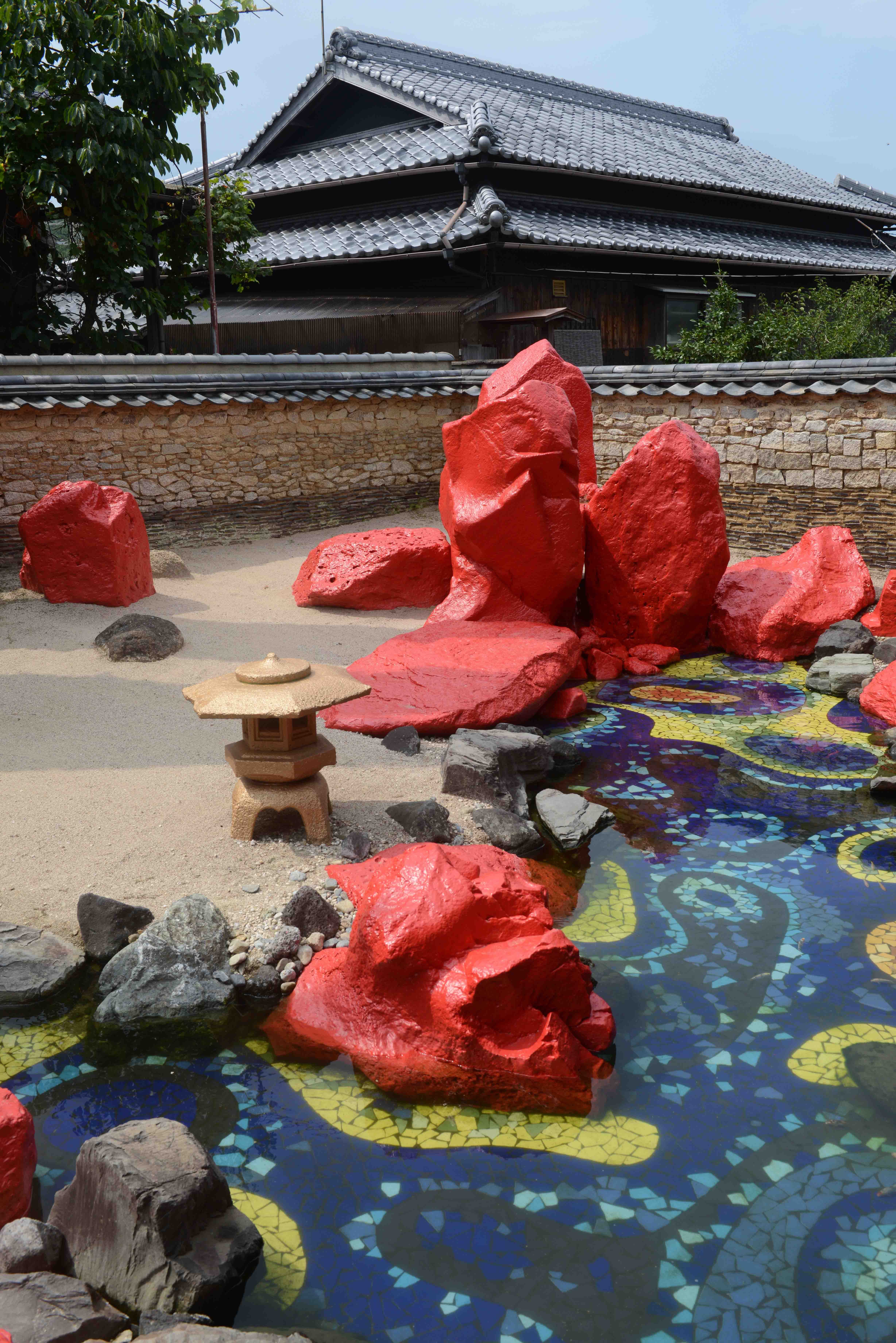
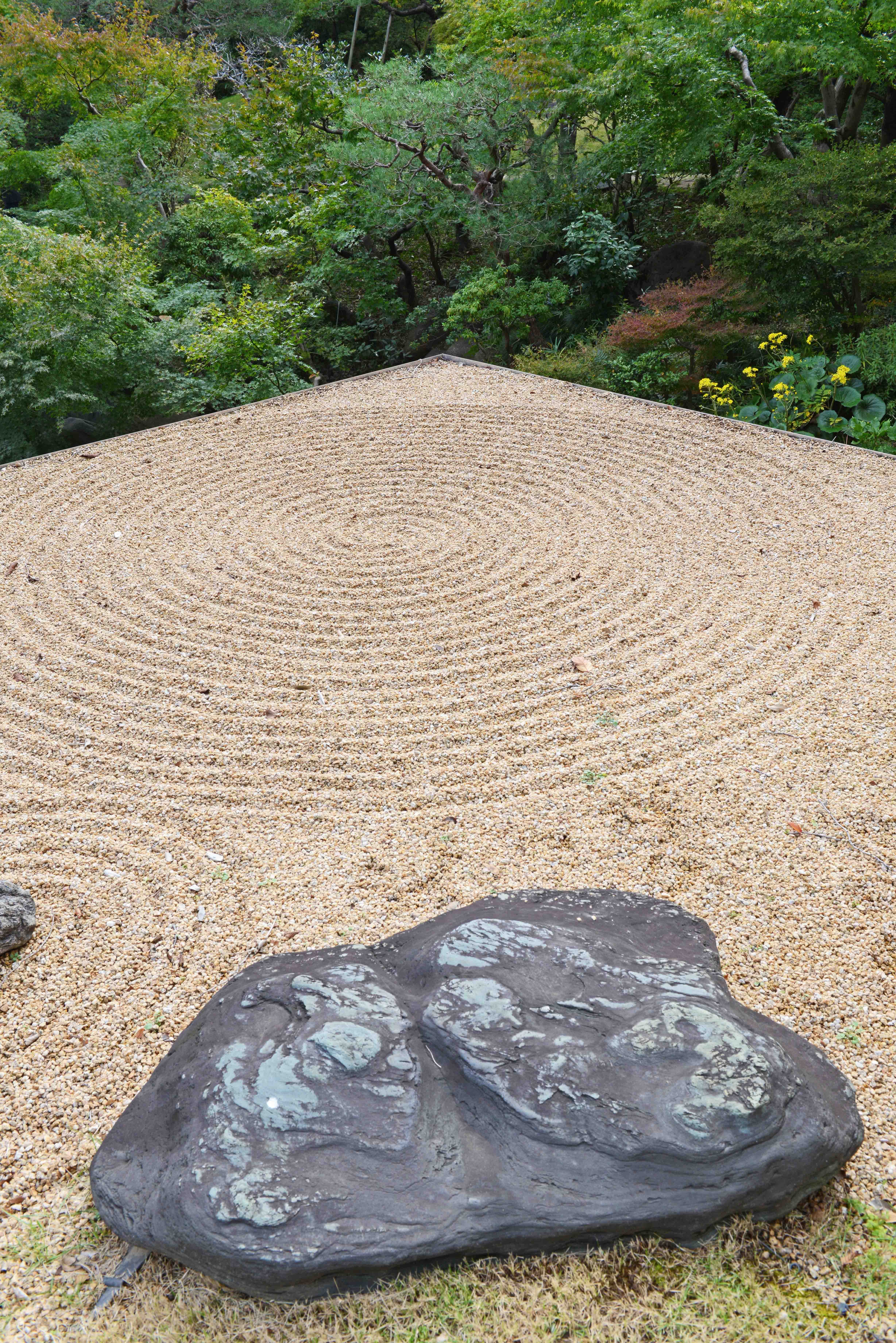
Tracing developments from the Meiji era, which began in 1868, to the present, Mansfield examines how practitioners of Japanese garden design reconcile tradition with modernity while drawing upon philosophical and spiritual foundations, including Zen Buddhism. Through conversations with gardeners and designers, close readings of historical texts, and contributions from distinguished architects, he illuminates the garden as both an evolving cultural expression and a living artistic practice. The perspectives of those who tend gardens at temples, museums, and other public and private settings lend particular depth to his account, grounding aesthetic ideas in the daily realities of their care. We learn how, in the early twentieth century, garden designers, like architects, began to move beyond inherited conventions, developing new forms for a rapidly changing society. As Japan modernized, so did its gardens, their transformation shaped by shifting patterns of patronage, urban development, and, increasingly, climate change.
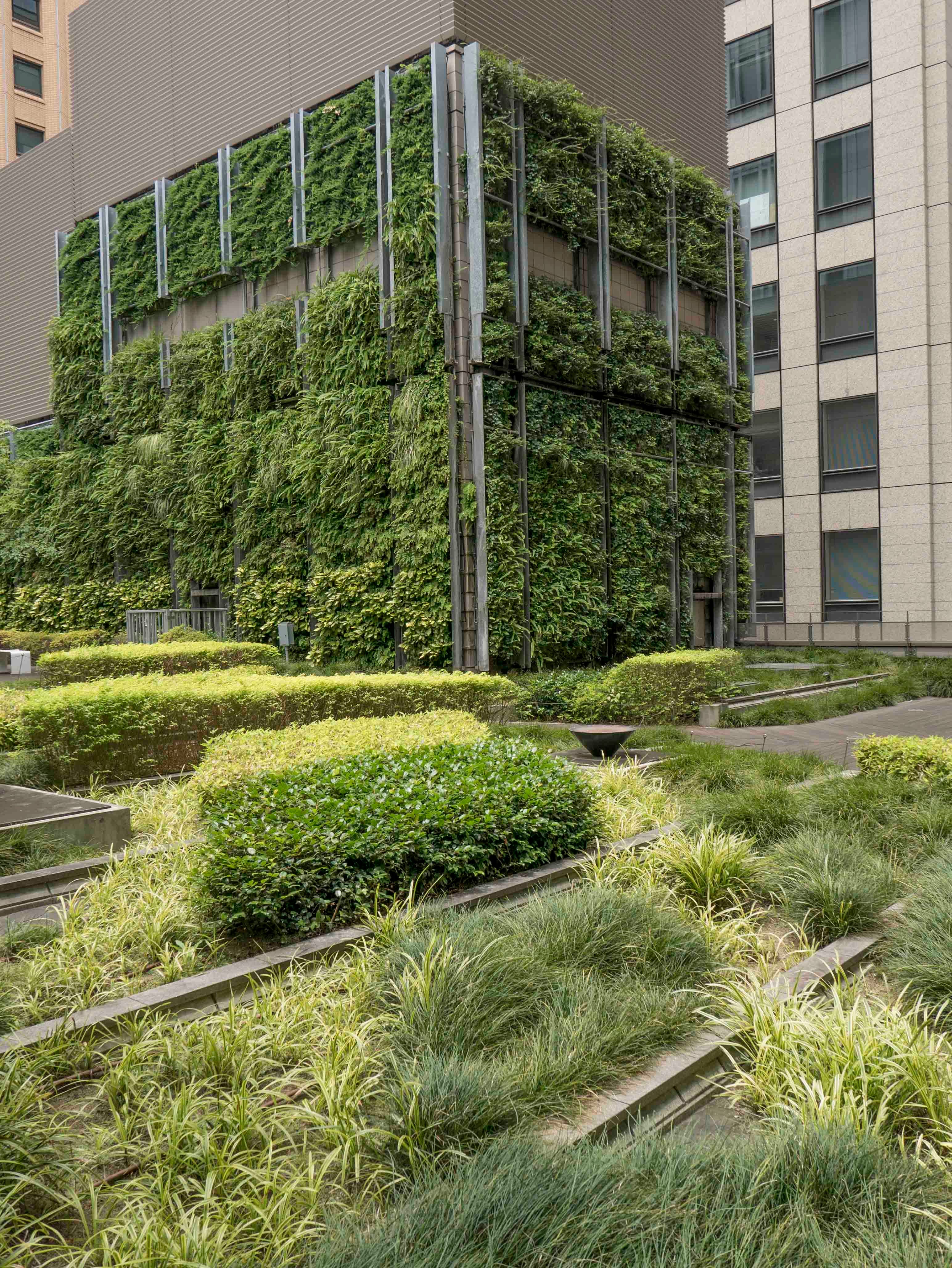
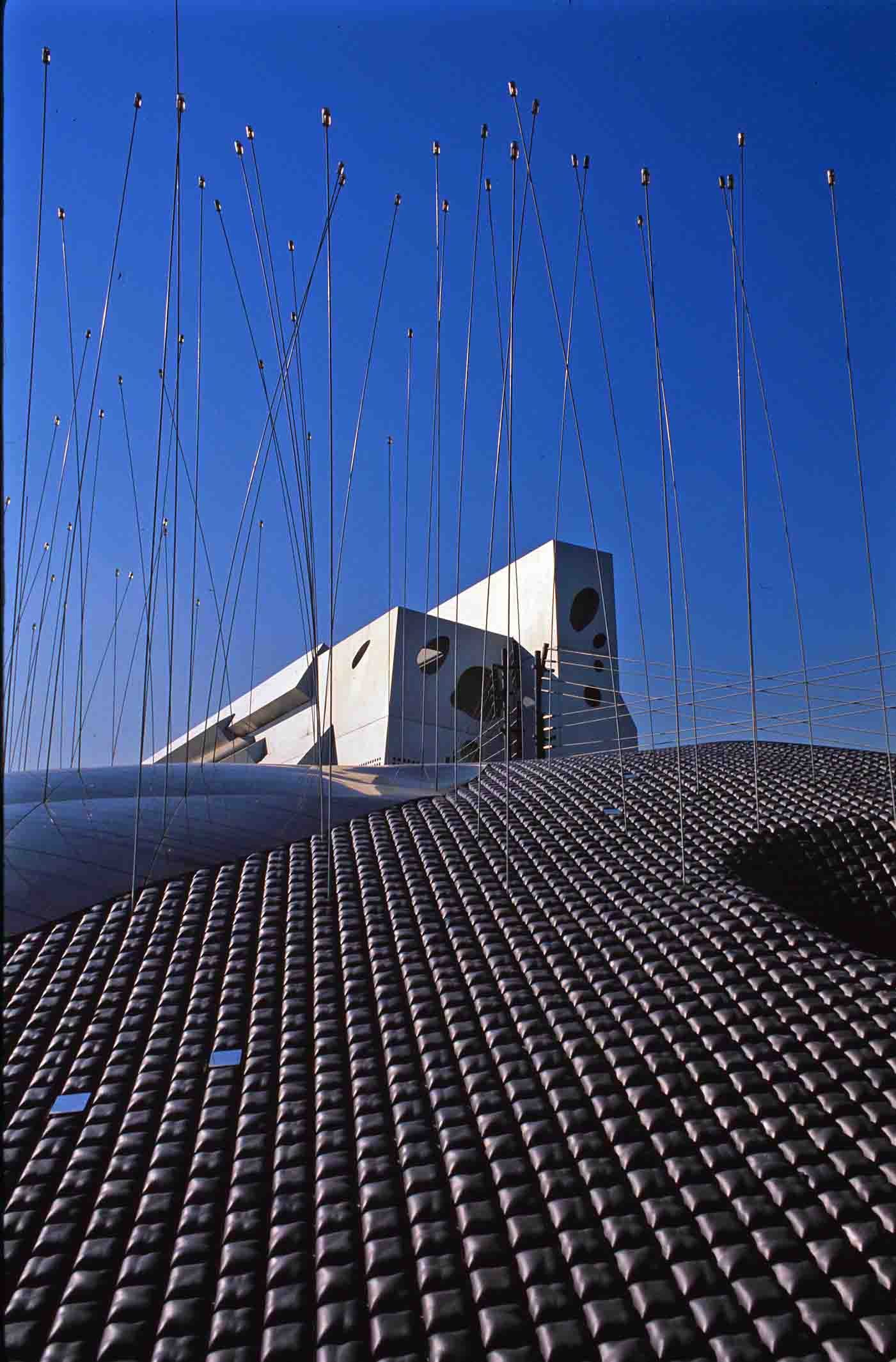
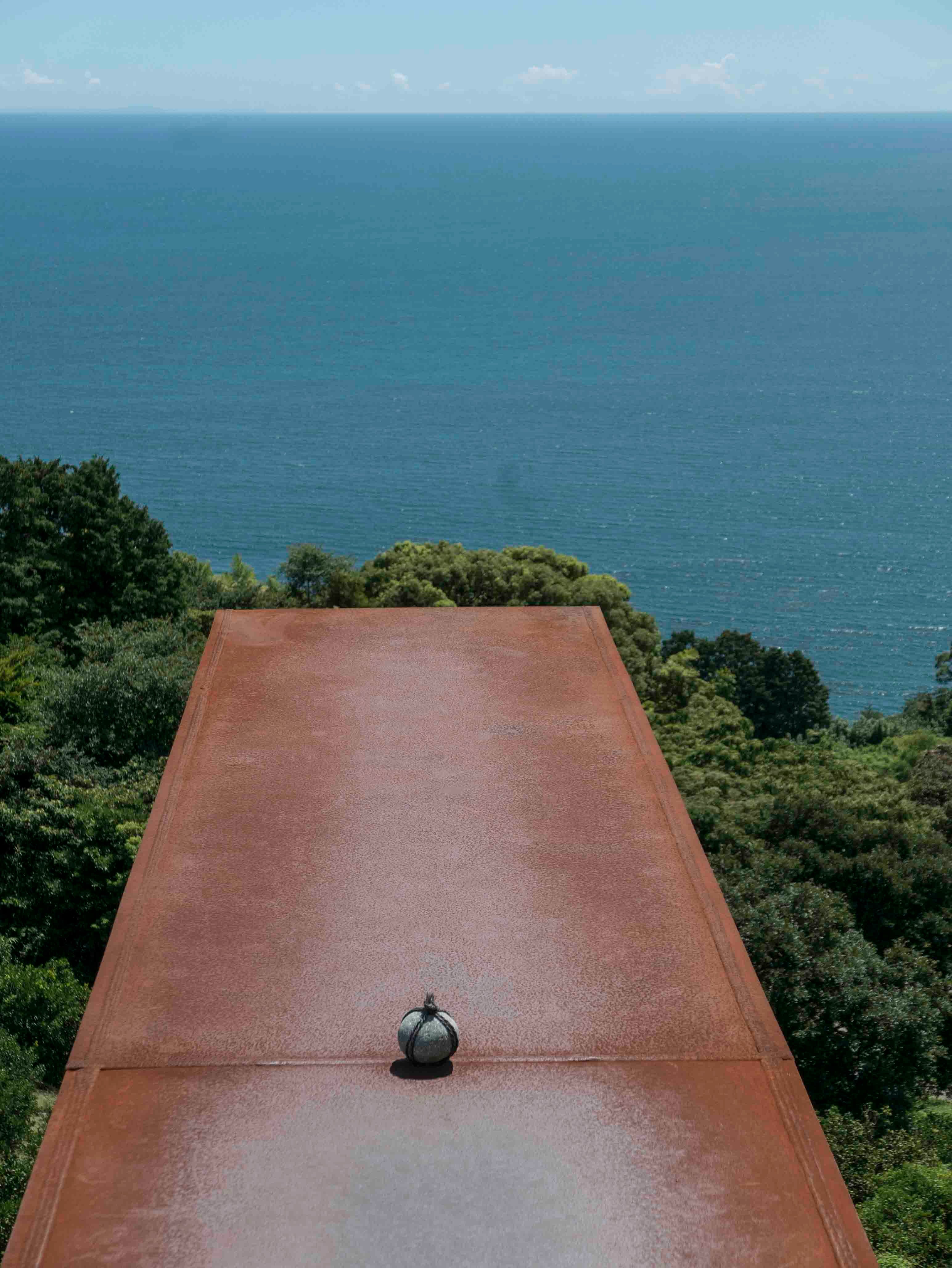
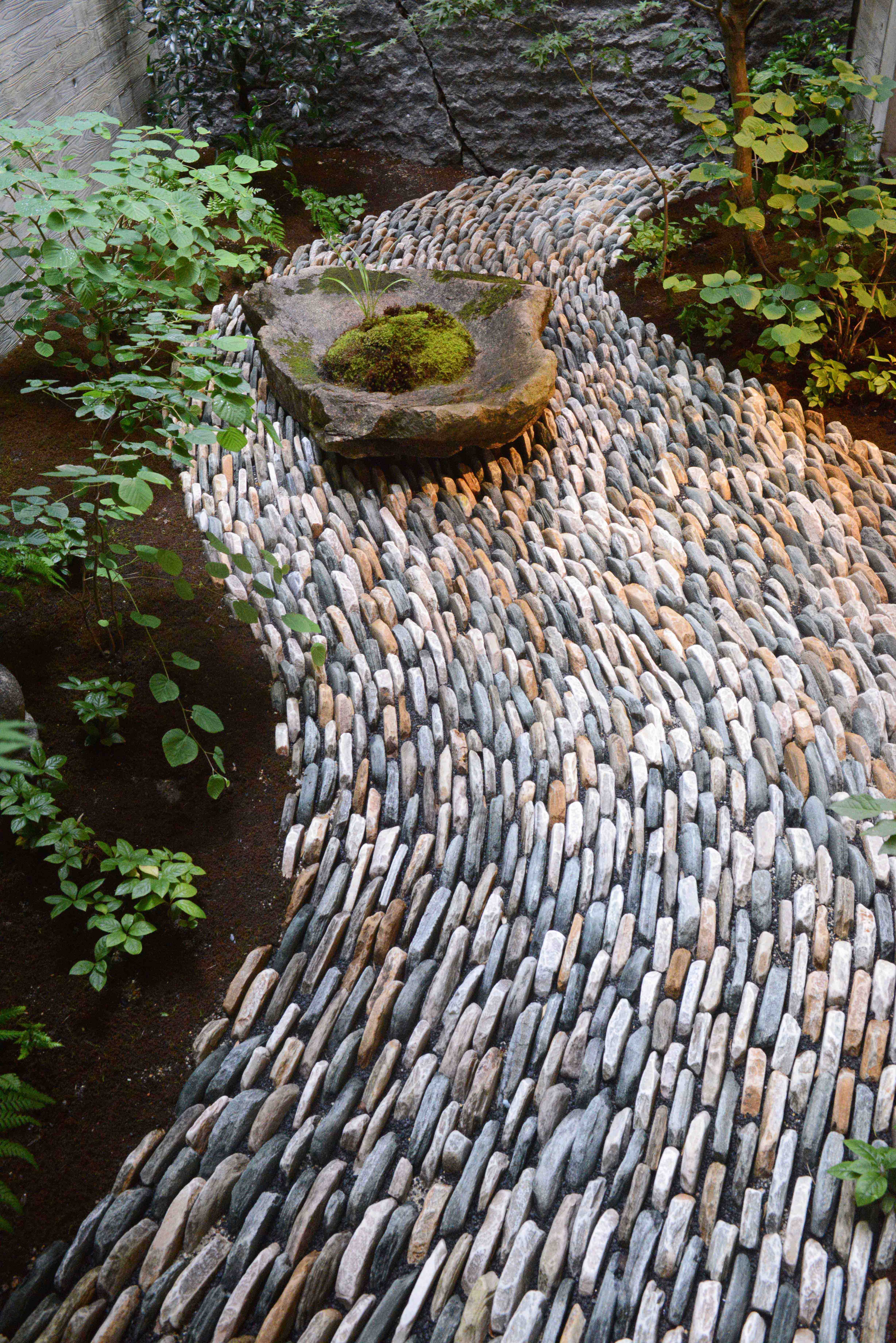
Mansfield examines dozens of gardens across Japan, using individual landscapes to trace these broader changes. For me, however, the book’s appeal extends beyond its account of the transition from traditional to modern, postmodern, and contemporary design. It is an expertly curated invitation to experience places where landscape, architecture, philosophy, and emotion converge. His exploration of the greenery behind Tokyo’s concrete-and-glass façades is especially revealing, underscoring the garden’s central place within Japan’s built environment. Filled with hundreds of Mansfield’s photographs, this 352-page volume brings gardens unfamiliar to many English-speaking readers into vivid focus. It deserves a place on the bookshelf of anyone drawn to Japanese aesthetics, culture, and landscape design. For me, it will also be an essential companion as I plan my next visit to Japan in the spring of 2027—a guide to looking more closely, venturing further, stepping away from the impassable crowds, and allowing new gardens to enter me.