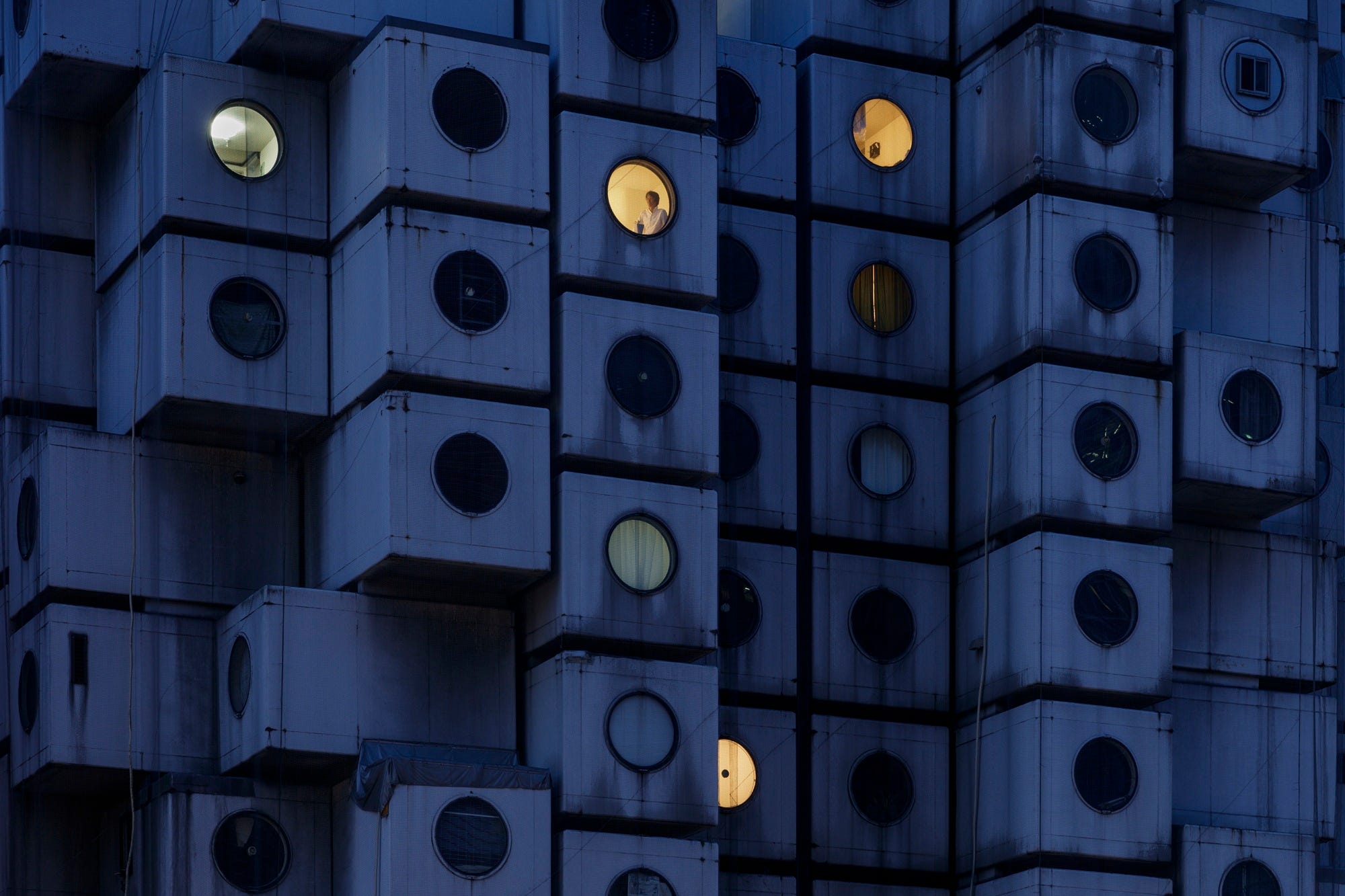
One sensational building, a pioneering experiment in urban living during Japan’s economic boom, embodies an entire era and its Space-Age optimism since it was completed in Tokyo’s Ginza in 1972. The Nakagin Capsule Tower, a futuristic, utopian skyscraper, consists of 140 single-occupancy metal ‘capsules’ attached to two concrete and steel shafts, looking as if it were straight out of the Golden Age of science fiction cinema. Dominating the Tokyo skyline from its construction in 1972 until its demolition in 2022, the Nakagin is one of the most discussed and written-about buildings of the 20th century. This masterpiece has captured the imagination of generations of architects and design lovers, who perceive it as the ultimate expression of Japanese creativity.
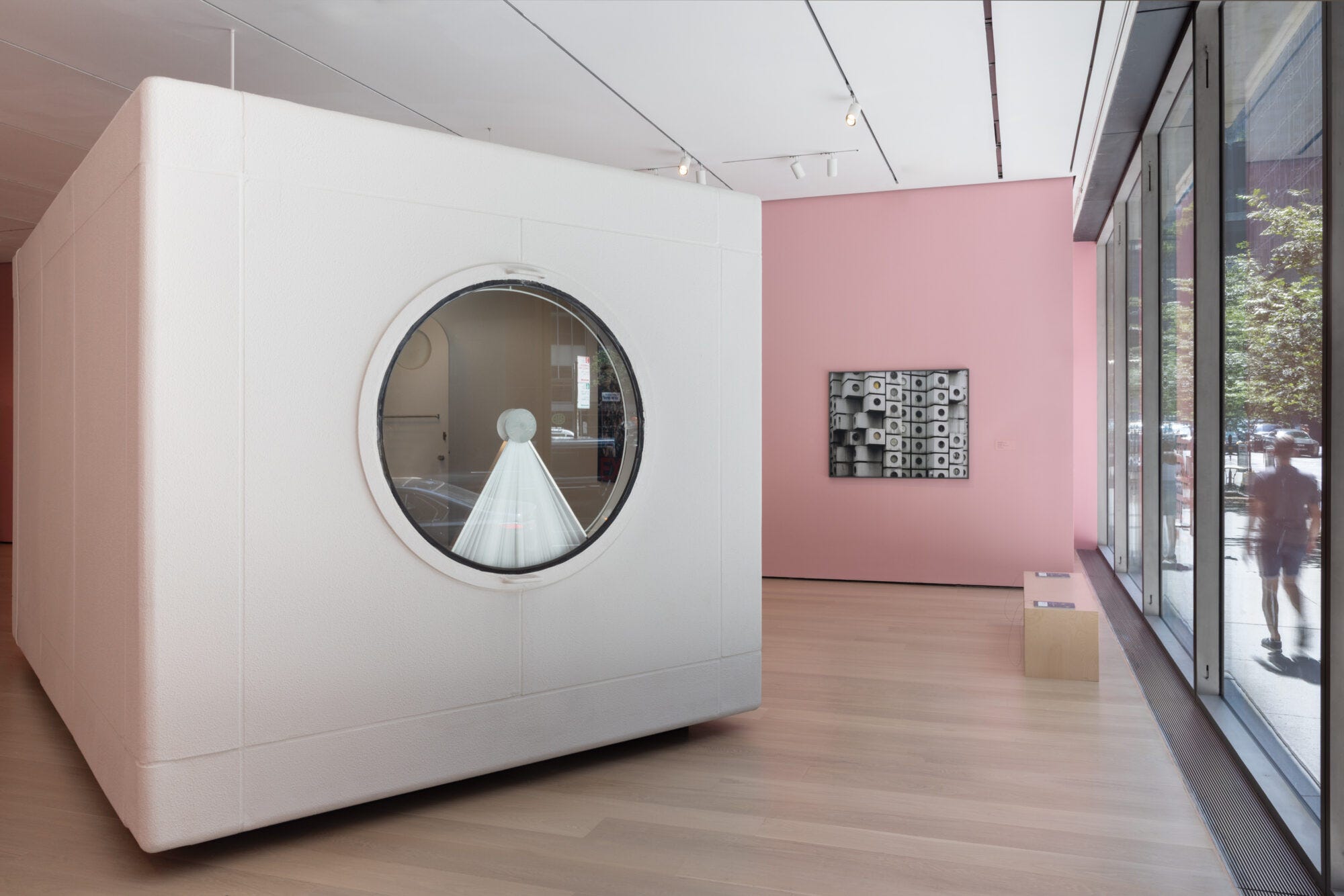
The Nakagin Capsule Tower is the subject of a new publication in the Museum of Modern Art’s ‘One-On-One Series’ (each volume devoted to a single work from the museum collection), and of a monographic exhibition, ‘The Many Lives of the Nakagin Capsule Tower,’ on view at MoMA’s ground floor galleries through the summer. Paula Vilaplana de Miguel (who co-curated with Evangelos Kotsioris), was my recent guest in ‘Masterpieces of Design and Architecture.’ We explored the era that produced the building and addressed the question of what had made it a cultural icon, a cult, and the subject of admiration by a long following, including Rem Koolhaas, Toyo Ito, and Peter Cook—some of the world’s leading architects.
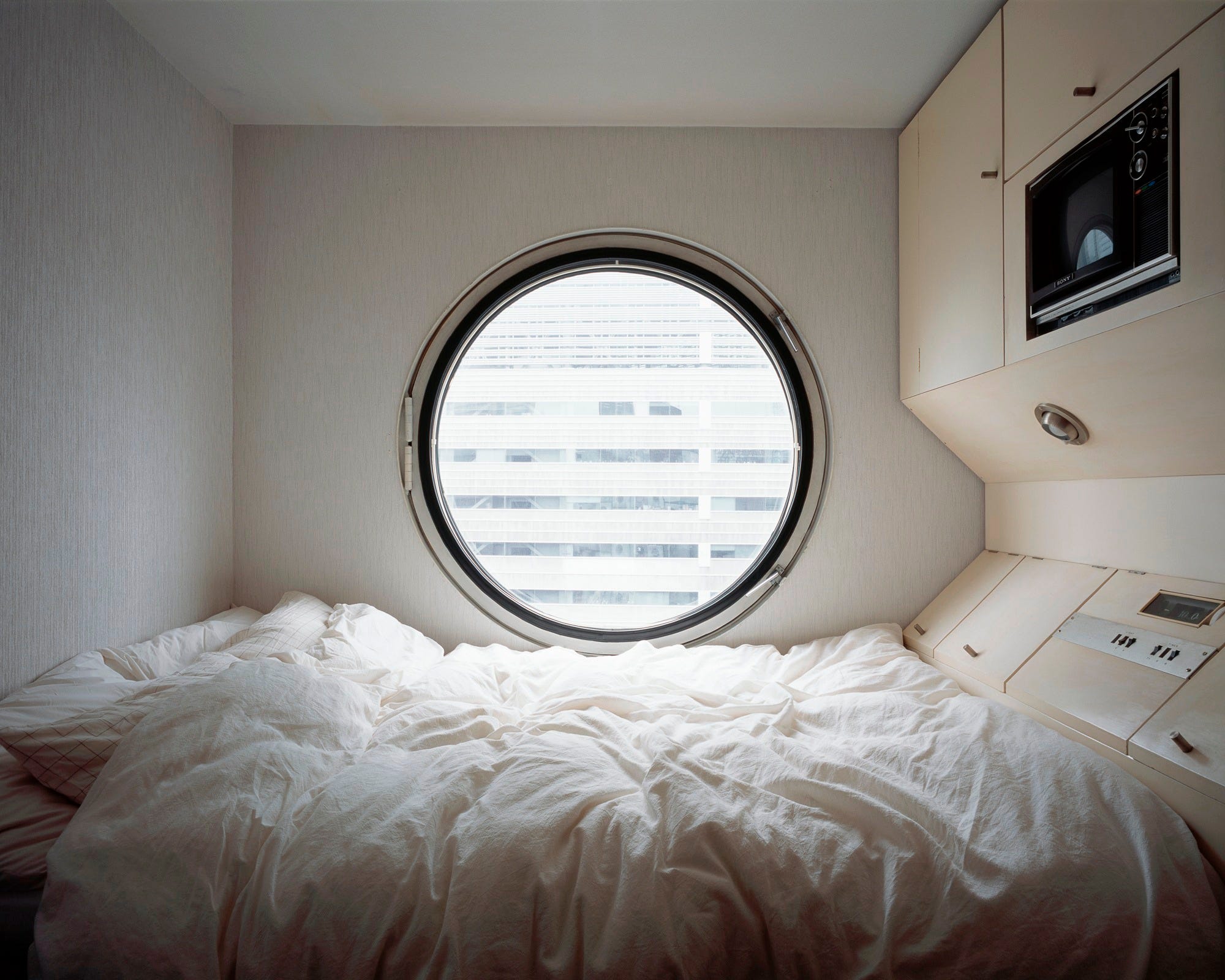
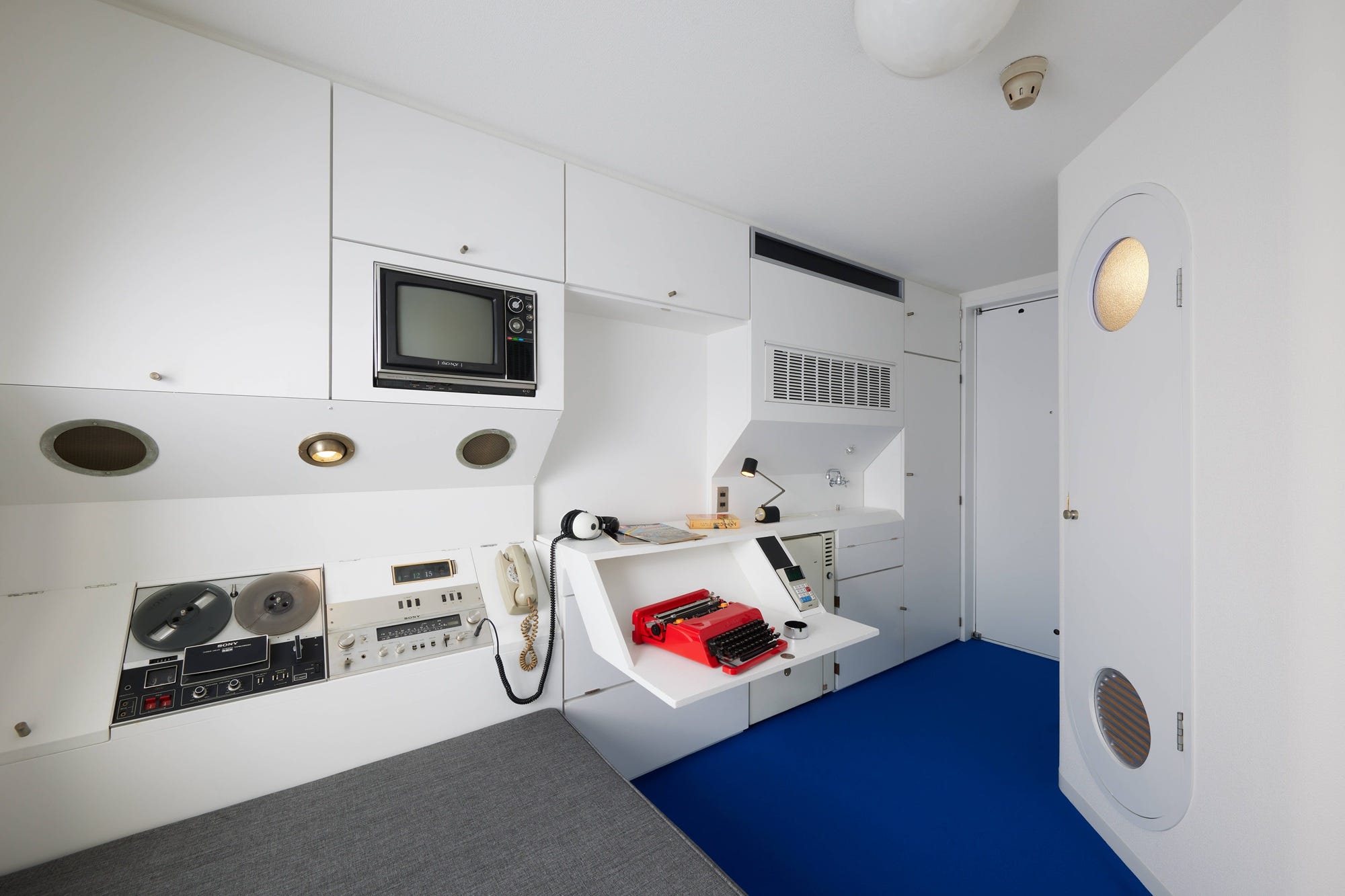
Both the exhibition and the book by Kotsioris celebrate the recent MoMA acquisition of Capsule A1305, one of only 23 units saved when the building was demolished – others were acquired by San Francisco Museum of Modern Art, MAXXI National Museum of 21st Art in Rome, M+ in Hong Kong, and many private collections. This icon of Metabolist architecture gained a second life at its new home in New York. At the center of the show is the fully-restored capsule, glowing in white and fully furnished with built-in bed, molded plastic bathroom unit, white wall unit containing built-in desk and storage, a television, a Sanyo refrigerator, and a Pioner stereo system, presented to the public precisely as it looked when the building was first opened and without trace of its deteriorated state prior to its demolition.
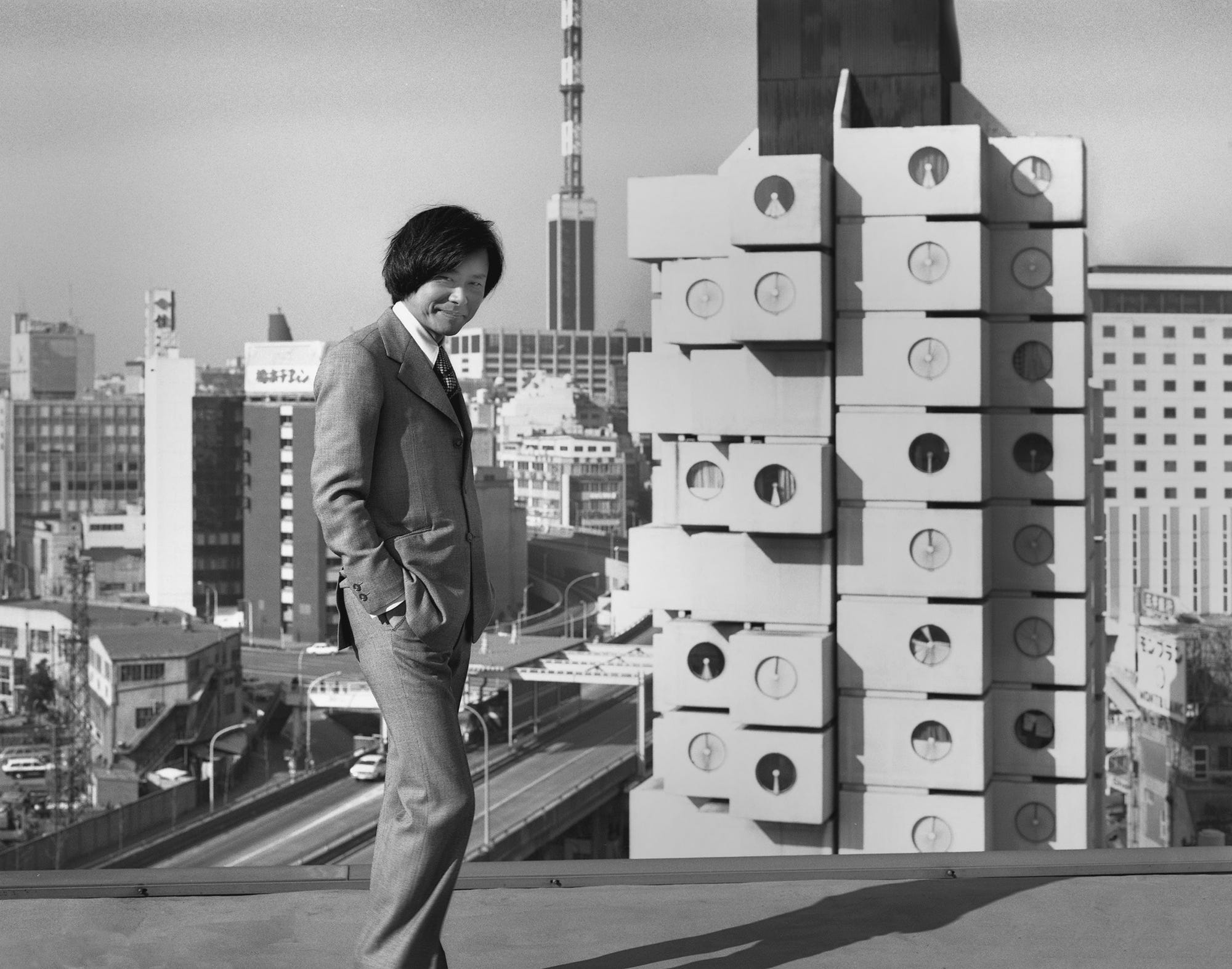
Japanese starchitect Kisho Kurokawa (1934-2007) described his masterpiece as “not an apartment house, but rather a place of rest to recover in modern society—an information base to develop ideas, and a home for urban dwellers who love the city center.” It appealed to suburban businessmen looking for pieds-à-terre in the city center, willing to pay 50% more than a typical apartment to live in the world’s most talked-about building. The Nakagin company received thousands of inquiries from those willing to live in tiny spaces. Founder of the Motabolist Movement, Kurokawa attracted global attention with the tower, catapulting him into the pantheon of modern design.
Just like German Expressionism, born nearly half a century earlier, most Metabolist projects were not realized, as their radical ideas remained primarily on paper, and the Nakagin Capsule Tower is one of the handful of realized buildings of the Japanese Metabolism Movement. Vilaplana de Miguel revealed that it all started at the Expo ’70 Osaka, the most ambitious showcase of Metabolist architecture, where Kurokawa designed the Takara ‘Beautillion’ Pavilion, the most sensational in the first World’s Fair in Asia, constructed of pipe frame, and prefabricated modules and metal capsules, to showcase the products of the Takara furniture company. It was there, in Osaka, that the owners of the Nakagin company saw the pavilion and decided to commission Kurokawa to design the Capsule Tower.
The most famous and ambitious example of a realized Metabolist building, the Nakagin Capsule Tower, was an instant success—commercially, architecturally, and conceptually, exemplifying the radical movement’s manifesto. The ‘megastructure’ advanced the notion that buildings should be capable of organic growth and expansion as needed. Addressing the issues of the time, the movement proposed solutions to migration and the reconstruction of new cities from the ashes of WWII. Better-future-through-radical-architecture was to architecture what the Shinkansen, Japan’s high-speed railway—built in the 1960s to connect distant regions with the capital—was to transportation.
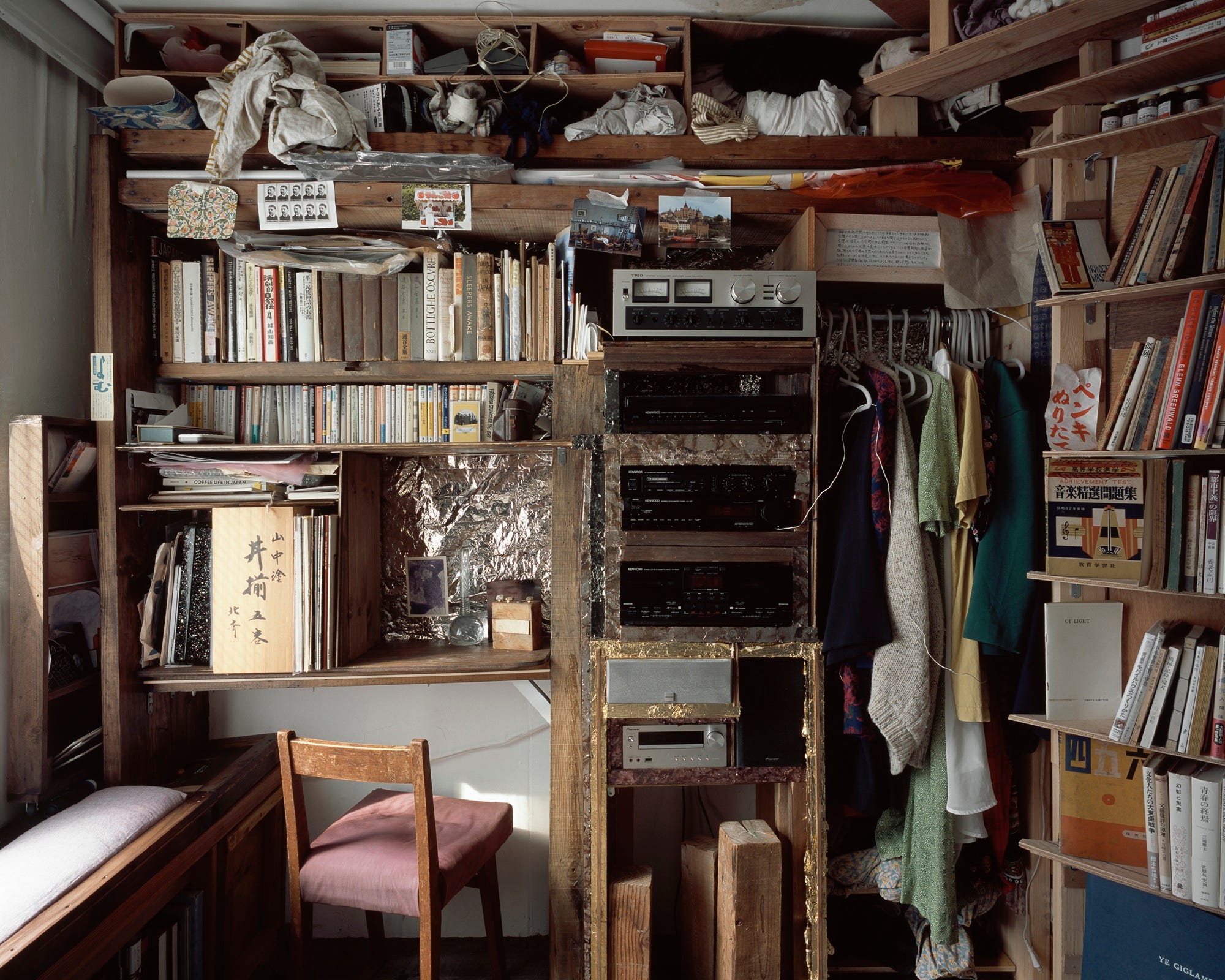
The most fascinating aspect of the exhibition is the display of material culture, photography, films, and other ephemera, revealing the story of Nakagin and the many ways it was used, lived in, and loved by its dwellers. We learn how sophisticated a marketing program devised by the Nakagin company is—a program which, incidentally, cannot be found online. This program convinced buyers to invest in small units, revealing that the capsules were meant someday to be replaced. The promotional film is particularly amusing for its dated images of the modern businessman. Photography depicts the transformation of the capsules, which, during the building’s existence, were transformed into offices and full-time homes.
One of the most beloved buildings for architects and designers, the Nakagin has become the center of a cult; not only at its inception, but in later decades. Its cult status was advanced by Kurokawa, who loved the media, and his chic photo next to the recently completed building is now an icon. But the Nakagin is living a new life in the permanent collection of MoMA, preserved forever in the Museum, which has historically played a role in shaping public perception of modern architecture. At the center is capsule A1305, restored in MoMA’s style, reminding us of the museum’s golden age of architecture exhibitions – The International Style of 1932; Mies van der Rohe of 1947; Visionary Architecture of 1960, to name a few. It brings the story of an era rarely covered in museum shows and allows viewers to follow the narrative of one building through to its abrupt termination, when the Nakagin project, which had plans for the following structure and the entire Metabolism Movement, was cut short by the Oil Crisis of 1973. Its new life reconstructs the same optimism upon which the building was constructed.