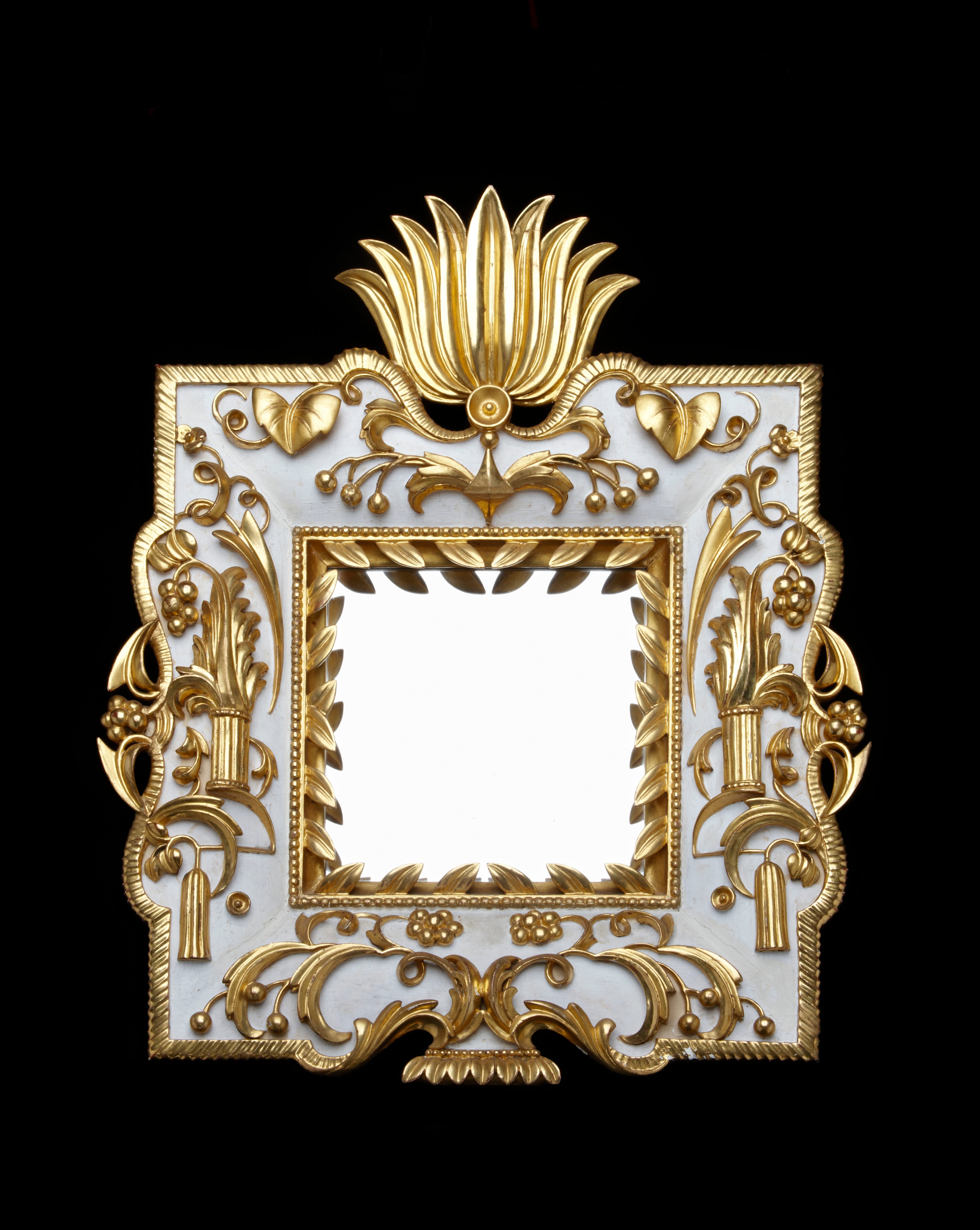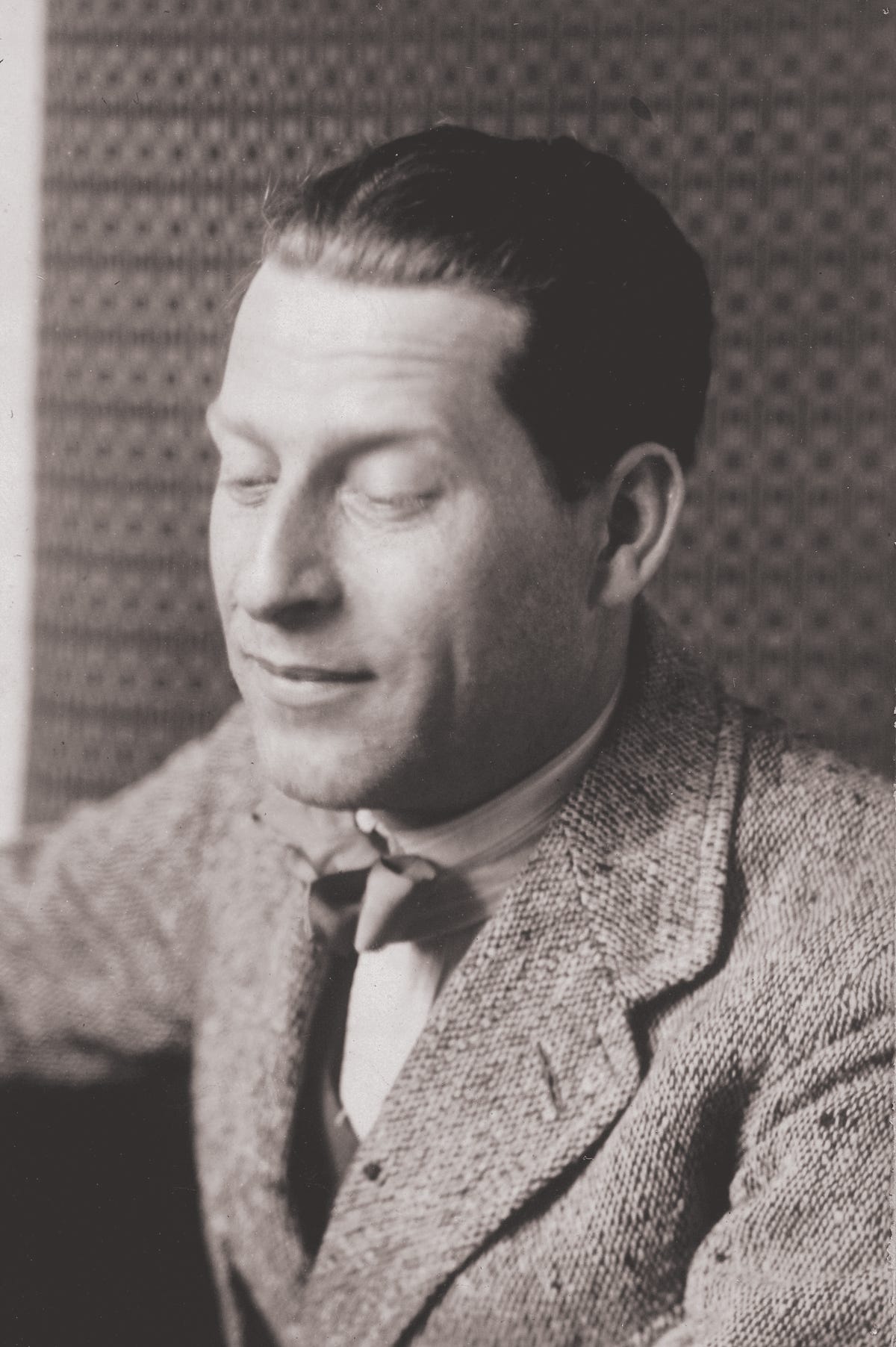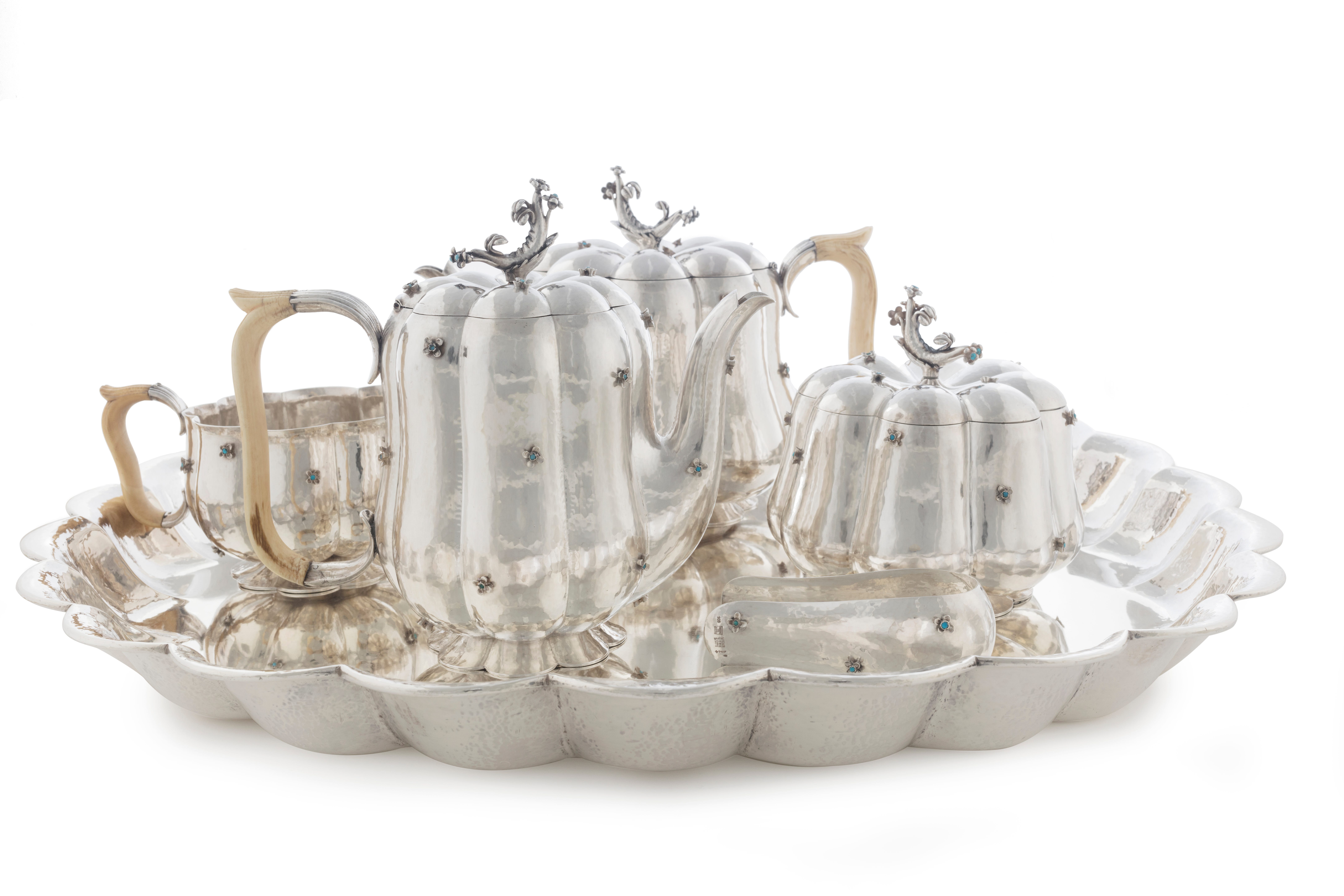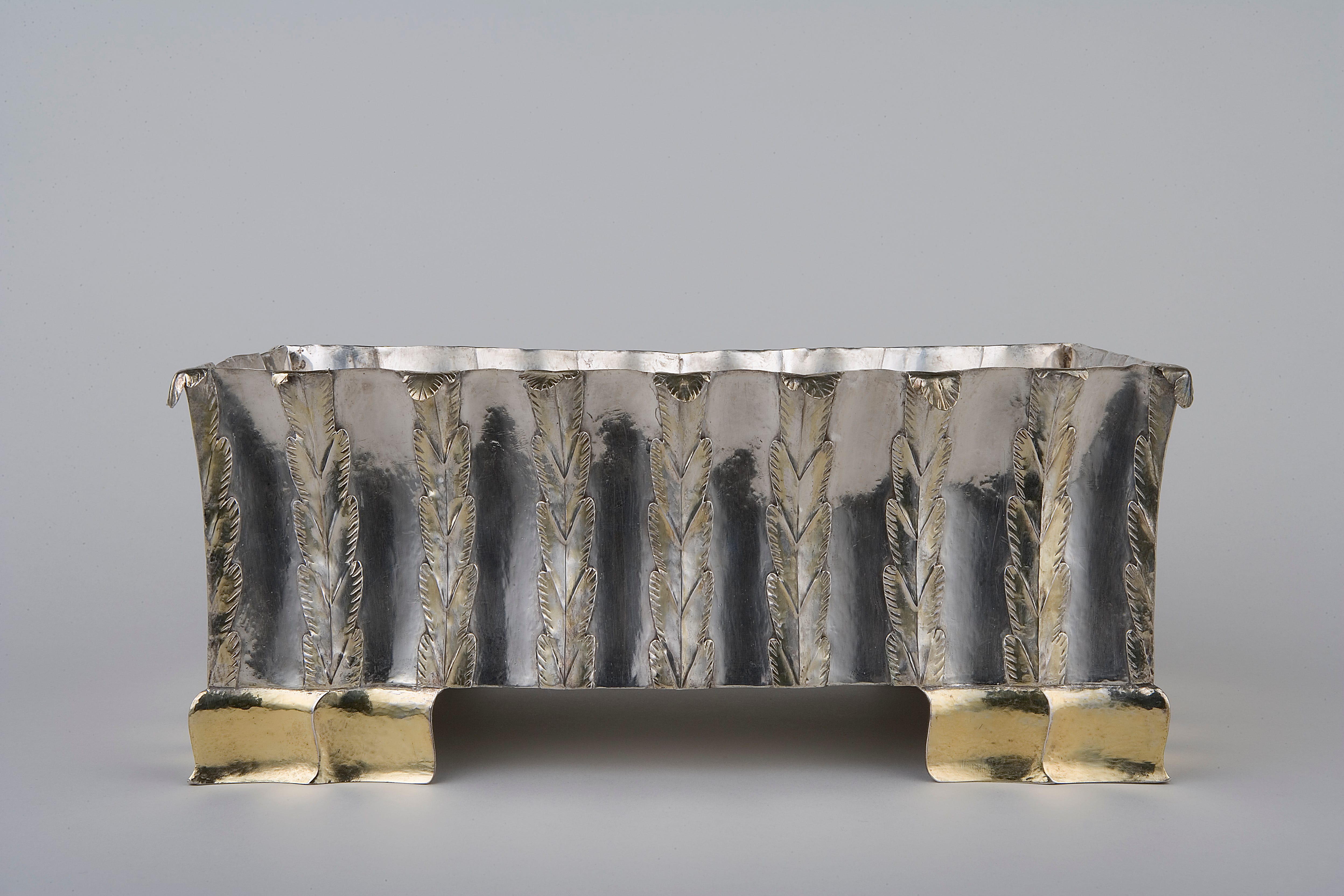
Last week at Christie’s design sale, a sculptural side table in black lacquer and gold designed by Viennese artist Dagobert Peche (1887-1923) in 1913 fetched $317,500. This has brought the name of the enigma designer to the news as one of the hottest names in the collectible design market. At the same time, Neue Galerie New York features Dagobert Peche: Ornamental Genius, a small, gem, and comprehensive monographic exhibition on the second floor of the small, exquisite museum that was dedicated to early 20th-century German and Austrian art and design.
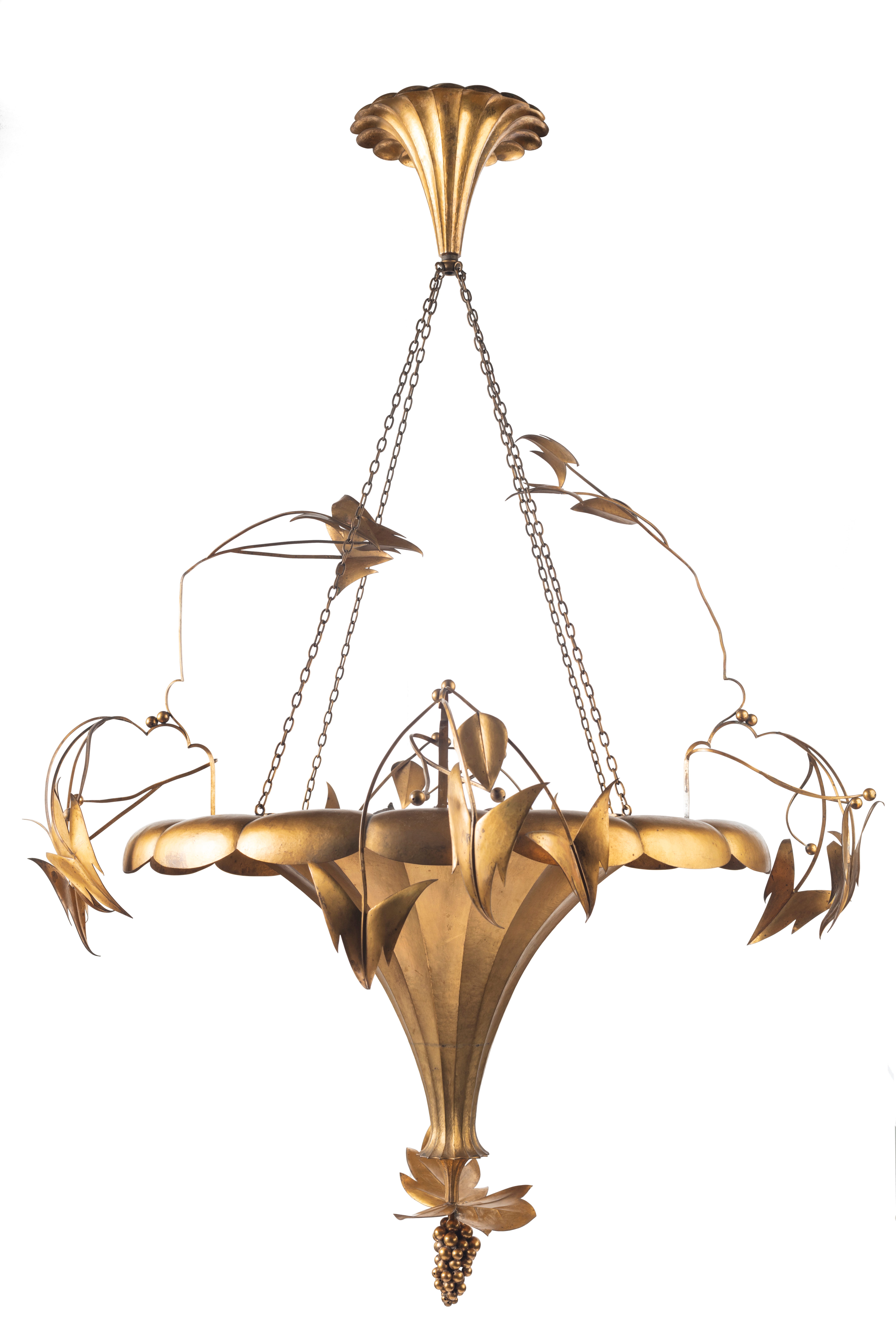
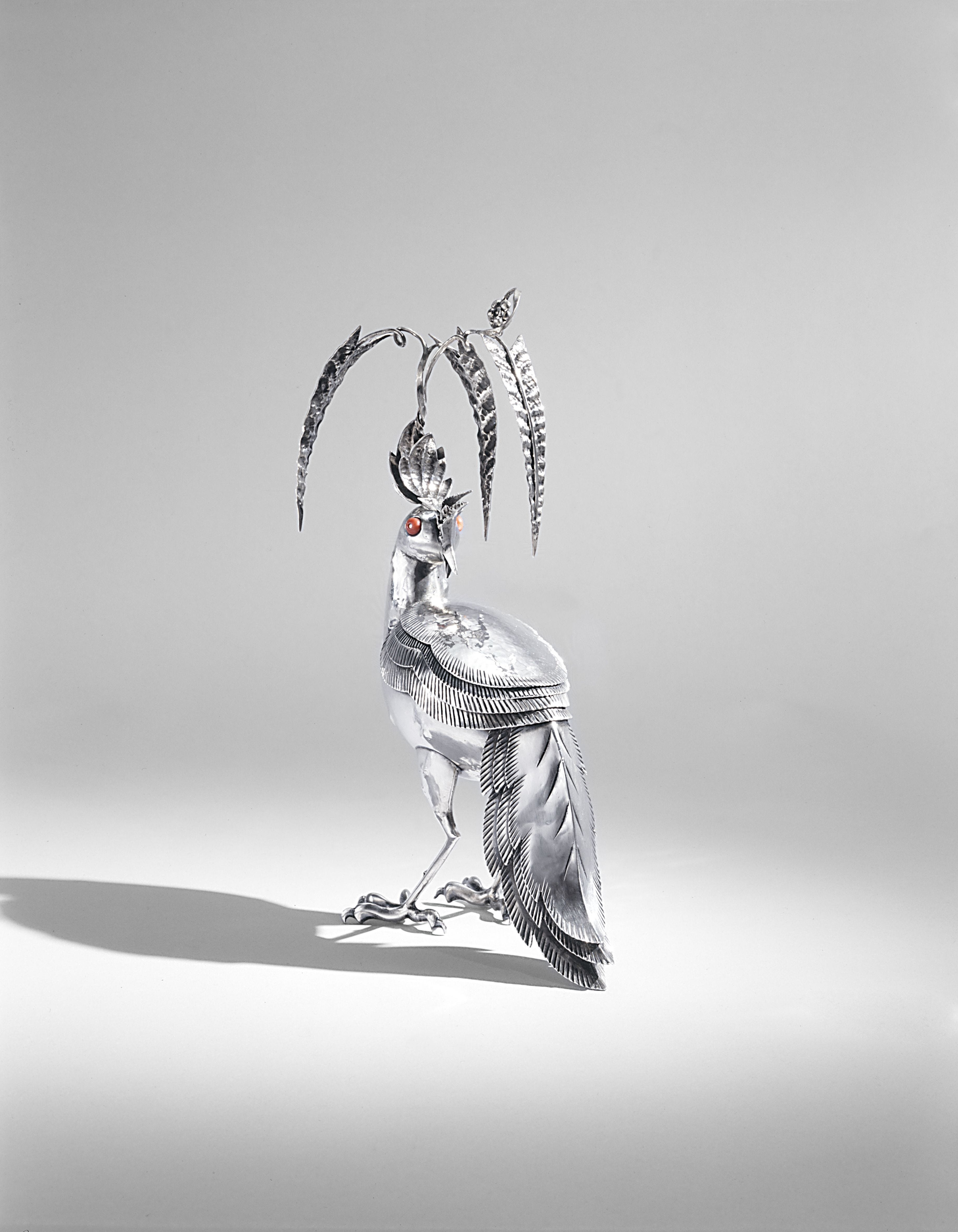
Peche was a prolific creator during the briefl time he worked as a designer in Vienna. He died at just 36, so his body of work is relatively small compared to the impact he accomplished on the landscape of Viennese design. Peche’s legacy has remained a mystery for many years, simply because his work was excluded from the narrative of modern design and ignored by those who shaped modern design history and theory, becuase his work did not fit the recipe of ‘modernism,’ which they try to establish. This was not because Peche’s work lacked excellence or innovation, on the contrary, he came to introduce something new, exciting, and fresh, but because it did not fit into the definition of modern design as determined by early historians. The earlier collectors of Viennese design in the 1980s did not include Peche’s work in their collections, but in recent years, his name has been praised by collectors. Two years ago, a chandelier fetched $558,416 and a silver box brought $768,000 at a Hargesheimer auction.
At 23, Dagobert Peche was discovered by Wiener Werkstätte’s co-founder Josef Hoffmann, who found the young talent’s vision intriguing and immediately had him creating textiles for the avant-garde workshop. Those textiles featured grotesque, baroque, ornaments of the type was new to the vocabulary of the Werkstätte, but was loved by its costomers. Four years later, when Hoffmann was ready to step away as the Werkstätte’s artistic director, he appointed Peche to the prestigious position. Seeking to bring a fresh and unexpected touch to the company, Hoffmann’s choice was perceived as risky at that time. In his seven-year tenure, Peche created everything from furniture, glass, Christmas ornaments, ceramics, wallpaper, and posters, redefining the identity and legacy of the company by moving its vocabulary from geometrical austerity to playful baroque, from rationalism to fantasy, giving a new meaning to the notion of modern design. He created objects which were artistic, interesting, and bespoke. Craftsmanship was challenged far beyond the modernist and geometrical objects created since the workshop was founded in 1903. Instead, his objects were about fantastical, exuberant forms that were far from the restraintment for which the Werkstätte made its name.
Peche was active during a special time in the history of Vienna when it was a cradle of culture—a center of great intellectual innovations in music, philosophy, economics, and the arts. Peche worked during the time of Sigmund Freud, philosopher Ludwig Wittgenstein, authors Arthur Schnitzler and Franz Werfel, and musicians Arnold Schoenberg and Gustav Mahler. As the artistic director of the Wiener Werkstätte, Peche oversaw the company that created some of the most memorable design objects in modern time. He demonstrated that a successful integration of ornament was what distinguished the work of an artist from that of an engineer and rarely created anything without ornament.
The exhibition at the Neue Galerie New York features no less than 50 works that are rarely seen under one roof in celebration of one of the most bold and courageous figures in modern design, who took risks by creating fresh, surprising, and unconventional objects in his own voice while challenging the status quo of modern design. However, I wish that the entire gallery would have been devoted to Peche—the subject of the show—rather than having objects by others on display because it is confusing to those who are not knowledgeable about the different phases in the Werkstätte. I want to give the genius whom Hoffmann described as the “greatest ornamental genius Austria has produced since the Baroque” the spotlight and attention he deserves.
The exhibition will be on view through May 4, 2026.