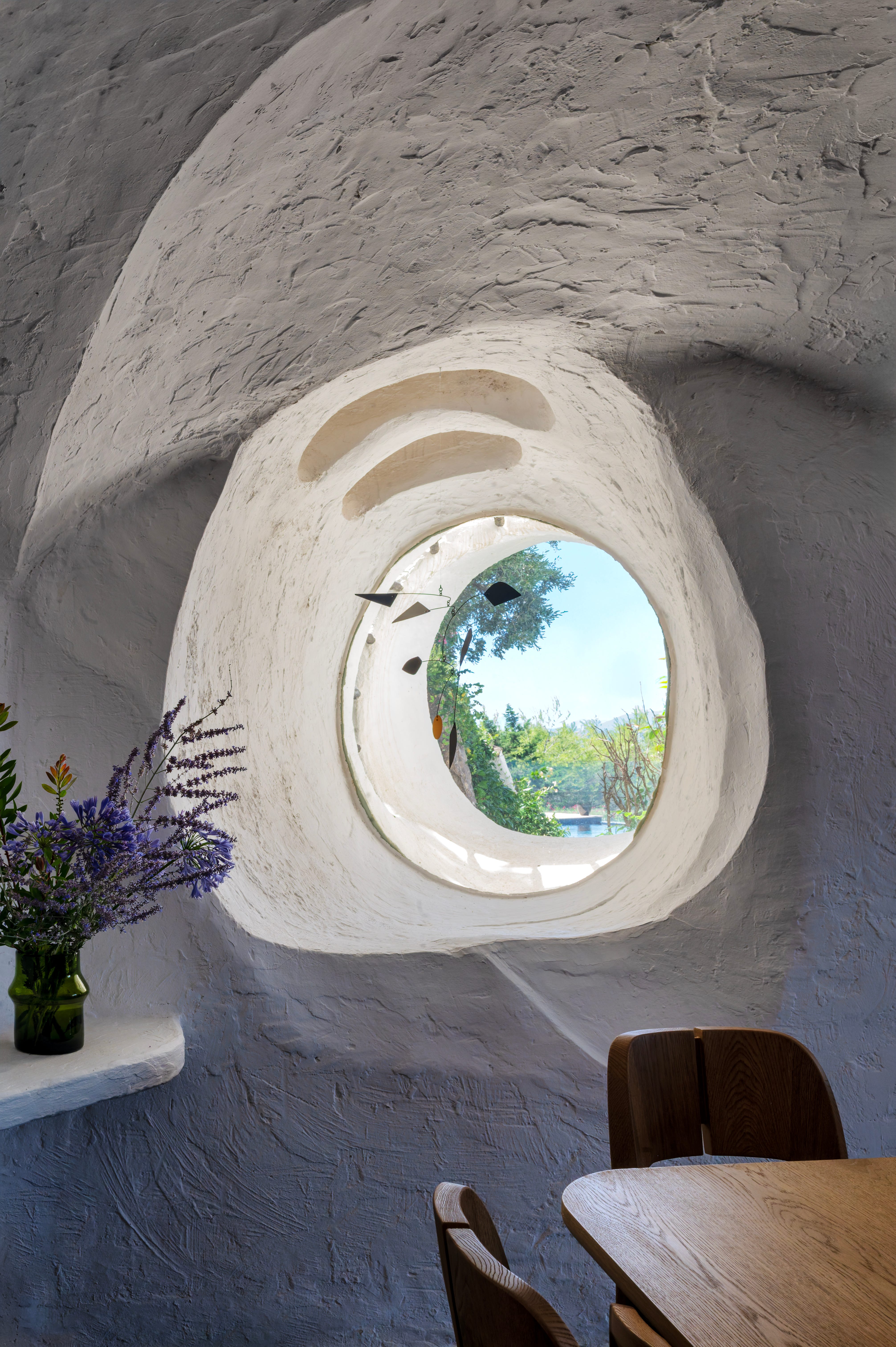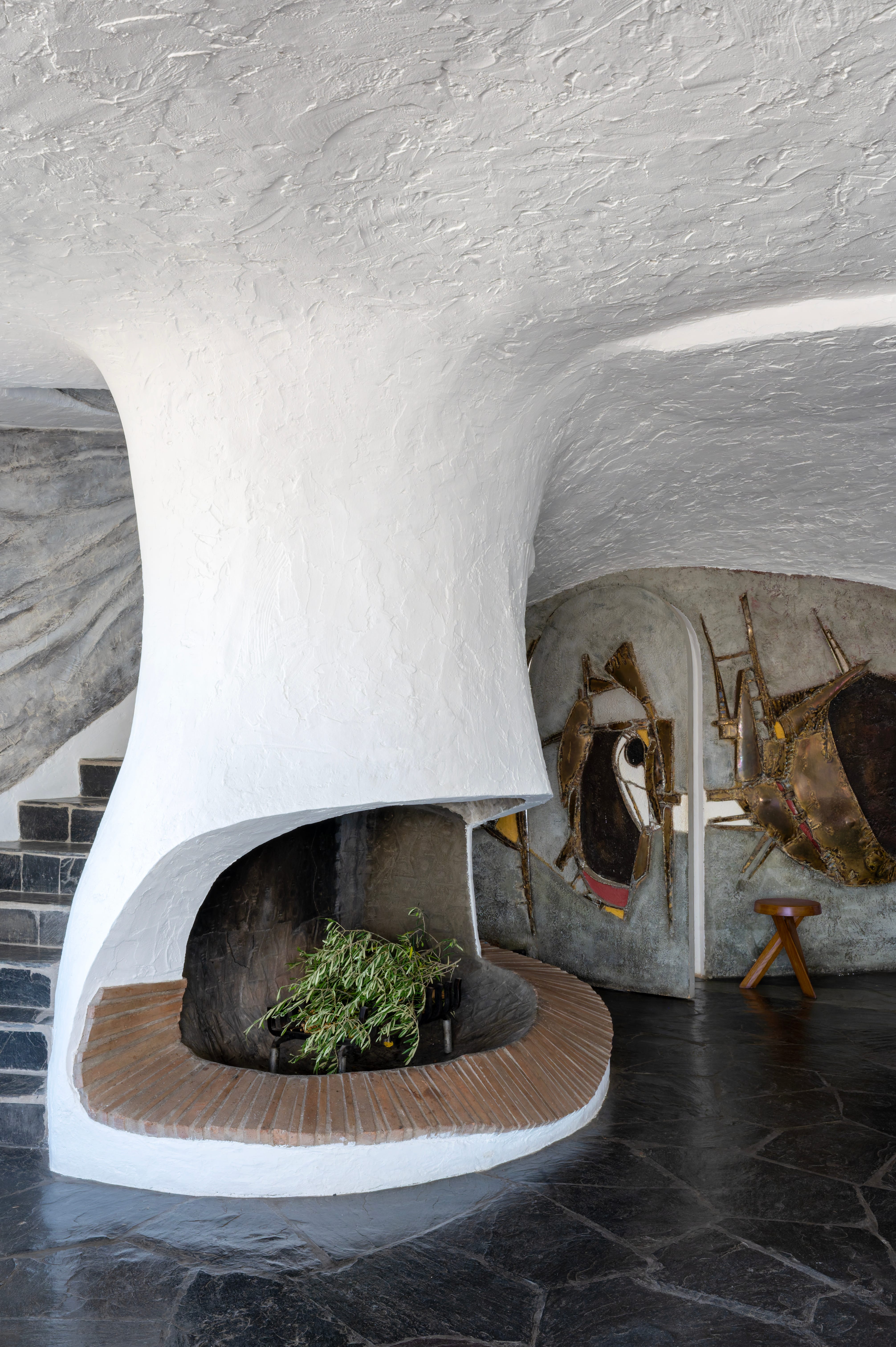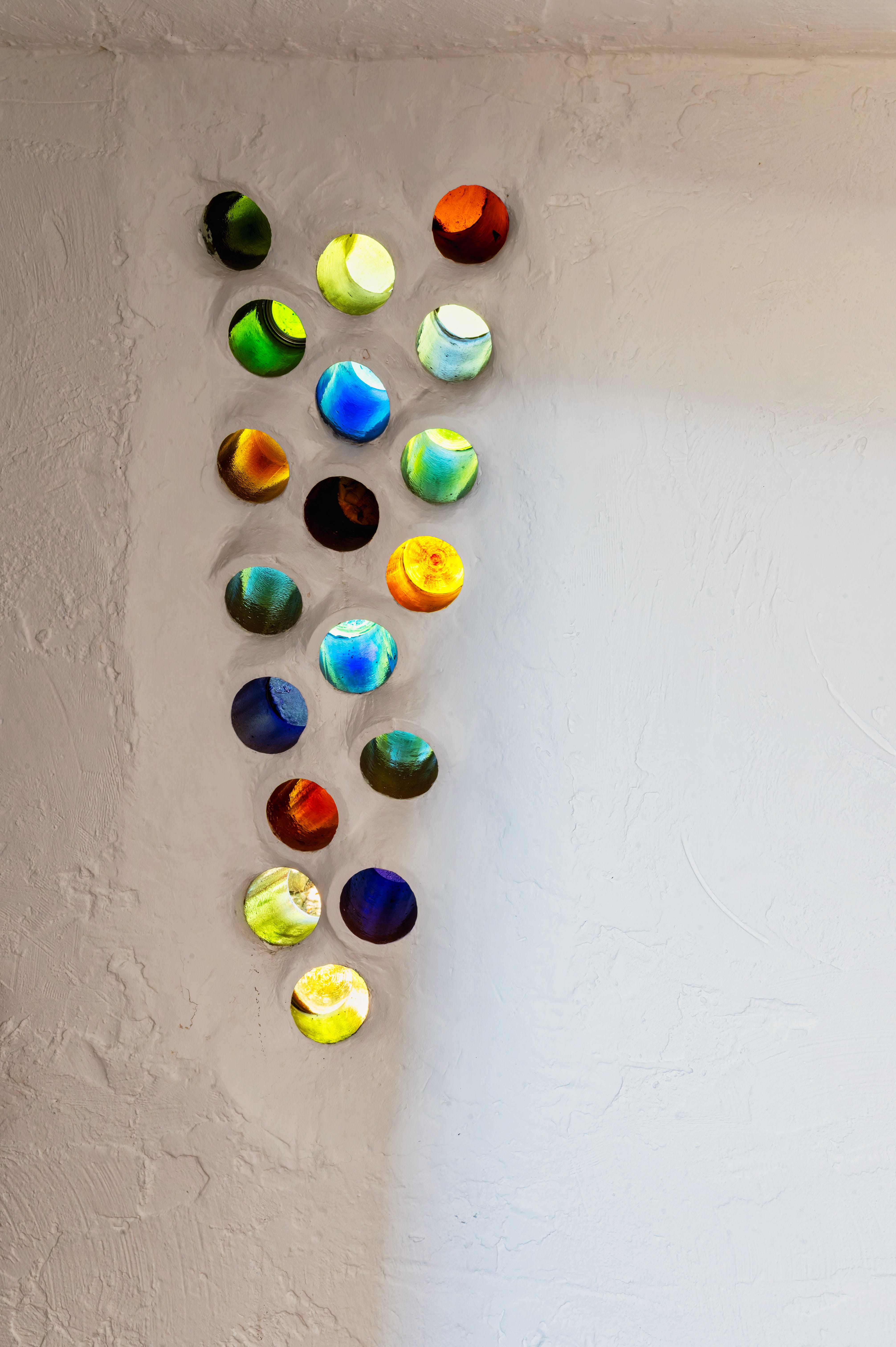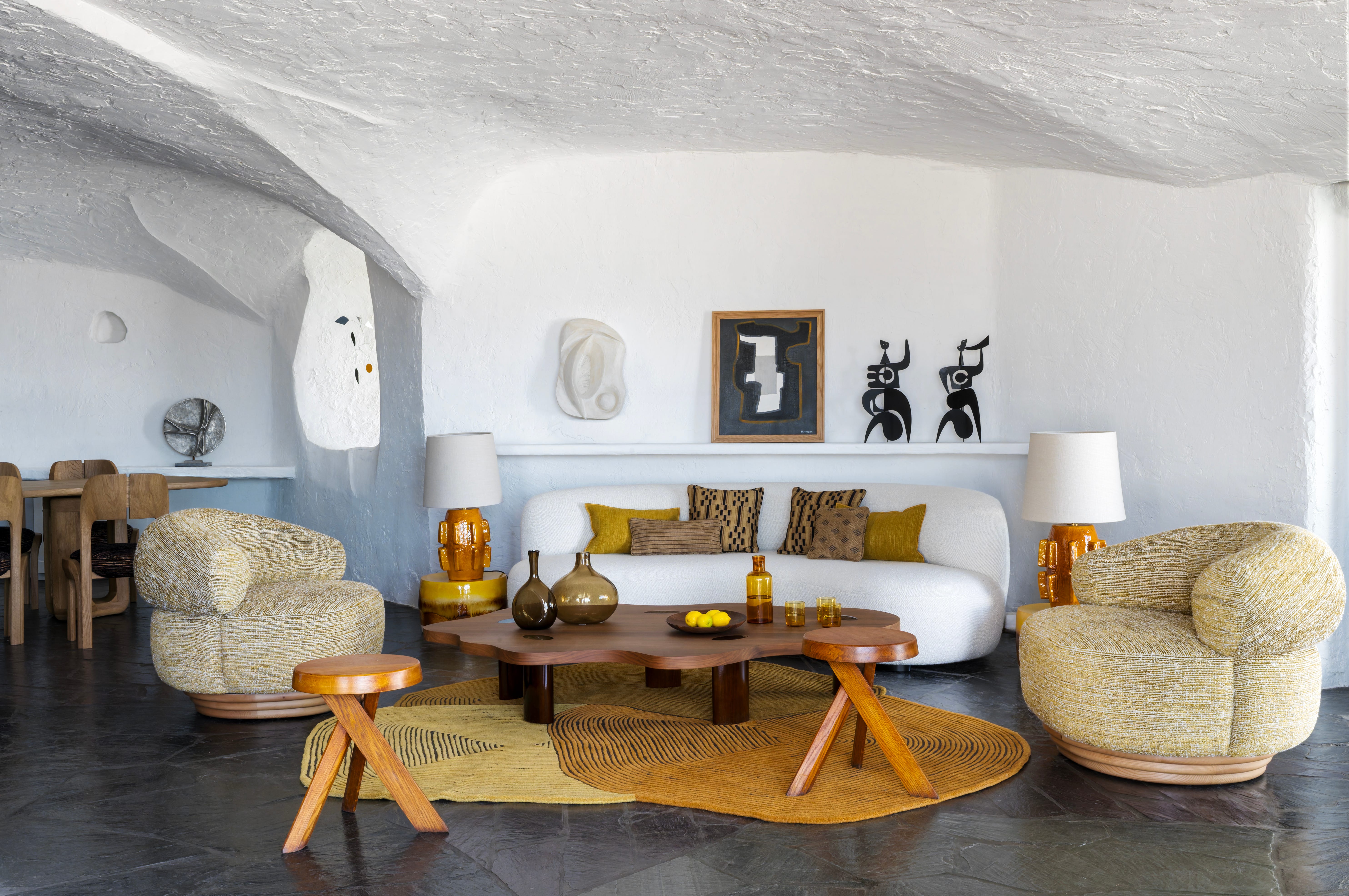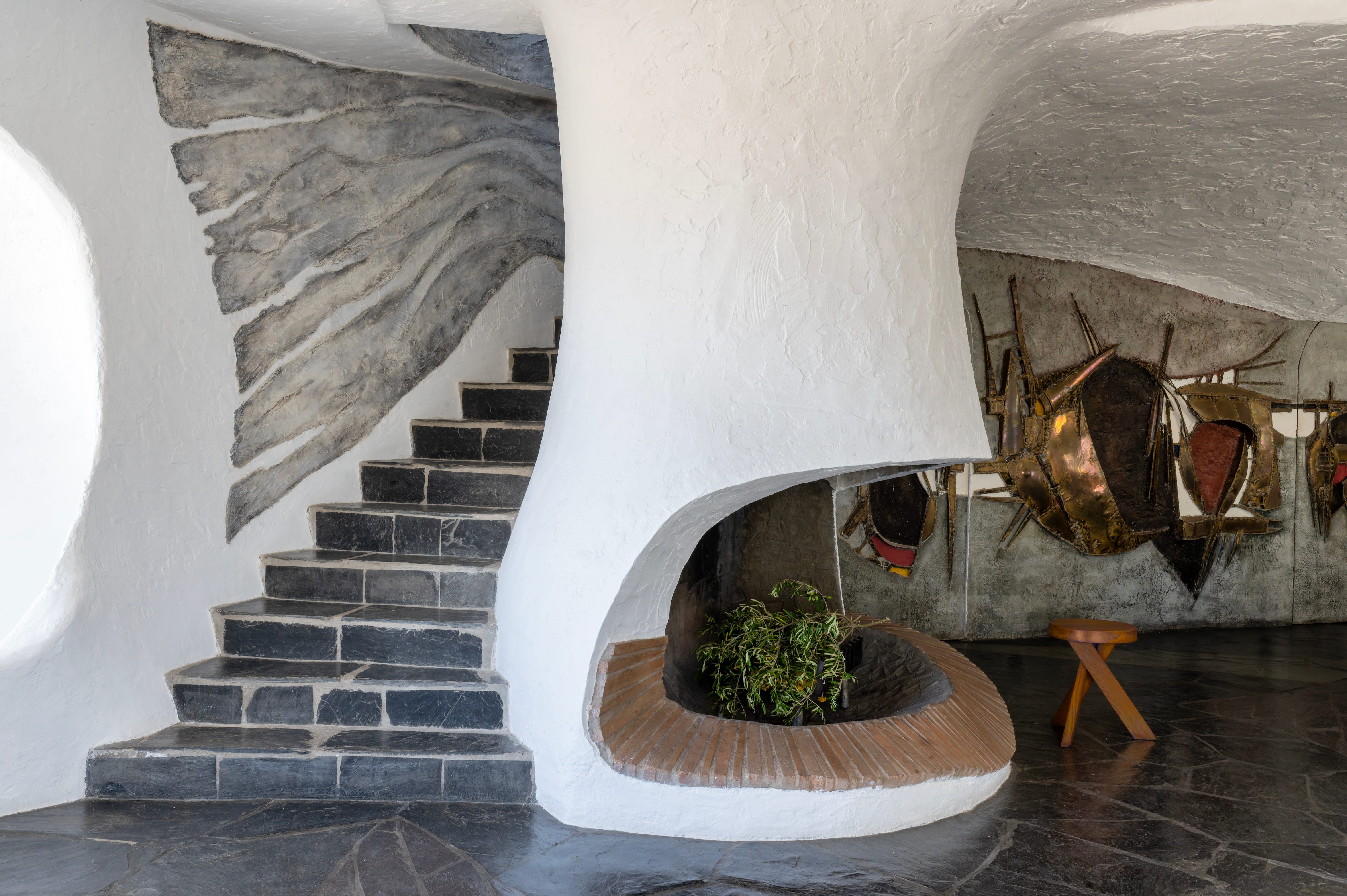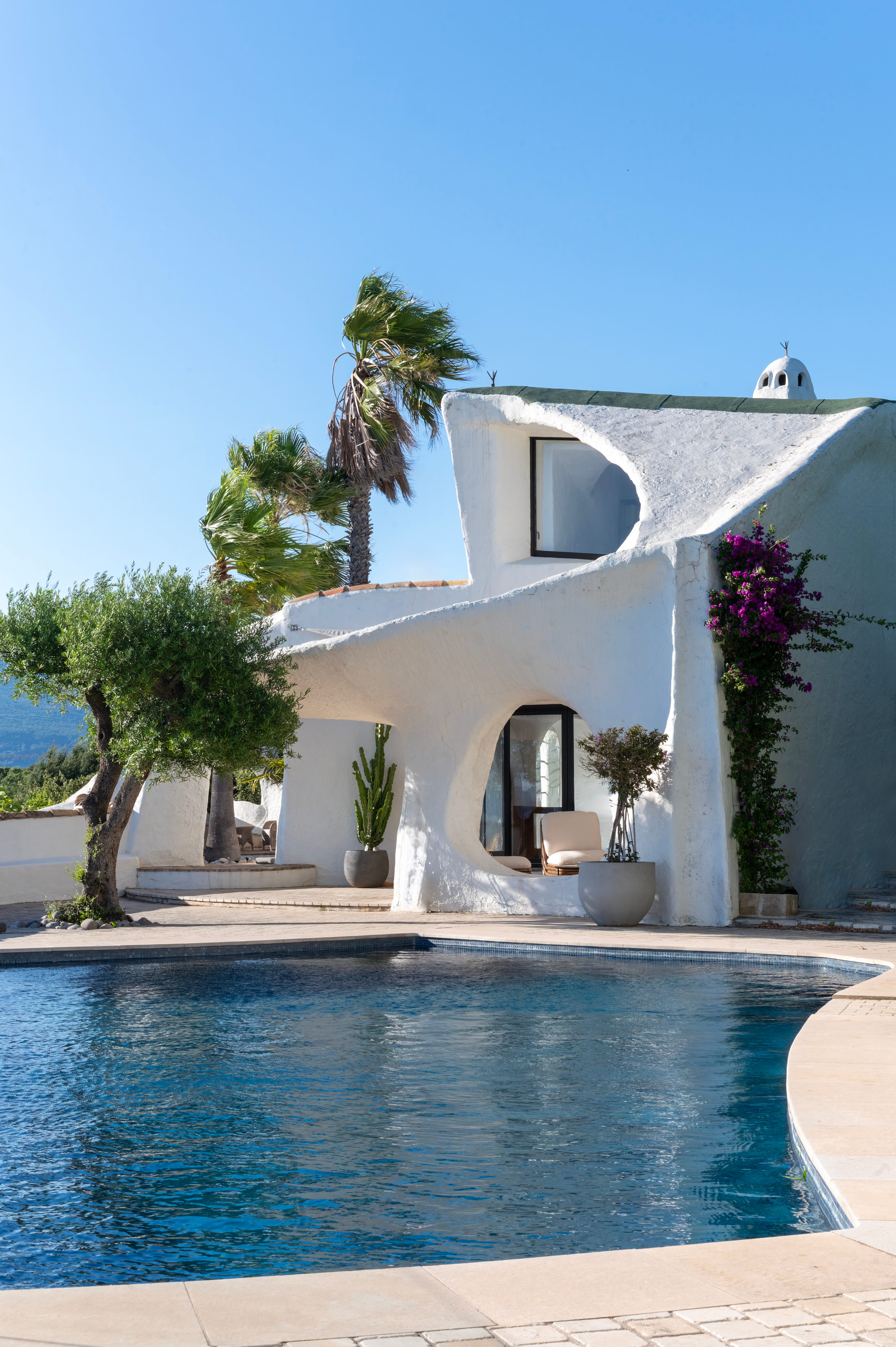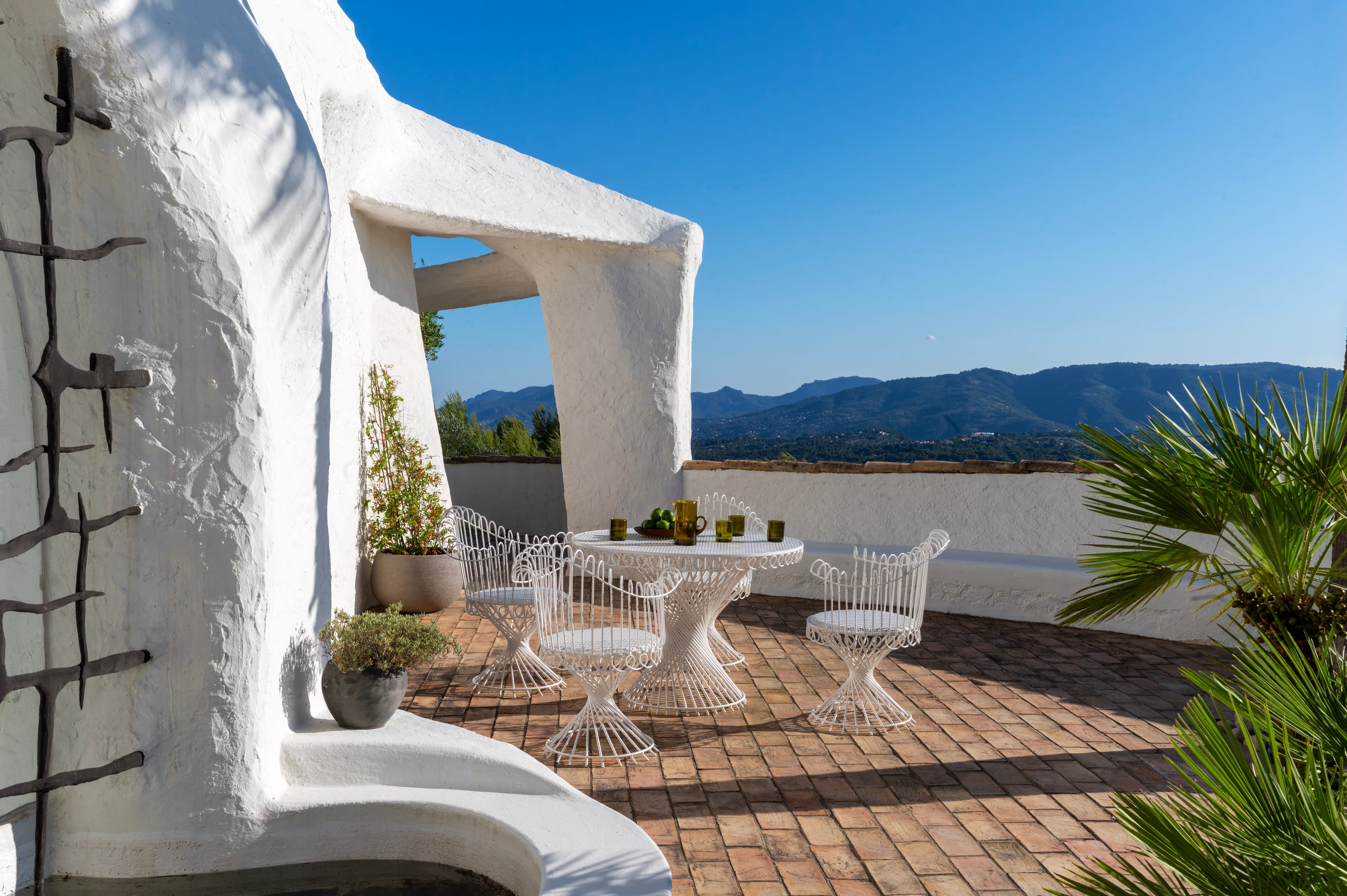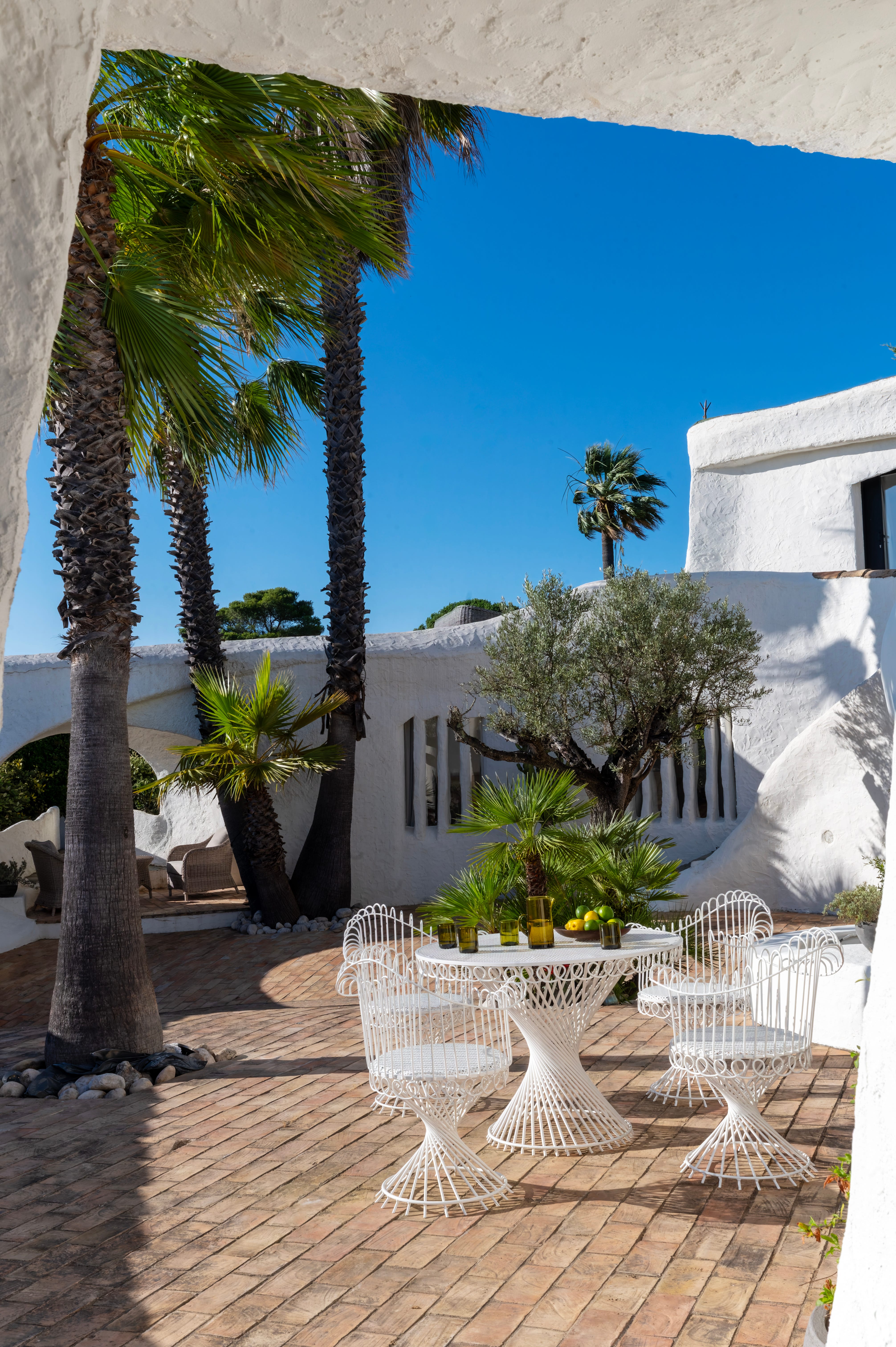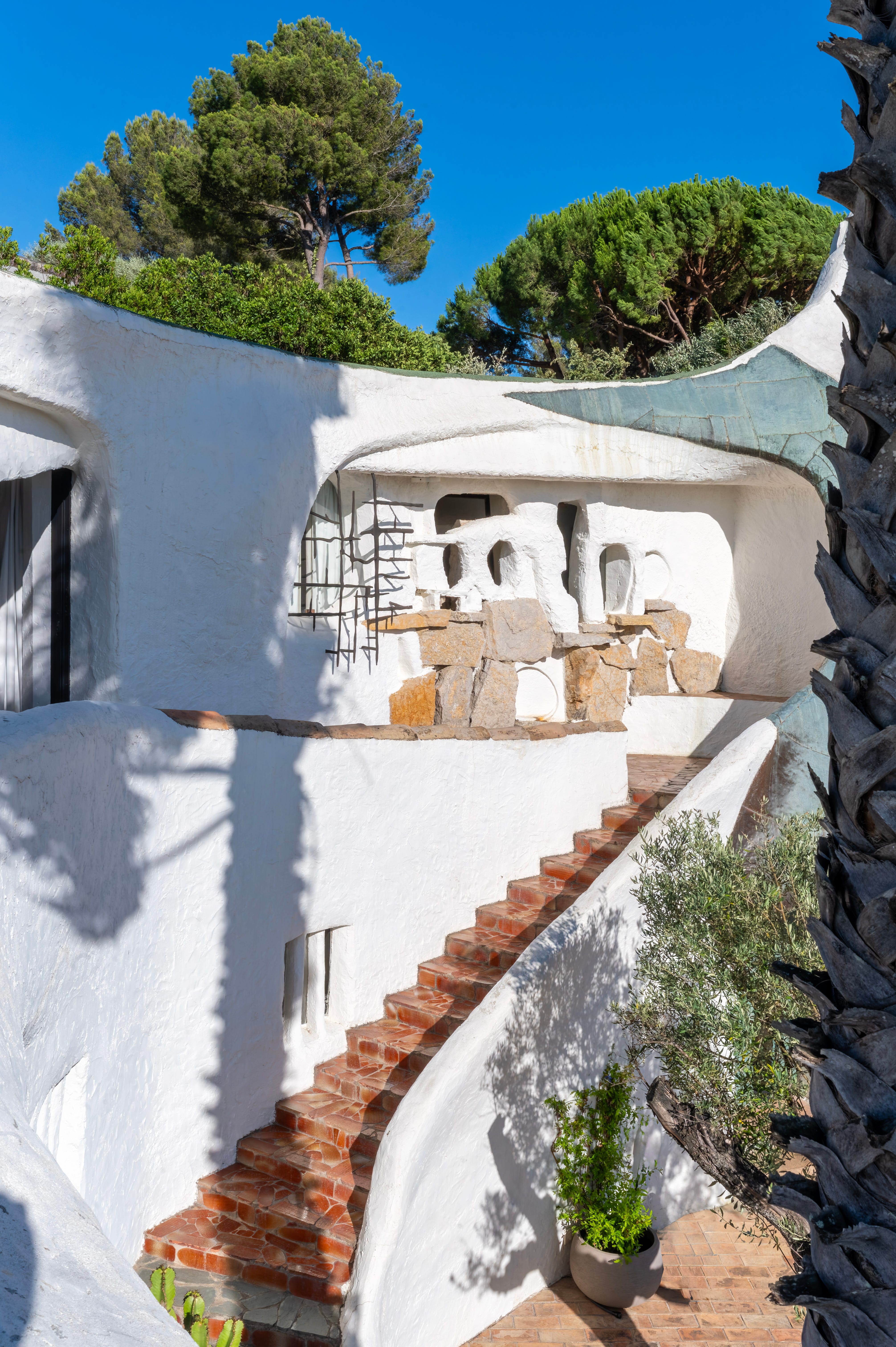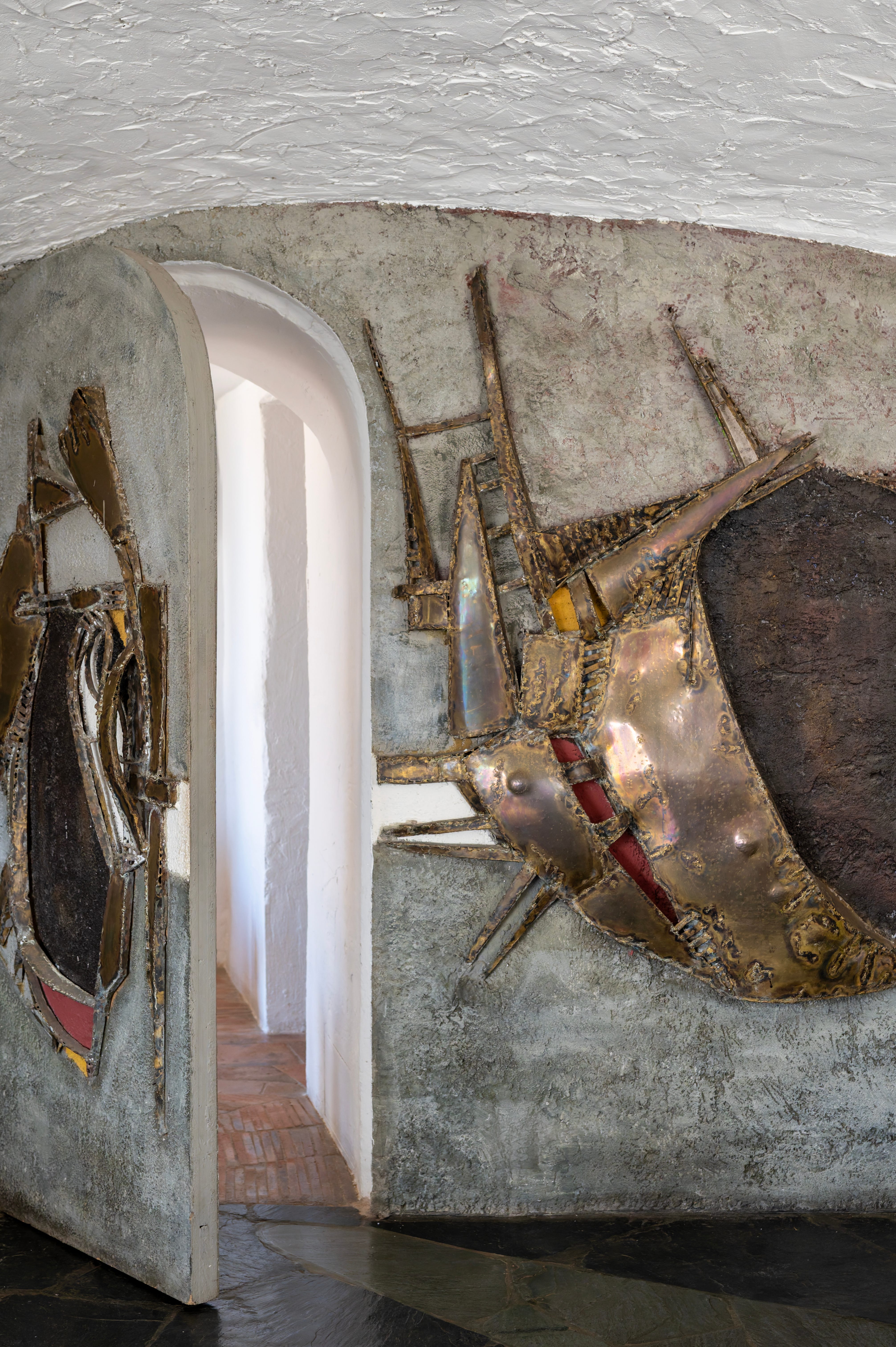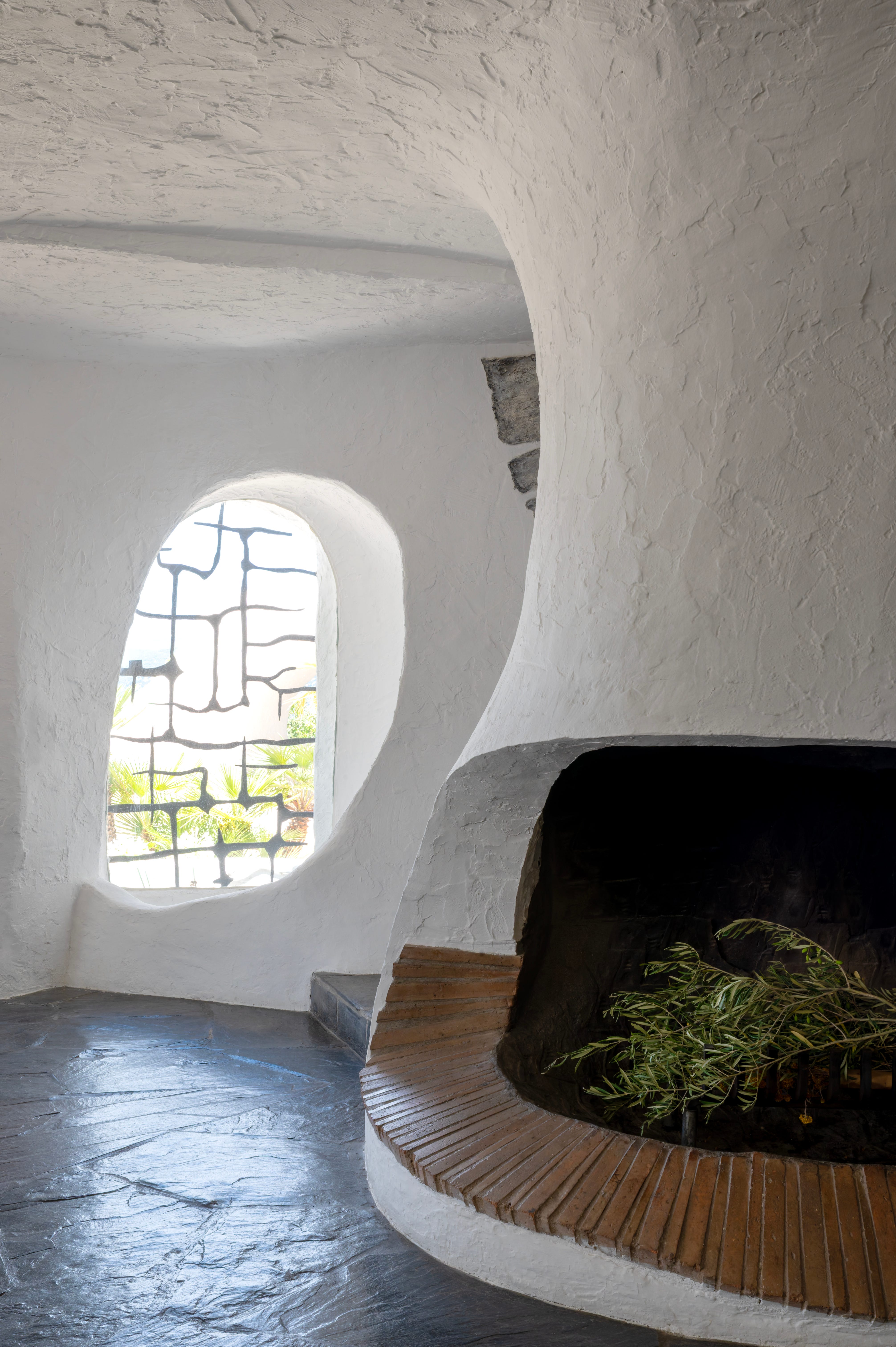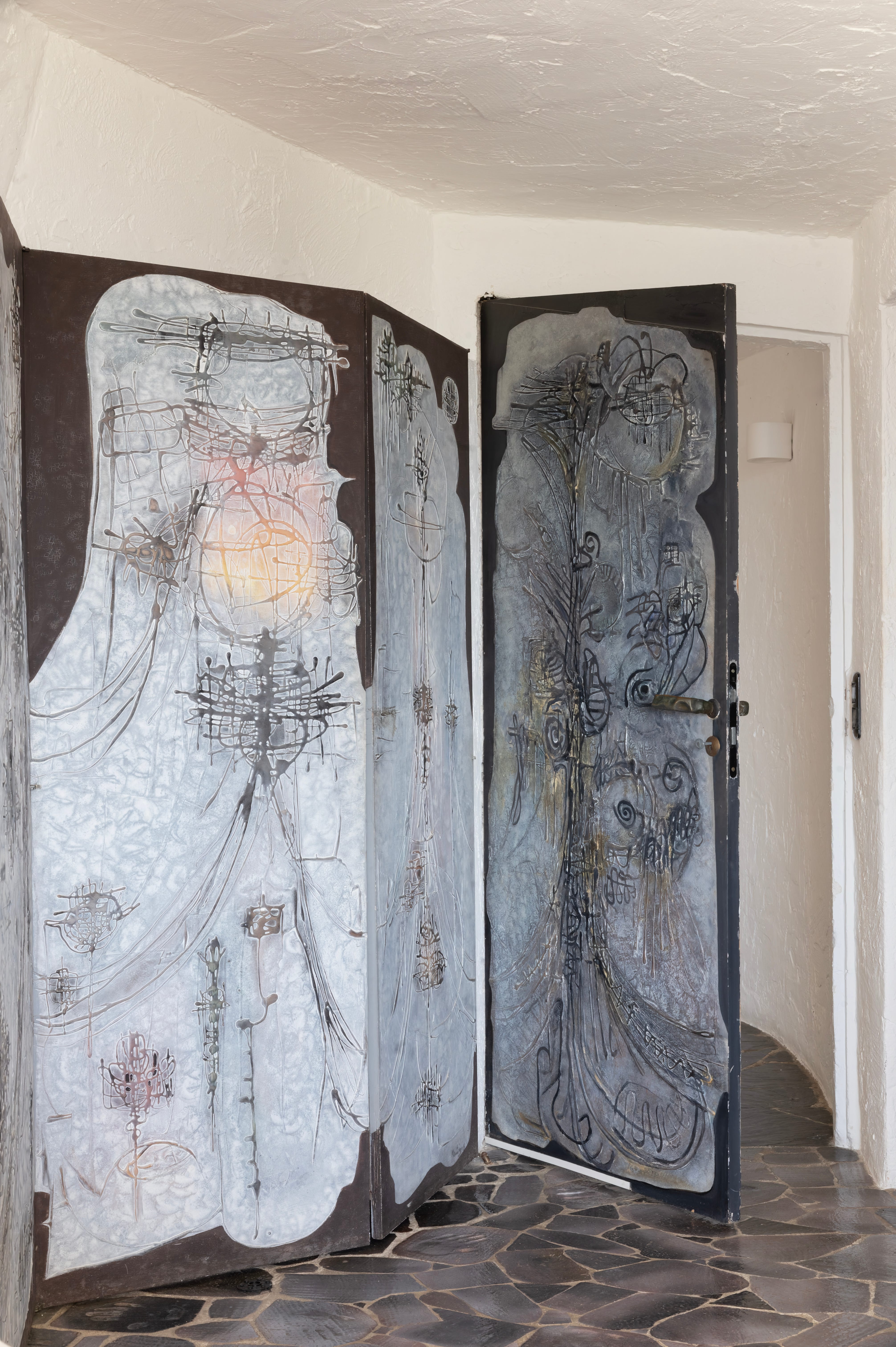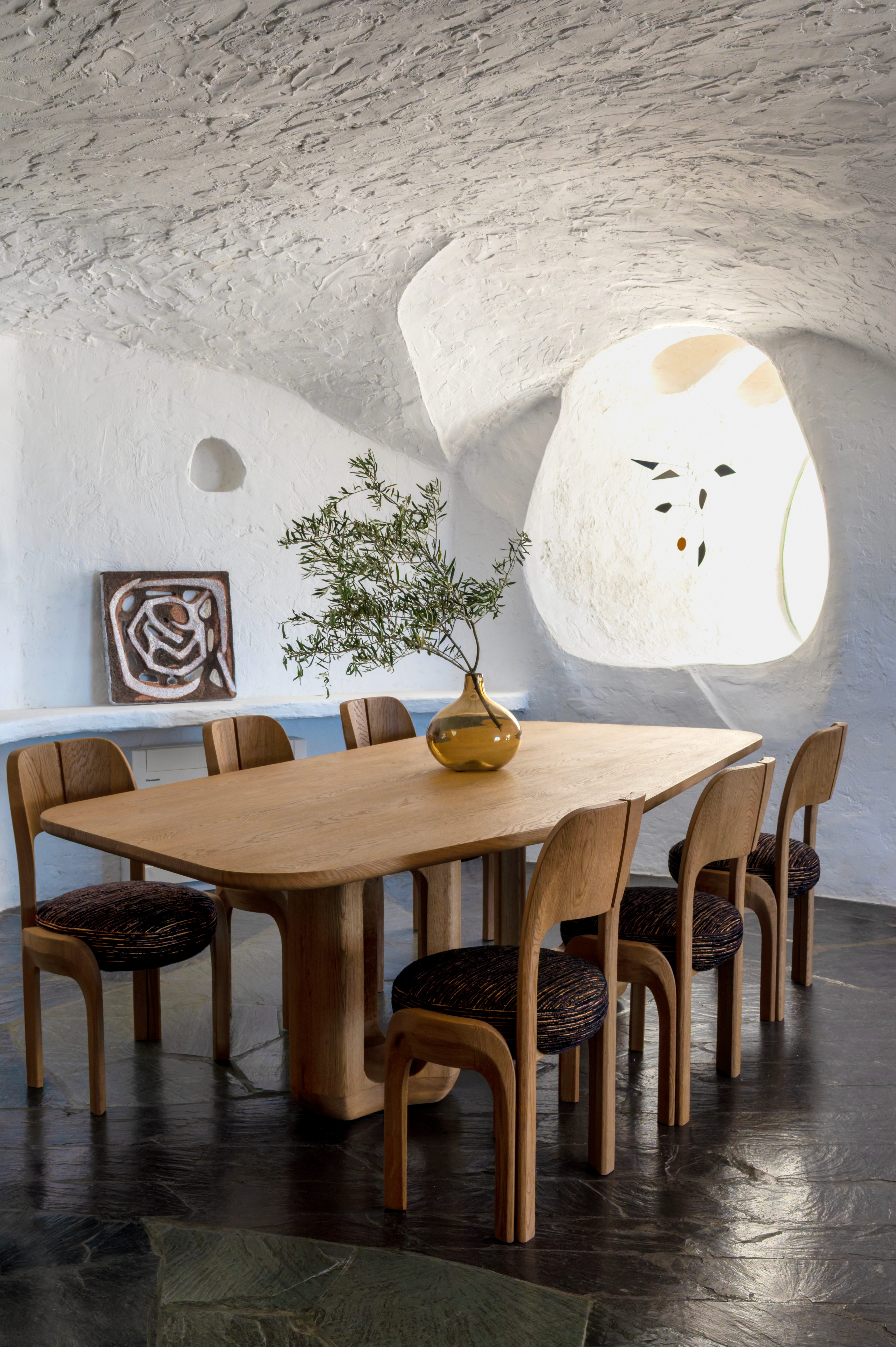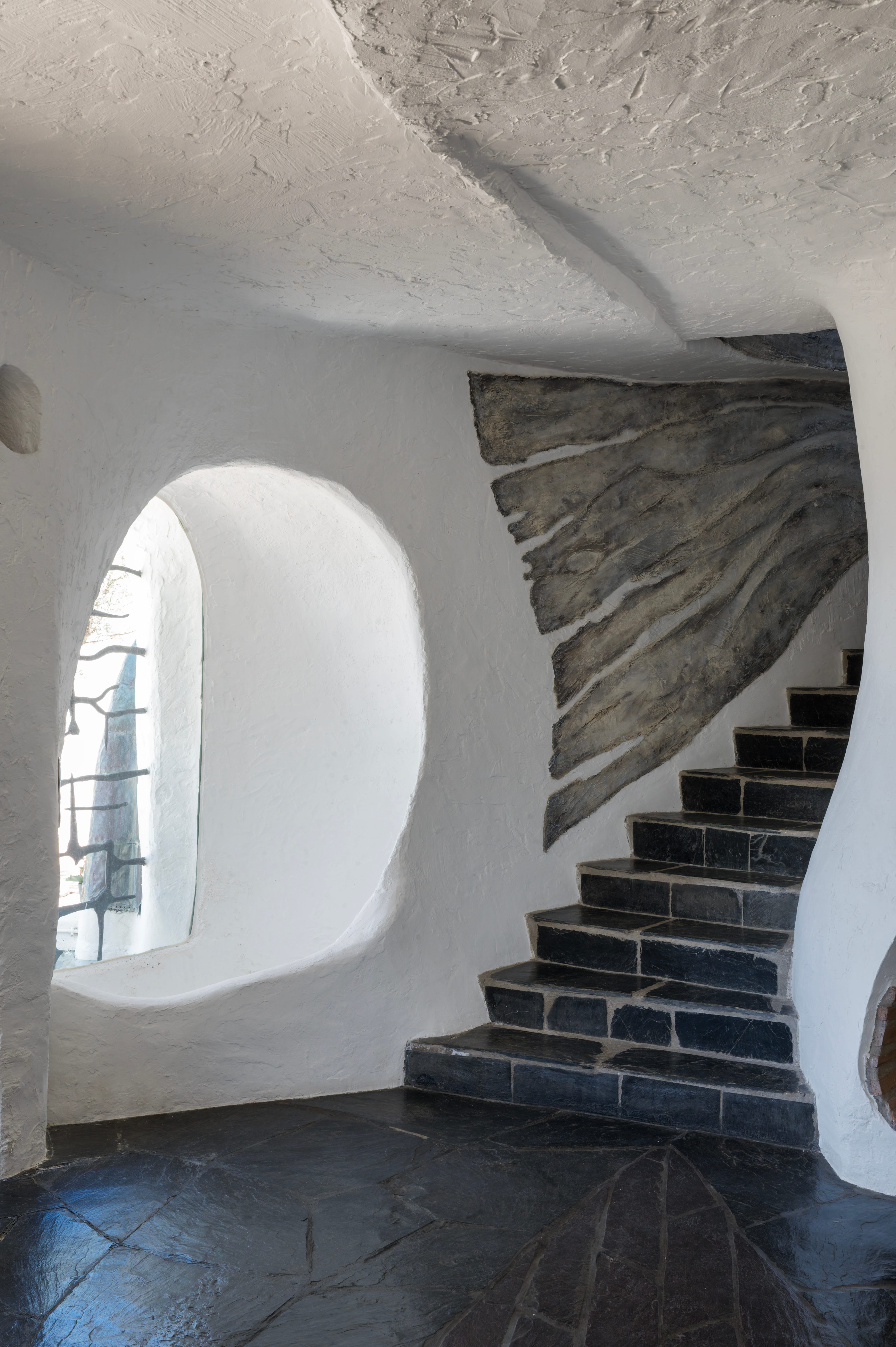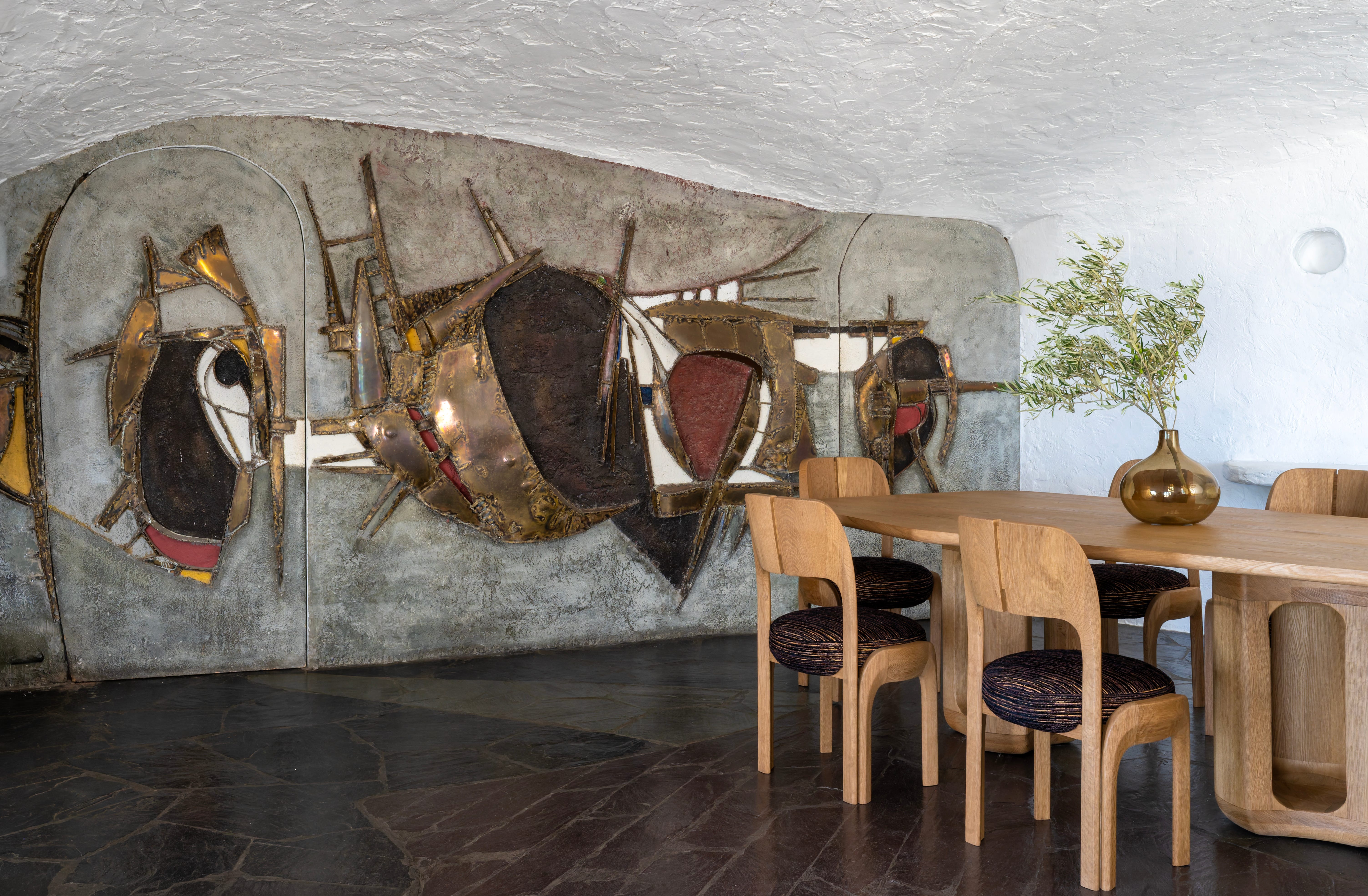
The eccentric work of French architect Jacques Couelle (1902-1996) has come to capture the imagination and attention of the design community in recent years. While the self-taught architect never entered the pantheon of design history, his cave-like residences, with their plaster walls and organic volumes, which he built in the sixties and seventies embodied the intersection of space-age design and the French art de vivre movement, which came to inject artistic practice in interiors and furniture design. The homes he designed in Côte d’Azur were sculptural and bespoke, where he collaborated with contemporary artists on murals, custom built-in furniture, and other features in interior decoration, and one-of-a-kind, commissioned and lived by creatives and art collectors who sought for jewels, for artistic, out-of-the-ordinary homes. In fact, Couelle began his career in the art world as a dealer in medieval antiquities. His fascination with the natural world and with the work of Antoni Gaudí were evident in his distinctive vocabulary.
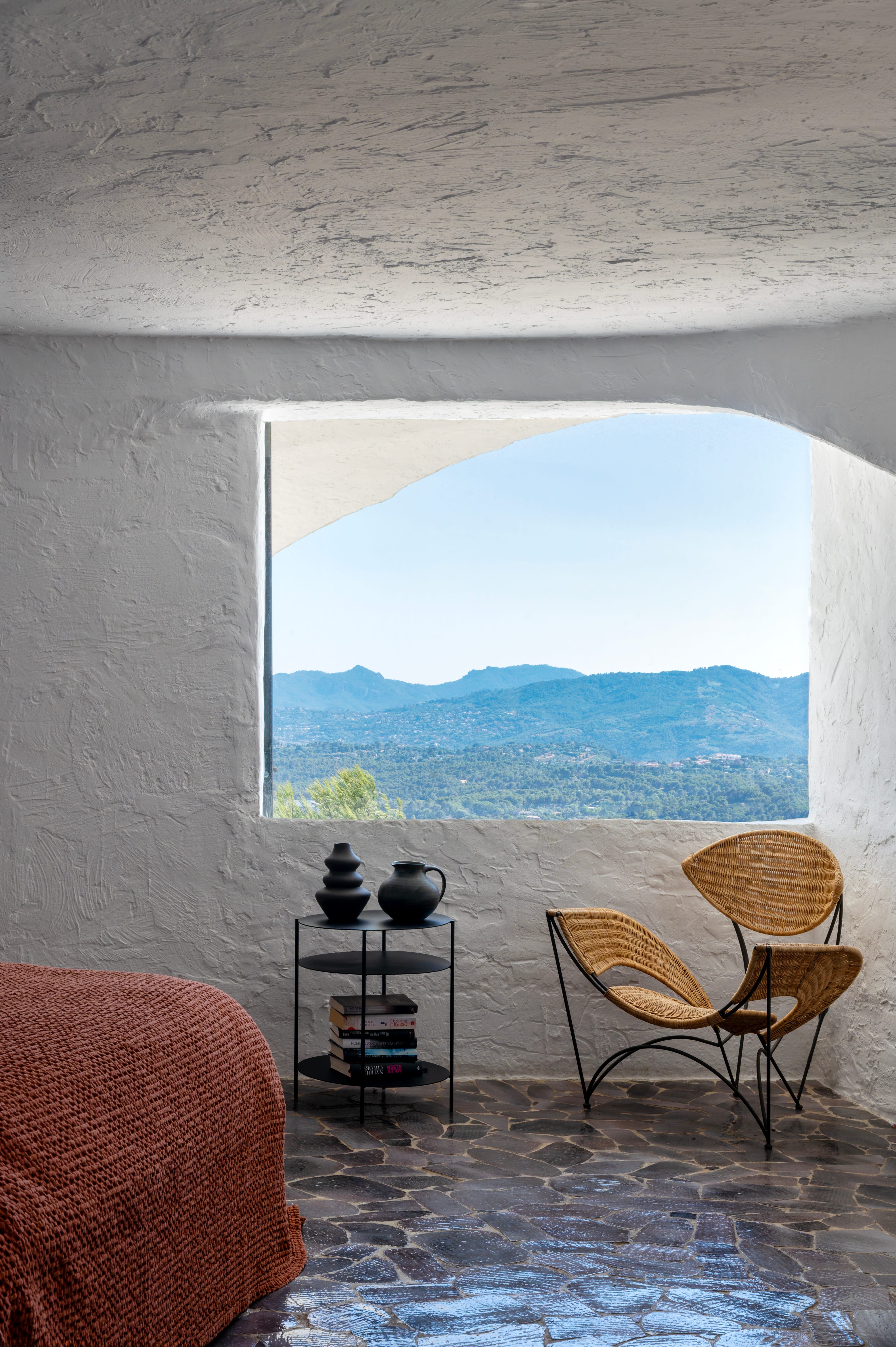
Now, London-based interior designer Miriam Frowein renovated one of Couelle’s biomorphic artisanal masterpieces. Nestled in Le domaine de Castellaras, the house, originally conceived in the 1960s. Frowein sought to bring the home to its original allure. “Designing within Couelle’s architecture,” she told me, “means entering into a dialogue with history,” describing her quest to preserve the radical vision and at the same time, bring the house to a contemporary comfort. The powerful sculpted walls have come to provide the perfect backdrop for collectible pieces of furniture. With this project, Miriam Frowein Interiors not only preserves the architectural heritage of Jacques Couelle, but also demonstrates how historical houses of the 20th-century can be lived and reimagined today.
Photography by Benedicte Drummond; style by Laurence Dougier.