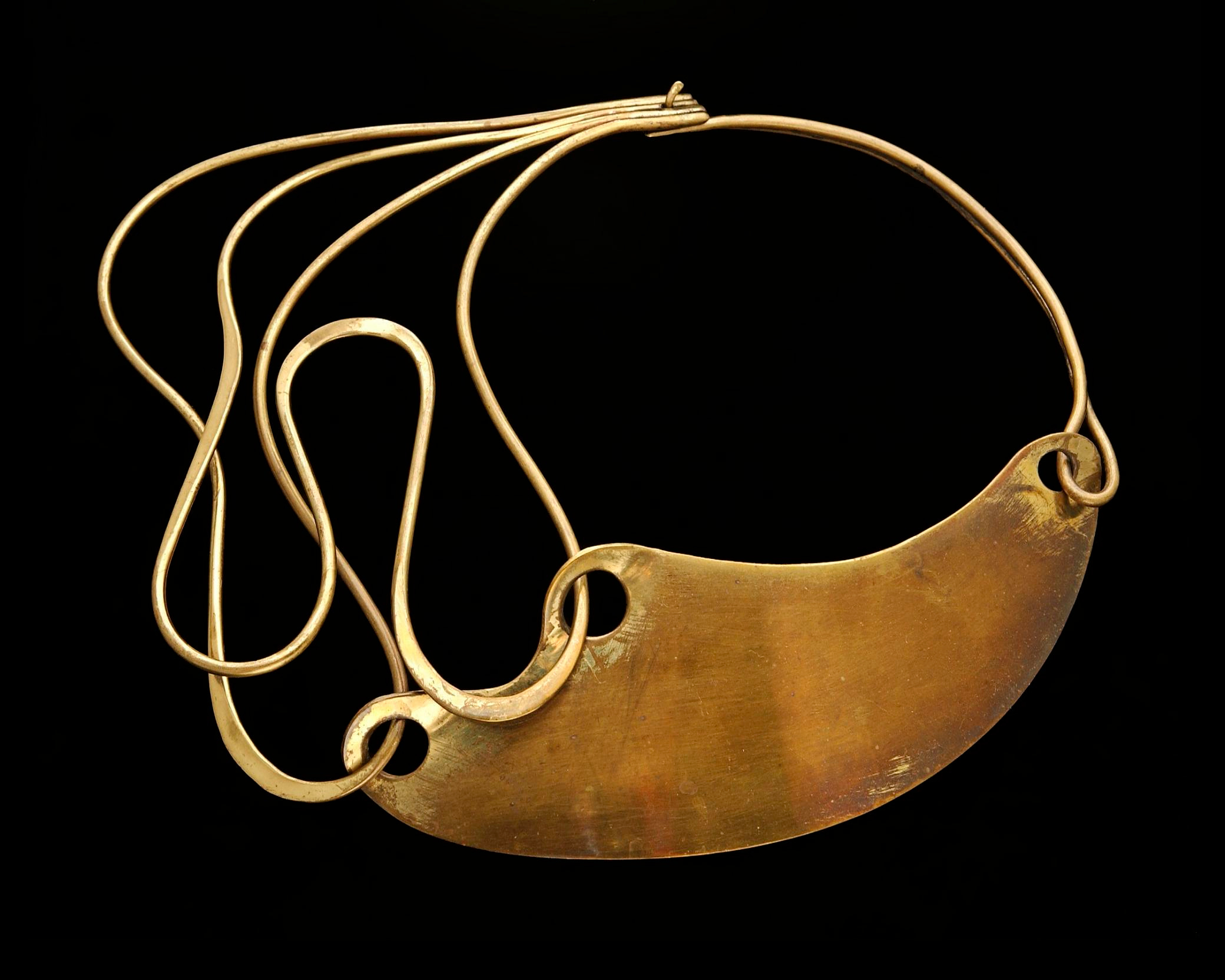
The first time I visited an exhibition devoted to the American modernist jeweler Art Smith (1917–1982), From the Village to Vogue: The Modernist Jewelry of Art Smith, which opened at the Brooklyn Museum in 2008, it marked a turning point for me. By then, I was already familiar with modernist art jewelry: I had met serious collectors, visited exhibitions, and attended presentations by galleries. But that exhibition was the first time I discovered that I could truly love art jewelry.
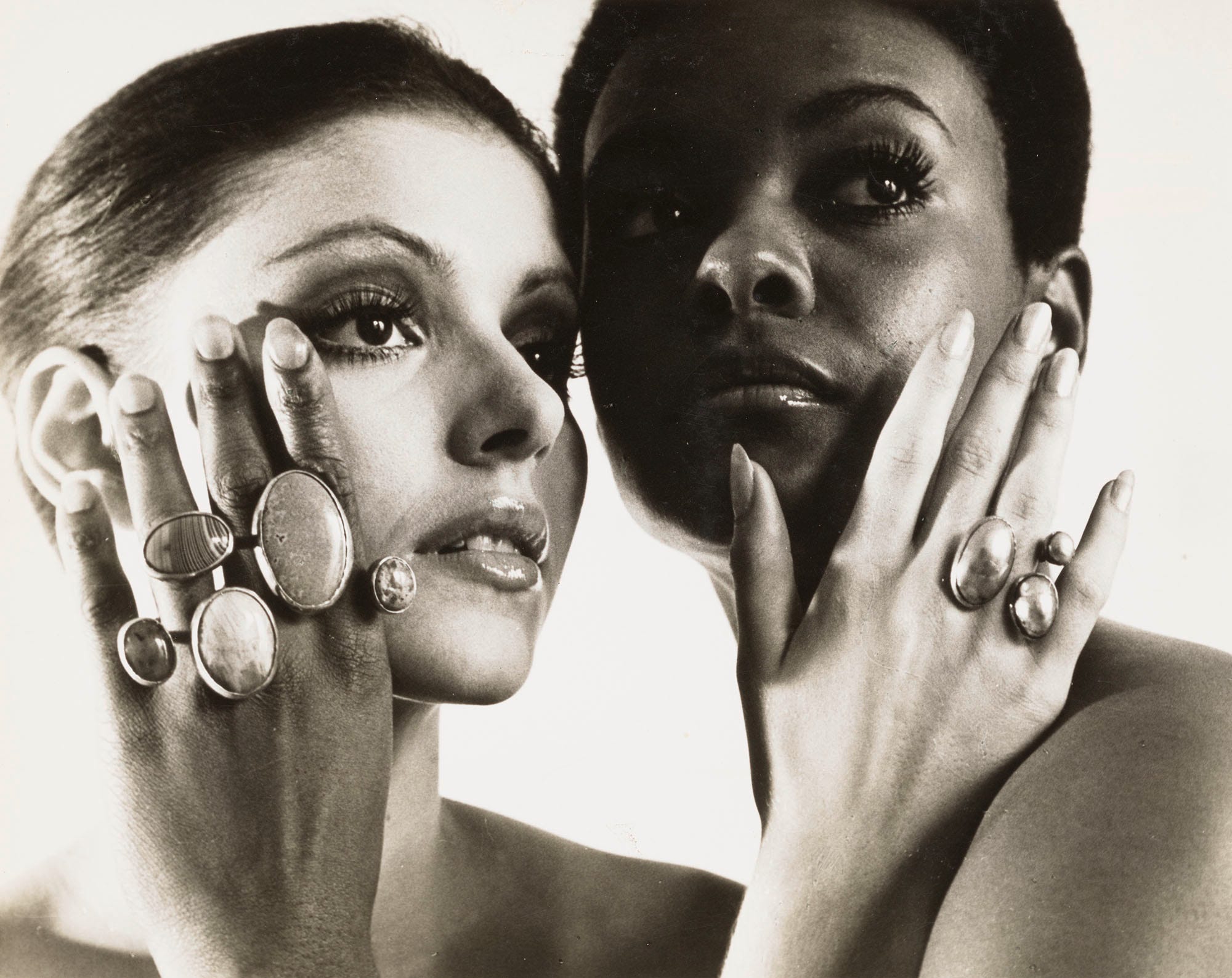
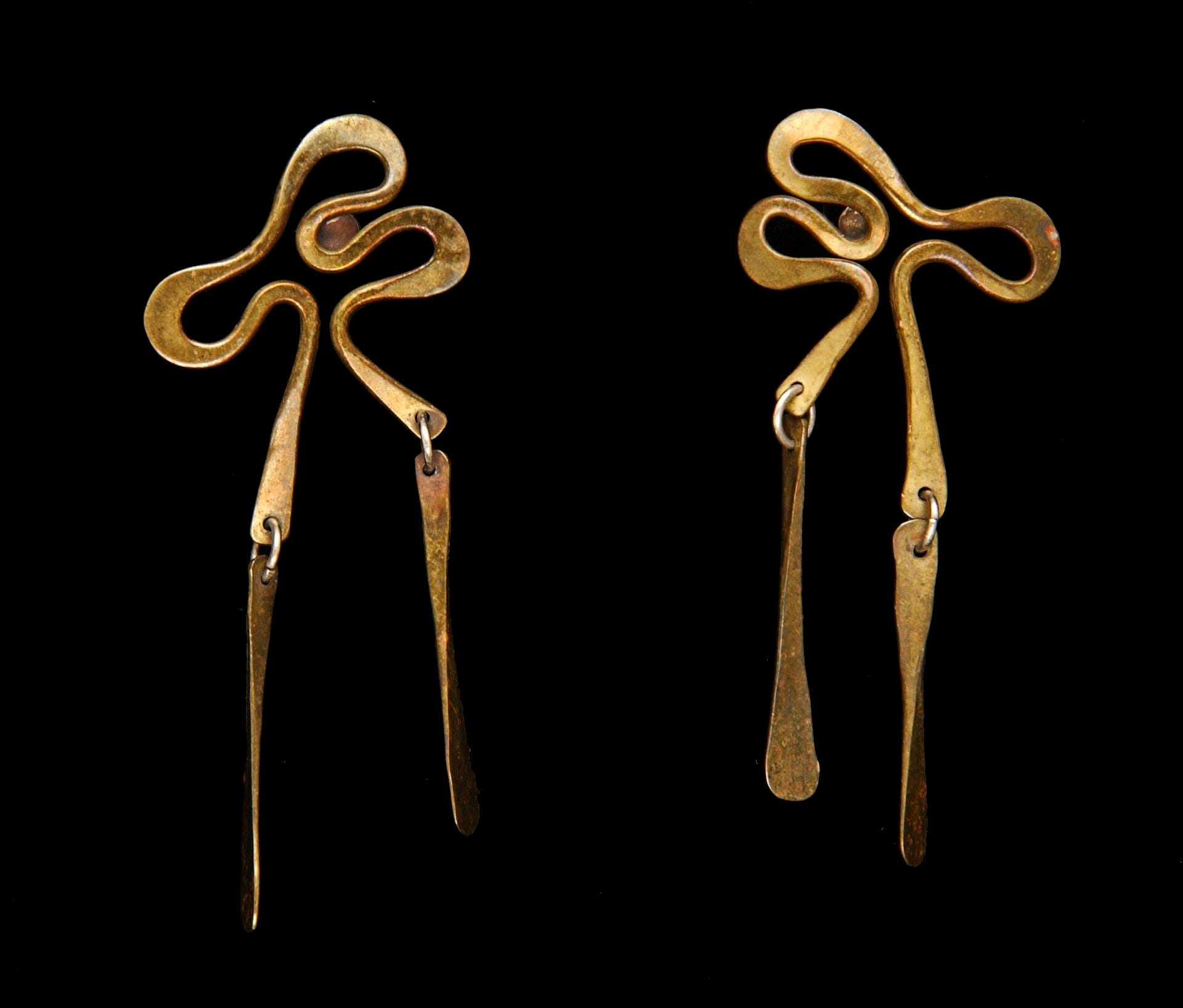
Smith’s pieces have extraordinary character. They are brilliant not only as dynamic, bold sculptures—sweeping, looping, and embracing space—but also in the way they correspond so intimately and beautifully to the body. Perhaps what best summarizes his greatness is the way he connected jewelry to his own cultural identity as an African American artist working in New York, fusing modernist abstraction with influences drawn from African, Caribbean, and jazz culture. Anyone who has lived with his jewelry understands that these works are not simply adornment; they can be read as heroic expressions of the African American narrative. Today, the Smithsonian collection, together with that of the Brooklyn Museum, constitutes one of the most comprehensive public archives of Art Smith, one of the most important African American studio jewelers of the twentieth century.
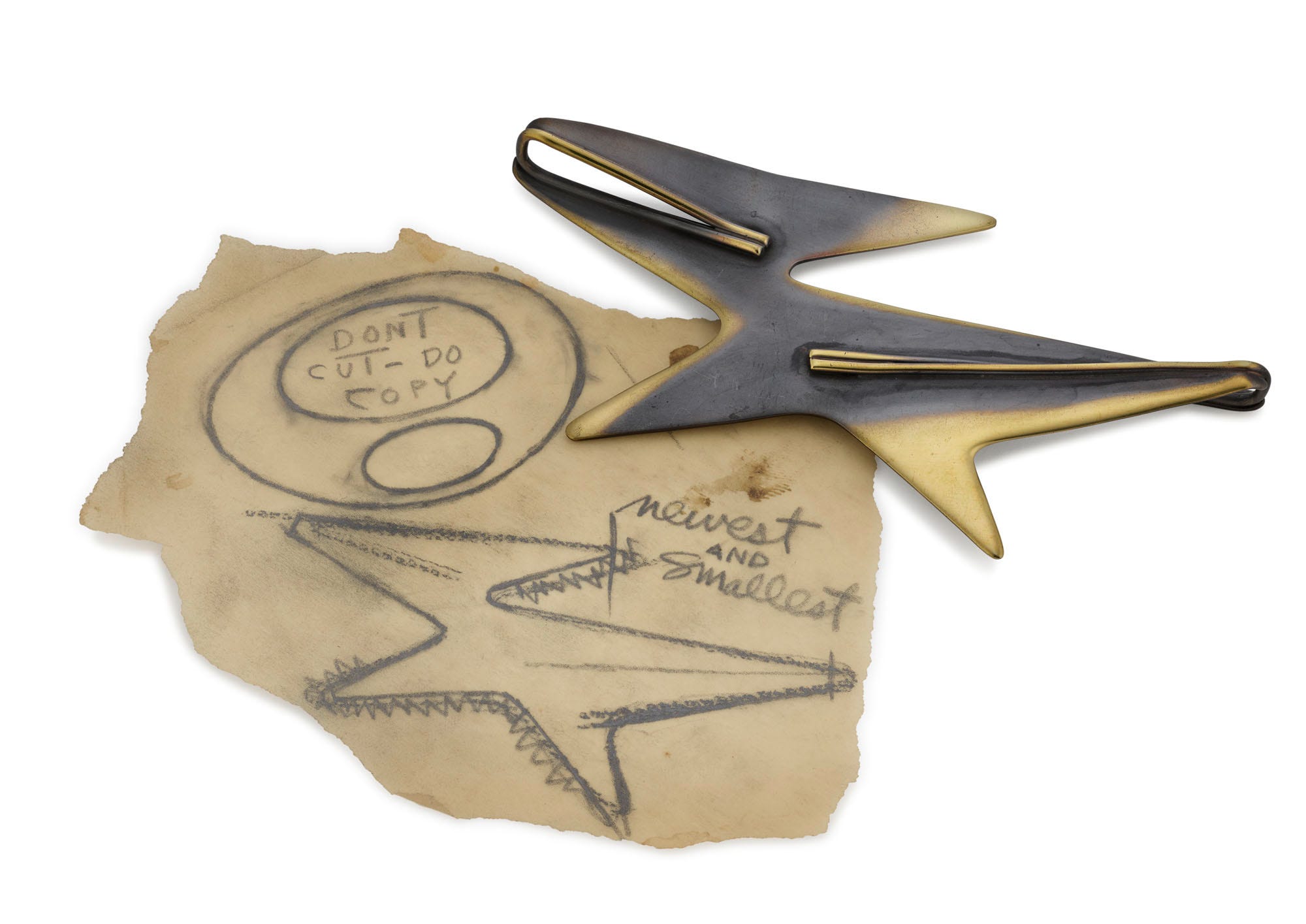
Since that 2008 exhibition, I have followed Smith’s work and the scholarship surrounding it closely. Every exhibition and publication has felt like a celebration. Now the Smithsonian has published Bodyworks: The Jewelry of Art Smith, a scholarly monograph by Joanne Hyppolite and Toni Greenbaum that offers a broad and richly contextualized view of Smith’s extraordinary life, achievements, and place within postwar American design. Much of the book’s fresh scholarship draws upon Smith’s archive—his papers, sketches, photographs, and other materials—which was donated to the Smithsonian in 2018 by his longtime romantic partner. As a result, the book presents some of the most up-to-date scholarship on Smith, further cementing his legacy within American cultural and design history.
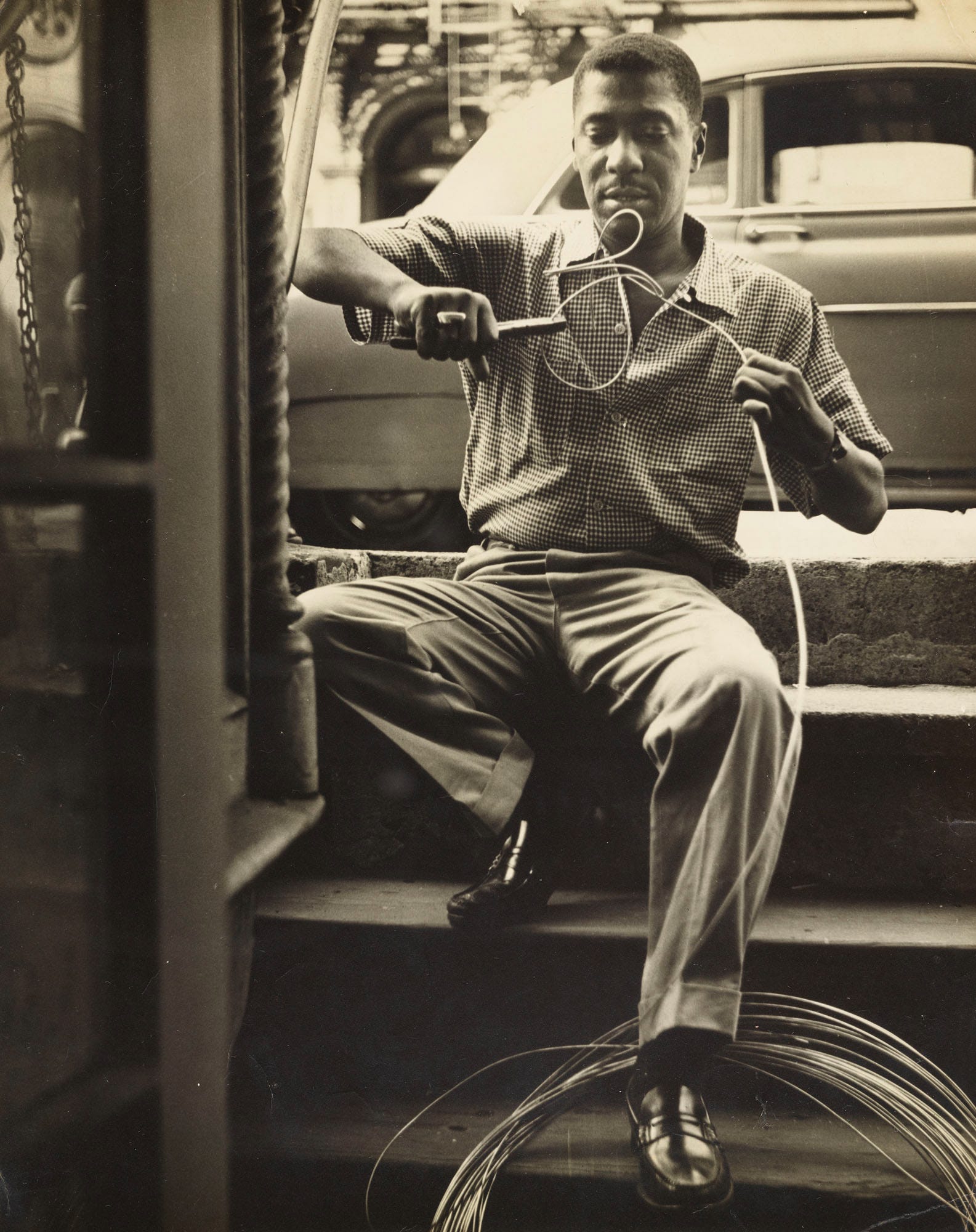
The book is structured around two principal essays. Joanne Hyppolite takes readers through Smith’s early history, revealing that although he was born in Santa Lucia, Cuba, to Jamaican parents, he later recast his own biography as though he had been born in Brooklyn, where his family settled when he was three years old and where he grew up in the Bedford-Stuyvesant neighborhood. Hyppolite brings us into the heart of African American life and culture, which played a central role in shaping Smith’s racial pride, identity, and artistic vision. Smith studied at Cooper Union and opened his own shop in Greenwich Village in 1946, using $3,000 in startup capital provided by a backer whose identity he never disclosed. Working primarily in copper, brass, and silver, he developed a highly personal language of sculptural jewelry. His introduction to jewelry making came through Winifred Mason, the pioneering Caribbean American jeweler active in New York in the 1940s, whose copper work was deeply informed by West Indian cultural traditions and who hired Smith as an assistant early in his career.
Toni Greenbaum’s essay turns to Smith’s visual language, analyzing the formal vocabulary, cultural references, and sculptural intelligence that made his jewelry so distinctive. She positions him as a jeweler who prioritized the relationship between the object and the wearer. The body, as she demonstrates, was not merely a support for his jewelry but an essential element in its conception. It is this sensitivity to movement, anatomy, and physical presence that played such a central role in the success of his designs. Greenbaum also traces his engagement with the language of the avant-garde, including the sculpture of Henry Moore and Jean Arp, and her comparison between the jewelry of Alexander Calder and Art Smith is particularly helpful in developing a deeper understanding of how to “read” art jewelry.
Ultimately, this publication illuminates the reasons for Art Smith’s rare achievement as a Black artist working in postwar America and helps explain why his legacy remains so vital today. It teaches us to appreciate his originality while understanding his work as a manifestation of Black American and diasporic culture. The richness of the scholarship, together with the extraordinary sequence of images, makes this publication an essential addition to any serious library devoted to art, design, jewelry, or fashion.