Architect Amnon Rechter and I go back a long way—a multi-generational friendship. My uncle, renowned music critic and theater director Michael Ohad, is known to have discovered Rechter’s mother, the celebrated actress Hanna Maron. Their life-long friendship grew from their mutual love for the theater and from their shared roots in Germany. Maron’s husband was Yaakov Rechter, the prominent architect and recipient of the Israel Prize who created some of Israel’s most iconic buildings, including auditoriums, hotels, medical centers, and theaters. Yaakov Rechter also designed the interior of my family’s home in Tel Aviv. Amnon Rechter, a third-generation architect who leads Israel’s oldest architectural dynasty, has shaped much of Israel’s built fabric in recent decades with prominent public architecture commissions such as court houses, hospitals, music halls, and many civic centers.
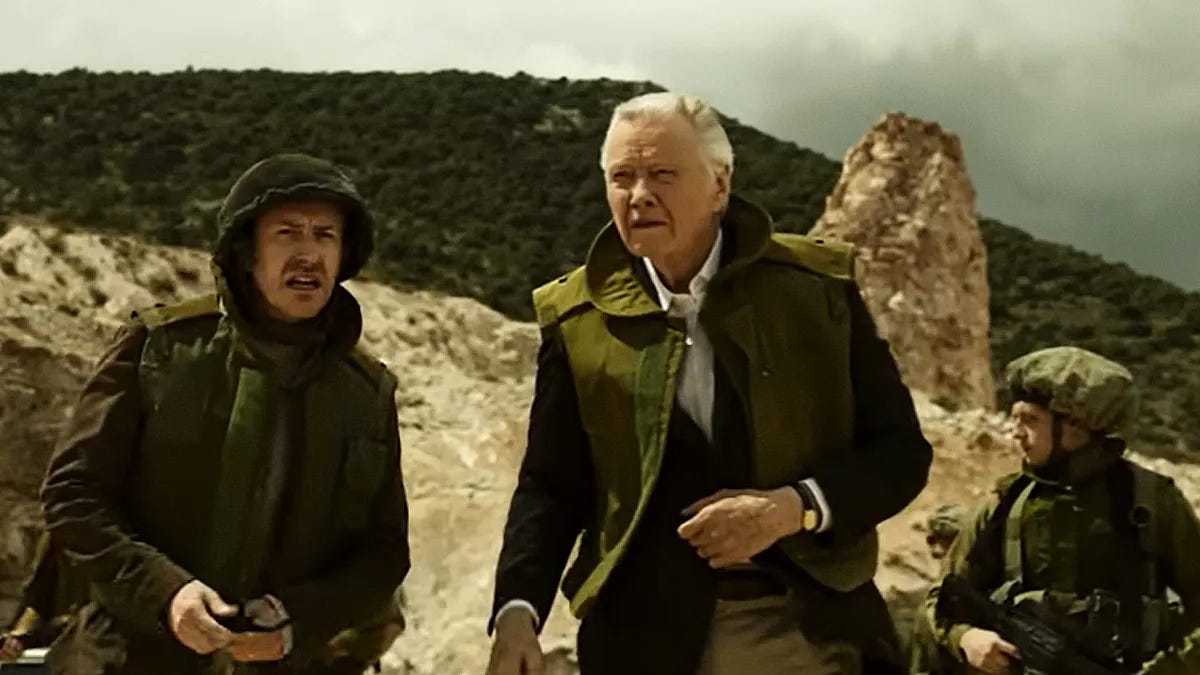
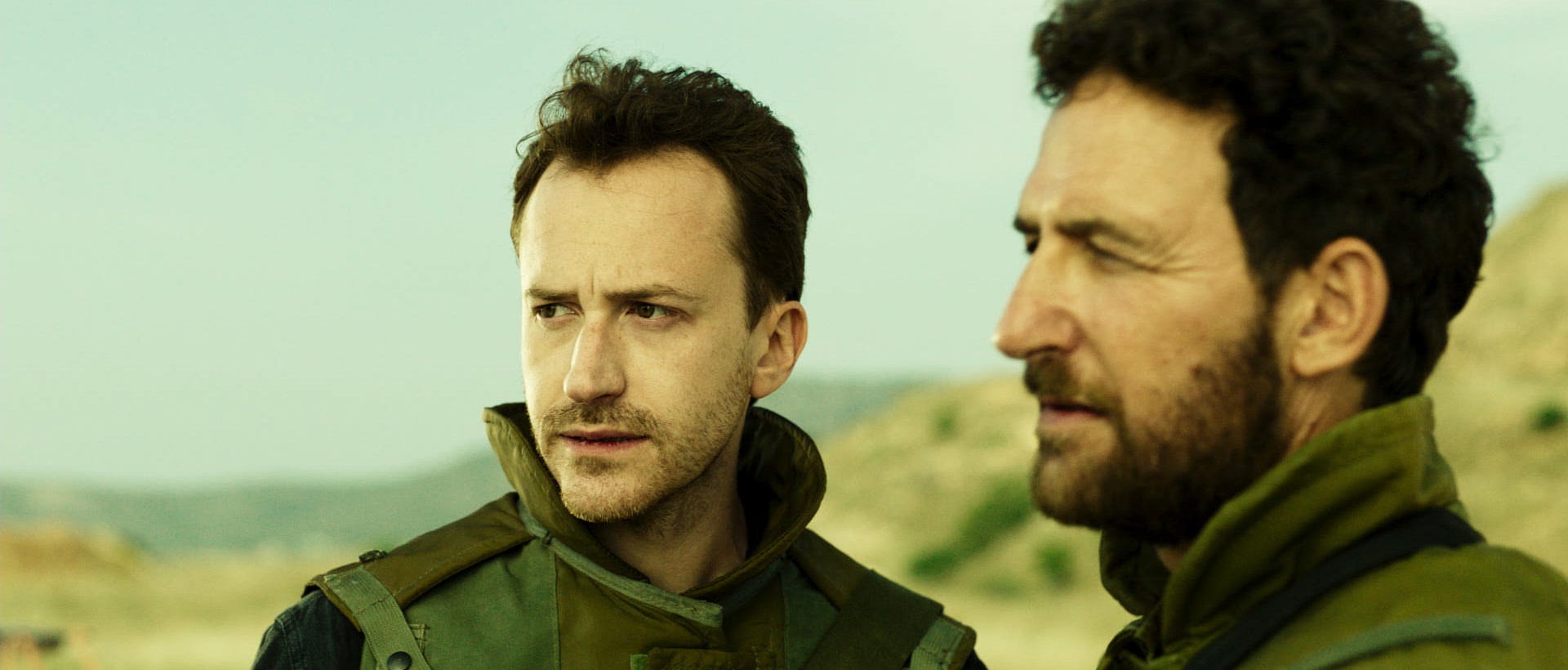
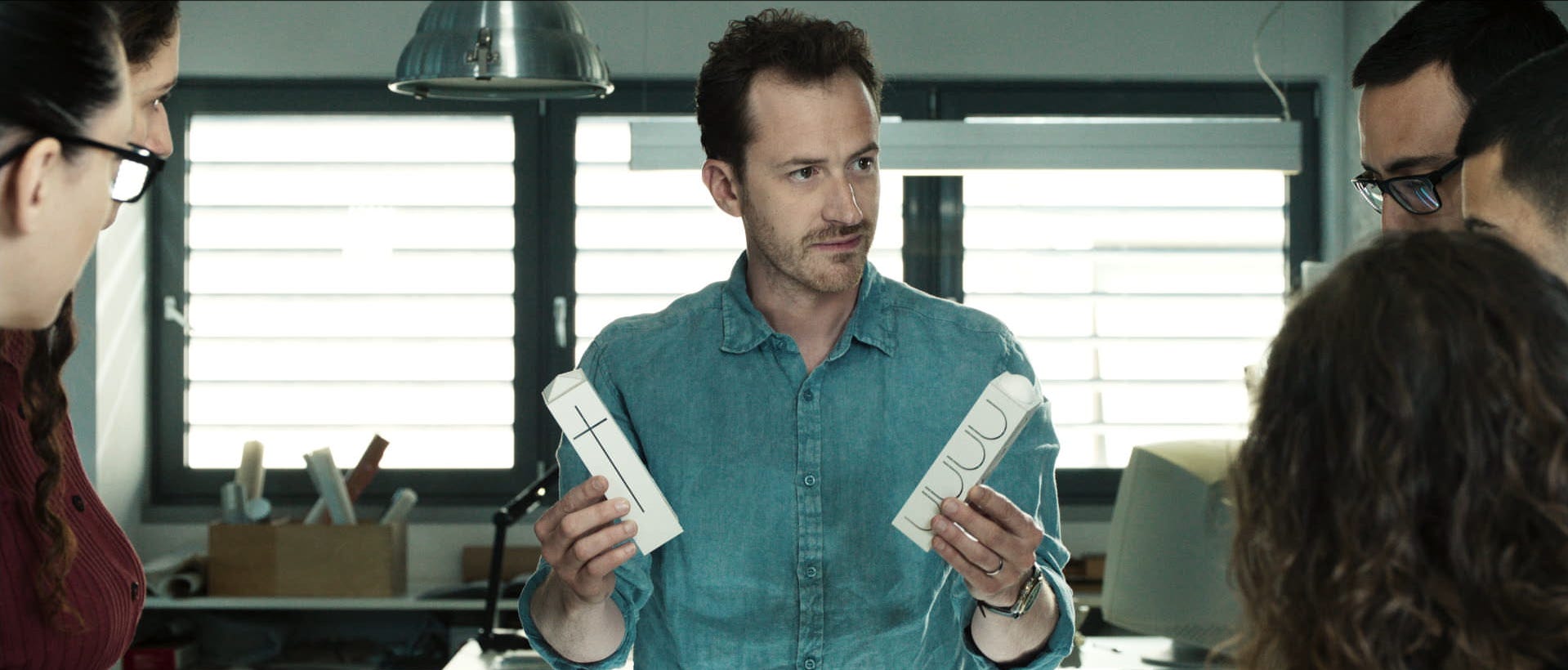
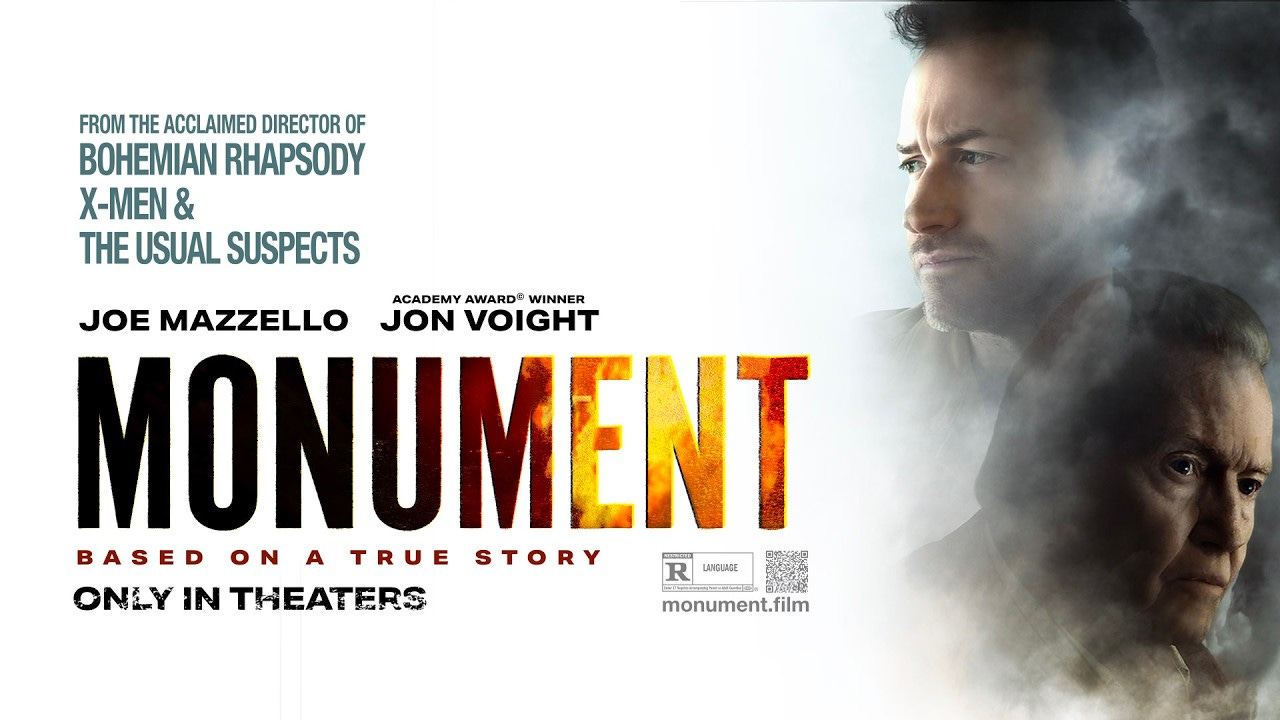
When Amnon called me last week to invite me to a private screening of a film based on his and his father’s story, I went along without knowing anything about it because I love films about architecture and I wanted to support an old friend visiting town. It was a dramatic and surprising evening, watching a film based on a fascinating and moving story about what has become the shortest-lived political monument in history. Titled Monument, the drama is based on the little-known monument by the father-and-son team of Yaakov and Amnon Rechter, played by Jon Voight and Joseph Mazzello, which they built in Lebanon to honor South Lebanese Army soldiers who were killed in the first Lebanon War of the 1980s.
It all started during one dinner party held at an elegant home in Tel-Aviv where Rechter met American filmmaker Bryan Singer. He casually told him the unbelievable story that happened during the late years of the Israel’s occupation of Lebanon, when he built a monument to honor the South Lebanon military who fought the terrorist organization Hezbollah. Singer immediately envisioned a film based on this story and Monument was born.
Just months before the turn of the millennium as the protests against the Israeli occupation of southern Lebanon intensified—like the rise of the Four Mothers organization who demanded an ultimate withdrawal—Uri Lubrani, the famed consultant to the Ministry of Defense, approached the father and son architects and asked them to design the monument. It was a thank you gift for those who lost their lives in that war. He demanded that the construction should be secretive.
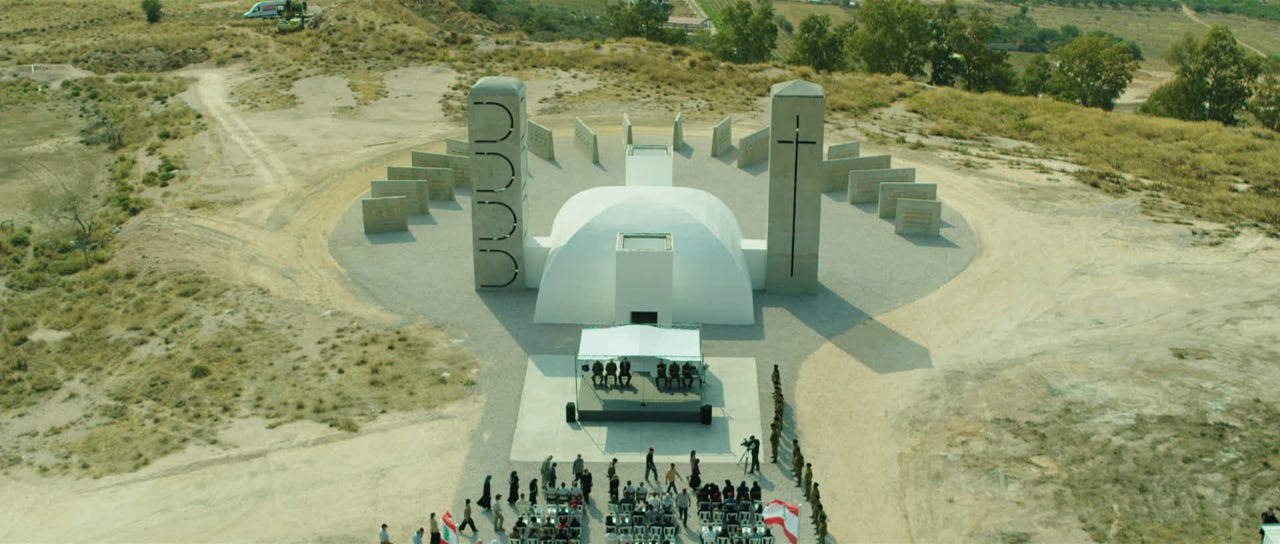
There are many layers to that film. It captures the escalating political conflict in Lebanon and Israel’s occupation of a “security zone” in southern Lebanon and the anti-war movement with their demand to withdraw, which was finalized in May of 1999 under the administration of Prime Minister Ehud Barak. The film reveals the relationship between the fatally ill father and his son, including the dynamics in one of Israel’s most celebrated architecture offices. However, the main focus is the architecture itself. It is the monument, the architecture, that is the most powerful and memorable aspect of the film. It allows the audience to experience the power that heroic architecture has to evoke emotions, make political statements, and impact history. The monument, which was fully constructed for the production of the film (in Greece) composed of two towers, representing Christianity and Islam, along with concrete slabs etched with the names of those killed. It stood in the raw nature of southern Lebanon like a giant, abstract statement with the charged political situation attached to it.
In 1999, Netanyahu suffered a defeat in the Israeli general election, losing the premiership to the Labor Party’s leader Ehud Barak. With the change of the administration, Israeli troops were withdrawn from Lebanon, and just 36 hours after the dedication ceremony of Rechter’s monument, Hezbollah operatives blew it up. In comparison, in 1926 the short-lived Monument to the November Revolution, the iconic brick of ideology that Ludwig Mies van der Rohe created for the leaders of the Spartakusbund and martyrs of the revolution Rosa Luxemburg and Karl Liebknecht in Berlin-Friedrichsfelde, was destroyed by the Nazis nine years later. This Monument lasted 36 hours.