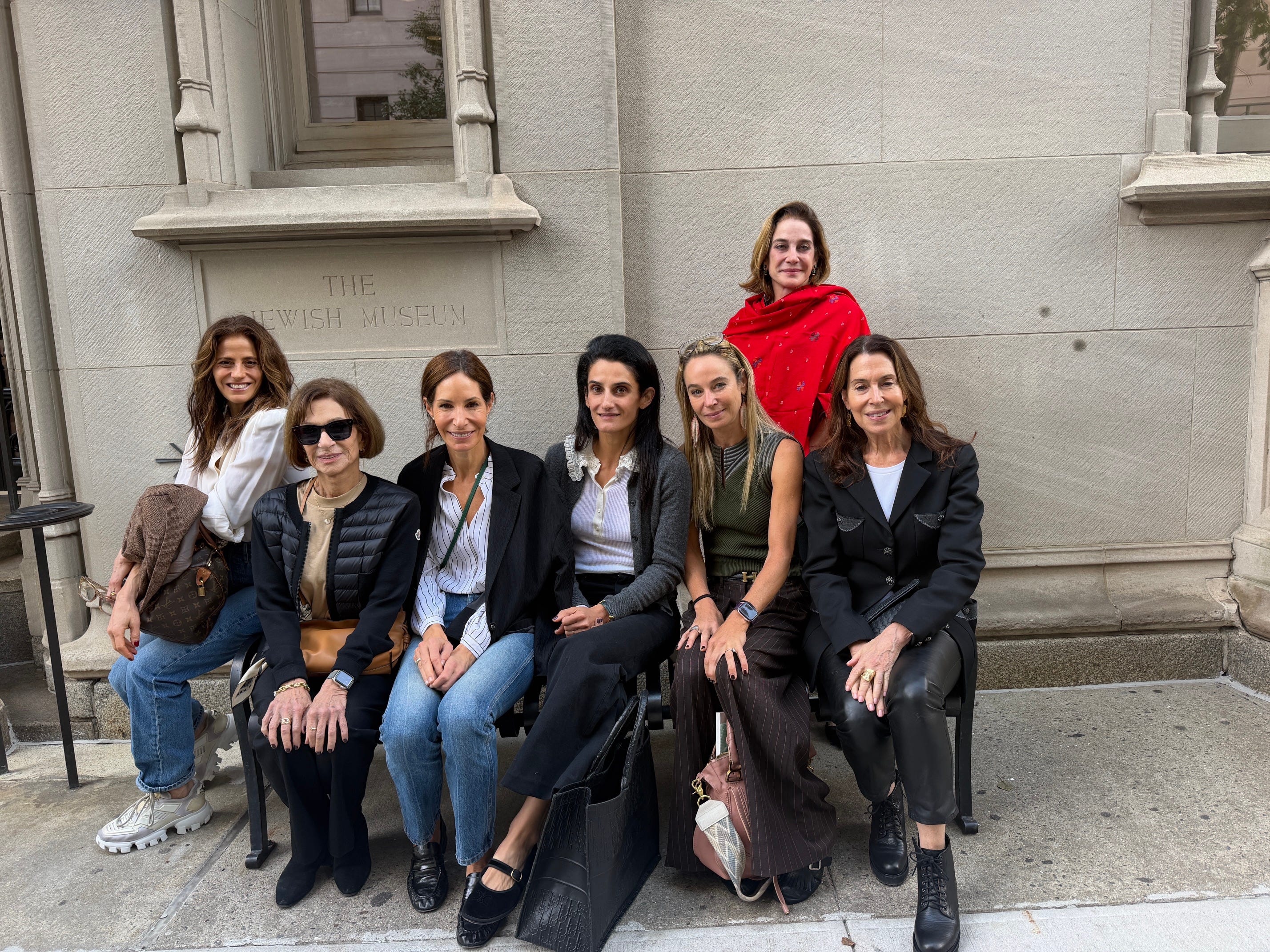
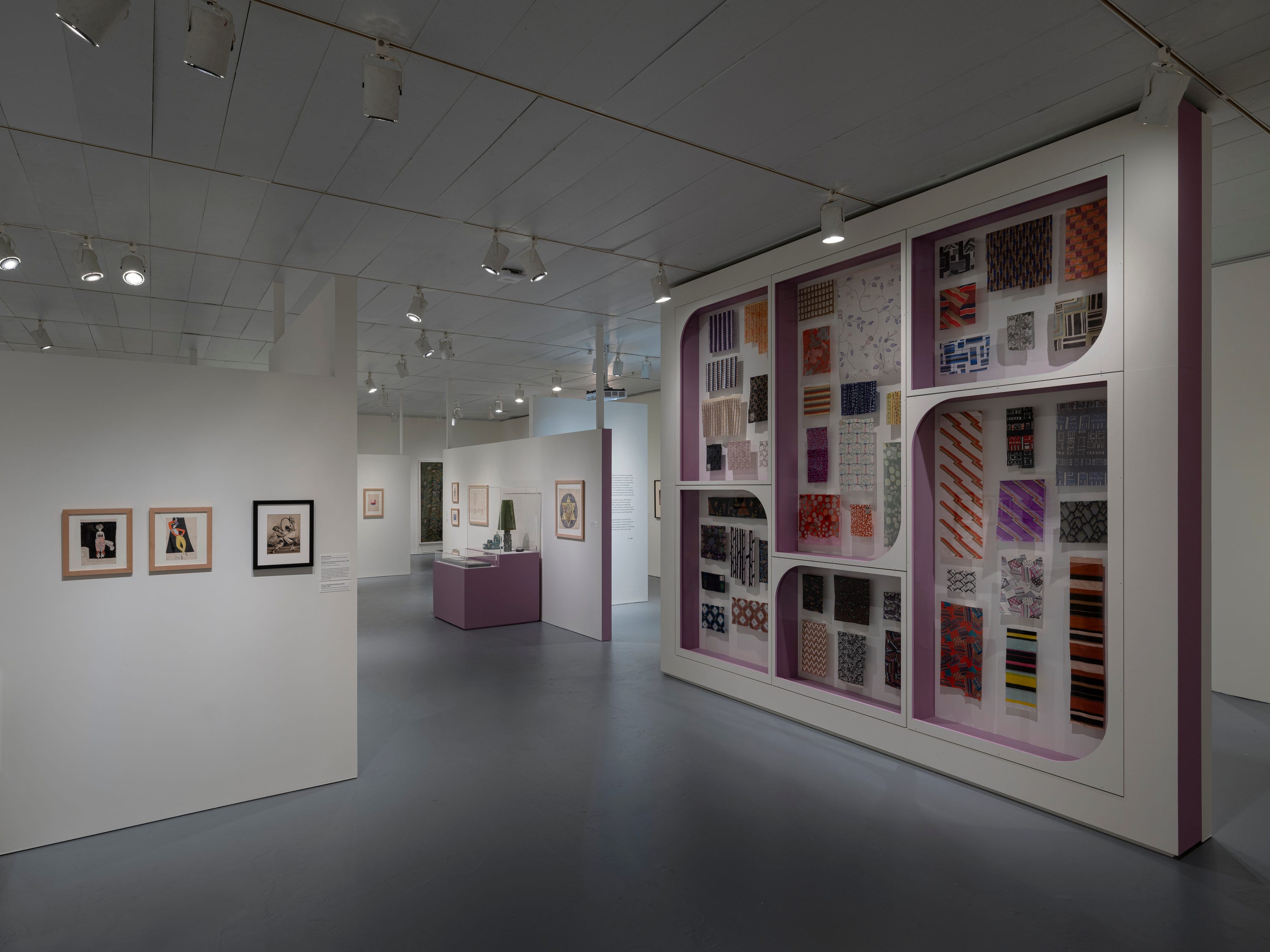
For the first session of Design in New York City, we visited the Jewish Museum, where Kristina Parsons, Leon Levy Associate Curator, gave us an in-depth tour of her remarkable exhibition, Modernity and Opulence: Women of the Wiener Werkstätte. My thanks to Hillit Zwick, Deputy Director for Public Engagement and Partnerships, for making this special visit possible.
Vienna, 1900. What a magical moment in design history: fresh, inspiring, and endlessly beautiful. In his memoir, the Austrian novelist Stefan Zweig famously recalled the world before the First World War as the “Golden Age of Security.” Cultured and cosmopolitan, Vienna became a fertile ground for avant-garde art, architecture, music, psychology, and philosophy. In this environment, Josef Hoffmann and Koloman Moser, with the financial support of Fritz Waerndorfer, founded the Wiener Werkstätte, an enterprise that would become a cradle of modern design.
What we learn from the exhibition is that the Wiener Werkstätte was far from a male-only venture. Women—artists, designers, patrons, and tastemakers—were central to its success, its visual identity, and the realization of its vision. While past scholarship has emphasized its dynamic founders and leading figures such as Dagobert Peche, Eduard Josef Wimmer-Wisgrill, and Carl Otto Czeschka, this exhibition reveals the extent to which women’s contributions have been underrecognized and, too often, entirely overlooked.
Before turning to the exhibition in detail, let me say that this is precisely what I hope to find when entering a museum: an exquisite experience that lingers in memory, stirs the imagination, and brings unfamiliar worlds to light. Curated by Kristina Parsons, with curatorial consultancy by Anne-Katrin Rossberg of the MAK–Museum of Applied Arts, Vienna, the exhibition could not be more timely. It arrives amid a growing commitment to reconsidering women’s place in art and design history. The MAK, the principal lender, has made this remarkable gathering of works possible.
Why the Jewish Museum? Because many of these designers, artists, and patrons were Jewish. Their role in Viennese modernism was illuminated in Elana Shapira’s Style and Seduction (2016), which examined the importance of Jewish patronage and the contributions of Jewish businessmen, professionals, and writers to the development of Viennese architecture and design. This exhibition turns the focus to women.
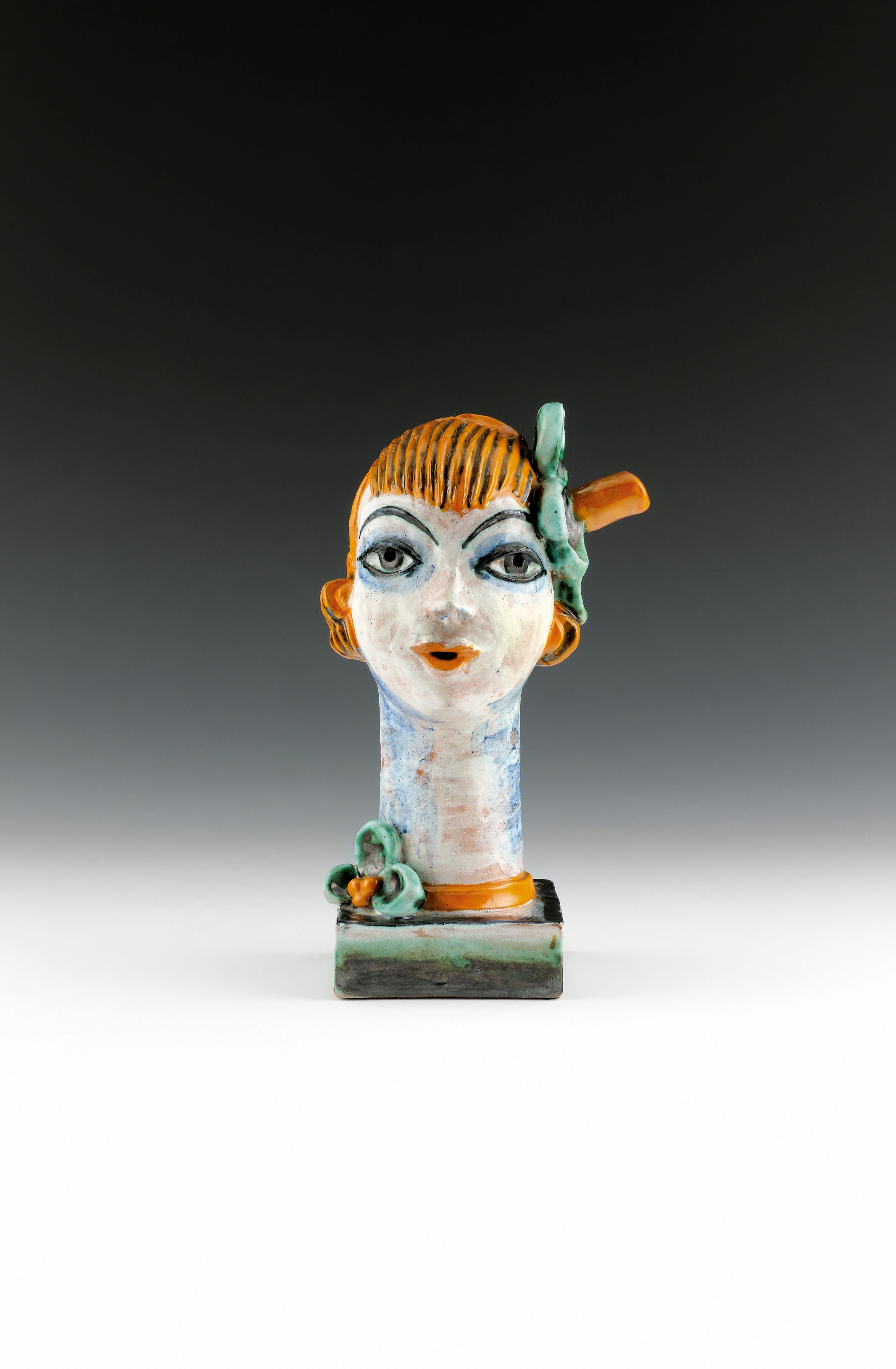
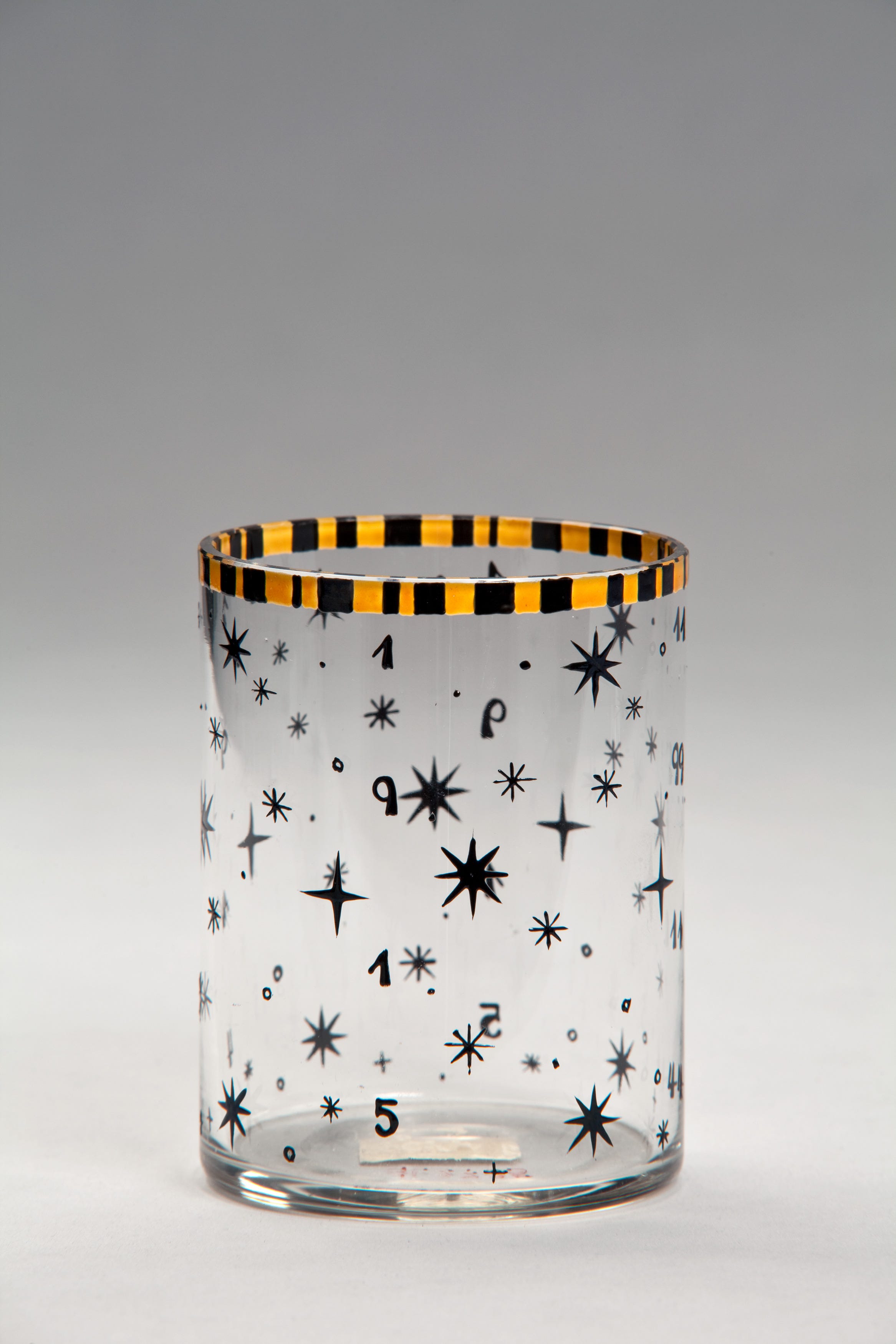
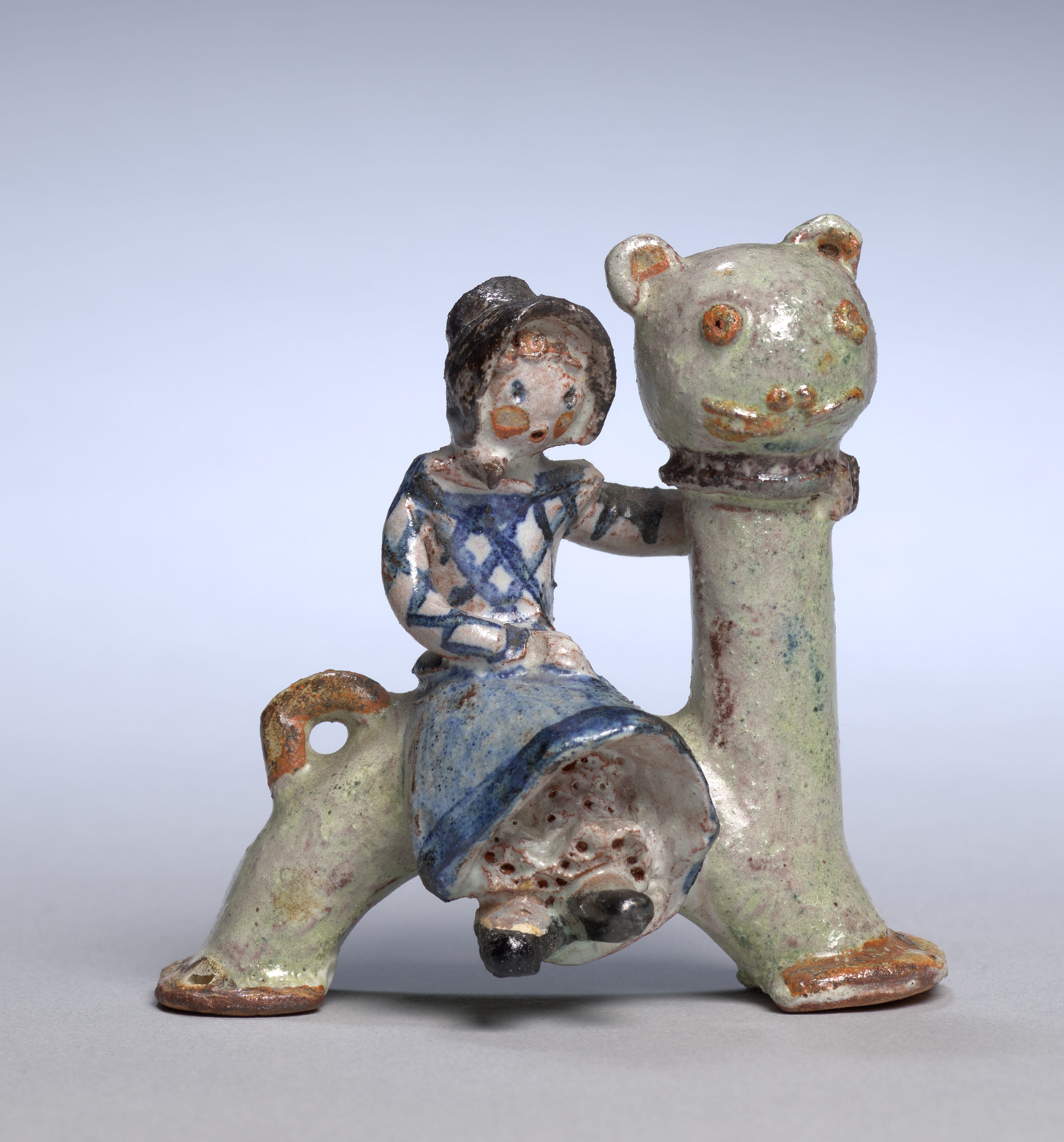
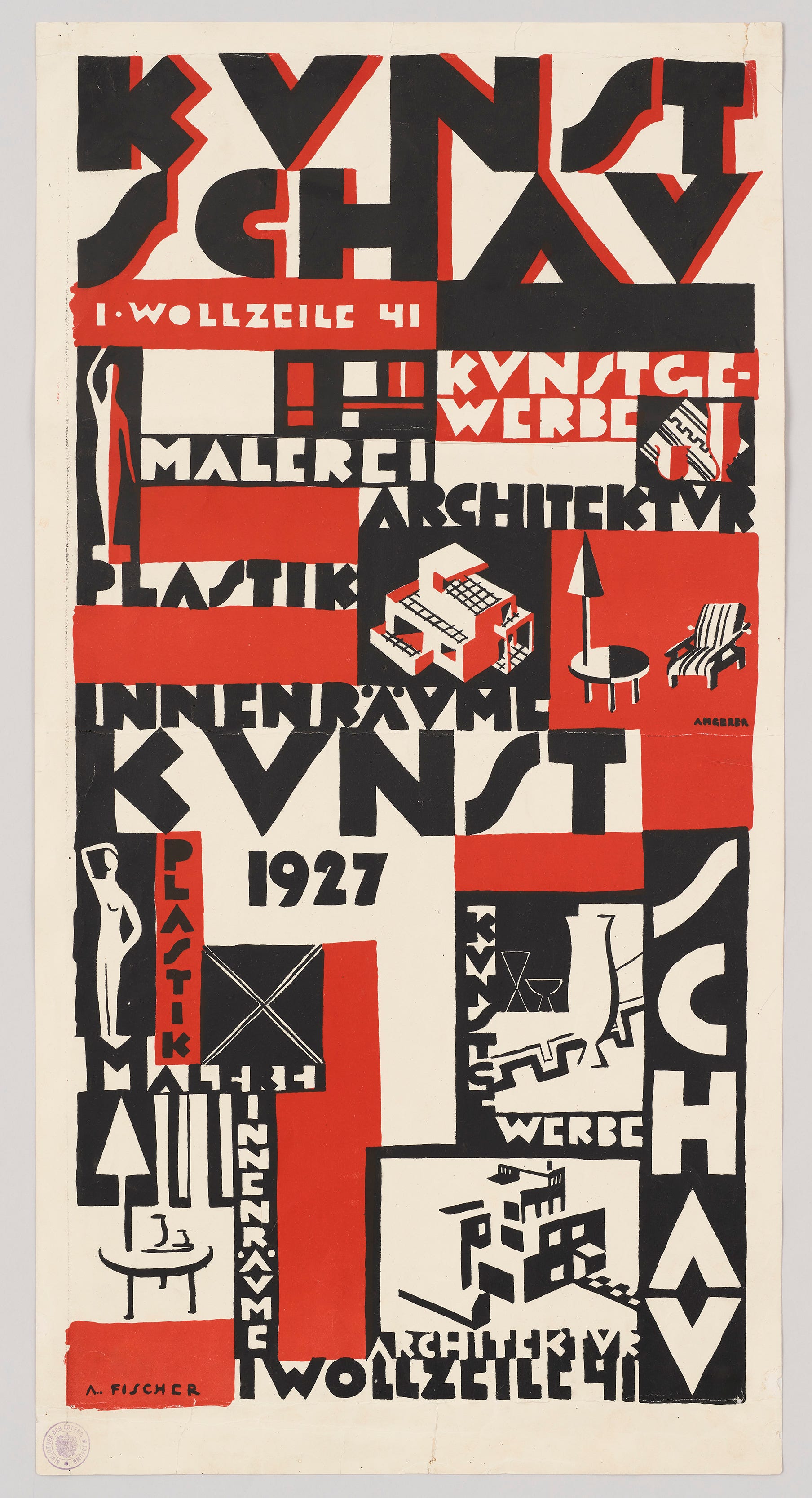
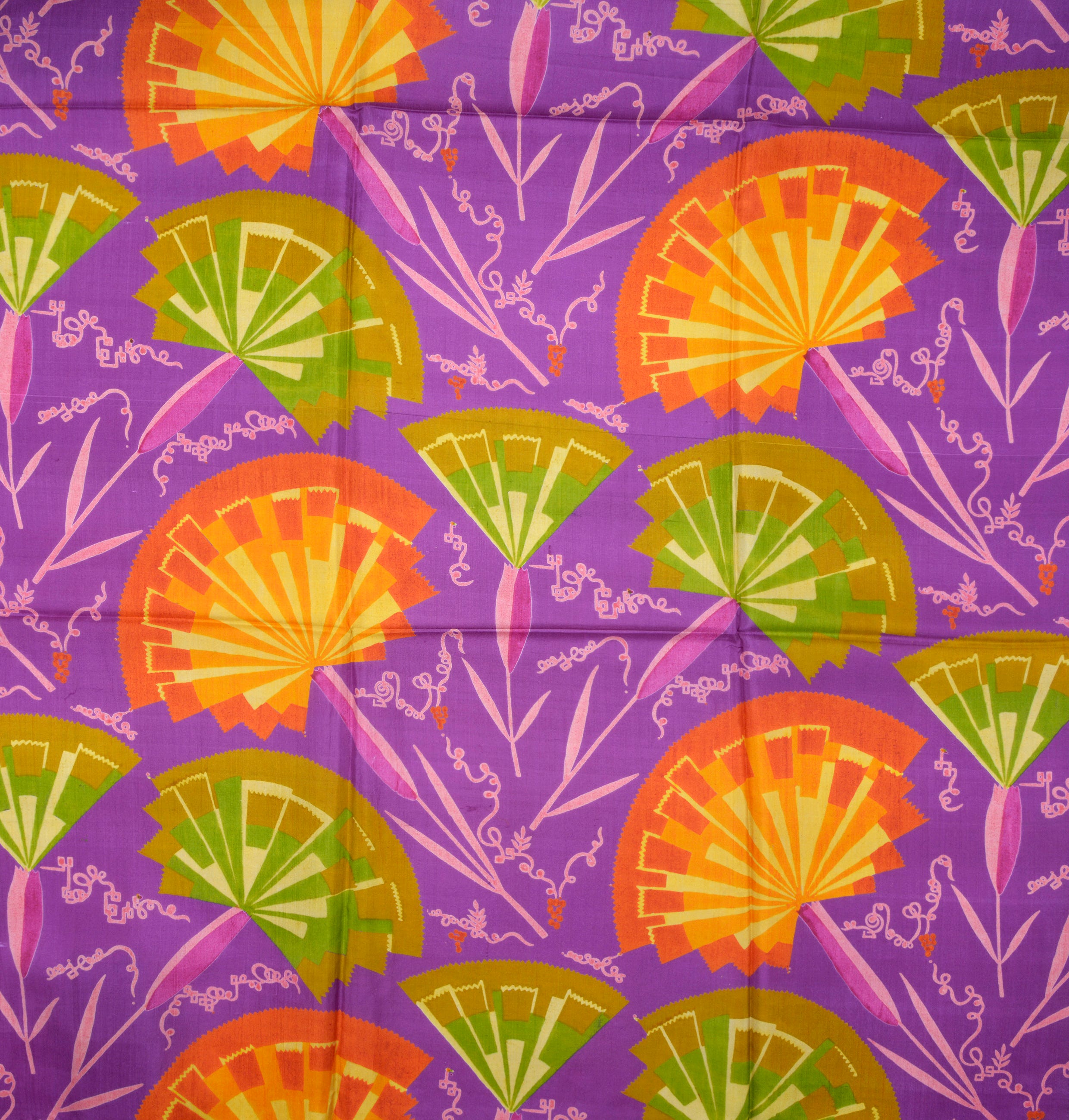
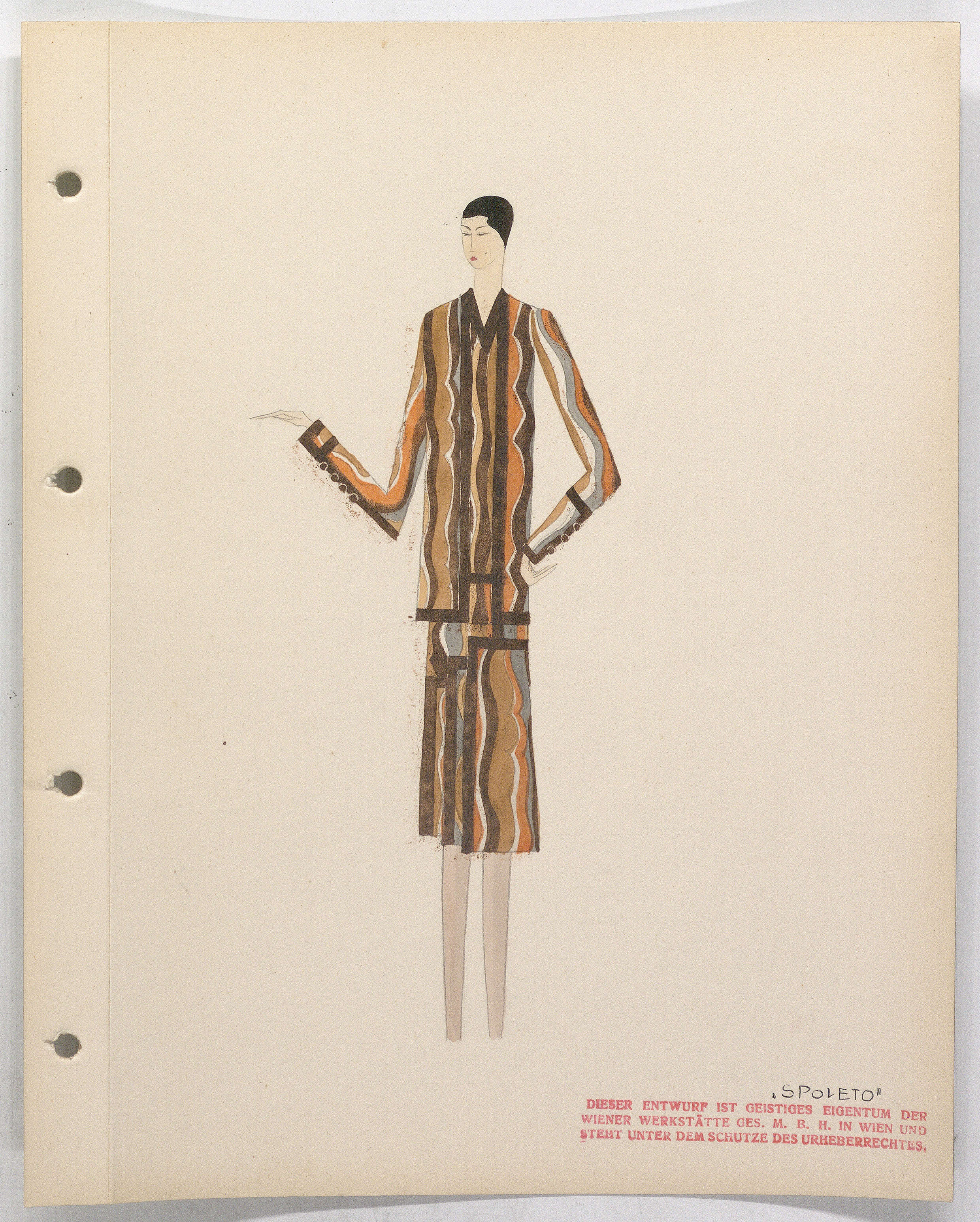
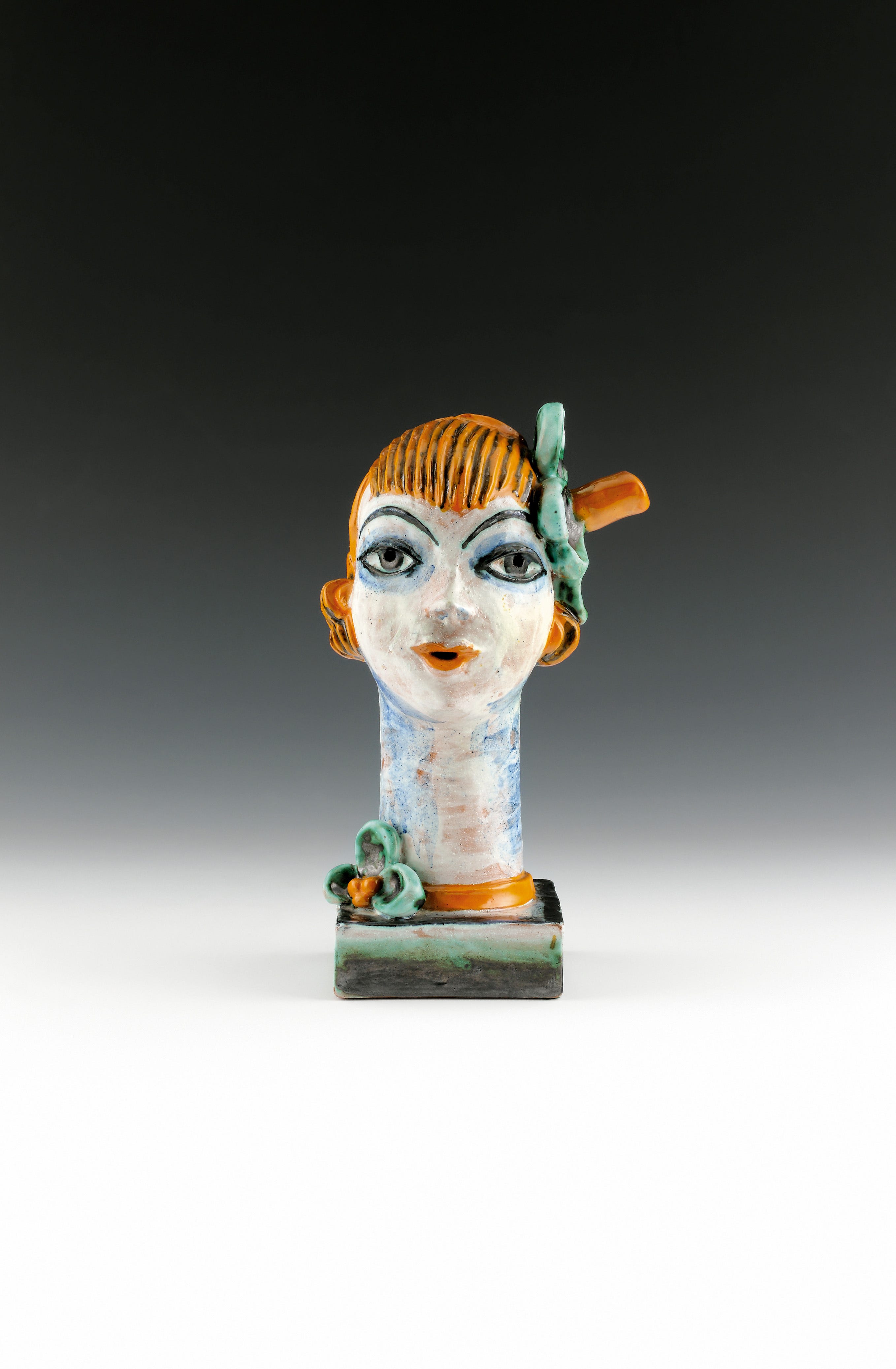
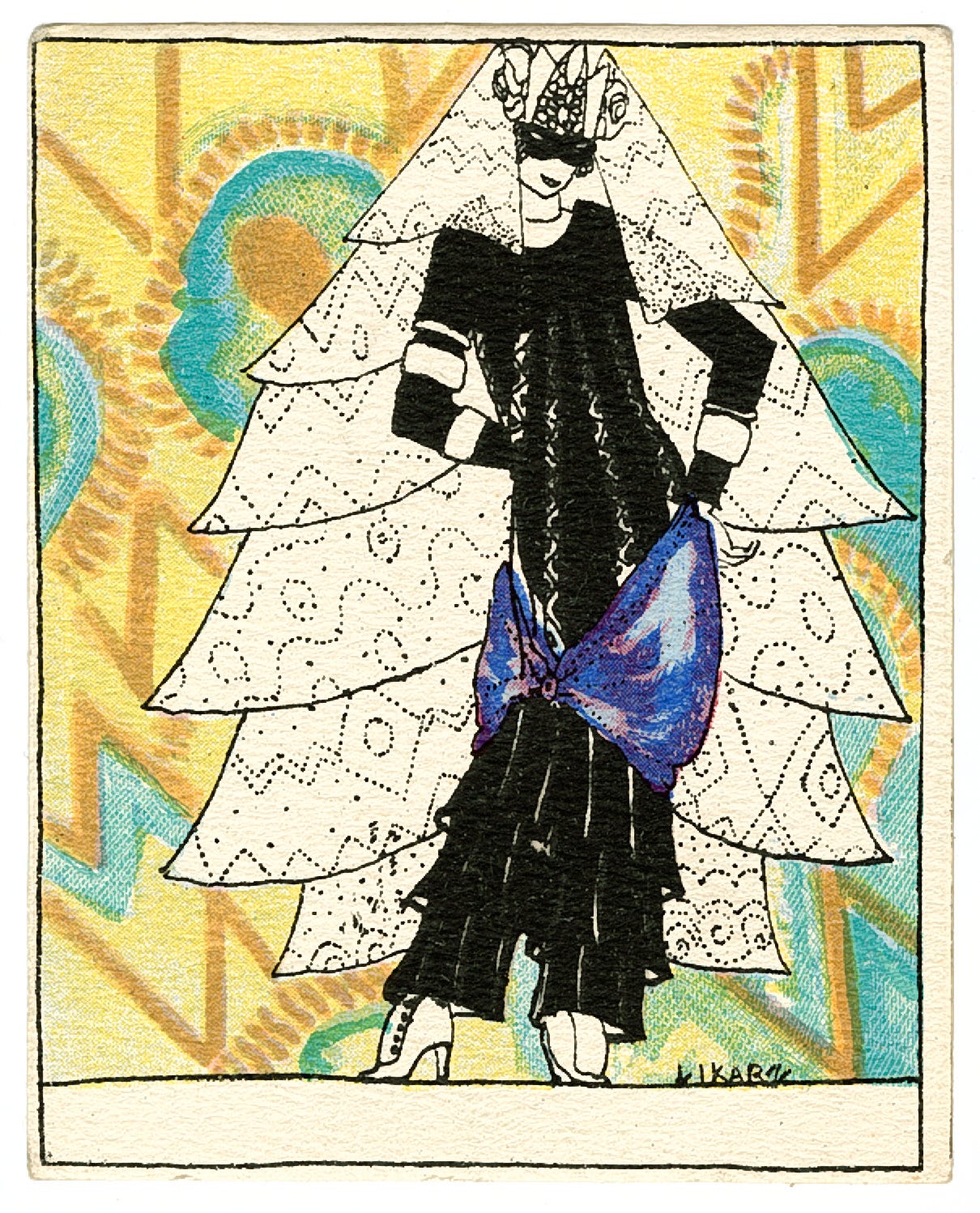
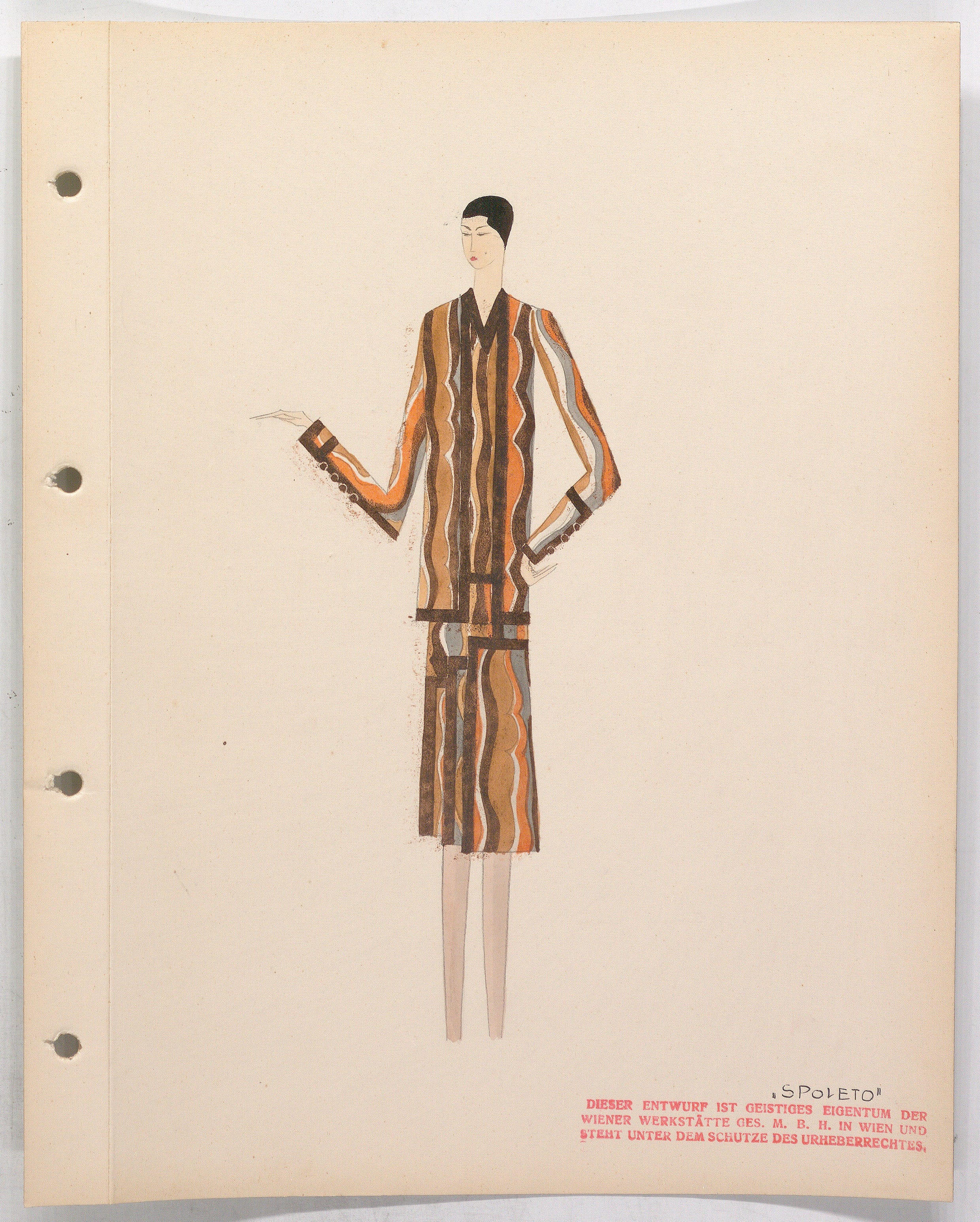
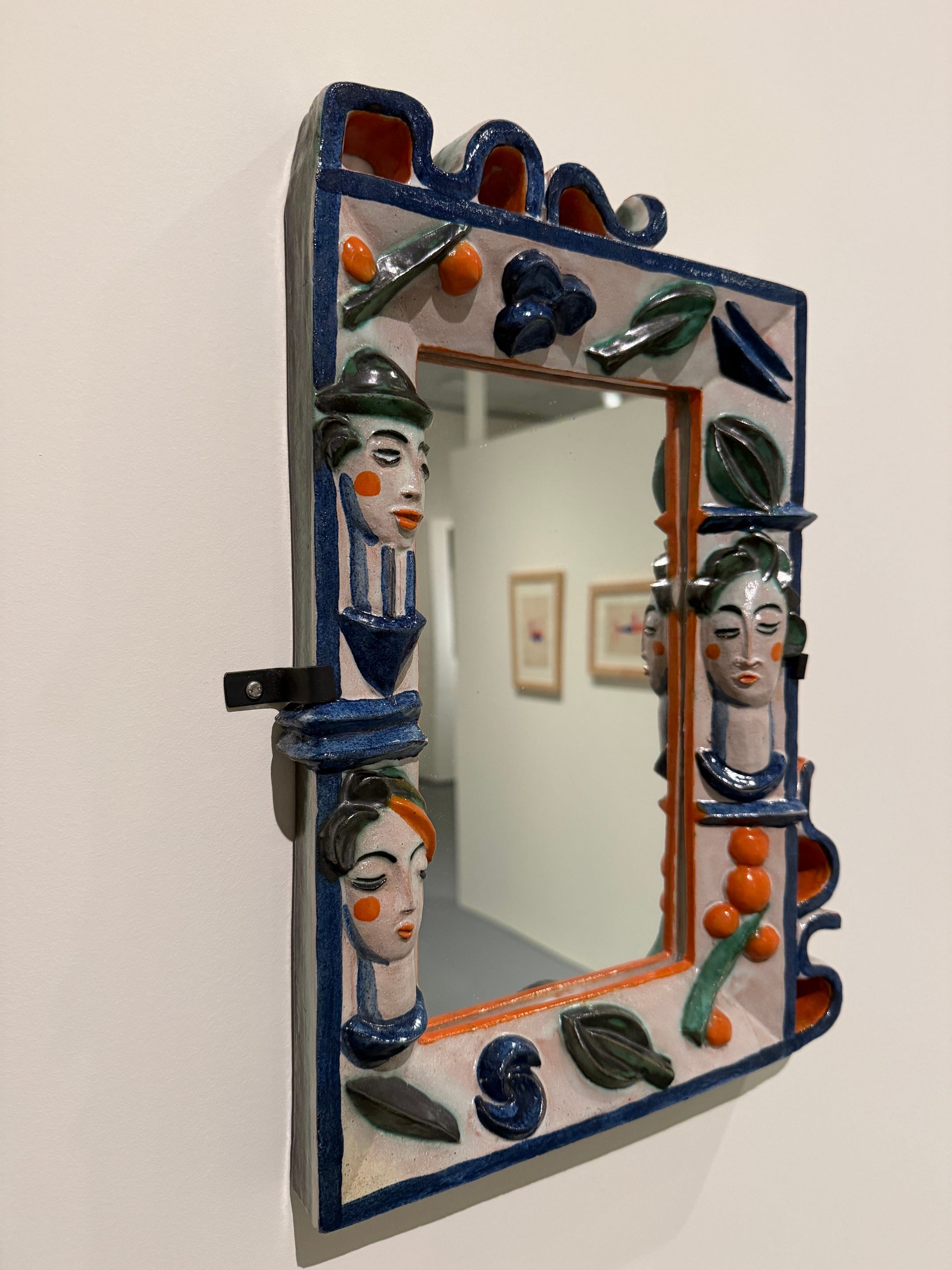
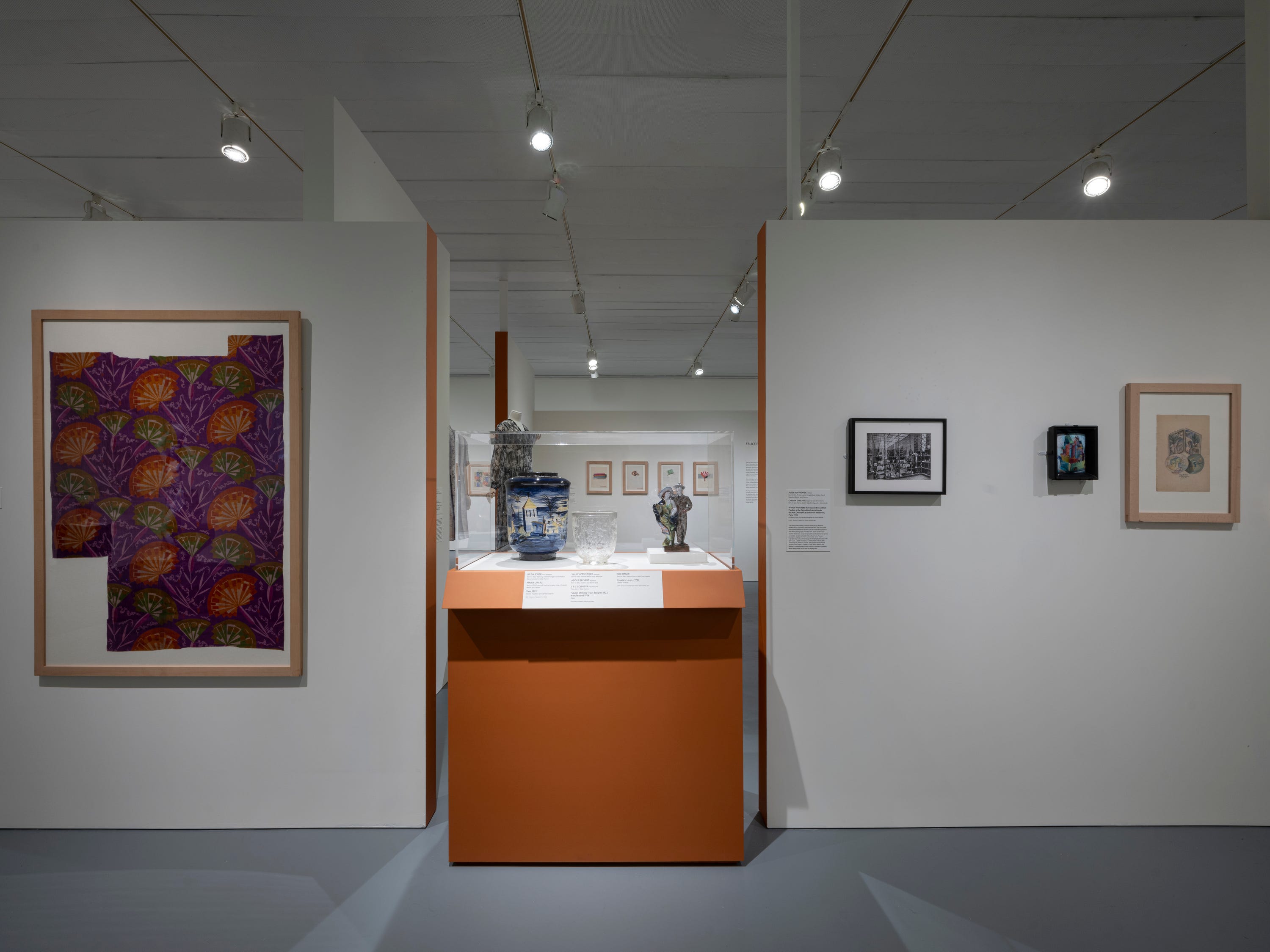
Modernity and Opulence is a rare celebration of design and beauty, featuring more than 200 objects by some thirty Jewish women artists. Fashion, ceramics, graphic design, decorative arts, painting, and art glass appear alongside one breathtaking mirror. Together, these works reveal the breadth of women’s contributions to one of the most significant enterprises in modern design during its relatively brief existence, from 1903 to 1932.
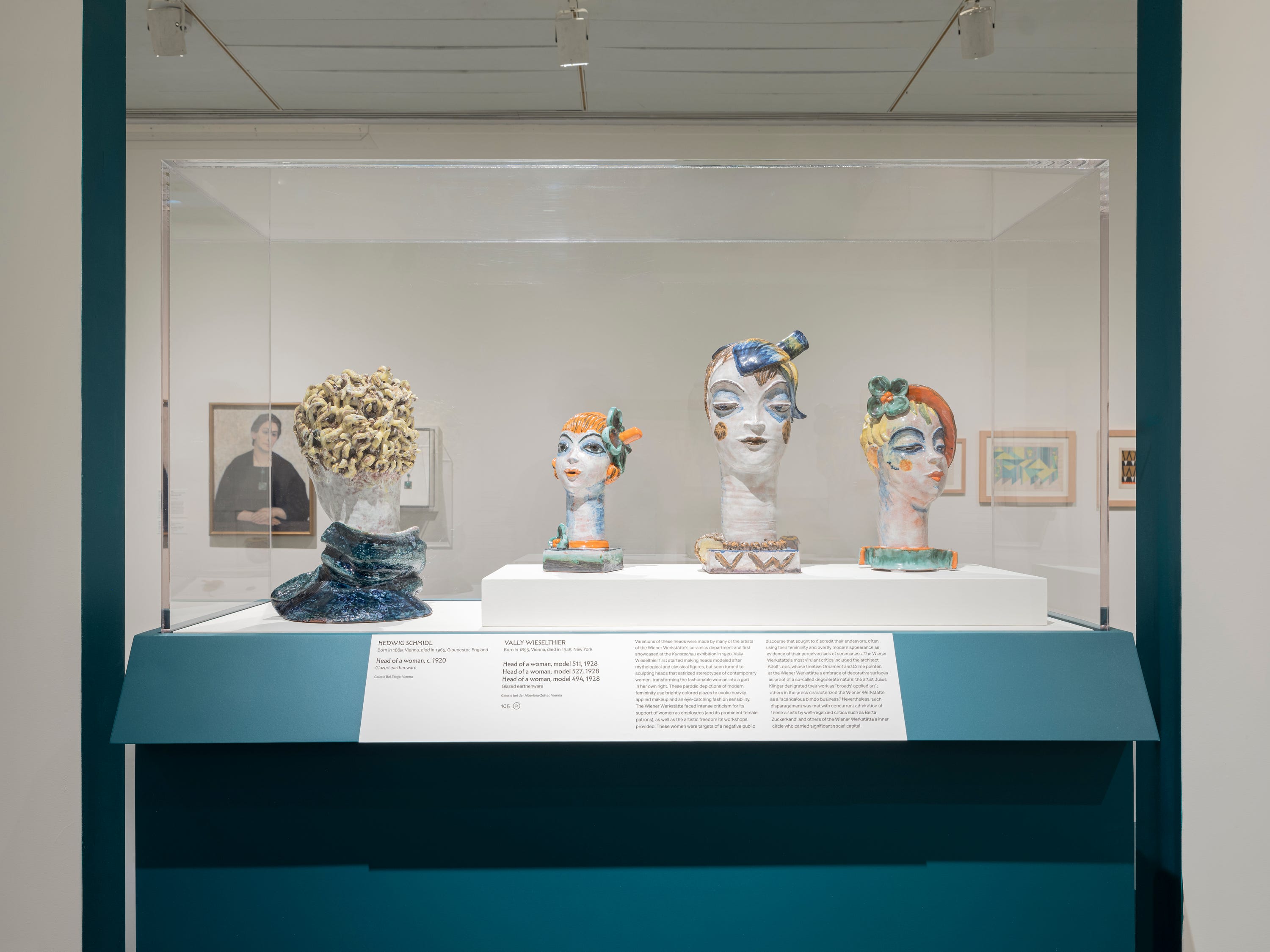
It is high time we learned their names: Vally Wieselthier and Felice Rix-Ueno, whose prolific work in ceramics and textile design, respectively, left a lasting mark on those disciplines; Lotte Calm, Mizi Friedmann, Anna Lesznai, Hedwig Hirsch, and Maria Likarz, among others; and the fashion illustrators who gave visual form to strikingly progressive ideas. Equally important was Berta Zuckerkandl, the influential critic, journalist, and salon host whose advocacy helped sustain Vienna’s modernist culture.
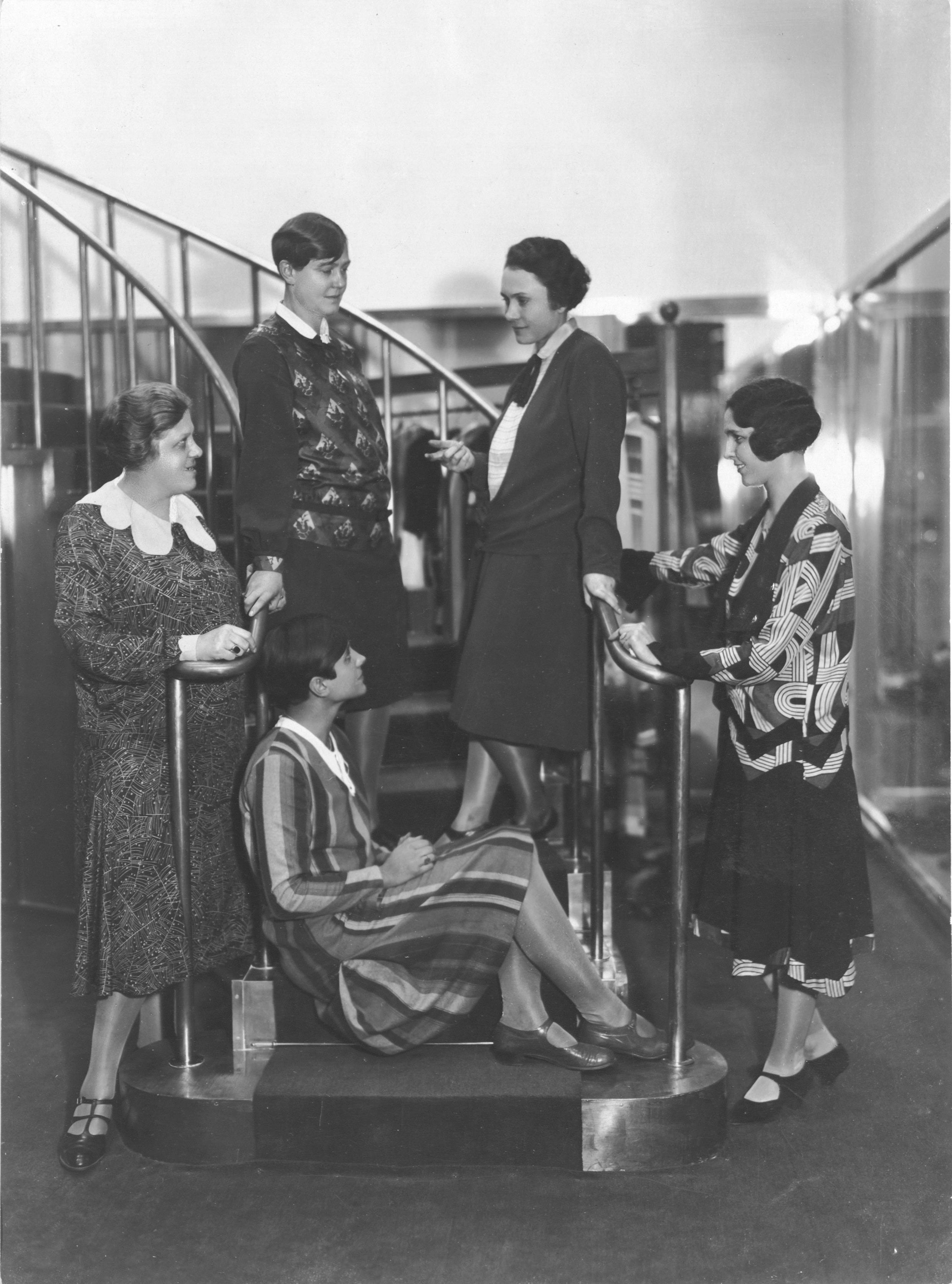
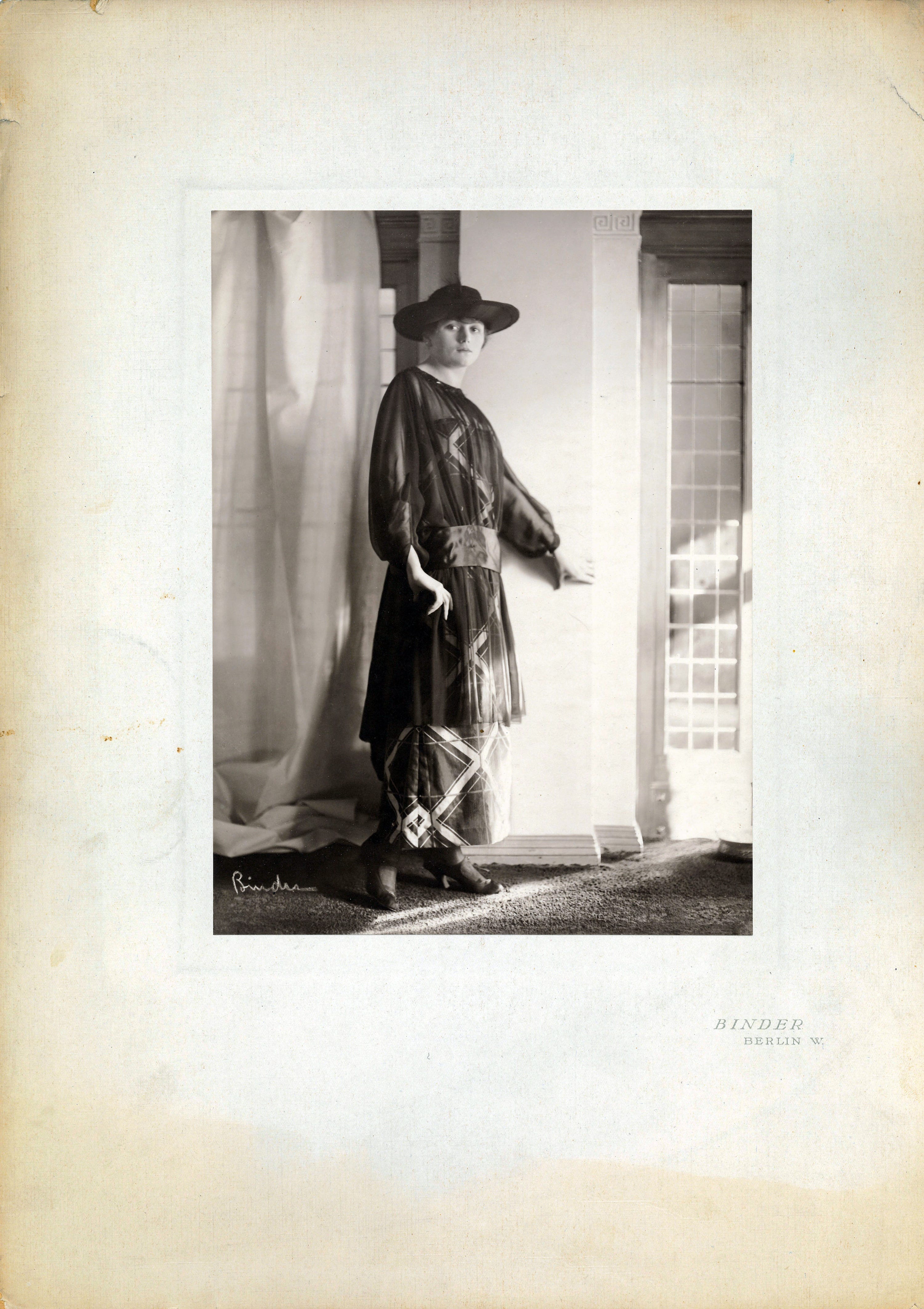
These women helped shape new ideas about how women of the twentieth century could dress, express themselves, and inhabit the world. Their work challenged the nineteenth-century ideal of passive, delicate domestic femininity and contributed to the emergence of the New Woman. Through freer silhouettes and bold patterns, they proposed a new language of elegance and beauty.
At a time when design exhibitions have grown increasingly reverential and design criticism has all but vanished from the press, this presentation feels refreshing. It offers New Yorkers a rare opportunity to encounter treasures from the MAK’s collection firsthand and to reconsider the women who helped define modern design.
Yet if I could pose a single question to the Jewish Museum’s Director, James S. Snyder, it would be this: why has such extraordinary curatorial work not yet resulted in a publication?
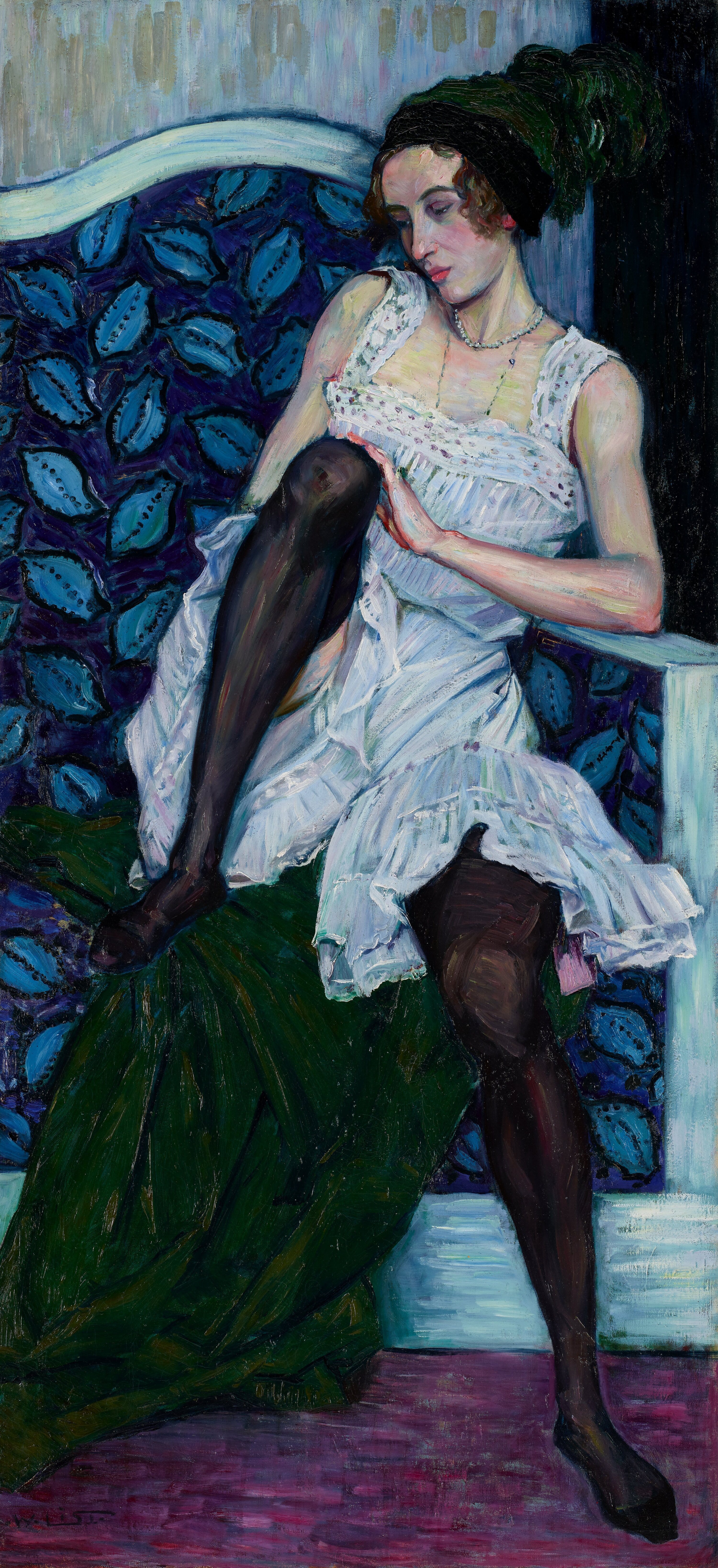
Wilhelm List, Young Woman in Undergarments, c. 1910–11. Oil on canvas, 49 5/8 × 22 5/8 in. (126.05 × 57.47 cm). Minneapolis Institute of Art. The Mary Ingebrand-Pohlad Endowment for Twentieth Century Paintings, 2015.40.1.
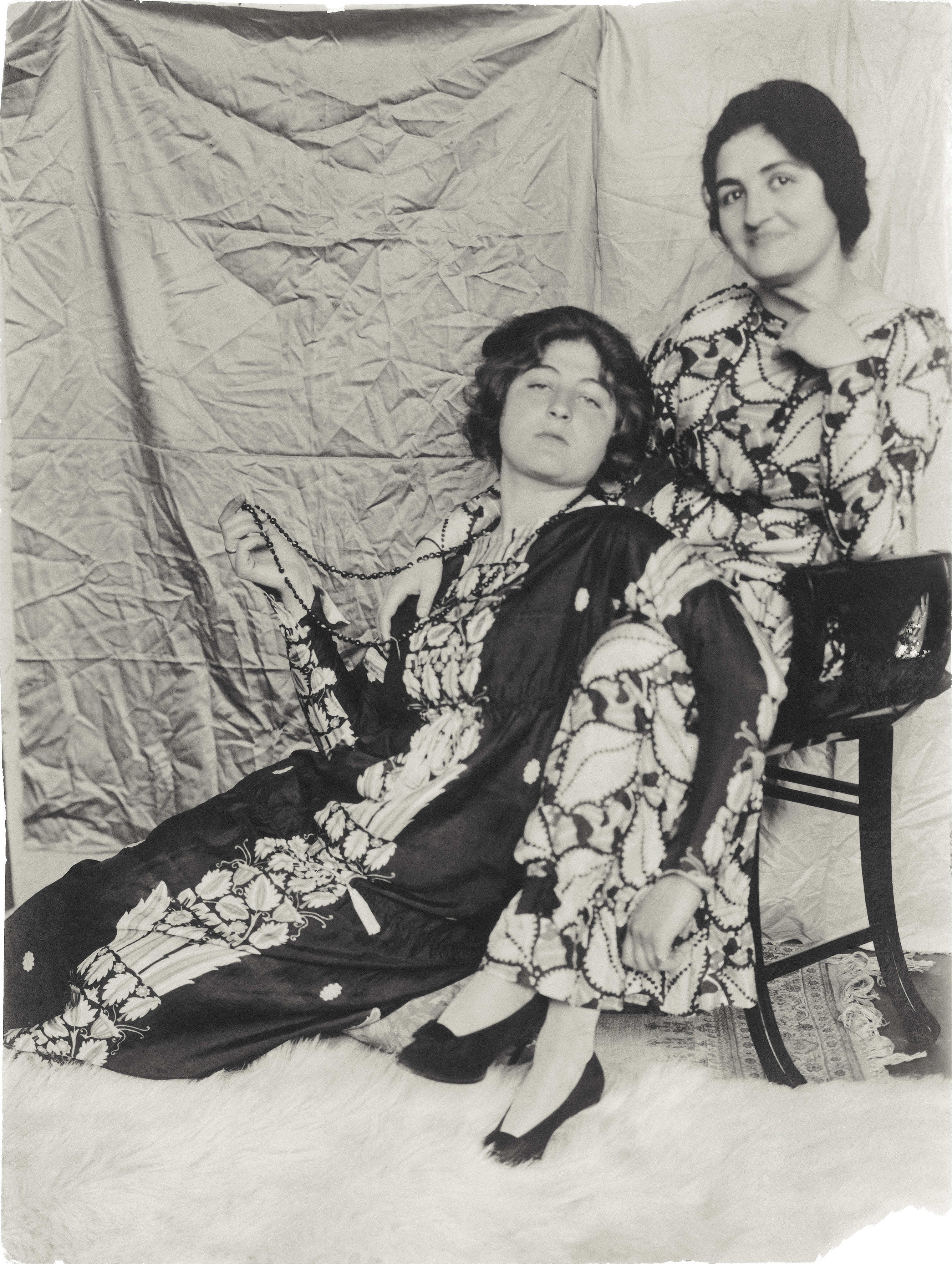
Charlotte Beer and Friederike Maria Beer (later Beer-Monti) wearing Wiener Werkstätte dresses, 1914. Gelatin silver print. Courtesy of brandstaetter images / Österreichisches Staatsarchiv, Vienna.
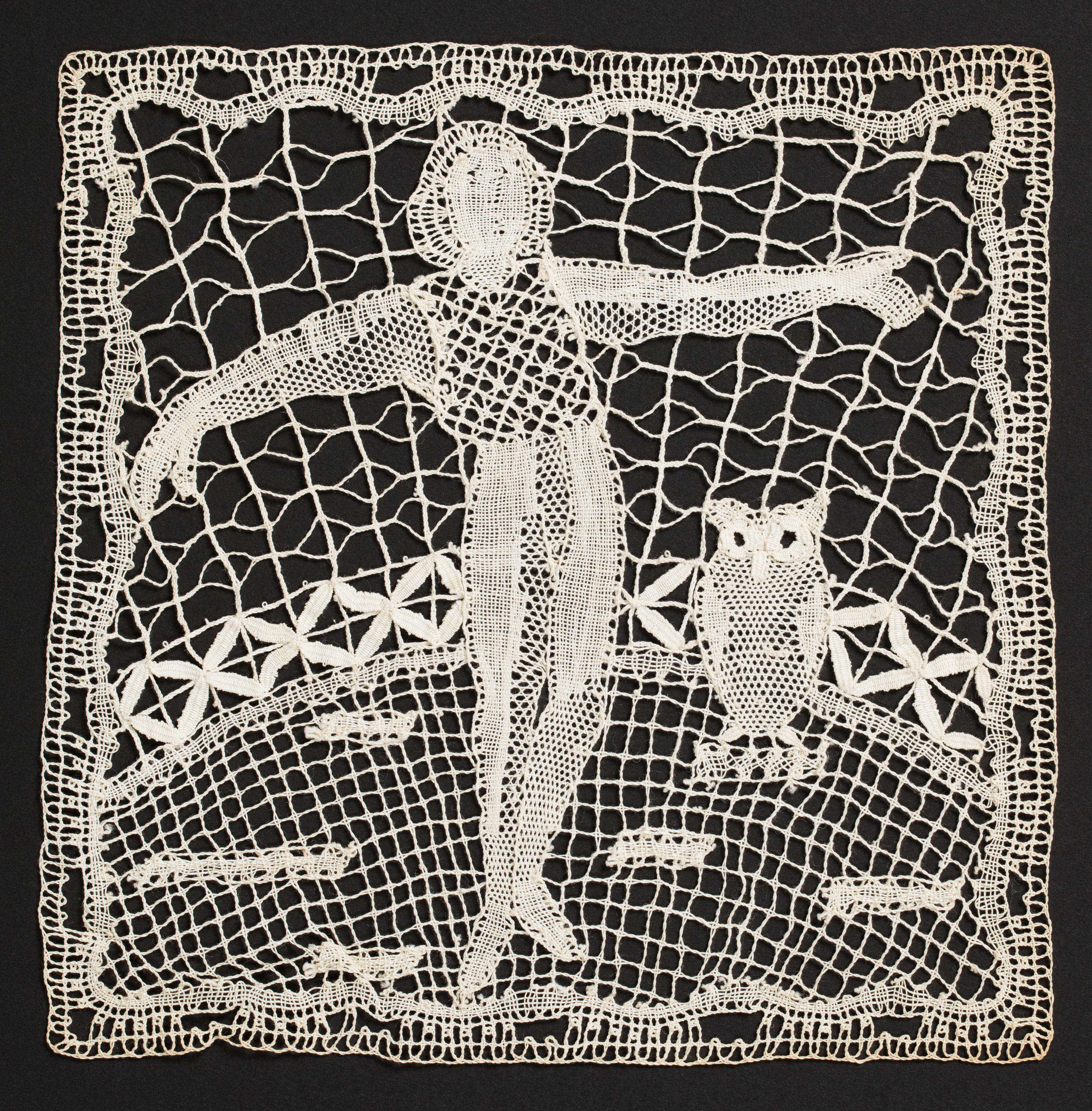
Vally Wieselthier, Insert for curtain panel, designed 1919, made 1922. Linen bobbin lace, 7 11/16 × 7 11/16 in. (19.5 × 19.5 cm). Cooper Hewitt, Smithsonian Design Museum. Museum purchase from General Acquisitions Endowment Fund, 2018-4-1-4. Photo: Matt Flynn / Smithsonian Institution.
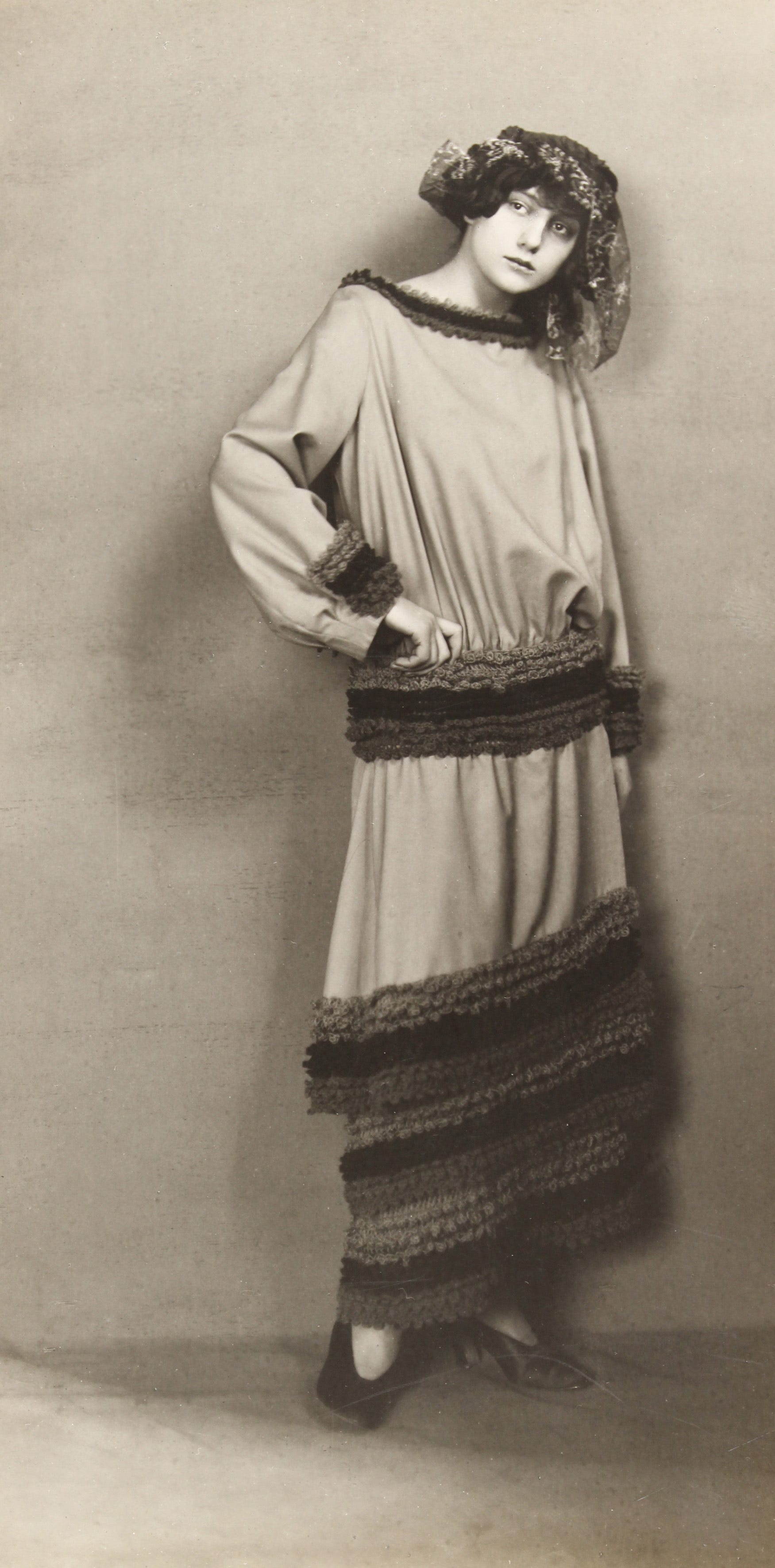
Franz Lowry Studio, Model wearing Wiener Werkstätte dress designed by Heddi Hirsch, c. 1919. Courtesy of brandstaetter images / Sammlung Hubmann.
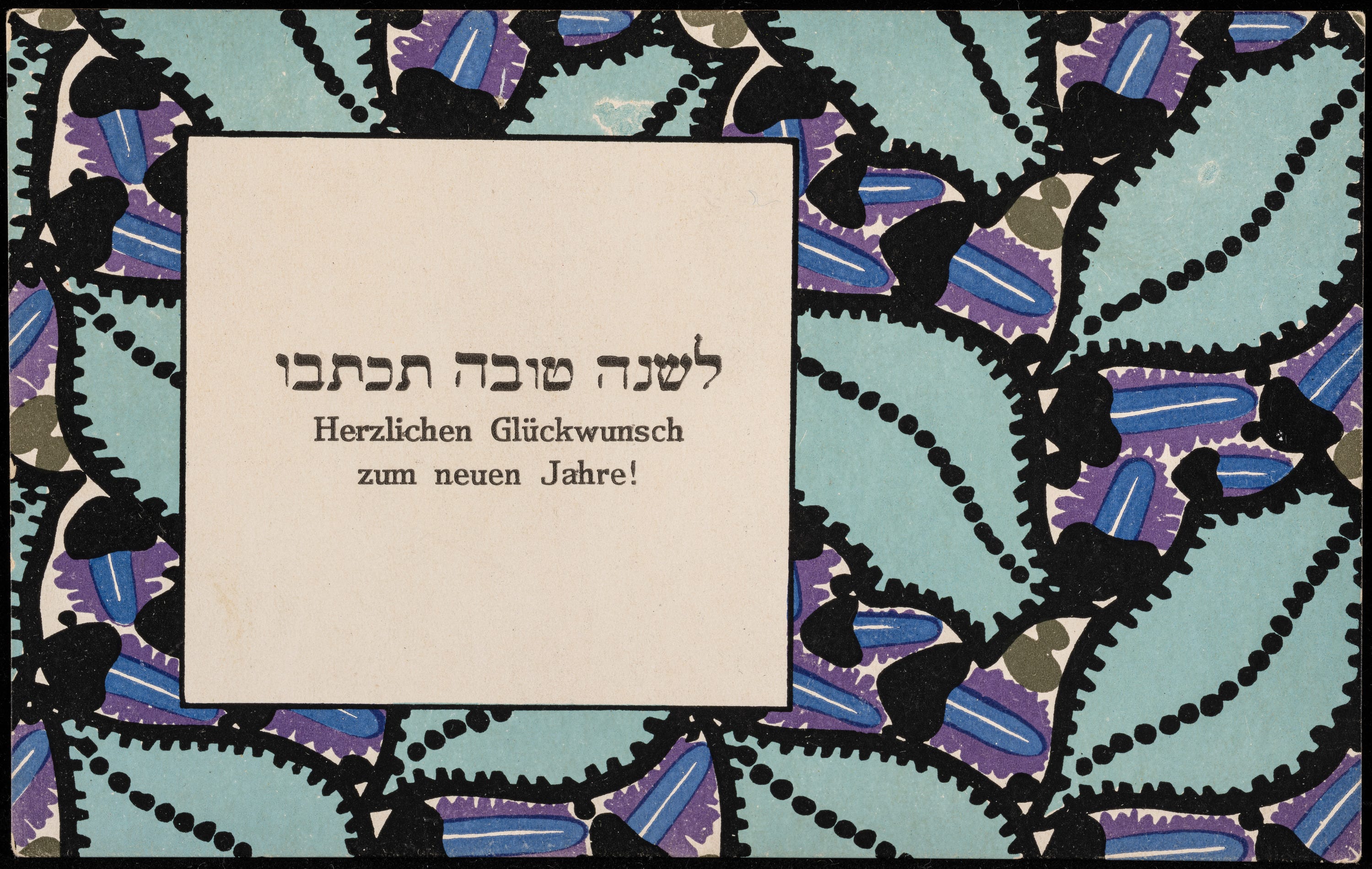
Brüder Kohn, Publisher: likely Lehrlingsheim Zukunft, Designer: Martha Alber, New Year Greeting, c. 1910–11. Lithograph on paper, 3 1/2 × 5 1/2 in. (8.9 × 14 cm). The Jewish Museum, New York. Purchase: Traditional Judaica Acquisitions Committee Fund, 2006-3,
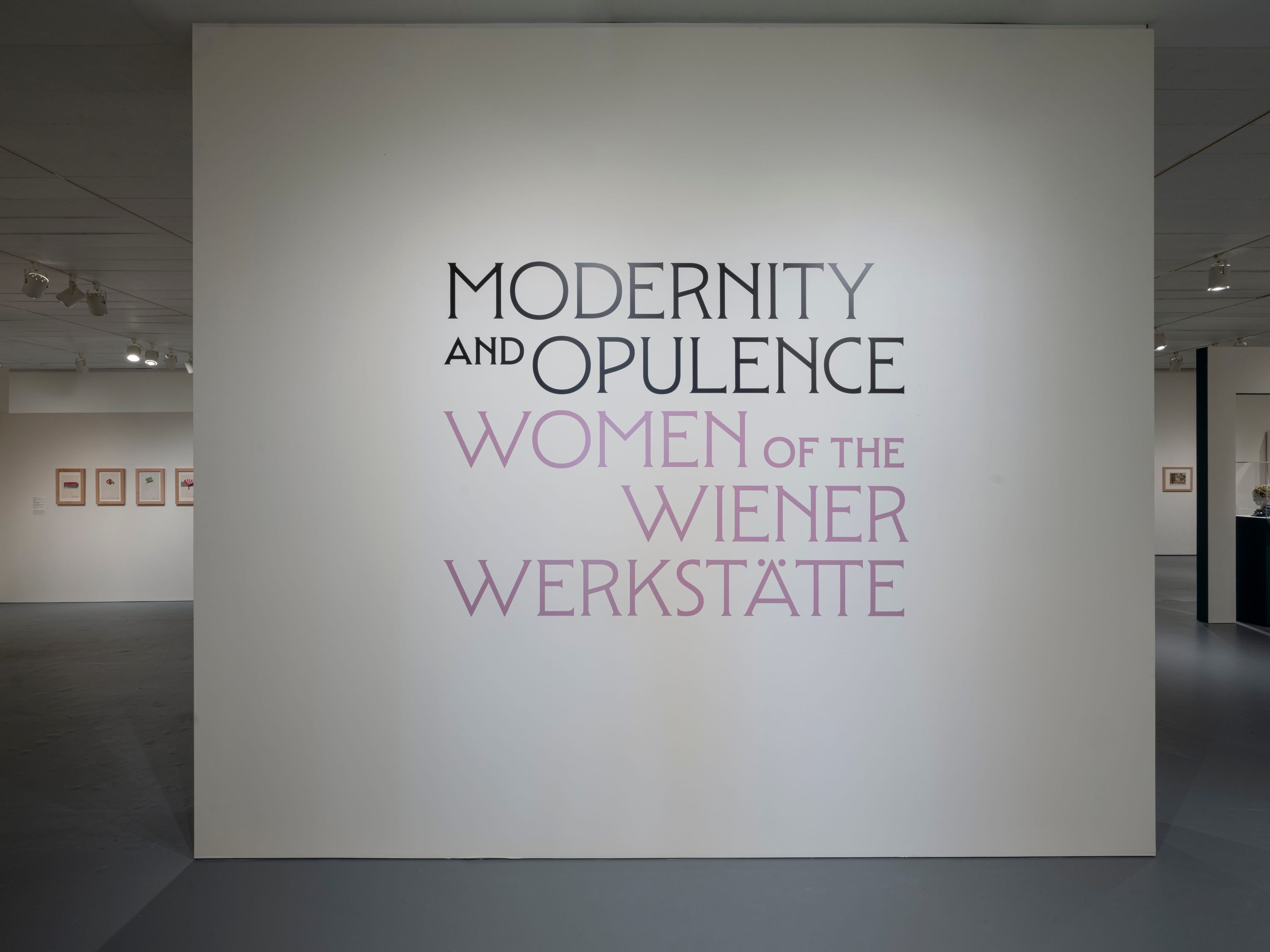
Installation view of "Modernity and Opulence: Women of the Wiener Werkstätte" at the Jewish Museum, NY, July 17– November 15, 2026. CREDIT: Photo by Kris Graves Projects / Julian Calero.
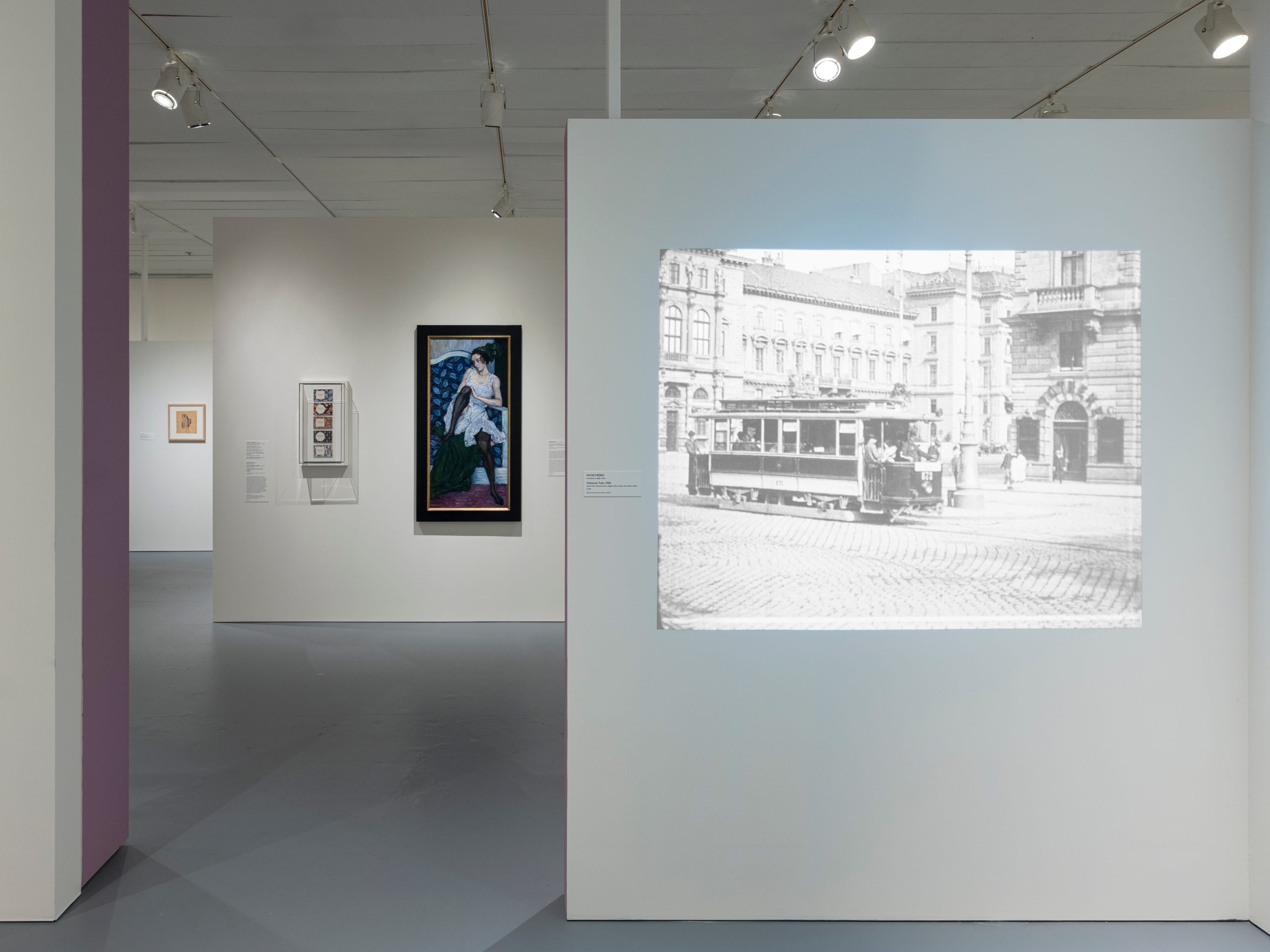
Installation view of "Modernity and Opulence: Women of the Wiener Werkstätte" at the Jewish Museum, NY, July 17– November 15, 2026. CREDIT: Photo by Kris Graves Projects / Julian Calero.
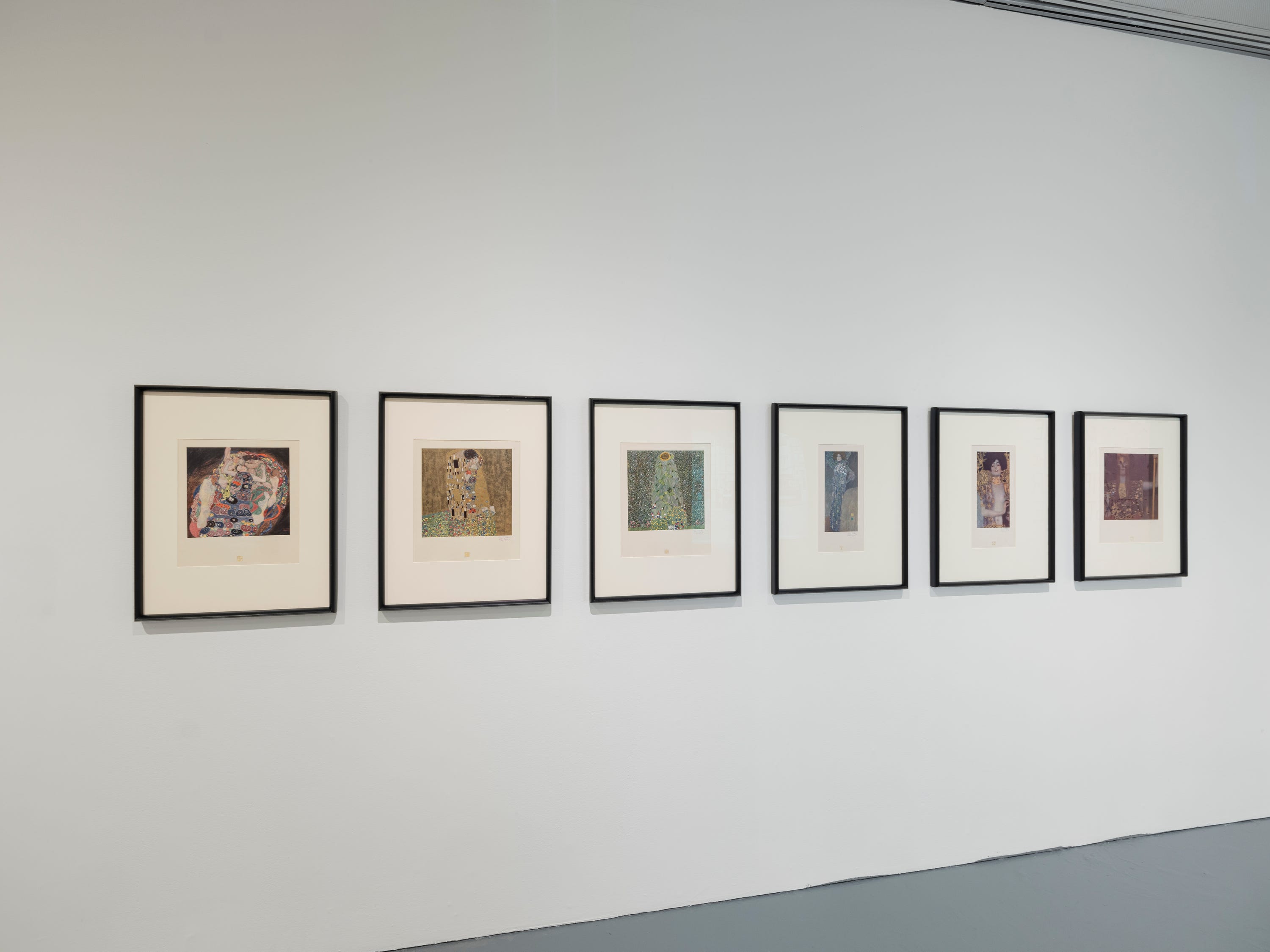
Installation view of "Modernity and Opulence: Women of the Wiener Werkstätte" at the Jewish Museum, NY, July 17– November 15, 2026. CREDIT: Photo by Kris Graves Projects / Julian Calero.
Installation view of "Modernity and Opulence: Women of the Wiener Werkstätte" at the Jewish Museum, NY, July 17– November 15, 2026. CREDIT: Photo by Kris Graves Projects / Julian Calero.
Installation view of "Modernity and Opulence: Women of the Wiener Werkstätte" at the Jewish Museum, NY, July 17– November 15, 2026. CREDIT: Photo by Kris Graves Projects / Julian Calero.
Installation view of "Modernity and Opulence: Women of the Wiener Werkstätte" at the Jewish Museum, NY, July 17– November 15, 2026. CREDIT: Photo by Kris Graves Projects / Julian Calero.