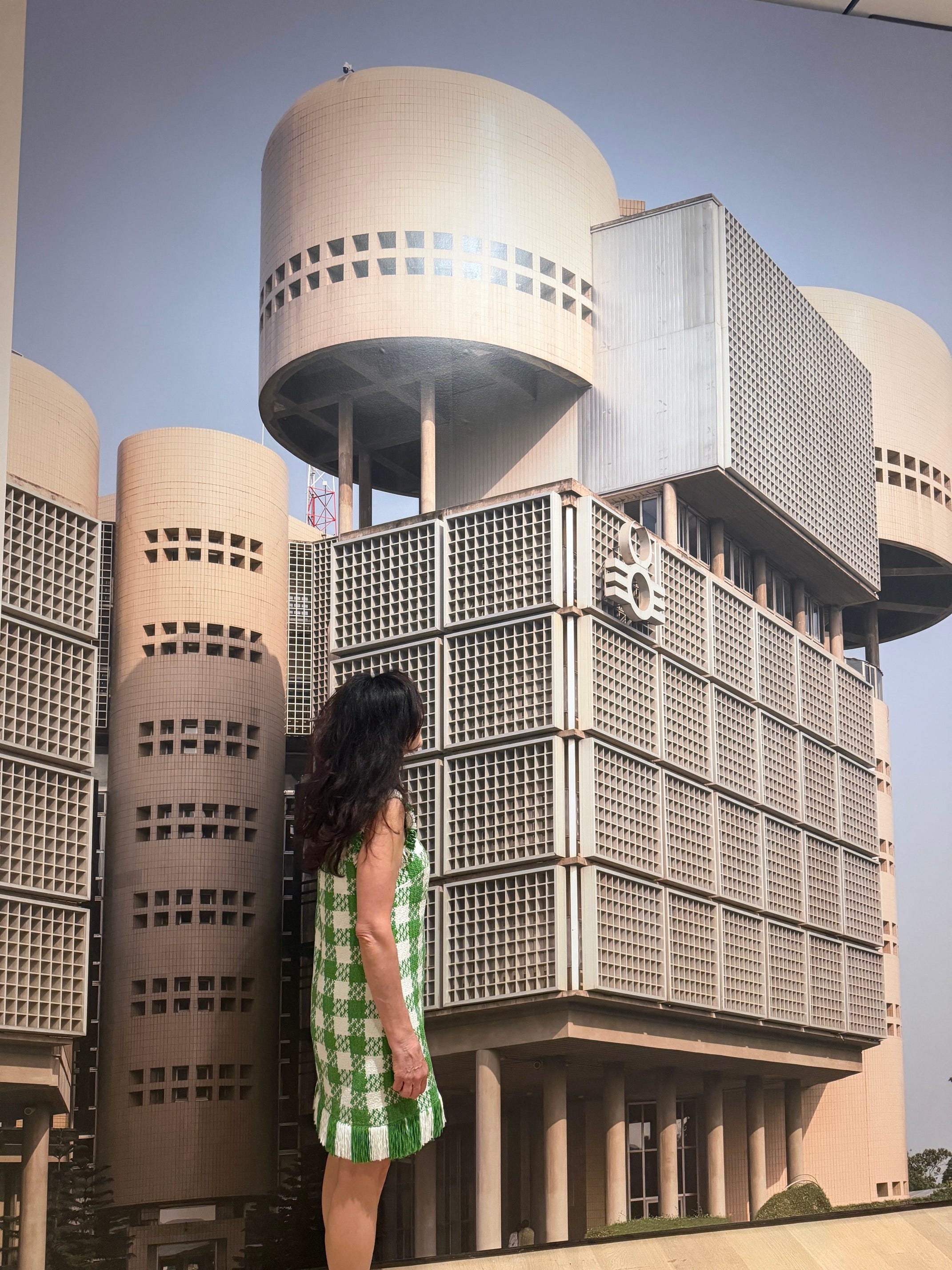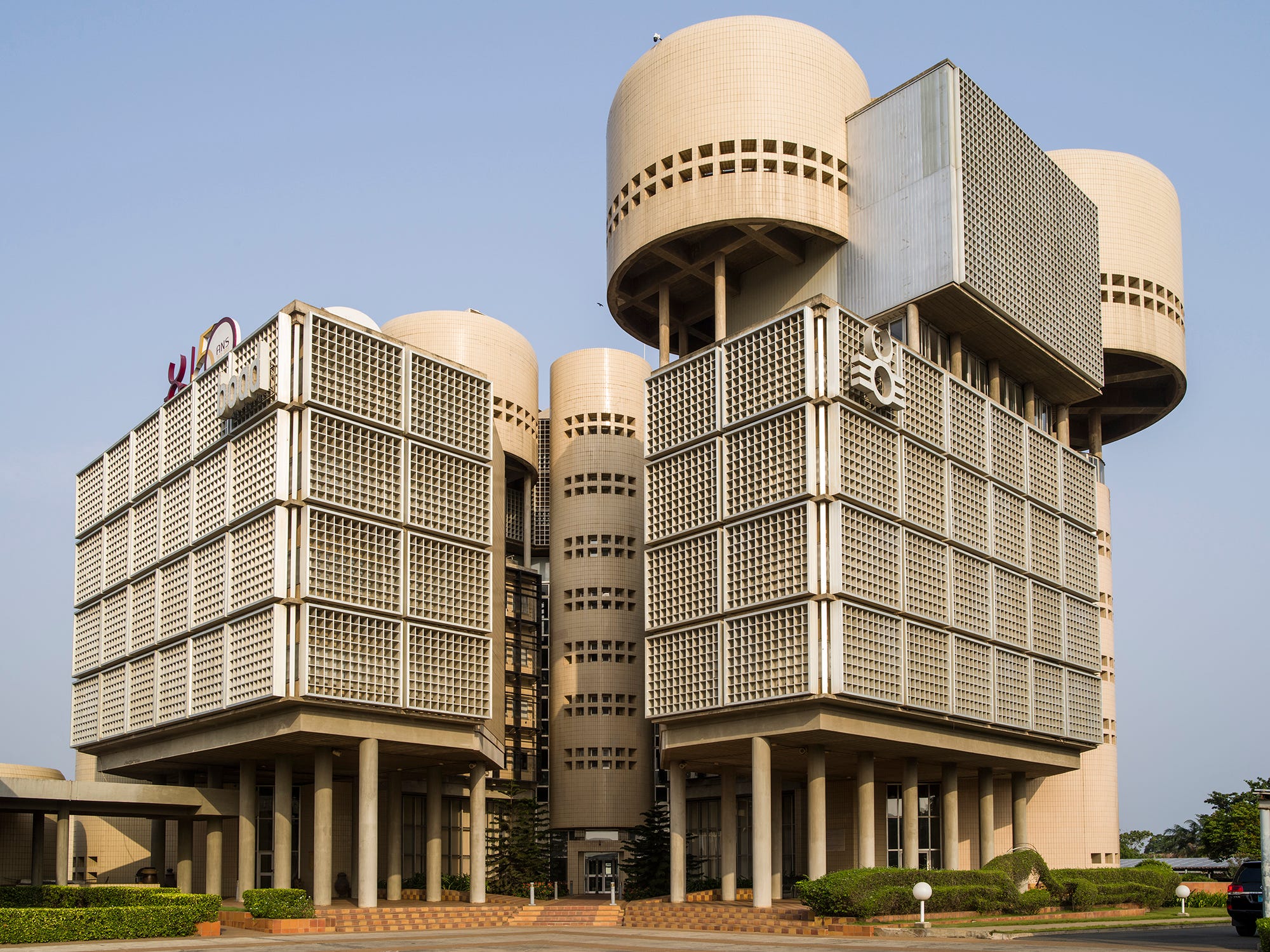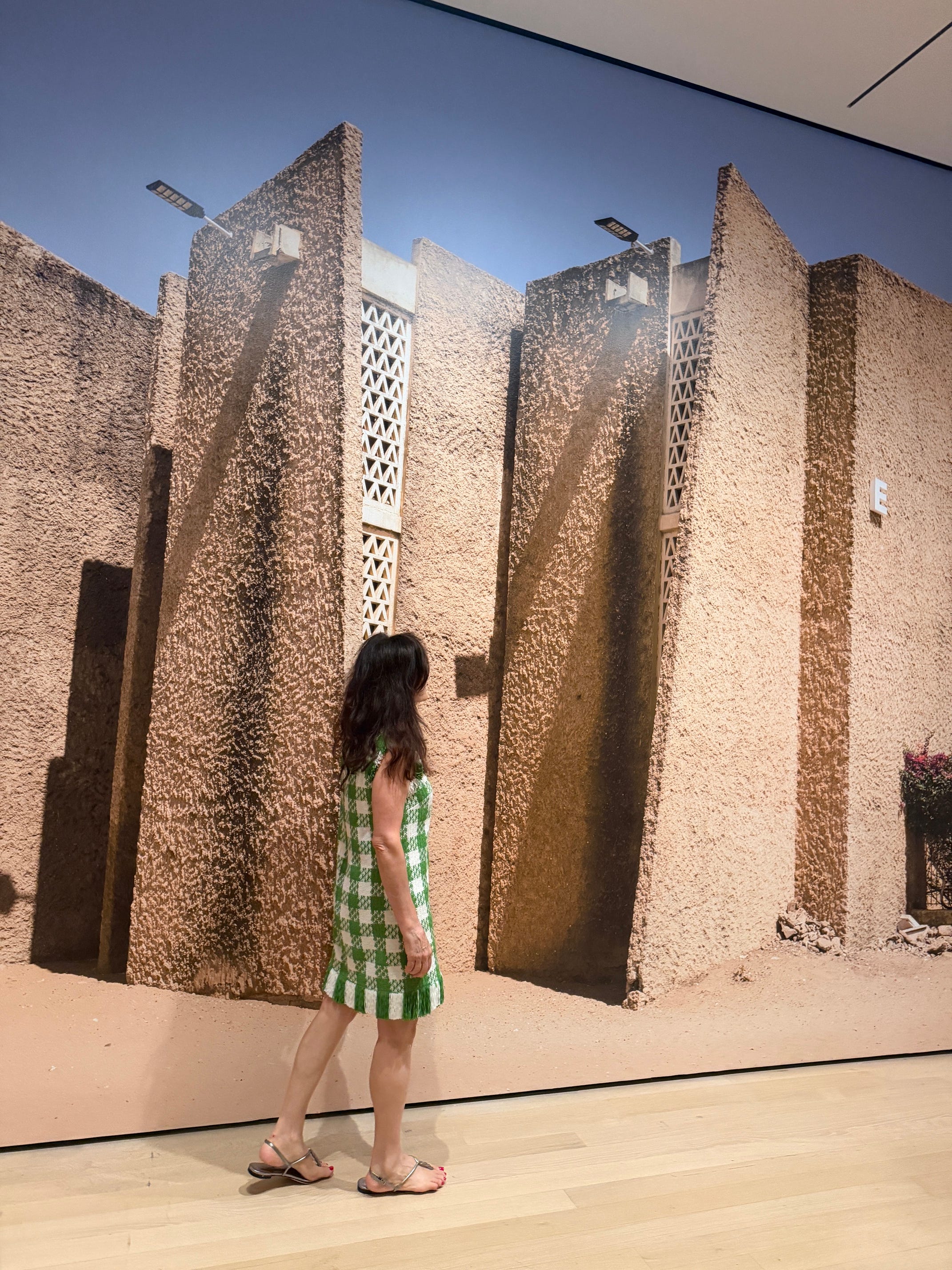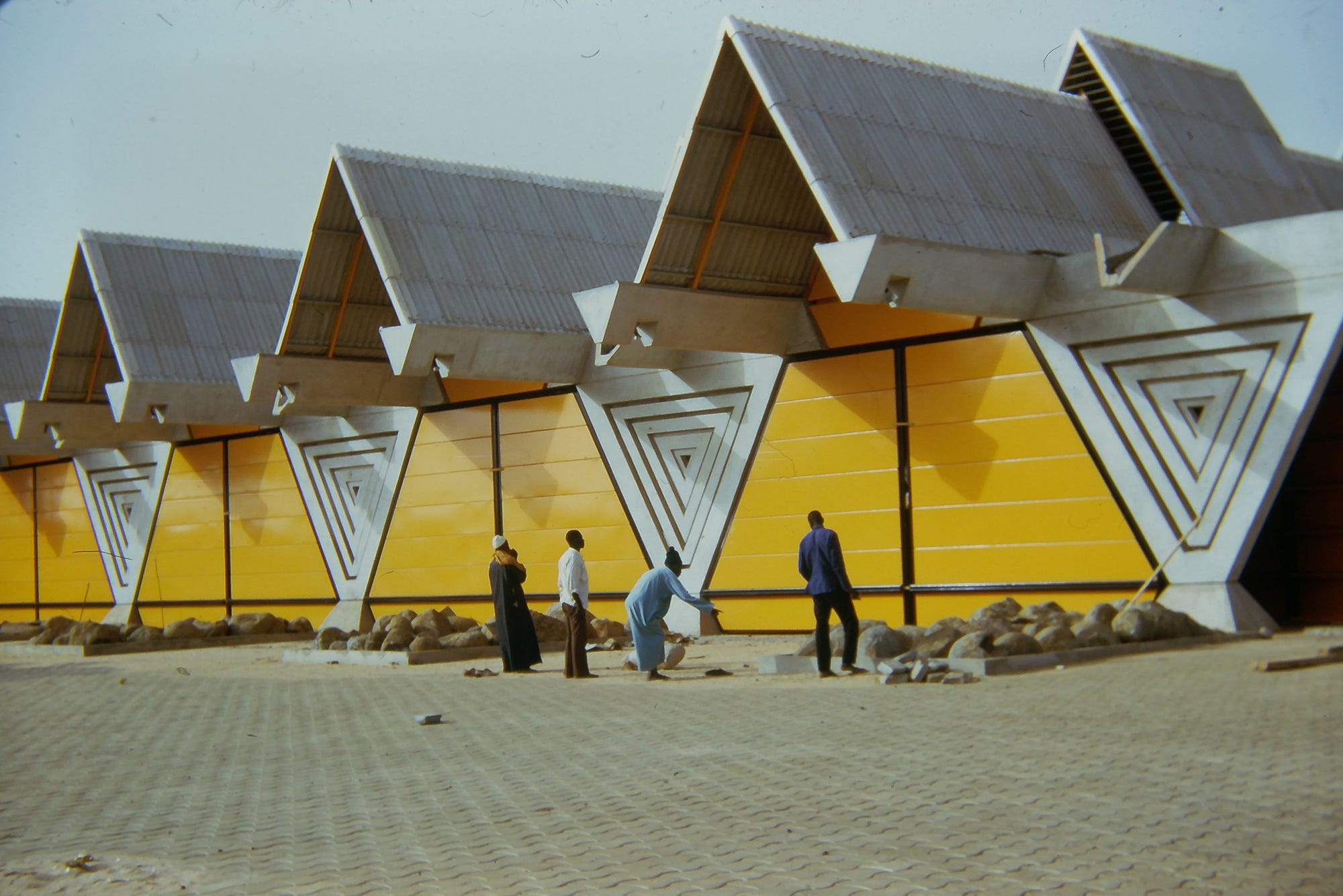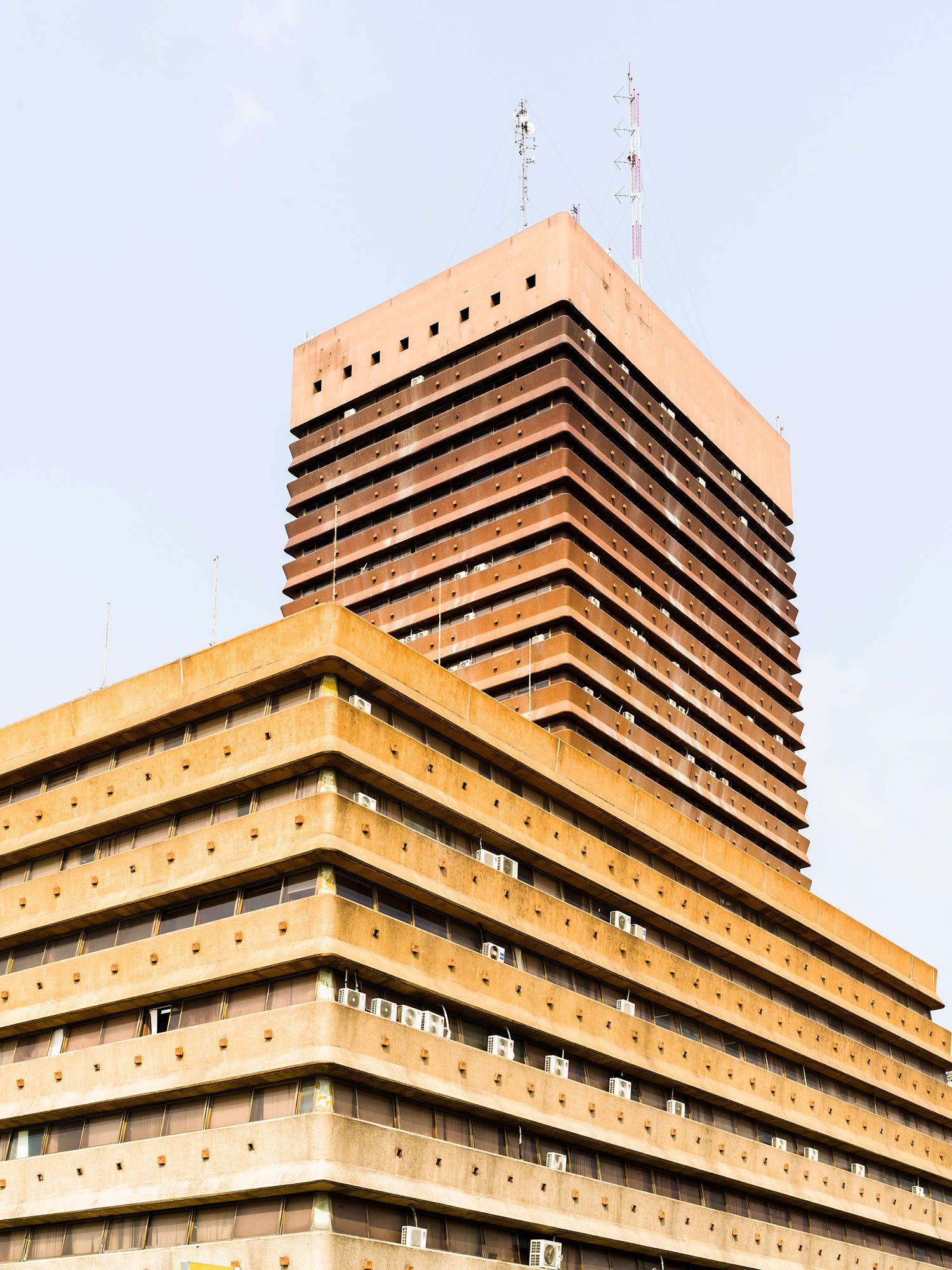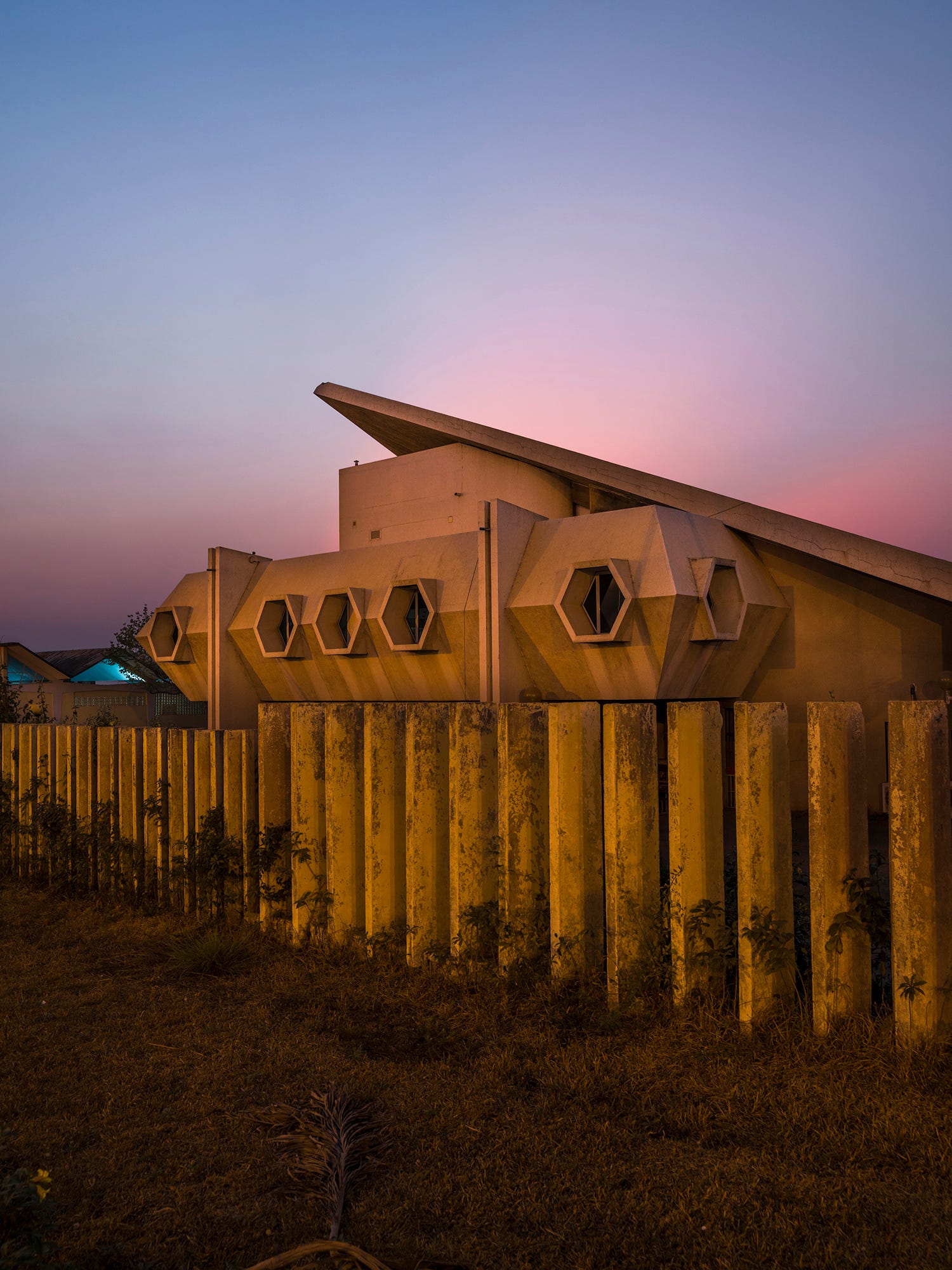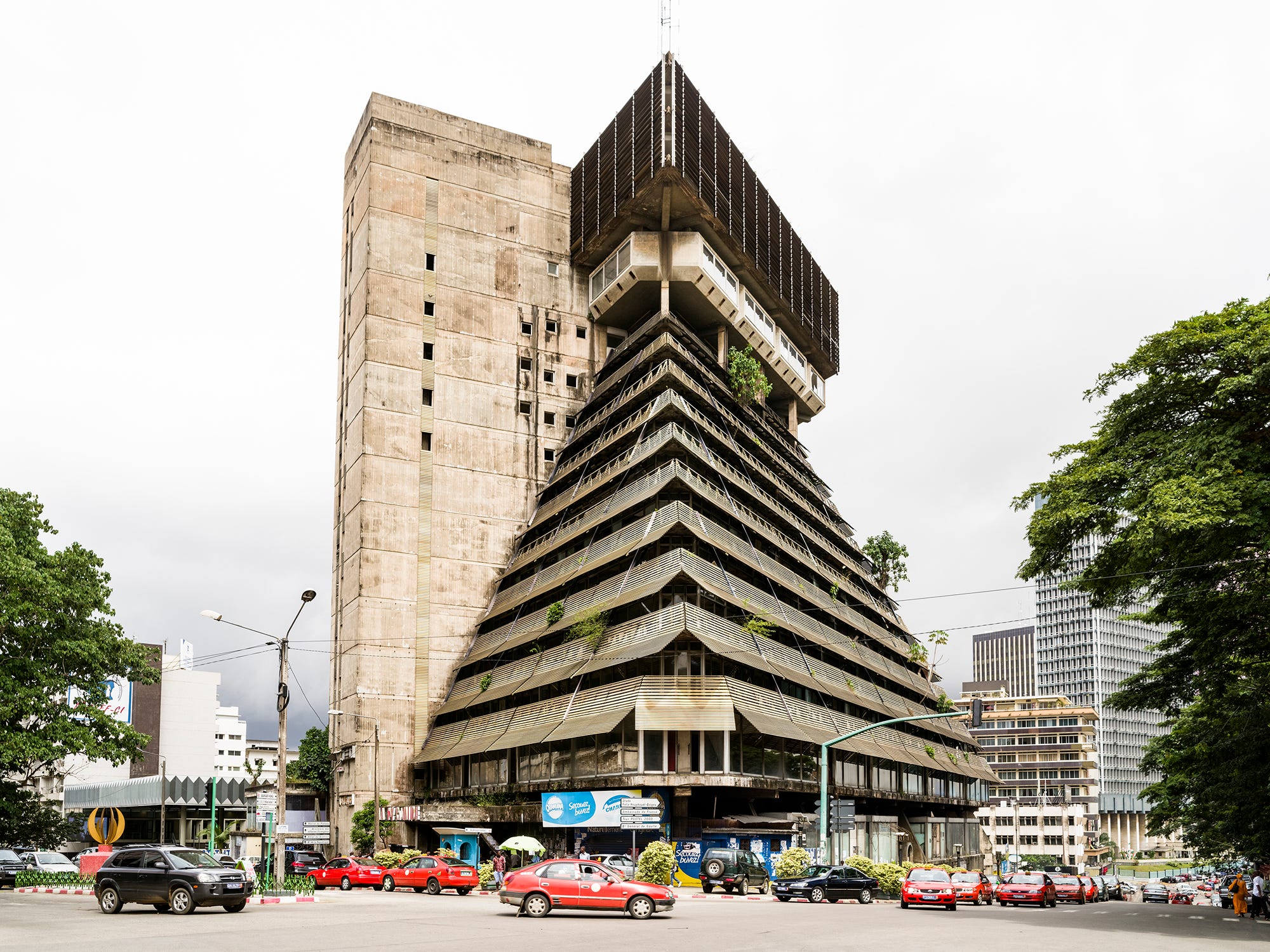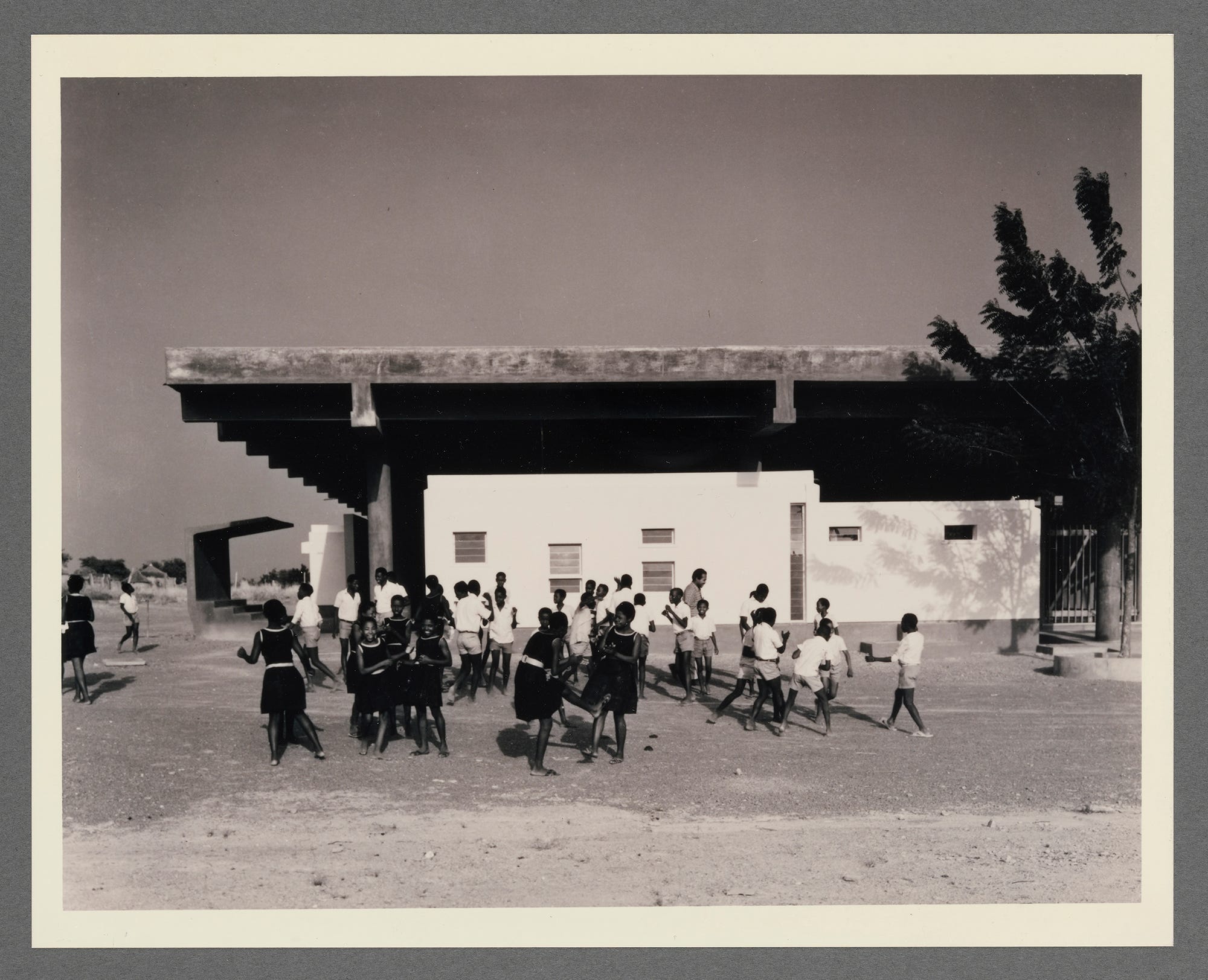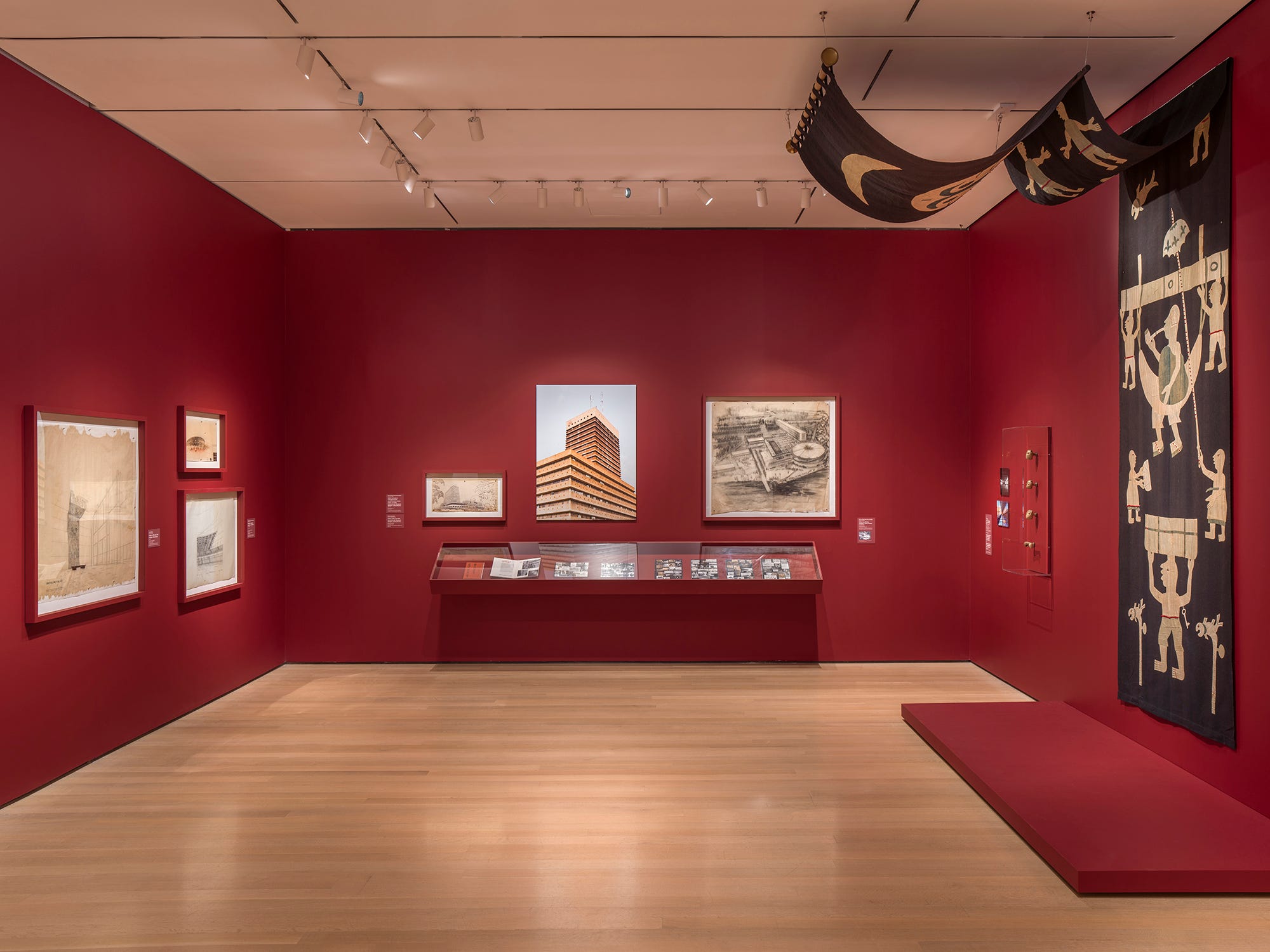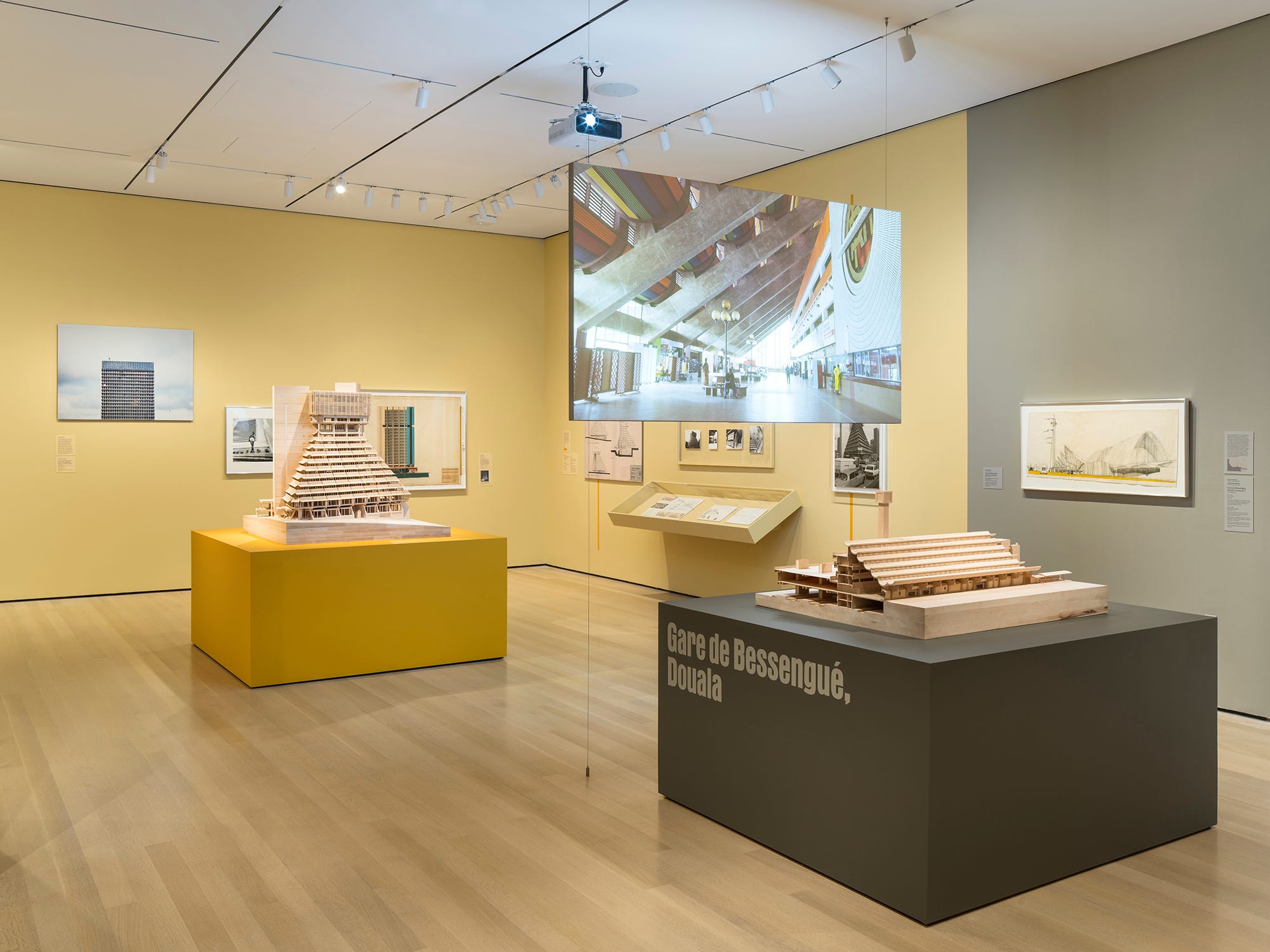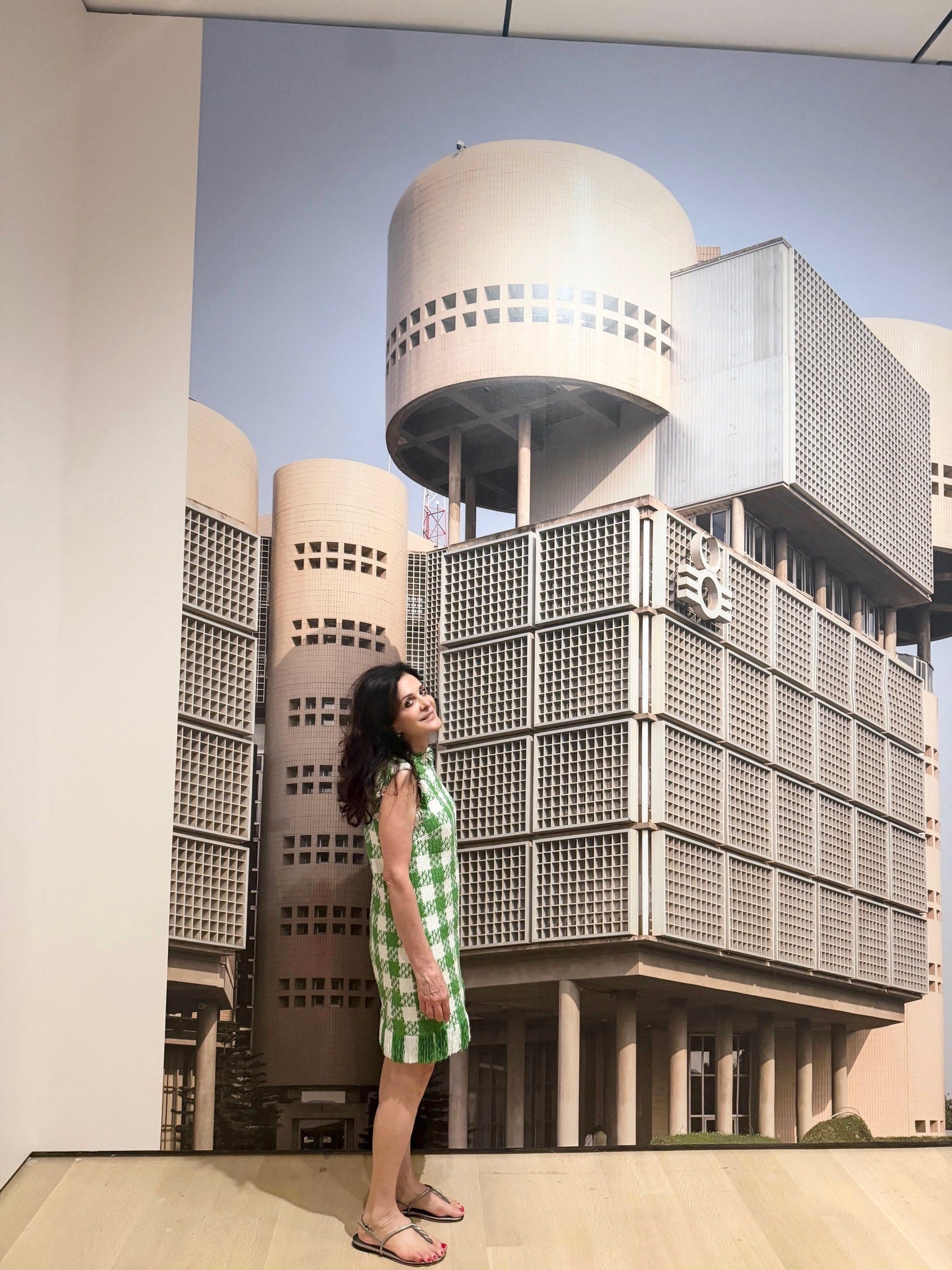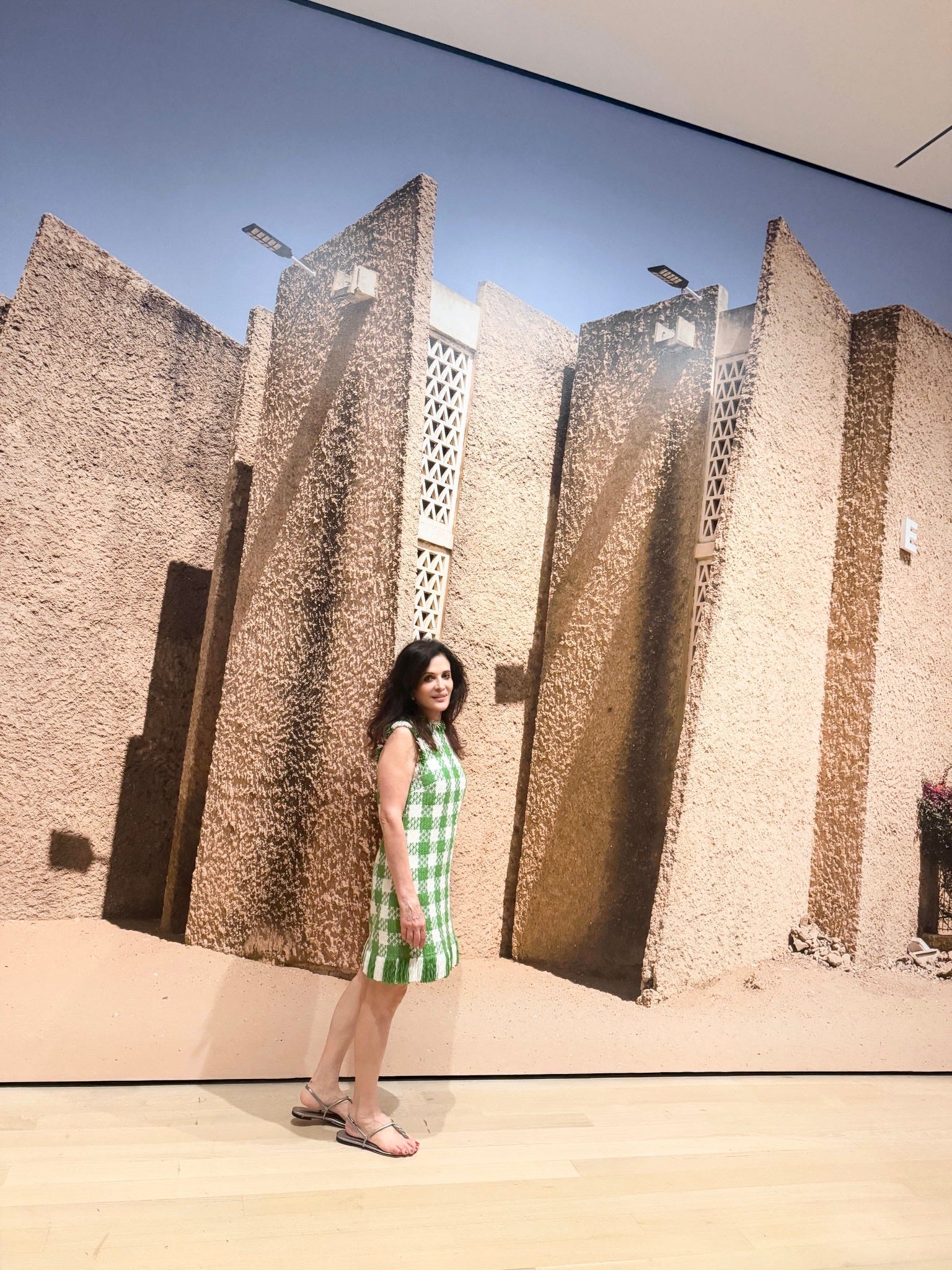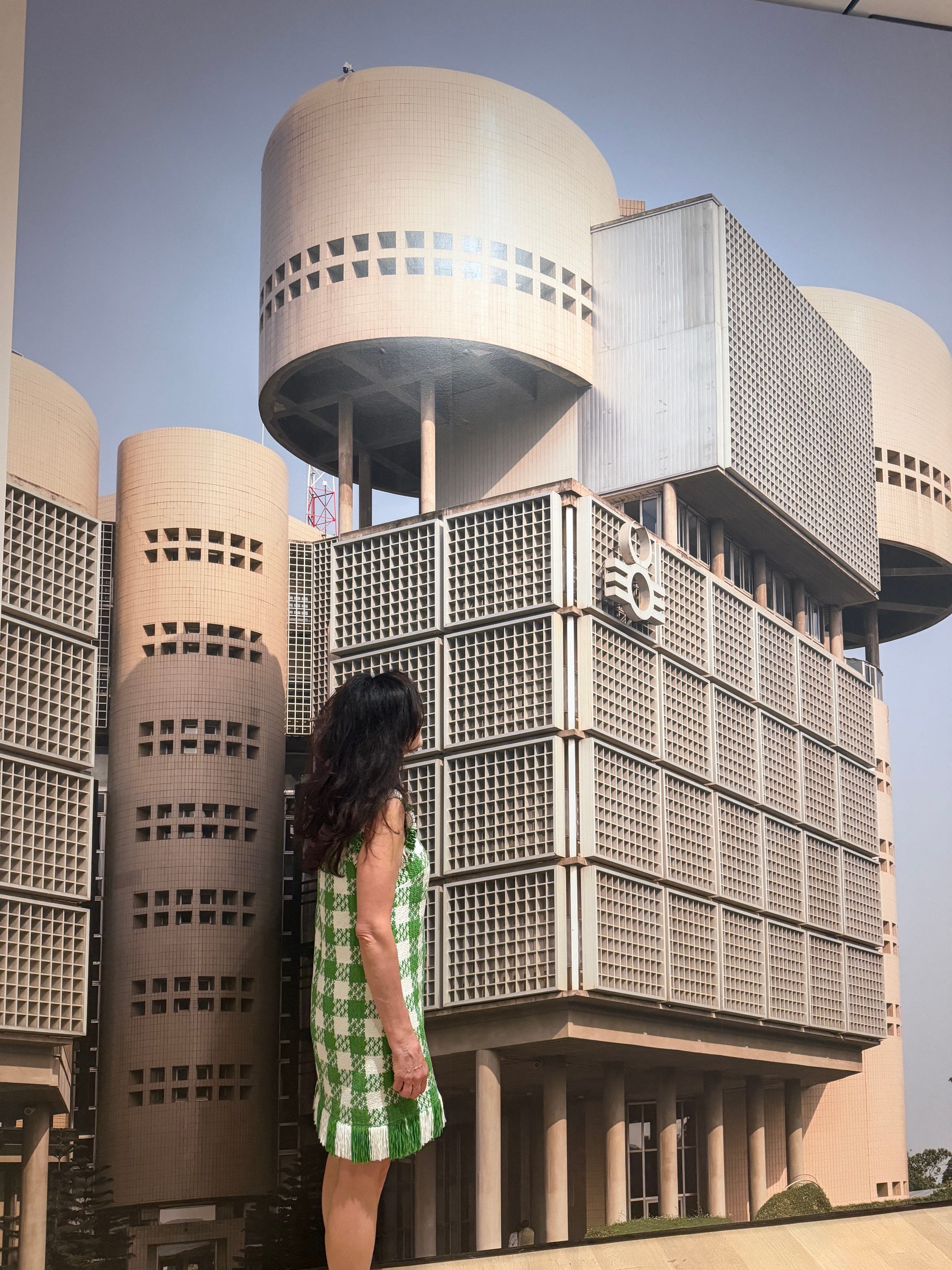
This exhibition reminded me how much I miss great museum shows on architecture as an agent of change — on architectural aspiration, its history, and its culture. Walking through the new exhibition at MoMA, which brings to light the built fabric of West Africa in the years when the continent celebrated its liberation and decolonization, feels like strolling through seven countries of the region — Cameroon, Ghana, Benin, Côte d’Ivoire, Nigeria, Senegal, and Togo — as they moved away from colonial rule and forged their own identities.
It is hard to believe, looking at the hundreds of bold, futuristic, ambitious modernist buildings constructed in West Africa during the postwar and Cold War years, that they once electrified the continent with optimism for a bright future and a new, modern life. In postcolonial Africa, they looked as if they had come from space, shiny, aspiring. They are now illuminated in a new exhibition, curated by Martino Stierli, MoMA’s Philip Johnson Chief Curator of Architecture and Design: Architects of Liberation: Modernism in Western Africa — one of the most ambitious museum exhibitions on architecture in recent memory.
The dozens of architects featured in the show saw themselves as liberators, freeing post-independence Africa from its colonial dark past and its built legacy of Art Deco and Tropical Modernism. Through modernist and brutalist hospitals, universities, housing estates, civic buildings, and cultural institutions, they sought to symbolize political freedom and a new cultural identity in the built form. It was an extraordinary period for Africa, full of prosperity and hope for an enlightened future. What we know now — and what the leaders, architects, and citizens of that era could not have foreseen — is that those promises went largely unfulfilled: this architecture became a footnote in history, aging poorly and, in most cases, falling into disrepair. But at the time, and this is beautifully presented in the exhibition, the leaders of these newly founded nations were determined to construct new identities for their countries and to erase every trace of colonial rule – through architecture (and other forms of culture).
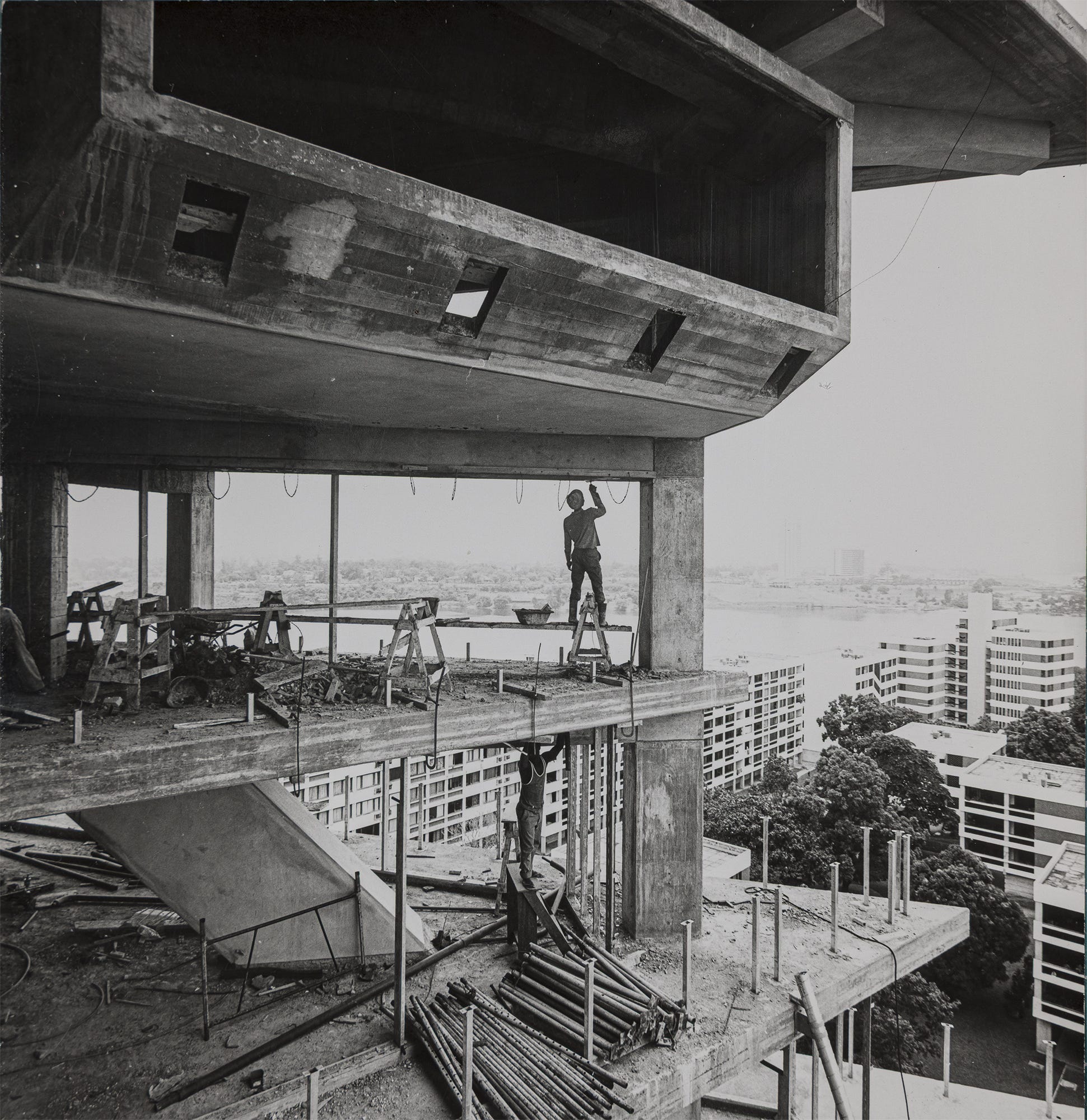
This body of architecture — one so deeply tied to social change — has been largely overlooked by architectural historians. Architects of Liberation: Modernism in Western Africa sets out to correct that, drawing on years of groundbreaking research into never-before-seen archival materials, models, period photographs, and newly commissioned images of the buildings as they stand today. I was unfamiliar with most of the non-European architects featured, but I knew the work of the German-Israeli architect Heinz Fenchel, who was active in Côte d’Ivoire and designed the magnificent Hôtel Ivoire at the time when Israel had a remarkably strong presence in Côte d’Ivoire during the late 1960s and early 1970s, with Israeli specialists working in agricultural development, rural development, banking, and tourism.
Making an architecture exhibition speak to a wide audience is no easy task. Yet the way this show is curated — weaving together architectural drawings, models, archival photographs, and new photography, and organized into sections that spotlight individual architects or particular bodies of work — makes it dynamic and engaging, rendering architectural history accessible to the general public. The exhibition runs through January 2nd, leaving plenty of time to revisit and study this fascinating chapter in architectural history.