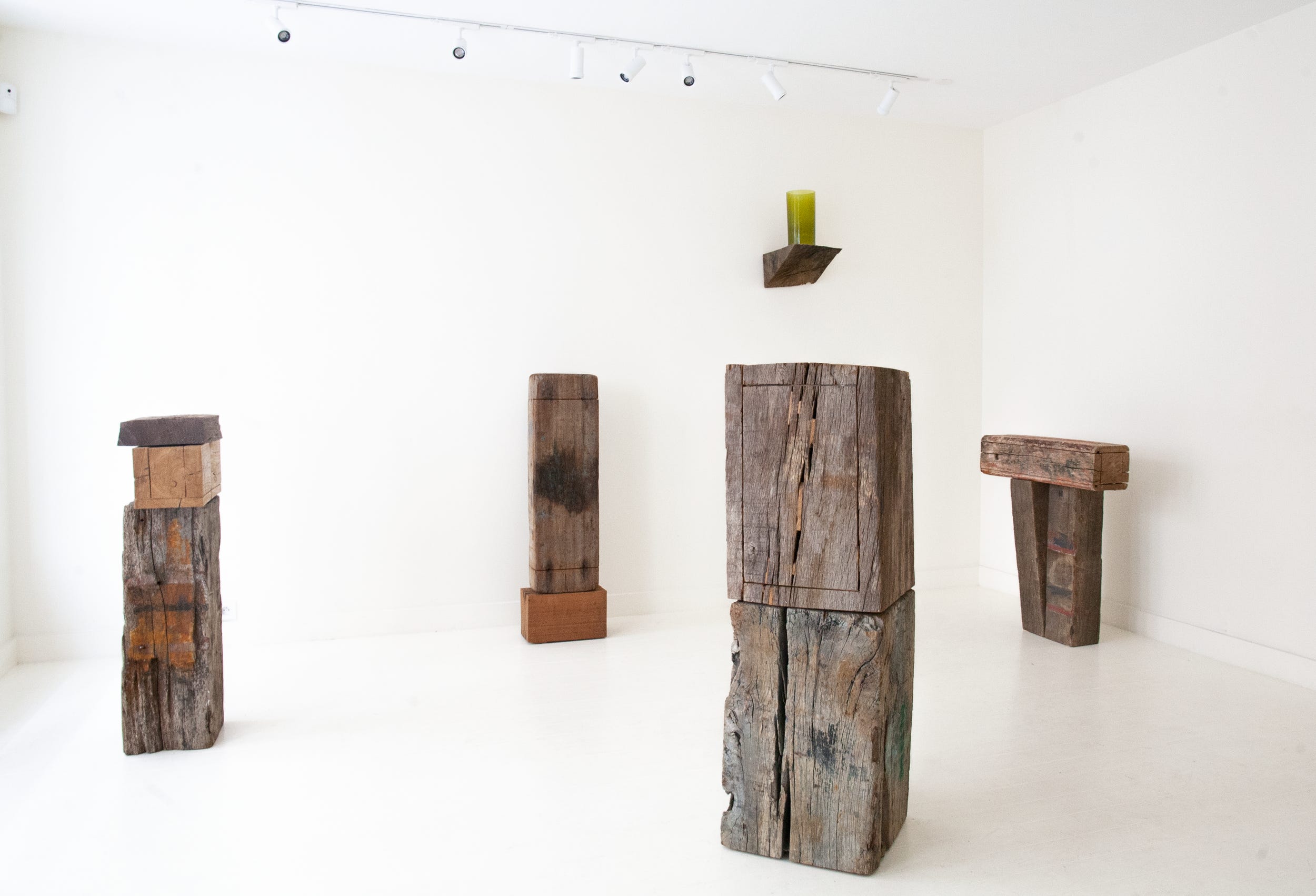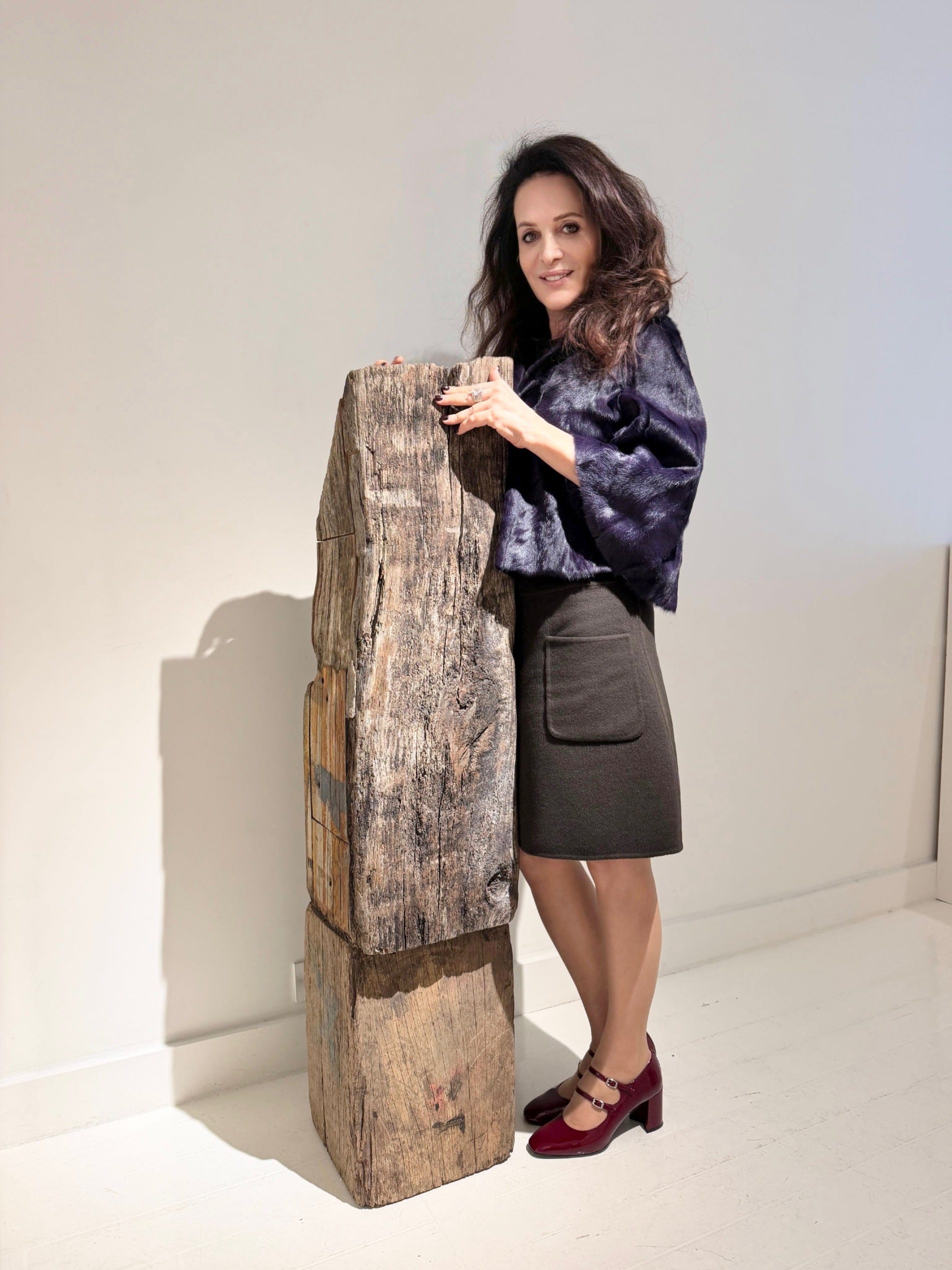
Paris is celebrating with a solo show of French design legend Martin Szekely, opened this week at Galerie Signé. At seventy, he is bringing an extraordinary career full circle with a new exhibition—his first in a gallery in fifteen years—that returns him to his creative roots. A defining figure in contemporary design, Szekely has pursued essential form and exacting precision, creating powerful functional objects through extensive technical research. His legacy lies in his exploration of how materials, construction, and use can give an object its presence and power. For me, he occupies a place in contemporary design comparable to Donald Judd’s in Minimalist art or John Pawson’s in architecture. He has taught us how balance, reduction, and an understanding of material properties can produce extraordinary richness. As an admirer of Japanese aesthetics, I have been drawn to Szekely’s work for decades. I was therefore saddened to learn that the works in the exhibition, entitled Martin Szekely - Objets de valeur would constitute his final collection.
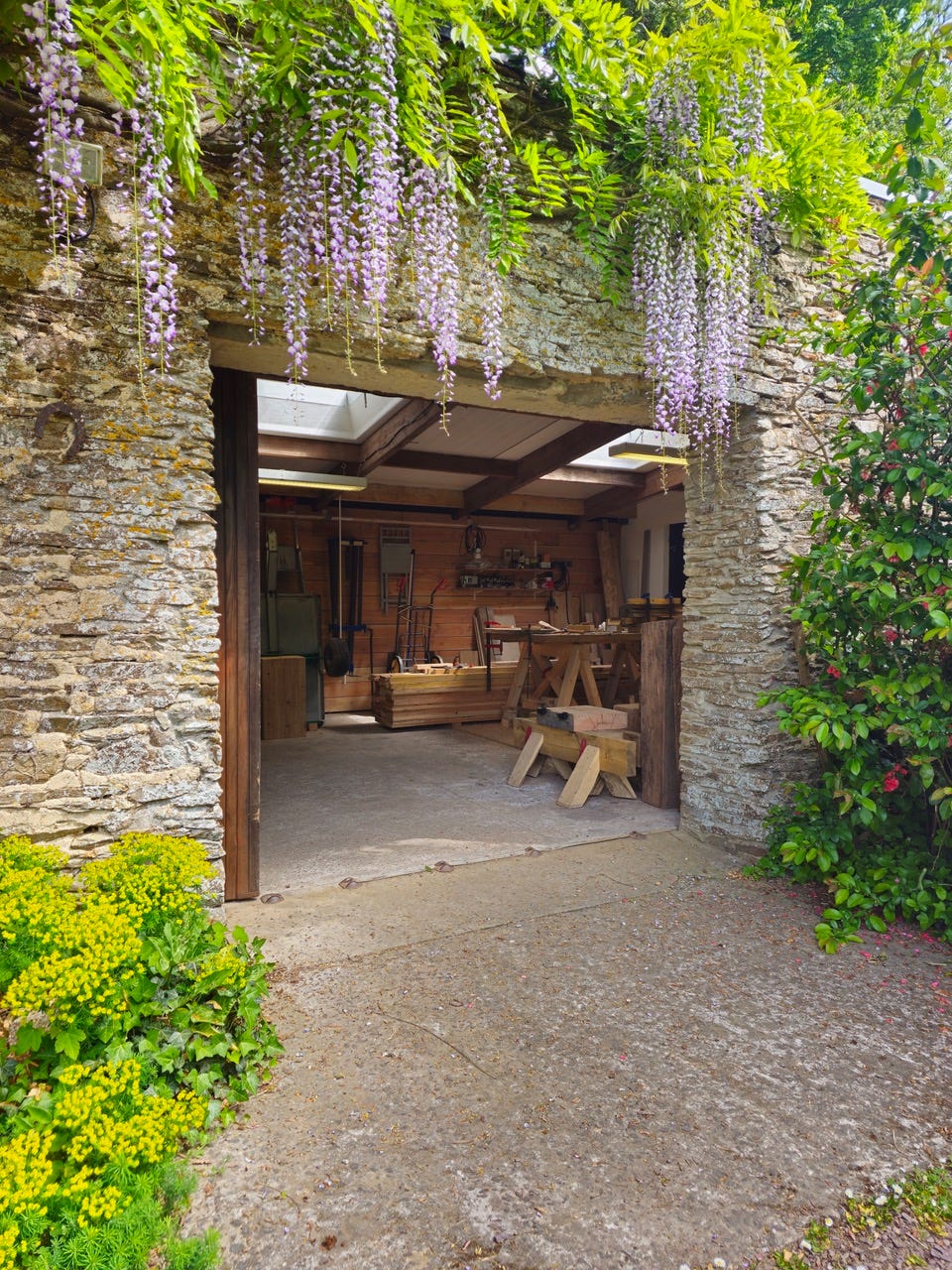
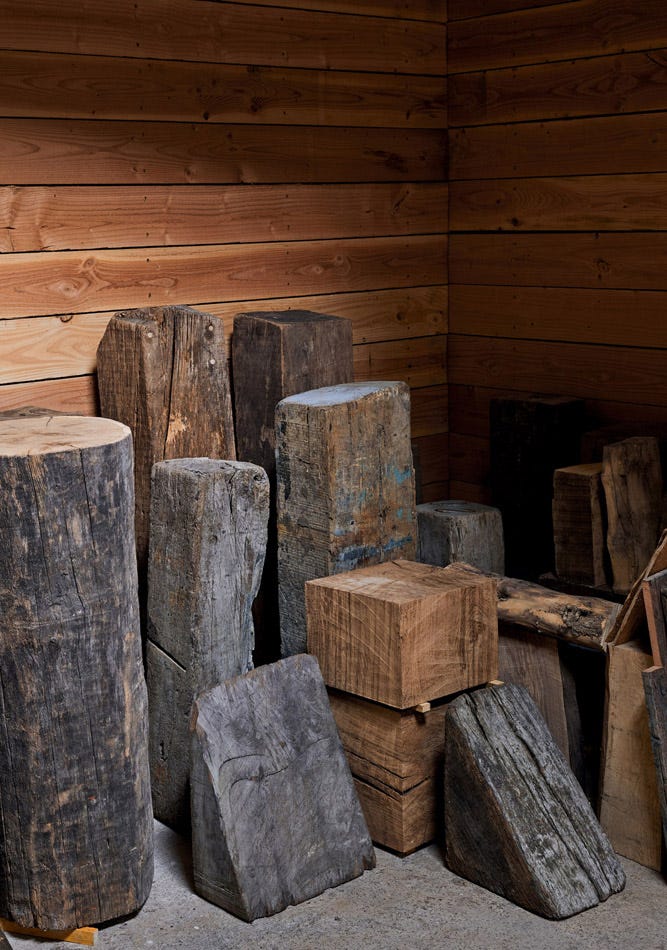
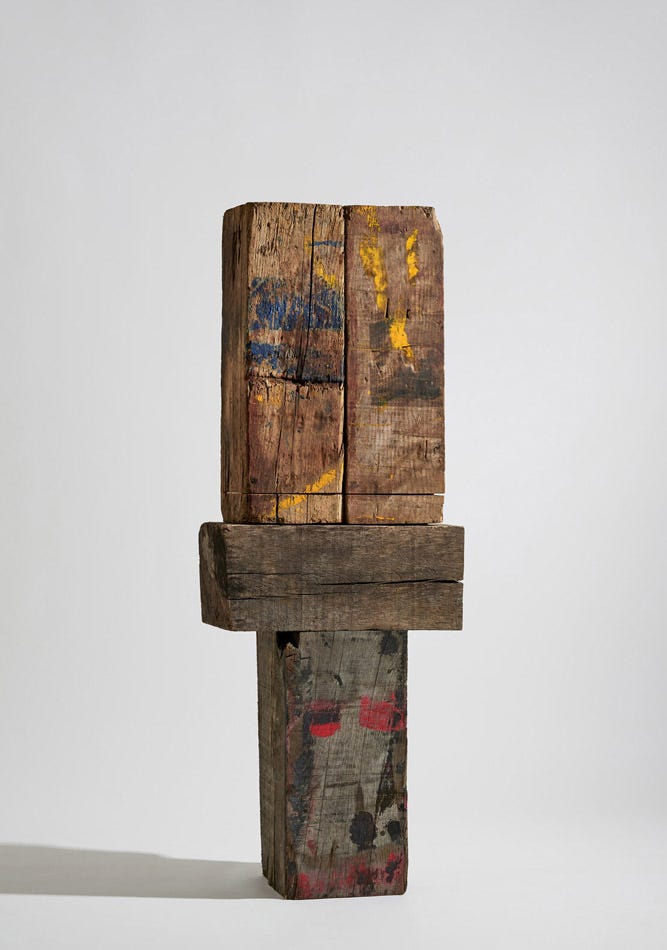
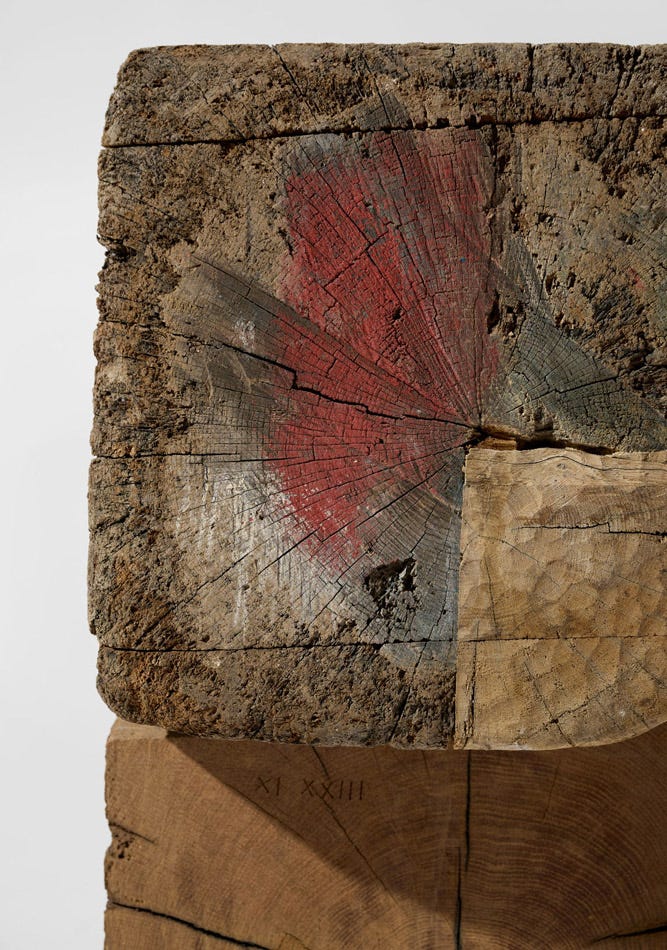
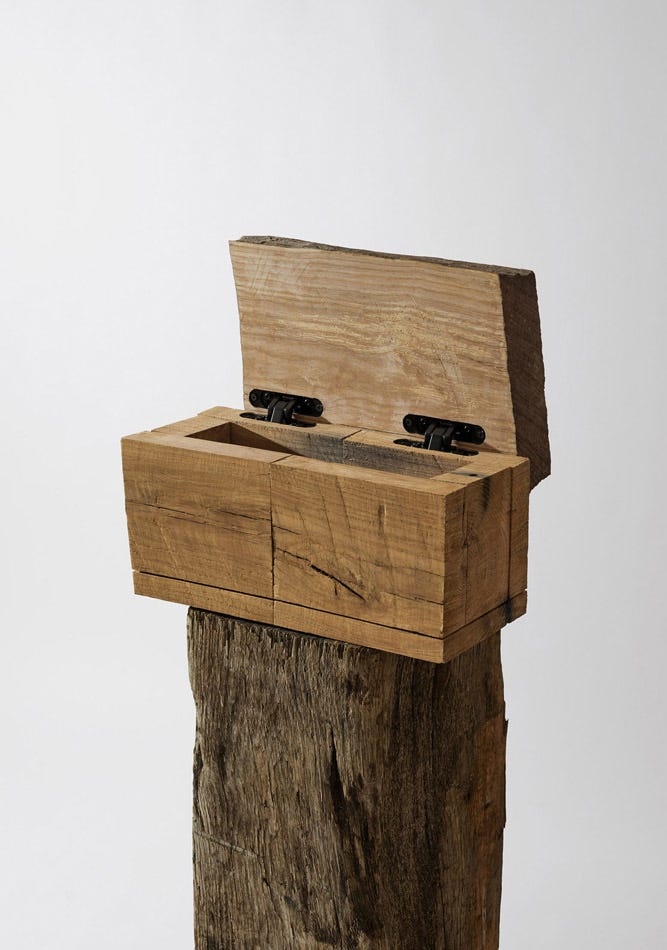
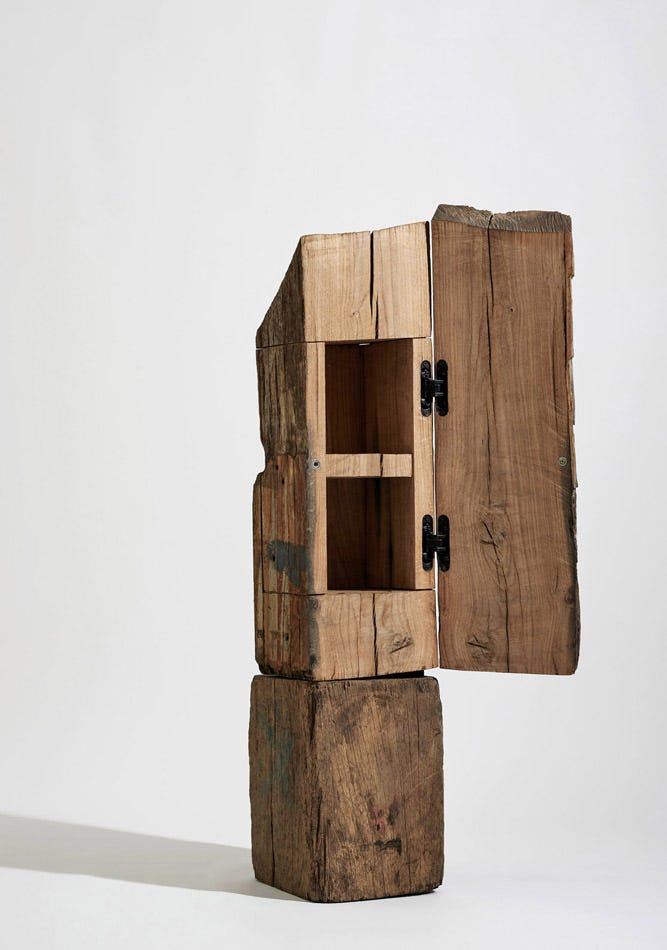
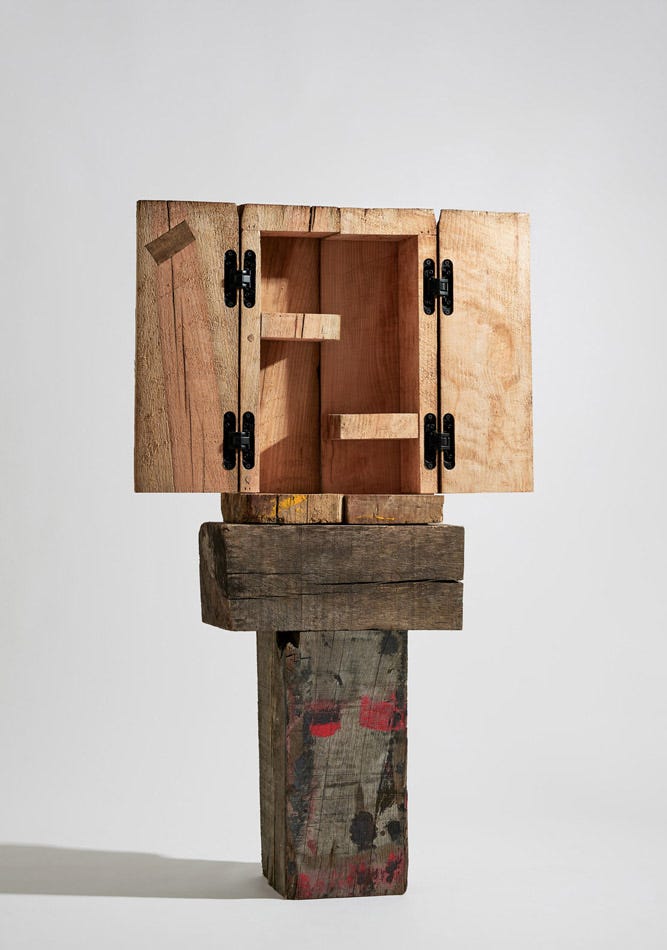
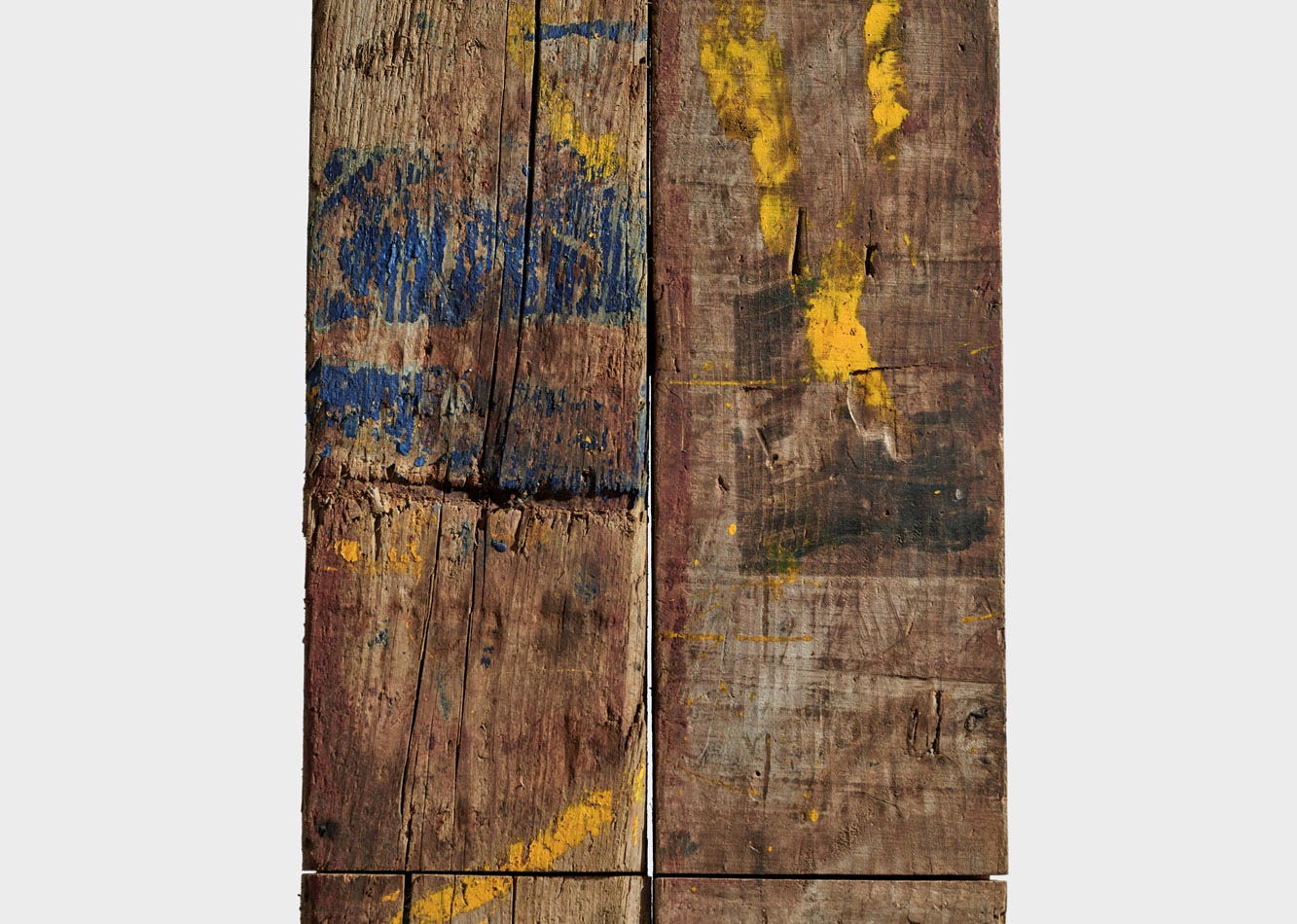
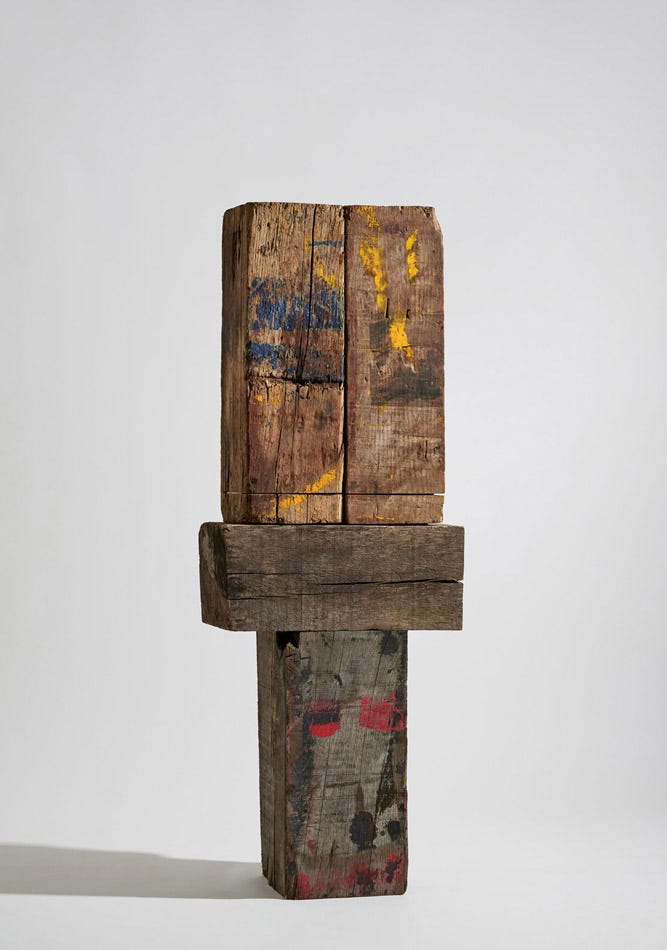
Szekely spent six years developing this collection at his studio in Normandy, creating forty-two functional sculptures from salvaged wood sourced from a local shipyard. His guiding principle draws on the construction of a traditional Chinese coffin from six wooden boards. Each of his pieces similarly begins with a single solid board, cut into six parts and assembled into a cabinet. “In my eyes,” he says, “these pieces of wood are a treasure, and I feel obligated to keep them as close as possible to their original condition, each with its own characteristics of shape, color, and variety of wood; never modifying them beyond a certain limit, at the risk of dispelling their inherent power.” Giving the wood a new life becomes an act of preservation as much as transformation.
Szekely’s work has been the subject of major museum exhibitions, including presentations at the Centre Pompidou in 1996 and 2011, the Musée des Arts décoratifs et du Design in Bordeaux in 2018, and the Musée national Adrien Dubouché in Limoges in 2022. For his final collection, however, he has embraced a deeply personal process of making, presented in an equally intimate setting.
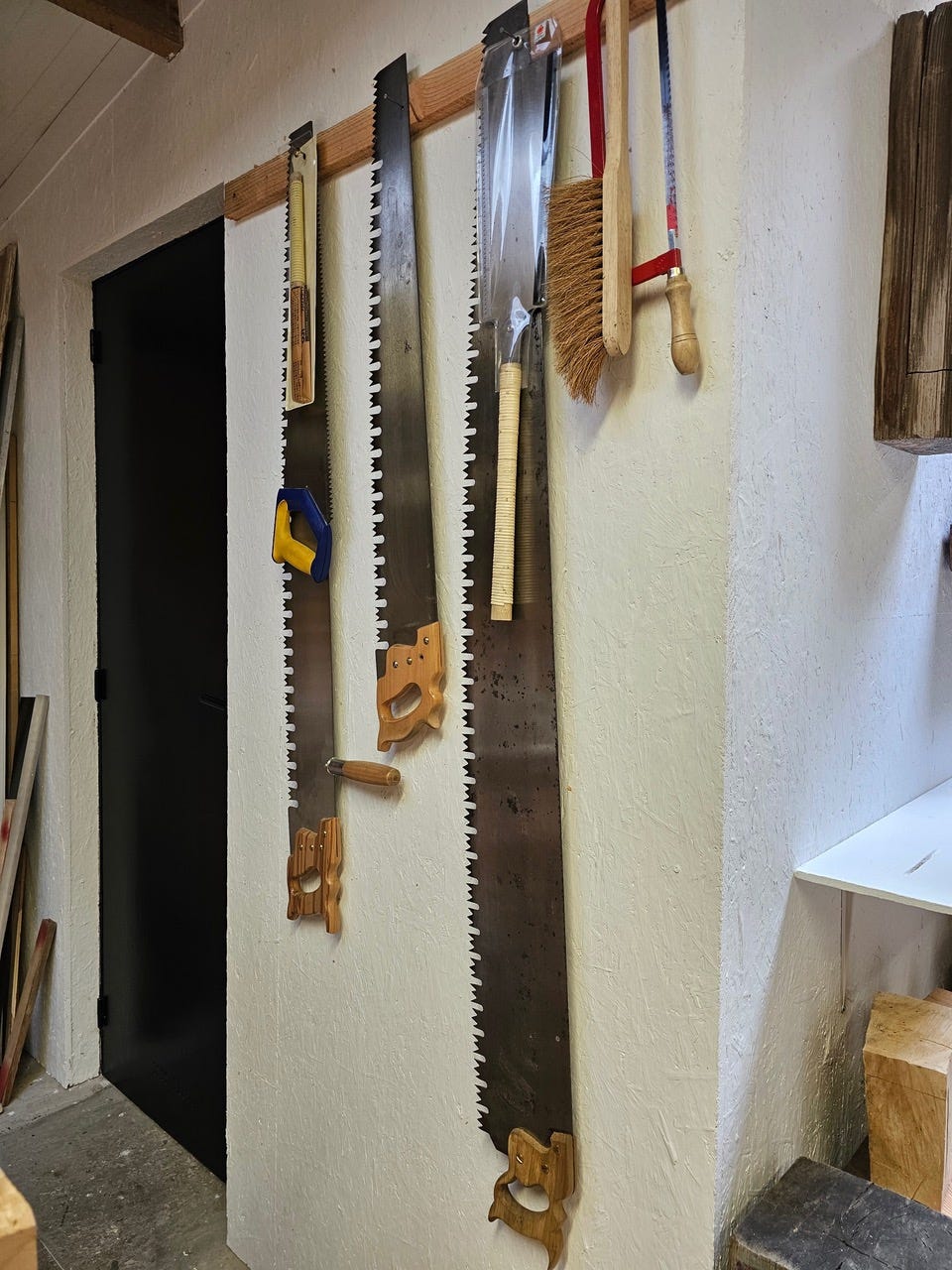
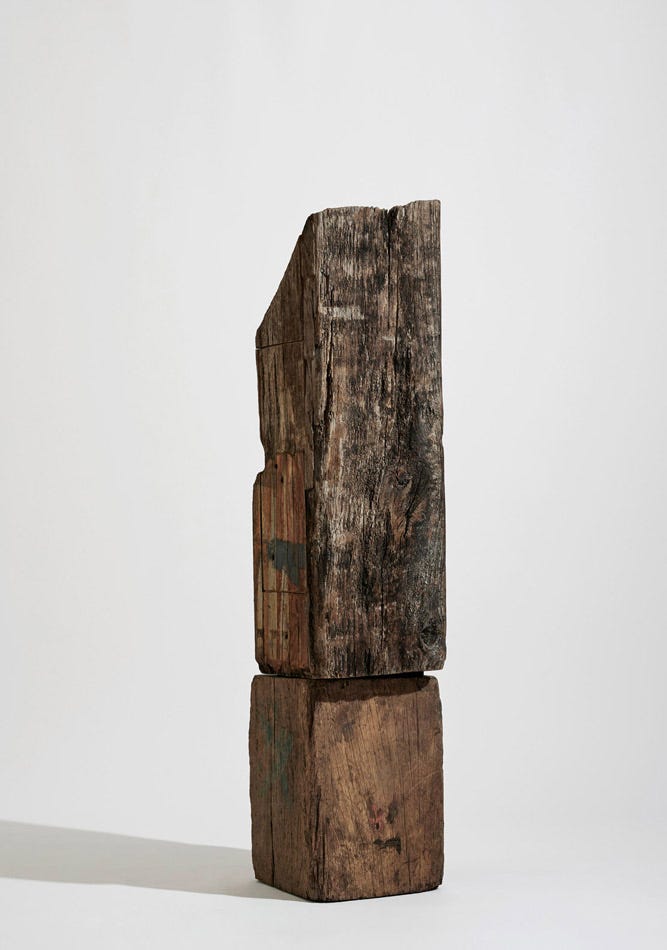
Within the small gallery, the works draw their power from their extraordinary unity, purity, and restraint. Many of his earlier pieces have sleek surfaces and a polished precision; here, the wood is rough, weathered, and expressive, its character preserved through meticulous workmanship. Having previously entrusted the fabrication of his designs to expert makers, Szekely has made every piece in this collection himself. The process brings him back to the woodworking skills he acquired during his training, giving this final chapter the poignancy of a return to beginnings.
At first, the pieces appear to be autonomous wooden sculptures. Closer inspection reveals their unexpected functionality: each is a cabinet, its interior concealed within the sculptural form. Each has a purpose, emerges from a shared method of construction, and contributes to the coherence of the whole. The tension between an objective logic of making and personal expression, so central to Szekely’s work, feels especially moving here.
Galerie Signé is an apt setting for this exhibition. Founded just five years ago by Maxime Bouzidi, who also shapes its curatorial vision, the gallery brings a scholarly, research-based approach to contemporary design, offering fresh perspectives on the objects and ideas that define our time. It is an approach I have long wished to see more widely represented in the field, and one that recalls the rigor of Galerie kreo, where I first discovered Szekely’s work twenty years ago.