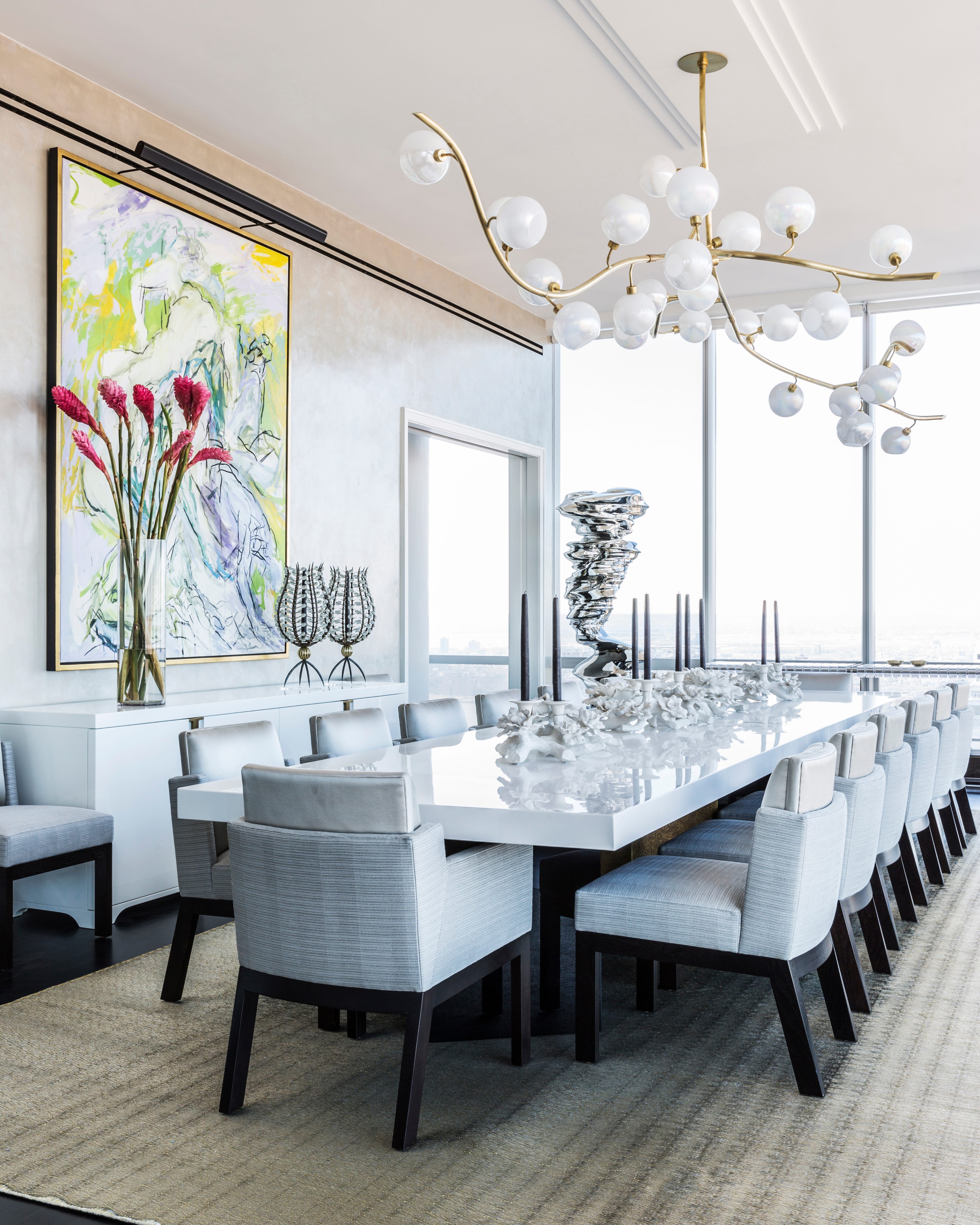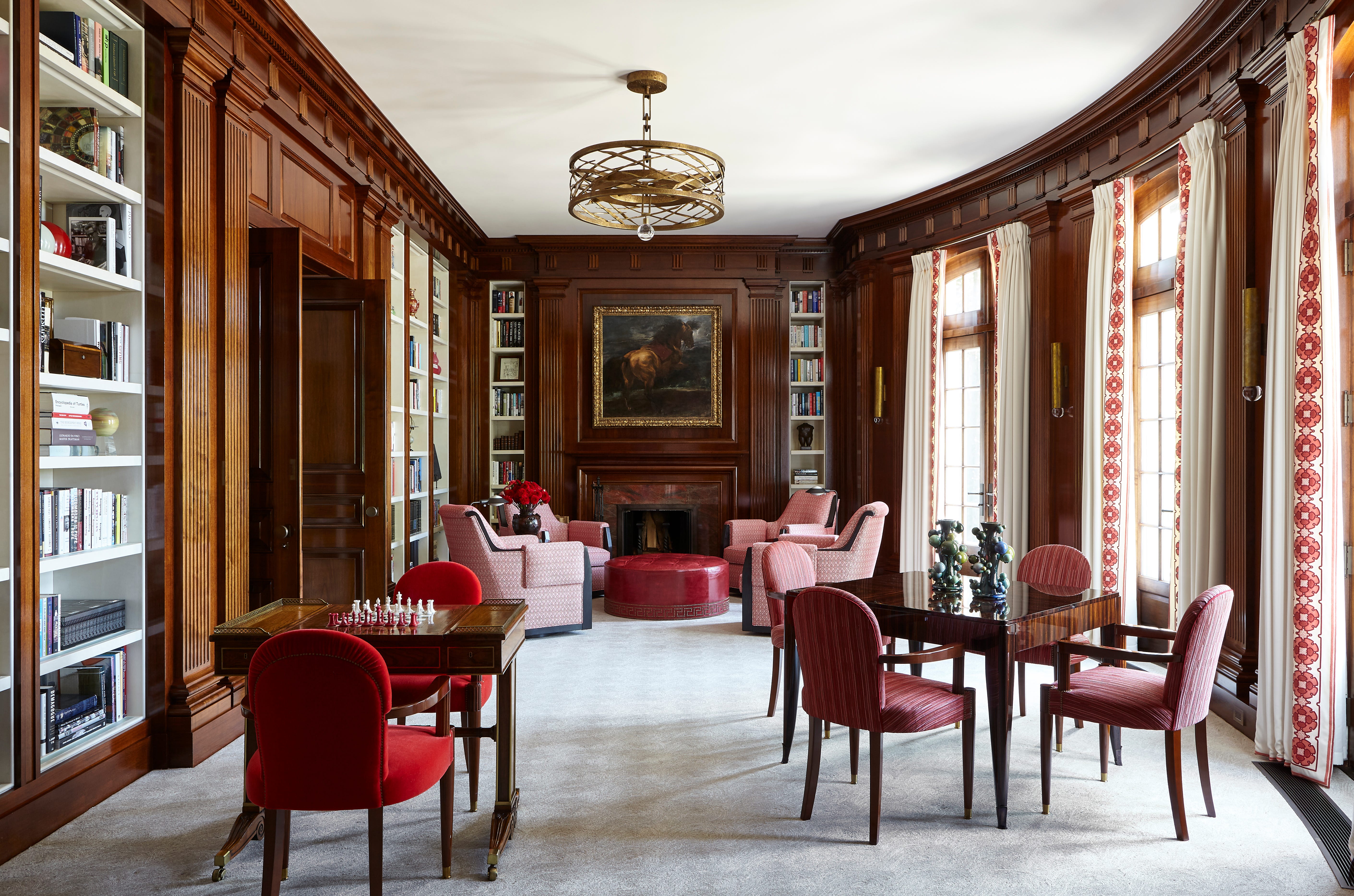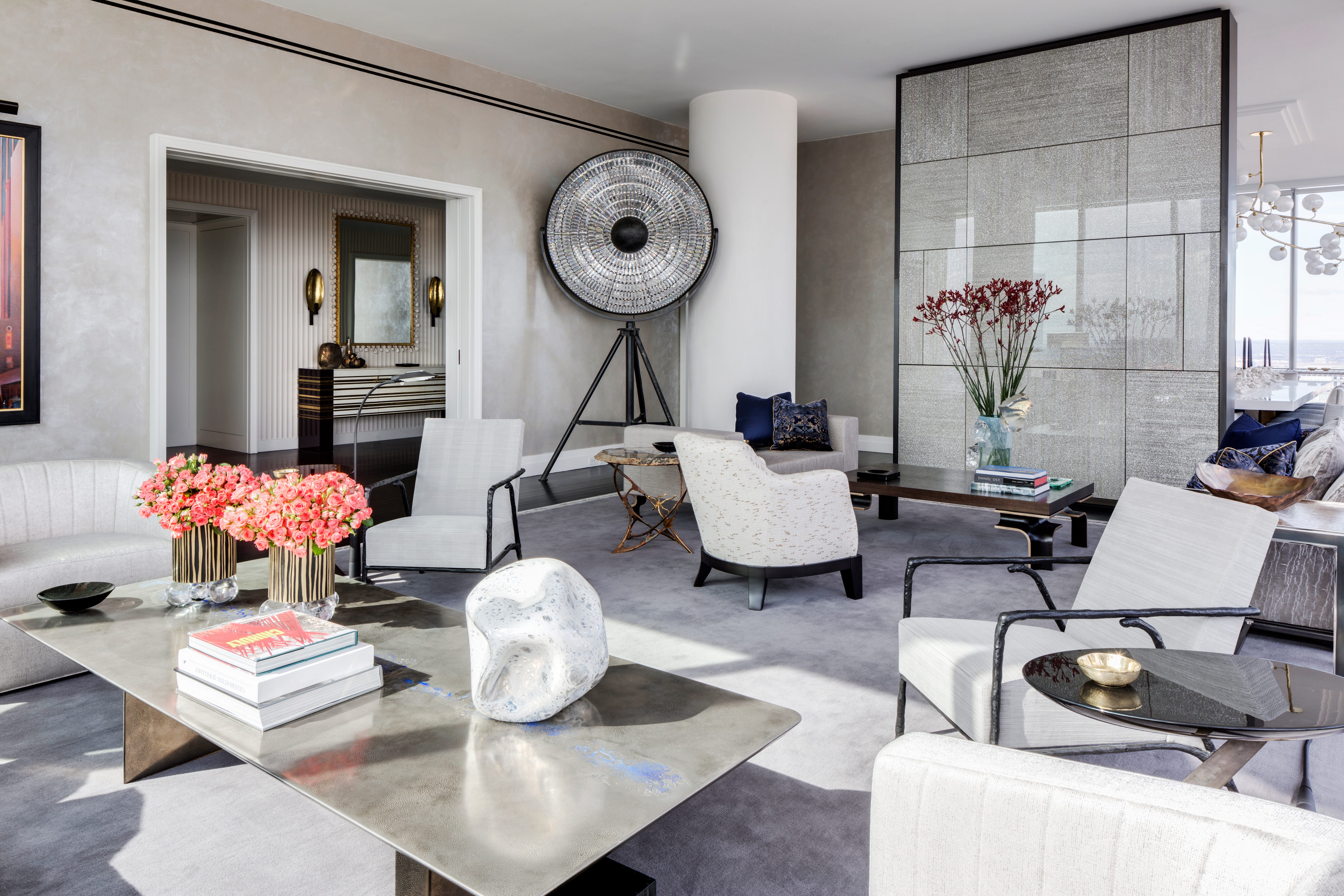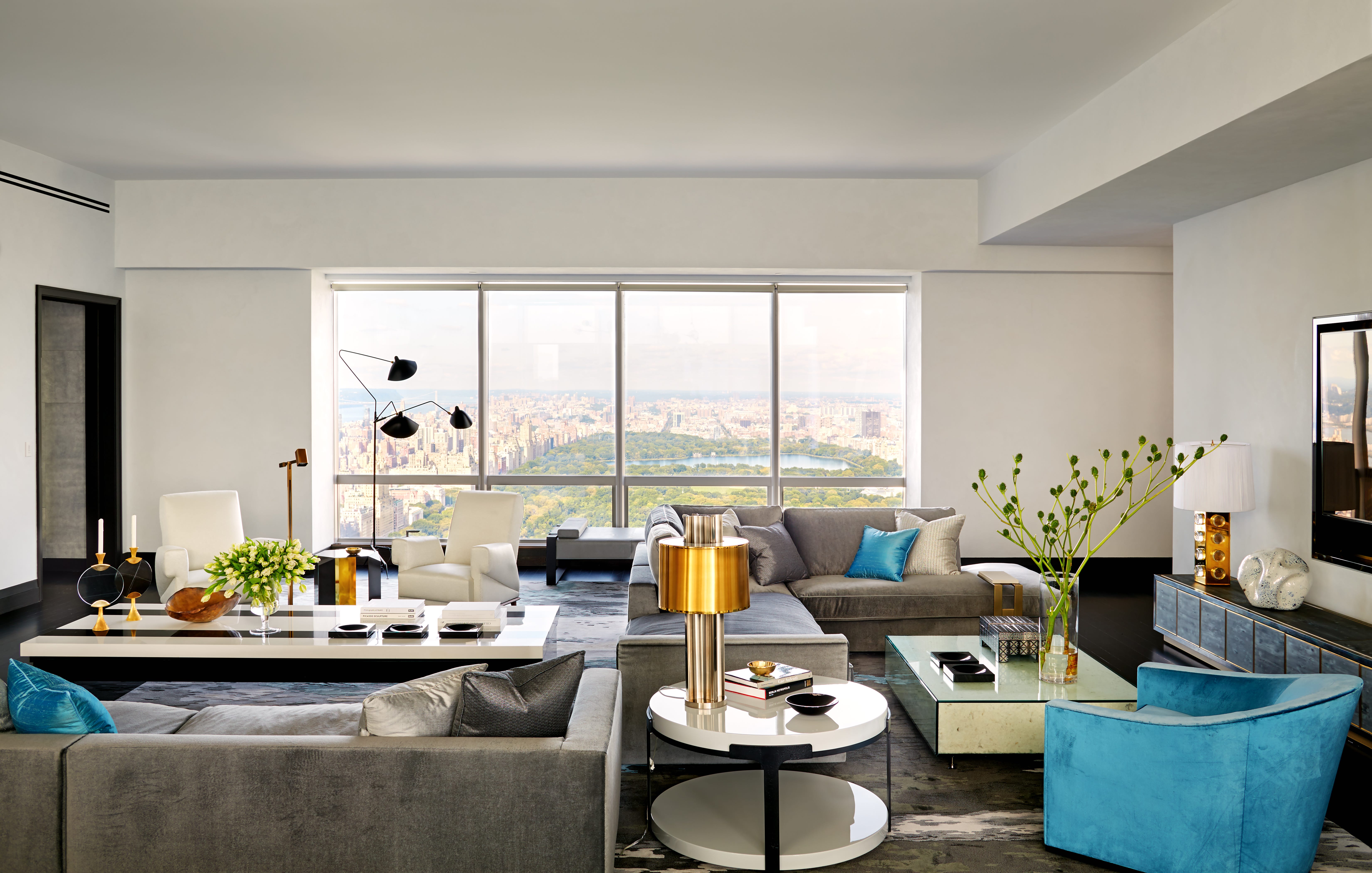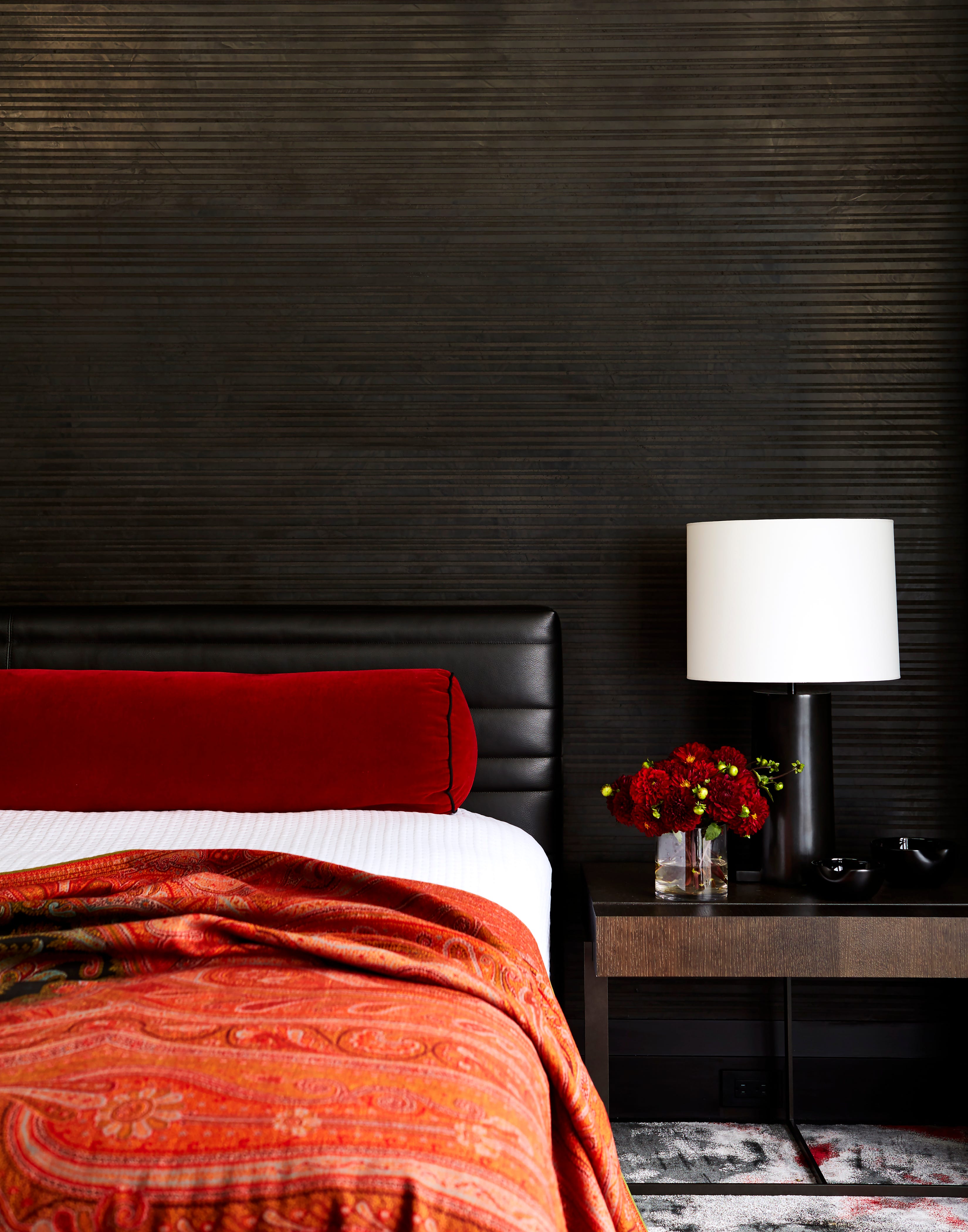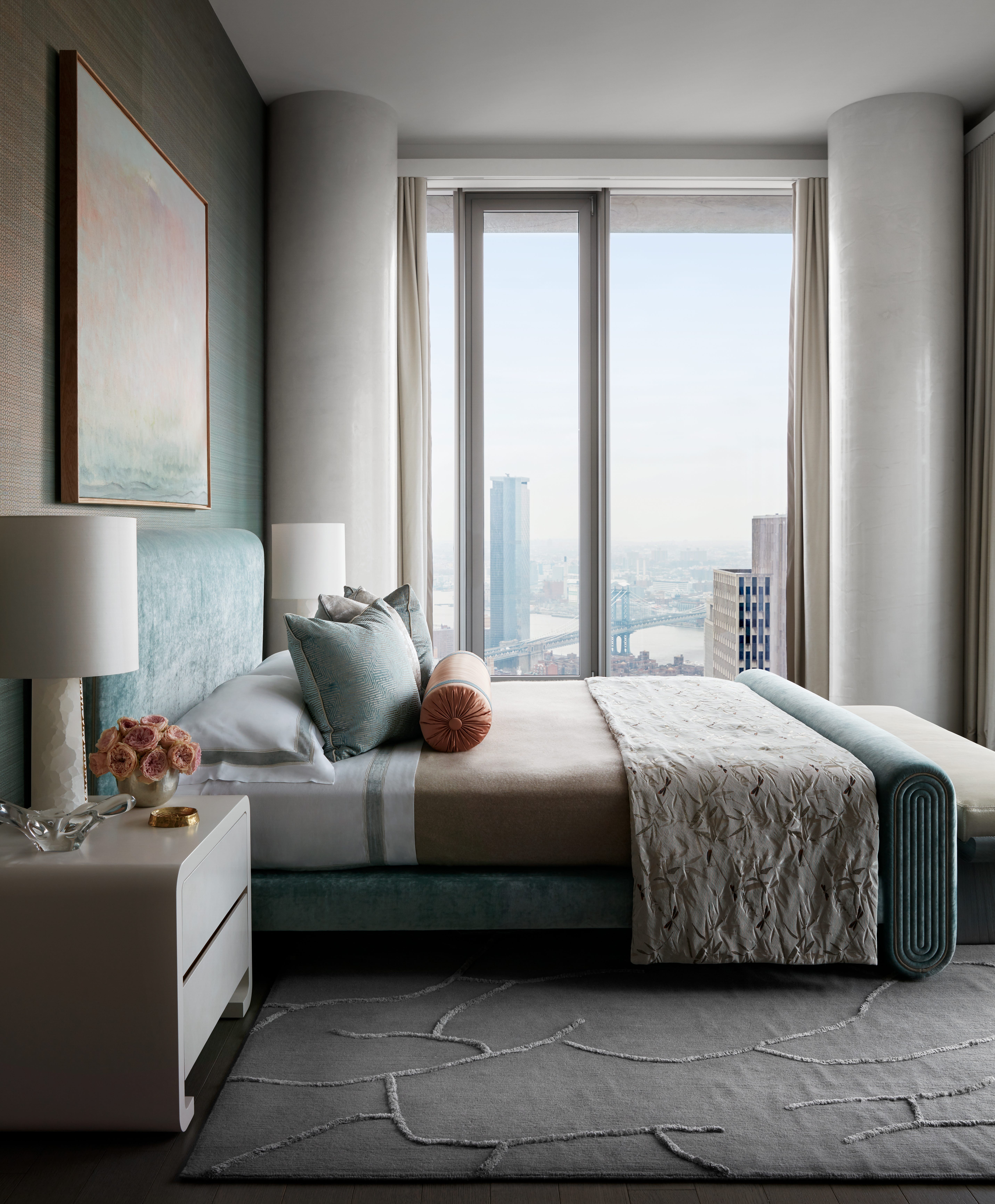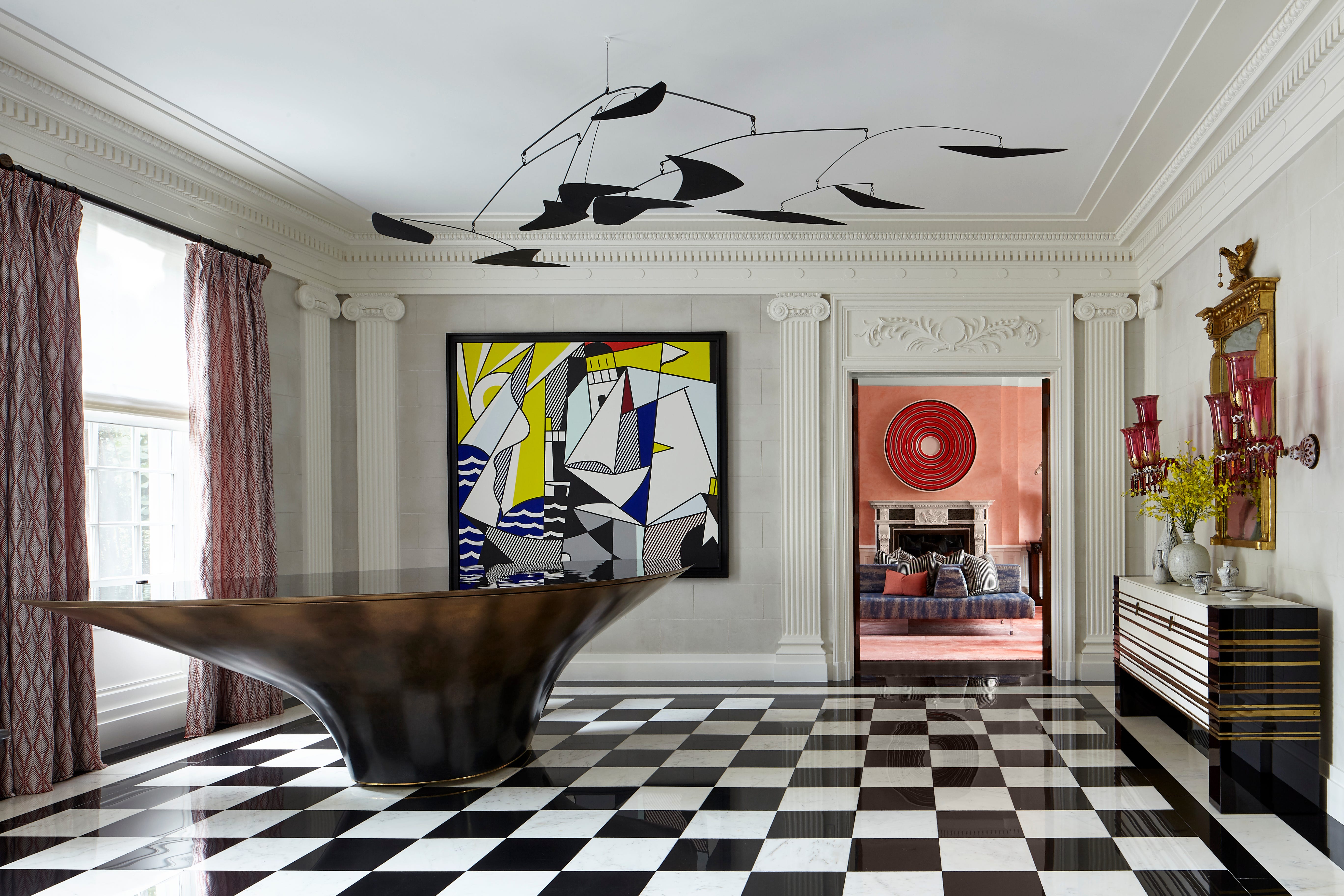
I don’t know why it took me so long to invite interior designer https://jamiedrake.com/ for a live conversation. I’ve followed his work for years, but it was only when I began looking closely at his interiors and tracing the story of his career that I understood what gives his rooms their power and him, the position of one or the leading New York decorators. After more than four decades in practice, Drake still crafts interiors that always feel fresh and contemporary, constantly exploring modes and remains completely relevant. His eye for collectible and artisanal furniture, art, and crafts, is evident in the way he chooses objects and in the way he places each one in spaces. What struck me most was his warmth and the ease with which he shared insights that had taken him decades to acquire. He is so open and personable, no wonder that his clients keep coming back to him. You sense his years of experience in the ease with which objects from different periods share a room, as they always look effortless.
Drake wants his interiors to always have a personality, that reflects the people who live in them. He pays attention to his clients’ tastes, interests, and daily routines, right down to how tall they are. The range that comes from working this way is extraordinary, across very different rooms, you recognize his voice. Some of his rooms are saturated with color, while others are nearly monochromatic. He brings antiques, twentieth-century design, and contemporary pieces into settings as varied as city apartments, country houses, and public commissions. His interiors are often described as glamorous, but the word that keep coming back to me is rather polished.
We began our conversation with a visit to Drake’s own apartment, as a home, and particularly a designer’s home is one of the most revealing expressions of who they are and substantial expression of their identity. His is in Annabelle Selldorf’s tower at 200 Eleventh Avenue, with its iconic dark terra-cotta base, clearly recognized in the neighborhood of Chelsea. Known as the Sky Garage, the building has a drive-in elevator that carries residents and their cars from street level to private garages adjoining their apartments.
Drake’s apartment tells us a great deal about how he thinks. When you buy good art and furniture, which you love, they can move with you from one home to the next, taking on new meaning in each setting. A few spots of bright colors, which he calls “brushstrokes,” can enliven an entire room, and when it comes to the selected pieces of furniture, Drake believes that every room needs something that will “put a smile on someone’s face,” whether it’s amusing, intriguing, or unexpected. In his living room, Pedro Friedeberg’s surrealist Hand Chair and Thomas Ruff’s vividly colored Substrat 24 do just that. For him an interior is something to return to and change as you live with it.
One of Drake’s most prolific public commissions was the restoration, renovation and redecoration of Gracie Mansion, the official residence of New York City’s mayor, for his longtime client Michael Bloomberg. For the 1799 country house, Drake, who worked on it in collaboration of the Gracie Mansion Conservatory, drew on historical research to select fabrics, trims, and American Federal furniture. He gave the public rooms distinct palettes, from patent yellow in the parlor to vivid turquoise in the library and Wedgwood blue in the ballroom. In the dining room, he retained the remarkable Zuber scenic wallpaper from Albert Hadley’s earlier scheme. The rooms have the formality you would expect of an official residence. He remembers how on the first anniversary of 9/11, the deadline for the Gracie Mansion and the way in which this project has allowed him to contribute to the recovery of Manhattan after the tragic attacks. He tells how on that morning, his staff and the Gracie Mansion’s staff gathered on the front porch, held hands, and observed a moment of silence. What an emotional and memorable moment.
Growing up in Woodbridge, Connecticut, Jamie Drake knew by the age of eight that he wanted to become an interior decorator. Decorating was already part of his family history. His father’s first cousin, Yale Burge (1917–1972), was a prolific decorator and antiques dealer who took Angelo Donghia into his firm as a partner. After his death, Donghia made his name designing the restaurant and bar of the Metropolitan Opera Club at Lincoln Center. Years later, Drake interned with him during his time at Parsons School of Design the power of drama in interior décor and how to develop and clear vision as well as the attention to details and the art of creating polished spaces. Today, he knows that a home, however polished it is, should reflect how the people who live there actually like to live.
I believe that studying the work of earlier decorators is one of the best ways to develop an eye of one’s own. That knowledge brings depth to a designer’s work, and you can see it in Jamie Drake’s richly layered interiors. Among his principal influences is the British decorator Syrie Maugham (1879–1955), who made all-white rooms fashionable in the late 1920s and gave them a theatrical character with surreal objects and Baroque accessories. “I have an appetite for all styles and modes,” he says. That wide-ranging appetite is part of what makes Drake one of New York’s most distinguished interior designers. He’s a powerhouse who speaks about his work with remarkable humility and shares what he’s learned with an easy generosity.