


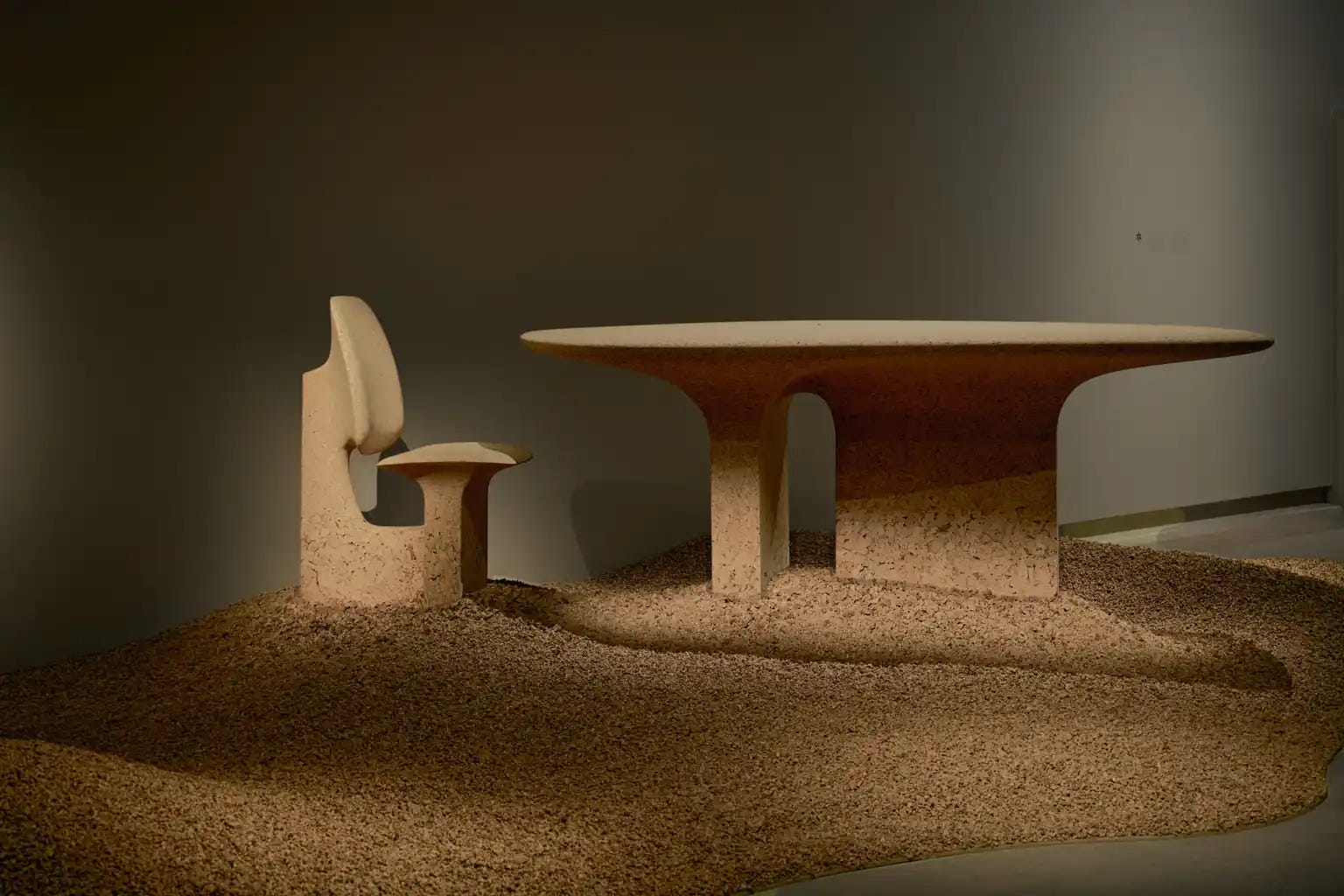
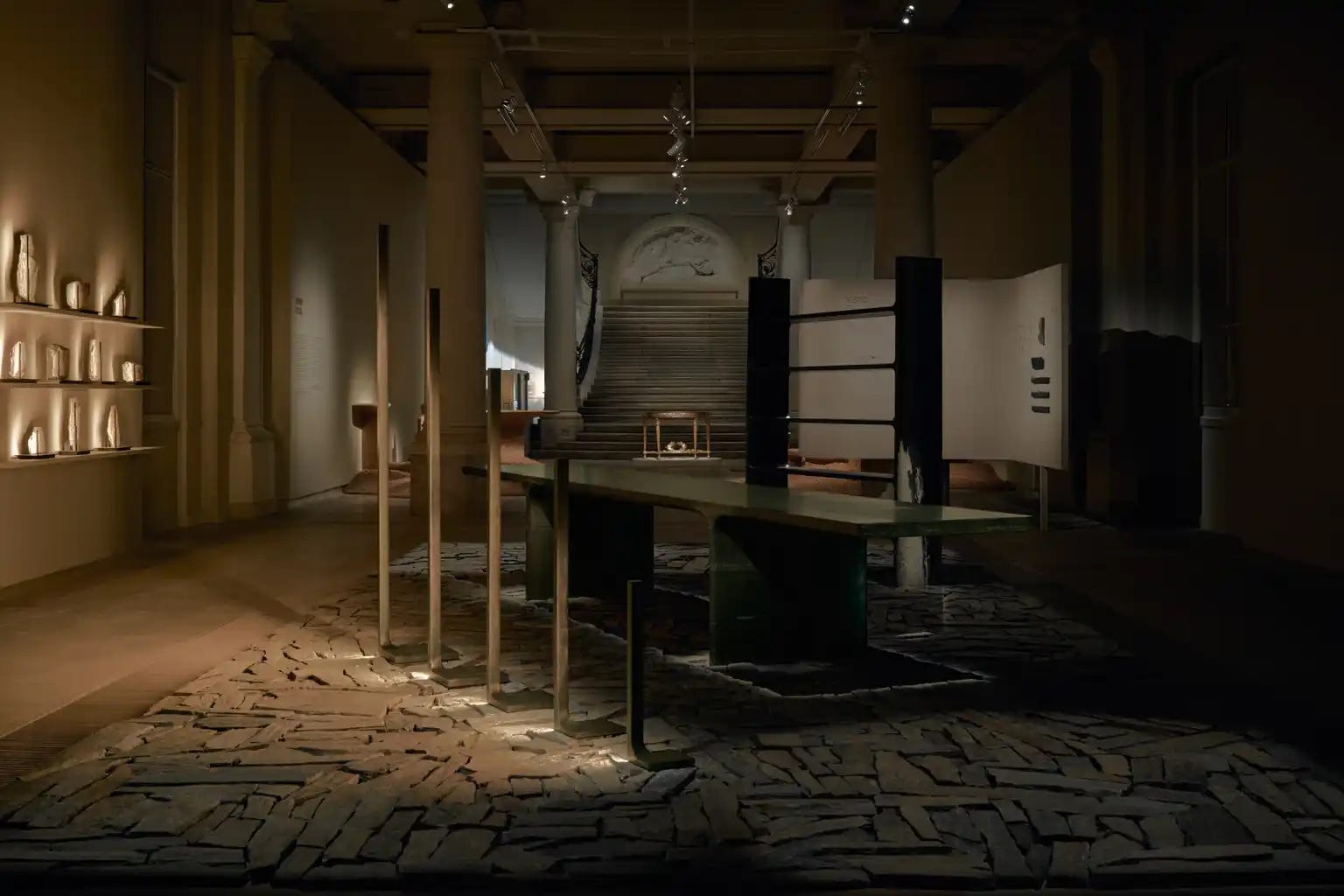
The eternal question in contemporary design persists as we move through the third decade of the 21st century: what comes first, the design or the place? Both approaches coexist, and both help define the design of our time. For French designer Noé Duchaufour-Lawrance, moving from France to Portugal nearly a decade ago transformed his vision, making place the starting point of his creative process. His solo exhibition, Made in Situ, now open at the Mobilier National, brings together seven collections developed over seven years. They reveal a practice rooted in particular landscapes, guided by local materials, and inspired by nature. Certainly one of the best design exhibitions in Paris right now, it demonstrates how authenticity and storytelling in objects begin with a deep engagement with a place—its landscapes, materials, craft traditions, and people. “The knowledge and the hand of the artisan,” he says, “is what shapes each piece I draw bringing them to life with every skill they have acquired over the years.”
The Mobilier national is one of France’s most important and precious institutions devoted to furniture, decorative arts, and craftsmanship. Combining historic collections, working craft workshops, and support for contemporary design, the institution preserves French design heritage while keeping craft traditions alive. Its commitment should serve as a model for countries around the world. It is certainly a place every design lover should know—and know well. The decision to give Duchaufour-Lawrance the expansive spaces of the historic Galerie des Gobelins has proved inspired. He has transformed them into a sequence of stories told through objects, materials, and ideas.
I was introduced to Duchaufour-Lawrance’s work long before he relocated to Portugal. His refined, sculptural, memorable objects first captured my attention through their rare sense of form, a quality that has brought him to the forefront of contemporary design. His collaborations range from Dior and Hermès to Saint-Louis, Baccarat, and Yves Saint Laurent Beauté, with such objects as the Manta desk for Ceccotti Collezioni, Ottoman seating for Ligne Roset, and interiors for Air France have helped him to establish a successful career in design. It has given him the freedom to invest in research and bespoke work, both expressed with remarkable ambition in this exhibition. Made in Situ reveals a deeply personal practice in which research, immersion, and encounters with artisans become the foundations of objects that tell stories.
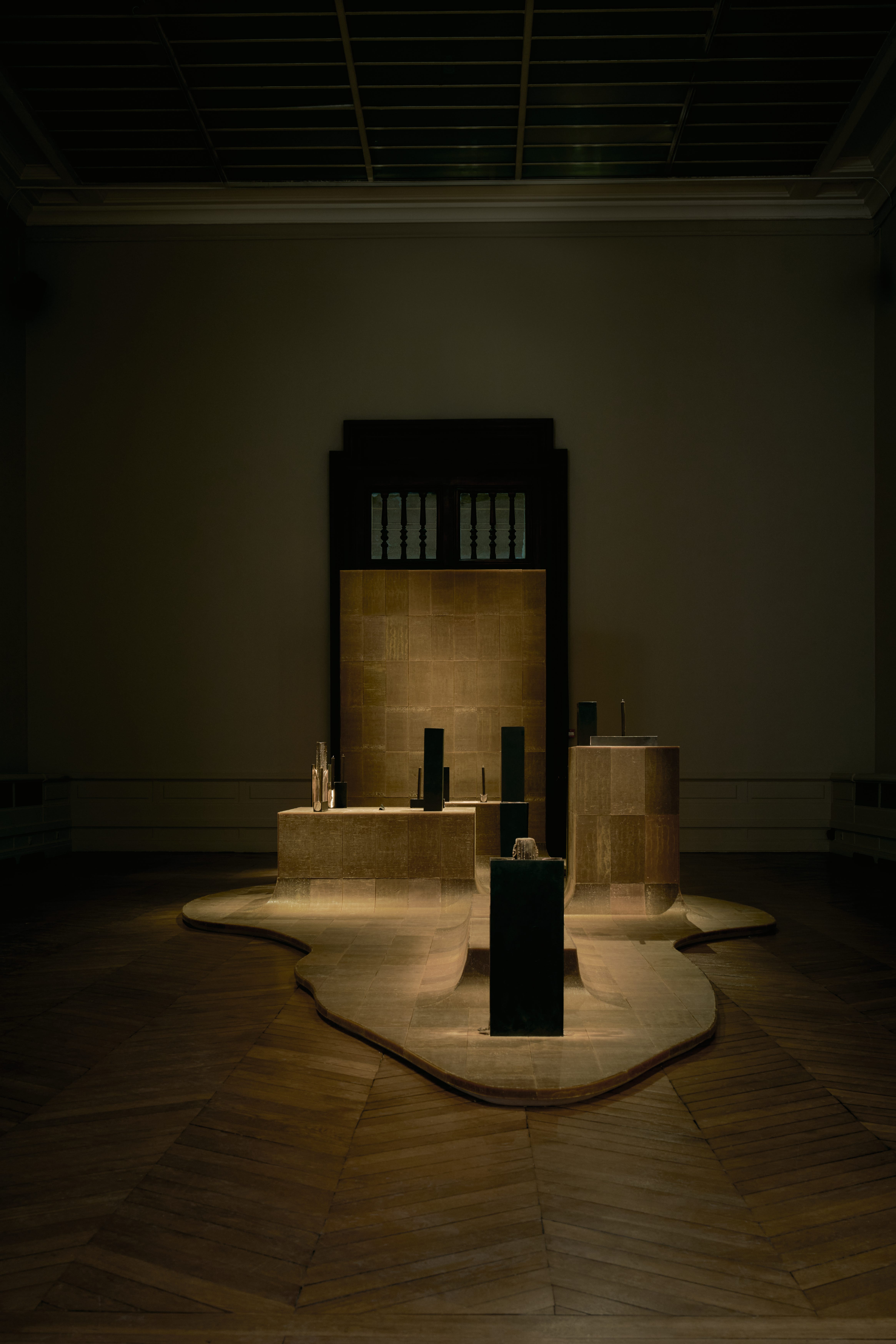
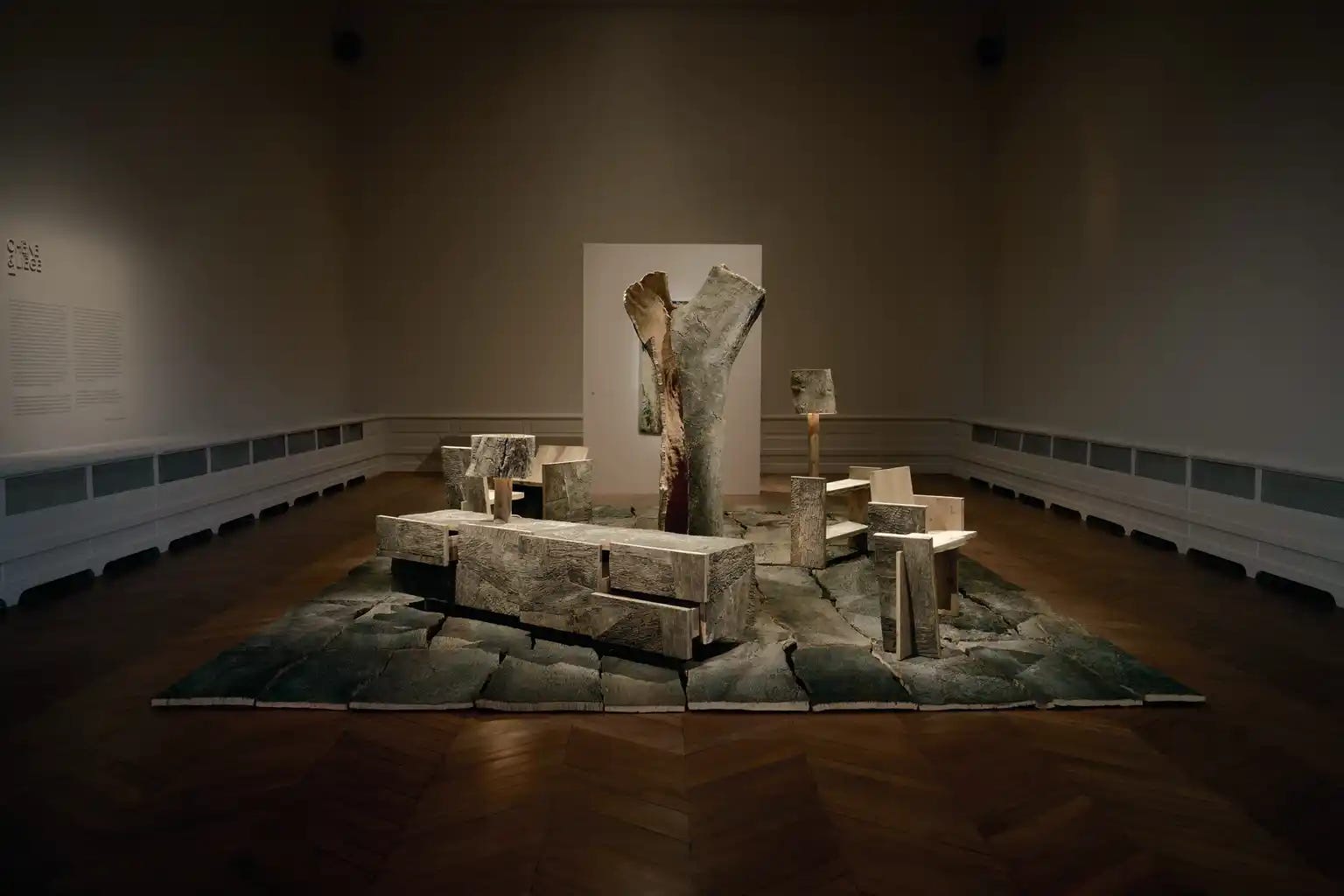
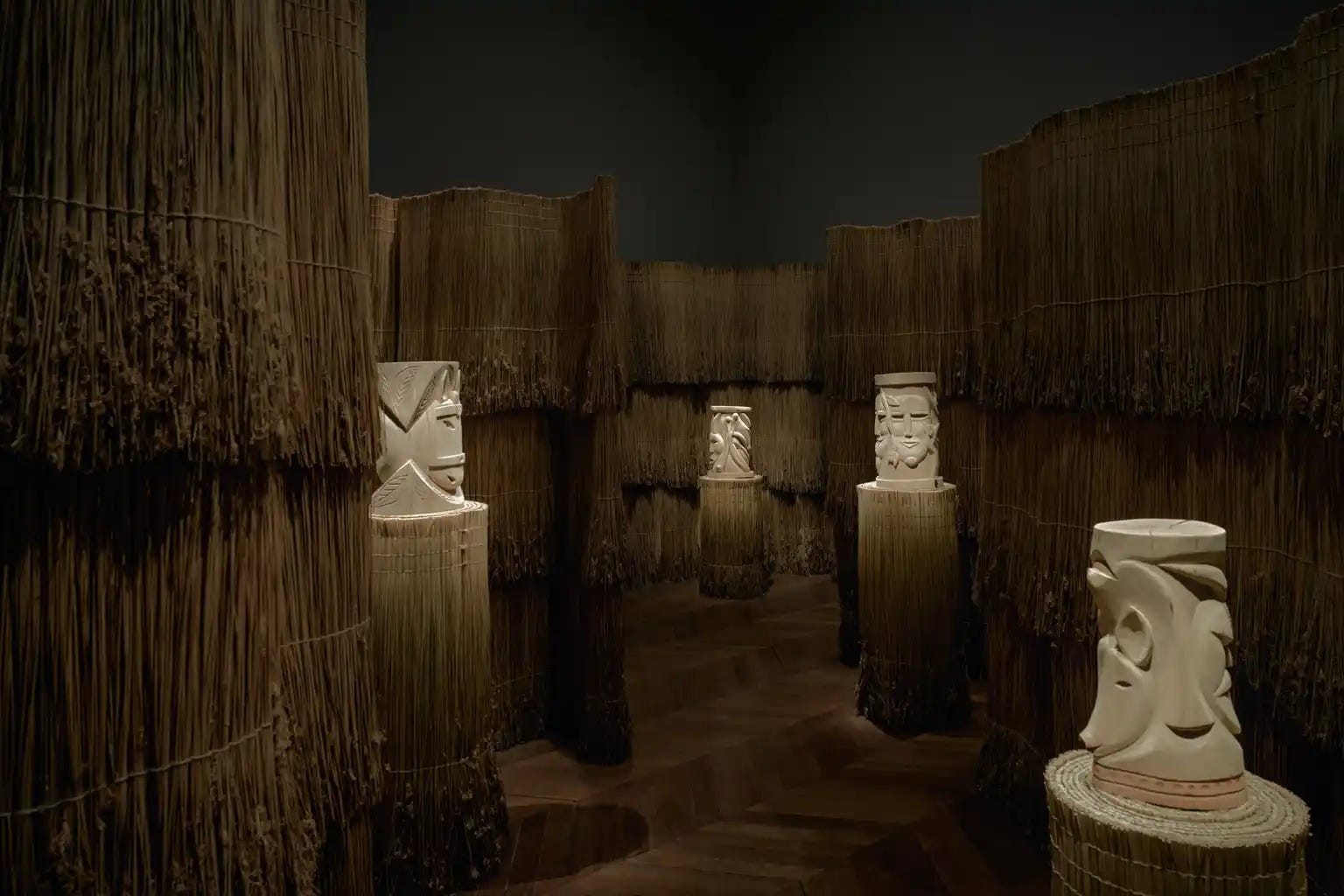
Duchaufour-Lawrance met me at the entrance on a Monday, when the gallery was closed to the public, allowing us to explore the exhibition and its seven collections in depth. Each tells a different story, each grew out of a different place – mostly in Portugal – and each is equally ambitious, intriguing, and inspiring. Together, these projects demonstrate the power of place: how an exploration of geological and biological textures, patterns, materials, and associated techniques can stimulate and ultimately shape a designer’s vocabulary. They affirm my belief that intellectual curiosity and sustained inquiry are essential to meaningful design today. They also invite us to consider how a closer relationship with nature, local materials, and existing craft knowledge can inform a more responsible approach to production.
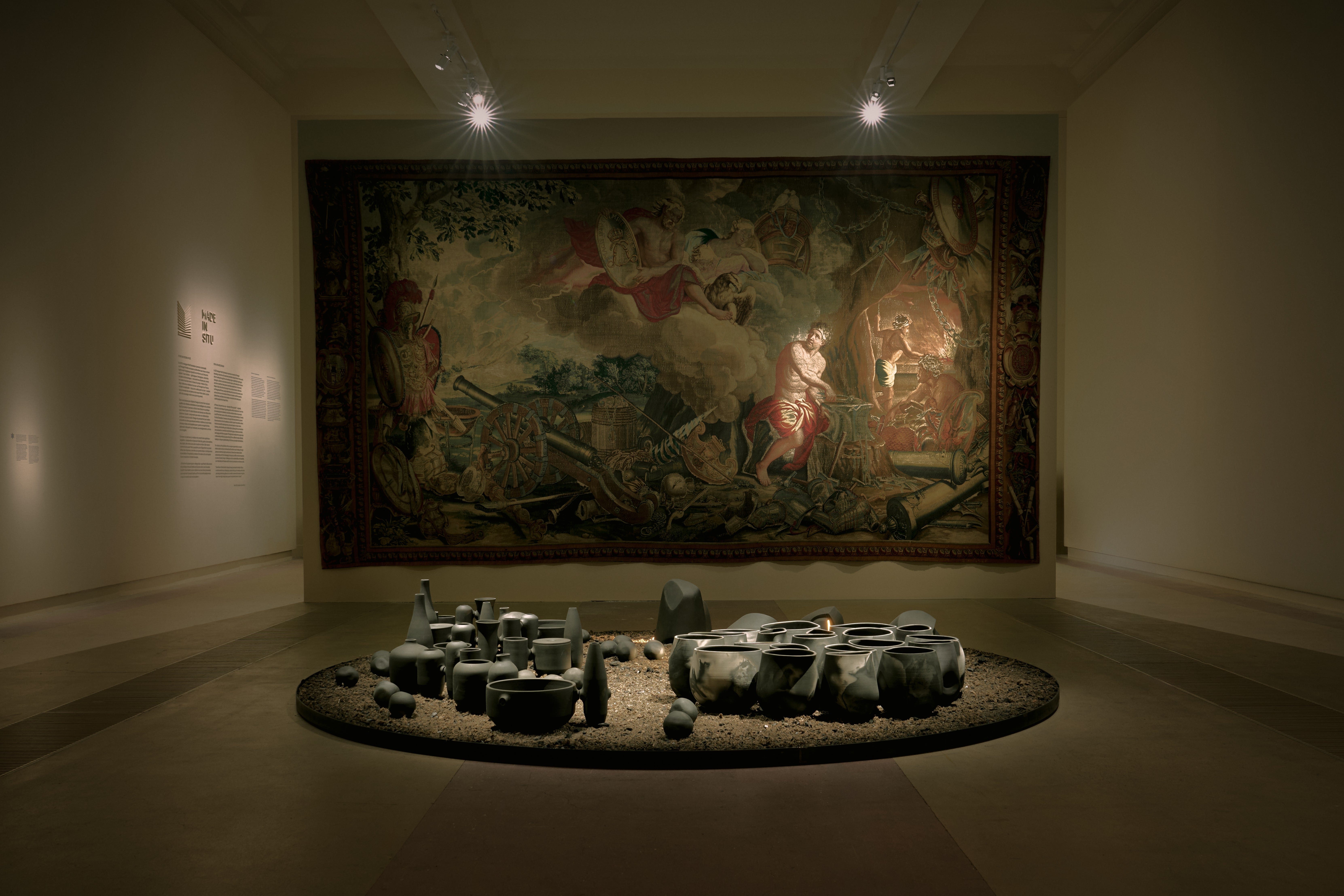
Across clay, stone, cork, wood, wax, metal, and ceramic tiles, the collections tell poetic stories about the communities and landscapes from which they emerged. Each carries a historical narrative; each grew from a sustained conversation with nature. We encounter the black pottery traditions of Molelos in northern Portugal, where clay is fired in the ground using an ancient technique; a beekeeper in the Fátima region; and a tile manufacturer whose collaborations with artists expand the possibilities of a tradition often associated with blue-and-white surfaces. These stories are interwoven with Duchaufour-Lawrance’s own experiences, creating a fascinating expression of contemporary design in which place guides the creative journey. Clémence Farrell’s exhibition design brings these relationships into focus, giving each collection its own atmosphere while revealing the connections between them.
Made in Situ is on view at the Galerie des Gobelins, 42 avenue des Gobelins, Paris, through November 29, 2026.
Woul it be great if you launched your book in Portugal. As we can see we are quite fashionable country and have amazing people living here. 🙂