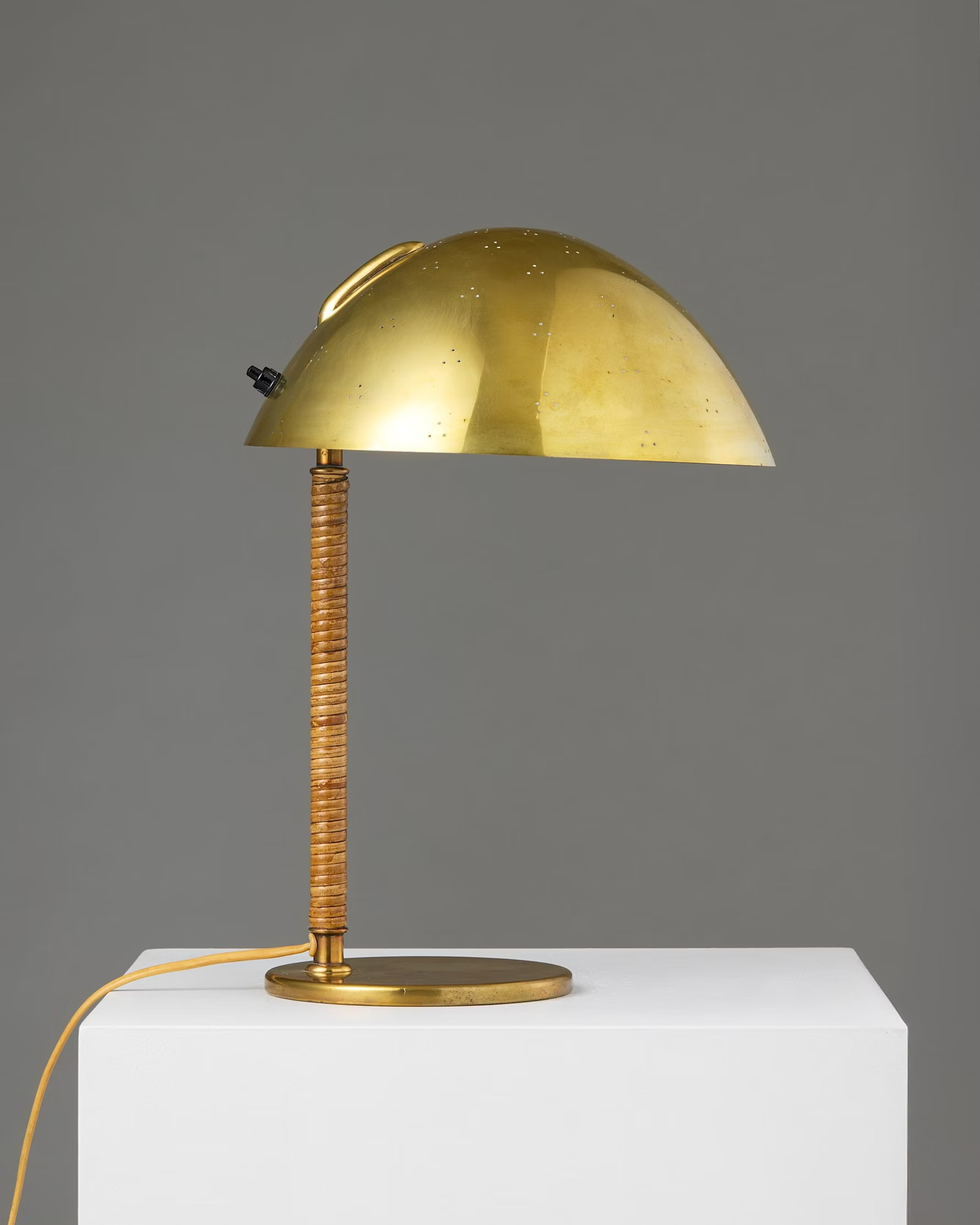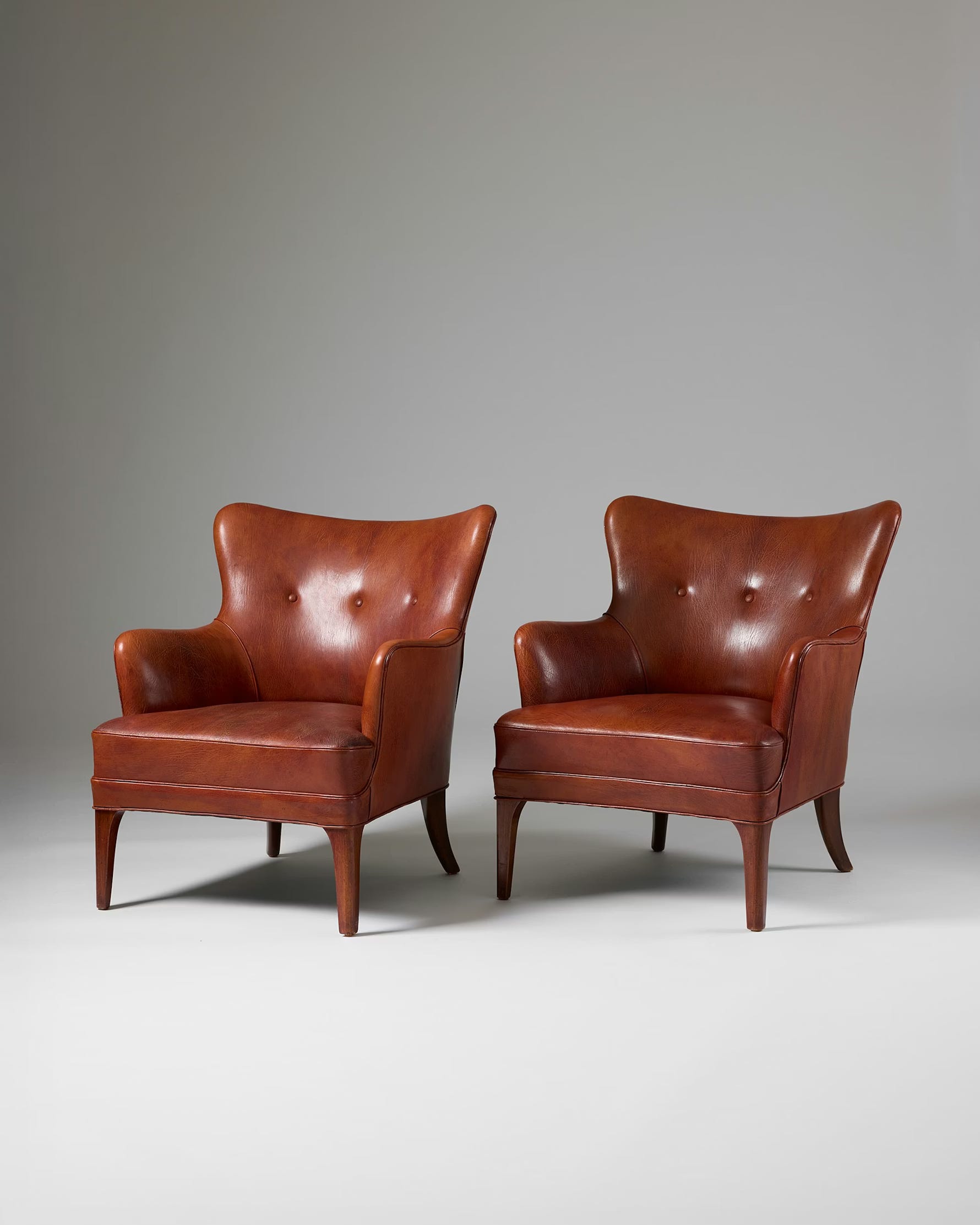
Postwar Nordic design is one of the most complex and beloved segments in the current collectible design market. While it has maintained a consistent presence in the market for the past three decades, its focus and identity have noticeably shifted. With the evolution of scholarship, research, new discoveries, museum collecting, and evolving tastes, this market has become more educated, sophisticated, and discerning. than ever before. What was on the rise twenty years ago has fallen out of favor; including steel furniture by Danish designer Poul Kjærholm, laminated wood pieces by the pair Alvar Aalto and Aino Marsio-Aalto, and quirky objects by Finnish designer Tapio Wirkkala. These have since been largely replaced by masterpieces from lesser-known names, such as Danish furniture designer Grete Jalk, Finnish lighting designer Lisa Johansson-Pape, and the newly discovered Danish woodworker Peder Moos. You must know what and where to buy—expertise in today’s highly specialized, dynamic field is crucial; one must be responsive to discoveries and sensitive to idiosyncratic tastes. The charismatic objects created in the Nordic world in the mid-20th century have been recently seen in some of the most beautiful interiors, published in the leading design magazines. To deepen our understanding of their current place in collecting, I invited Andrew Duncanson as my guest for the series ‘Collecting Design: History, Collections, Highlights.’
Since he founded the famed Modernity Gallery in central Stockholm’s design district nearly three decades ago, Duncanson has become a leading voice in collectible Nordic design. He was among a handful of pioneers who began to excavate classic Nordic design during the 90s, when it had been forgotten for decades and considered outdated and banal, excluded from the design conversation, collectintg, chic interiors, and academic and semi-academic literature. He has witnessed it rise from the ashes like the Phoenix, and was among those responsible for the renewal of interest and for injecting a new and vibrant spirit into an entire chapter in the story of modern design by those who pushed boundaries and caused people of their generation to see design in a new light, reclaiming its lost glory. He was at the forefront of that turning point—of the shifts, and the ups and downs—of Nordic design, and was thus able to analyze the current face of the market.
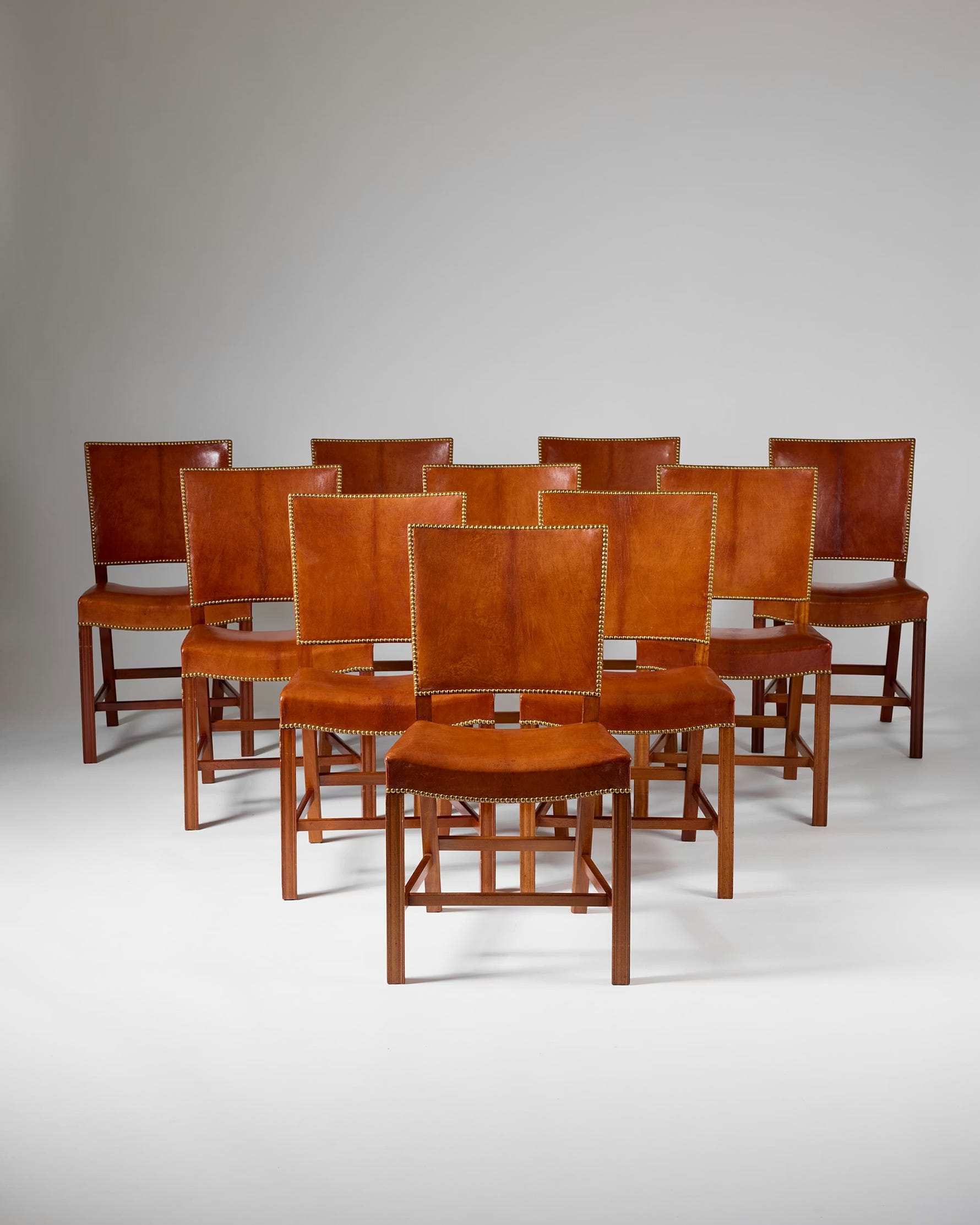
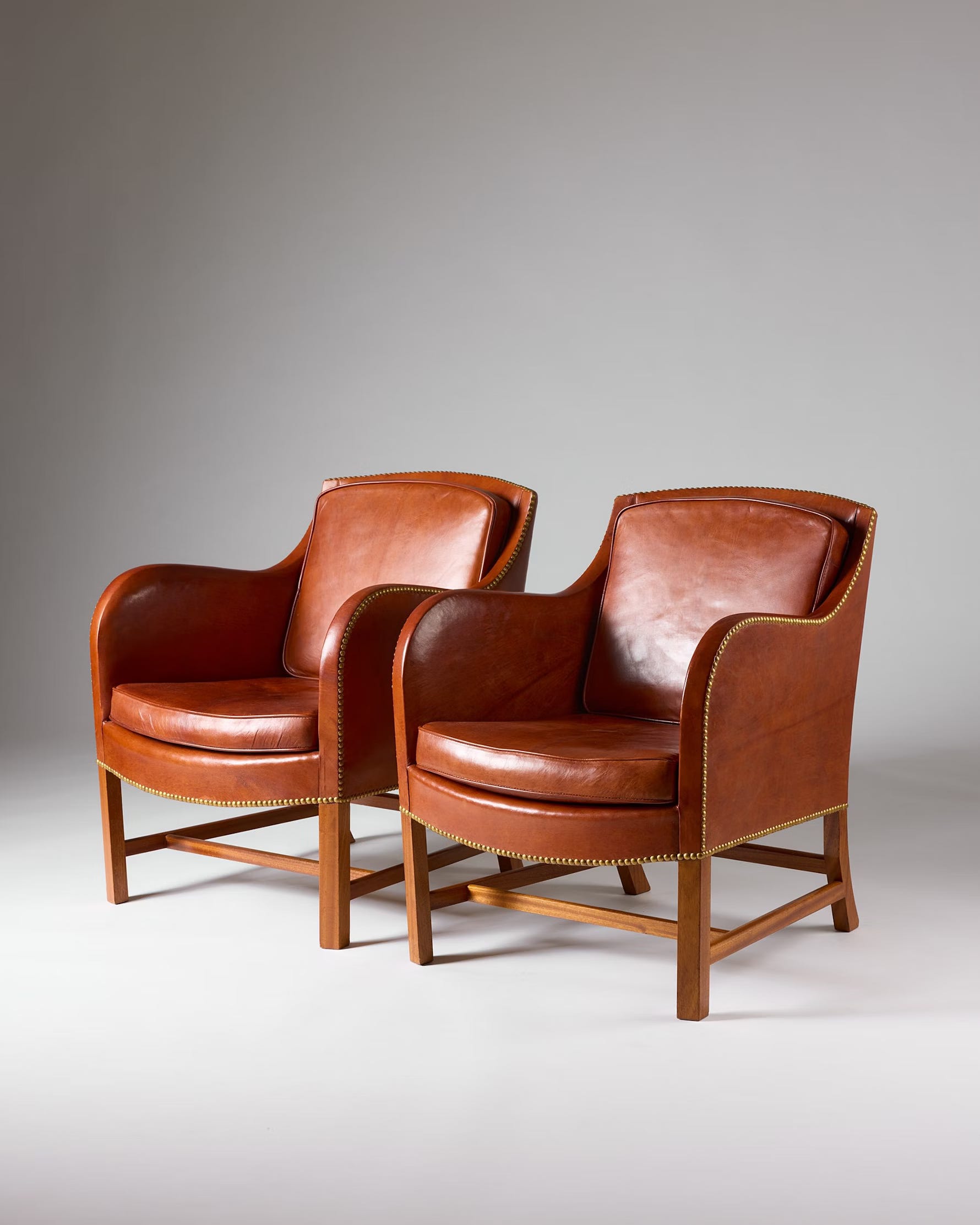
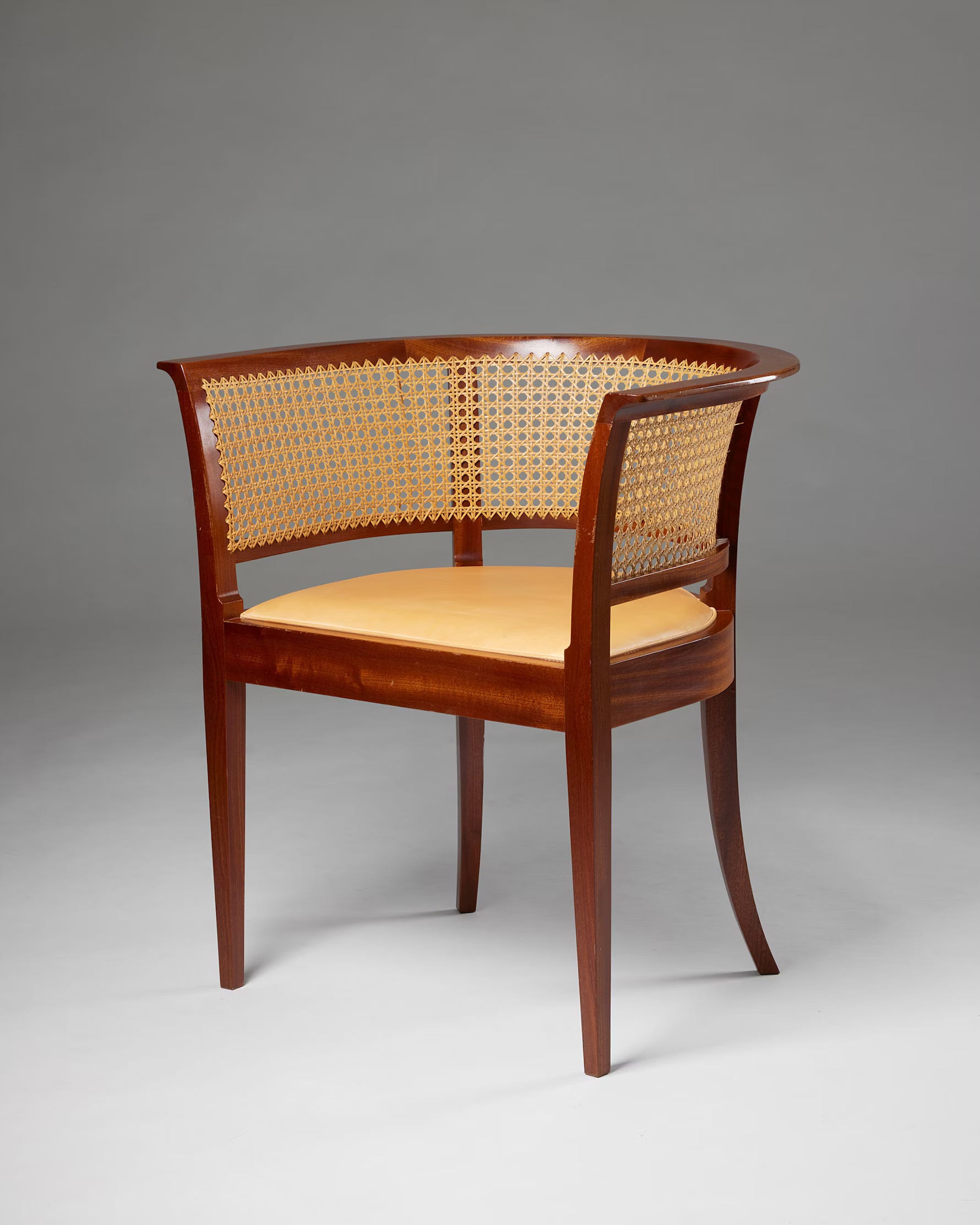
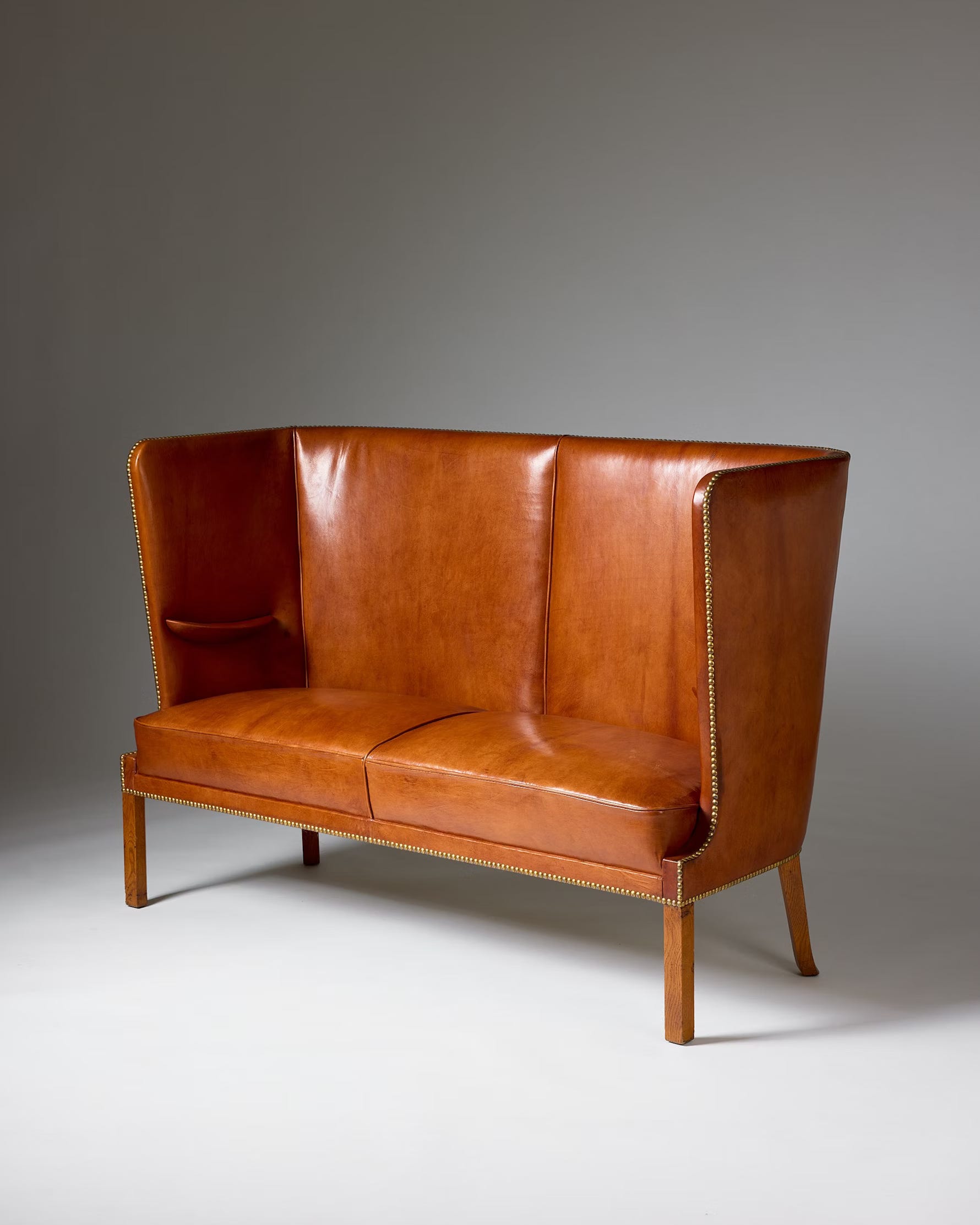
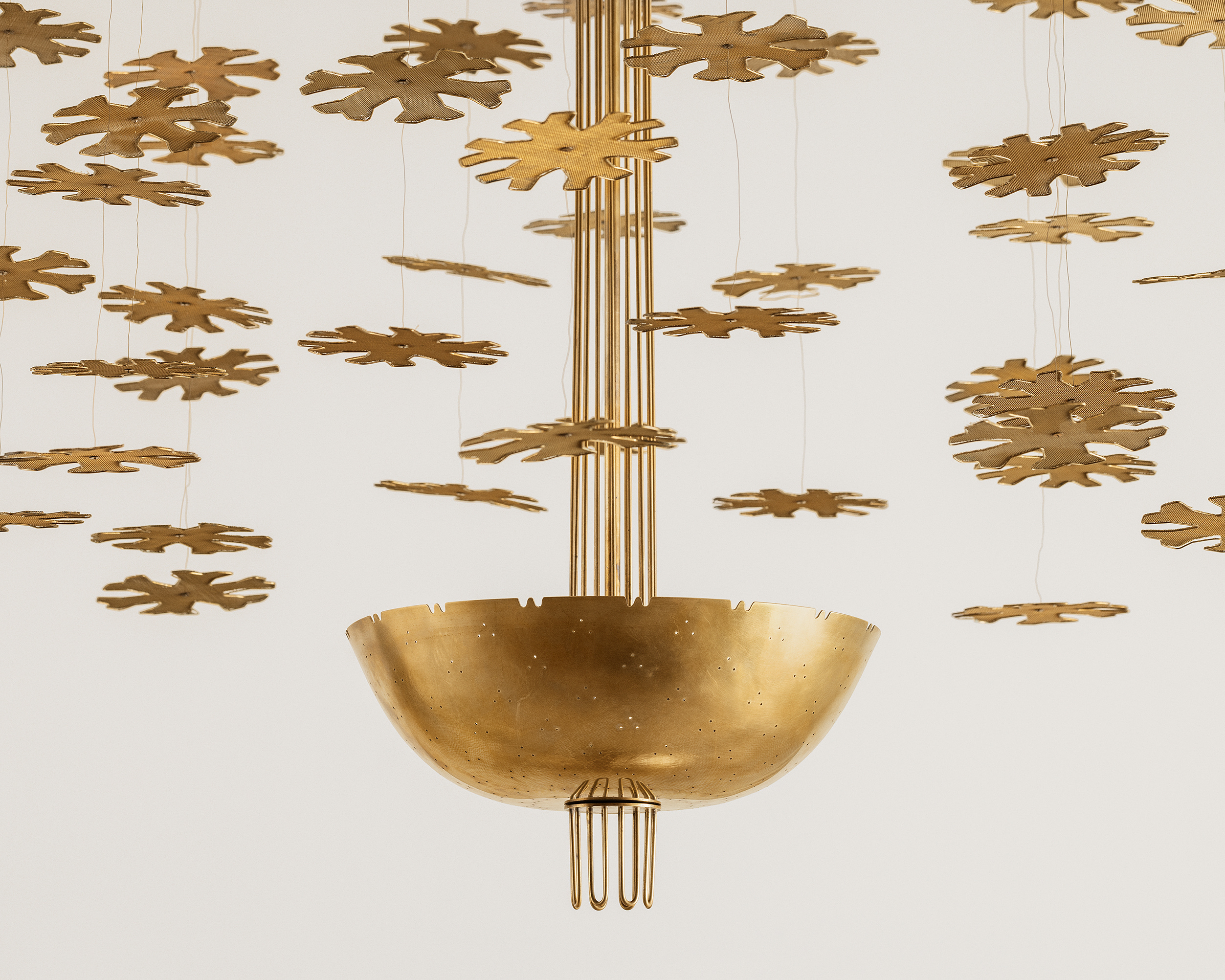
Do not confuse these pieces offered by Modernity with the mass-produced ‘brown furniture’ found in most American homes in the mid-20th century, and which were mass-produced and lacked the handcraftsmanship that was the DNA of Nordic production. The objects considered collectible ‘blue chip’ today are from designers such as Pavo Tynell, Kaare Klint, and Frits Henningsen, along with unique, rare, specially commissioned furniture and lights of historical significance produced exclusively in the Nordic countries. Those have climbed to the top list of the most desirable pieces in Nordic design among international collectors and interior designers.
The world of vintage Nordic design was in its infancy when Duncanson founded Modernity Gallery in 1998. Without analytical literature, scholarly validation, and little documentation, the enormously talented designers and craftspeople who were actively creating successful designs during the postwar years were forgotten. Reframing and rediscovering, while injecting new interest and spirit into the overlooked and under-recognized designers and their narratives, was a work in progress, still being developed and added to. Bonhams London was the only international auction house dedicated to sales of Nordic design at that time, and those objects were rarely extolled by the leading interior designers of the day.
In the early 2000s, revived interest in this type of furniture was largely due to the newly established Wallpaper Magazine (established in 1996) and its founder and editorial director, Tyler Brûlé, who established it as the global periodical for architecture, industrial design, and fashion; hence, the Nordic world was introduced to its audience, helping put it on the map. Not just design, but travel, culture, and architecture. Duncanson remembers that when Wallpaper Magazine published its guide to Stockholm (including Modernity Gallery), potential clients began referring to that guide when visiting the gallery. Another boost for the popularity of Nordic furniture and lighting was their inclusion in interiors by tastemakers such as Lee Mindel and Pierre Yovanovitch. And the last factor in illuminating high-end Nordic design was the specialized auctions by Phillips held in London under the leadership of Alexander Payne, starting in 2010. The exceptional catalogues with outstanding graphics had brought Nordic design into the heart of the emerging collectible design market. It demonstrated the power of presentation and scholarly, curated sales to elevate the material to new levels and to educate the public. When selecting the right piece, the type and location of production, the year of production, rarity, and condition all play crucial roles in establishing value.
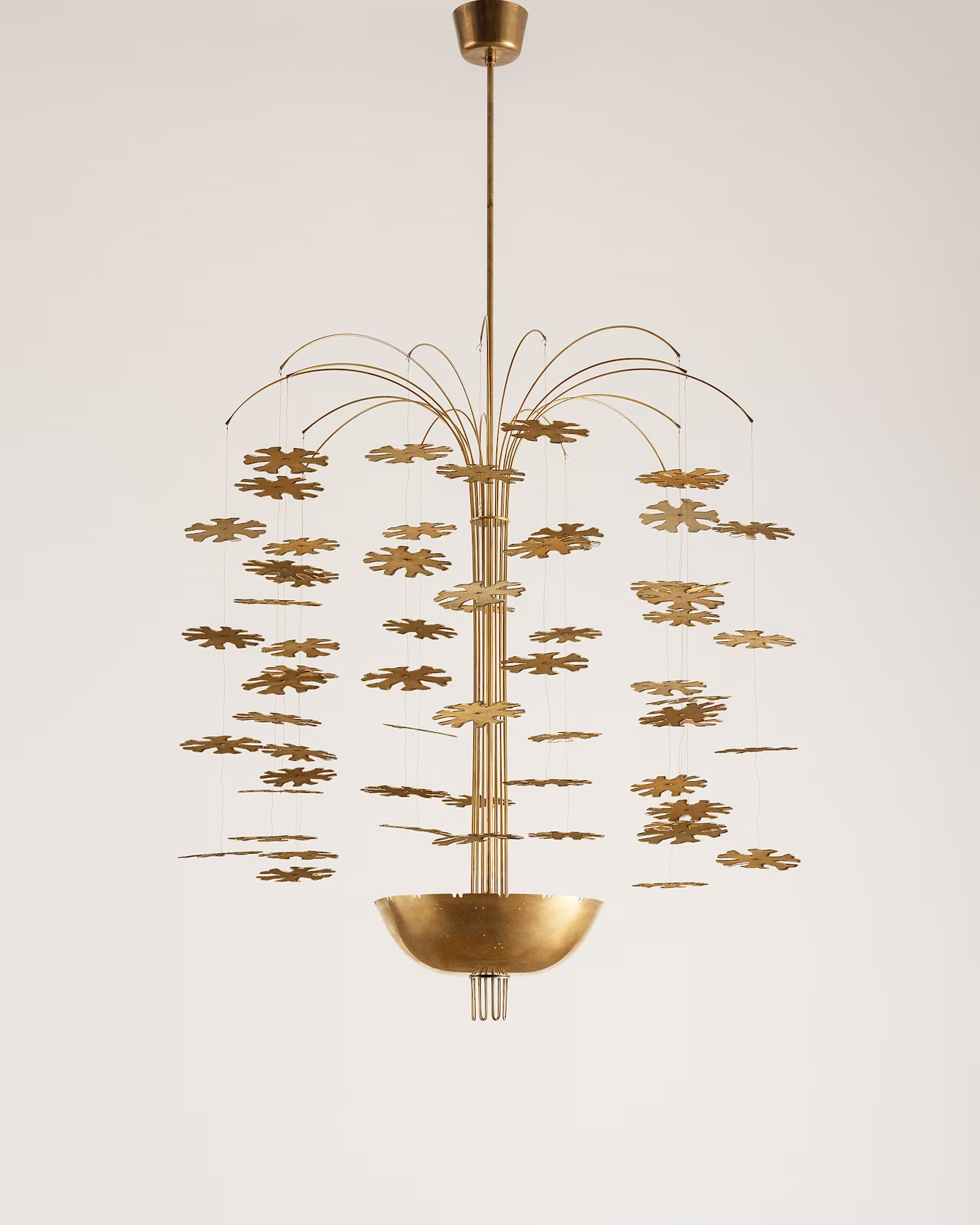
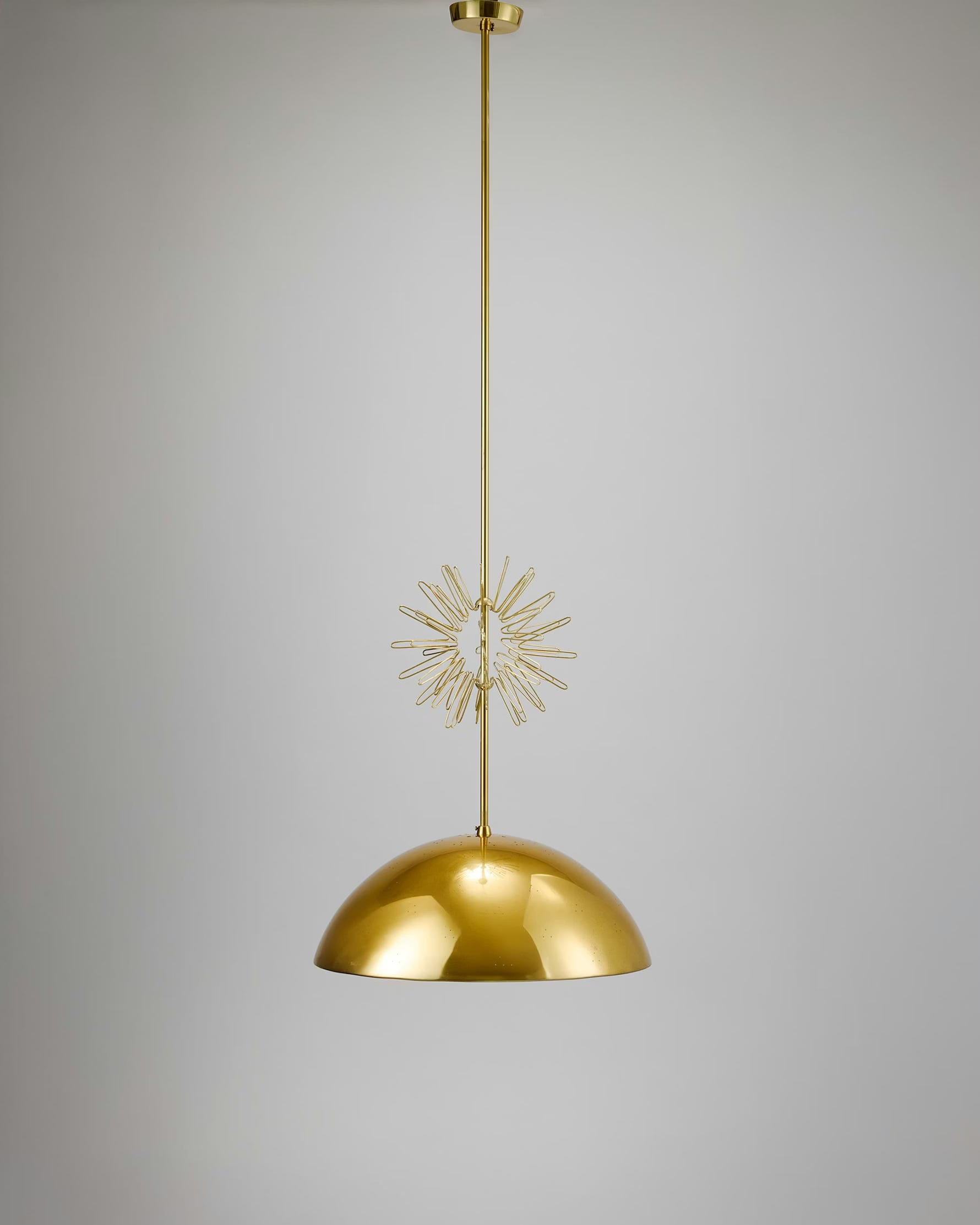
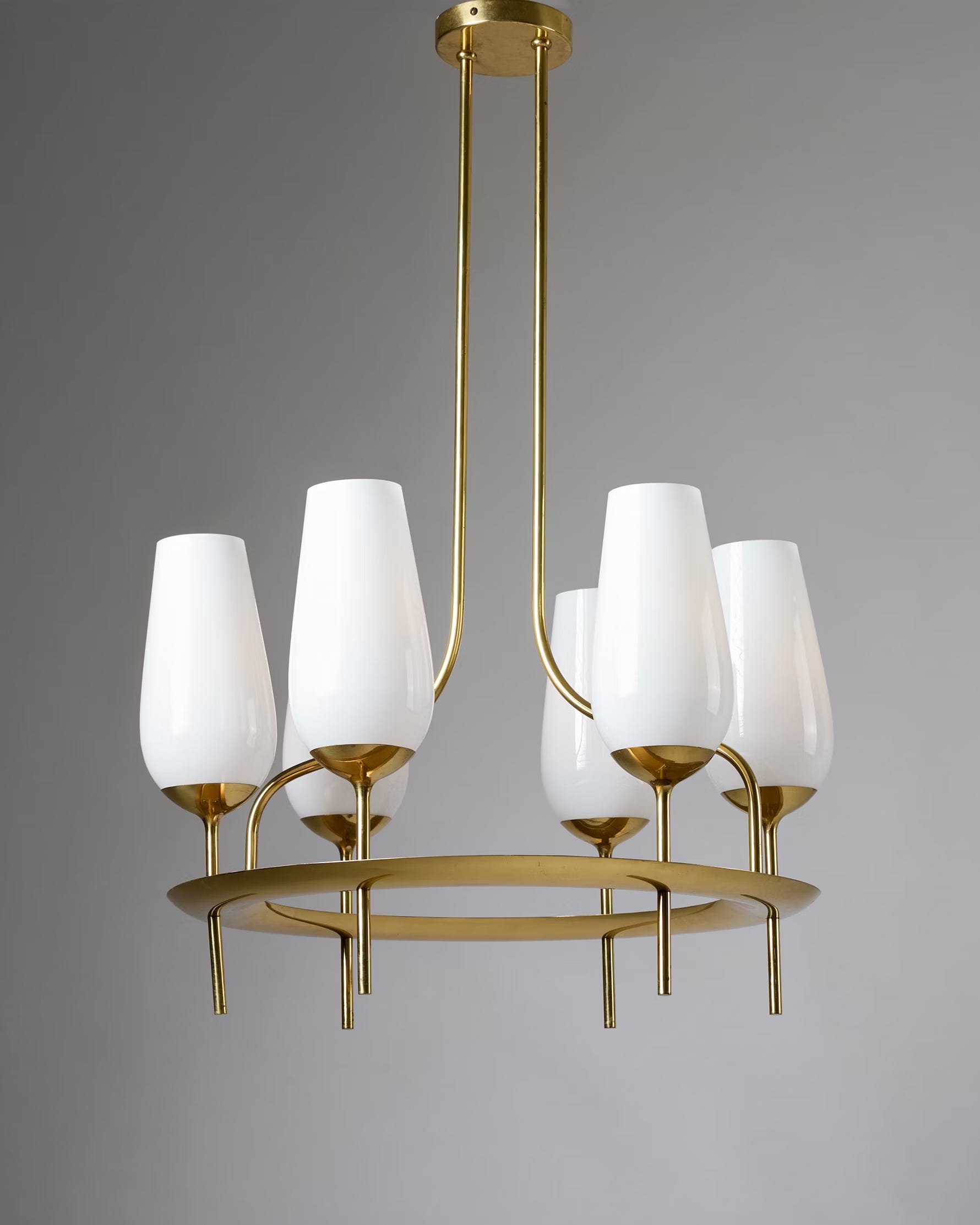
Our talk focused on three designers. Finnish lighting was late to enter the market, but the long, dark winters fostered the creation of exceptional lighting designs. The new star of the market of postwar Nordic design was Finnish lighting designer Paavo Tynell (1890-1973), nearly unknown outside of his country of origin until recently. Tynell, who first encountered metalwork as a teenager when apprenticing to become a blacksmith, devoted his career to manipulating metals into some of the most beautiful lamps of the 20th century, produced in his own company, Taito Oy Ab, which he established in 1918. His most innovative lighting forms echo nature – the Snowflake and Snowball chandeliers, as well as leafy forms and intertwining vines. In 1947, Tynell worked with the Finland House, a design atelier in New York that showcased the work of Finnish designers and craftspeople. Tynell’s work was a hit in New York, but his lighting designs for the American market were produced by local and Canadian factories. His lightings, made in Finland, typically stayed in Finland and therefore only recently came to the market, .
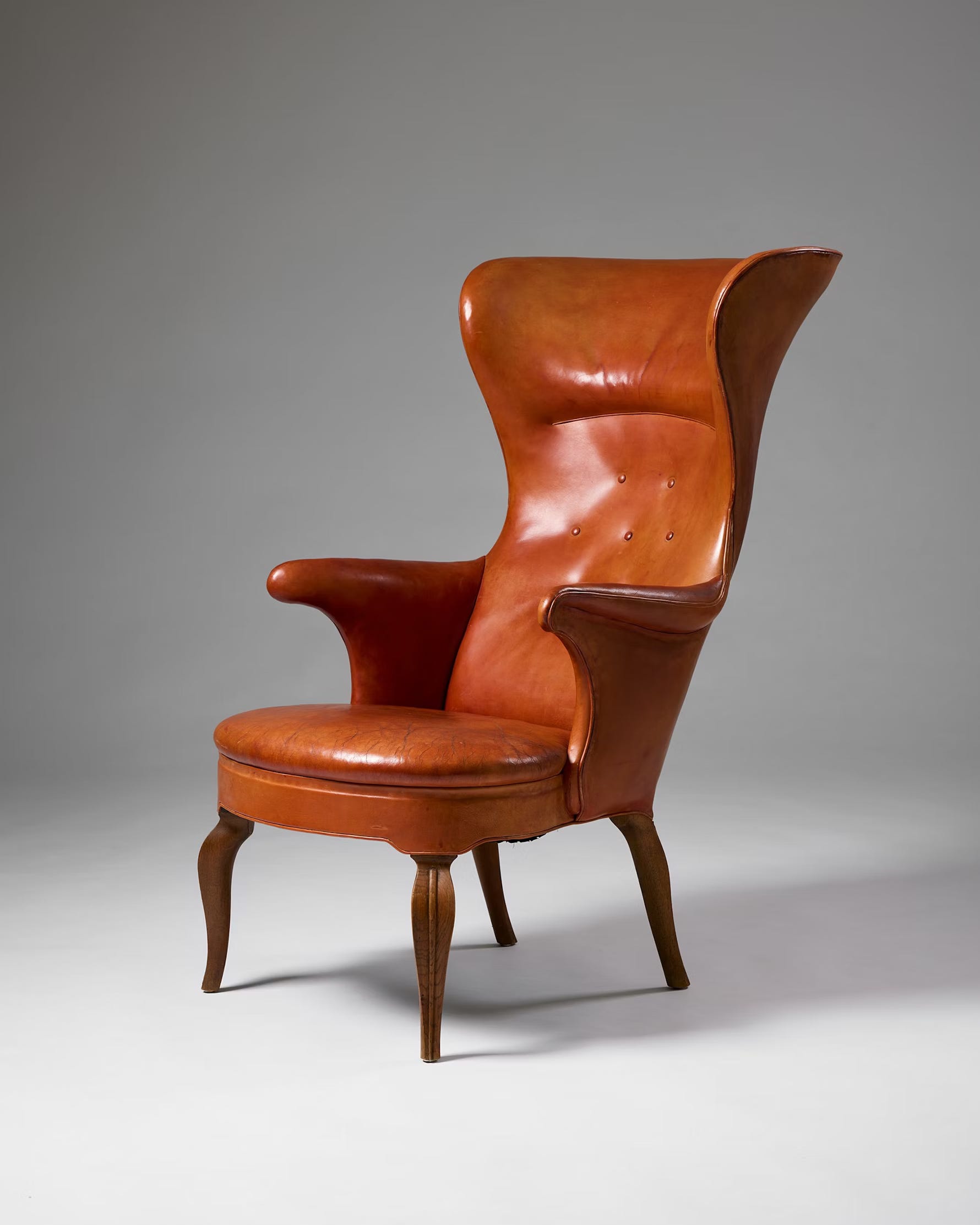
The taste for architectural furniture has shifted the market to the pieces by Danish designer-cabinetmaker Frits Henningsen (1889-1965) and architect Kaare Klint, who is largely considered the father of modern Danish furniture design for his lasting influence, and who famously finished his architect father’s life project, the expressionist Grundtvig’s Church in Copenhagen. Both made functional, modernist, personal, and innovative forms, timeless and historically inspired, often upholstered in leather with superb craftsmanship. Their furniture pieces were regularly exhibited at the Copenhagen Cabinetmakers Guild exhibitions and are today highly sought after by collectors and interior designers. It is the right time to invest in postwar Nordic design from Denmark, Finland, and Sweden, one of the most complex and beloved segments of the current collectible design market.
In 1924, architect Kaare Klint established a department of furniture design at the Royal Danish Academy of Fine Arts in Copenhagen. Klint had a crucial role in the success of modern Danish furniture design. He highlighted the role of wood and craftsmanship as crucial elements in the production process. He cultivated and taught a design approach that revolved around the dimensions of the human body and everyday objects, functional purpose, and the refinement of form through studies and measurements of historical furniture types. In 1930, one of the future pillars of Danish design, the legendary School of Arts and Crafts, opened with a cabinetmaker’s day school as one of its courses—just three years after The Copenhagen Cabinetmakers Guild had held its very first furniture exhibition.
ou must know what and where to buy—expertise in today’s highly specialized, dynamic field is crucial; one must be responsive to discoveries and sensitive to idiosyncratic tastes.
All images and objects, courtesy Modernity.