


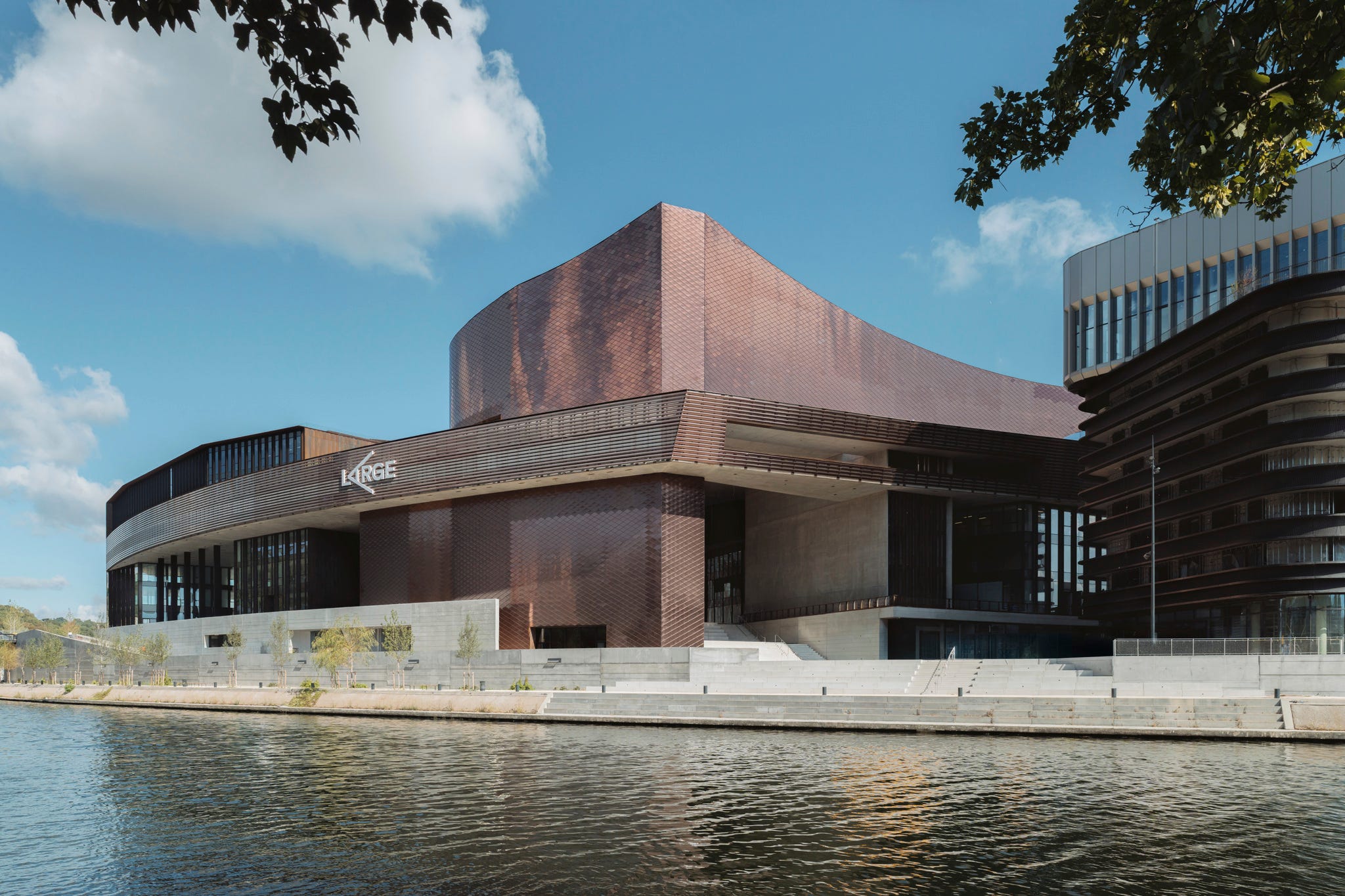
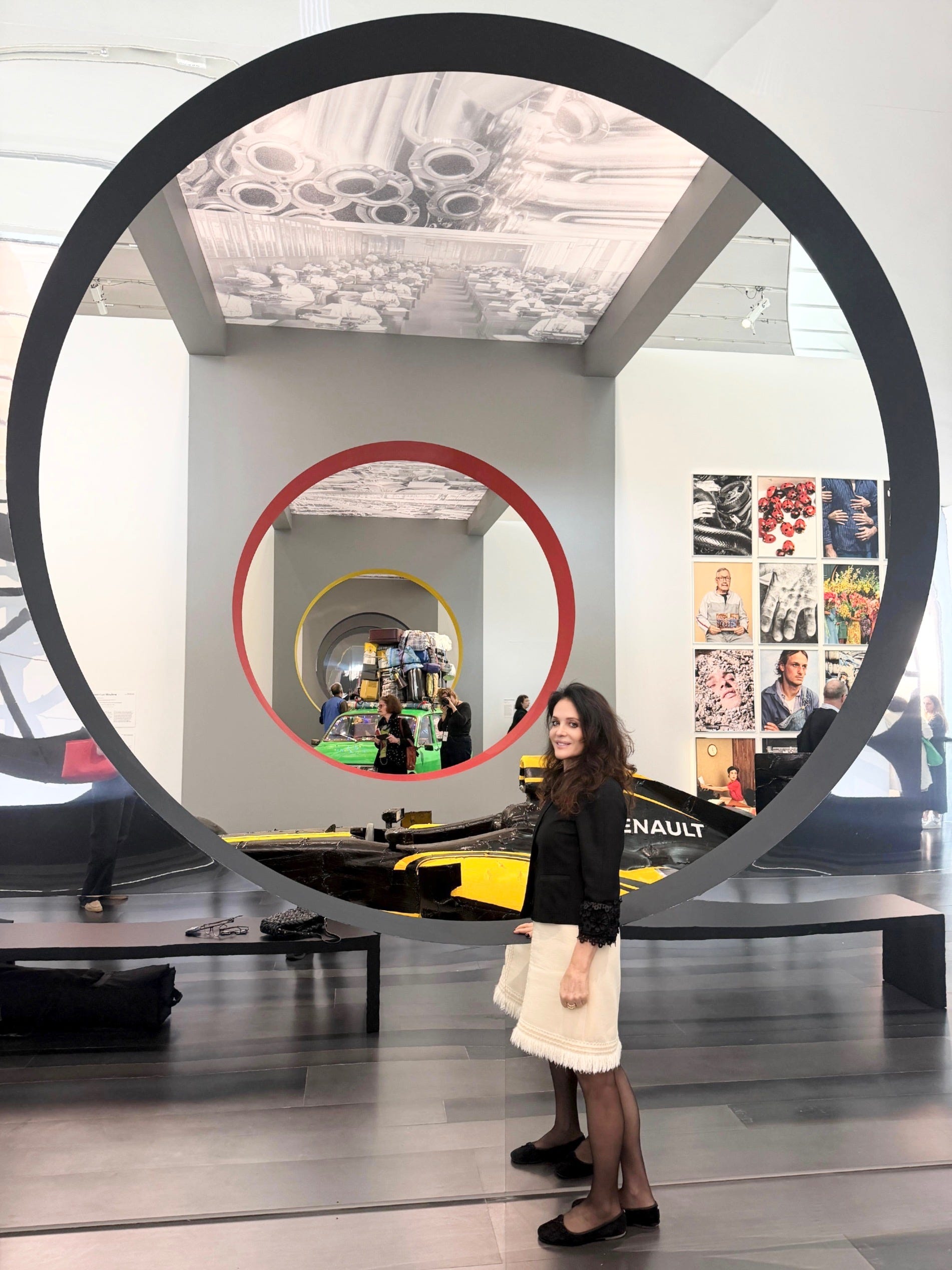
A new architectural jewel has joined the Parisian landscape. Opening to the public just yesterday, Large, a center devoted to contemporary art with a particular commitment to artists working in France, makes its debut with Moteur Imaginaire. The fascinating inaugural exhibition is curated by Cecilia Alemani, whose acclaimed The Milk of Dreams defined the 2022 Venice Biennale.
Museum architecture has become a discipline within a discipline, giving architects opportunities to create some of the defining landmarks of our time. But what makes a museum successful? For me, it is the relationship between three essential elements: an exceptional building, welcoming public space, and compelling art. The finest museums bring these together so naturally that the architecture deepens our encounter with the works, while the art gives the building purpose. Architecture should contribute something inspired, innovative, and memorable to the experience.
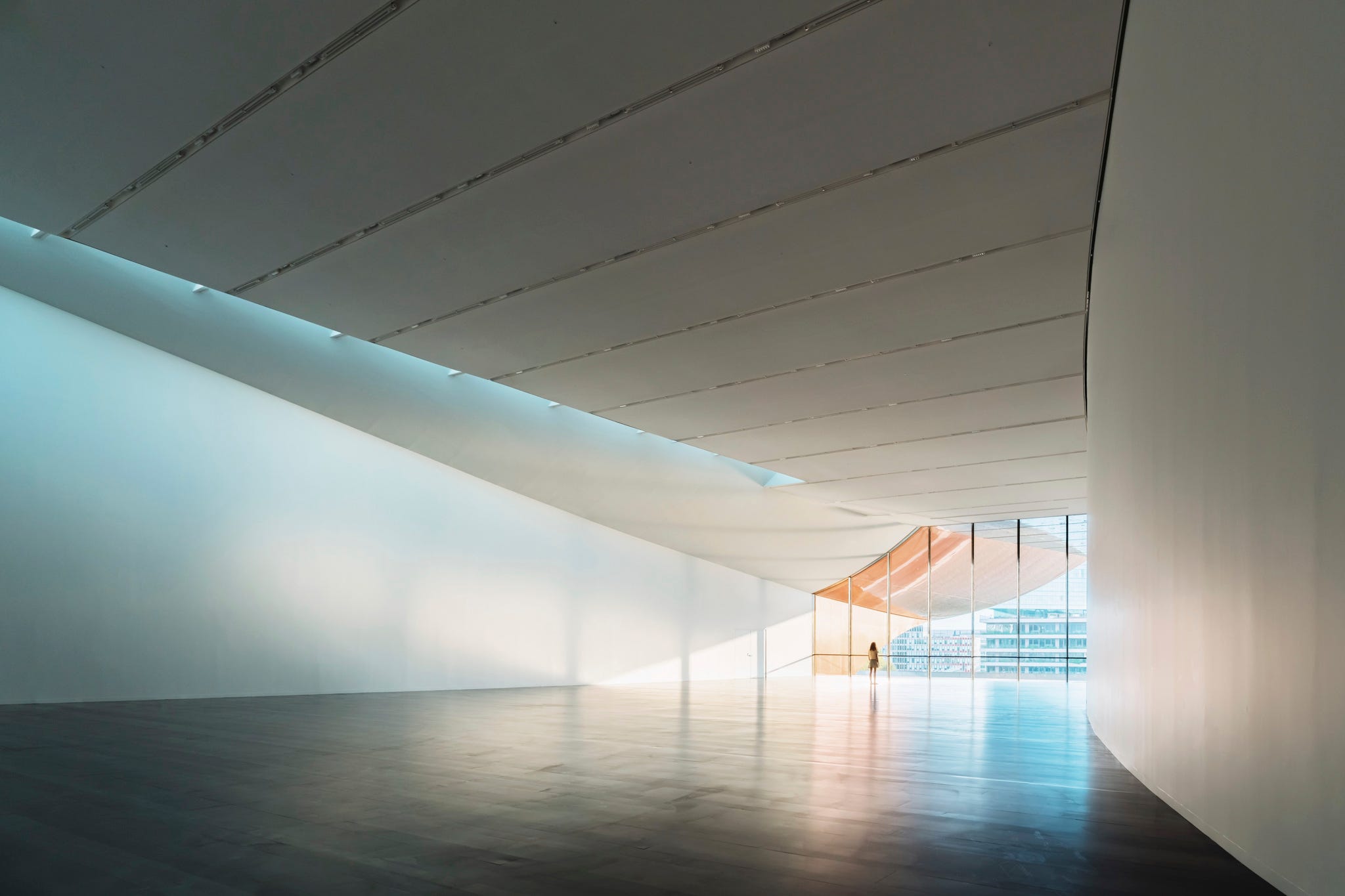
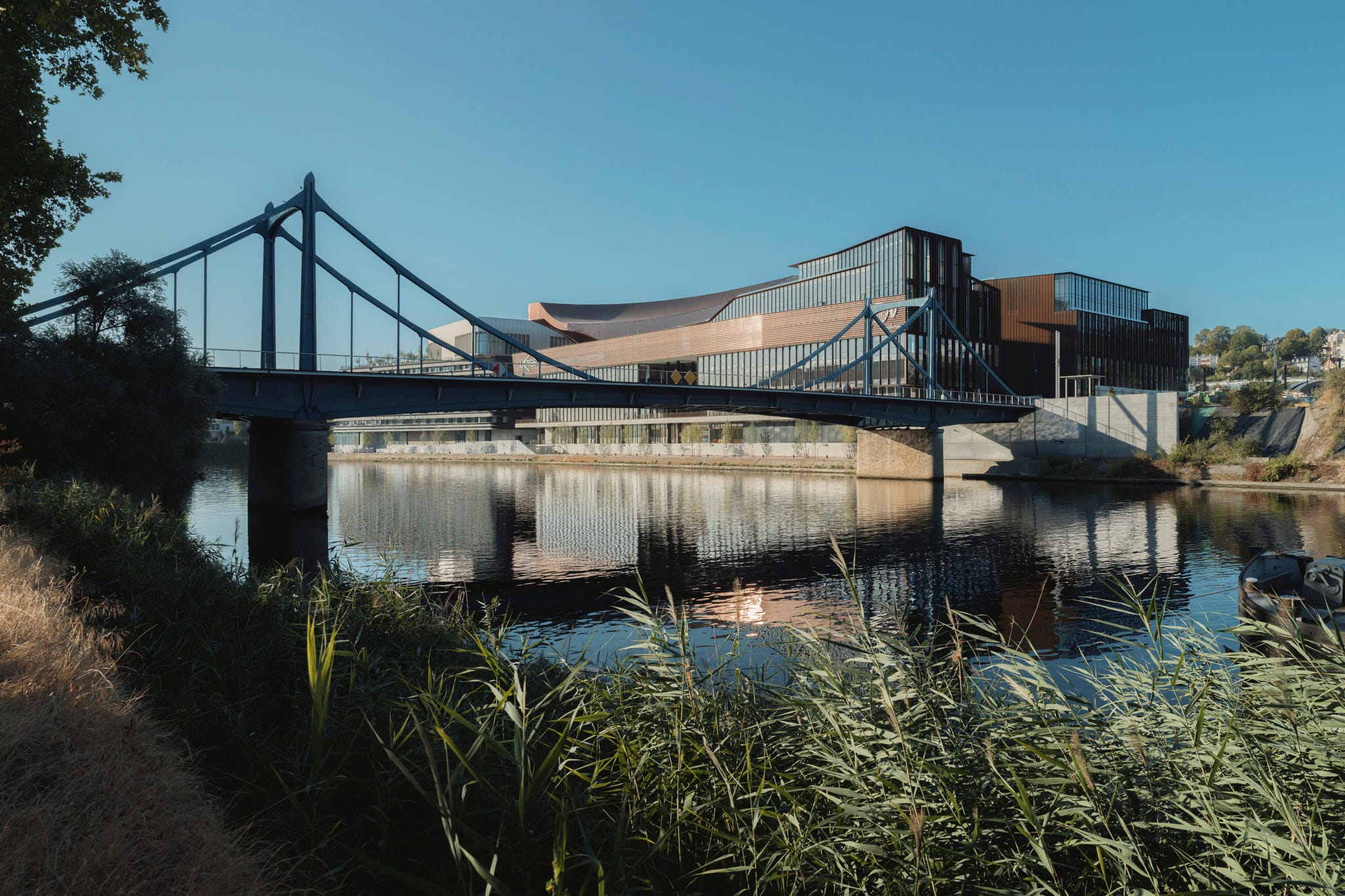
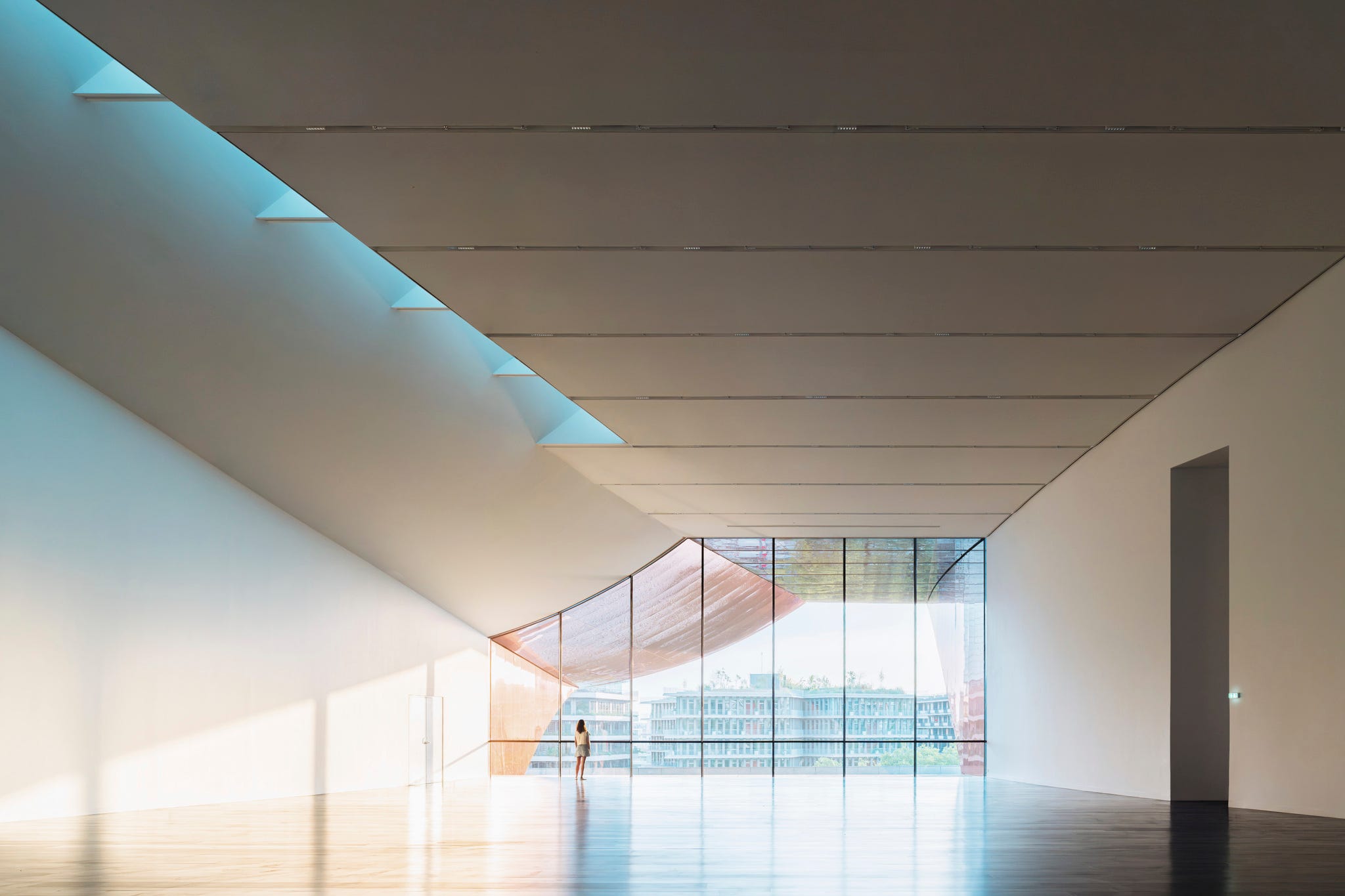
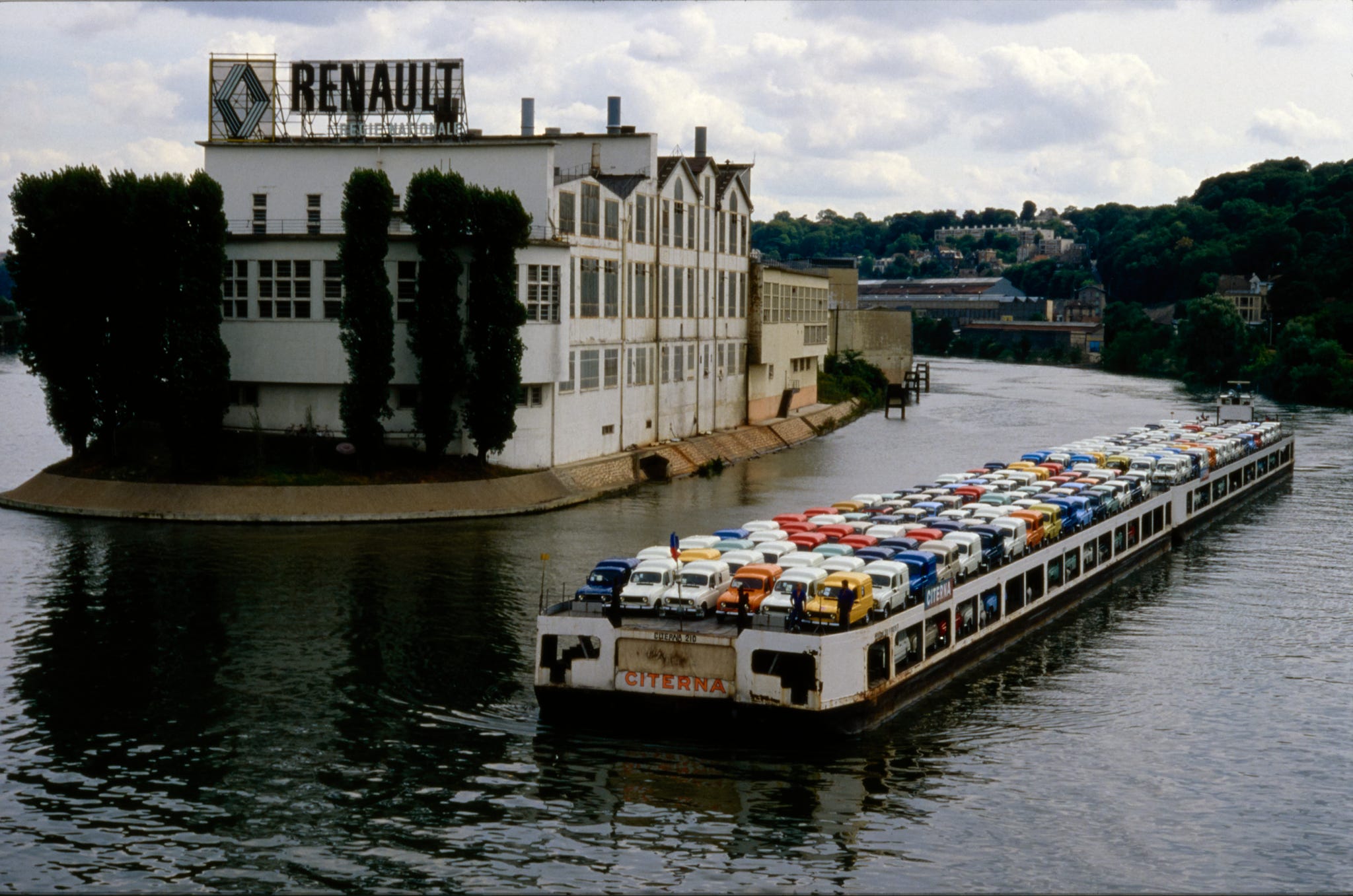
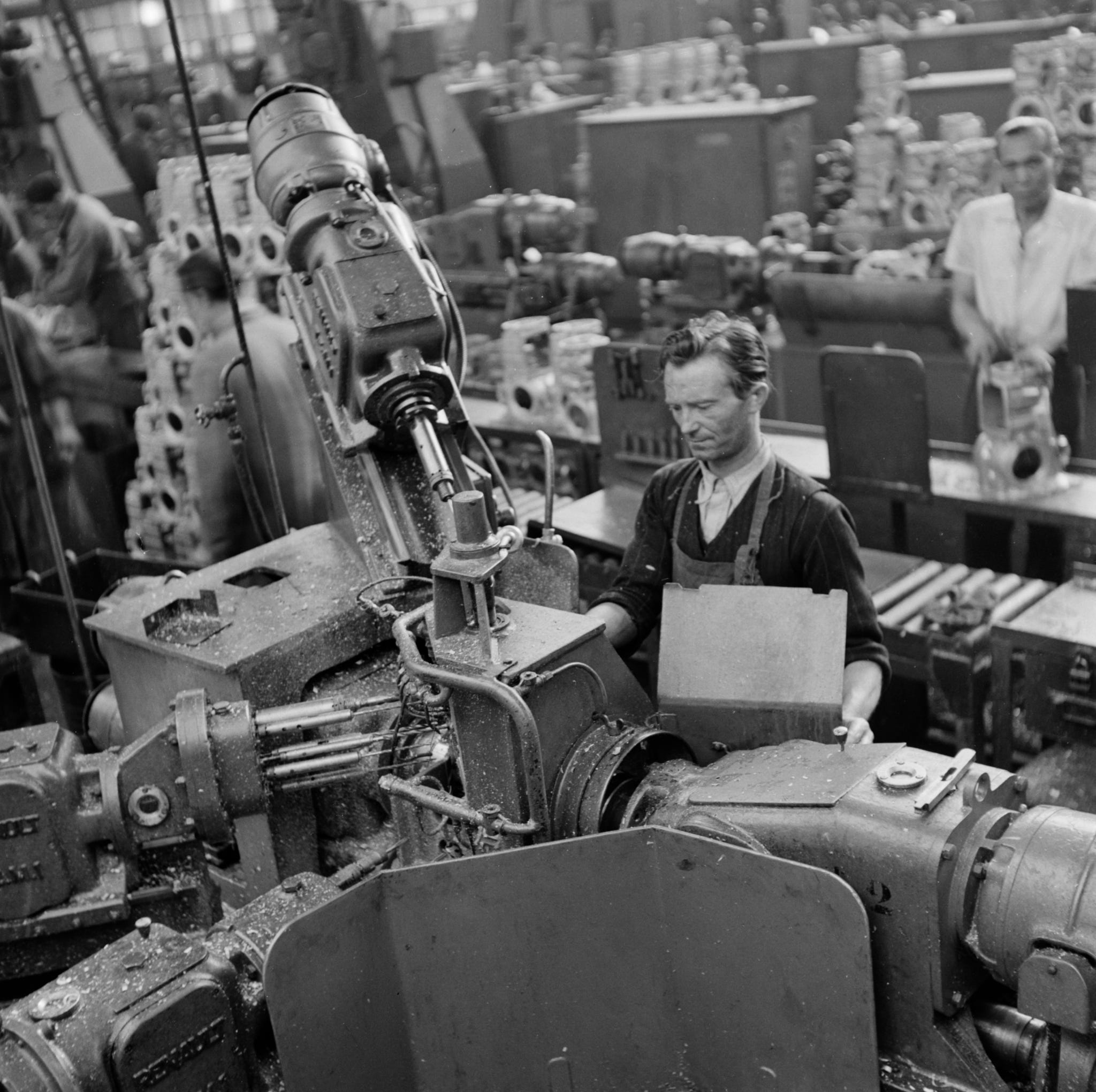
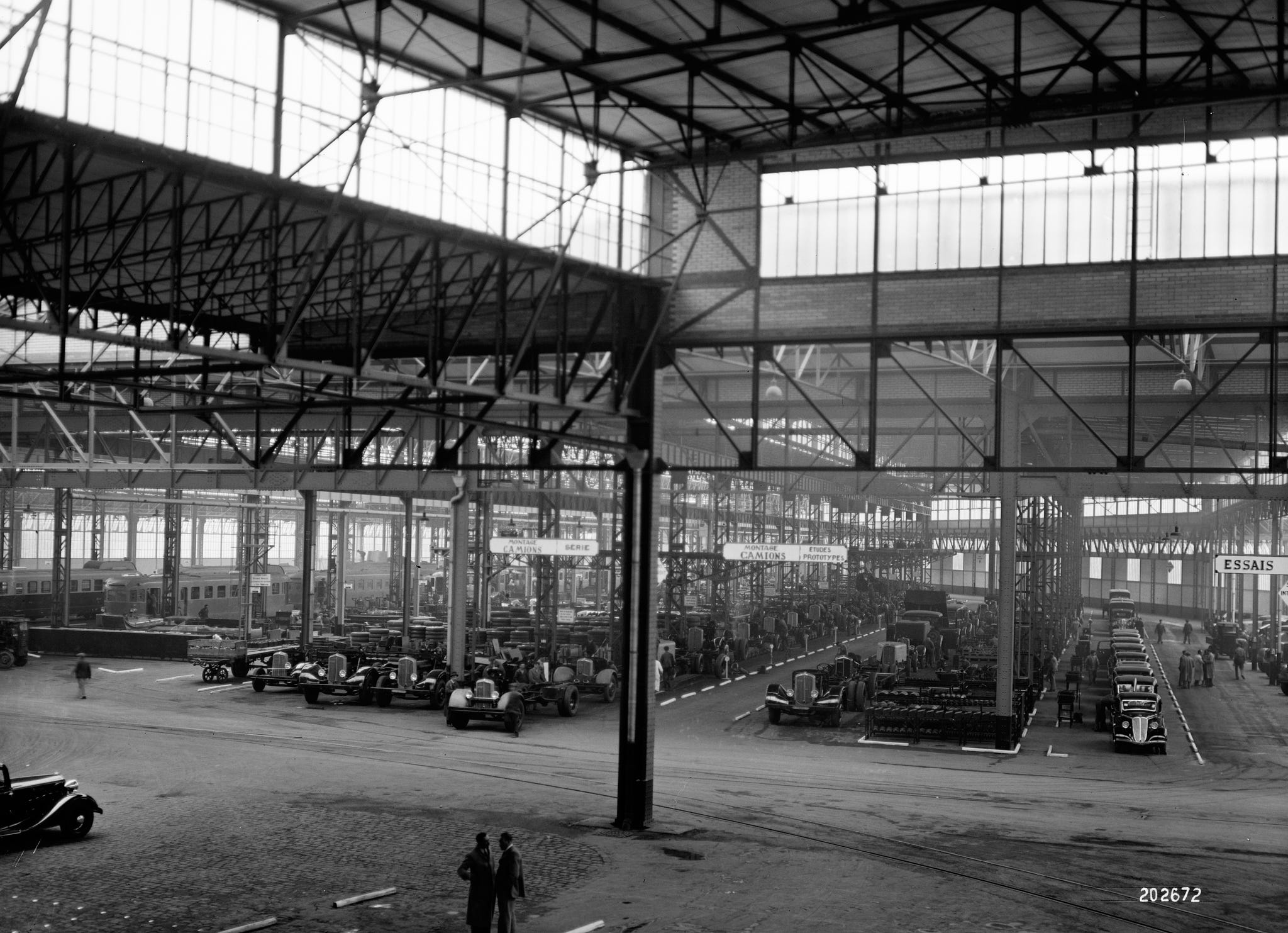
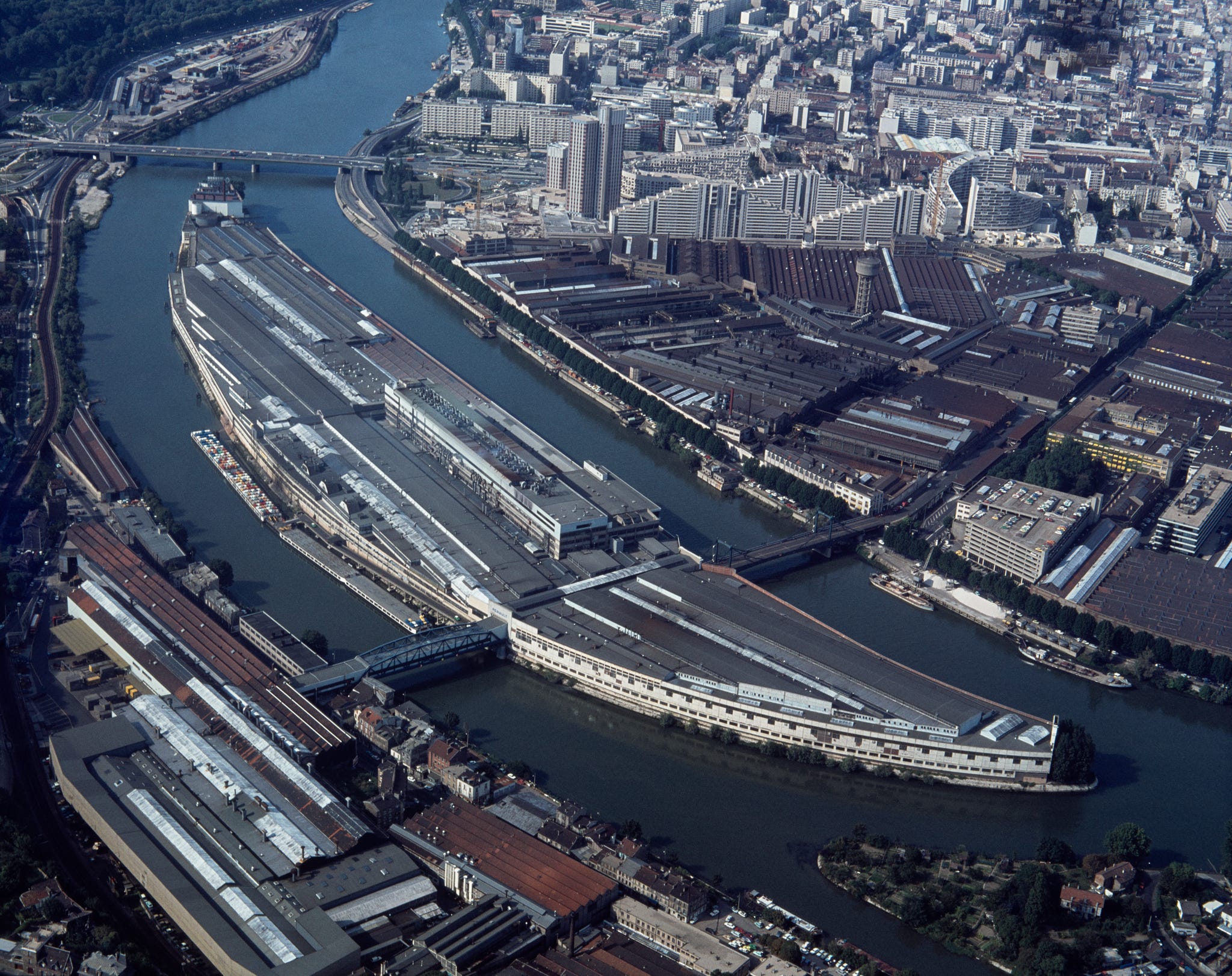
Attending Large’s press preview was one of the highlights of my time in Paris. Experiencing its architecture firsthand, I felt certain that it would become a landmark of our time. The center brings these questions about museum architecture to one of the most contested sites in Greater Paris: Île Seguin. This slender island in the Seine, in Boulogne-Billancourt, carries an industrial history inseparable from France’s twentieth century. Once occupied by Renault’s vast factory, it became a symbol of manufacturing, working life, and organized labor. Following its nationalization in 1945, Renault helped shape postwar France, producing affordable cars such as the Renault 4, an emblem of the country’s modernization. The island’s factory closed in 1992, leaving behind a powerful collective memory.
What followed was a succession of ambitious proposals, stalled plans, and frustrated beginnings. Most famously, François Pinault commissioned Tadao Ando to design a museum for his collection, only to abandon the project in 2005. For years, the island seemed suspended between its industrial past and an uncertain cultural future, acquiring a reputation as a cursed site.
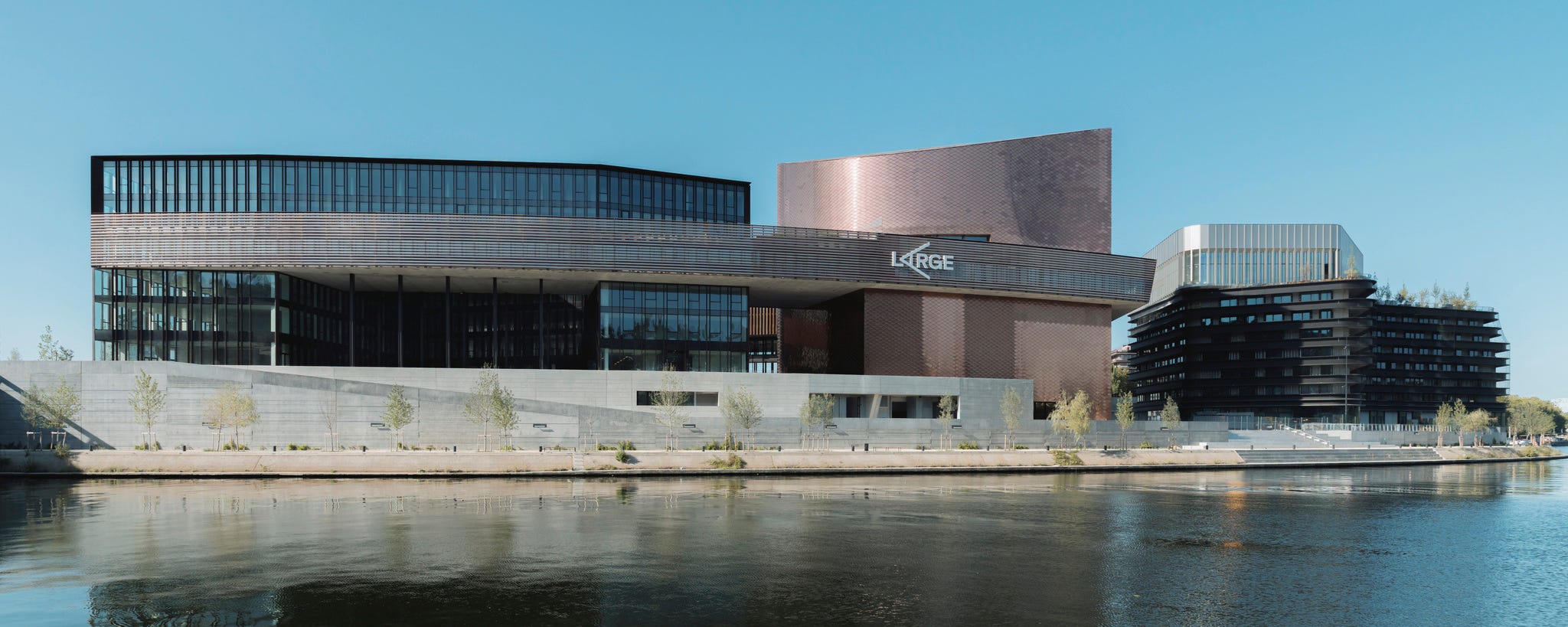
Large’s founder, collector Laurent Dumas, who also founded the property development company Emerige, has now brought another part of that future into being. The center belongs to the Pointe des Arts development, which also includes a Pathé multiplex with an IMAX screen and a forthcoming hotel. At the island’s opposite end stands La Seine Musicale, the concert venue designed by Shigeru Ban and Jean de Gastines, which opened in 2017. These distinct projects are together shaping the island’s evolving cultural identity.
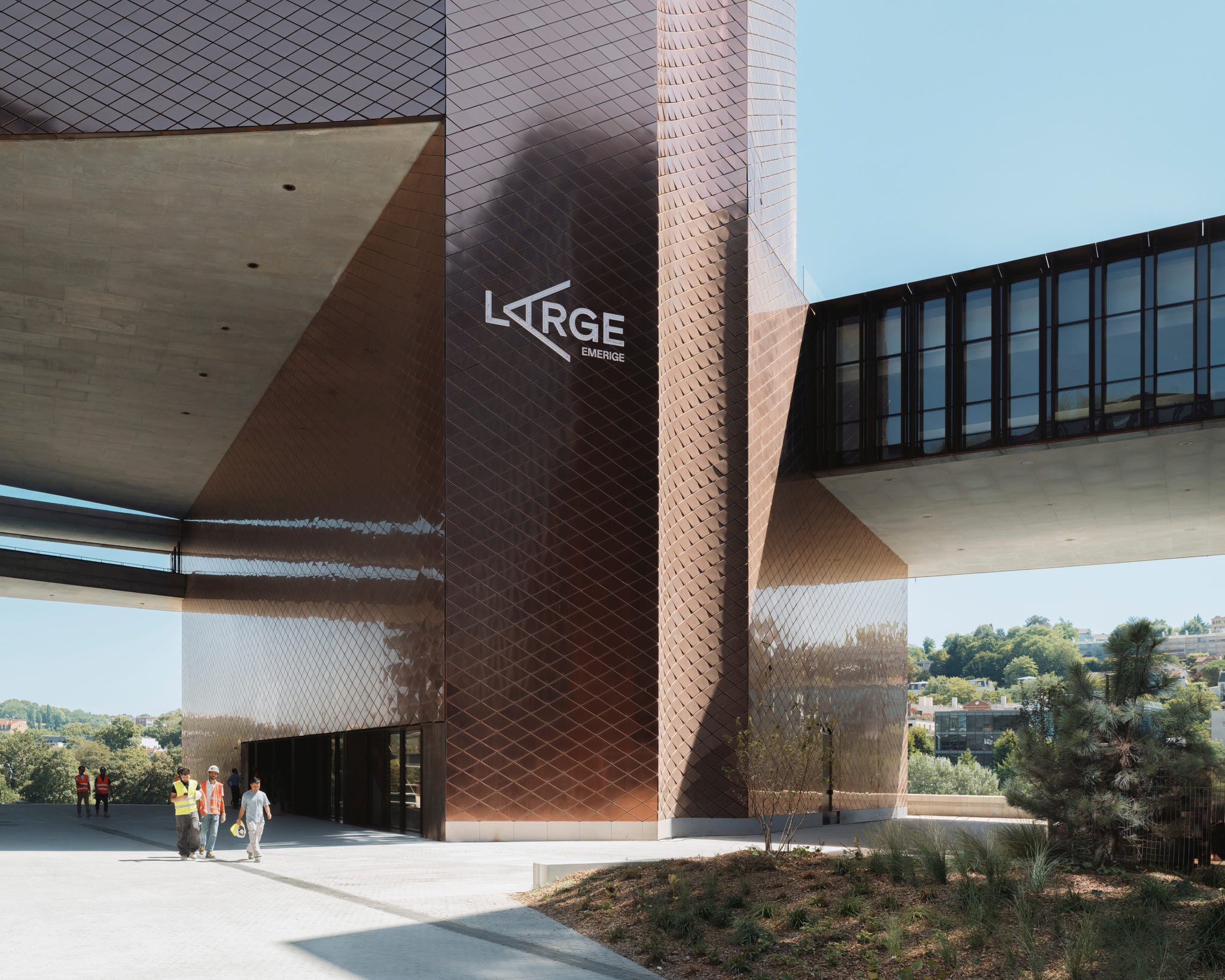
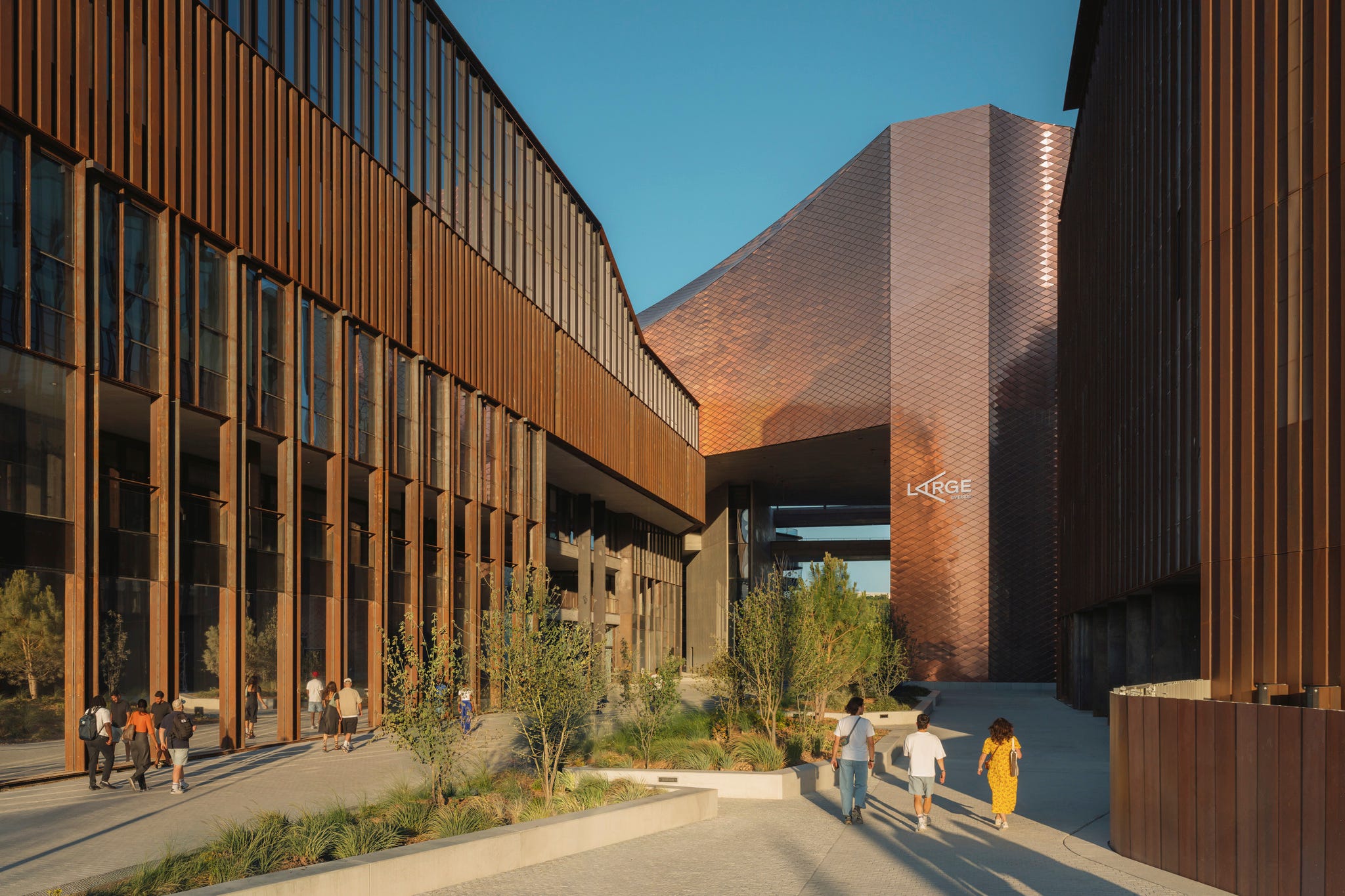
Designed by RCR Arquitectes, the Catalan trio awarded the Pritzker Prize in 2017, Large has an extraordinary presence. Its shimmering skin of copper-toned anodized aluminum gives the building a changing character as light moves across its surface. There is something particularly compelling about this use of metal on a site so closely associated with industrial production. Recognized by the Pritzker jury for their powerful integration of landscape, materials, and light, RCR have made the expressive use of metal—particularly weathering steel—a defining feature of their work. Their breathtaking Musée Soulages in Rodez, in southern France, is a memorable example.
Large’s architecture has already prompted debate. In its coverage of the press preview, Le Monde argued that the neighboring buildings diminish its presence. I disagree. To my eye, Large holds its own, with a material richness and sculptural confidence that give it a distinct identity within its surroundings. My reservation concerns the interior furnishings, which feel disconnected from the architecture. The pink furniture, in particular, looks cheap against the building’s carefully considered materials and diminishes the experience of its highly crafted spaces. I would have preferred furnishings designed by the architects, extending the sensitivity of their work to the objects within it.
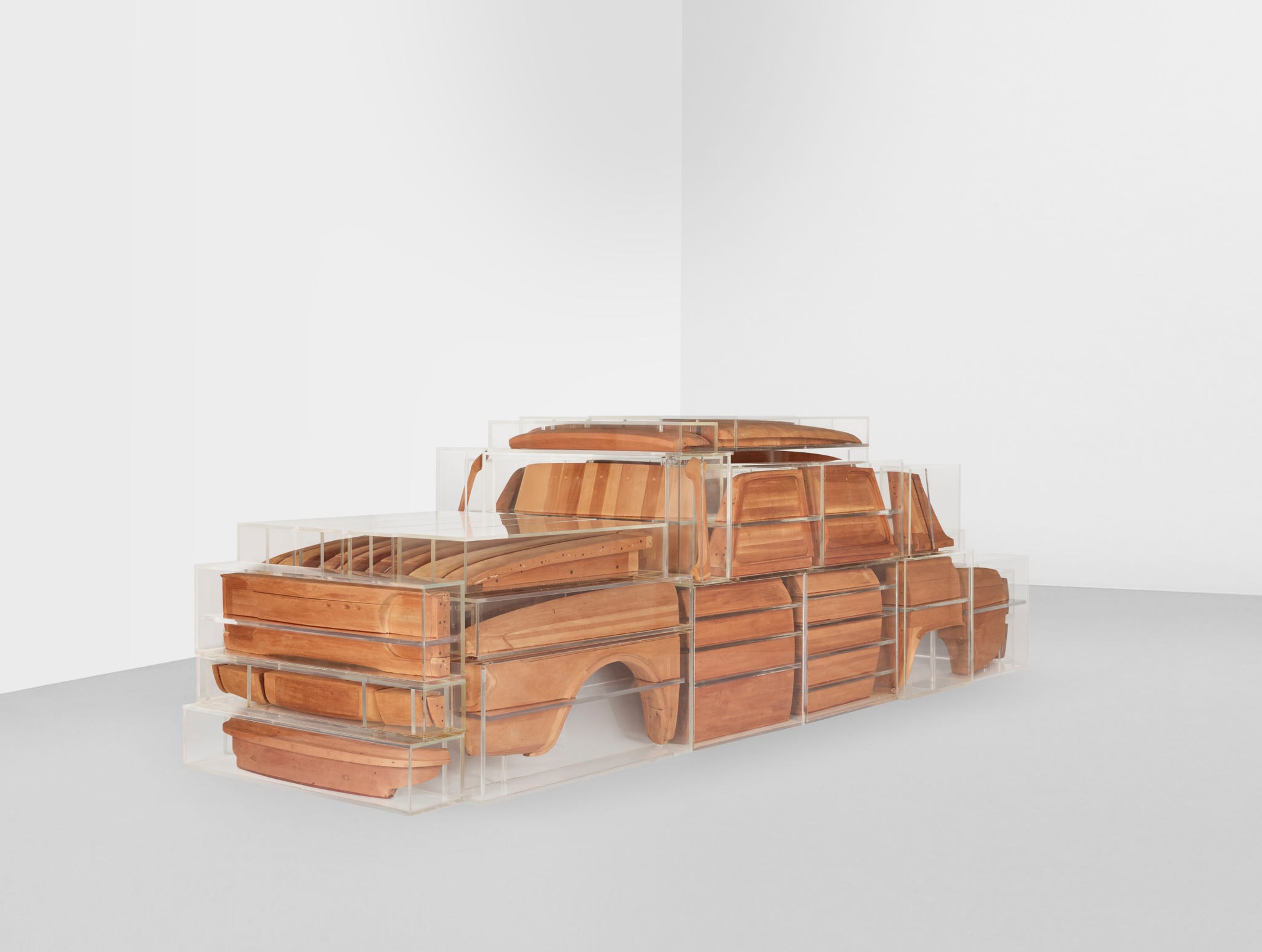
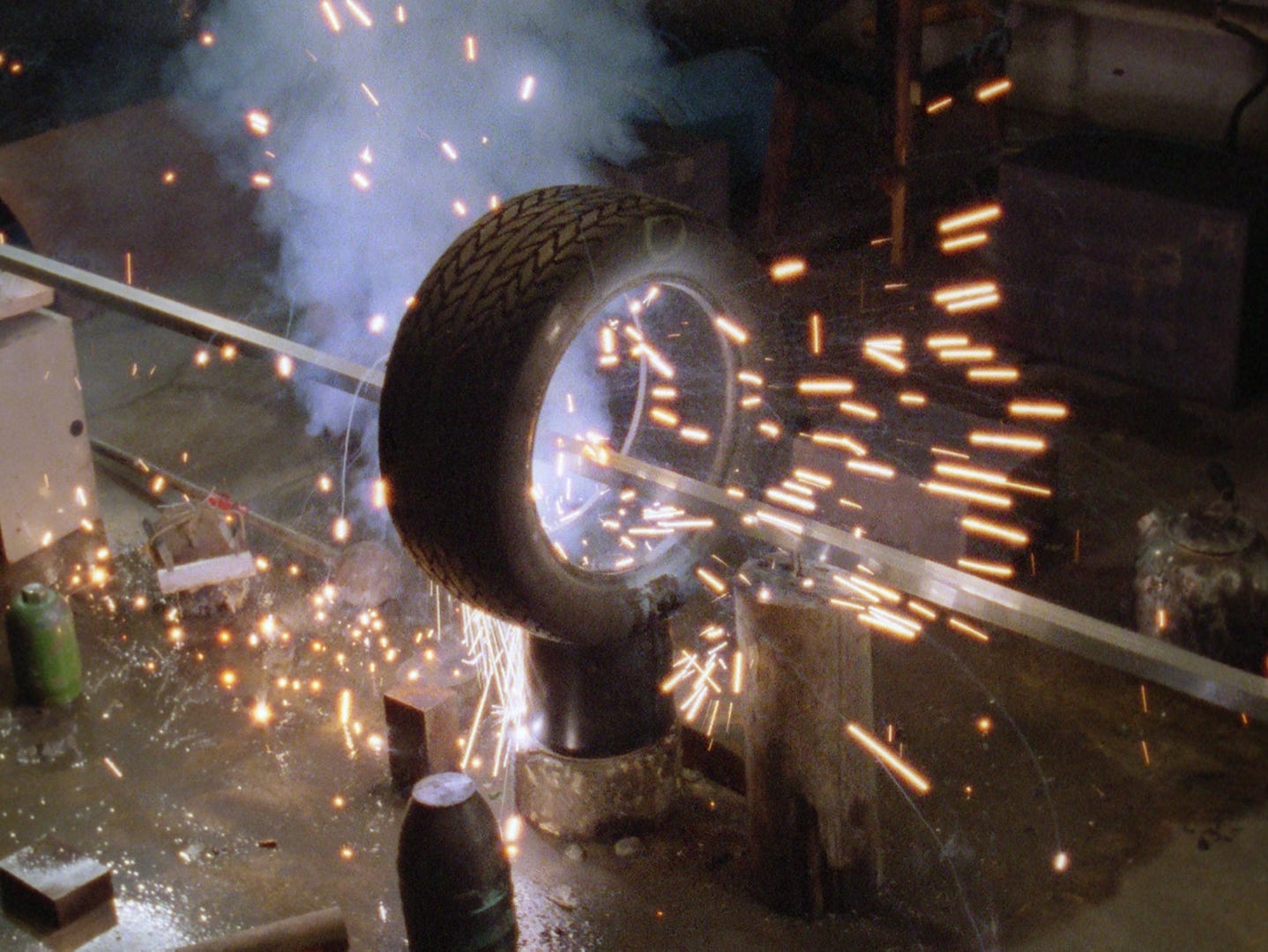
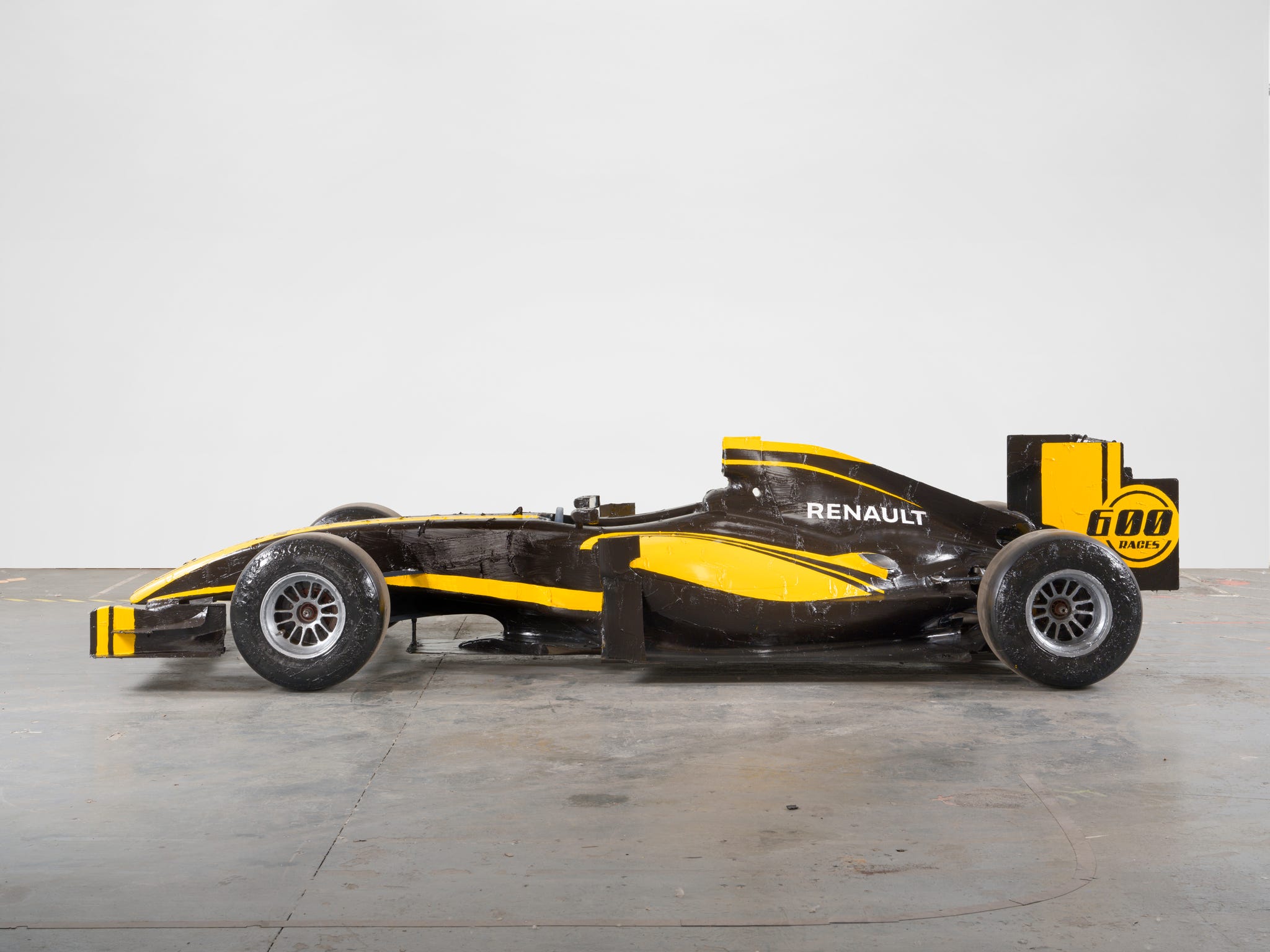
The Renault art collection, presented in the inaugural exhibition alongside works from Dumas’s collection, adds another fascinating layer. In 1967, the company launched Research, Art and Industry, inviting artists to work with its materials, technical resources, and employees. This remarkable exchange between artistic experimentation and industrial production generated works by figures including Arman, Jean Dubuffet, Victor Vasarely, and Jean Tinguely. The Renault Fund for Art and Culture, established in 2024, now preserves and develops that legacy. A new venue bringing together Renault’s art, historic vehicles, and archives is scheduled to open in Flins-sur-Seine in 2027.
For all the debate surrounding its setting, Large reminded me why contemporary architecture can be so exhilarating. Its luminous surfaces and dramatic spaces make you look again—at the building, at the art, and at an island whose next chapter is finally taking shape.

Remarkable. Must come to Paris! 🙂