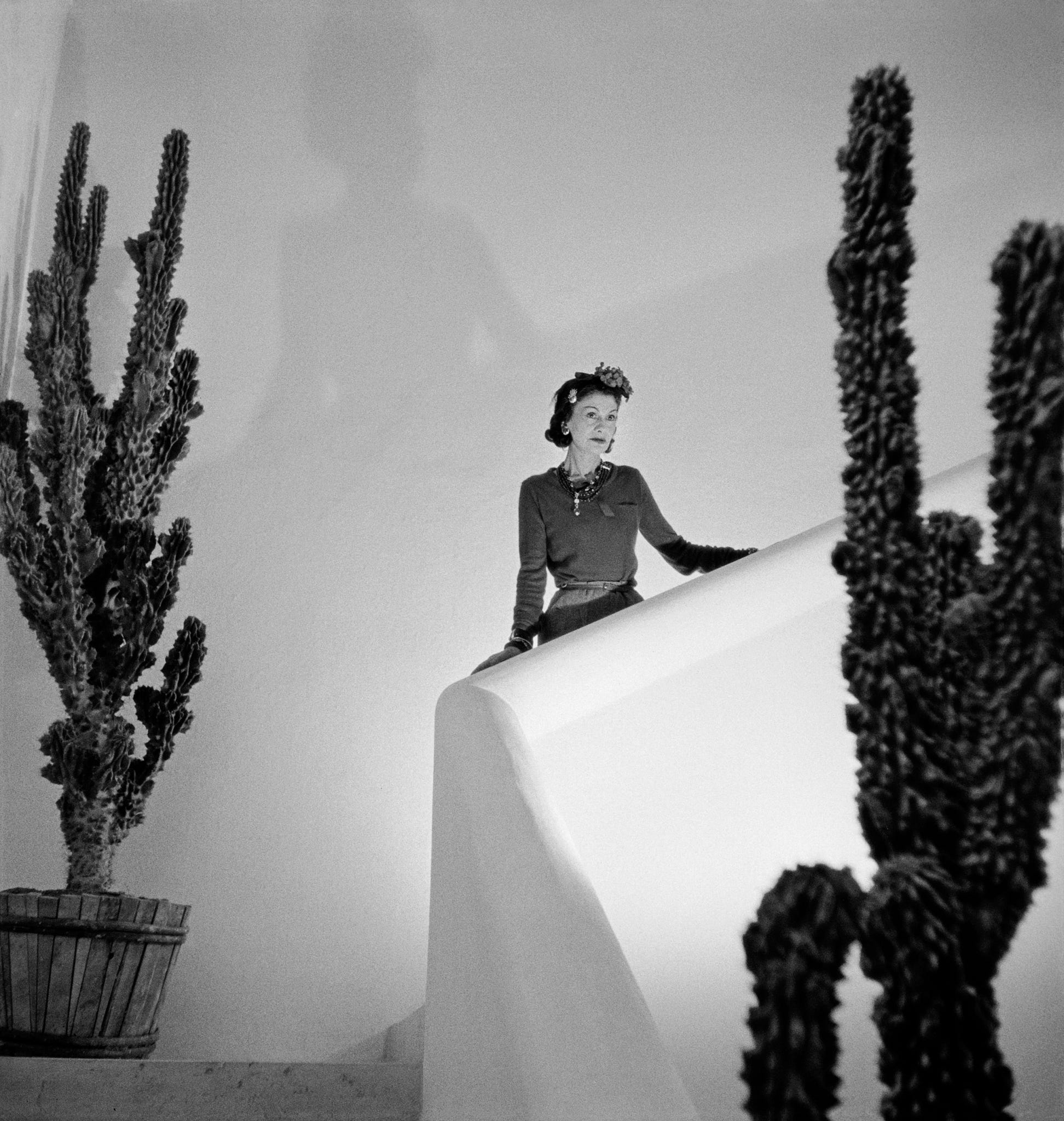
Some houses achieve legendary status. Some for their rich history or their brilliant architecture, interiors, or gardens, and others for the life that lived within them or for the landmark events that took place there. La Pausa had it all. Famously, Coco Chanel said on La Pausa—her dream house that she built for herself in Roquebrune in the French Riviera in the 1920s—that, “A house ought to be like its owner.” In 2015, after the House of Chanel acquired the house that Chanel sold in 1958, a restoration project of the Mediterranean villa began, conducted by Peter Marino.
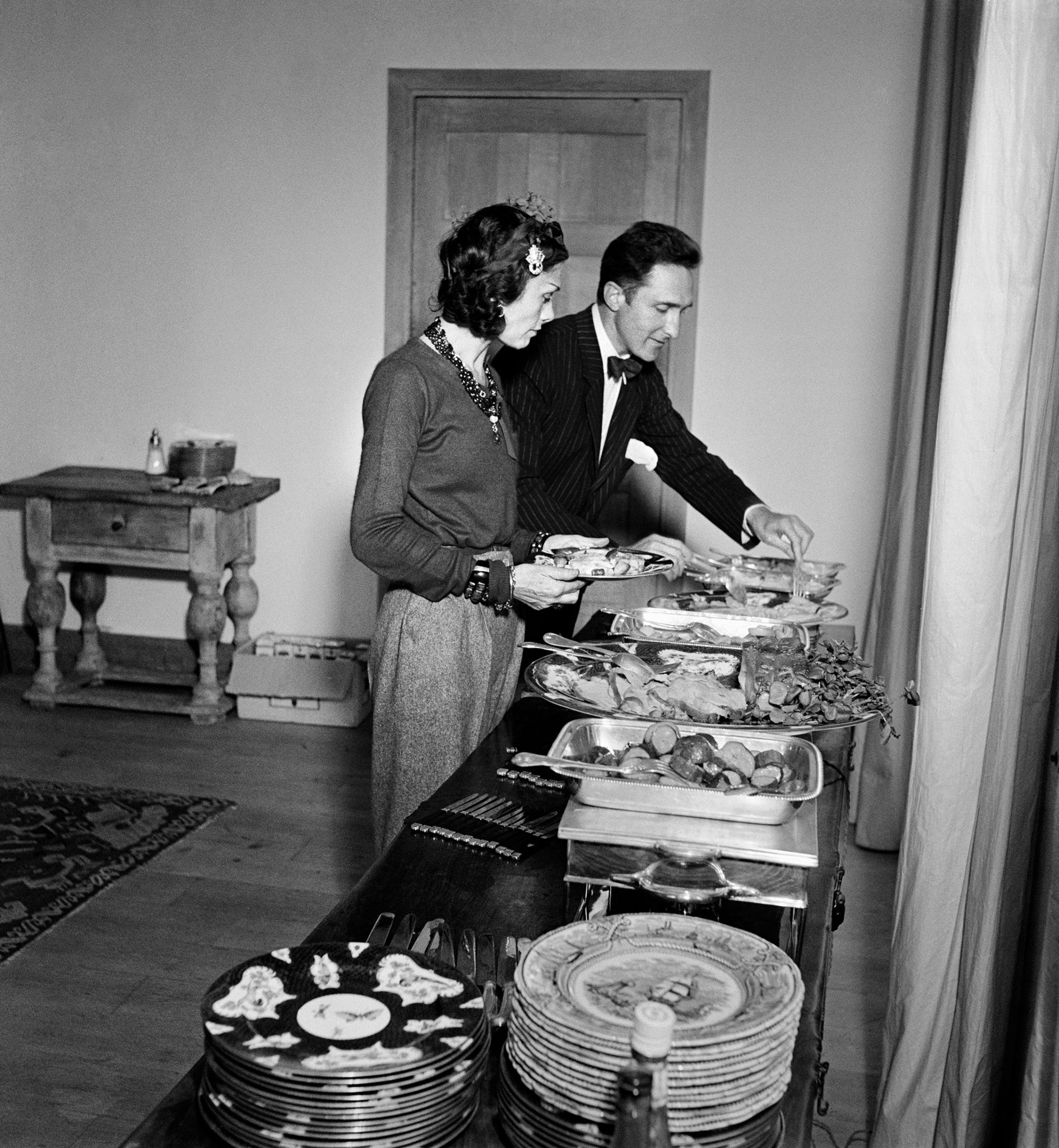
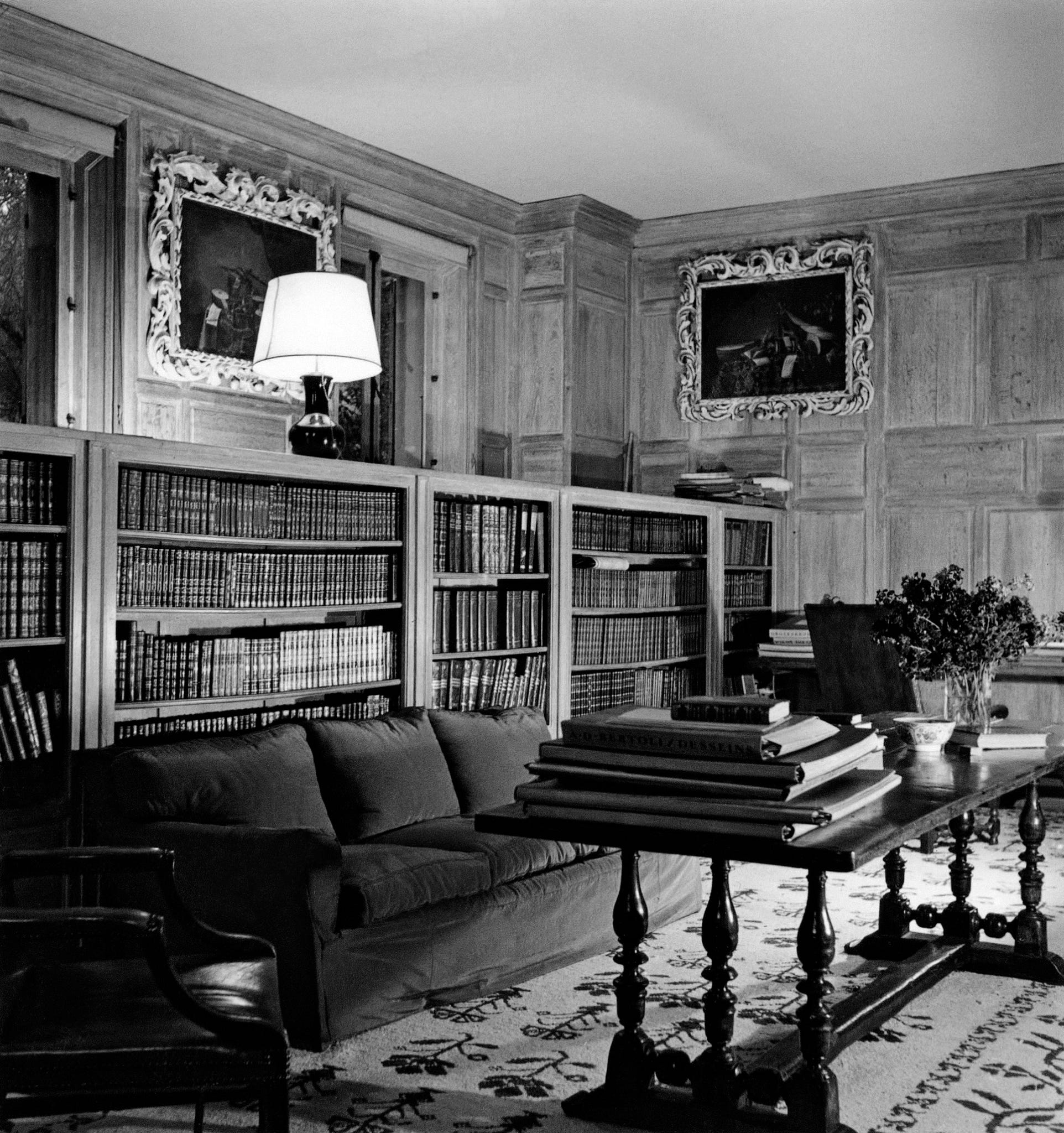
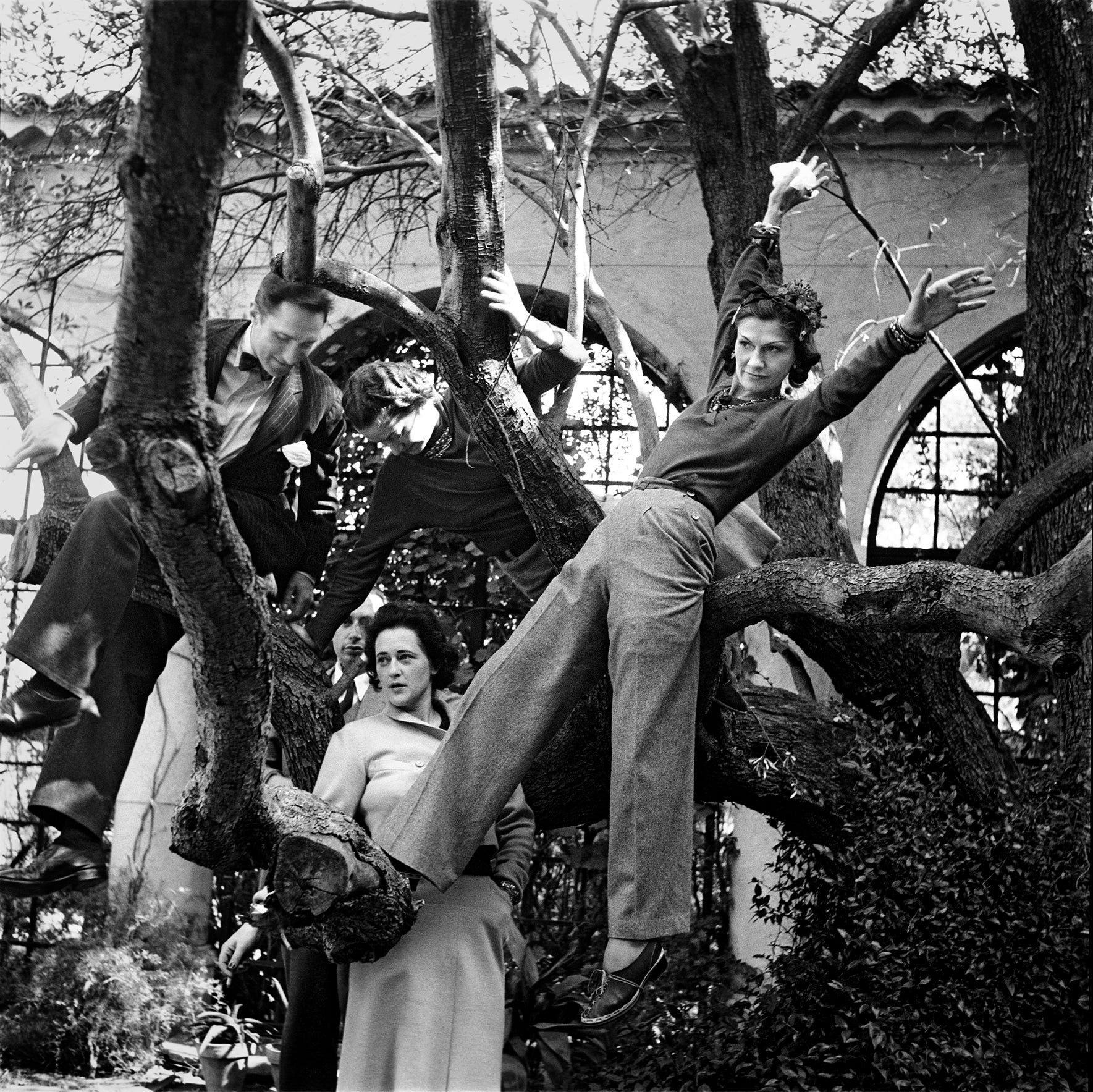
Chanel designed and decorated the house and used it for approximately three decades, hosting artistic celebrities of the time. Pablo Picasso, Salvador Dalí, Jean Cocteau, and the Duke of Westminster were just some of the lucky guests to be invited to spend time there. Her house came to capture the essence and atmosphere of the newly discovered Cote d’Azur, and following the restoration, La Pausa has reopened as a private home and site for cultural creation, inspiration, and education, continuing Chanel’s commitment to the arts.
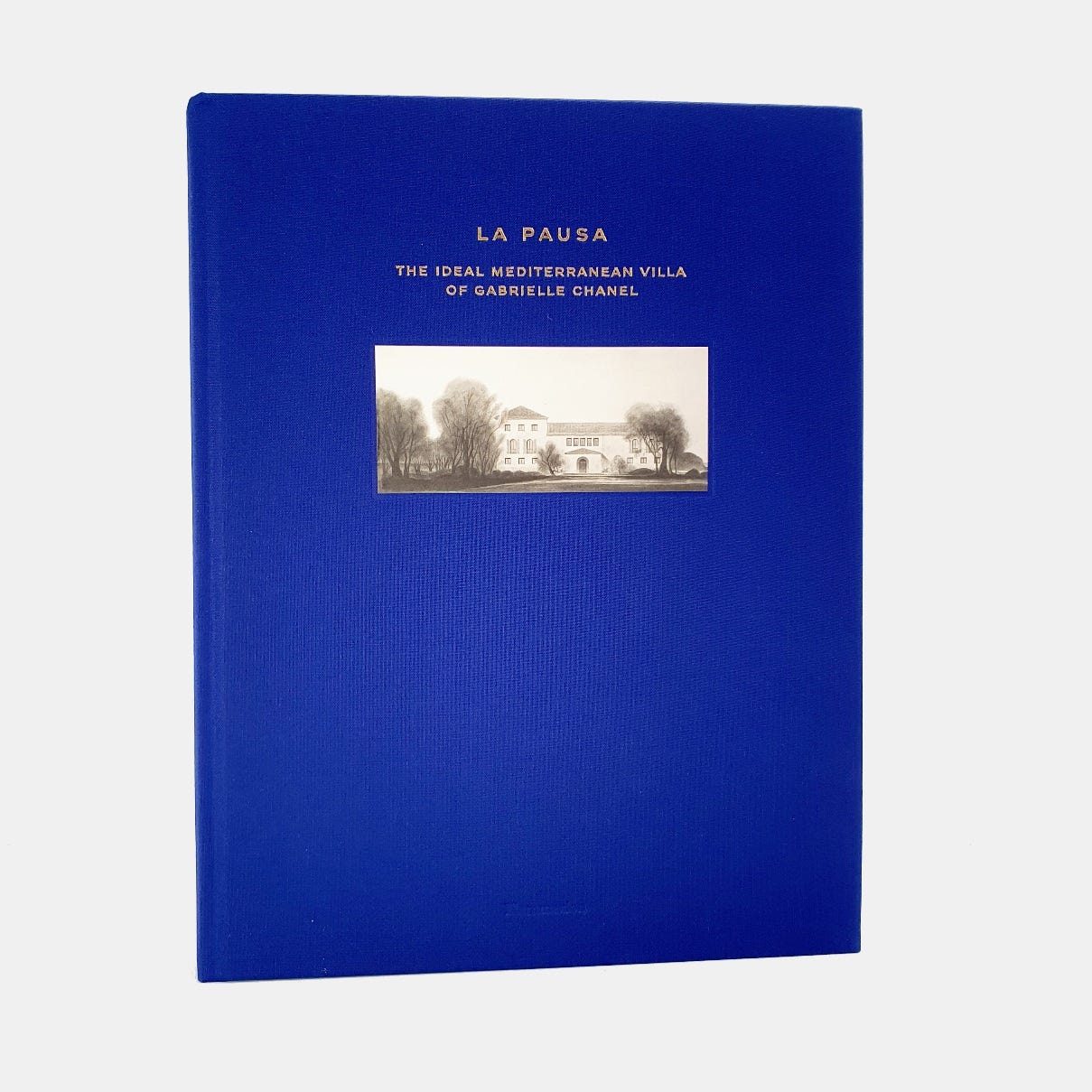
Now that La Pausa is the subject of a monograph published by Rizzoli, it is possible to read about the special life that lived in the famed house which came to capture the personal taste of the couturier and about its continued legacy. The cover of the book is bound in a royal blue cloth with an inlaid historical photo of the villa in black and white, introducing the reader to the magical house. The production quality of the book is unparalleled, mirroring the level of craftsmanship of the Chanel suit, containing a surprise in the form of a reproduction of a postcard that Chanel sent to Picasso, addressed to the artist’s home on 23 Rue La Boétie, Paris.
We learn that the French Riviera was just beginning to rise to prominence in the interwar years, becoming a place of leisure for the first time. The new Le Train Bleu line shortened the journey from Paris to Nice from 11 days to only a single day, making it accessible and allowing visitors to enjoy the weather and the elegant coastline. This was also the time in which some of Europe’s aristocracy built magnificent homes. Everyone came to the Frech Riviera, from Jay Gould, to Joseph Kennedy, to Cecil Beaton, and to Man Ray. This was where Chanel decided to build her second home.
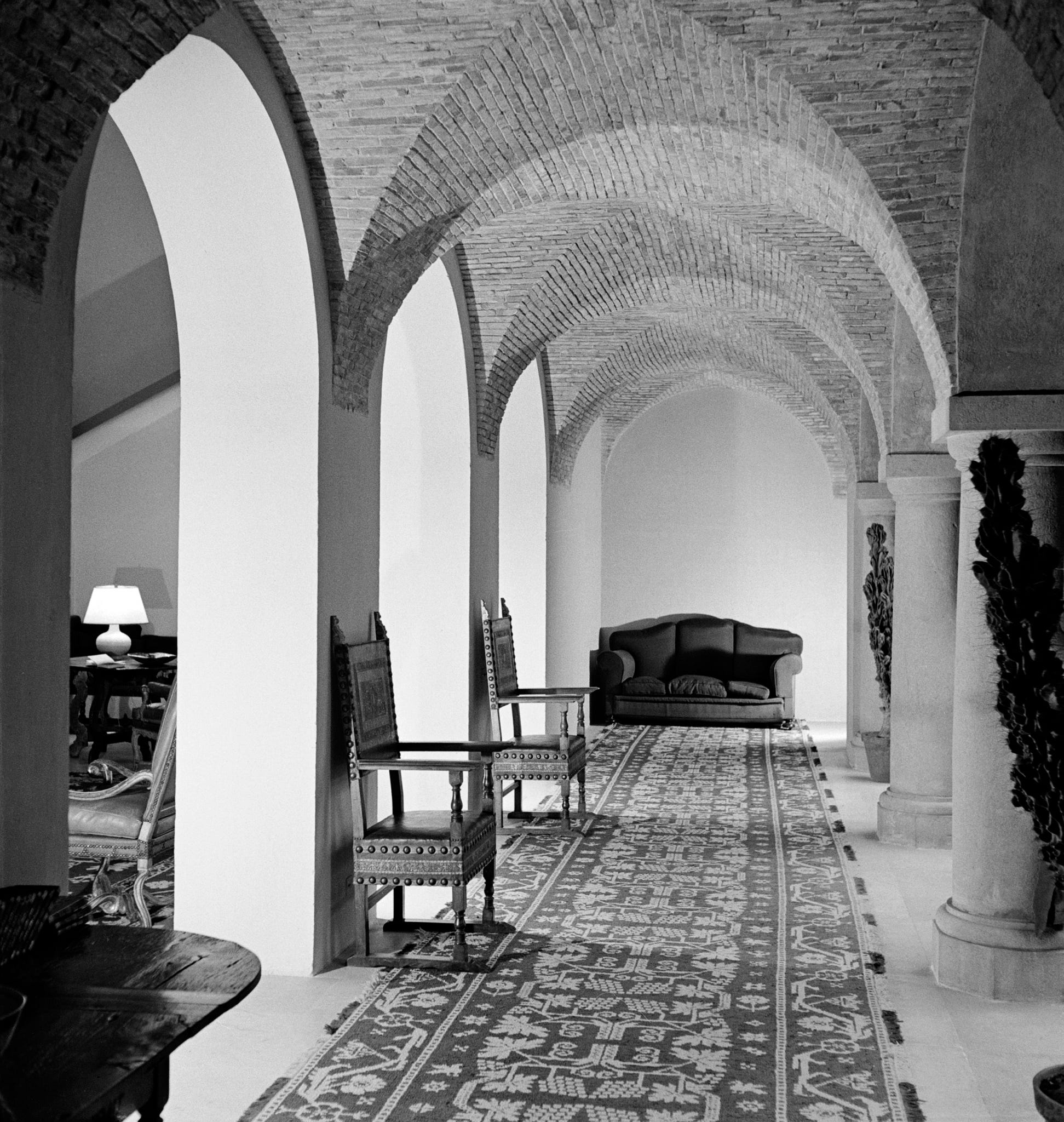
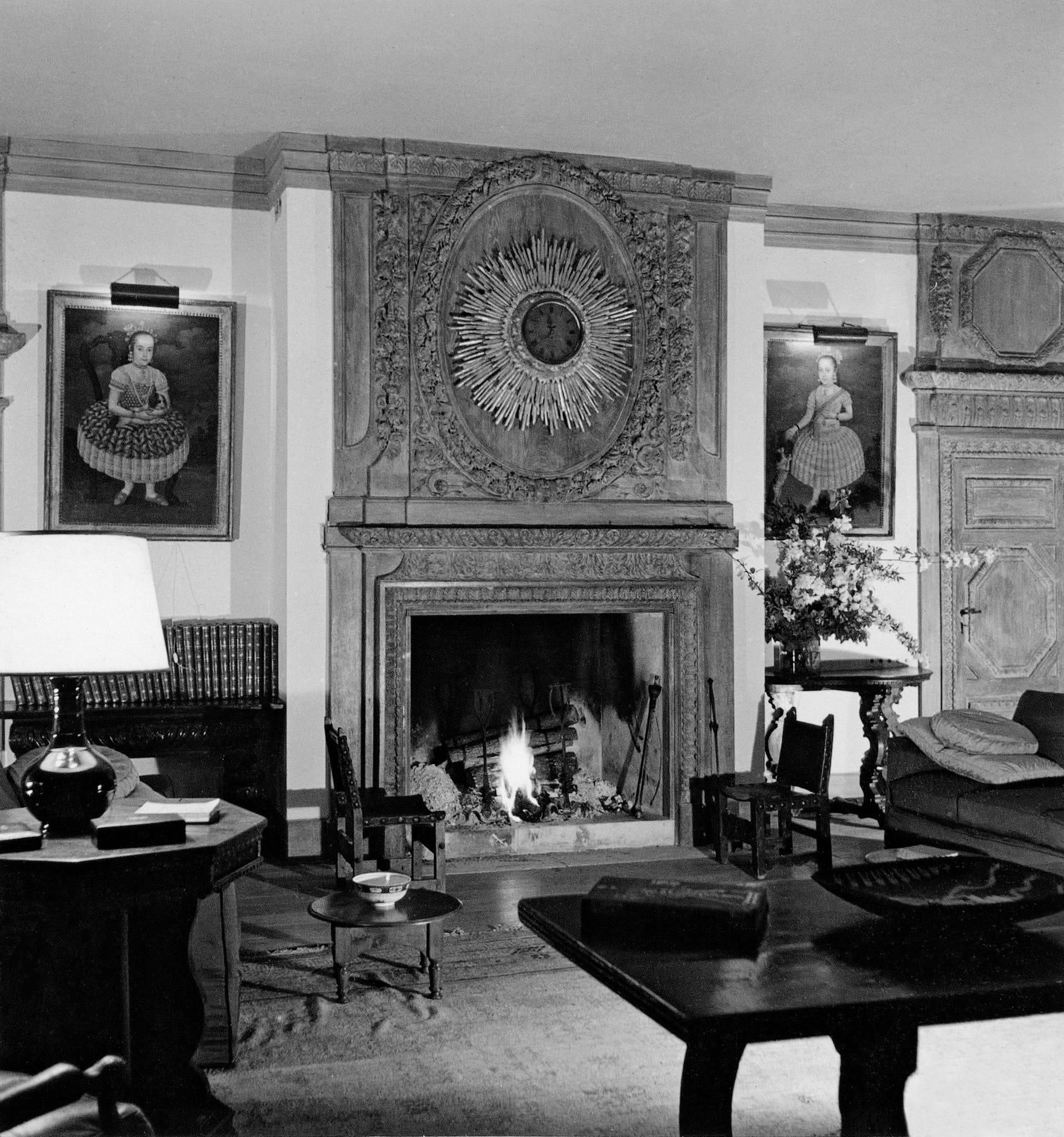
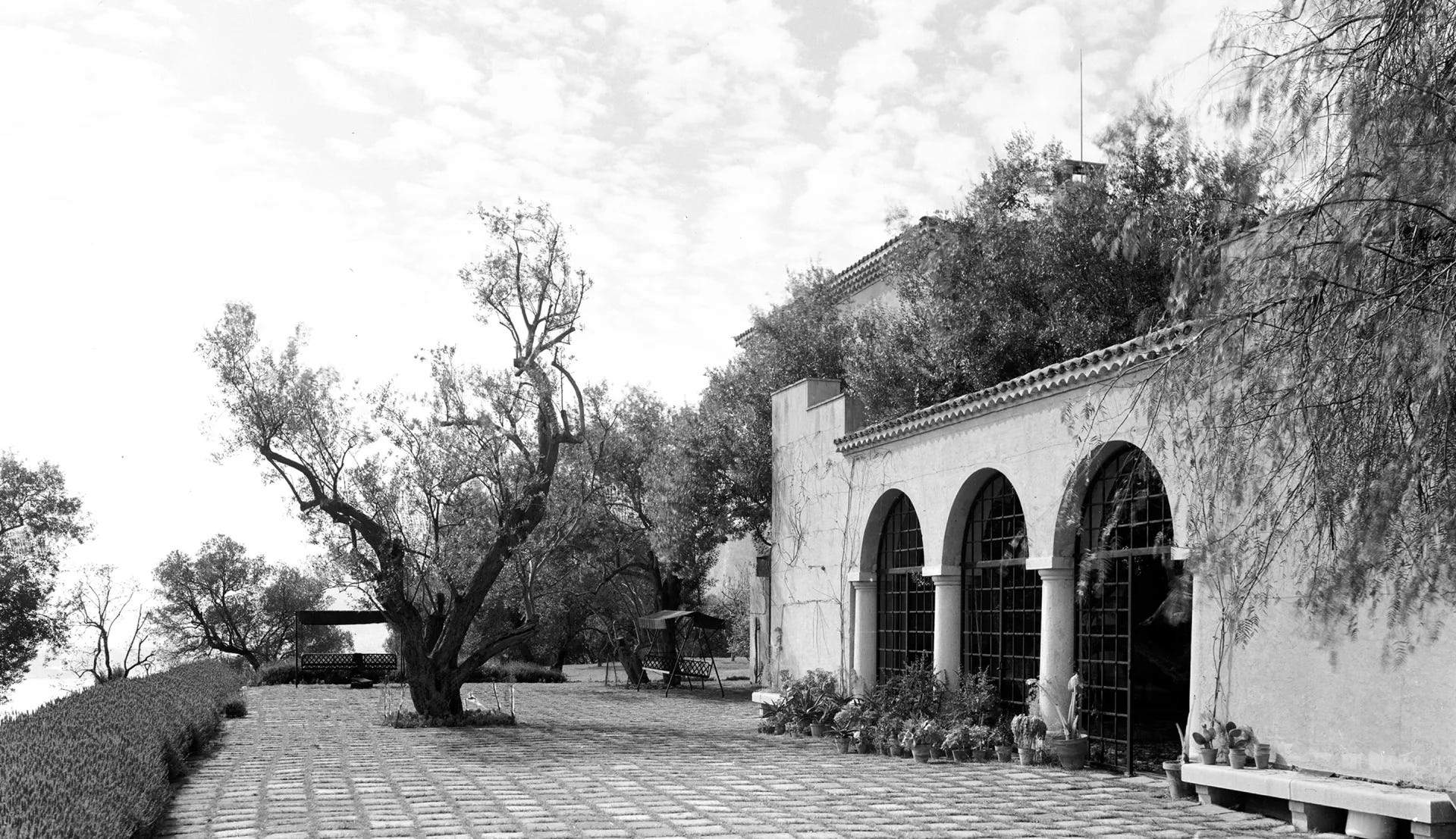
The first half of the book is devoted to the special allure attached to the French Riviera and its evolution as one of Europe’s most desirable places of leisure, before Coco Chanel decided to build her home there. The second part is devoted to La Pausa and the rich history it developed during the years Chanel called it home. When Chanel bought the five-acre plot on which La Pausa was built, it was the hunting grounds of the Grimaldi royal family of Monaco. She commissioned Belgian architect Robert Streitz who devised a design modelled after a 12th-century convent-orphanage in central France, where Chanel spent her childhood, inserting her own personal identity into the design. Construction began in 1928, and Chanel owned the house until 1953, when she sold it to publisher Emery Reves, who was famously the literary agent of Winston Churchill. His widow, Wendy Reves, occupied the house until 2007. The analysis of the design concept is particularly interesting. For example, it is revealed that the design of the windows was inspired by Chanel No. 5. The ambitious house cost over six million francs to be built, with interiors created by the decorating firm Maison Jansen as a personal expression of the couturier. With the wealth of coffee table books on design, this book is a precious addition to any library. Just like the house itself, it has it all: stunning visuals, compelling content, and chic design.