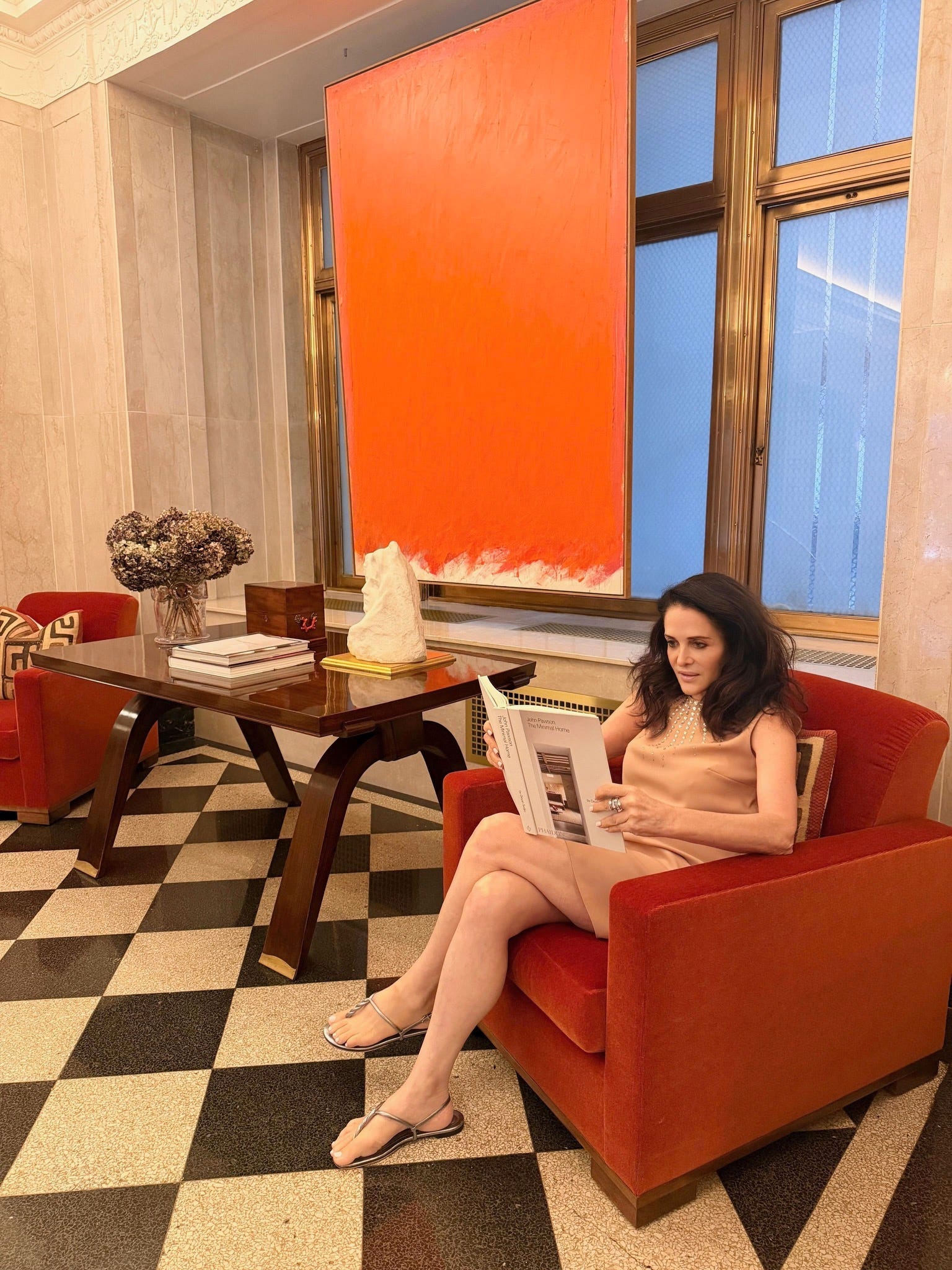
As a minimalist, I regard my home as an architectural stage set—one that only truly comes alive through use. I have always been fascinated by how minimalists inhabit space, and by the way they deploy furniture not merely as function but as an element that reinforces and articulates the architecture around it. To understand how the world’s most celebrated minimalist lives, one need only turn to the new monograph on British architect John Pawson, long regarded as the godfather of contemporary minimalism. Pawson strips buildings and interiors down to their most essential elements: restrained palettes, spare formal vocabularies, an acute sensitivity to light and volume, and a material register pared down to no more than two or three elements. His most celebrated projects—the Design Museum in London and Calvin Klein’s former flagship store on Madison Avenue among them—stand as enduring testaments to his rigorous, almost spiritual design philosophy.
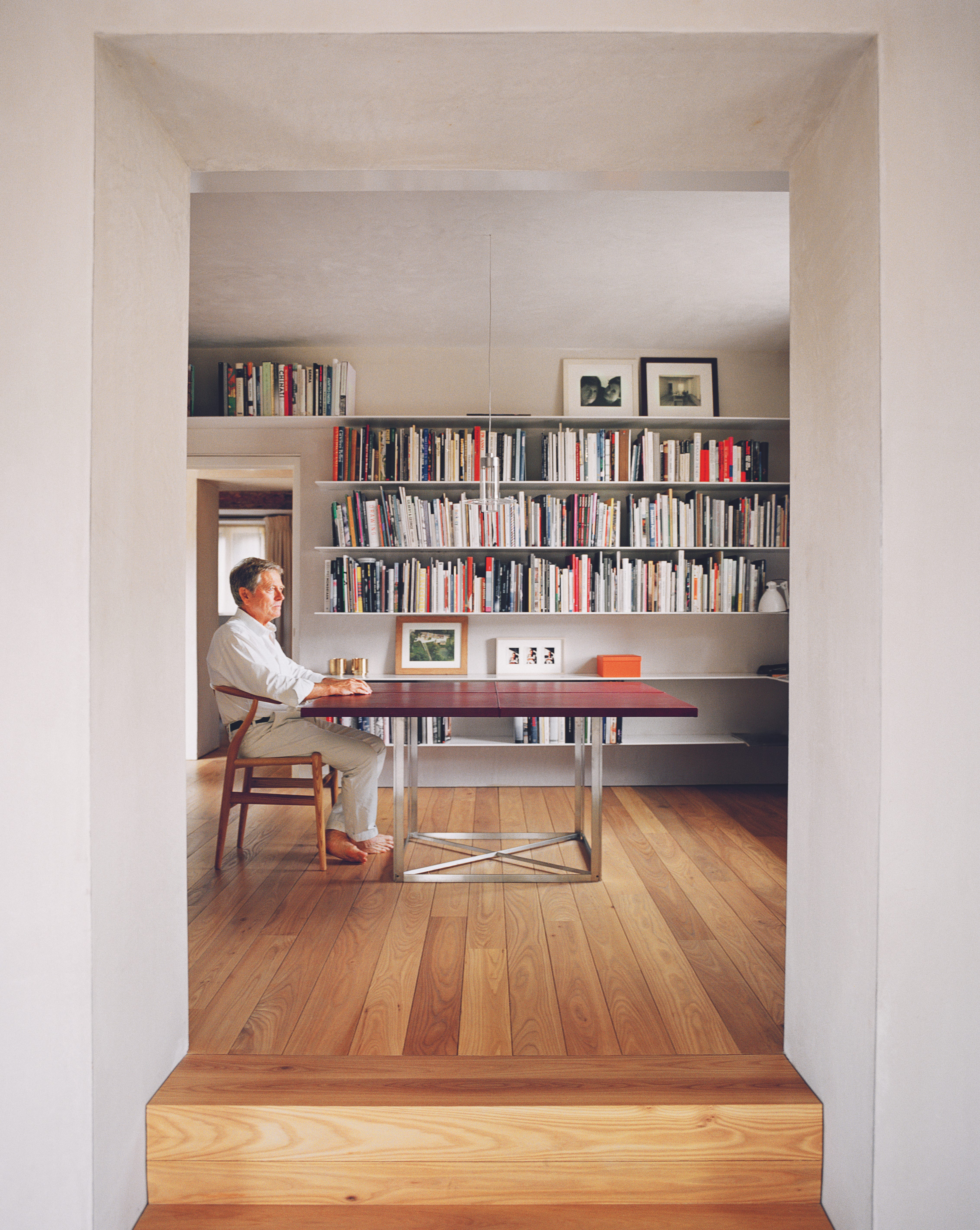
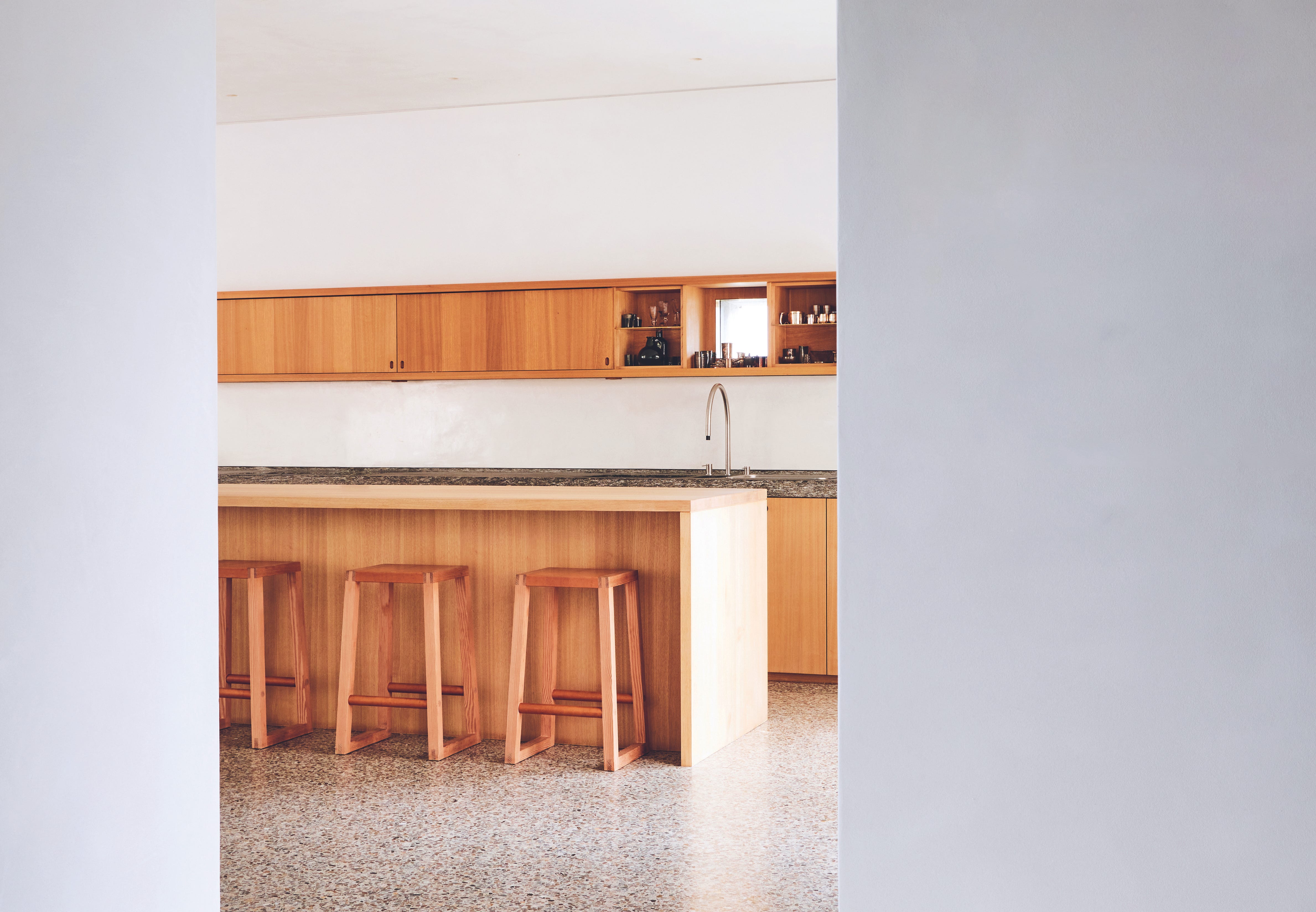
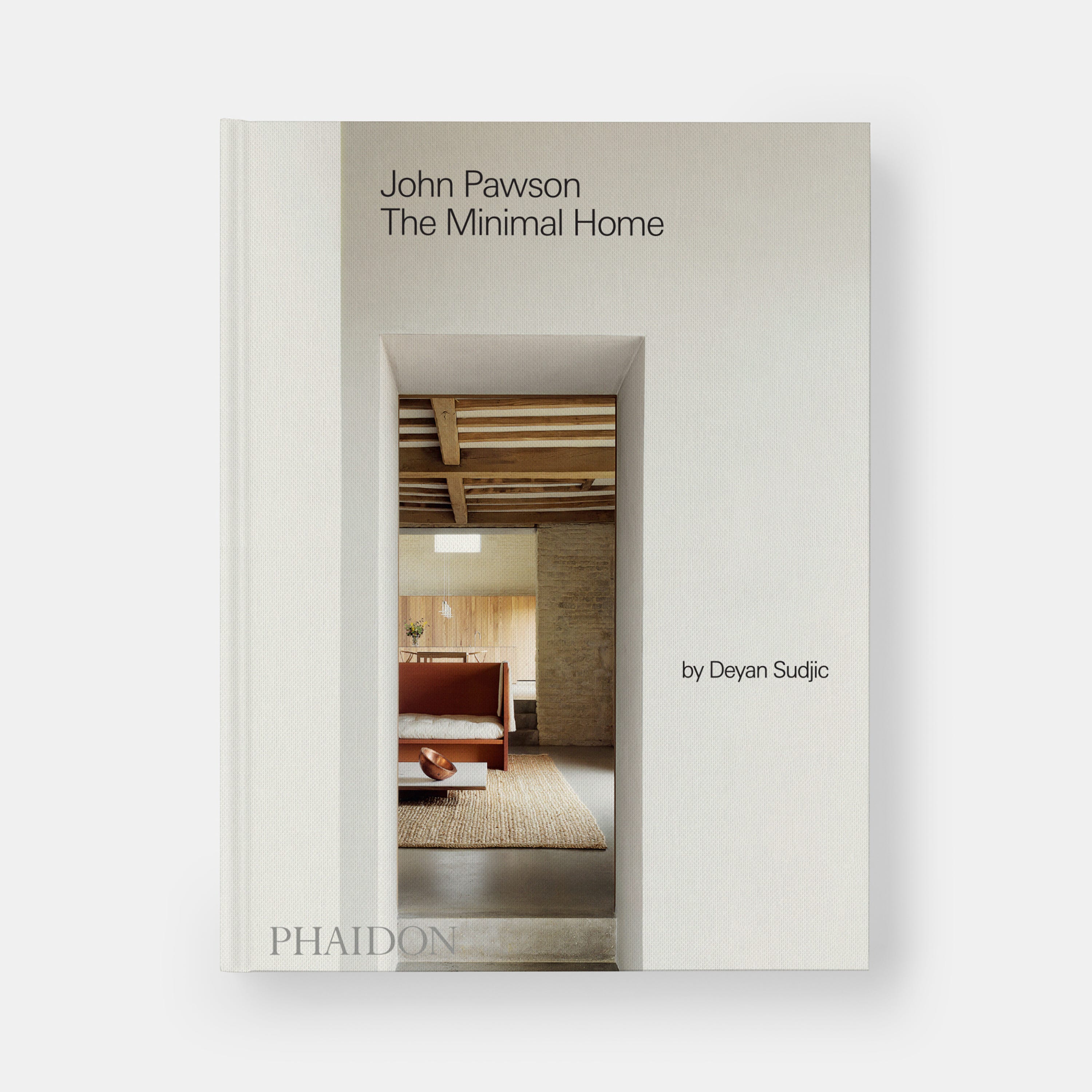
Pawson has been the subject of numerous monographs, yet his latest, John Pawson: The Minimalist Home—authored by the architect himself, with commentary by Deyan Sudjic, and published by Phaidon—distinguishes itself as a singularly compelling contribution to the genre. This inspiring book illuminates the manifold ways in which design shapes the texture of everyday life. Structured into six chapters that mirror the rhythms of domestic existence—living, cooking, eating, bathing, sleeping, and working—it articulates Pawson’s conviction that designing a home transcends mere elevations and floor plans. At its heart lies a more intimate inquiry: what will it feel like to sit at a table and share a meal? From where will the daylight fall—will one’s companions be cast in silhouette, or softened by shadow? How will the floor feel underfoot, and what sound will it yield to footsteps? These are the quiet, sensory considerations that form the bedrock of his exquisitely conceived houses.
To me, Pawson’s inspirations—the touchstones and points of departure for his discussions—constitute the heart of the book, and they are drawn almost entirely from history. He admires Arne Jacobsen, Shiro Kuramata, and Donald Judd. Some references are readily apparent: the meditative rock garden of Ryōan-ji Temple in Kyoto, the circular dining room of Mies van der Rohe’s Villa Tugendhat, Peder Vilhelm Jensen-Klint’s celebrated Grundtvig’s Church in Copenhagen, and Adolf Loos’s own bedroom. Others are less expected—the famed poster for the 1927 Werkbund exhibition in Stuttgart, which disregards the cluttered interior; the Romanesque Thoronet Abbey in Provence; and the French gastronome who, in 1825, published The Physiology of Taste and, in doing so, helped establish what we now recognize as the art of eating well: design in service of life. We learn, unsurprisingly, that he prefers Mies to Le Corbusier. It is the sense of universality, the classicism that served as his tool for achieving minimalism, and the pursuit of perfection that Pawson most admires. Equally significant are Pawson’s own sources of formation—the influences that shaped his particular approach to creating homes. What emerges is a sense that many of these historical references remain deeply relevant today: the orchestration of a meal, and the manner in which we eat, ultimately signals self-identity.
I was particularly struck by the autobiographical passages in the book. Pawson recalls that in his childhood home, no one was served until everyone was seated, and no one was permitted to leave the table until the entire family had finished. This unassuming discipline elevated the meal from mere routine to something closer to ritual—an occasion rather than a habit. Reading it, I found myself drawn back into a memory of my own.
The book’s central preoccupation is how architecture and design shape the way we inhabit space, and what it means for a space to feel comfortable. “Comfort,” he observes, “means getting everything to work with everything else, and to be harmonious.” It is not a matter of how comfortable any single piece of furniture might be, but of “getting spaces to work in terms of proportions and scale, and getting the inter-relationship of spaces right—that is what creates the simplest kind of comfort.” Pawson closes with the perennial question: can anything truly be timeless? His answer is unambiguous: “there is no such thing as timeless.” To understand why, one must read the book. What a wonderful addition to any library, and with so much assets one can take from it into living life of style.