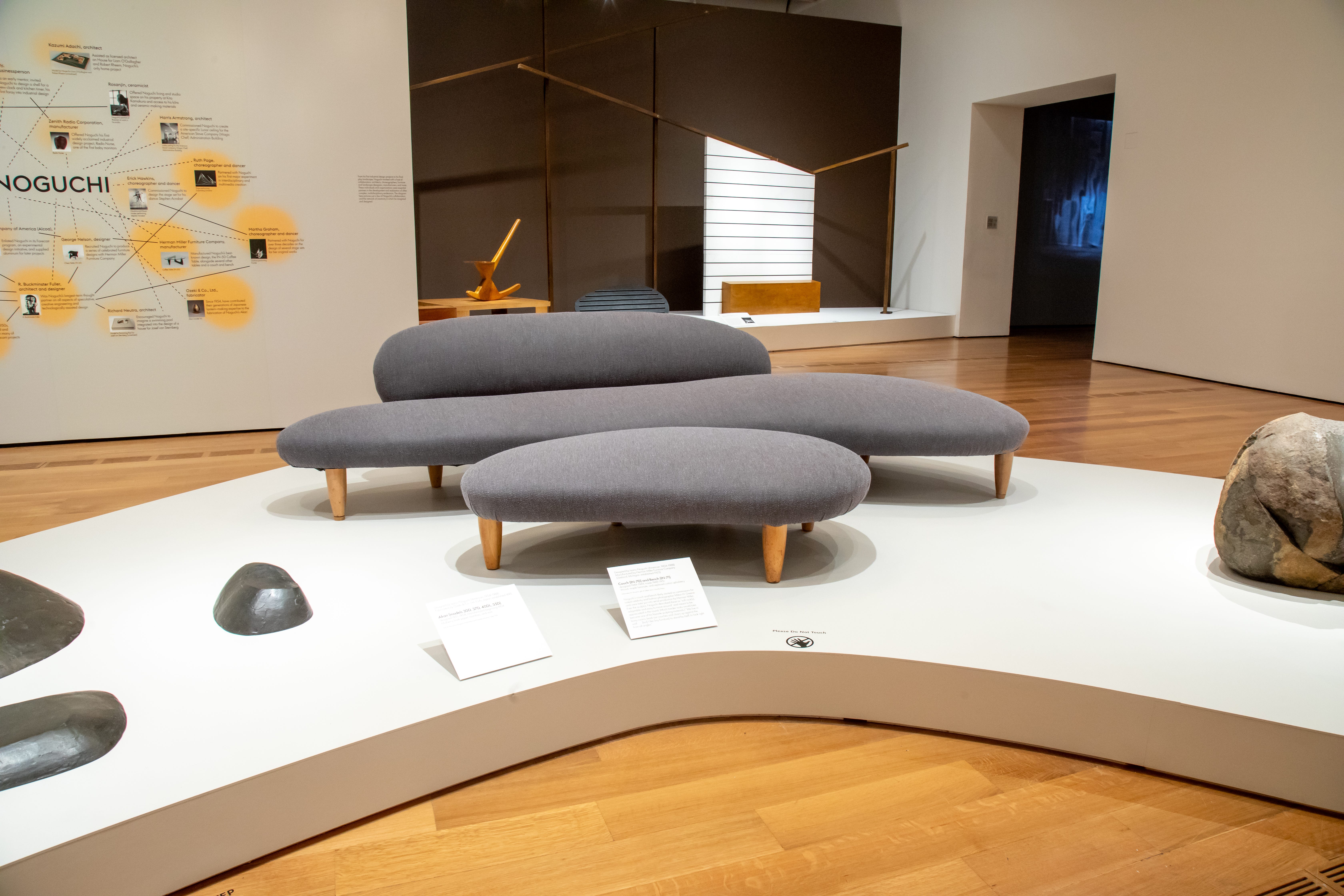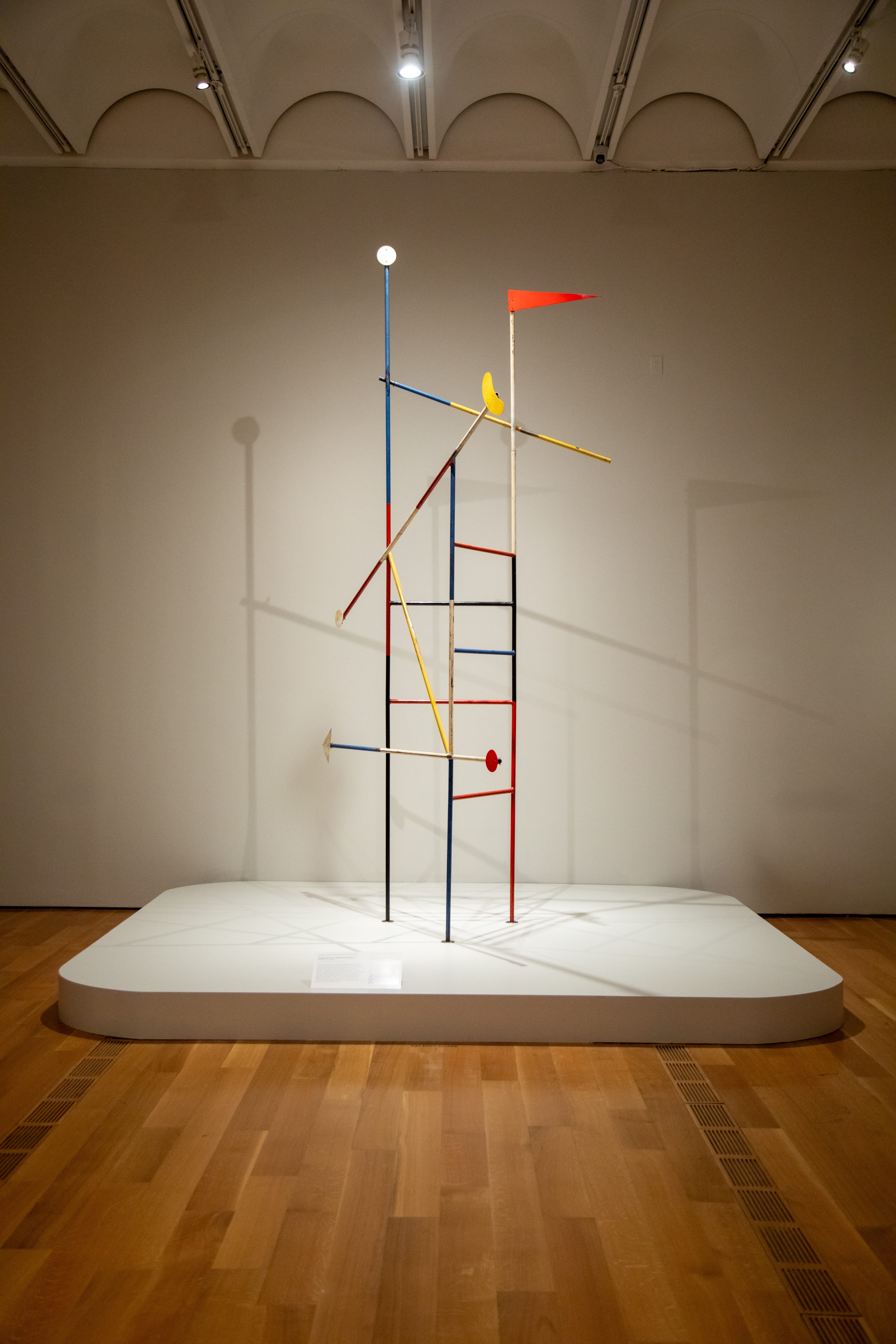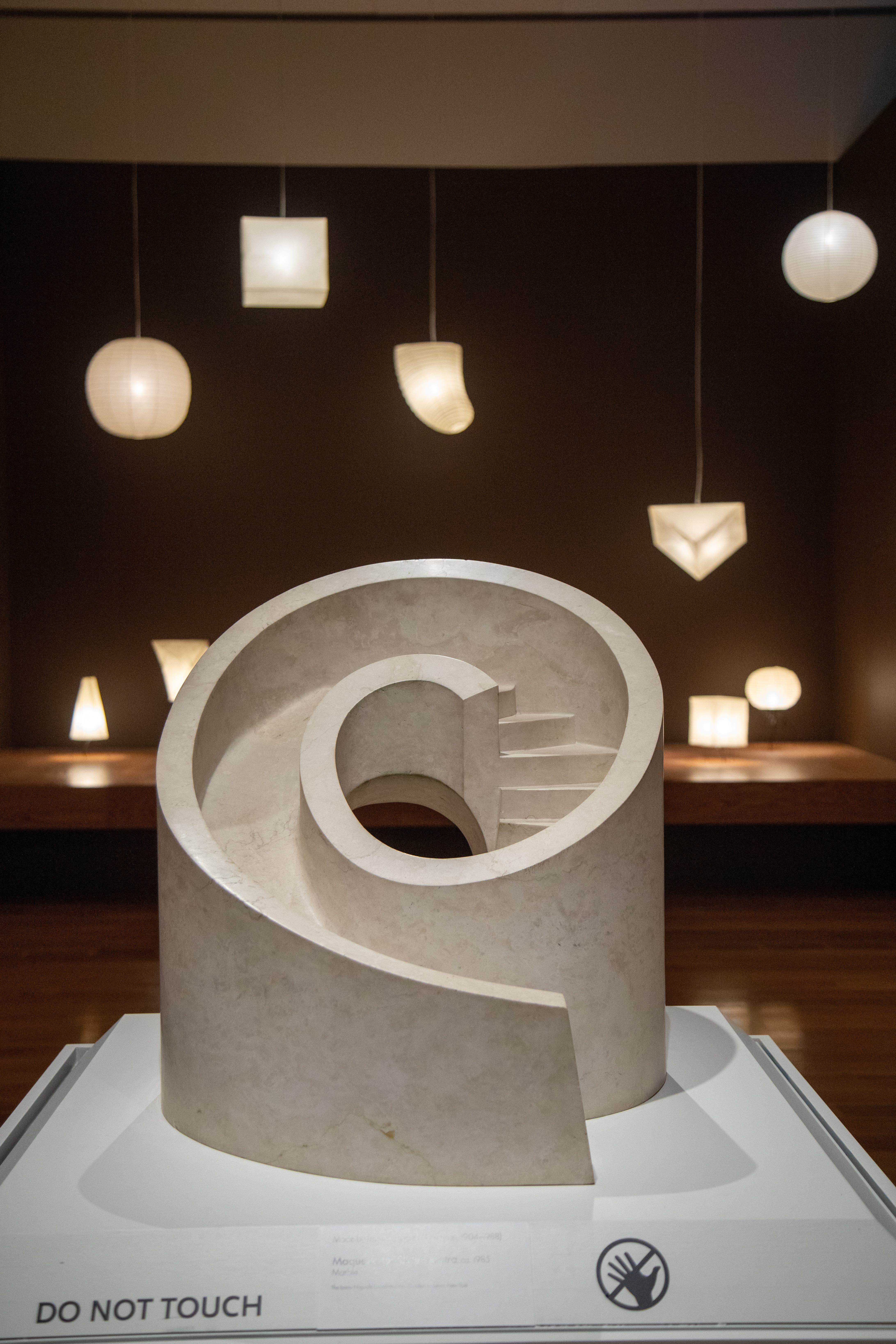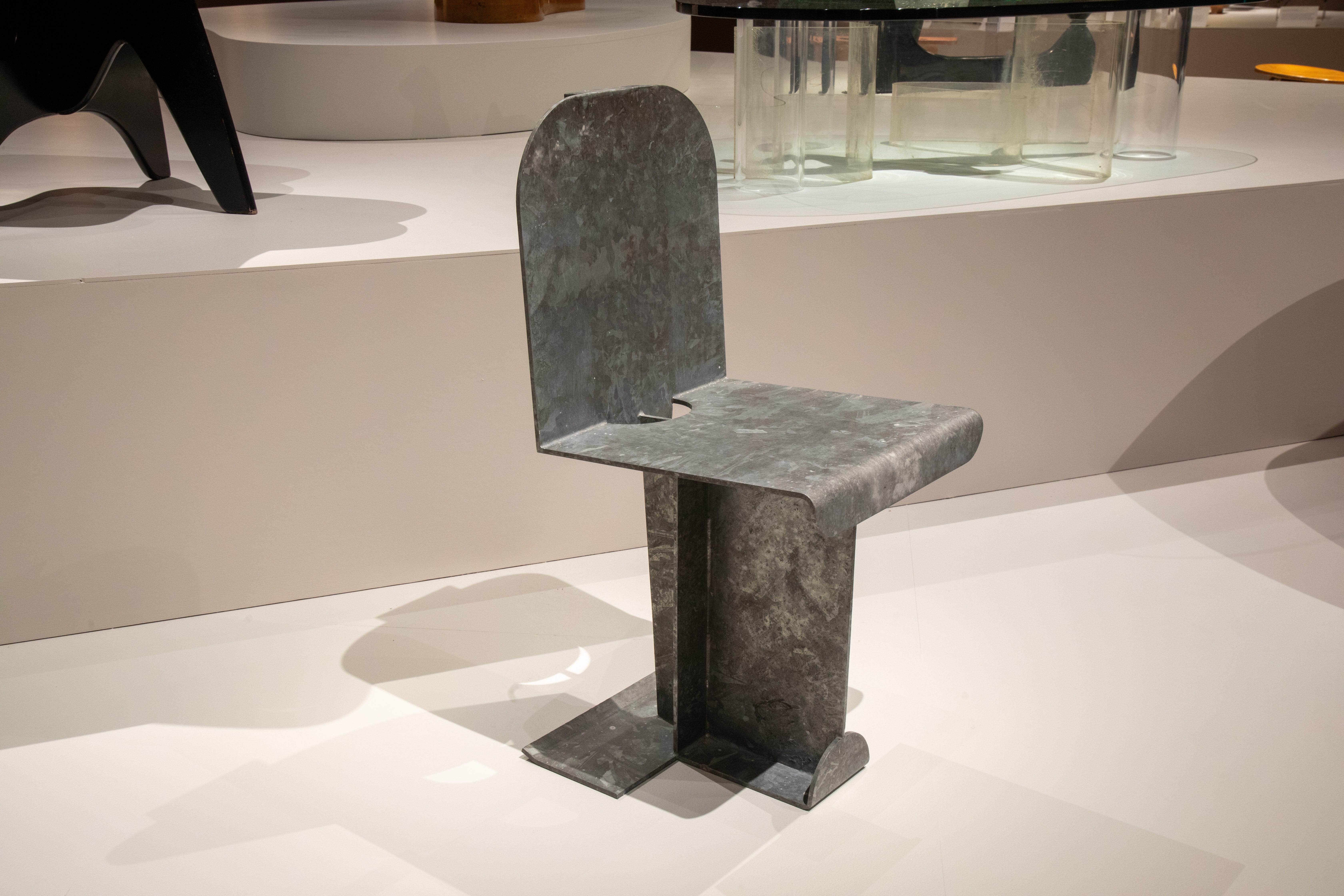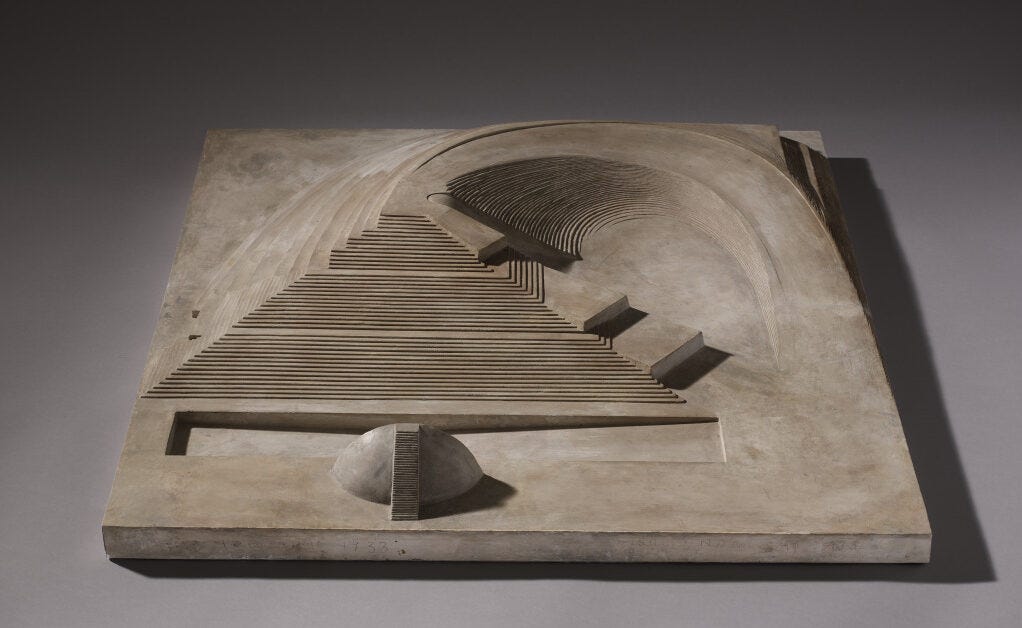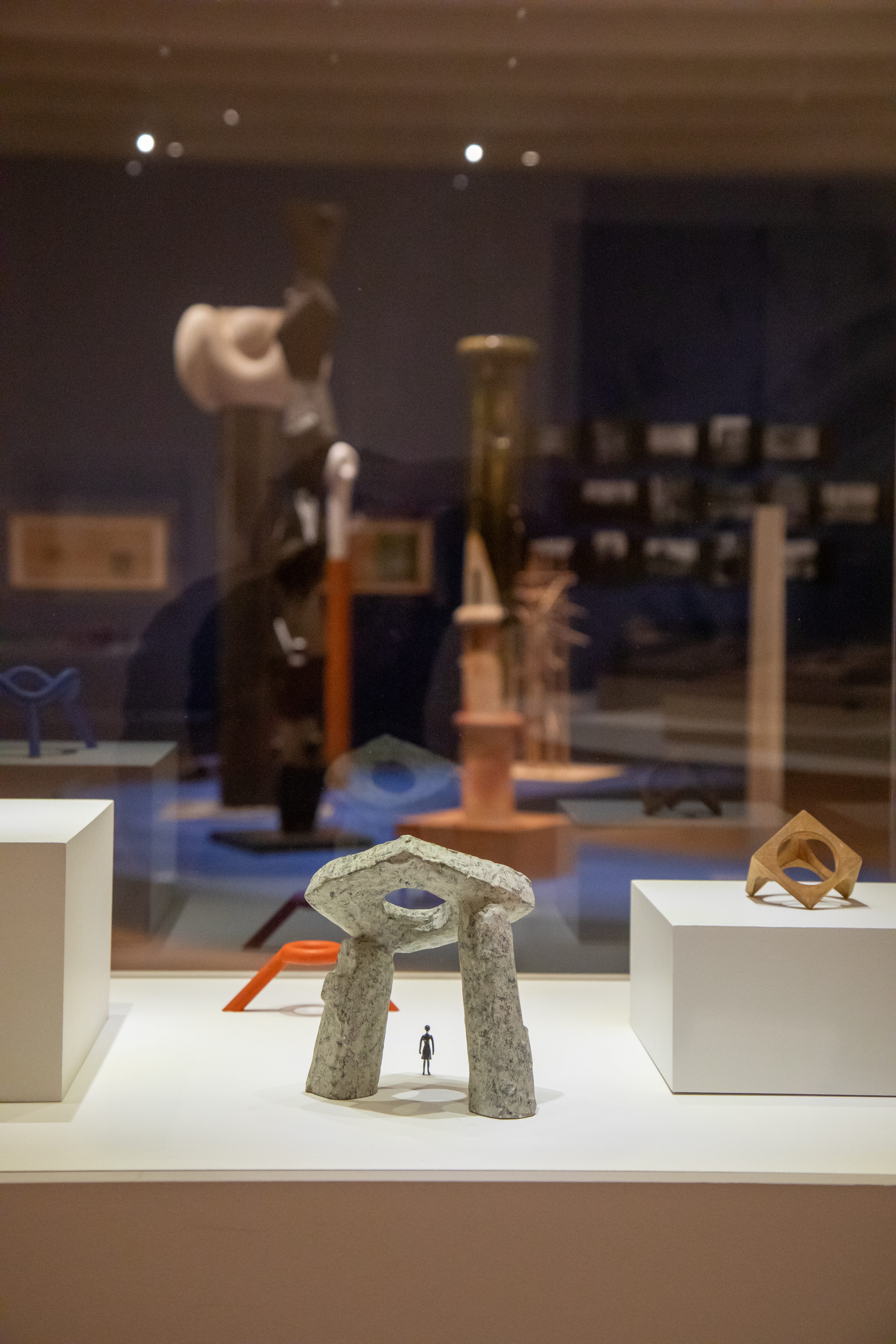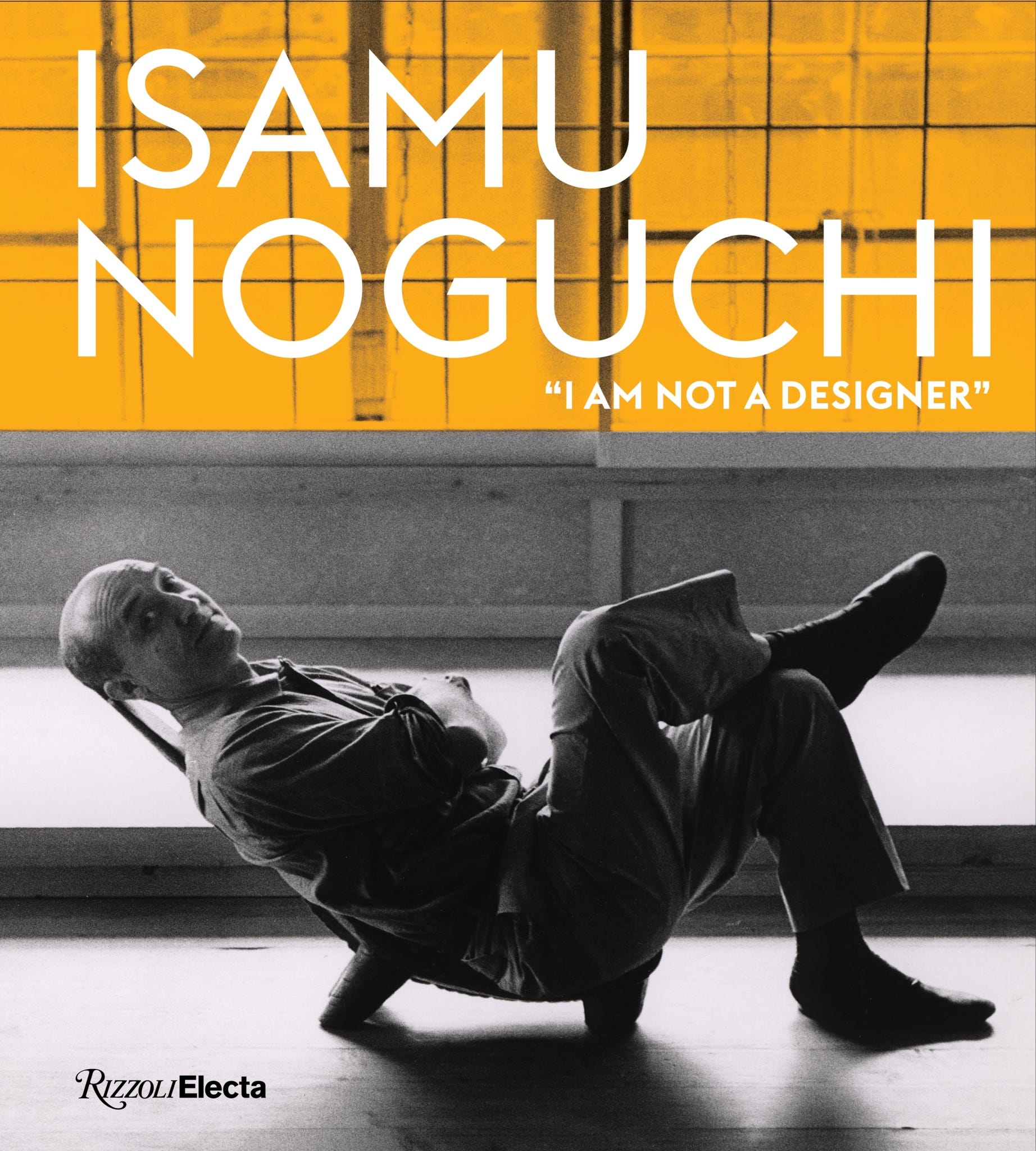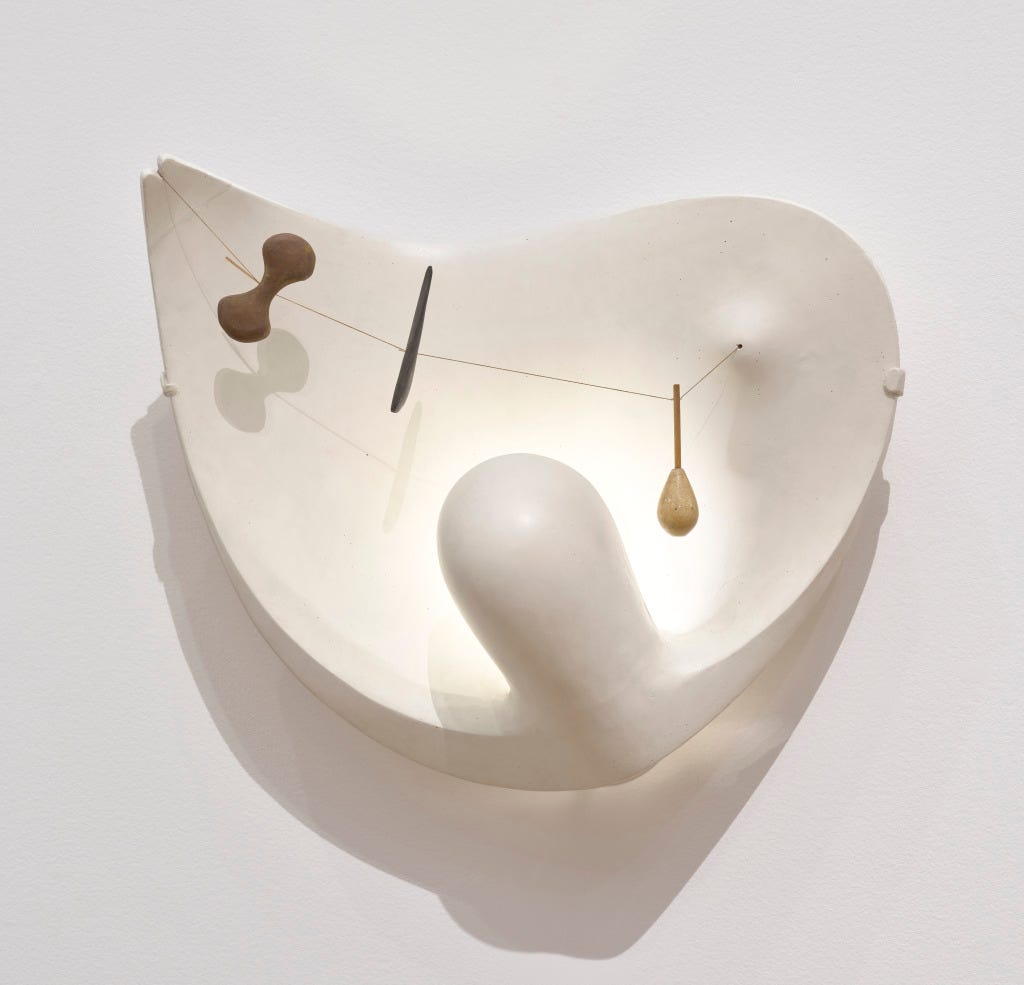
One of the year’s most eagerly anticipated design exhibitions opened last month at the High Museum of Art in Atlanta. Given the extraordinary six-decade career of Japanese-American artist Isamu Noguchi (1904–1988), the title ‘I Am Not a Designer’ carries a certain irony. The exhibition explores the refined objects, projects, and defining moments that established Noguchi as one of the most influential figures in modern design. I asked the exhibit’s co-curator, Monica Obniski, about the title. She is the Museum’s curator of decorative arts, and my recent guest who concluded the spring series of ‘Collecting Design: History, Collections, Highlights.’ Apparently, in a famed interview with Noguchi, published in the journal League Quarterly in 1949, one of his most productive years in design, he declared, “I am not a designer.” And it is this quote, charged with much of his intellectual perspective on his place between art and design, that is not only the title of the landmark exhibit but also stands at its core, suggesting a lifetime of questioning the role of the ‘designer’ in his oeuvre.
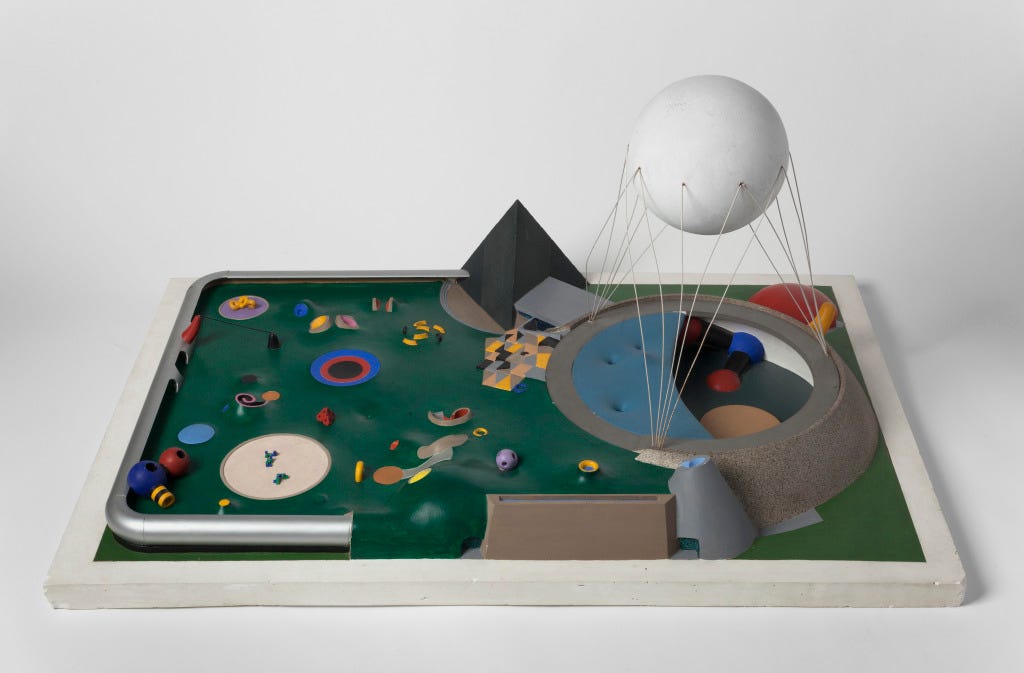
Unlike past monographic exhibitions on Noguchi—too many to count—this one is the first to present the full scope of his work in design. It is rich beyond words: industrial design, one-of-a-kind furniture, exhibition design, prototypes, collaborations on architecture projects, interiors, functional sculpture, gardens, playscapes, and playgrounds. From the show and its accompanying book, we learn that Noguchi’s scope of design was larger than that of any other American designer of his generation.
As many artists engaged in design, Noguchi wanted to be seen as a sculptor rather than as a designer, although, as we learn, in challenging times of financial insecurity, he turned to industrial design as a major source of income. But, as Obniski notes, to Noguchi, who was born in Los Angeles to a Japanese poet father and an American writer mother, and who split his time between Japan and America for most of his life, it was not simply a quest to be recognized as an artist, as he seamlessly moved between sculpture, furniture, gardens, and playgrounds. He always emphasized form, but in accordance with Japanese holistic philosophy, he developed an interdisciplinary approach, blurring the lines between art and design. It is the Nagomi, an ancient Japanese concept of cultivating balance, calmness, emotional well-being, and harmonizing opposing forces, which ultimately shaped his views. On May 7th, the High Museum of Art celebrated the 50th anniversary of Playscapes, the only playground Noguchi built in the US, which was commissioned by the Museum in 1976. He drafted many plans for playgrounds throughout his life, capturing his vision of art in the public space, but most of these proposals were rejected.
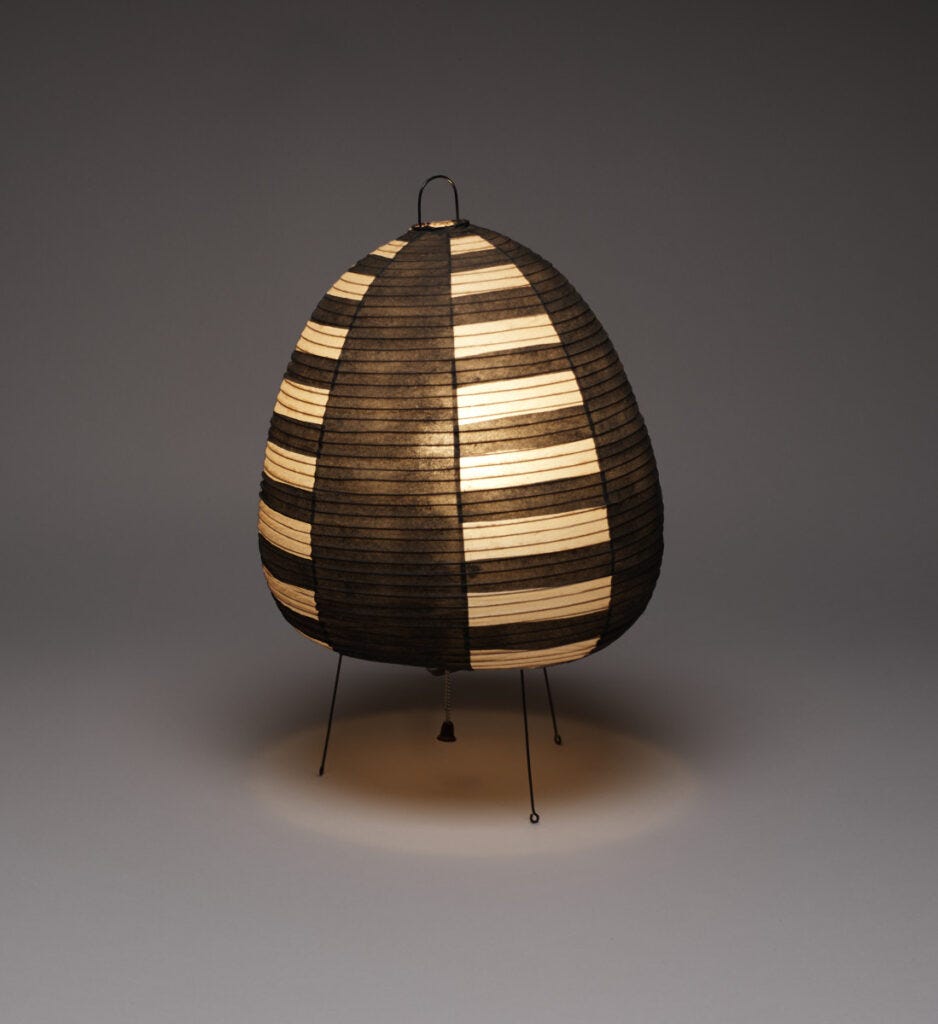
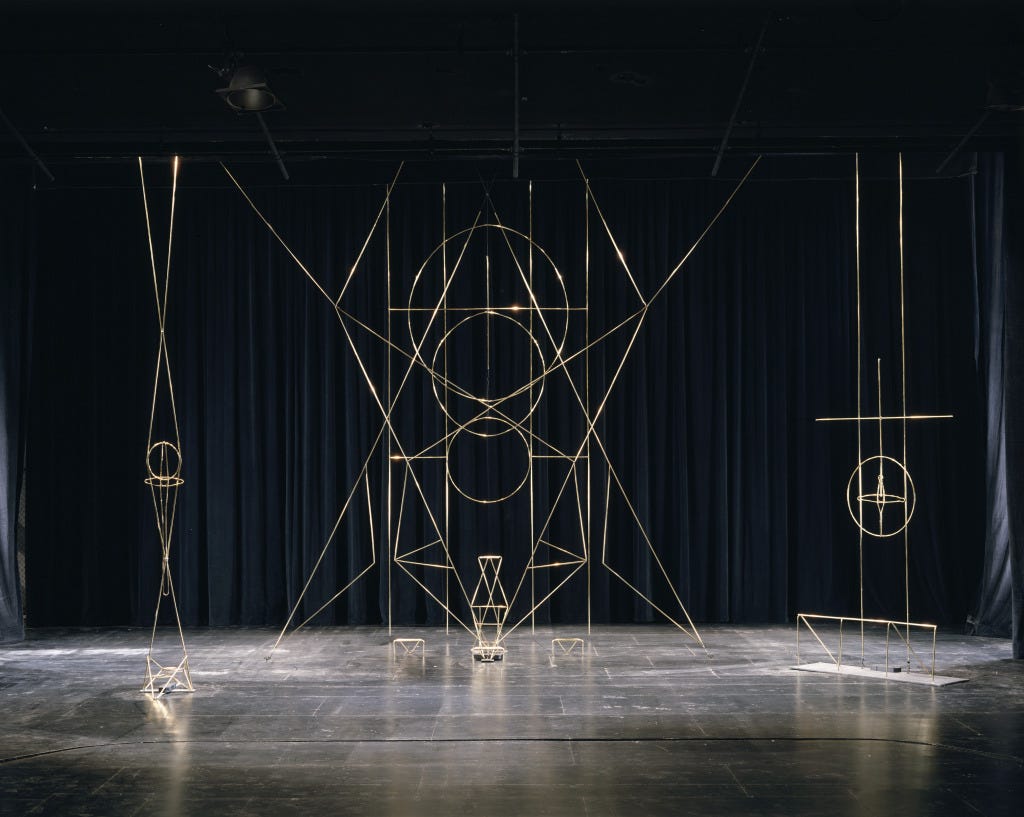
Atlanta has many reasons to celebrate the life and legacy of one of the most critically acclaimed artists of the 20th century, and having Monica Obinski as my guest in concluding the spring season of the series was a treat, revealing the five-year curatorial concepts of the exhibition. Our talk focused on Noguchi’s furniture, which is as fascinating as the stories attached to his work. They grew from the relationships that he had forged throughout his life, and those narratives have become an integral part of their histories. Like many successful artists, Noguchi leveraged personal relationships to propel his career and to collaborate with some of the most fascinating cultural figures of his time: Merce Cunningham and John Cage; Louis Kahn; Martha Graham; and George Nelson, to name a few. These relationships brought about some of the most imaginative and iconic design projects of the 20th century. George Nelson recruited him to create furniture for Herman Miller; with Ozeki Jishichi Shoten, the producer of paper lanterns in Gifu, Japan, with whom he developed the blockbuster product, Akari Lamps; with Kenzo Tange, Japan’s father of modern architecture, with whom he collaborated on the Hiroshima Peace Memorial Park and the Sogetsu Kaikan in Tokyo, and more.
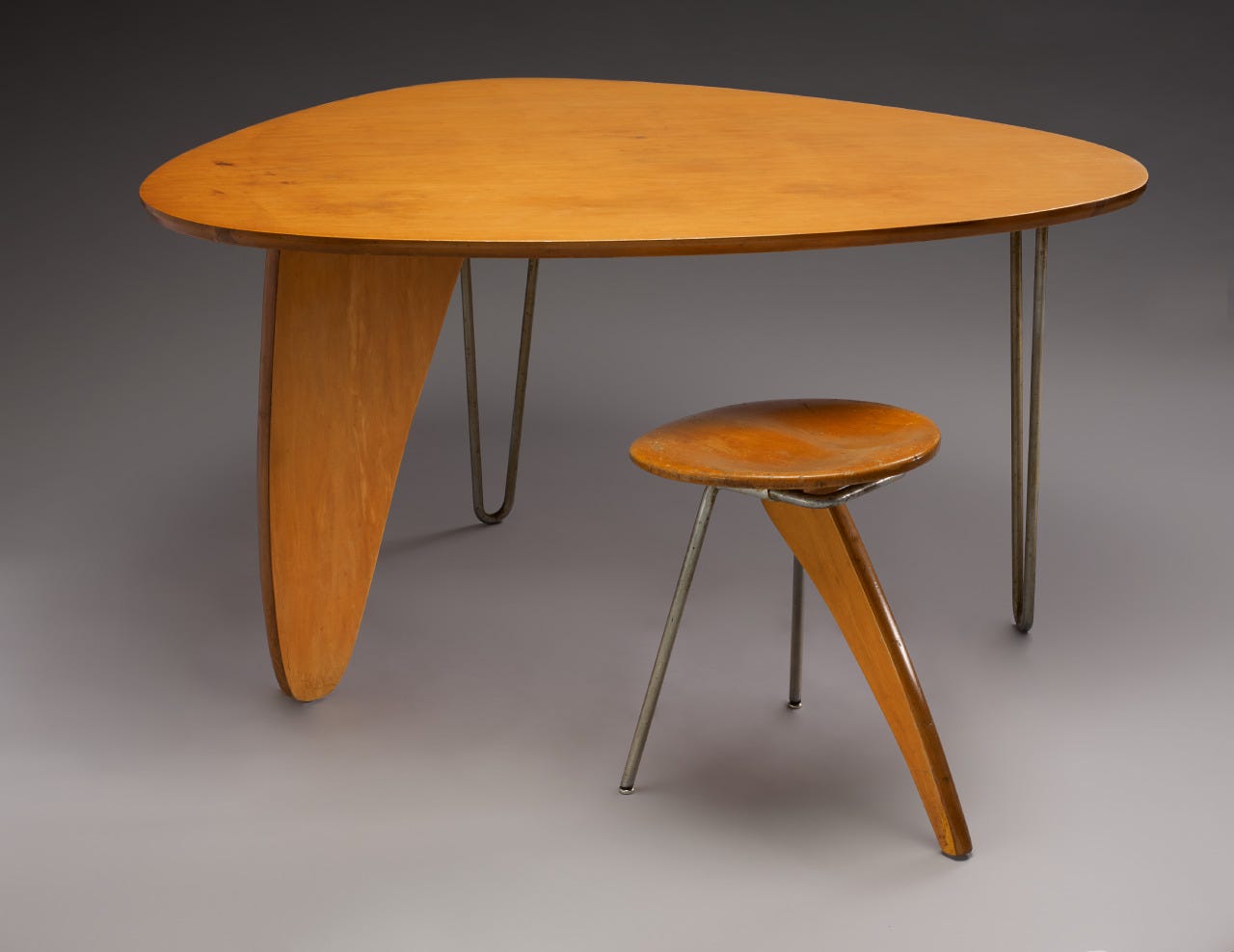
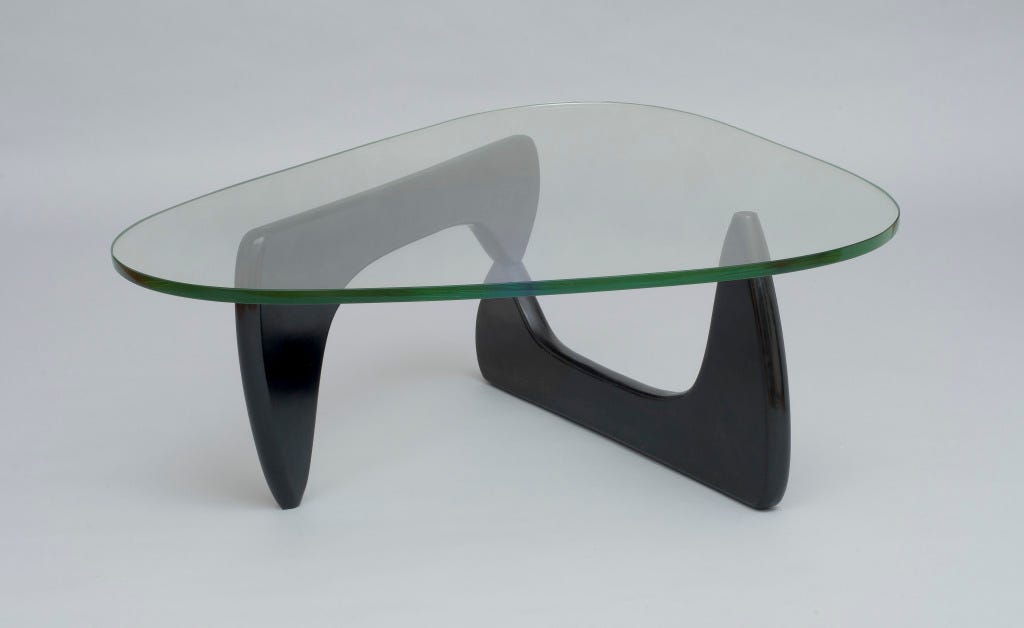
An entire chapter in the book is devoted to the magical tables he created for three leading figures in the history of the Museum of Modern Art: Philip L. Goodwin, a member of the board of trustees; A. Congar Goodyear, a philanthropist and the Museum’s president; and William A. M. Burden, who served as a trustee and the Museum’s president during the 1950s; he nicknamed the three his ‘fancy friends.’ For Goodyear, he created the first table in laminated wood for his new and modernist home in Long Island, an organic-shaped table which later became the point of departure for his famed coffee table IN-50 for Herman Miller. For Goodwin, he designed a table with one enormous opening, inspired by the sea arches of coastal Japan, which today is in the permanent collection of MoMA; and the dining table he created for Burden’s summer house in Northeast Harbor, Maine, which was demolished in a fire.
Dressing functional objects with sculptural identity was Noguchi’s brilliance, and the roots of this practice can be found quite early. At one time, the young aspiring artist Noguchi worked as an assistant at the Parisian studio of Romanian sculptor Constantin Brancusi, from whom he inherited the vocabulary of reduced abstracted organic forms and from whom he learned to work with carving tools. He could never have imagined that someday he would be considered one of the most important artists of the 20th century, just like his mentor, who famously revolutionized sculpture, shifting from realistic modeling to abstractions. ‘What Brancusi does with a bird, or the Japanese do with a garden,’ Noguchi said later, ‘is to take the essence of nature and distill it — just as a poet does.’ And like his mentor, who created furniture in hand-carved wood and stone, Noguchi, when creating his total, holistic, handcrafted environment, devoted much of his effort to design, and his furniture reflected his artistic philosophy of simplified, pure, organic forms.
As any design historian would tell you, the origin of the designer’s training is apparent in the final product. Architects, for example, create different furniture than do fashion designers. With Noguchi, every piece contains his sculptural thoughts and personal vocabulary. Unlike the biomorphic forms of his contemporaries – Ray and Charles Eames, Eero Saarinen, Marcel Breuer – who followed the direction, set by MoMA’s curator Elion Noyes, who initiated the “Organic Design in Home Furnishings” competition, Noguchi pieces are rooted in the mind of an artist, not an industrial designer. Many of the pieces he created for industrial design were not great commercial successes, and some, like the Chess Table and the Sofa, remained at the prototype stage. But two of his works—the Noguchi Coffee Table and the Akari Lamps—remain among the most popular, iconic, and sellable mid-century masterpieces of design, with enduring appeal. The exhibition ‘Isamu Noguchi: I am not a Designer,’ highlights his impact on contemporary design of his time, and demonstrates, through the amazing selection, why he became widely considered as one of the most admired designers of the 20th century.
The long-awaited book, co-edited by Obniski with Marin R. Sullivan, with contributionos by numerous experts, is a treasure for any design, art, and architecture library, filled with new information and fantastic period images. It is divided into three categories, organized thematically – Making Multiples; Elements of Architecture; and Shaping Spaces. Together, the exhibition and publication reveal why Noguchi’s work continues to feel remarkably modern—balancing artistic vision, functionality, and timeless beauty.
The exhibition will be on view at the High Museum of Art until August 2, 2026 and will be traveling in different configurations.