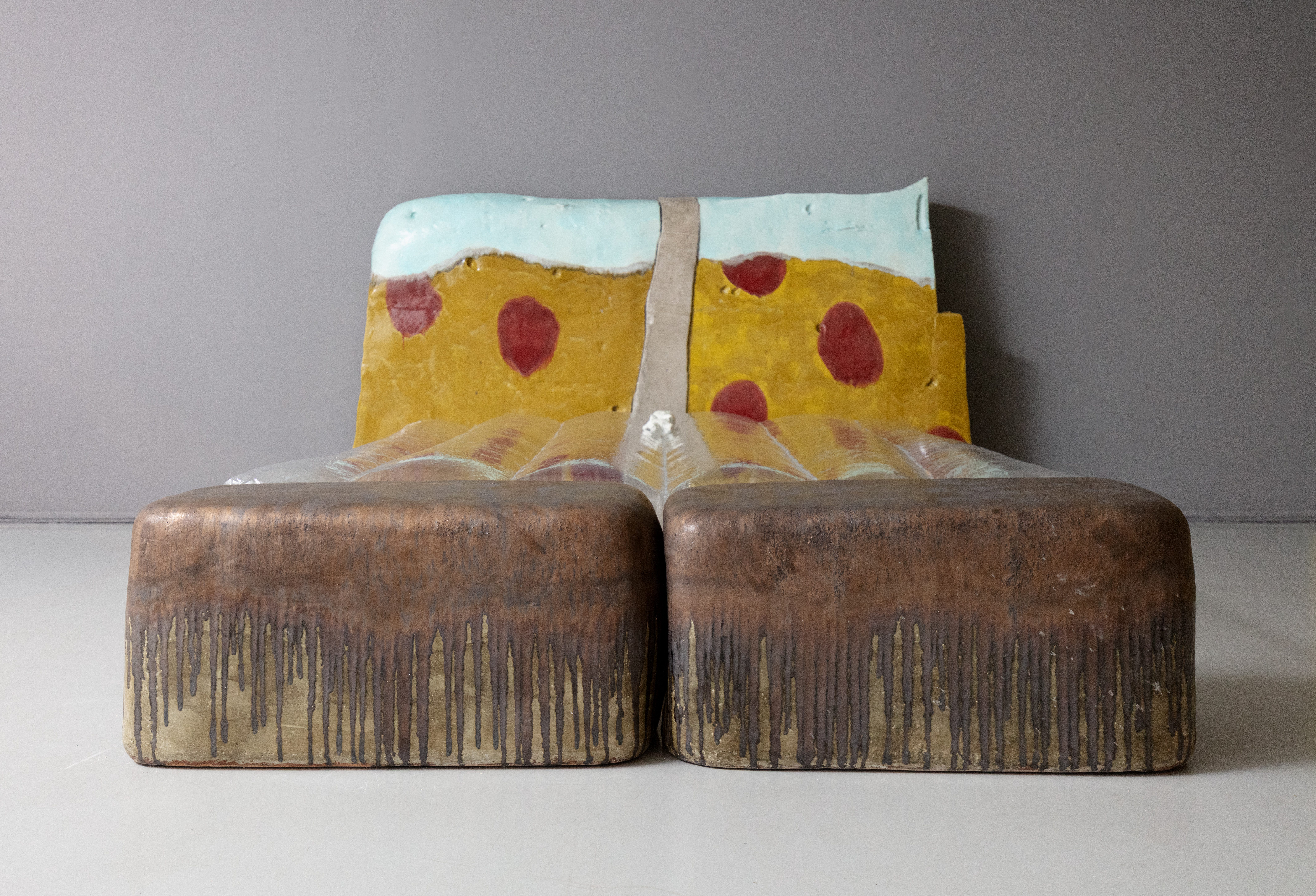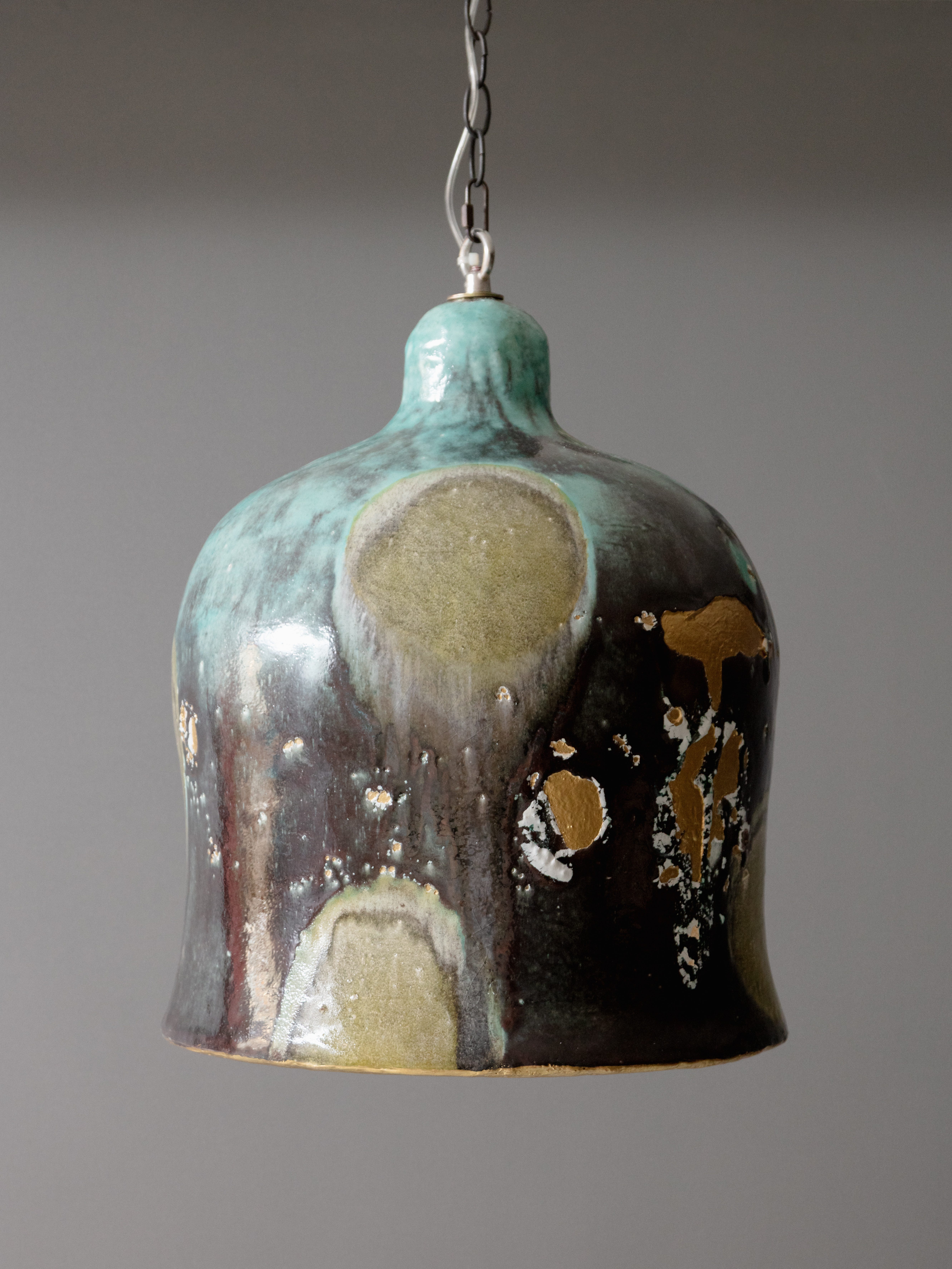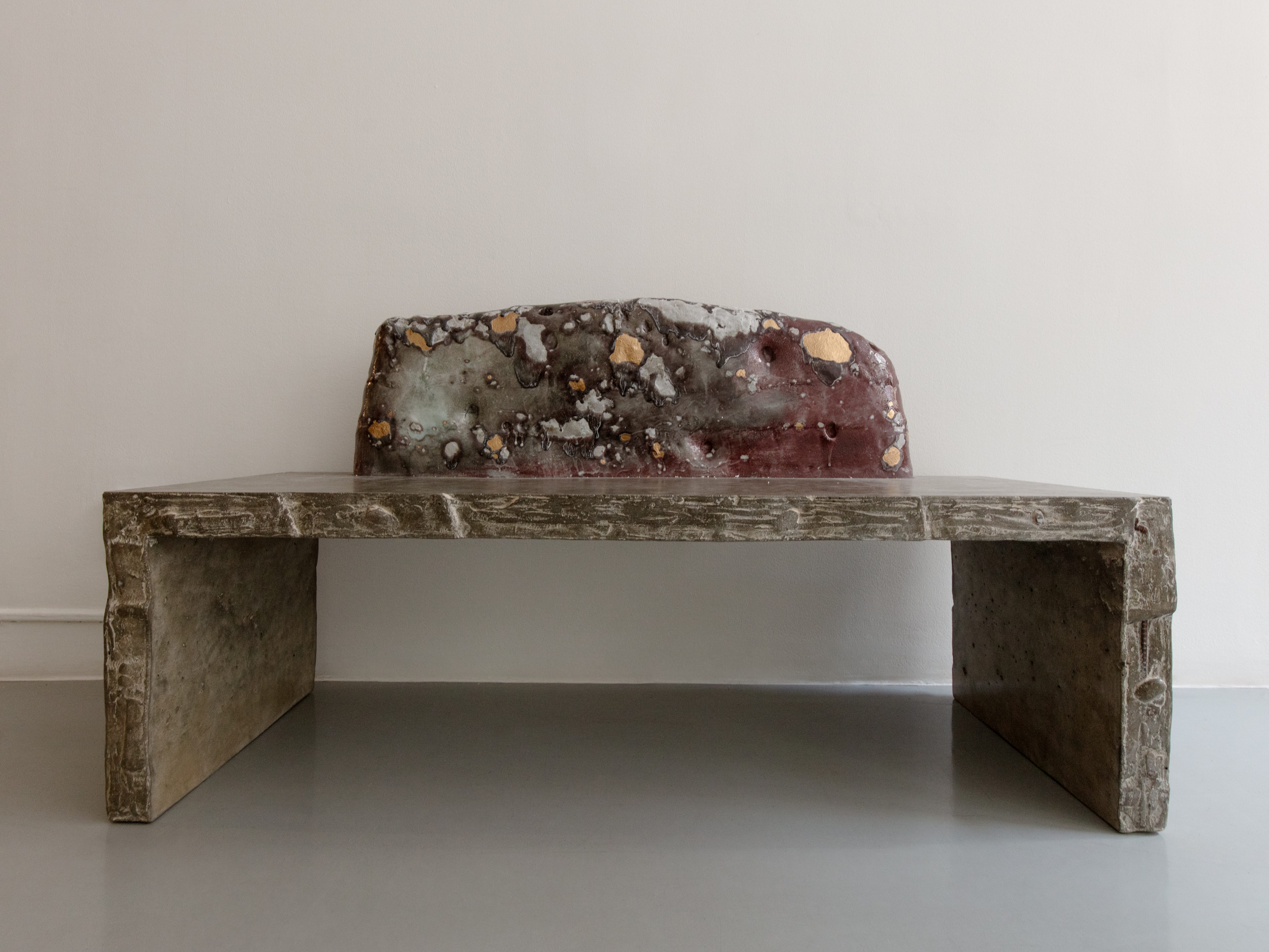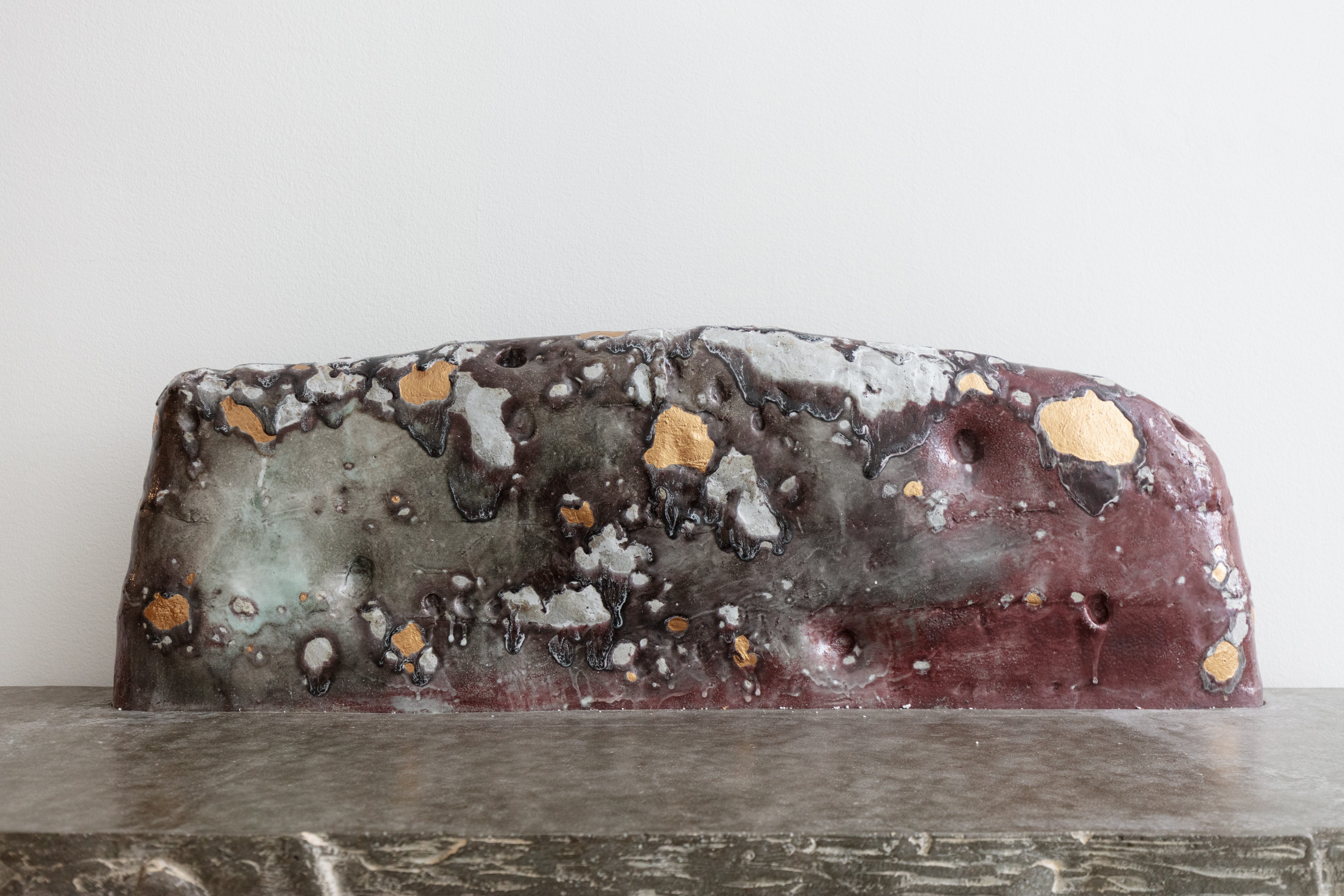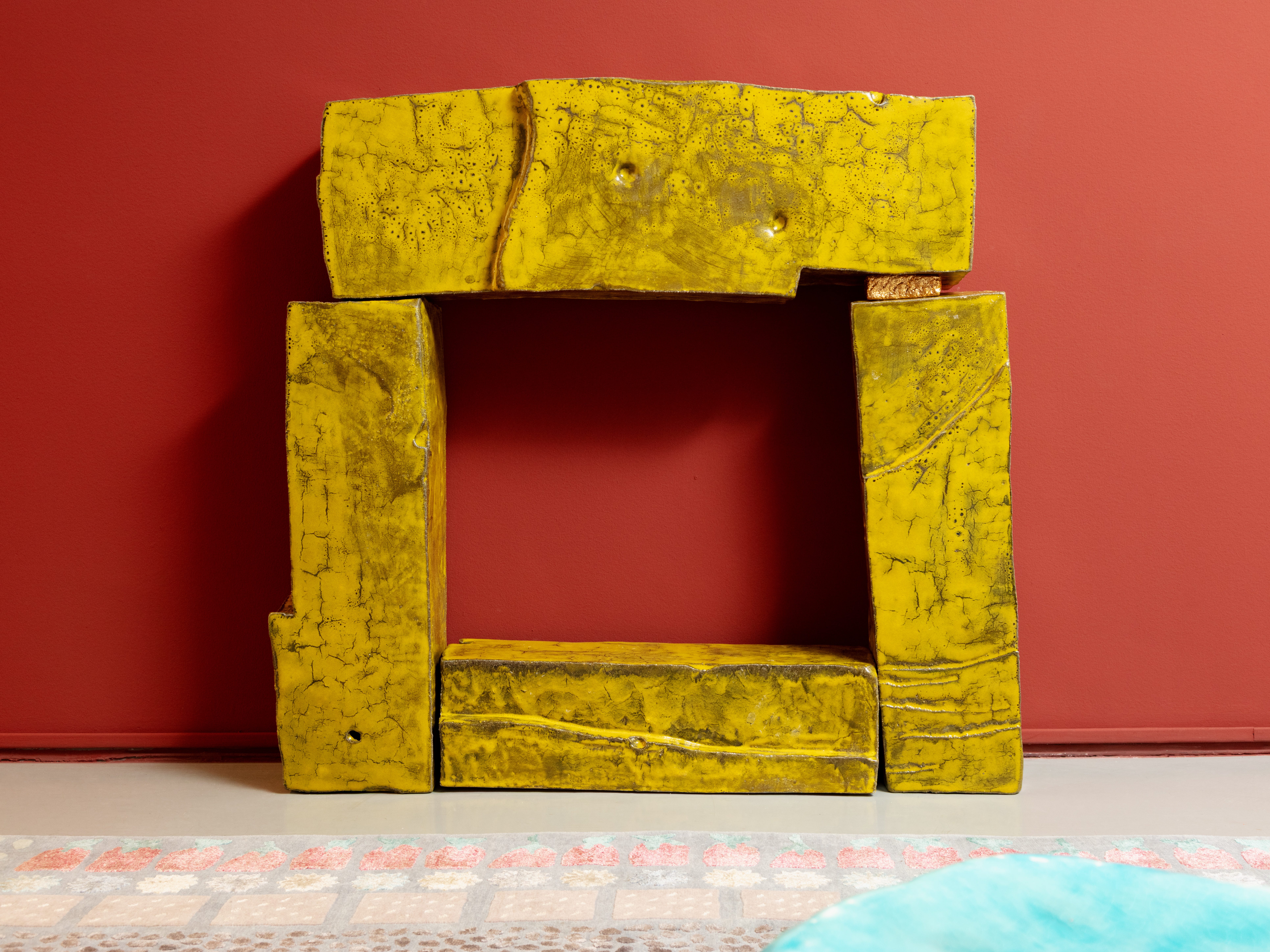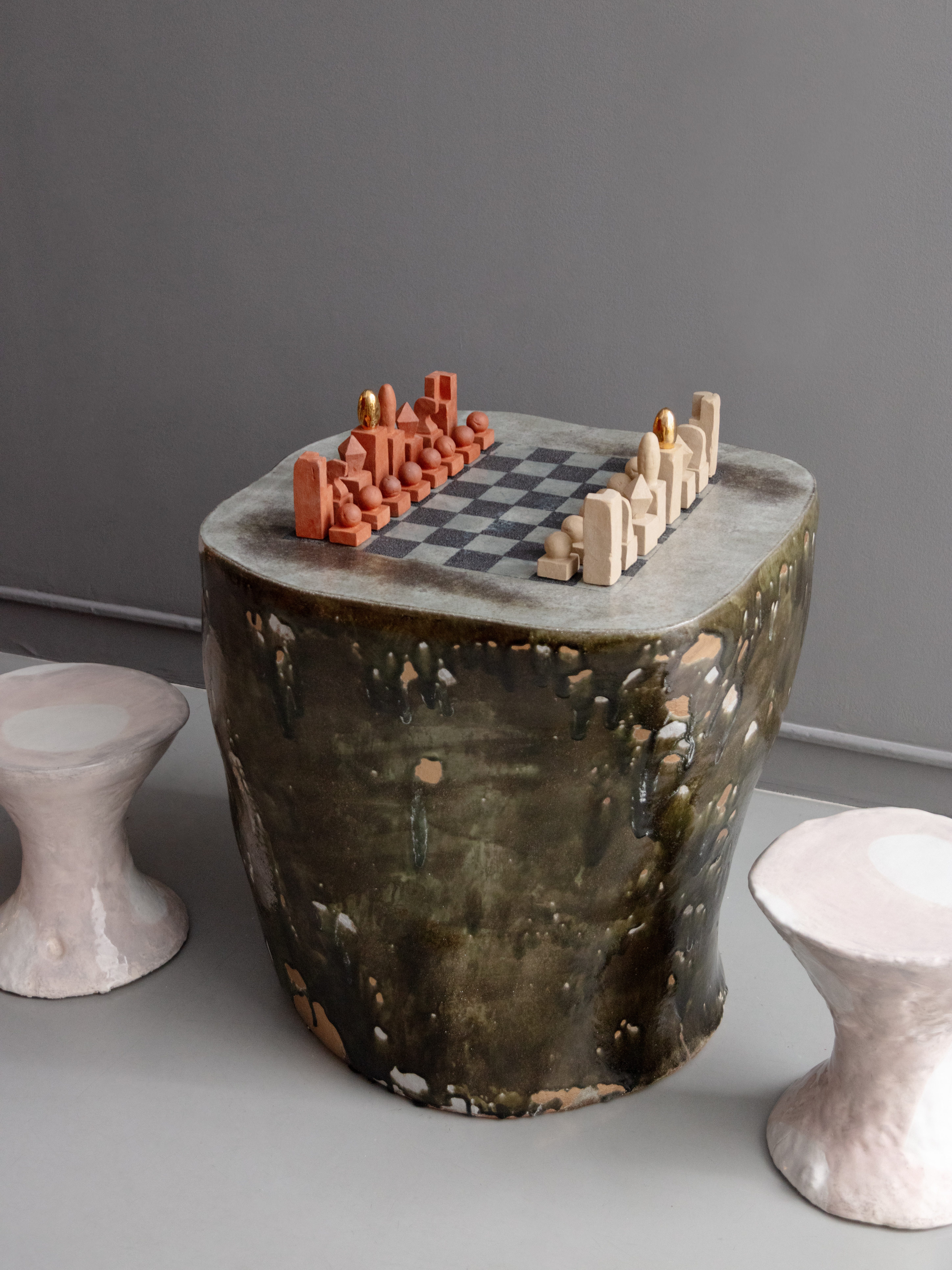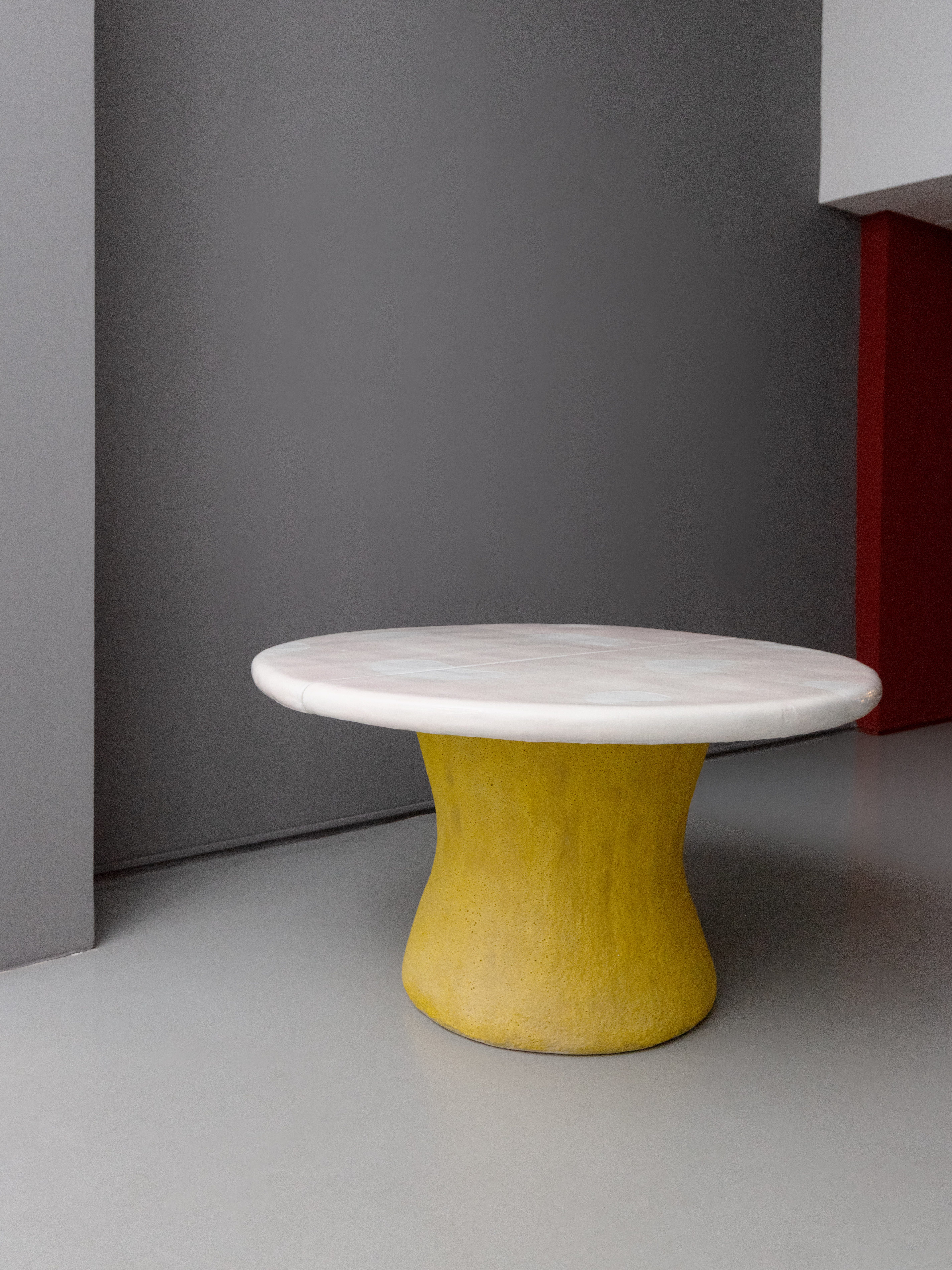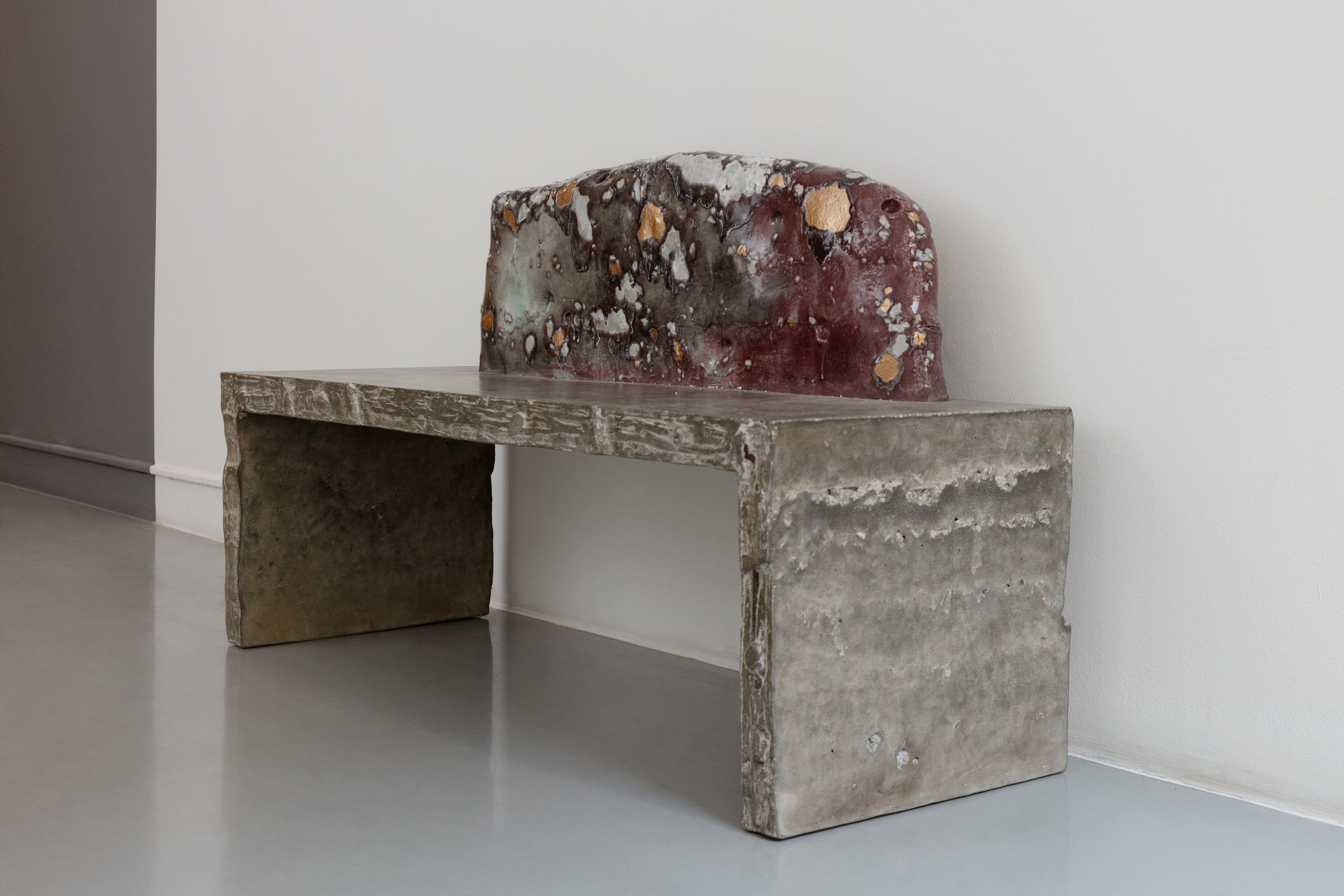
In today’s radically transformed ceramic landscape, where clay has moved beyond the realm of craft to assume a prominent place in contemporary art, South Korean ceramicist Hun Chung Lee (b. 1967) has established himself as one of the medium’s most intriguing voices. Long before ceramic furniture became fashionable and artists began moving beyond the vessel to create functional objects, Lee was making daring contemporary furniture in clay—benches, stools, tables, and chairs—distinguished by his mastery of traditional Korean celadon-glazing techniques.
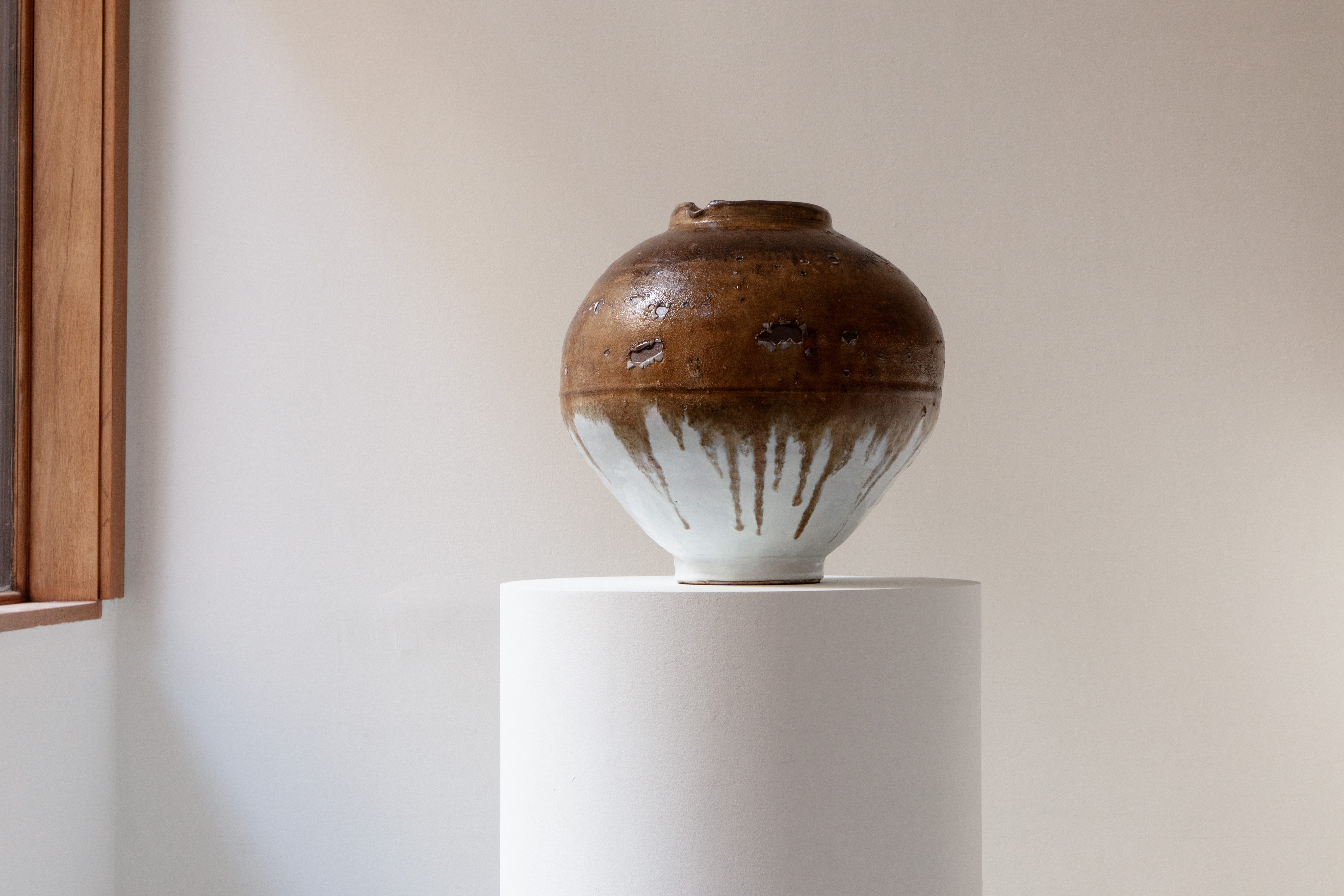
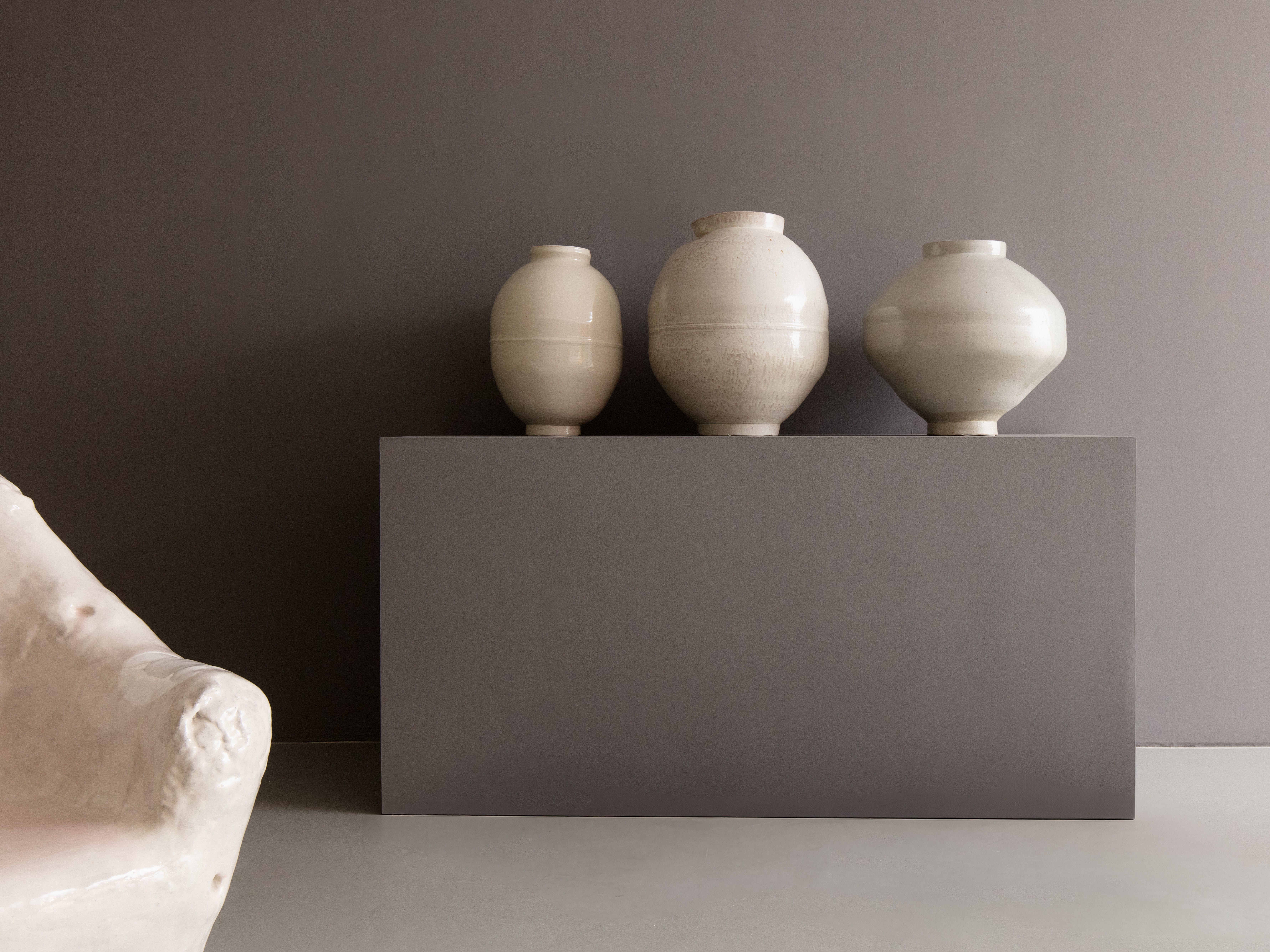
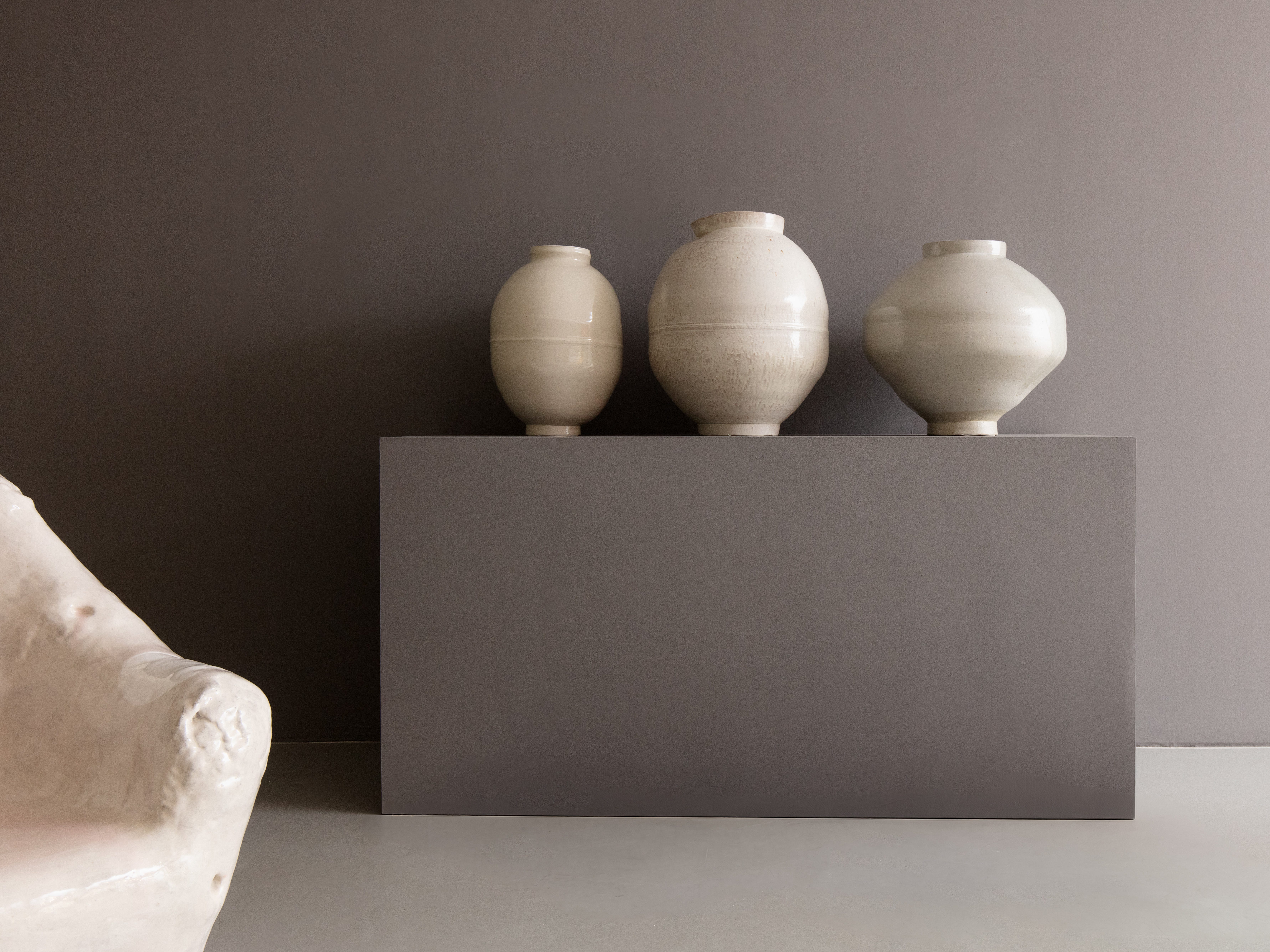
Lee has also brought a distinctly contemporary sensibility to the moon jar, one of the most recognizable symbols of Korean ceramic art. Through his exceptional command of glazing, he transforms these traditionally white vessels—associated with modesty, simplicity, and moral purity—into objects that speak to the 21st century. His ability to fuse Korean ceramic traditions with a deeply personal contemporary language represents his singular contribution to the field.
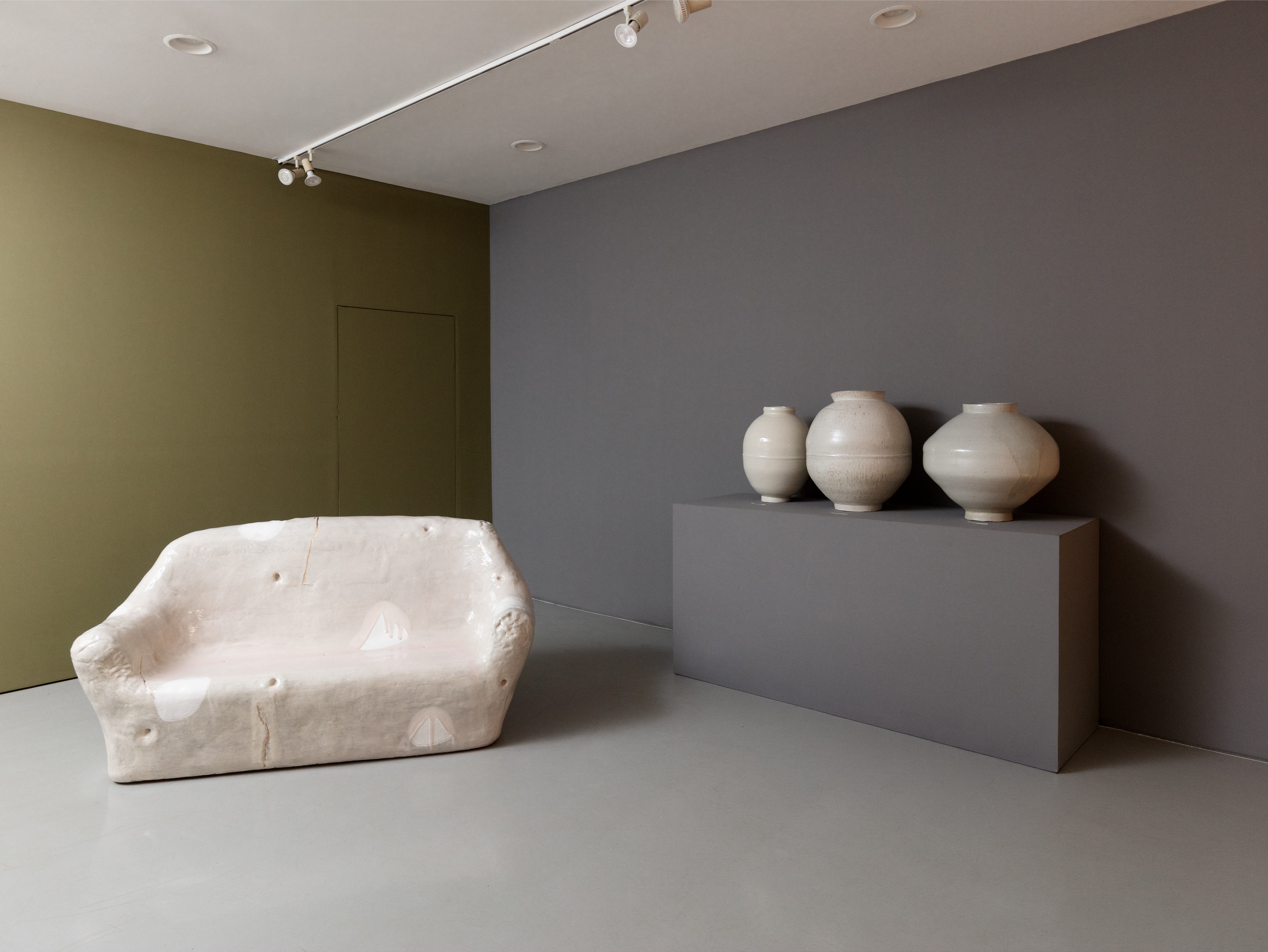
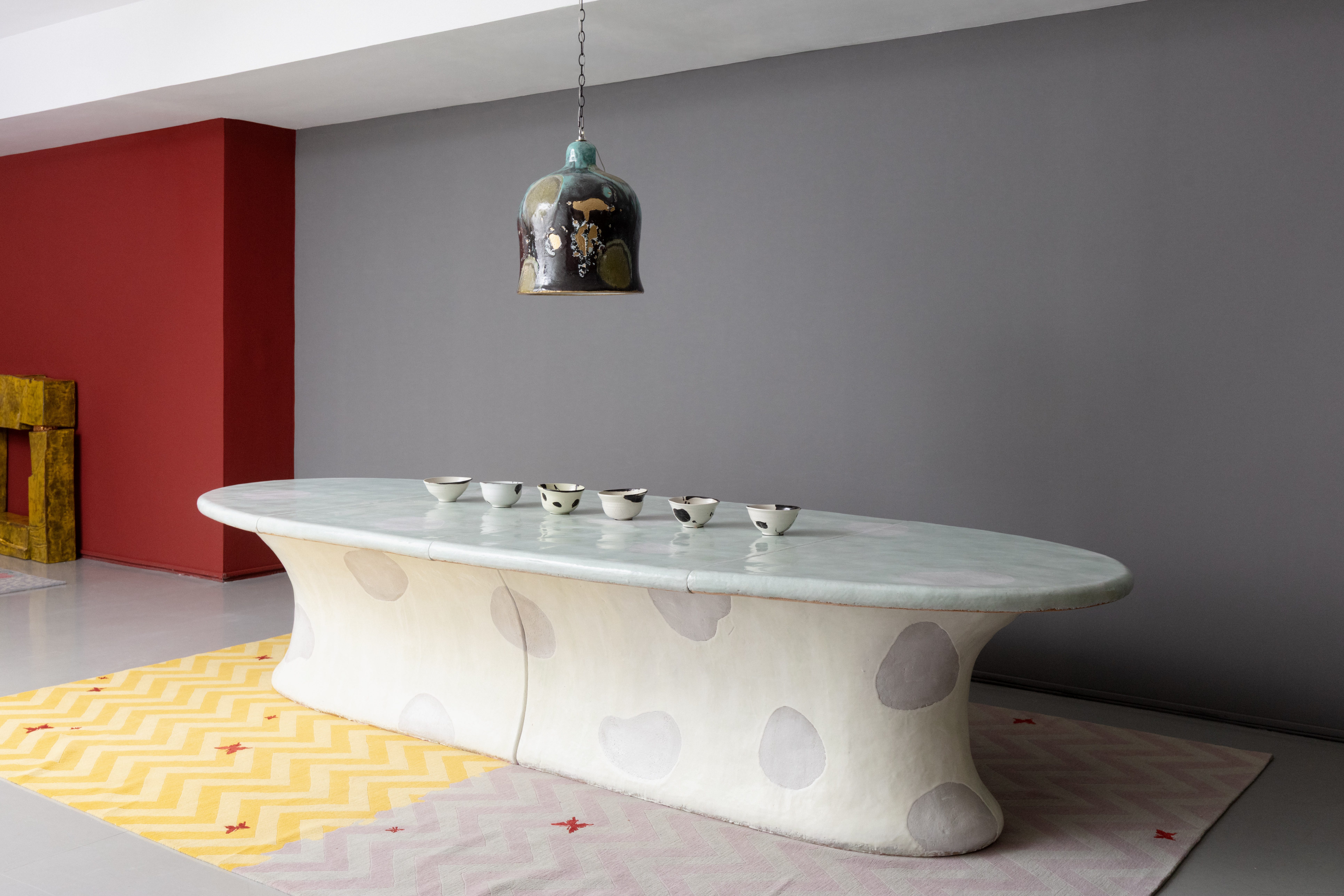
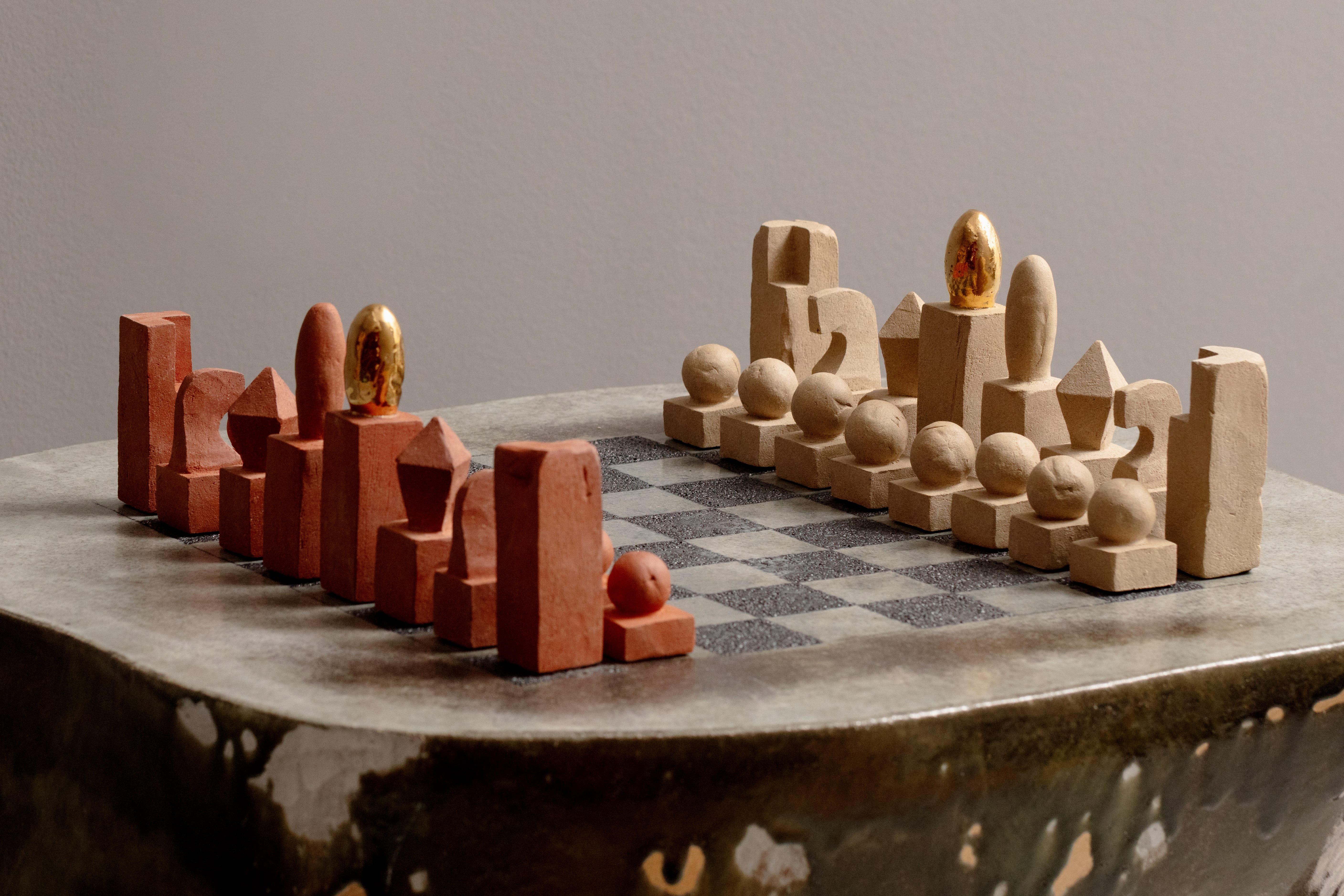
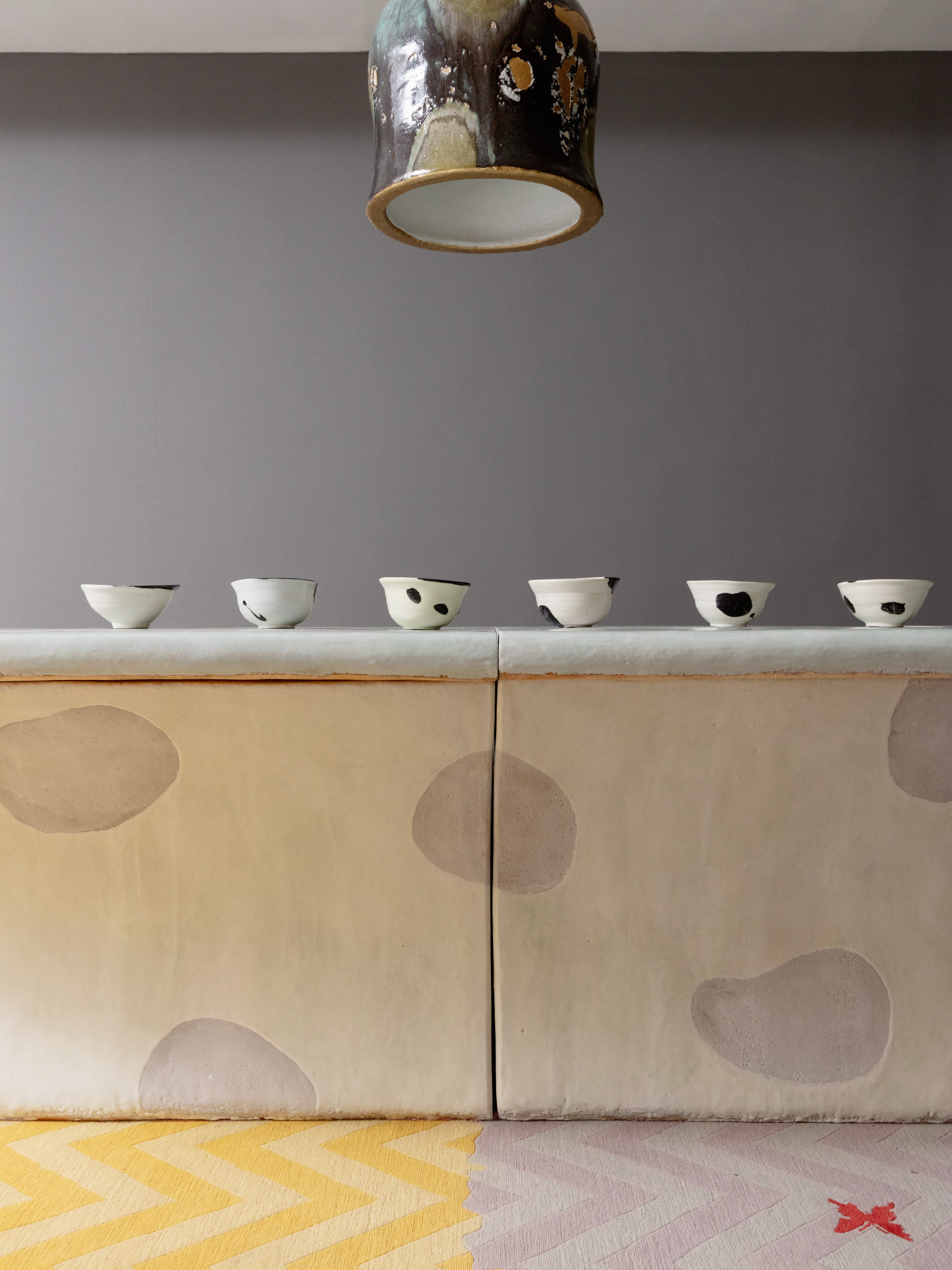
The full breadth of Lee’s innovations—the modernization of Korean ceramic traditions, the emergence of ceramic furniture within collectible design, and the broader movement of clay from the craft world into contemporary art—is now on view in a major solo exhibition at R & Company, the gallery that represents him. Entitled Hun Chung Lee: Home, the exhibition opened last night and features new works in clay and concrete. It coincides with a presentation of Lee’s work at Manitoga/The Russel Wright Design Center.
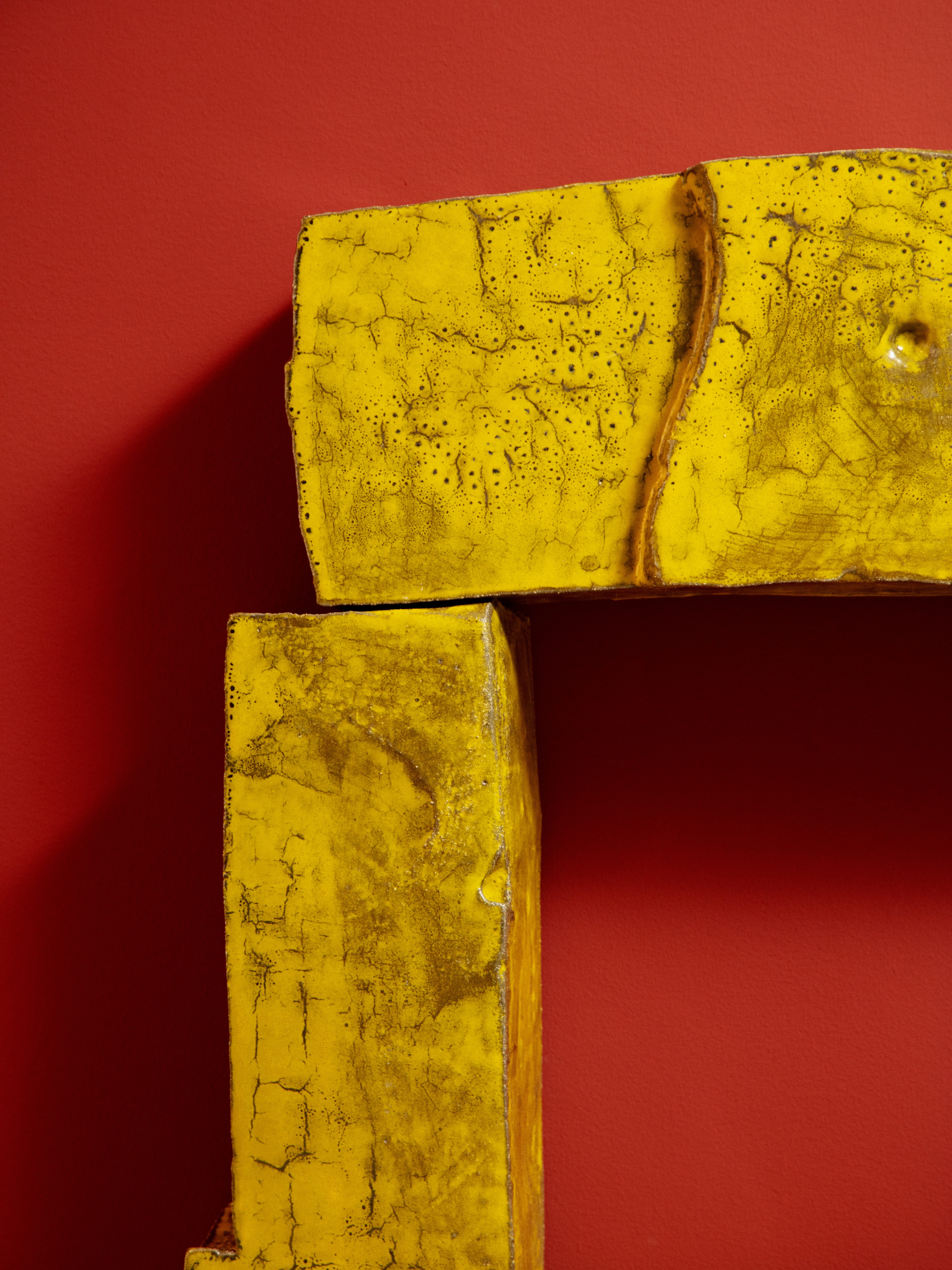
The exhibition demonstrates both the breadth of Lee’s practice and the extraordinary level of ambition he has brought to ceramic furniture. The simpler the forms, the stronger the design. Much of the work is defined by the tension between the simplicity of its silhouettes and the richness of its glazed surfaces. His pieces are abstract and organic, often monumental, and nature finds its fullest expression in his richly colored glazes, which reflect his continuous dialogue with the surrounding landscape—with light, plants, and cycles of growth, decay, and transformation. At the same time, his architectural sensibility gives the work its structural authority and powerful spatial presence. He completed a PhD in architecture at Kyungwon University in Korea, and what I find particularly compelling about his work is the consistency of his architectural thinking. His objects do not merely occupy space; they actively shape our experience of it. Whether made in clay or concrete, they possess a commanding presence that transforms functional furniture into architecture on an intimate scale.
Likewise, Lee’s moon jars are not replicas of historical Joseon porcelain but contemporary meditations on the tradition. Through them, he questions perfection, permanence, authorship, and our ability to control natural materials. Traditional moon jars possess gently irregular forms because their upper and lower halves were thrown separately and then joined. Lee takes this inherent imperfection much further. He creates jars that are cracked, tilted, compressed, partially collapsed, visibly repaired, or seemingly unfinished. He has even suspended them on walls. Rather than presenting the moon jar as a flawless national icon, he allows it to appear vulnerable, unstable, and alive.
The exhibition Home presents a contemplative exploration of domestic space, time, and material and will be on view at R & Company through November 16th.