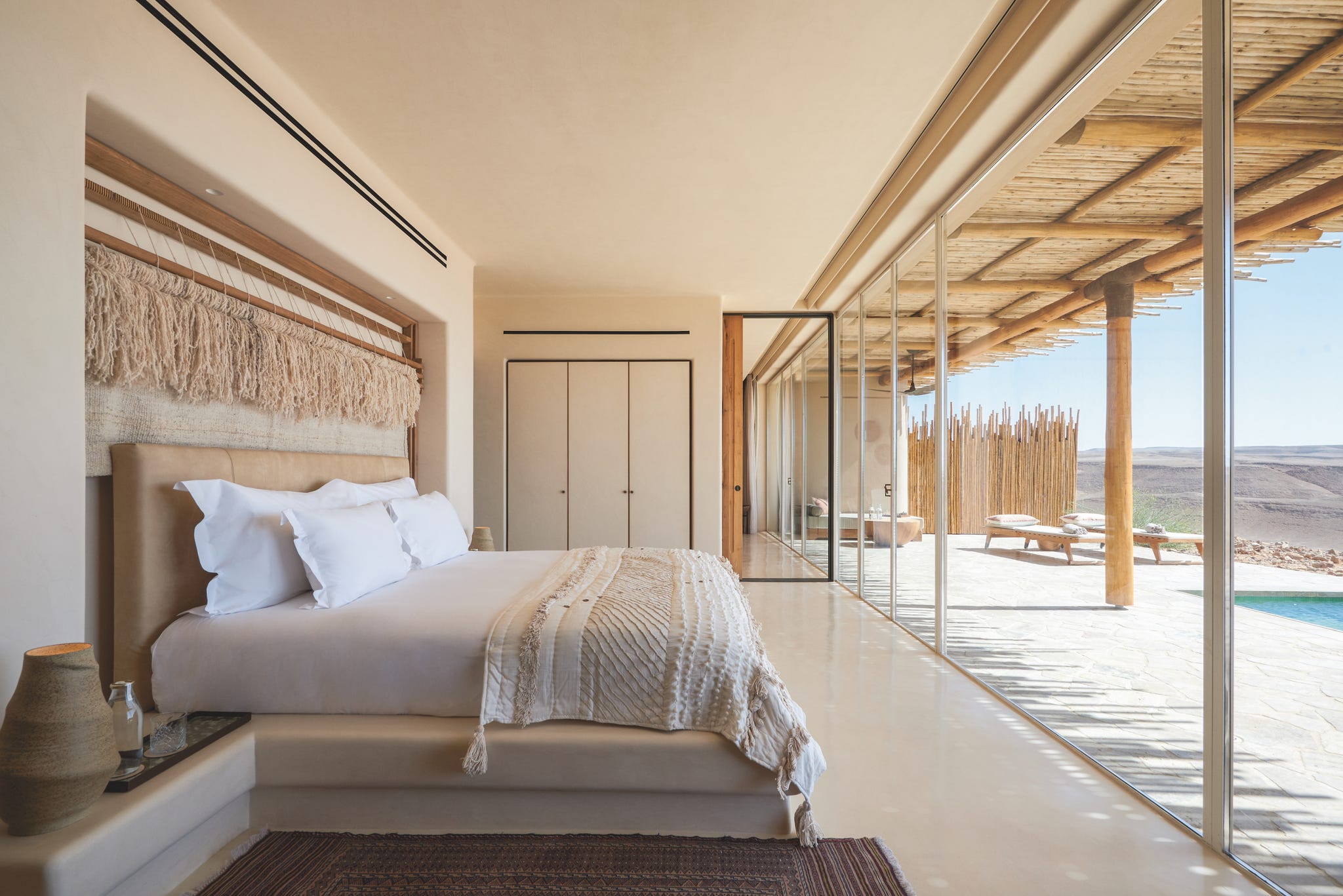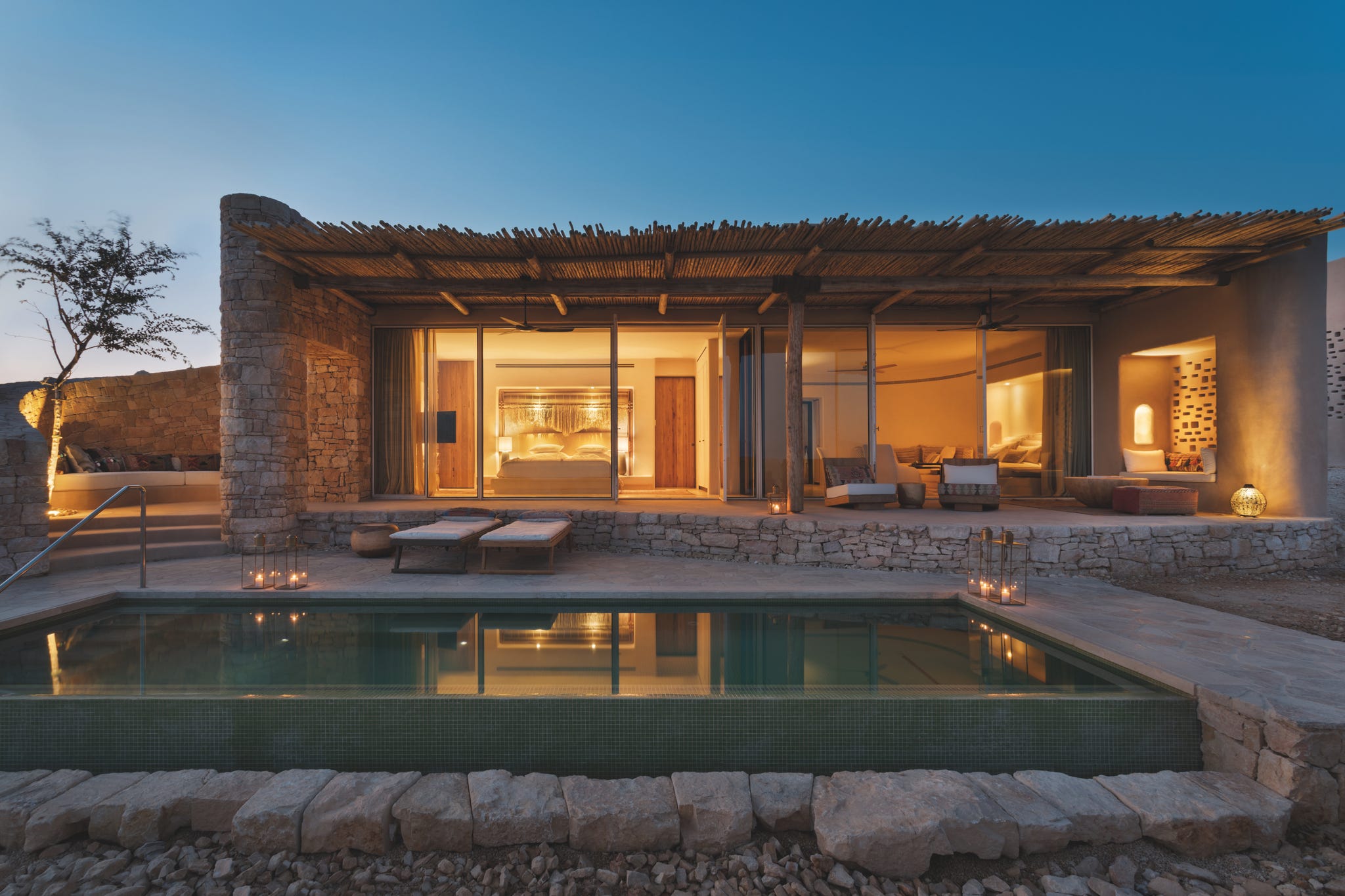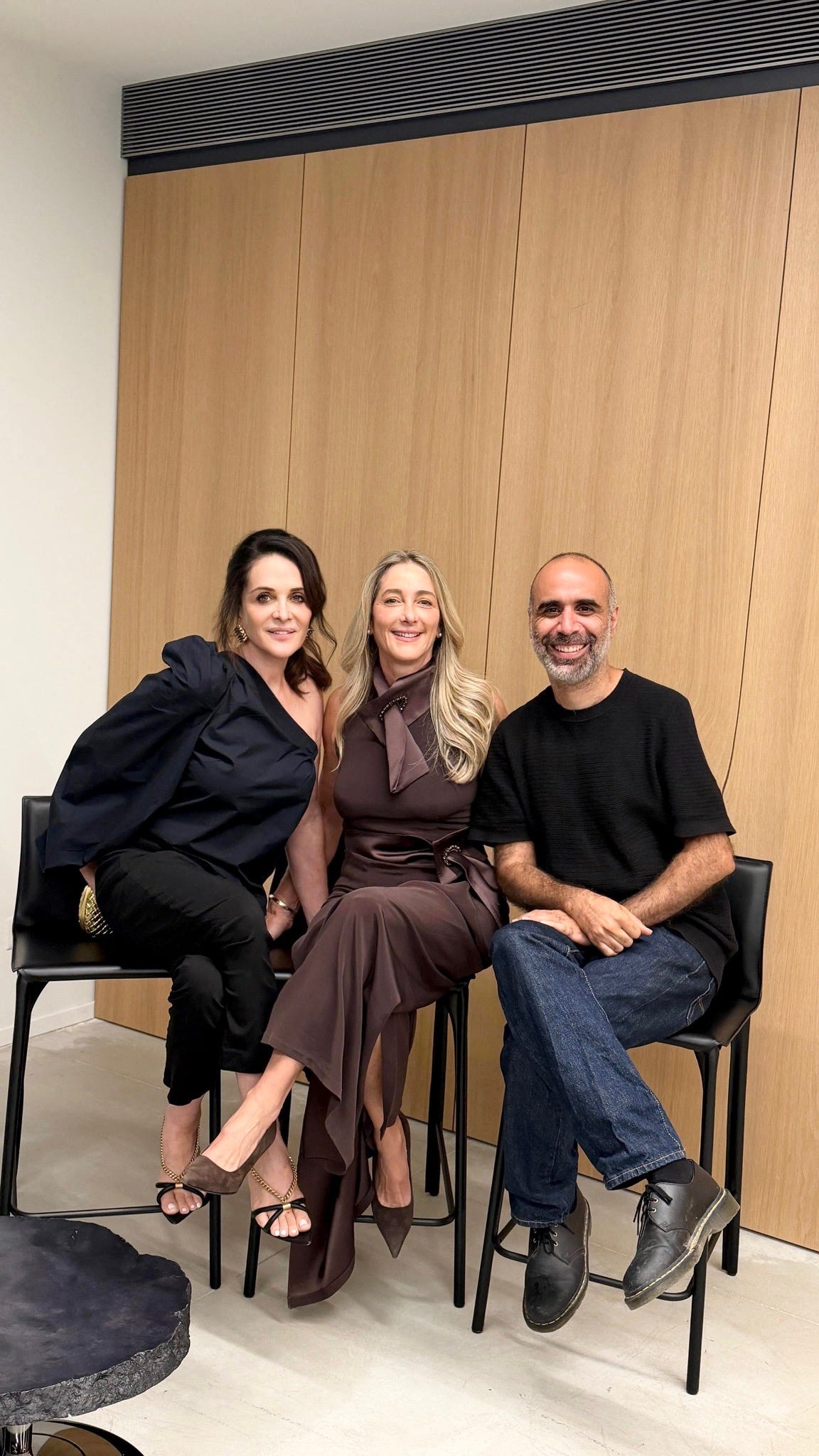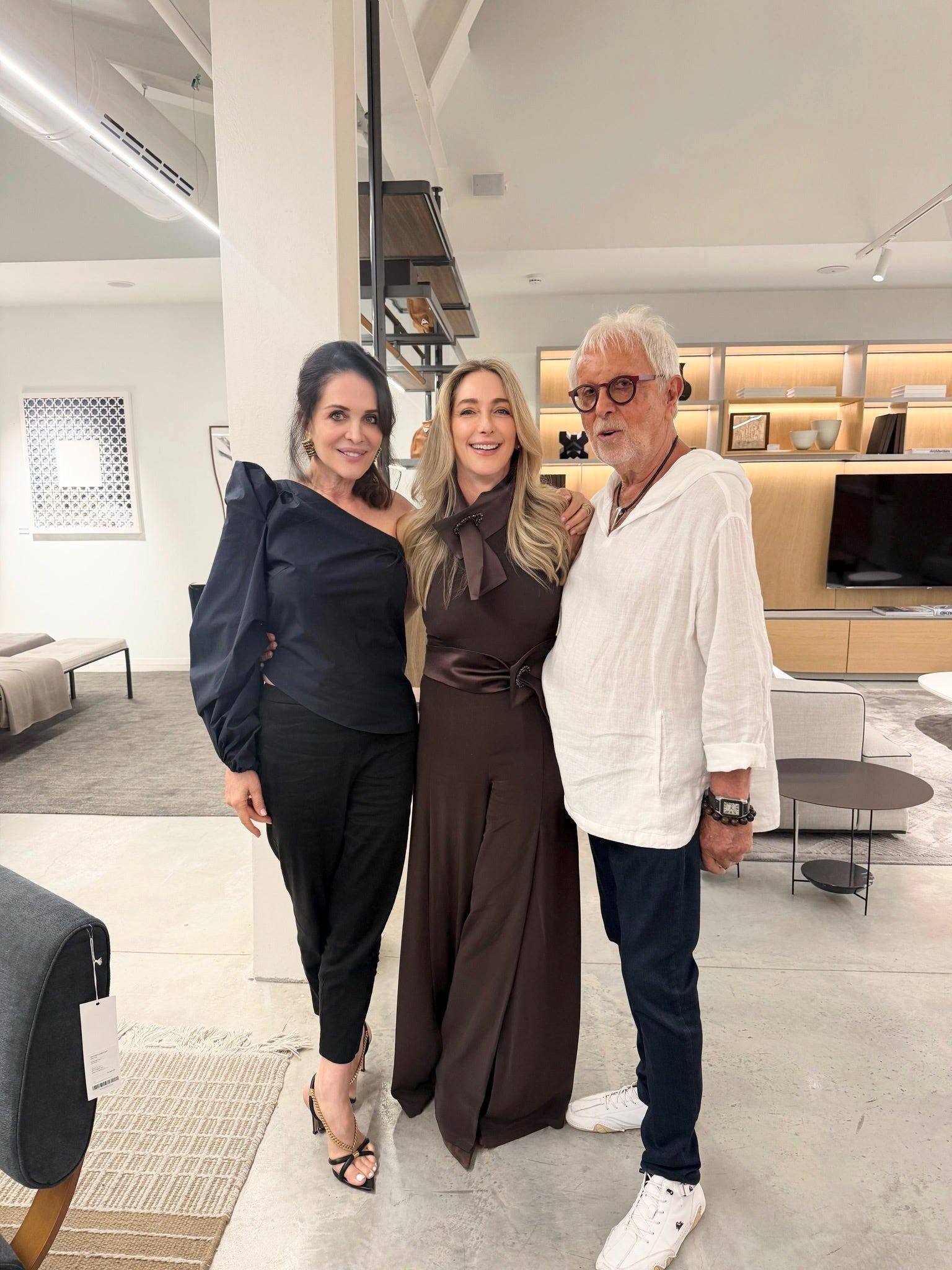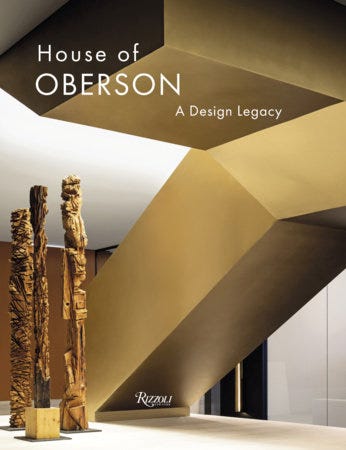
I was honored to sit on a panel - House of Oberson: A Design Legacy - in celebrating the newly-published monograph by architect Dana Oberson (founder of Oberson Archtiects), an old friend and one of Israel’s leading design figures. On the panel was her father, fashion legend Gideon Oberson and desigenr Erez Nevi Pana, who collaborated with her on Bedouin-crafted textiles for the Six Senses Shaharut Hotel, famously inserted in the Negev desert. A few paragraphs from my introduction:
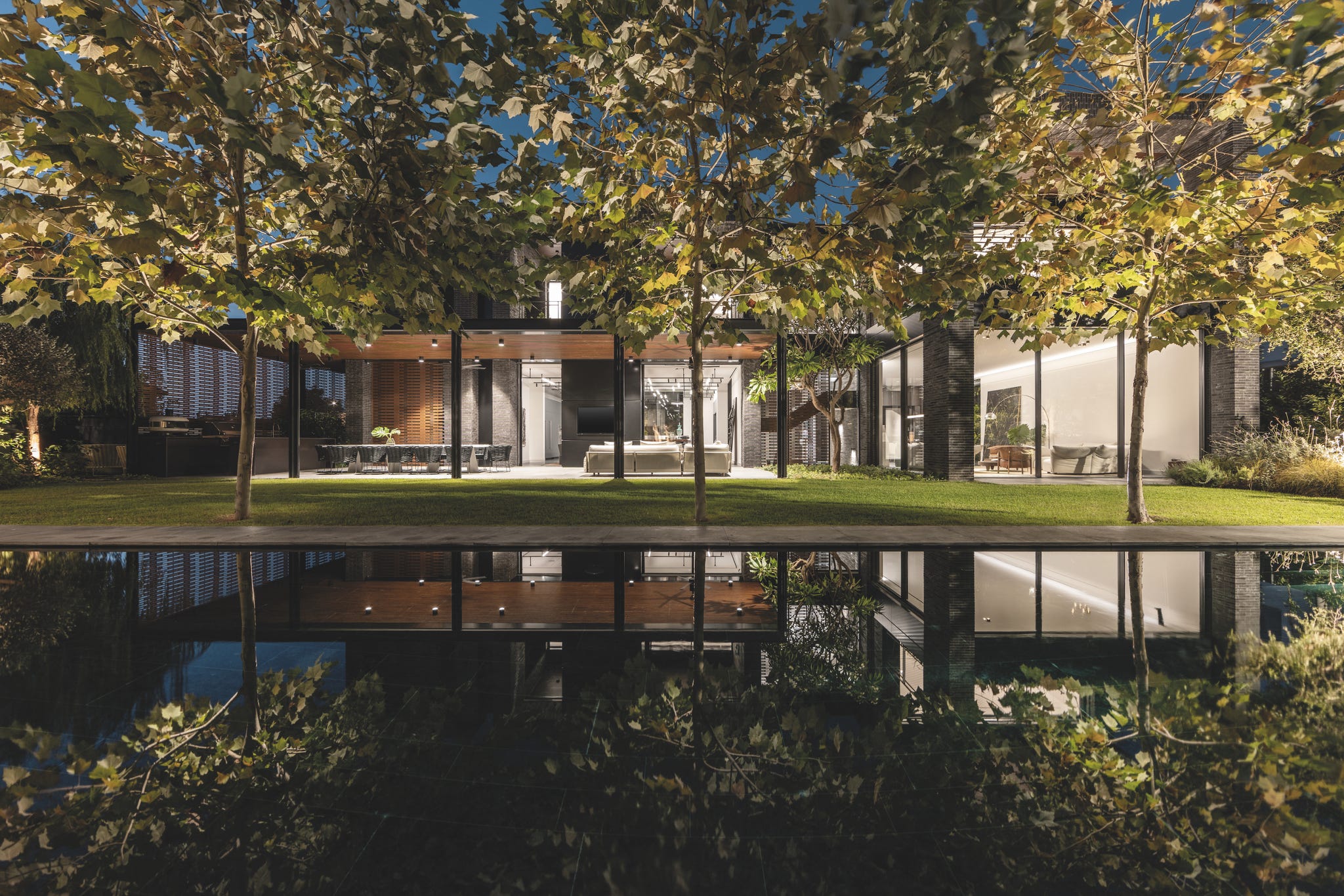
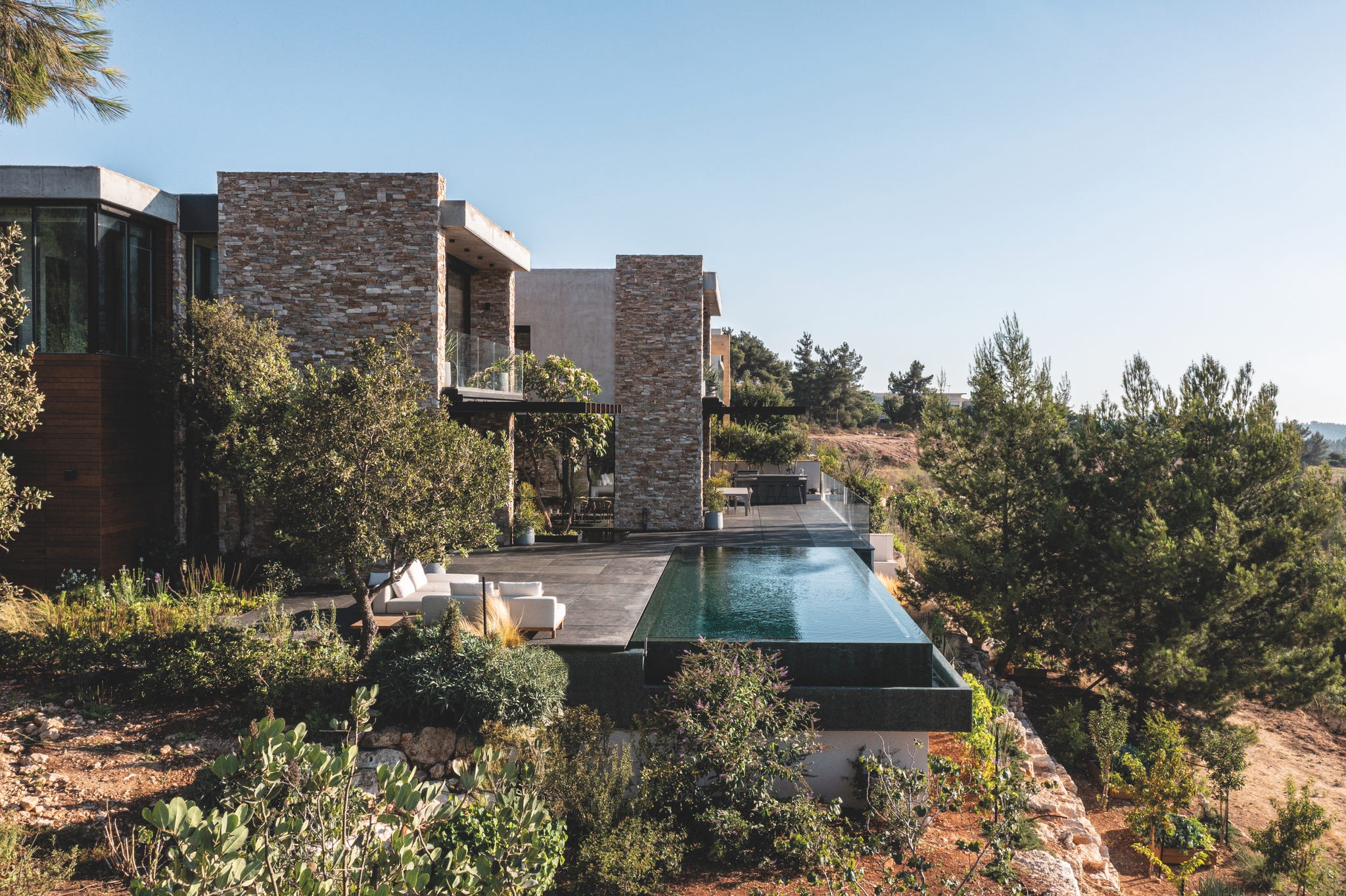
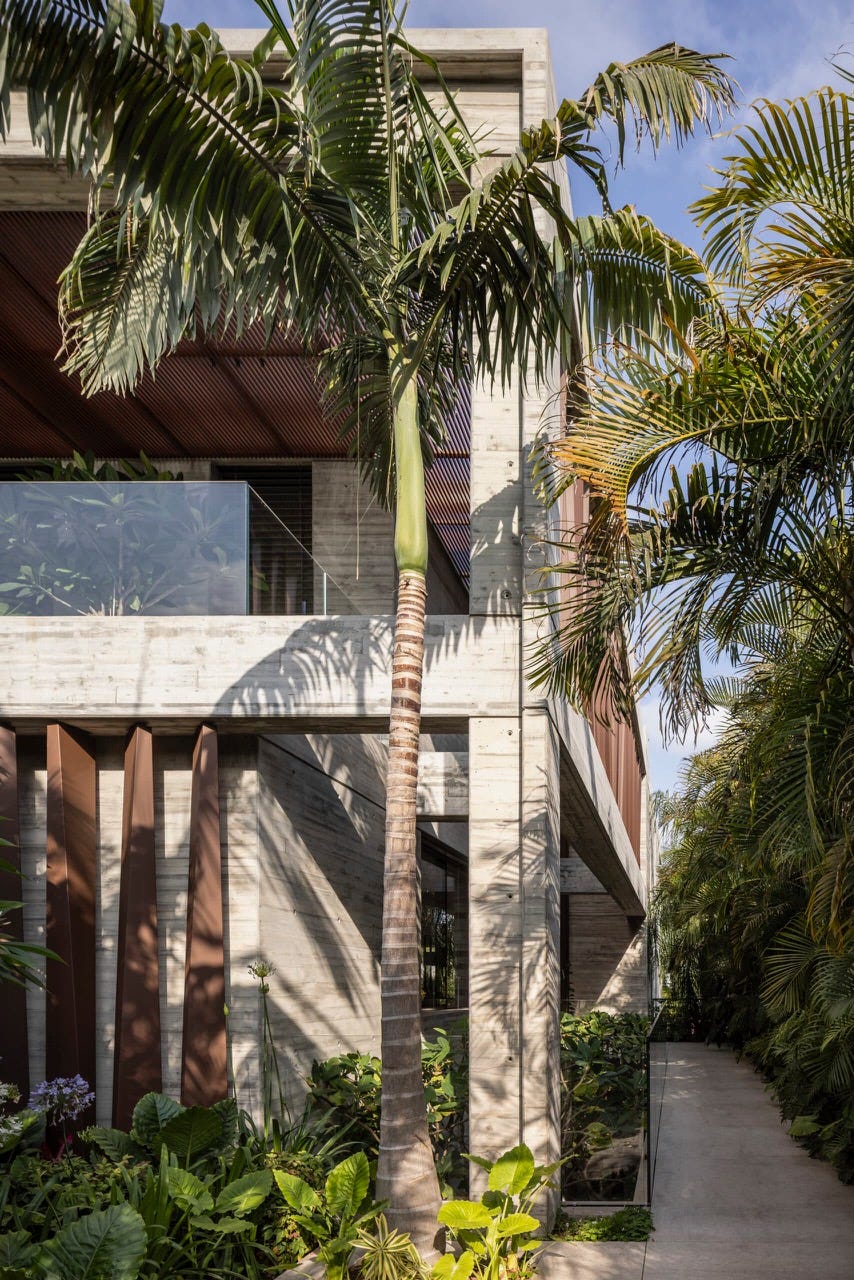
“Architecture is a strange profession that does not allow its practitioners to mature early. Indeed, it requires an enormous body of work to be recognized, and long and extensive experience to achieve a reputation and to substantiate new visions. But unlike fashion, buildings are not dresses, and it takes years to complete architectural projects. To Dana Oberson, to be an architect means that one has to slowly grow within, as she enjoys embracing the process and progress of the profession. Dana Oberson is the quintessential architect for the twenty-first century. Her architecture, whether private, public, or commercial, glorifies the roots of International Style as it was developed in her homeland, Israel, during its goldenage of the 1930s, merging modernism with environmentalism. The local landscape that surrounds her, she believes, is the most substantial agent for forging personallanguage and layered interiors and architecture, filled with meanings and narratives,as reflected across her portfolio. While celebrating her own design mantra, she takes pride in making an “Israeli” architecture of continuity, soundly inserted in site, context, climate, and genius loci (aka the spirit of the place).
A native of Ramat Hasharon, Dana Oberson grew up surrounded by the localworld of fashion. Her father, Israel’s leading fashion designer, Gideon Oberson, recognized globally for his swimwear creations, raised his two daughters in his couture house. Oberson honed her skills at the Bezalel Academy of Art and Designin Jerusalem. After graduating in 1995, she joined the studio of Saadya Mandel, the late Tel Aviv–based architect who had taken a leading role in the preservation and restoration of urban plans and landmark buildings, working on some of the most ambitious projects of his time, spanning the country from Jaffa to Jerusalem, from Hebron to Safed.
Windows, long, narrow, semi covered balconies, and crispy, geometric staircases ,all of which became the ethos of the unique local interpretation of the moderncity. She finds her inspiration by walking through the old parts of Tel Aviv, built by architects who fled Nazi-occupied Europe and who built simple, white apartment blocks just like those built in Germany by the pioneers of the Modern Movement. One such site is Dizengoff Square, the white circular plaza, designed in the 1940s by Genia Averbuch, a Russian-born female architect who won the prestigious competition over the design of Tel Aviv’s main square.
To her, learning from this powerful past and its political and historical narrative,as well as from familiar architectural traditions, is a way of expanding herunder standing of possibilities without abandoning conventions. It is the “charisma”of the aged façades and the volumetric quality of the city’s earliest buildings that constitute her most substantial sources of inspiration. This architecture, she says, makes her feel connected and inspired. Her 2023 Penthouse in Central Tel Aviv is characterized by distinctive balconies, integral to the ethos of life in the city’s earlyyears. Hers is a contemporary interpretation, making the outdoor space 50 percent of the entire apartment’s square footage. In this duplex, where she sought to createa refuge loft for empty nesters, the outdoor space has come to define the lifestyle ofthe new Israeli urban home.”
The book, featuring some of Oberson’s most recent projects, is now avaialble in Amazon.