Truly extraordinary buildings are rare. They are often cared for by people who recognize their value, add their own stories, and eventually pass them on to the next caretaker. Layer by layer, these buildings acquire richer histories. But great buildings offer more than shelter. They are cultural artifacts that shape how we feel, stir our imaginations and memories, and sometimes change the way we see the world. In the documentary Five Living Buildings by Renzo Piano, the Italian architect speaks of the “happiness” of buildings. However monumental or ambitious they may be, their happiness is inseparable from the happiness of the people within them.
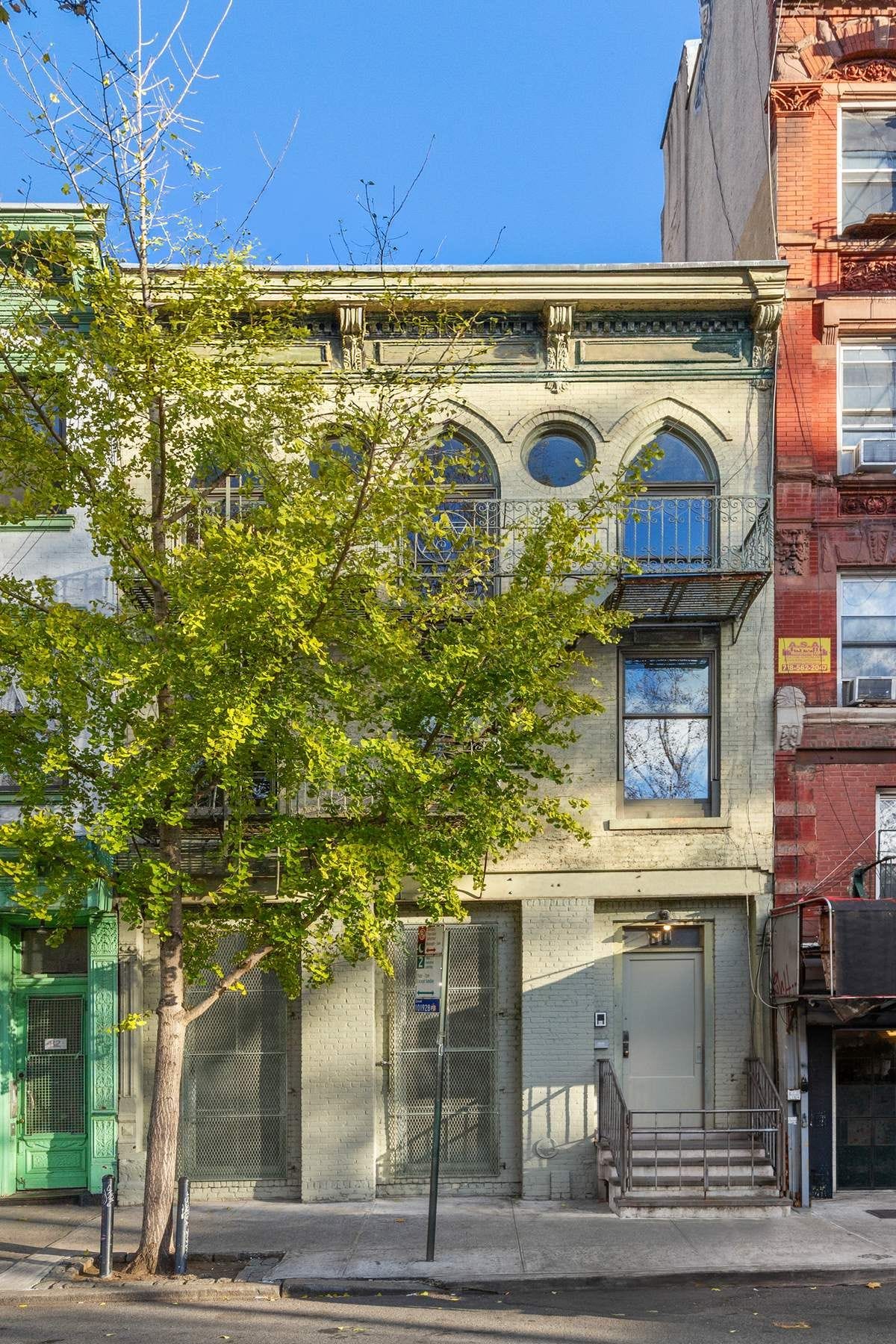
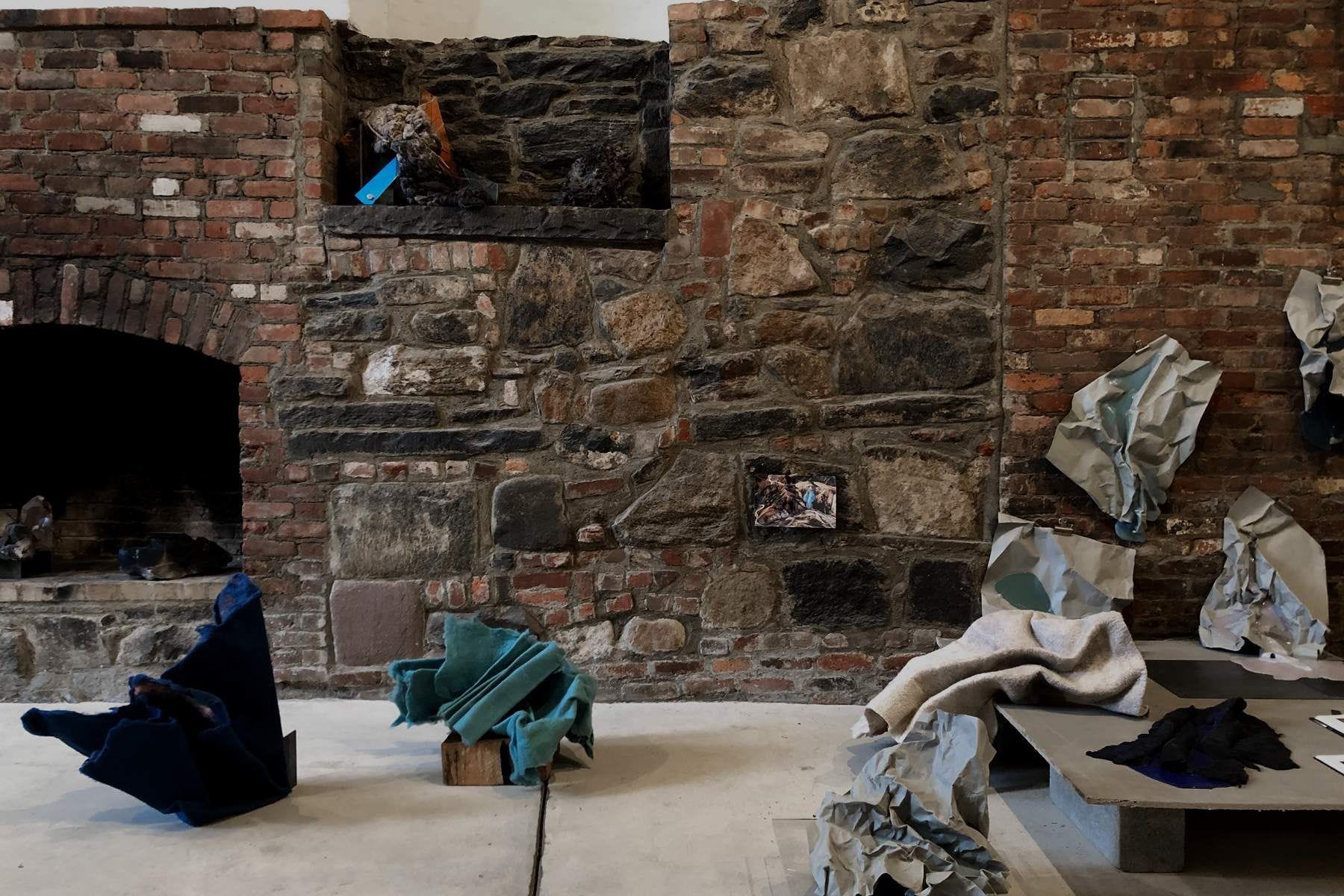
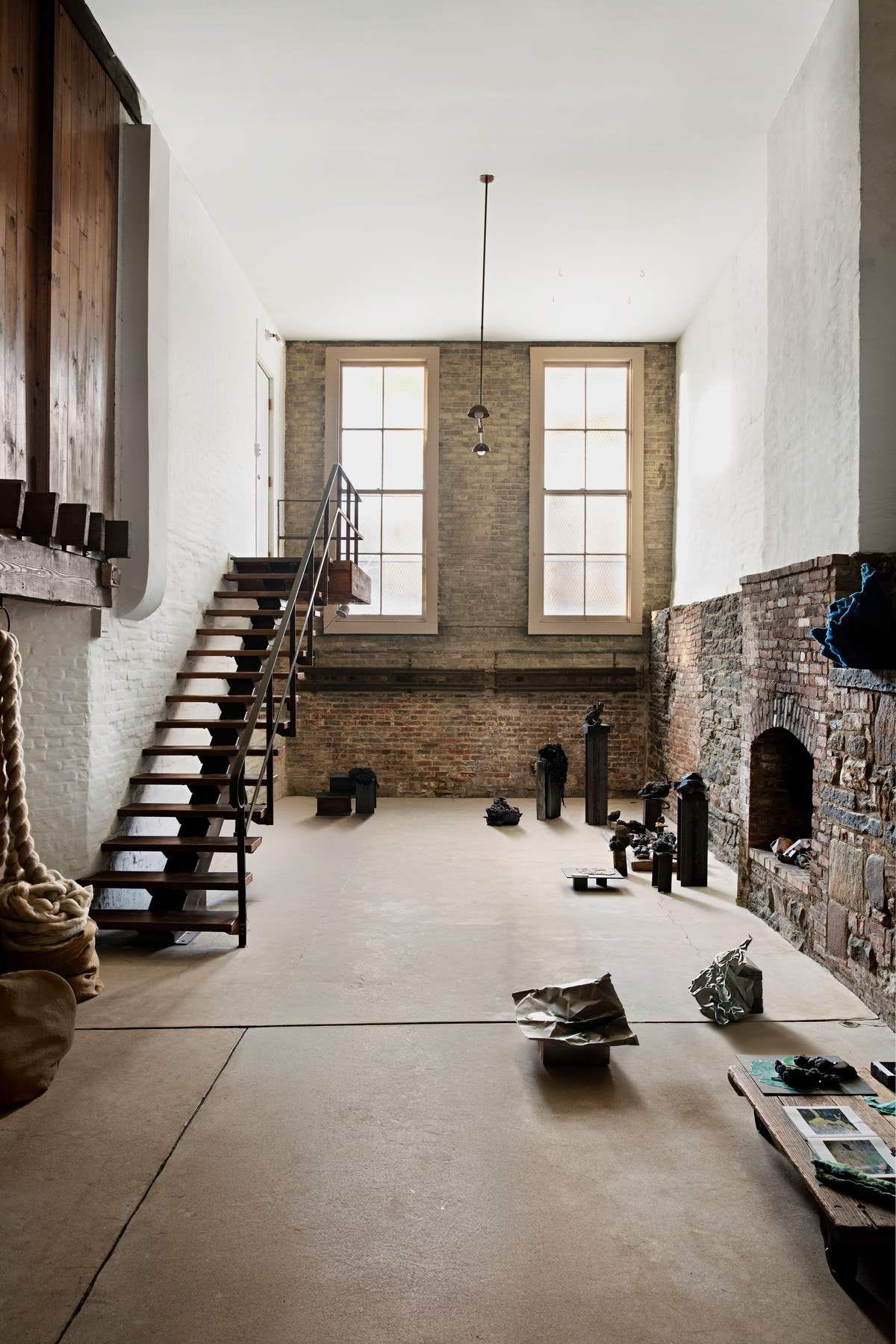
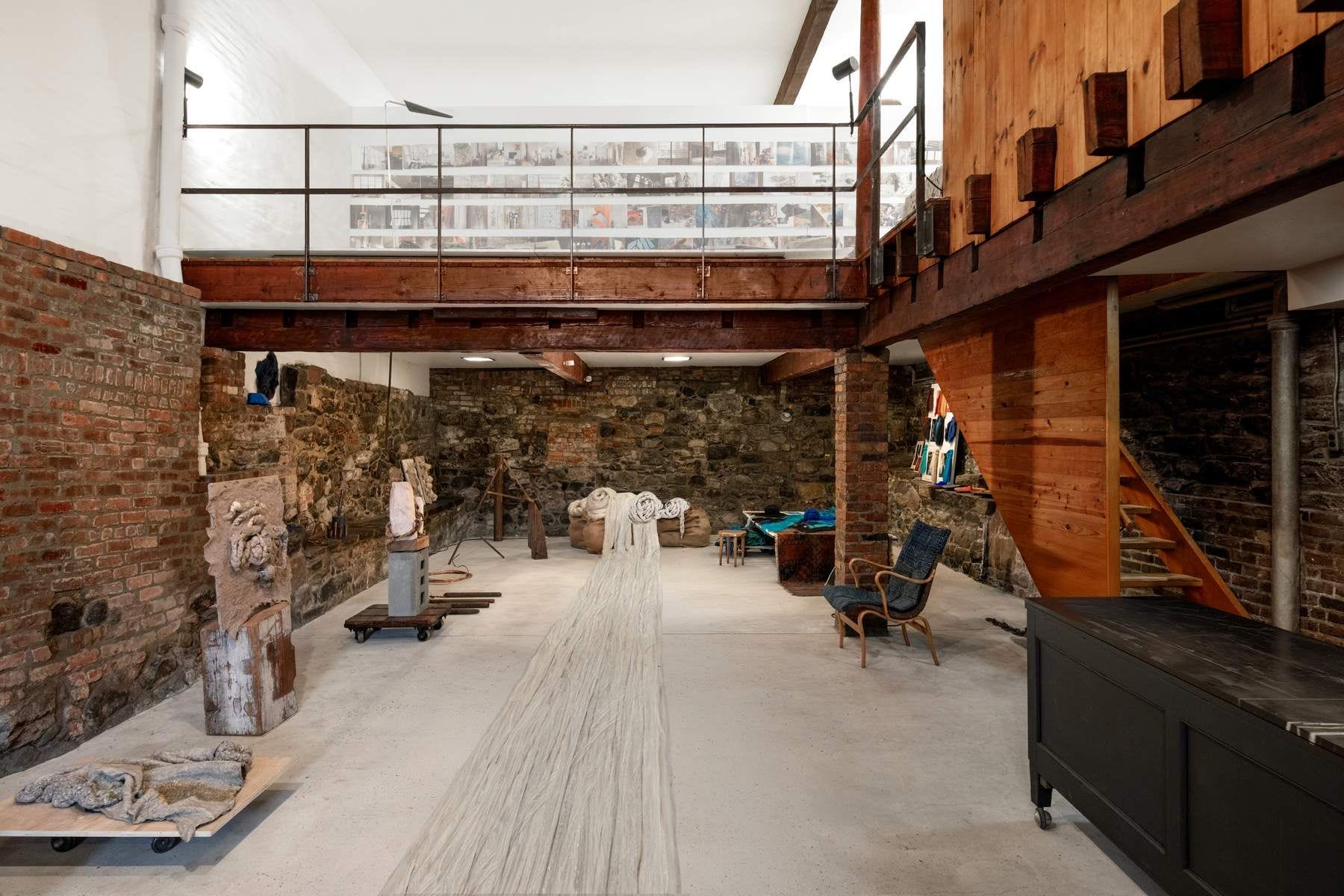
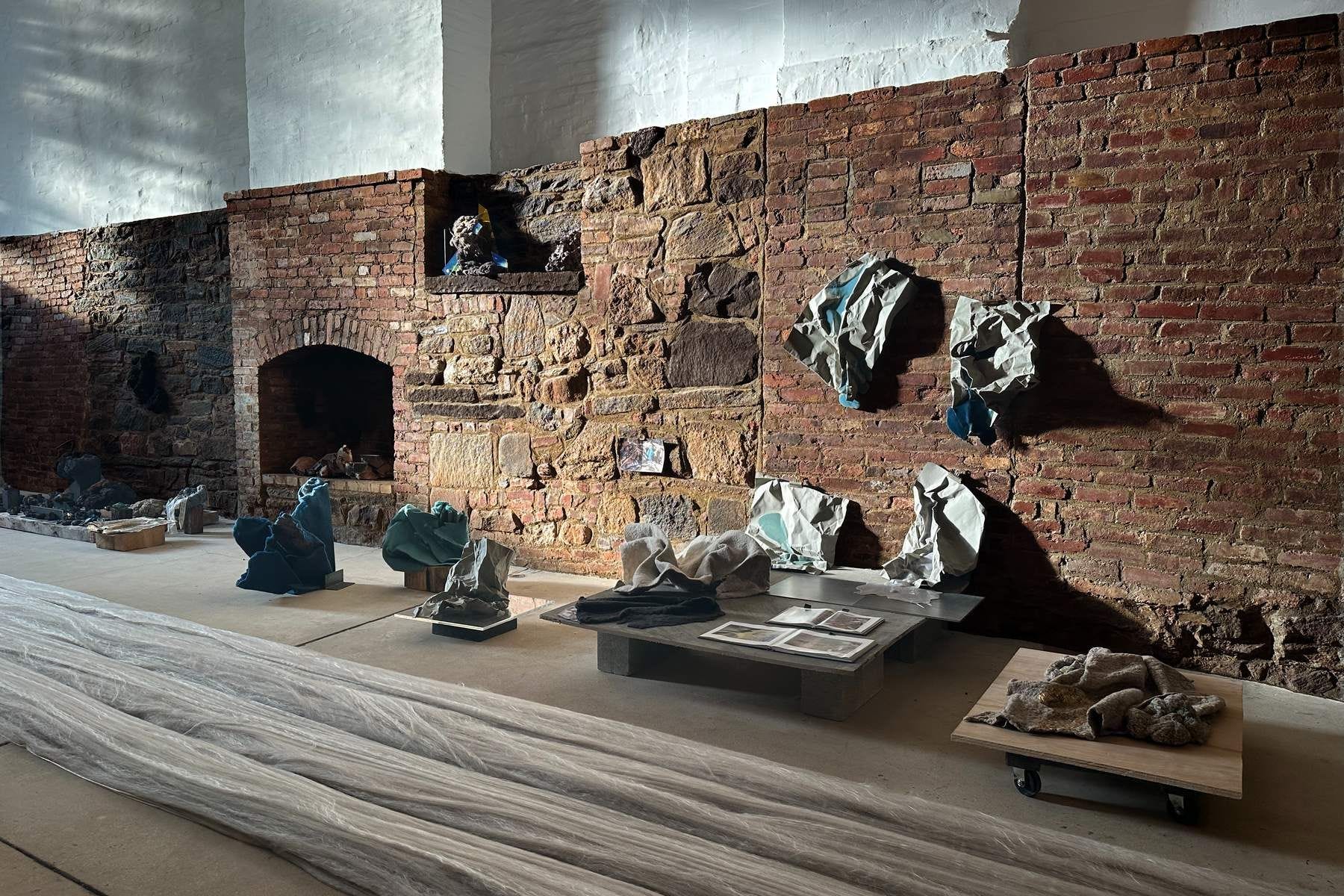
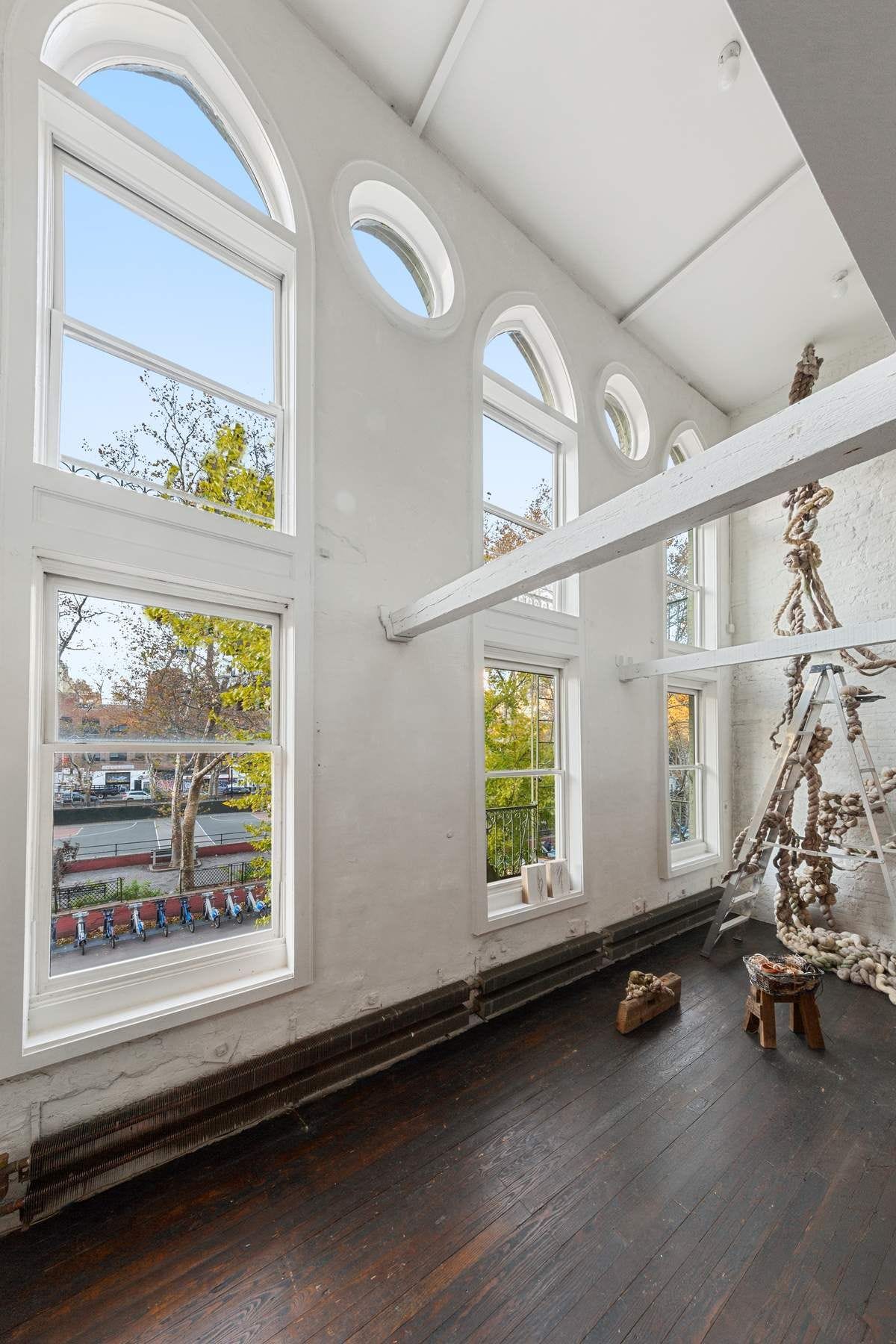
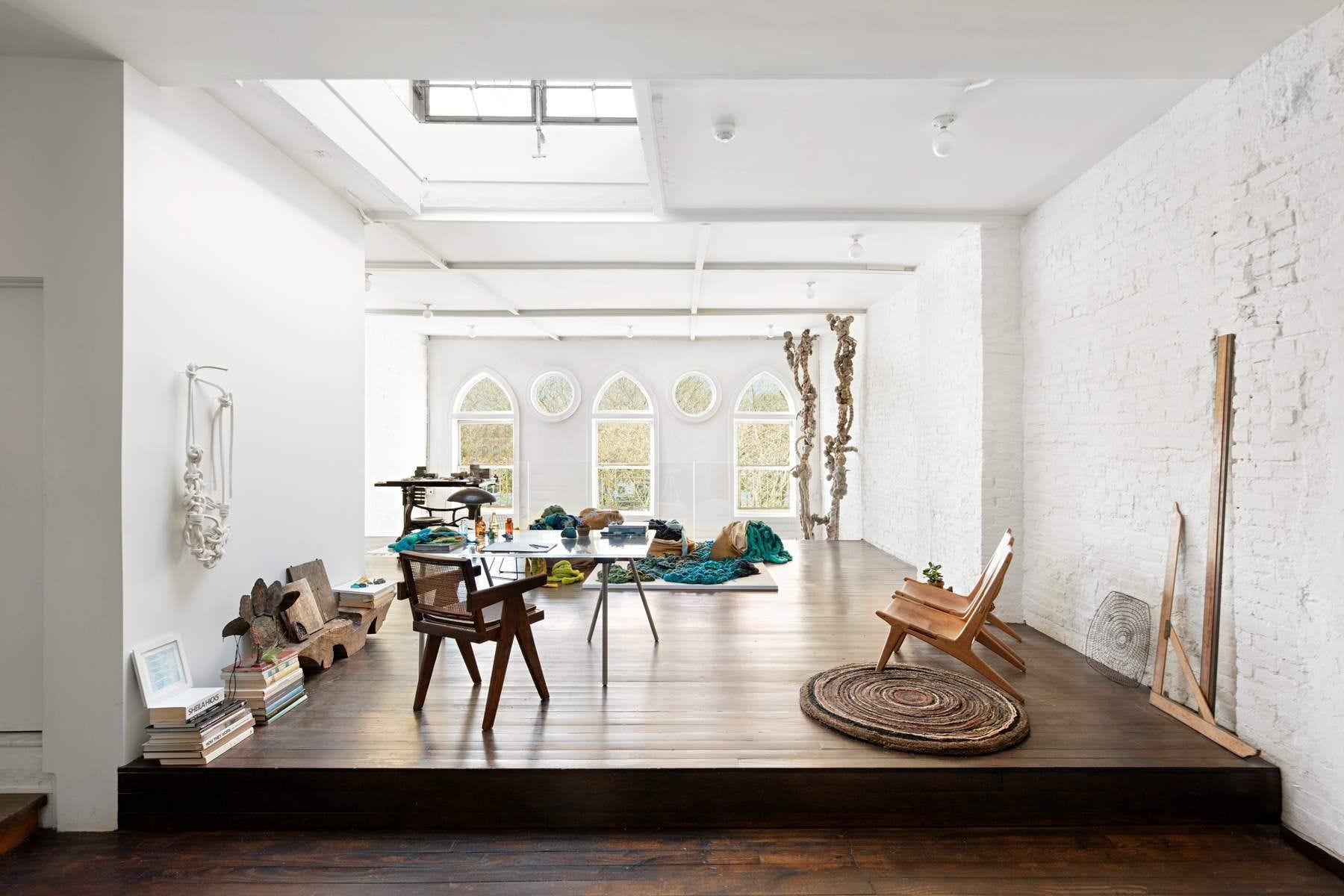
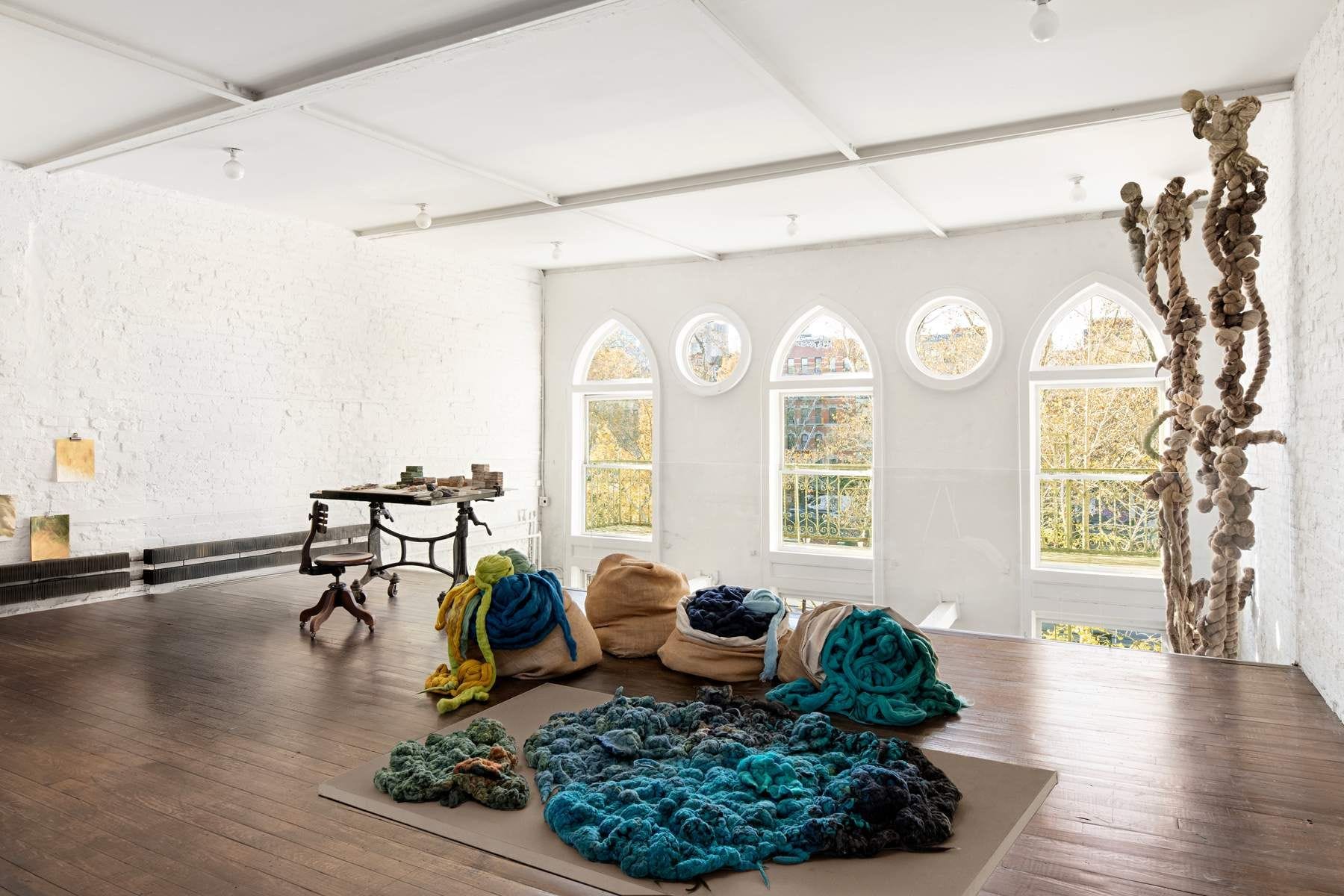
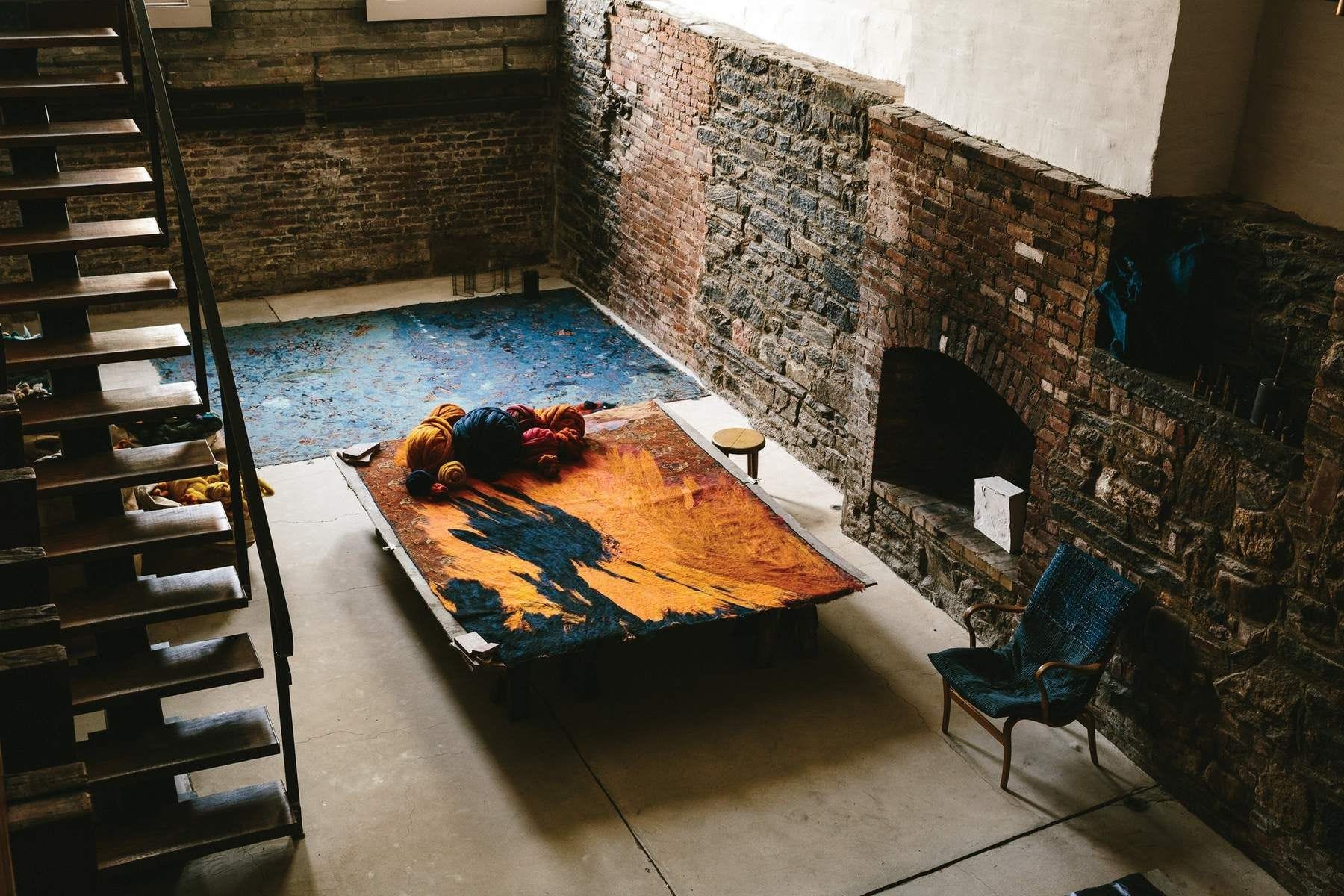
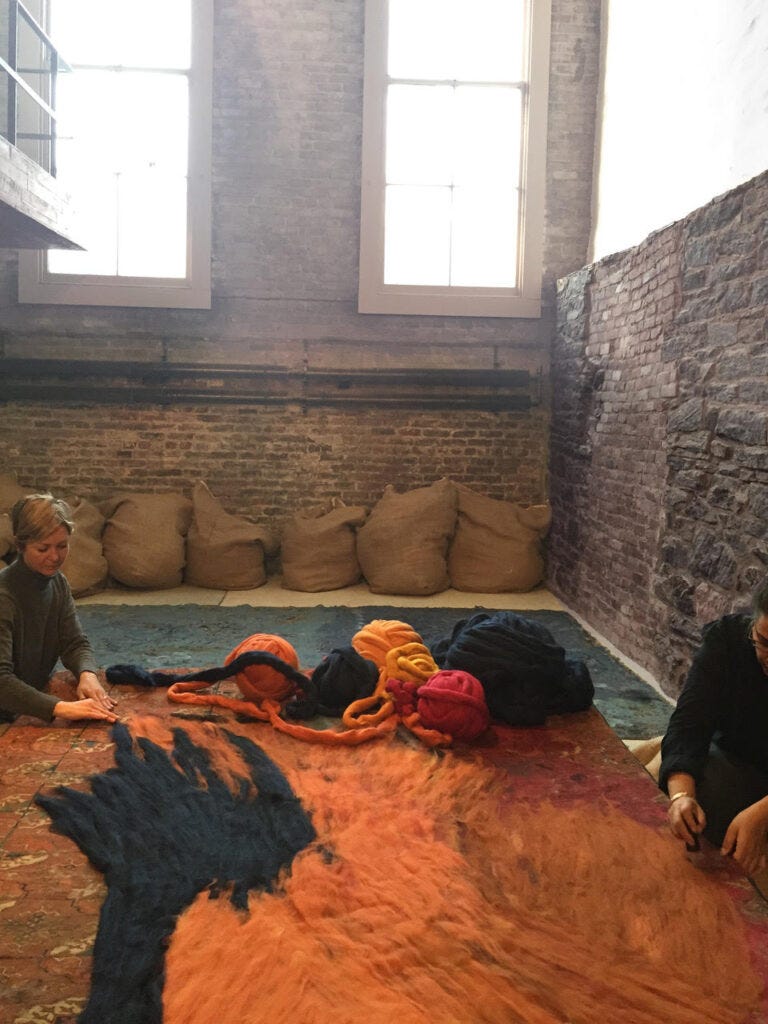
I have traveled to the ends of the earth to experience such buildings. When I encounter one, I am often stunned, and I carry the experience with me for years. Yet one of the most memorable buildings I have visited is in my hometown of Manhattan: a modest four-story, 19th-century building with pointed-arch windows on Forsyth Street, on the Lower East Side. It is that humble that it has no name. Its power lies partly in how vividly it retains its past and present. Today, it is the studio of artist Dana Barnes, the current caretaker of this architectural gem. Barnes creates sculptures, objects and architectural installations from materials including wool and other fibers, which she knots, felts and sometimes melds with contrasting materials, to form works of remarkable texture and presence.
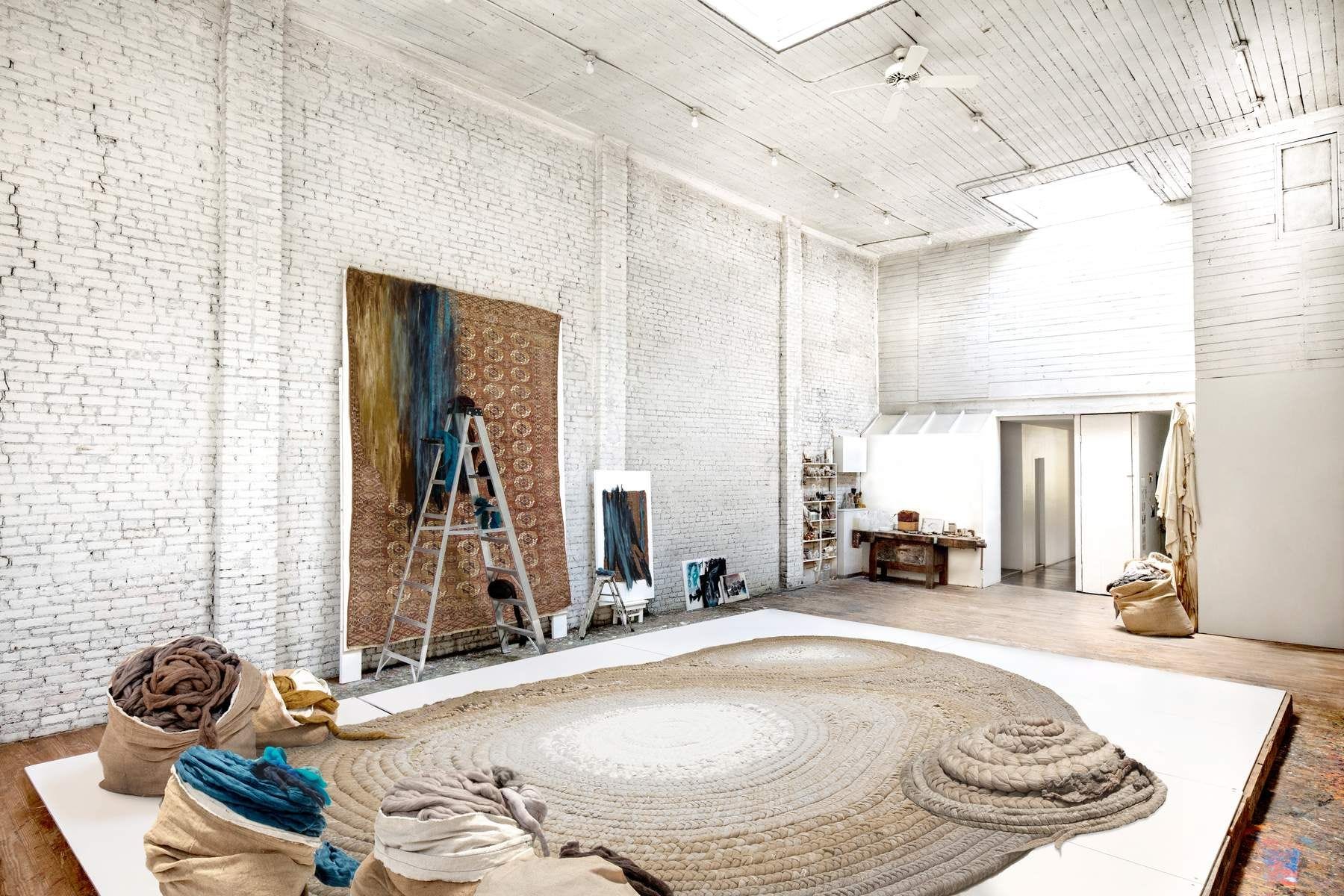
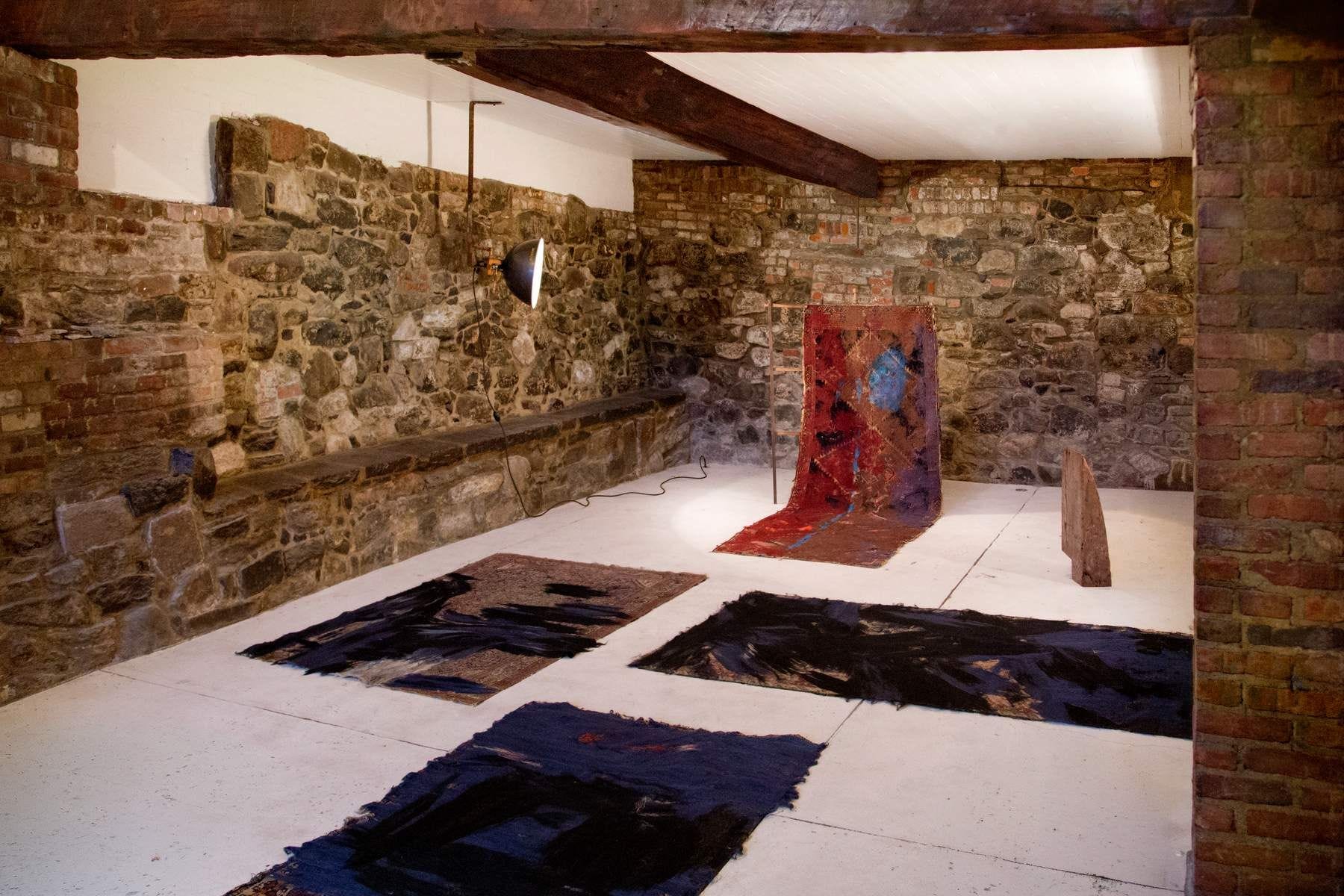
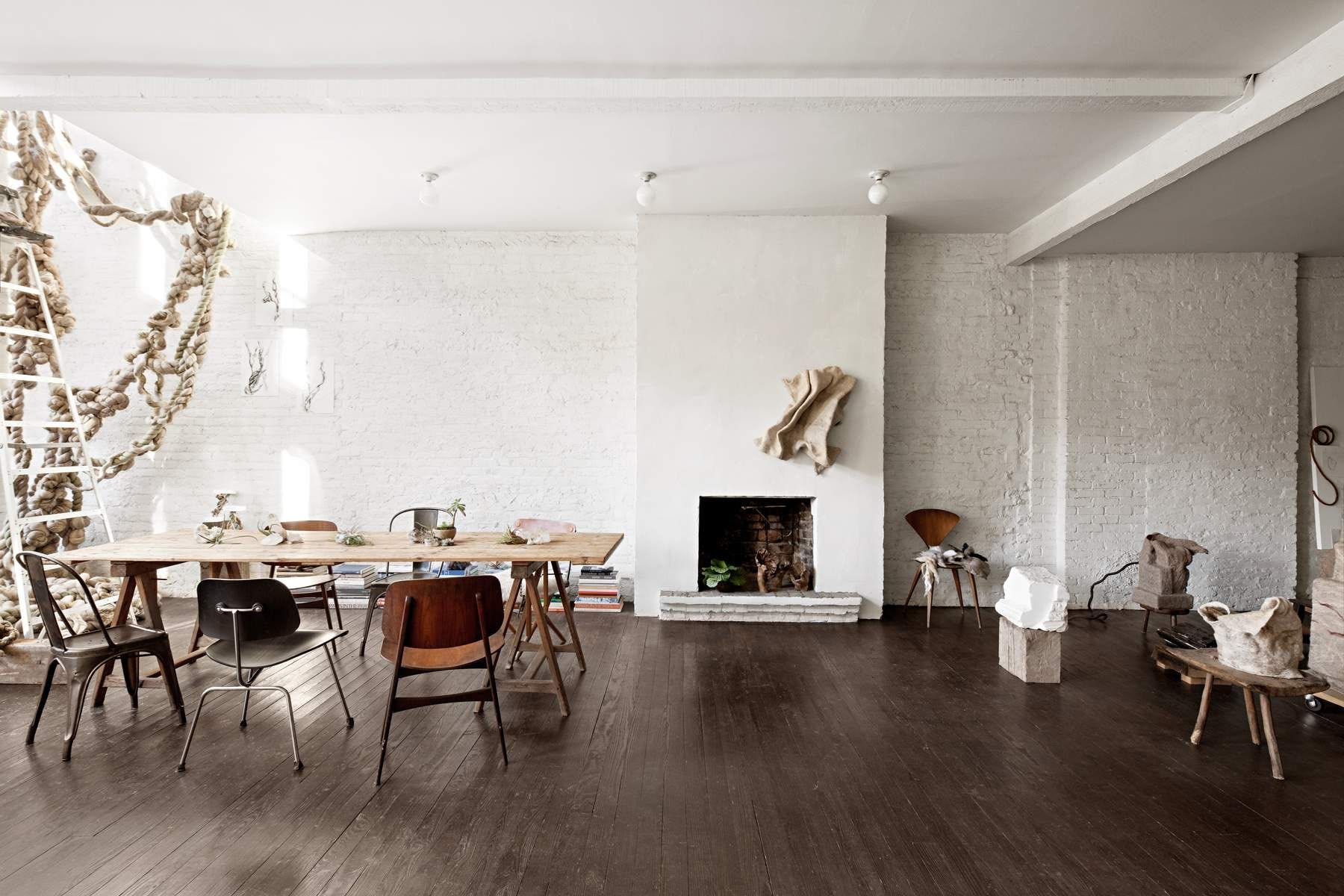
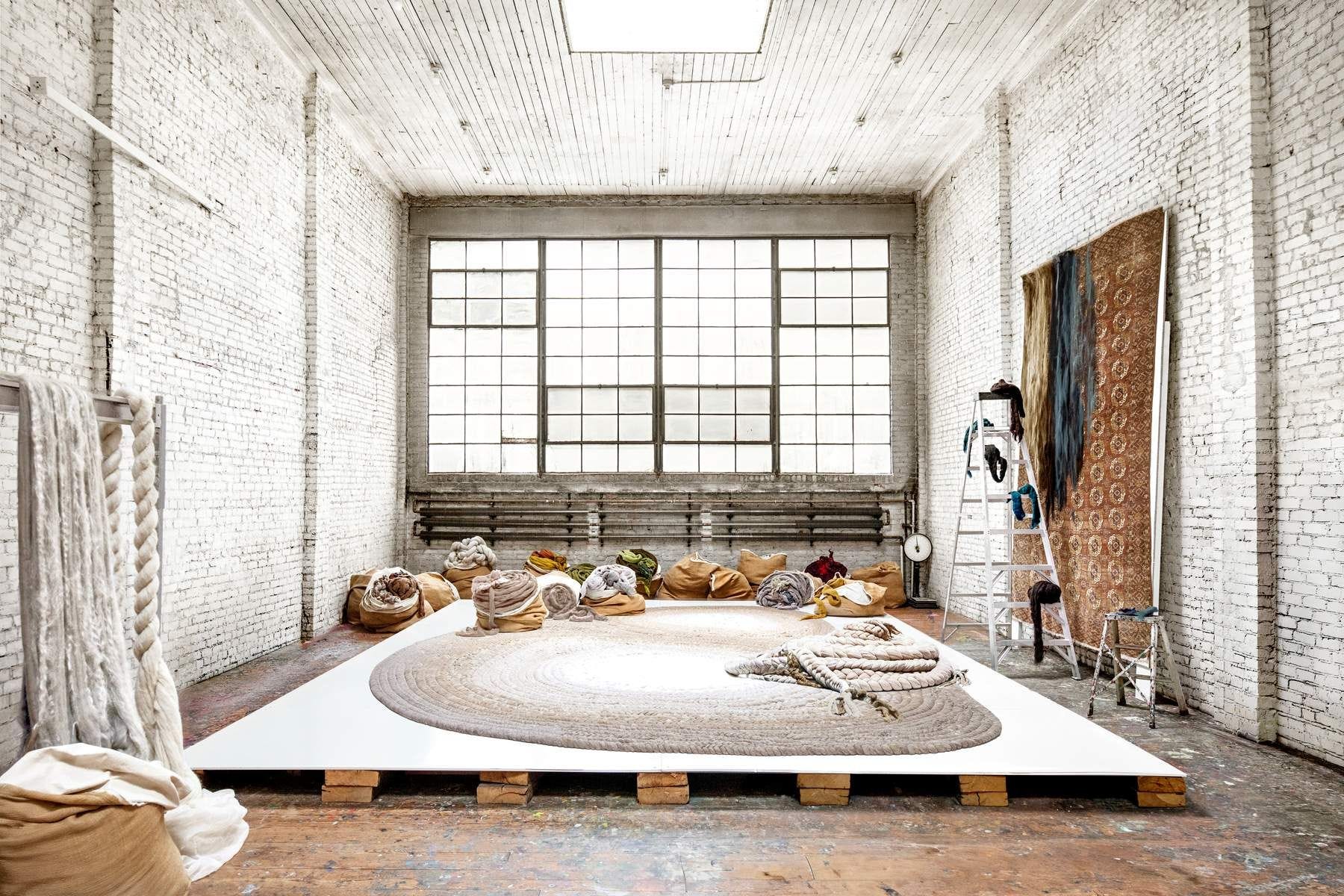
What makes the building especially compelling is the succession of lives it has held. Built in the Victorian era as a synagogue, it was once a center of Eastern European Jewish life on Forsyth Street. It later became the studio of Abstract Expressionist painters Pat Passlof and Milton Resnick. Their canvases, built up through dense, physical layers of paint, seem to have left traces of their presence on the wooden floors. In 2013, Barnes made the building her studio, creating what is, to my mind, one of the most extraordinary artists’ workspaces in New York.
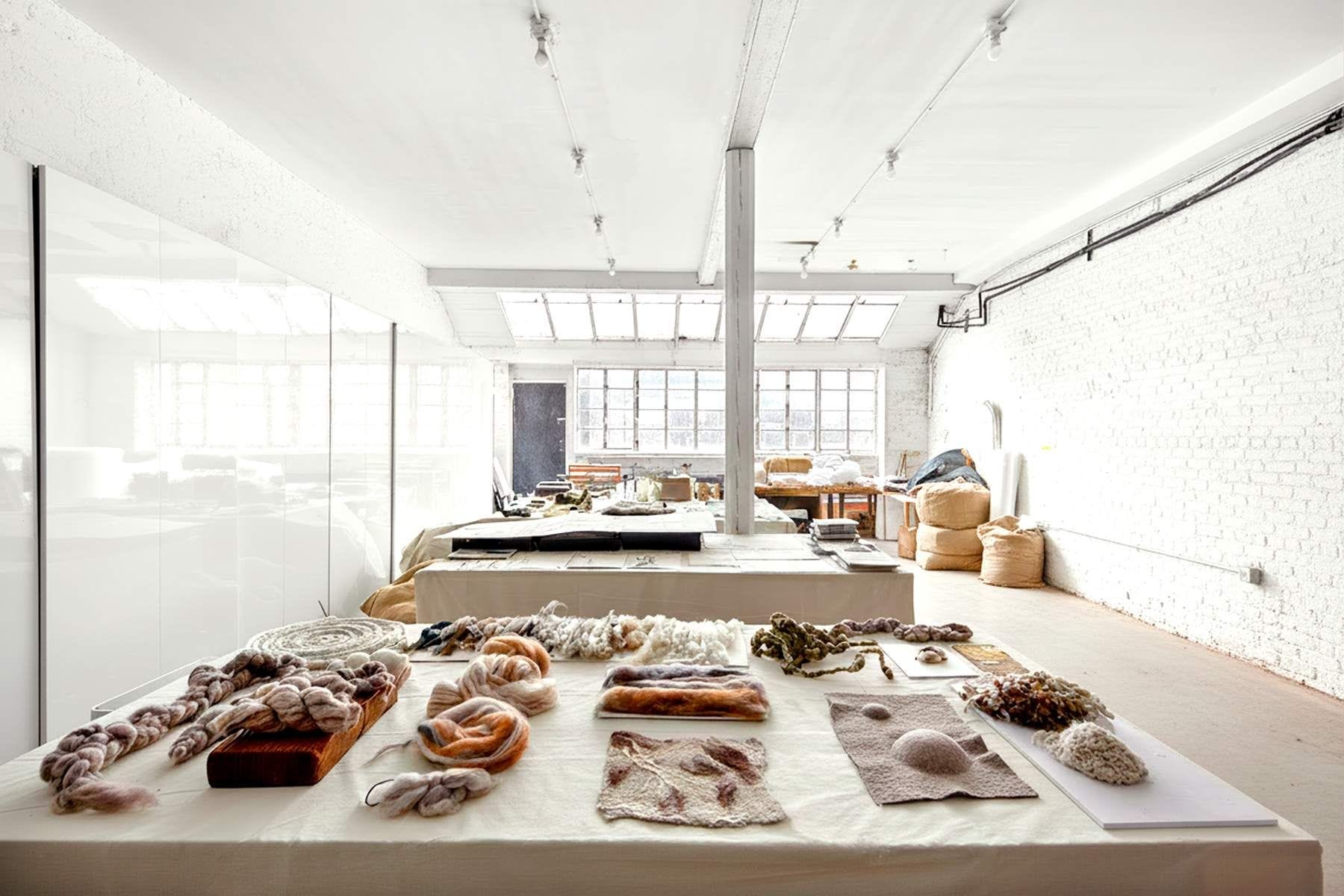
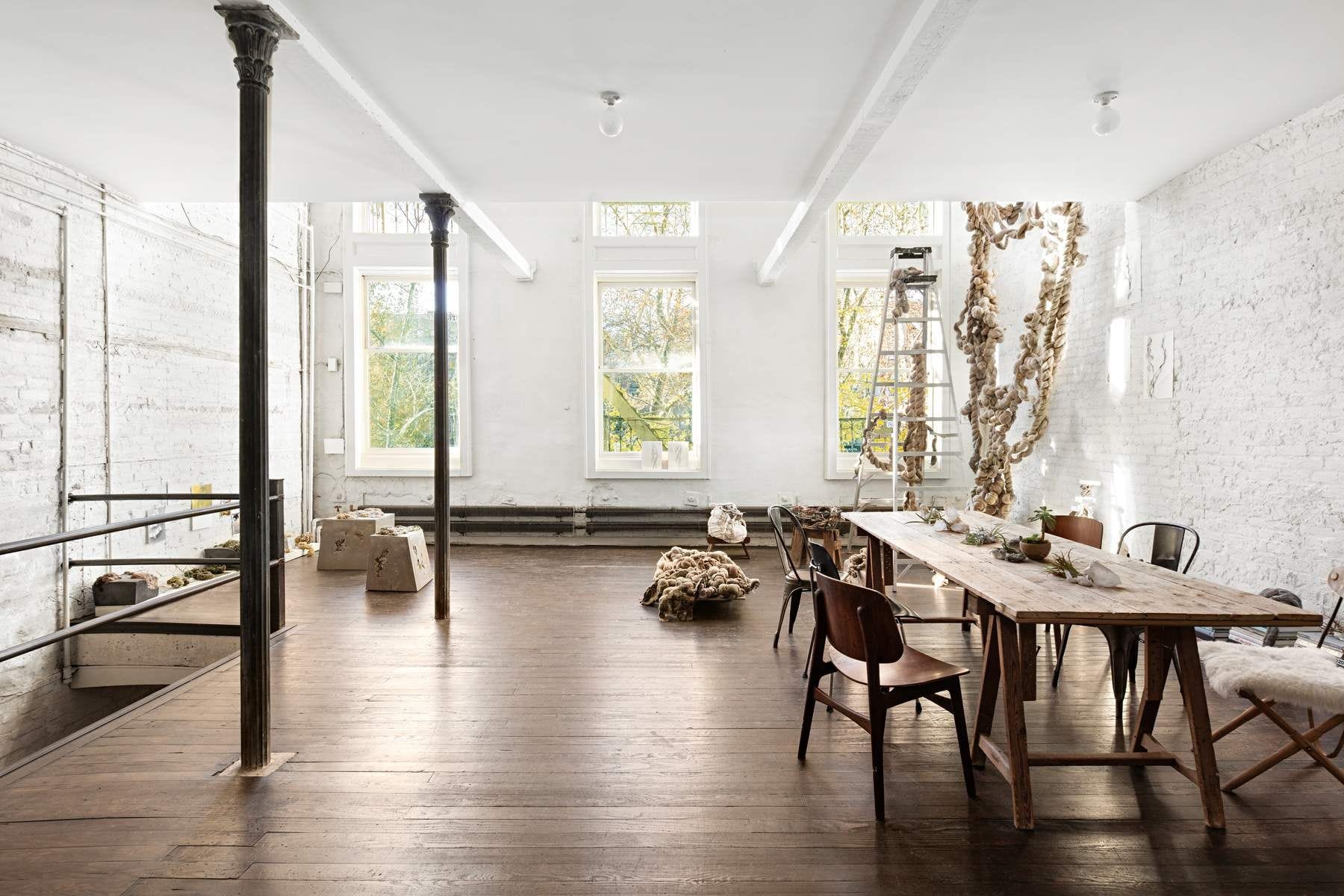
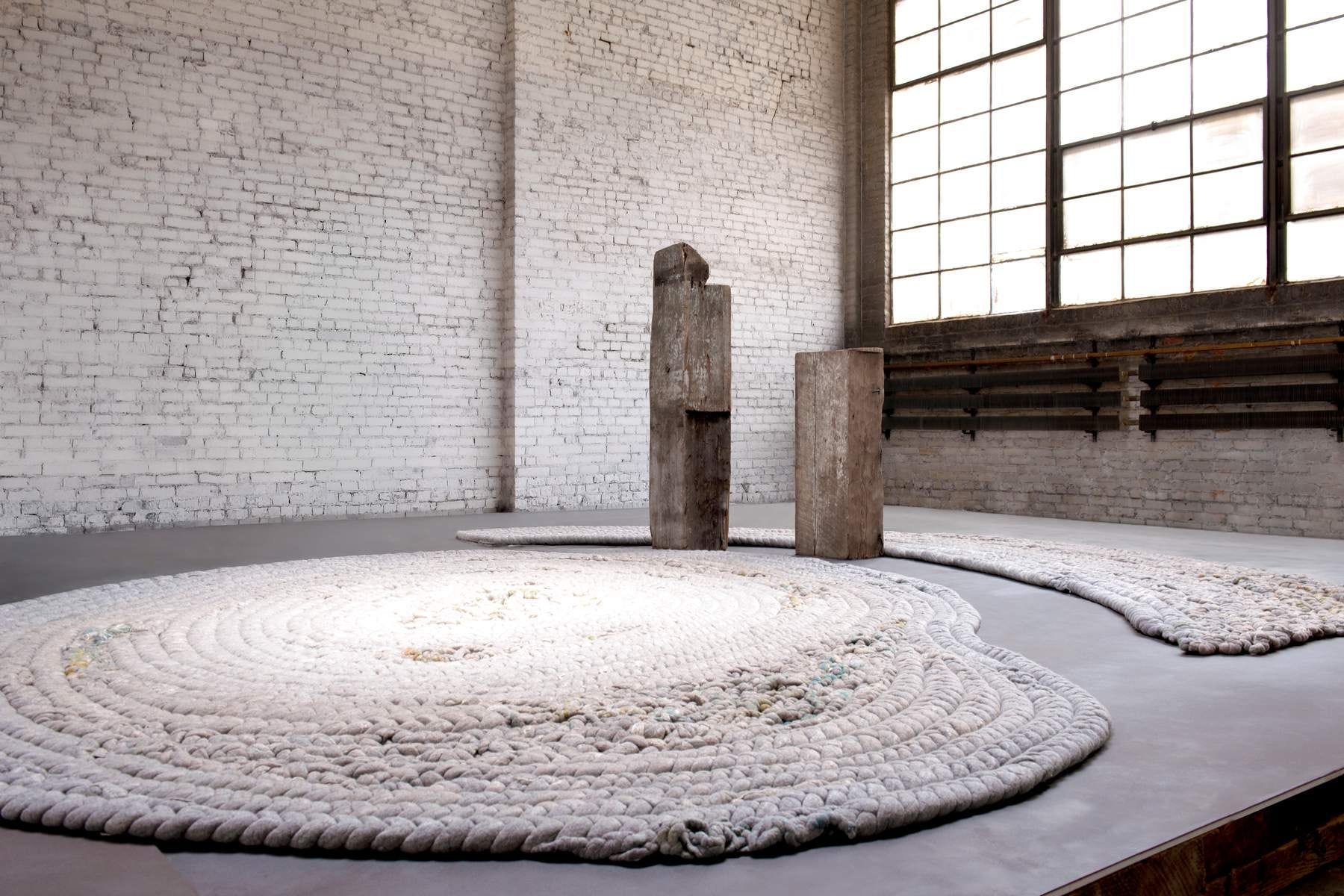
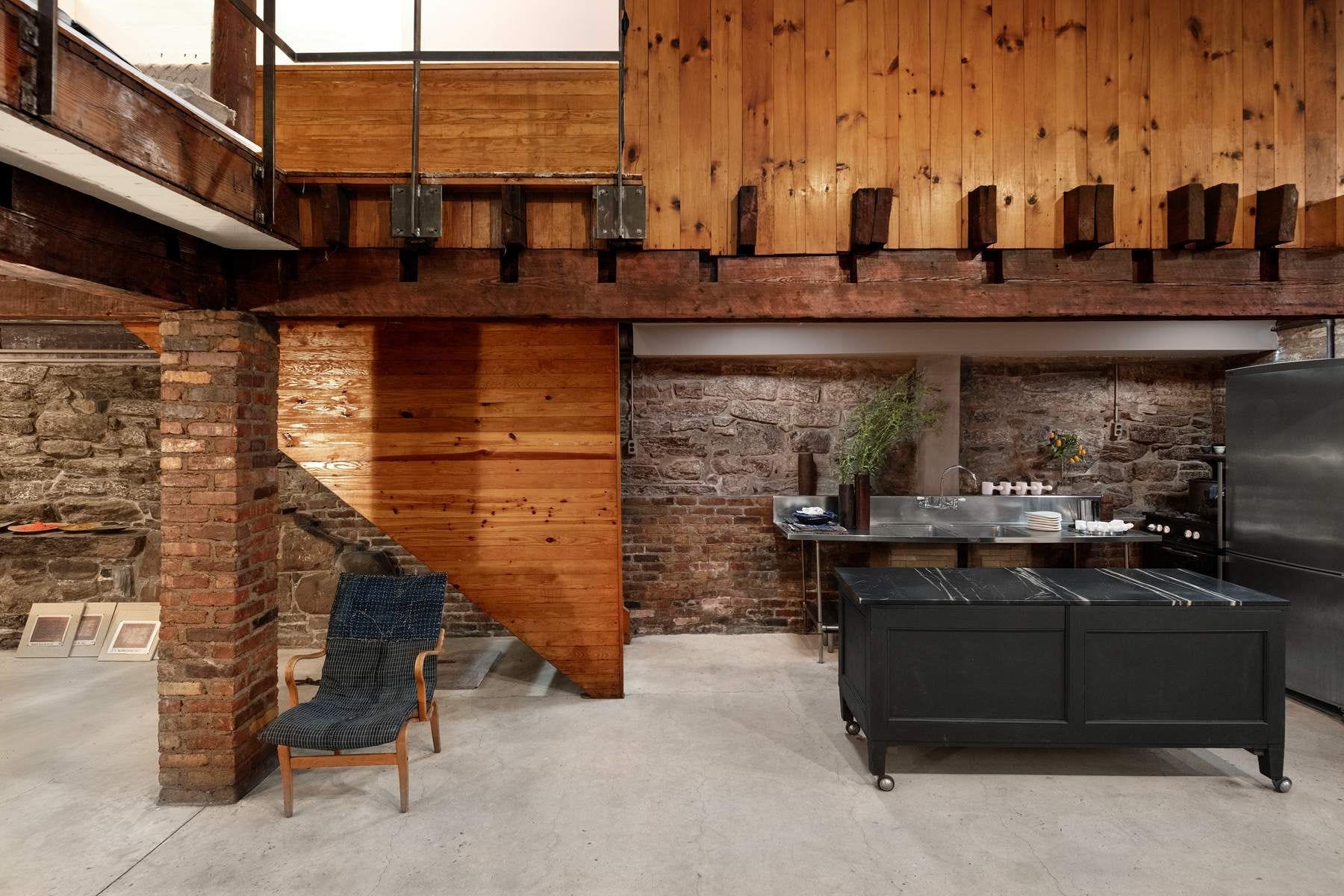
Beyond its history, the building is distinguished by its light. Sun enters through enormous steel casement windows and skylights, reaching into spaces that feel fresh, expansive, and almost weightless. Whitewashed brick, Venetian lime plaster, and double-height ceilings give the interiors a quiet grandeur. The architecture carries you back to the 19th century while feeling entirely contemporary in dialogue with Barnes’s large-scale sculptural works. It is the kind of place you do not want to leave. Airy and comfortable, with sunlight moving across its rooms, it keeps you connected to the world outside.
Within this setting, Barnes and a small group of artisans have created an imaginative world of dimensional floor pieces, objects and hanging sculptures, both functional and nonfunctional. Many of these works are made for particular homes and spaces, for people who value the expressive possibilities of textiles. Now, as Barnes is relocating her art practice to another space, she is ready to pass the building to its next caretaker, who will give it another life and add another layer to its story. That is the gift of an extraordinary building: it holds the lives of those who came before while making room for those still to come. For more information, visit Sotheby’s International Realty.