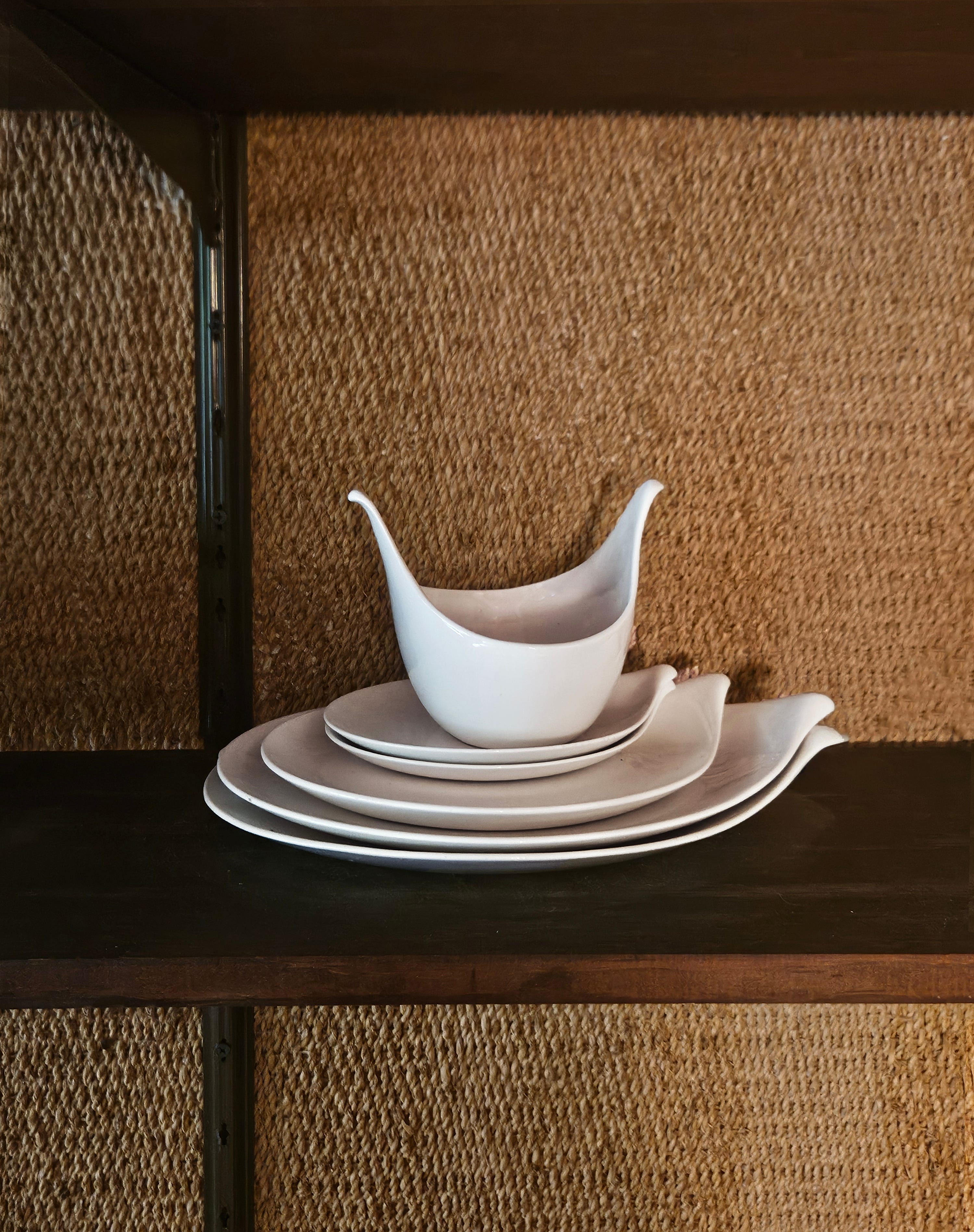
Few designers shaped the look and experience of the modern American table as profoundly as Eva Zeisel. Over an extraordinary eight-decade career, she transformed everyday dinnerware into something sculptural, sensuous, and unmistakably modern, while developing a design language entirely her own. In 1946, just eight years after arriving in the United States as an émigré, Zeisel became the first woman to receive a monographic exhibition at MoMA—a year before Mies van der Rohe. It was an extraordinary recognition and an early confirmation of her place among the defining figures of twentieth-century design.
At a moment when modernism was increasingly associated with rigid geometry and machine-age austerity, Zeisel offered an alternative vision: warm, biomorphic, playful, and deeply humane. Her dinner services entered millions of American homes in the postwar years, helping to reshape not only the appearance of the table, but the rituals and informality of modern dining. Zeisel lived to the remarkable age of 105, and this fall marks the 120th anniversary of her birth.
I first met her in 2000, when I was a PhD student at the Bard Graduate Center and she came to speak with her daughter, Jean Richards. My teacher, Pat Kirkham, who has published extensively on Zeisel, invited her to speak to the students. It was a memorable encounter that has remained with me ever since. Kirkham famously argued that Zeisel should not be understood simply as a successful ceramic designer, but as a “major figure in the world of twentieth-century design.” She emphasized the distinctive character of Zeisel’s biomorphic vocabulary—its playfulness, femininity, sensuality, and humanity—qualities that resonated with Zeisel’s own description of her work as “the playful search for beauty.”
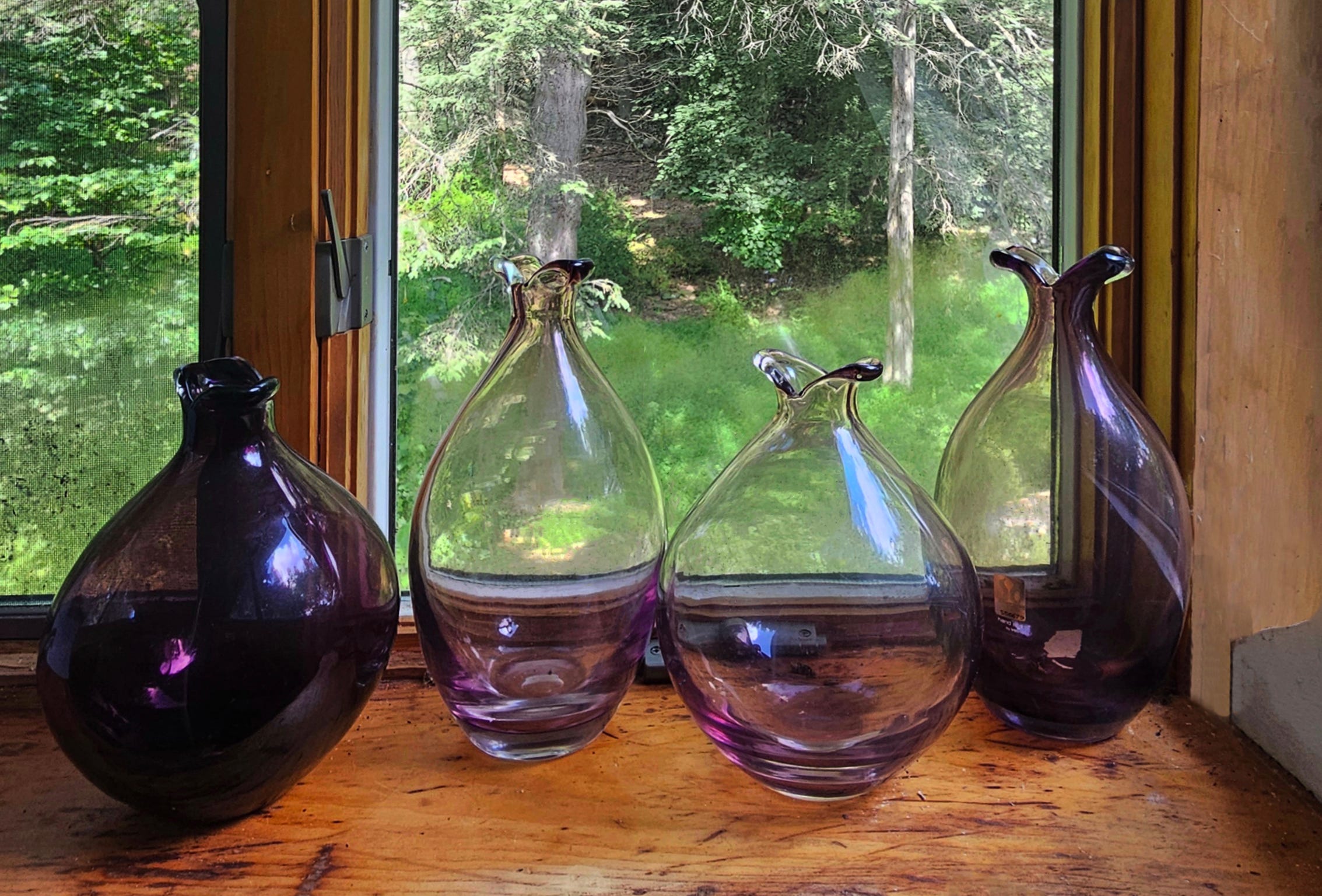
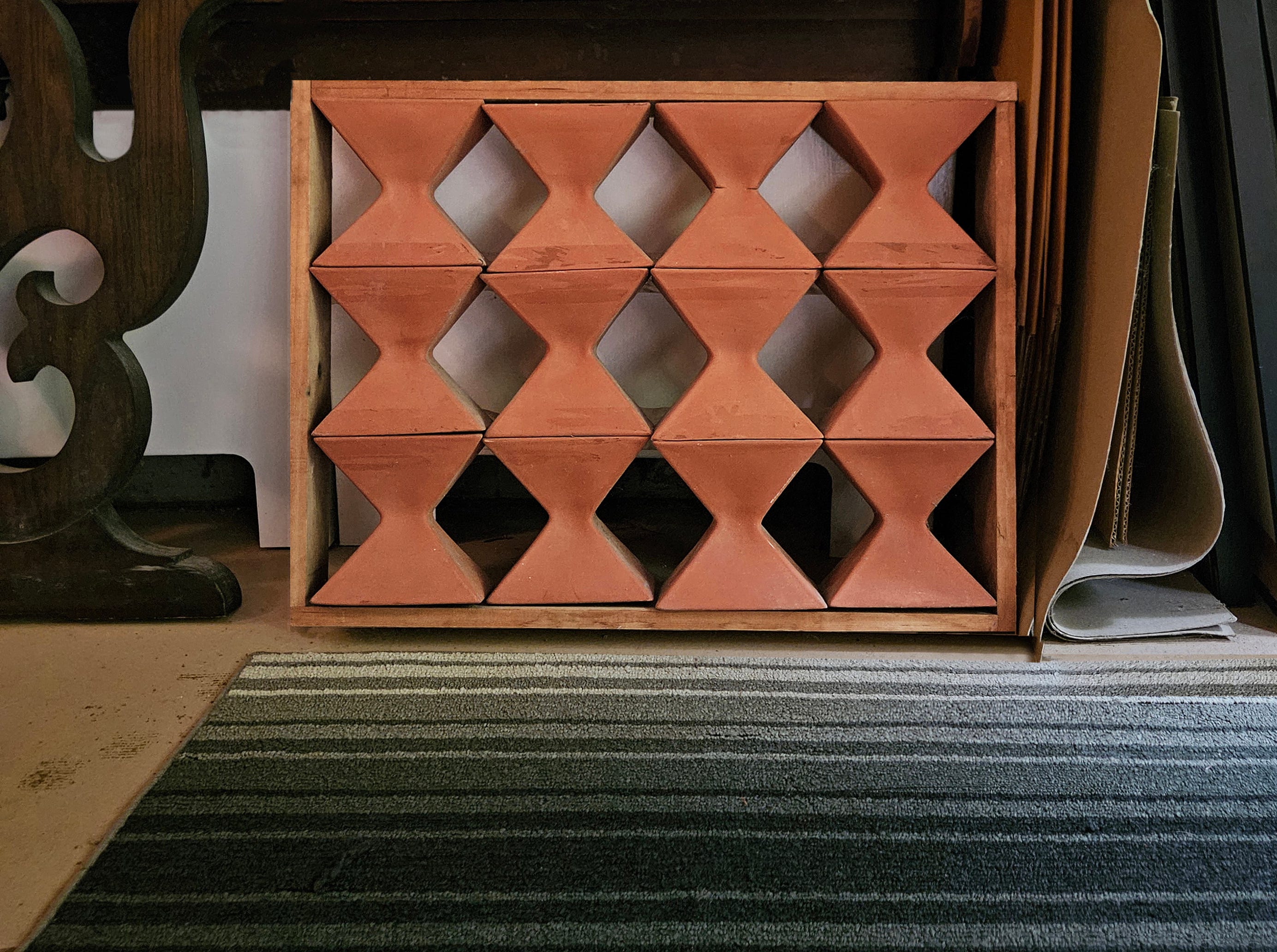
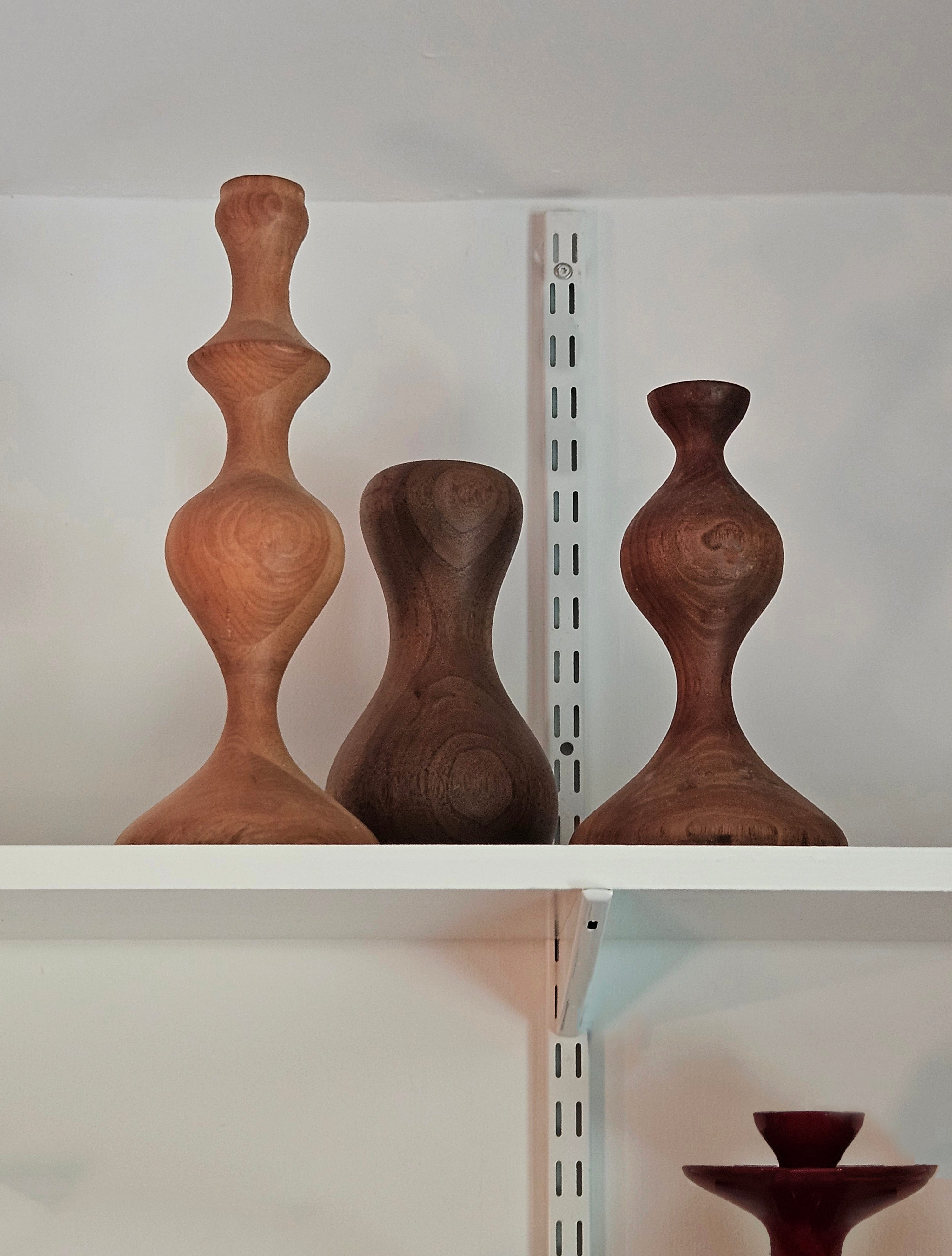
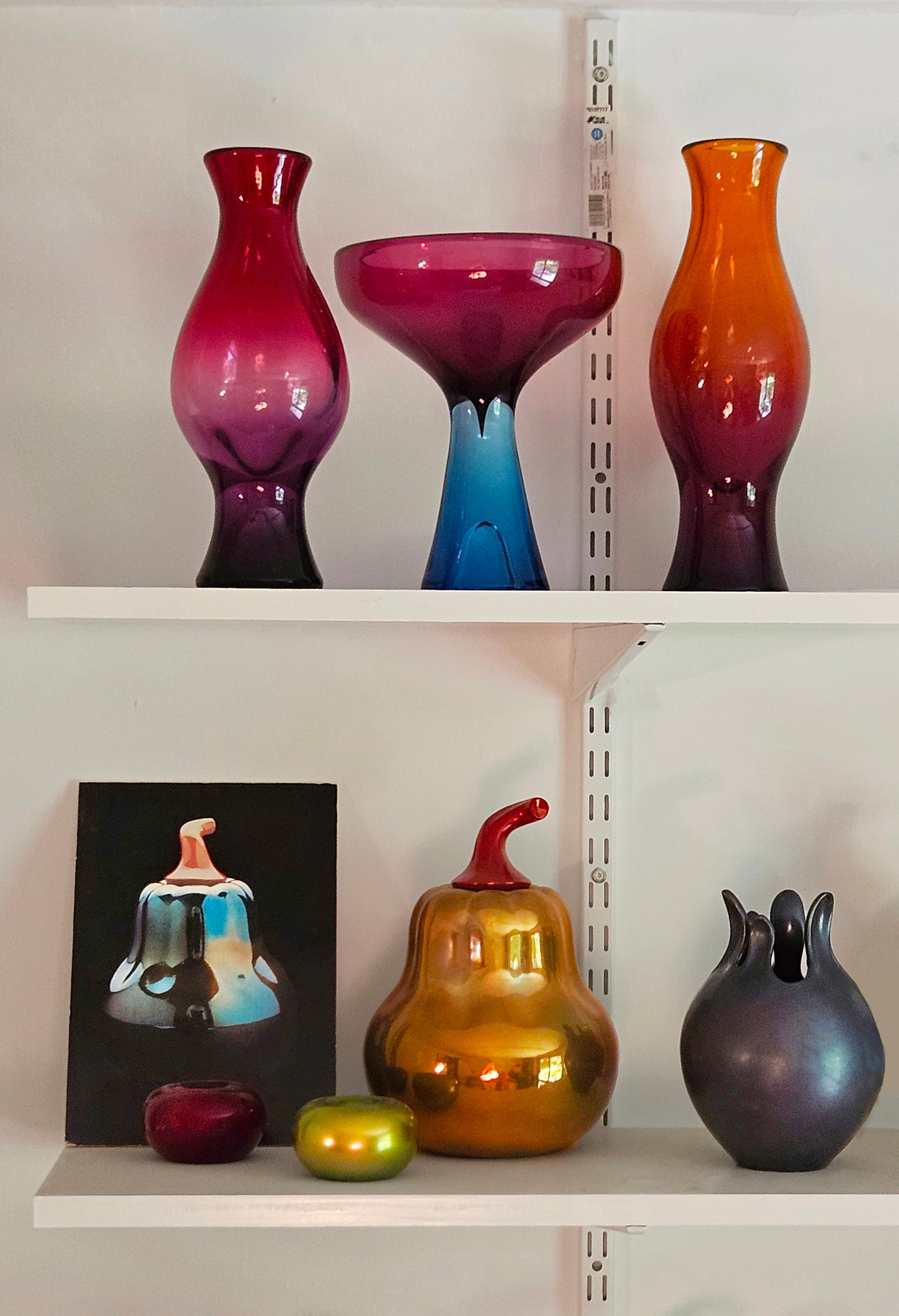
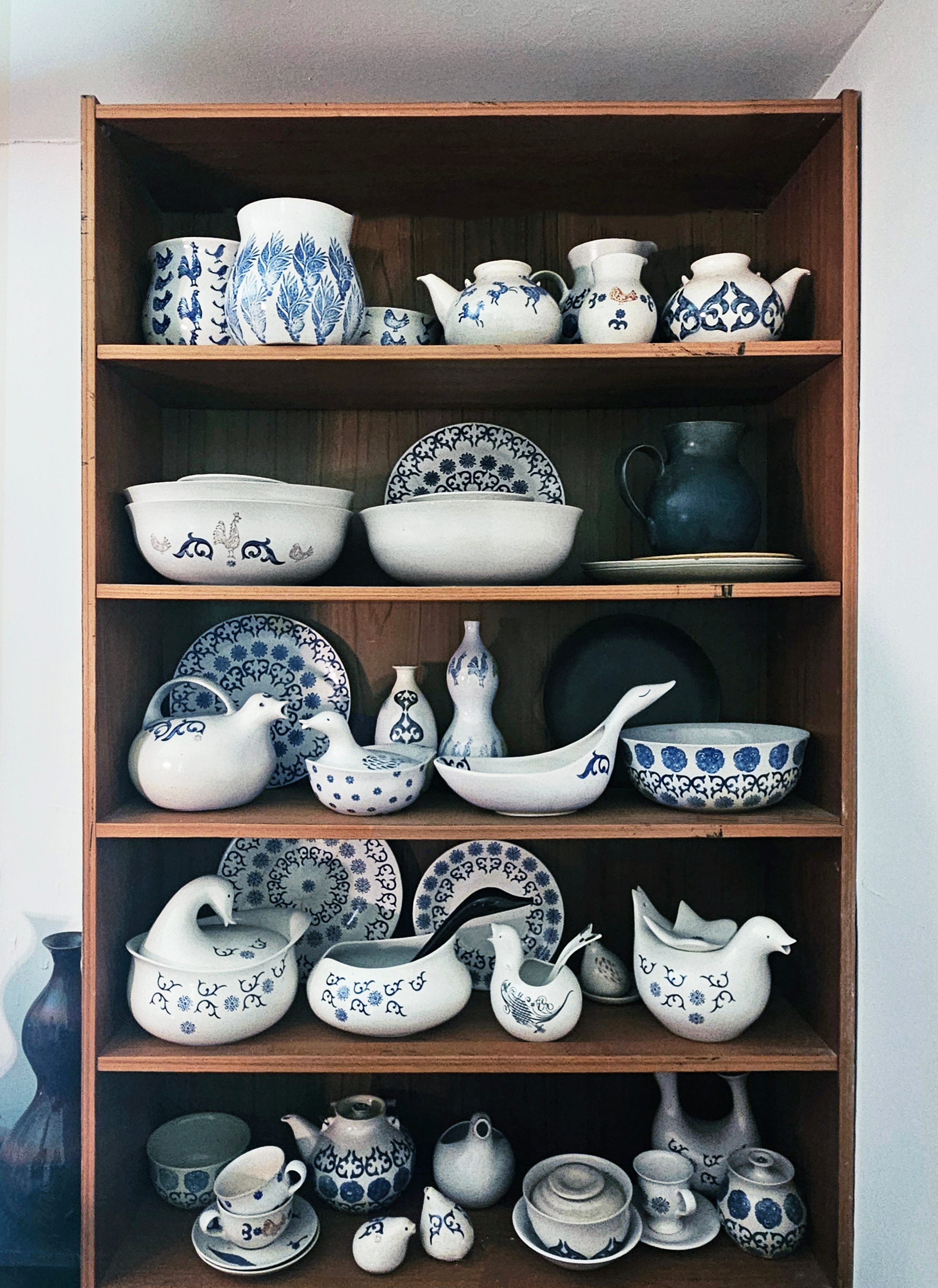
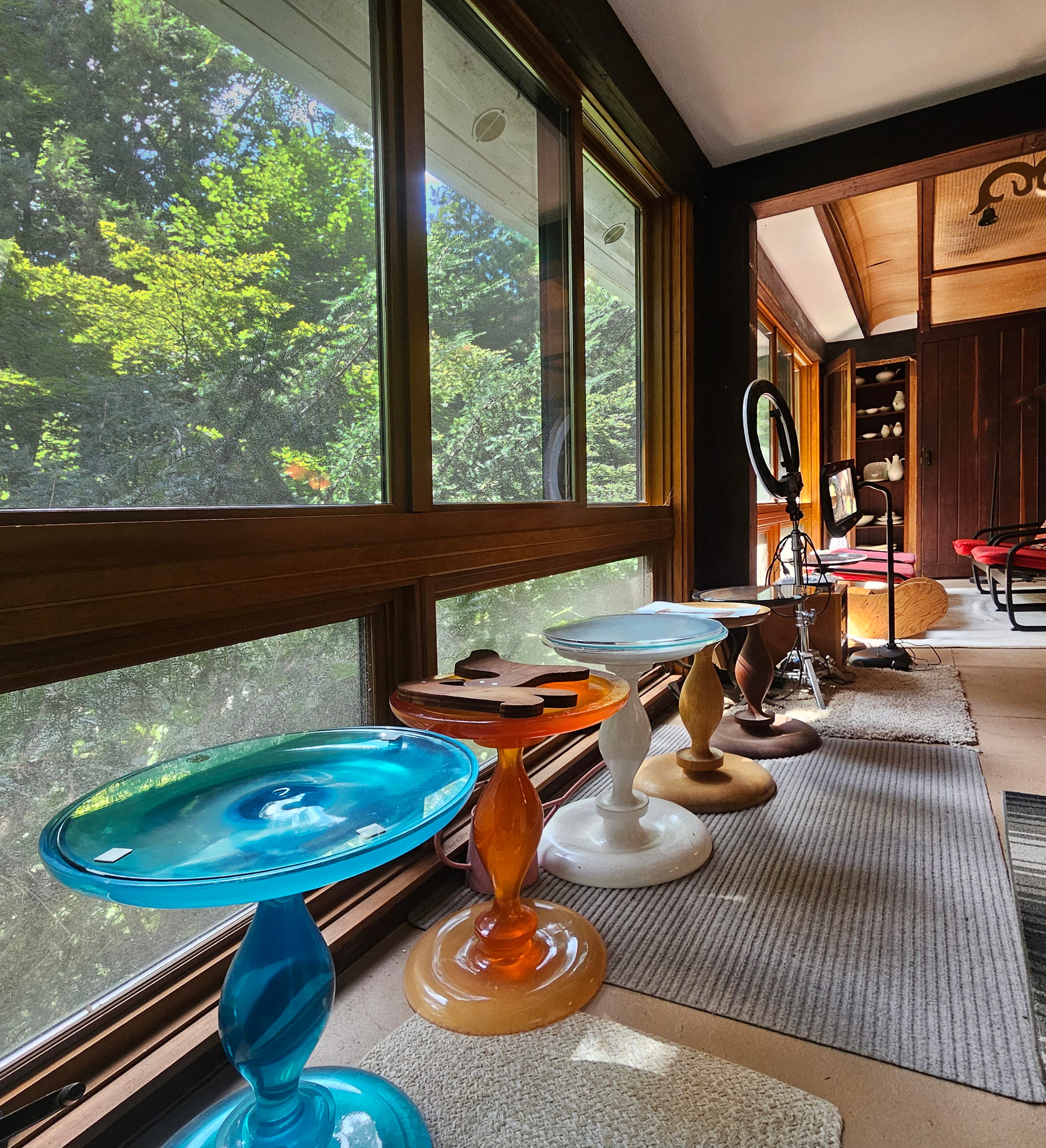
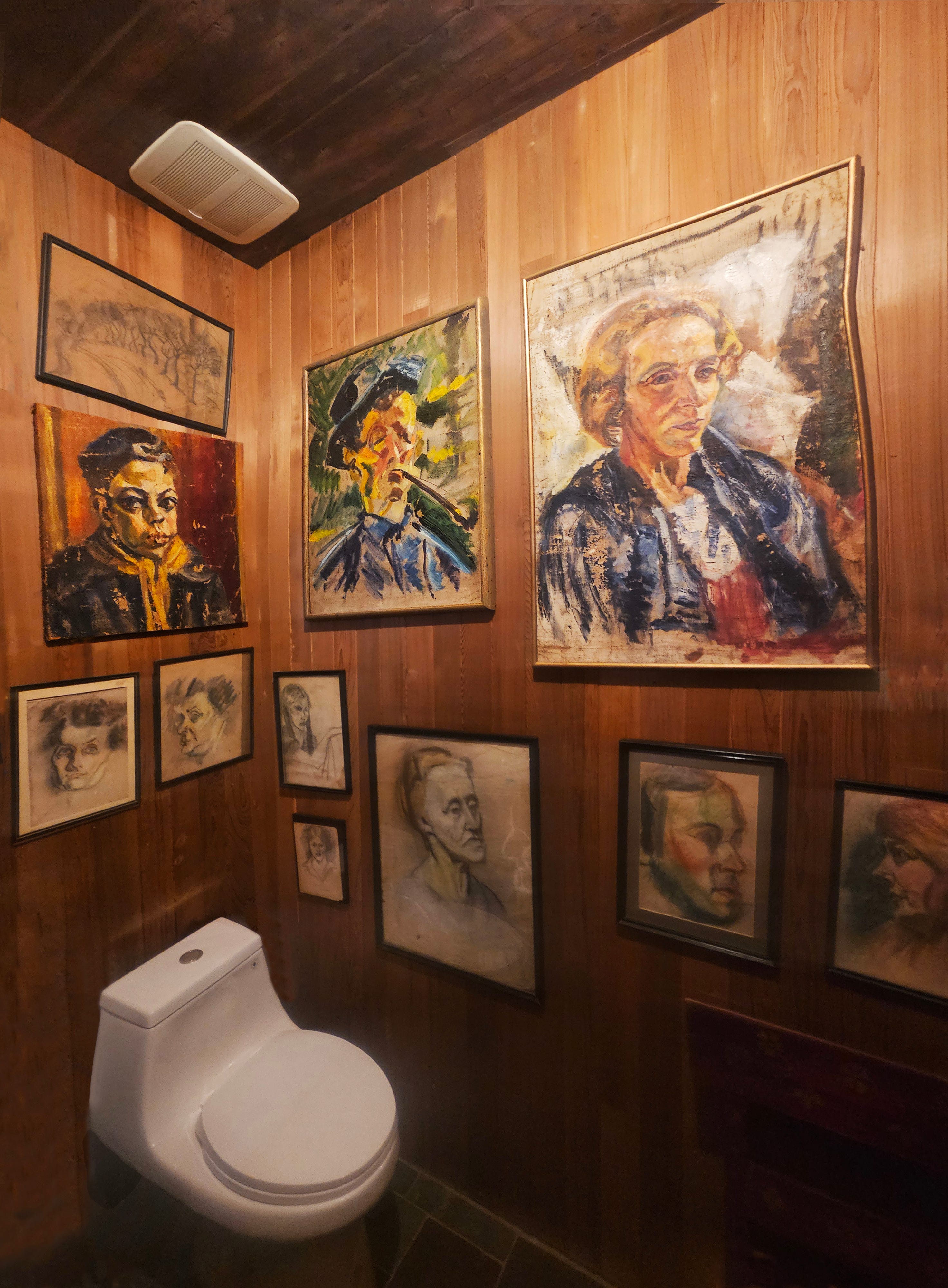
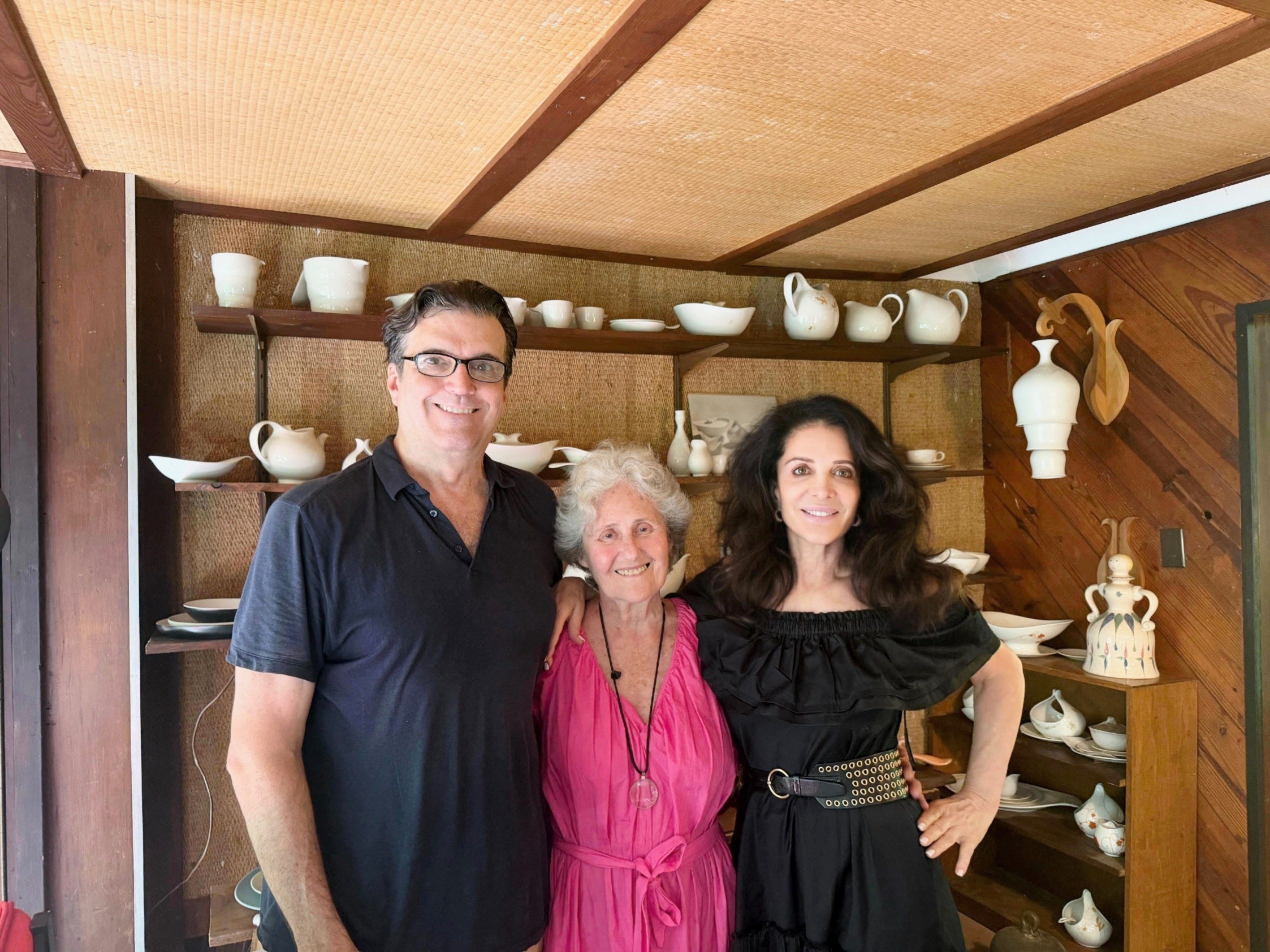
This week, on a beautiful, crispy, late-summer day, we made our way to Zeisel’s country house in Rockland County, where her daughter, actress Jean Richards, now lives full time with her architect husband, Brent Brolin. Together with photo artist Paul Clemence, I spent a magnificent day completely immersed in Zeisel’s world. For a few hours, it felt as though we had stepped into her life.
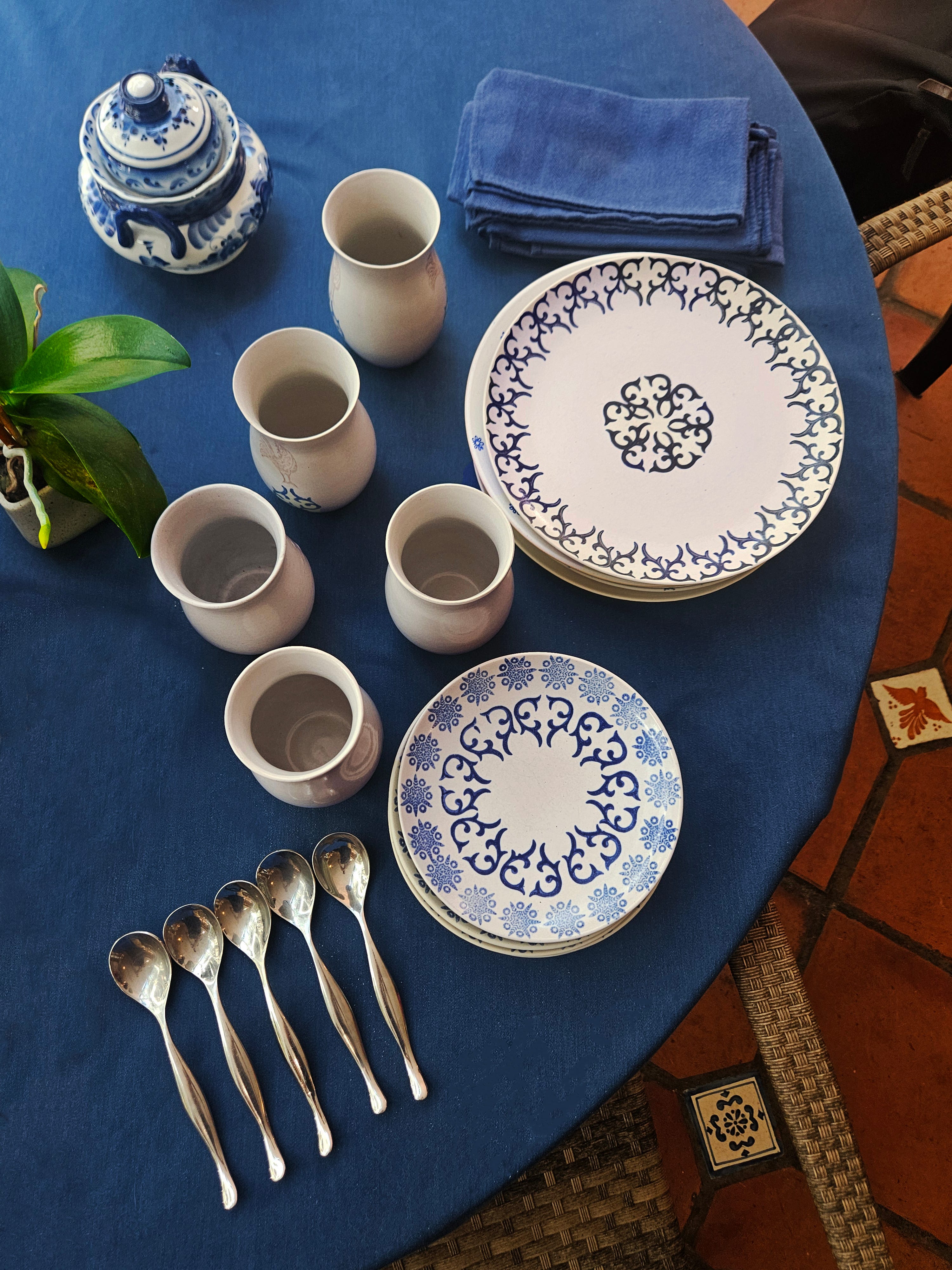
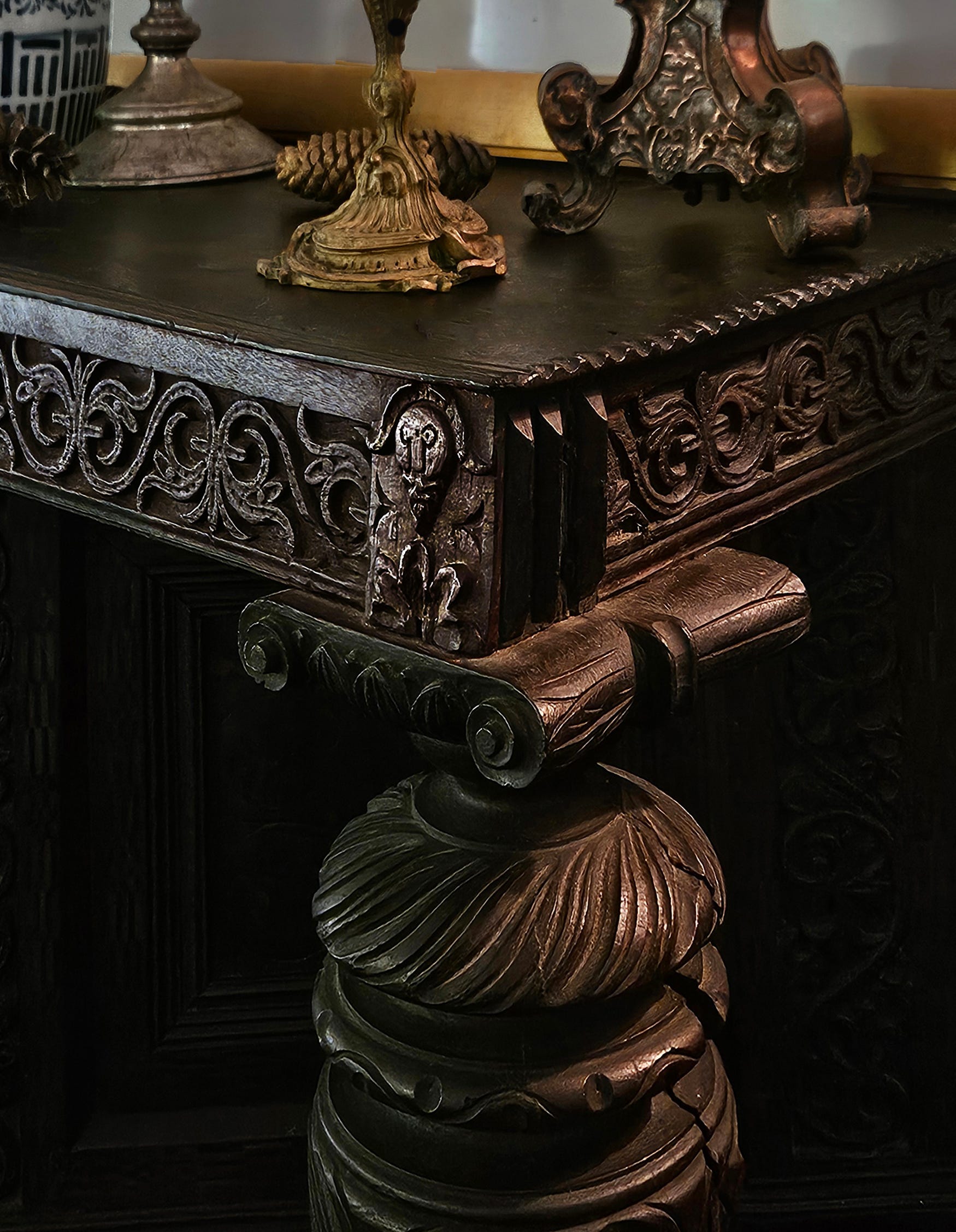
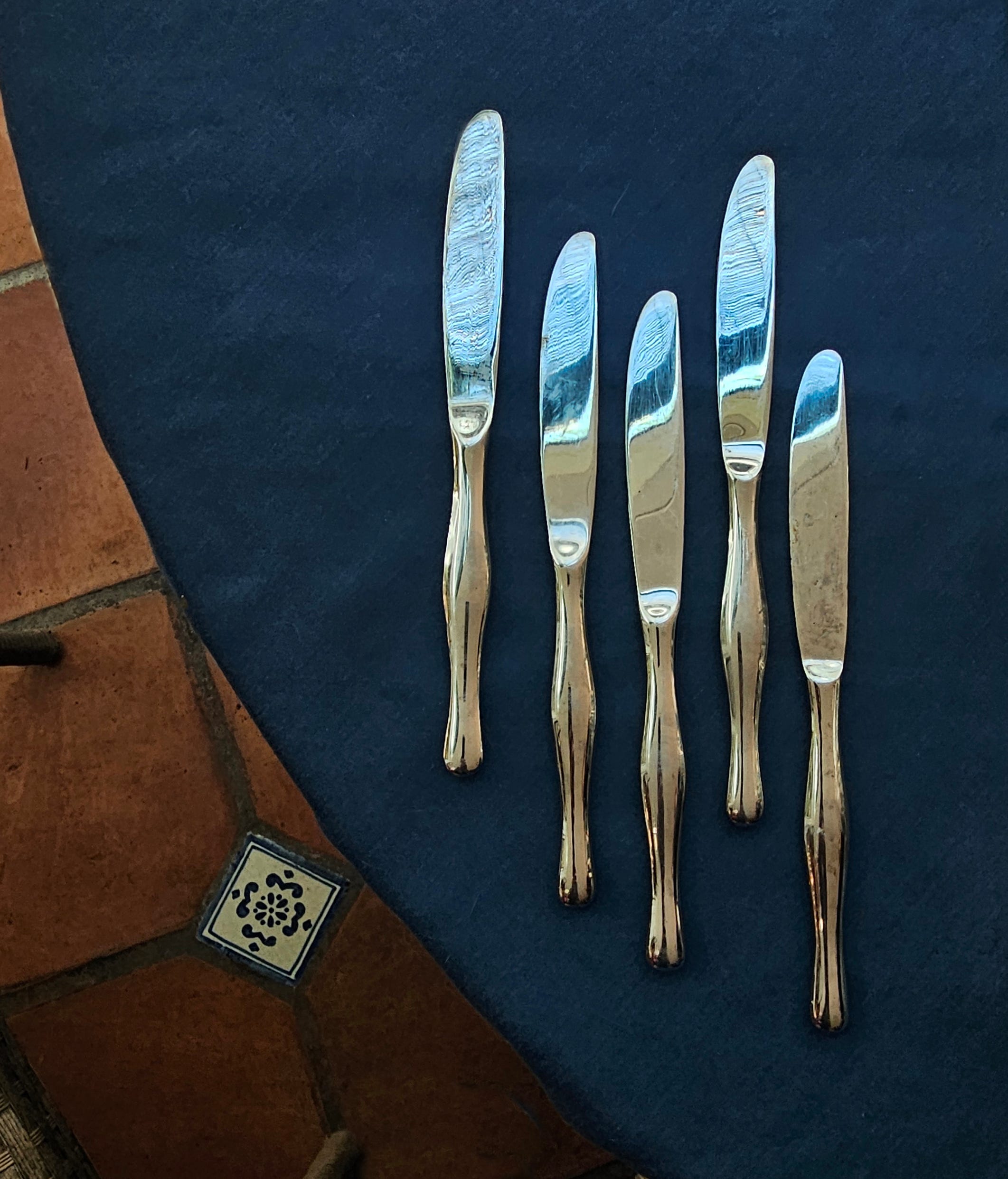
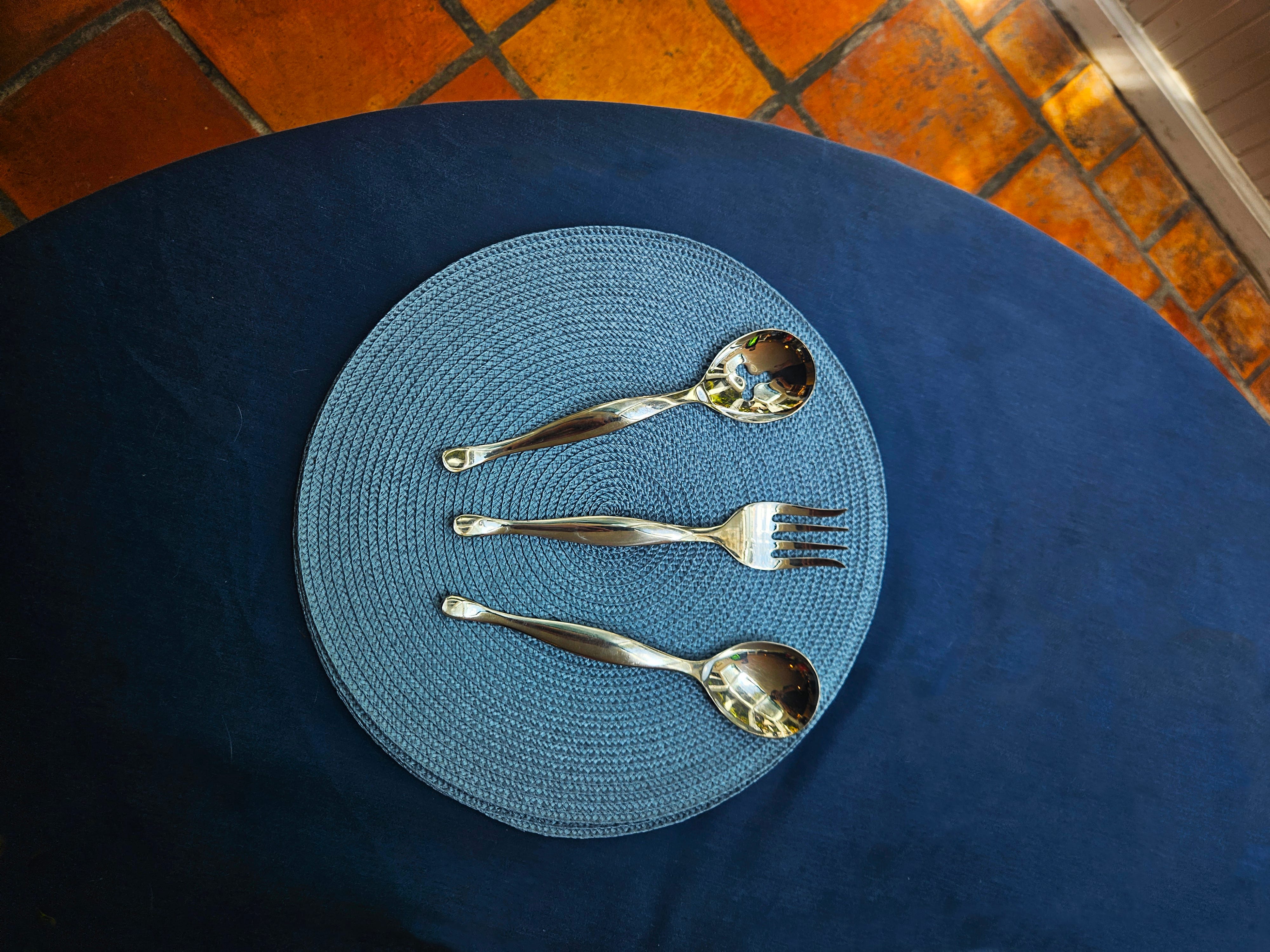
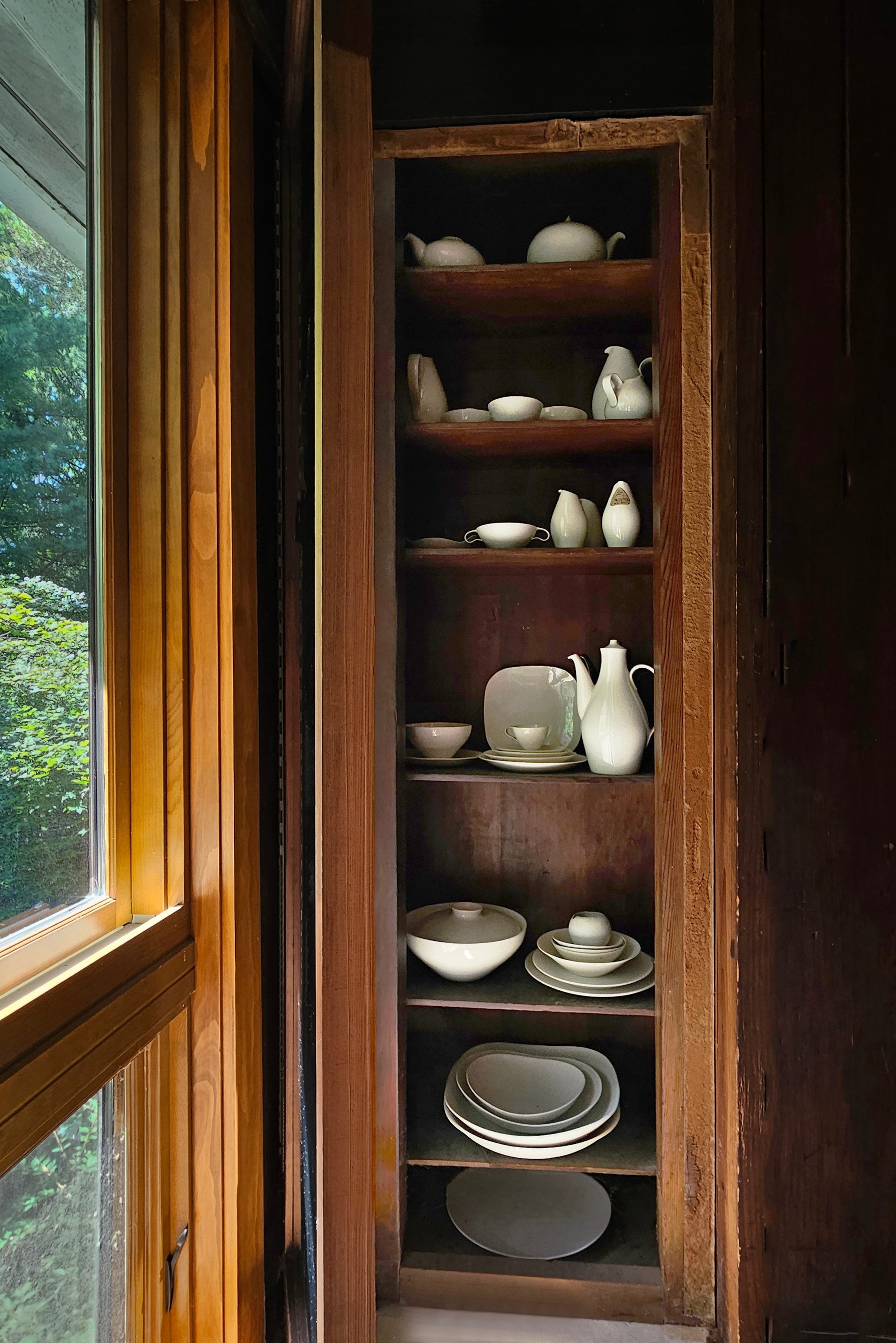
The house allowed us to experience Zeisel not simply through her objects, but through the world she created around herself: the antique furniture she collected at small auction houses, the objects she chose to live with, the rooms in which she worked, and the atmosphere that shaped her daily life. We ate a delicious lunch prepared by Richards and served on tableware designed by her mother, pieces carefully stored and brought out for special occasions. It was a rare opportunity to inhabit Zeisel’s world rather than merely observe it.
Zeisel was born in Budapest and began her career working with clay before establishing herself as an industrial designer in ceramic factories in Hungary and, later, in the Soviet Union, where she moved in 1932. There she rose to important positions within the porcelain and glass industries and became deeply involved in efforts to modernize industrial production. In 1936, however, she encountered the brutality of Stalin’s regime firsthand when she was falsely accused of participating in a political conspiracy and imprisoned for approximately sixteen months, much of that time under extremely harsh conditions. She was unexpectedly released and deported, moved to Austria, where she married Hans Zeisel, and shortly afterward the couple emigrated to New York, which would remain her home for the rest of her life.
It was in the United States that Zeisel emerged as a major figure in twentieth-century industrial design, offering Americans a new vision of how the dining table could look. Gone were the ornate porcelain services associated with previous generations; in their place came something modern, informal, chic, and unmistakably contemporary. From her arrival in New York in 1938 until her death in 2011, Zeisel remained extraordinarily productive, designing countless dinner services, glassware, tabletop objects, and furniture.
Zeisel was also in the right place at the right time. In the postwar years, American domestic life was undergoing a dramatic transformation. Mass suburbanization introduced new houses, new kitchens, new appliances, and a rapidly expanding consumer culture. Within this changing landscape, Zeisel’s dinnerware allowed Americans to live modernism in the most intimate and everyday way: at the dining table.
Her teaching at Pratt Institute was equally influential. She trained generations of industrial designers and taught ceramics not as a studio craft alone, but as an industrial material intended for mass production. Zeisel was never interested in creating precious objects for the few. She believed in design as a means of elevating everyday life for millions. Yet while industrial tableware could easily become plain or anonymous, hers was sculptural, abstract, bold, and sensuous. She brought something almost architectural—and at times even figurative—to the dinner table.
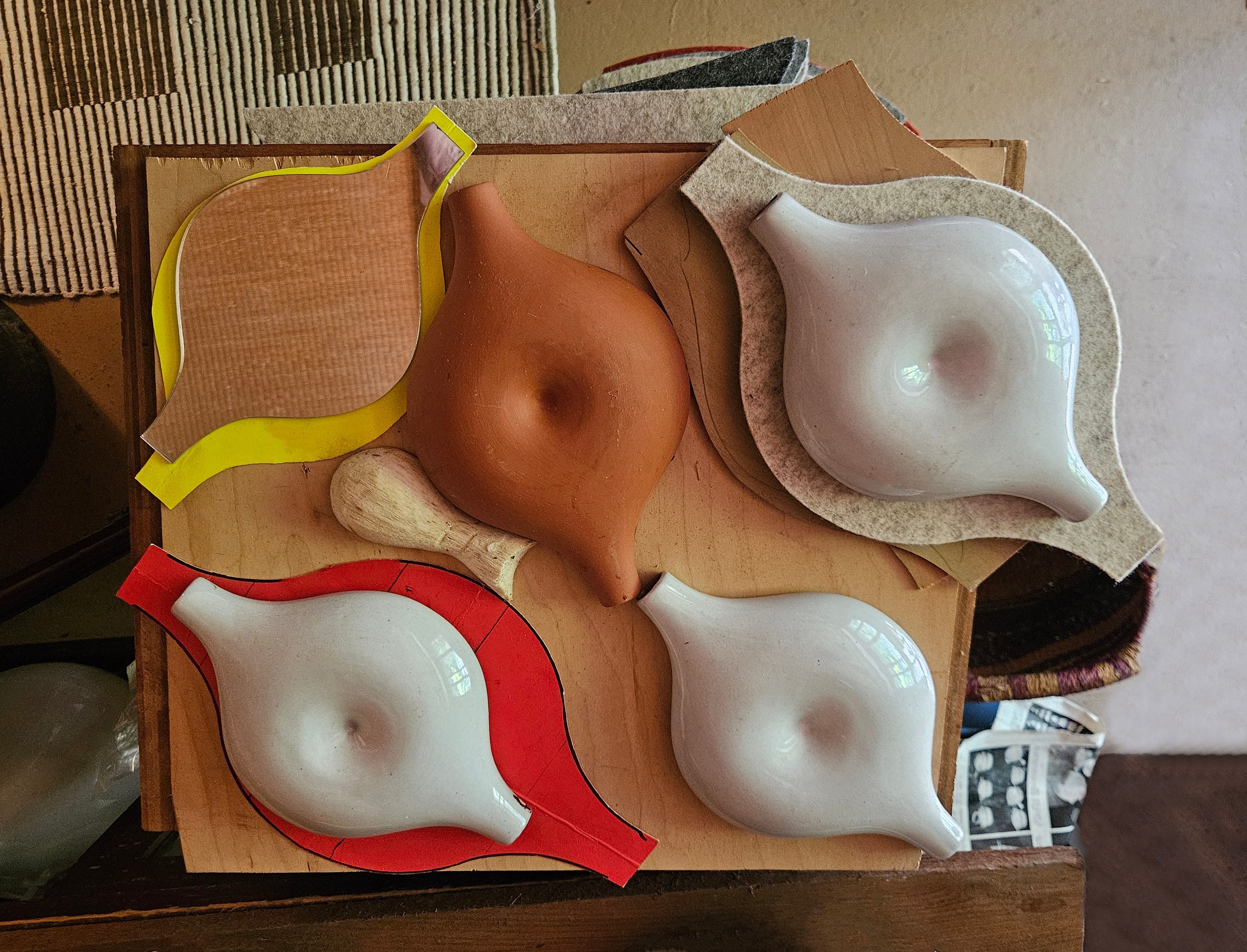
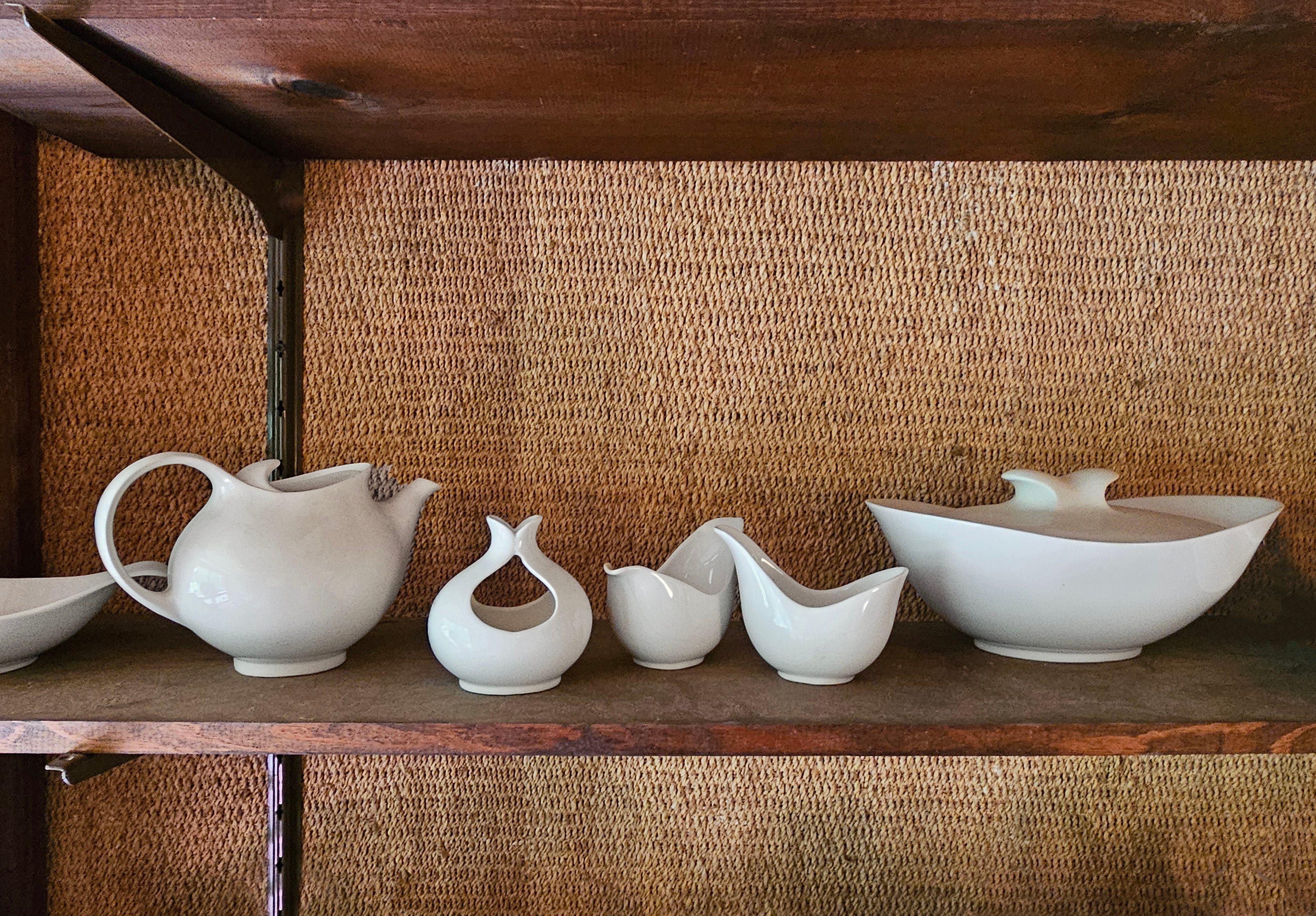
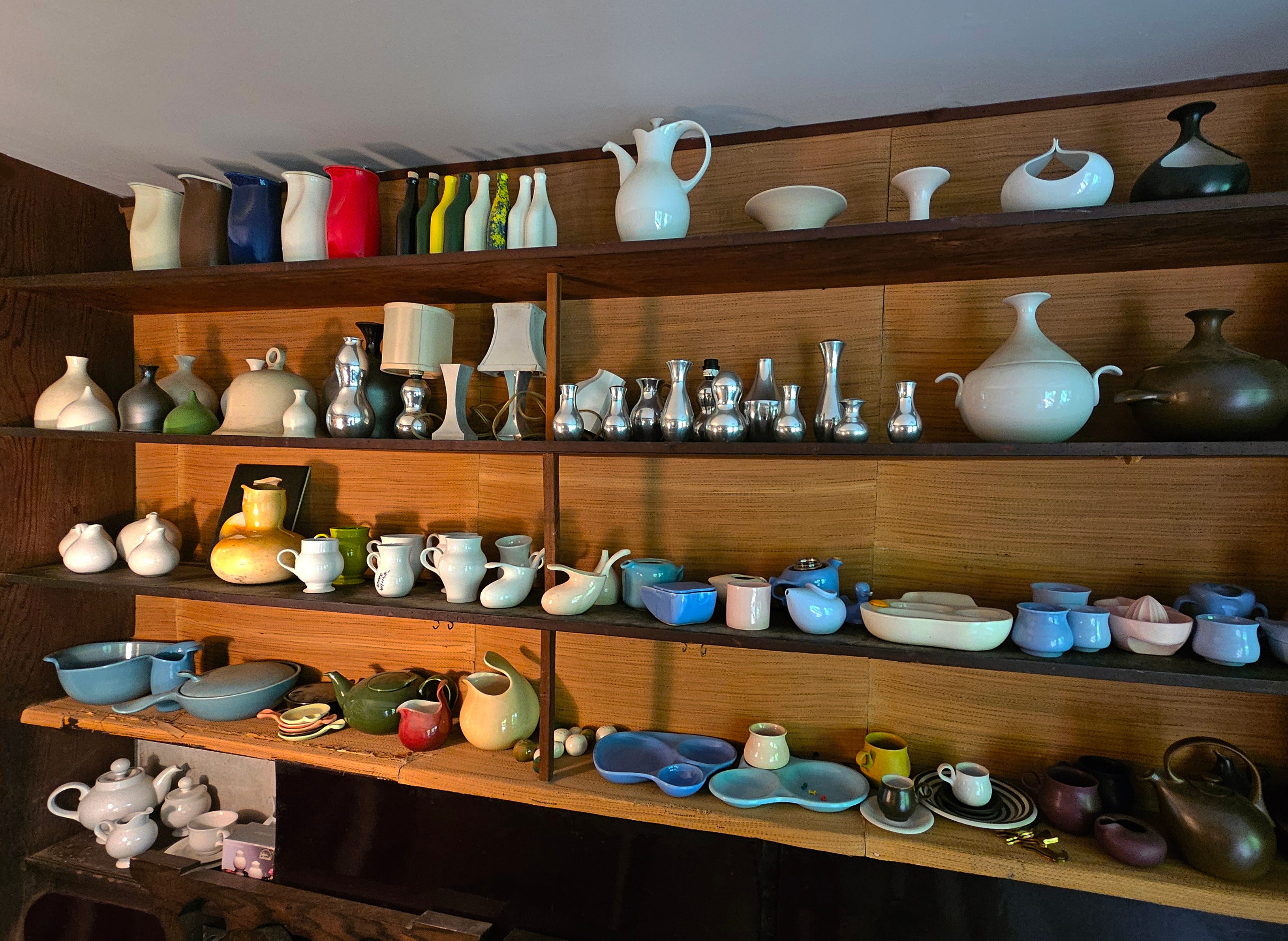
My favorite of all her designs has always been Town and Country, created for Red Wing Pottery in Minnesota and introduced in 1947. With its iconic salt-and-pepper forms, it is perhaps the ultimate expression of her biomorphic vocabulary. At the same time, it announced the informal and playful character of her philosophy. Seen as a complete service, with its dozens of forms and varied colors, it is astonishing in its richness and vitality.
The famous salt-and-pepper shakers, often described as “mother and child,” became among Zeisel’s most recognizable objects. Their gently embracing forms encapsulate her gift for transforming useful objects into intimate, almost animated presences. The service remained in production for only about a decade, yet it has become one of the defining achievements of American postwar design.
For many years, Zeisel lived in Upper Manhattan in a historic apartment furnished with Biedermeier pieces that reflected her Central European background. She also acquired a country house in Rockland County, roughly 25 miles north of New York City and west of the Hudson River. In this picturesque house, she spent her summers and established a studio on the top floor. She furnished the interiors with nineteenth-century antiques passionately acquired at small auction houses, gradually transforming the house into a deeply personal sanctuary.
In her later years, she moved there full time and made the house entirely her own. Today, it is where Jean Richards continues to preserve and advance her mother’s legacy. Spending the day there—surrounded by the furniture Zeisel loved, seeing her work in the rooms where she lived, and eating lunch from dinnerware she designed—felt like the perfect way to conclude this wonderful summer.
It was a rare opportunity to encounter Zeisel’s work not within the formal setting of a museum, but within the intimate world in which she lived and created. The house remains alive with her presence and continues to attract museum curators, scholars, and admirers from around the world. More than a historic interior, it offers something museums cannot: the experience of seeing how one of the great designers of the twentieth century actually lived with objects, surrounded herself with beauty, and made design part of everyday life.
Photography by photo artist Paul Clemence.