Design influencer India Hicks grew up immersed in the highly structured world of British aristocracy, yet she built her professional identity around a distinctly personal vision of her relaxed Caribbean living. The daughter of legendary interior designer David Hicks and Lady Pamela Hicks, daughter of Lord Mountbatten, she is the goddaughter of King Charles III and, as a teenager, served as a bridesmaid at the 1981 wedding of Prince Charles and Lady Diana Spencer, famously helping to manage Diana’s long train at St Paul’s Cathedral.
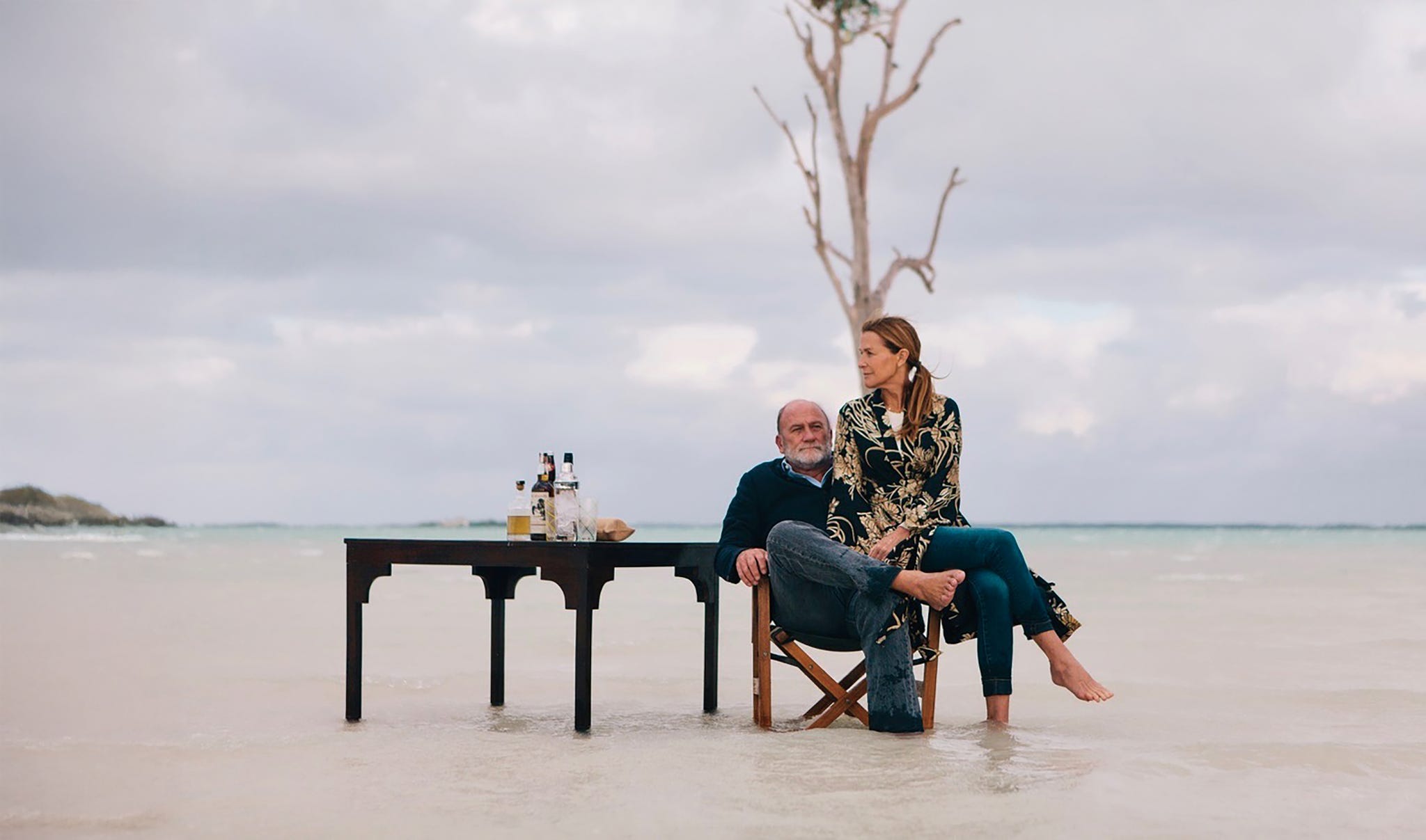
Hicks developed an international public persona defined by informality, individuality, and an embrace of imperfection. Her design philosophy was shaped less by inherited convention than by the life she created for herself on Harbour Island in the Bahamas, celebrated for its pink-sand beaches and easygoing rhythm. There, she forged a free-spirited identity and an aesthetic that, while informed by her British background, became increasingly connected to the landscape and relaxed pace of island life. She raised five children there and developed a personal style that blends British tradition with Caribbean informality.
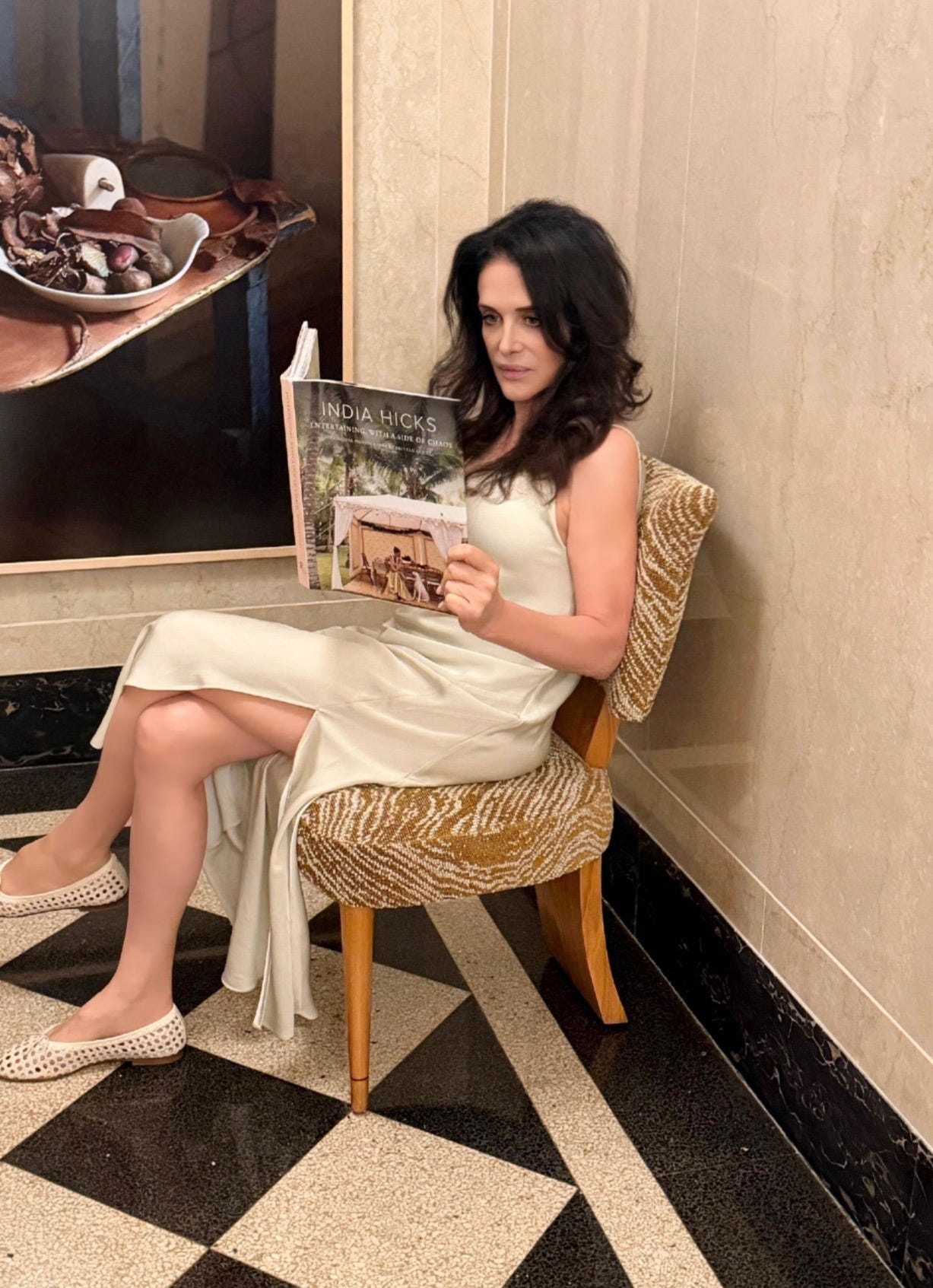
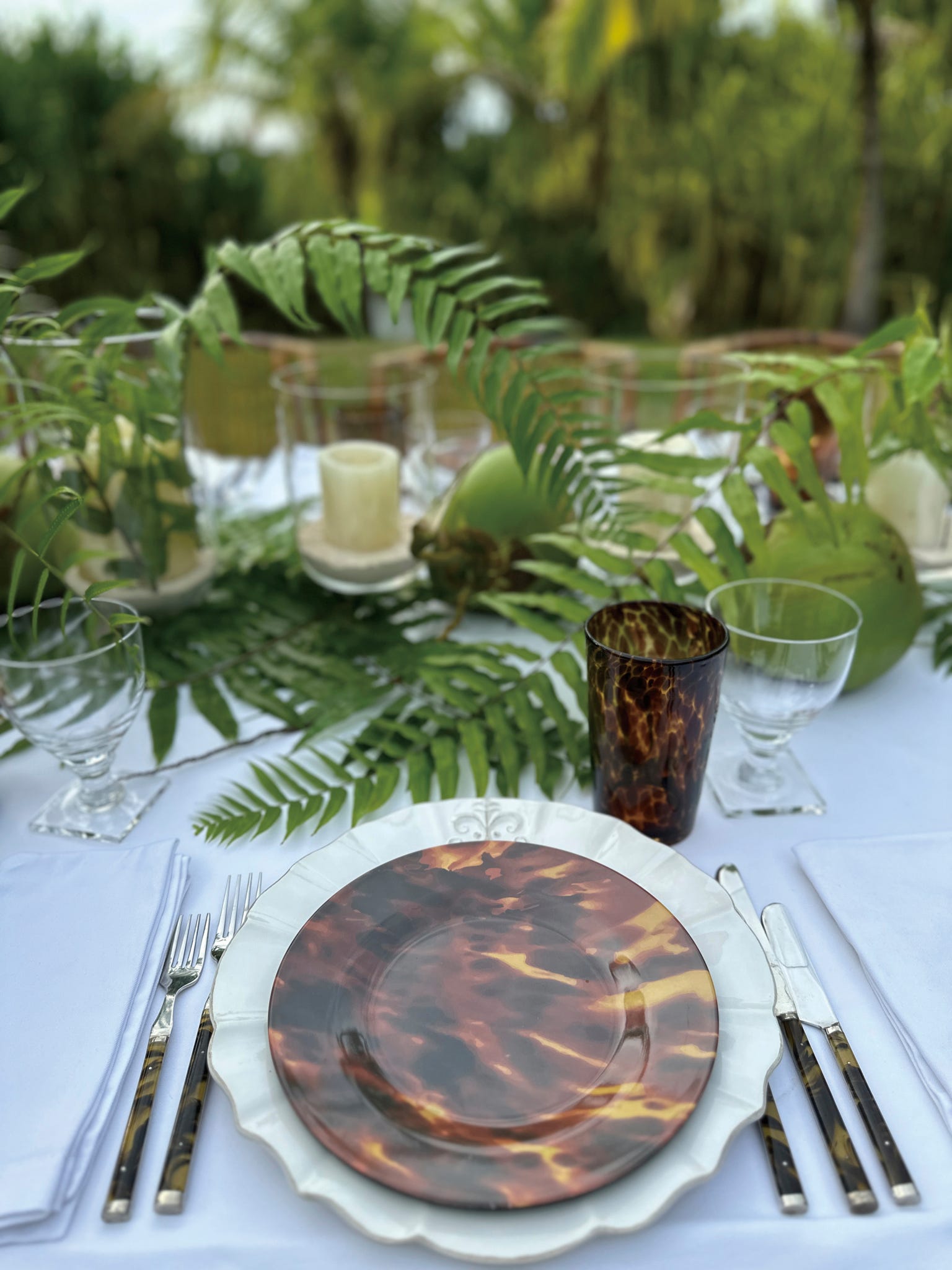
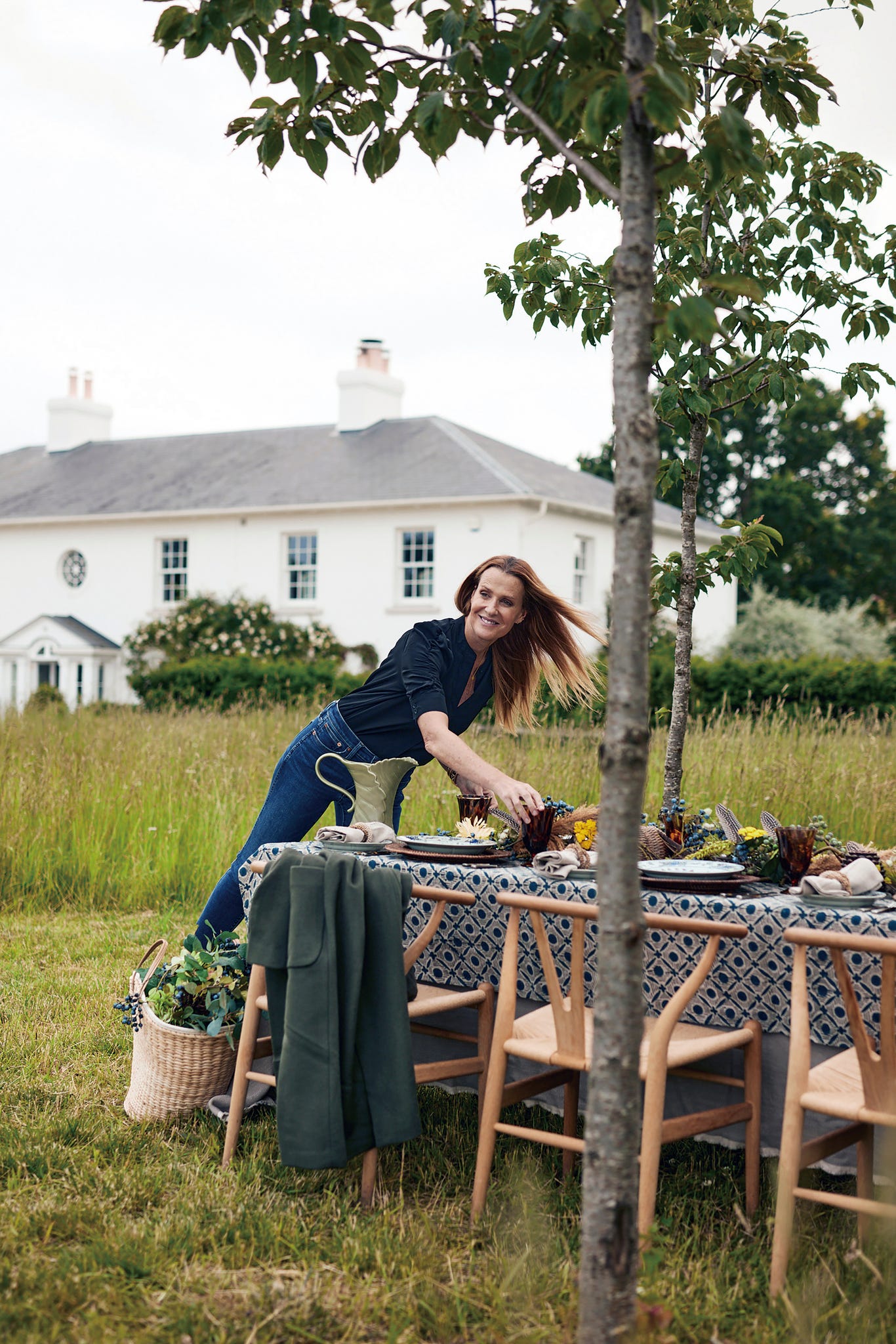
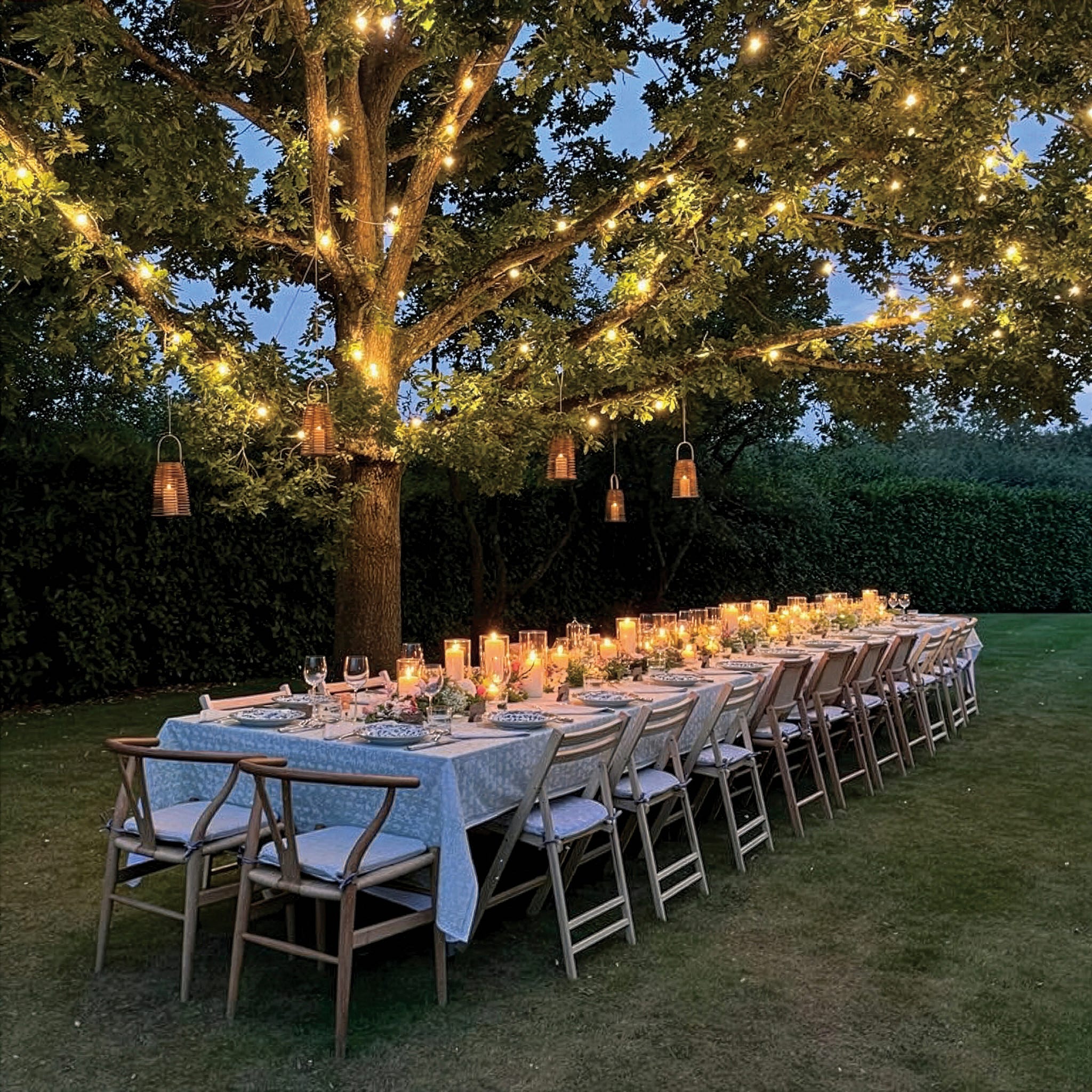
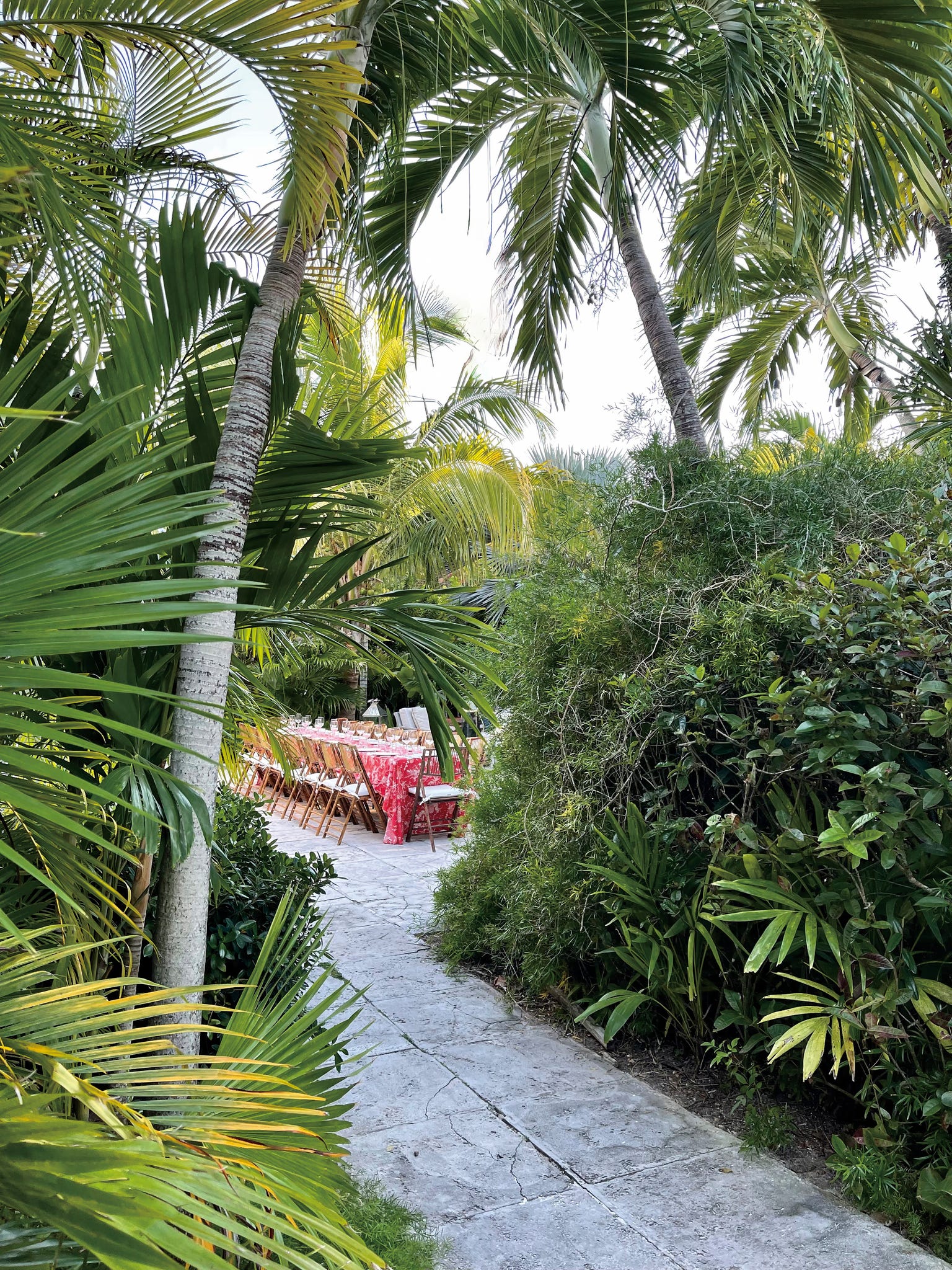
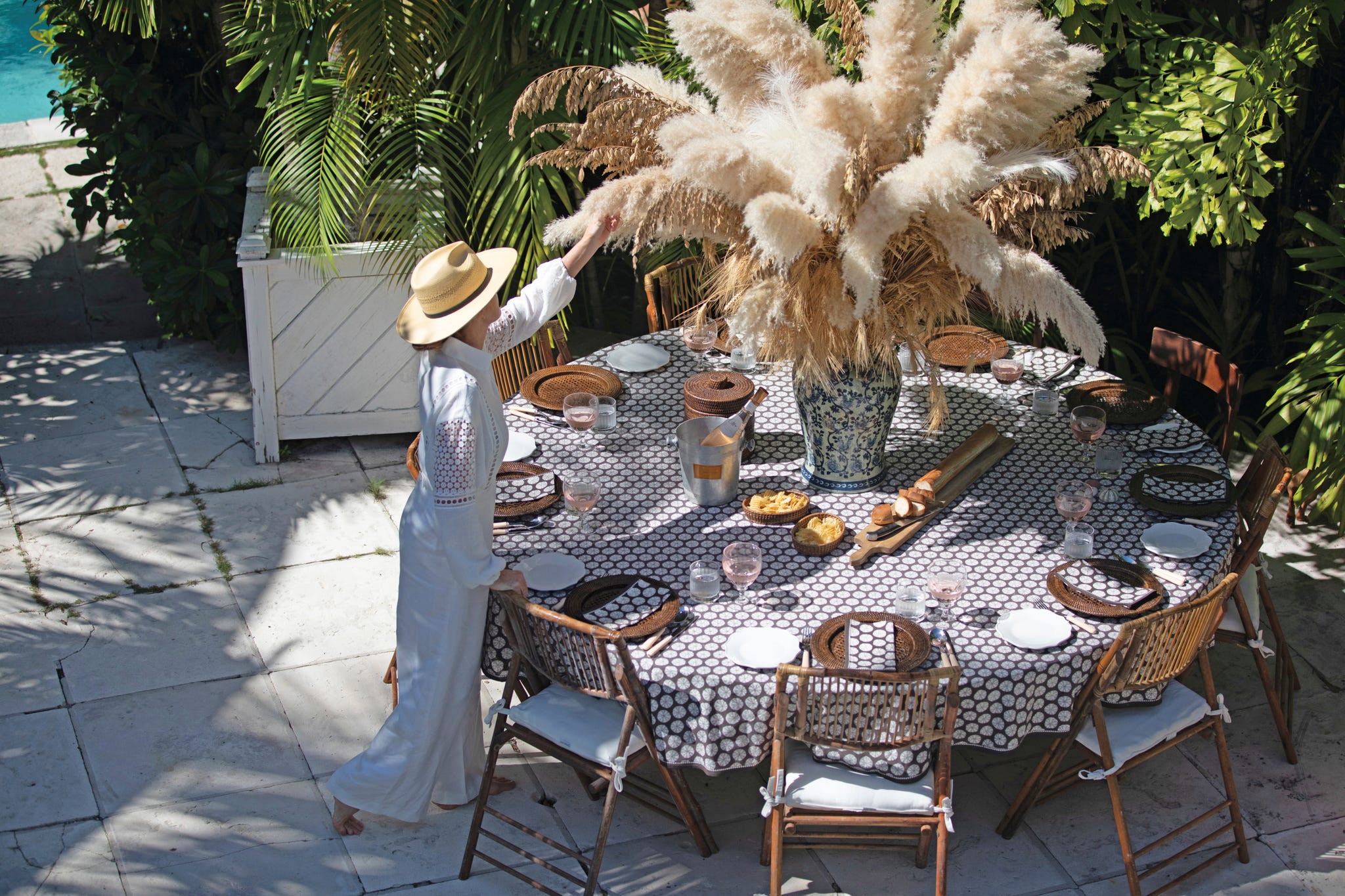
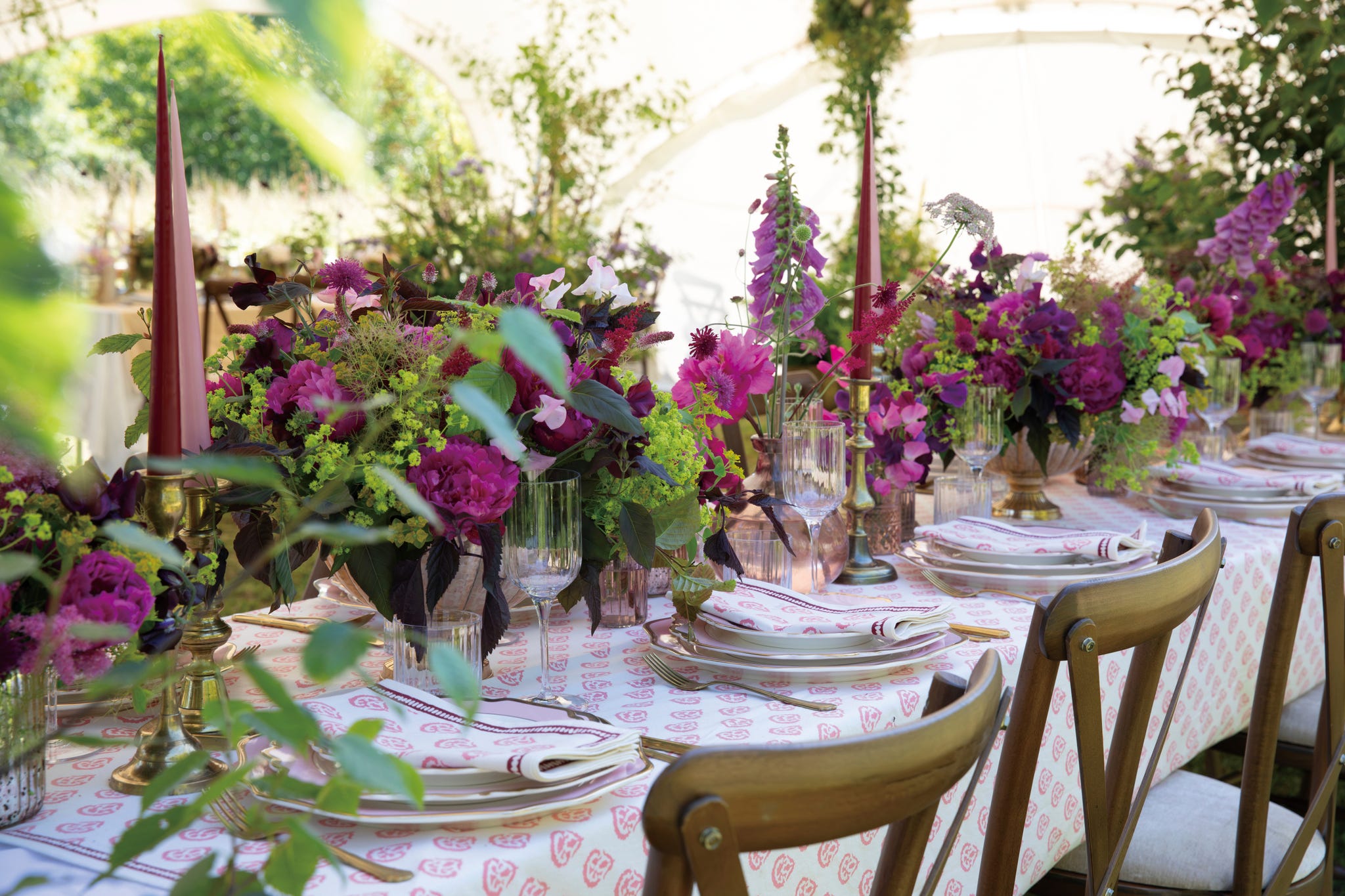
That effortless relationship between beauty and everyday life lies at the heart of her new book, India Hicks: Entertaining, with a Side of Chaos. The book is less a conventional manual on entertaining than a portrait of Hicks’s way of living: the lunches and dinners she hosts, the stories behind them, and the sources of inspiration that shape her approach. Deeply personal and richly illustrated, it offers an intimate account of how she gathers people, creates atmosphere, and integrates entertaining into the fabric of daily life.
As in her previous books, family, memory, taste, and personal history are inseparable from the subject. Hicks reflects on an upbringing in which entertaining was approached with great attention and a certain degree of ceremony, acknowledging how profoundly those early experiences shaped her own sensibility. “Entertaining,” she writes, “is never just about food, table laying, or dinner parties. My parents paid particular attention to the entire experience.”
The strength of the book lies precisely in this contrast. Hicks witnessed entertaining at its grandest, yet succeeded in translating those lessons into something far more relaxed, intimate, and distinctly her own. The formality of her aristocratic upbringing meets the spontaneity of island life, producing an approach that feels neither prescribed nor contrived, but entirely authentic. “I have learned,” she says, “to entertain not from manuals or menus, but by paying attention.” This juxtaposition between the inherited and the invented gives the book its freshness and illuminates Hicks’s particular contribution to the genre.