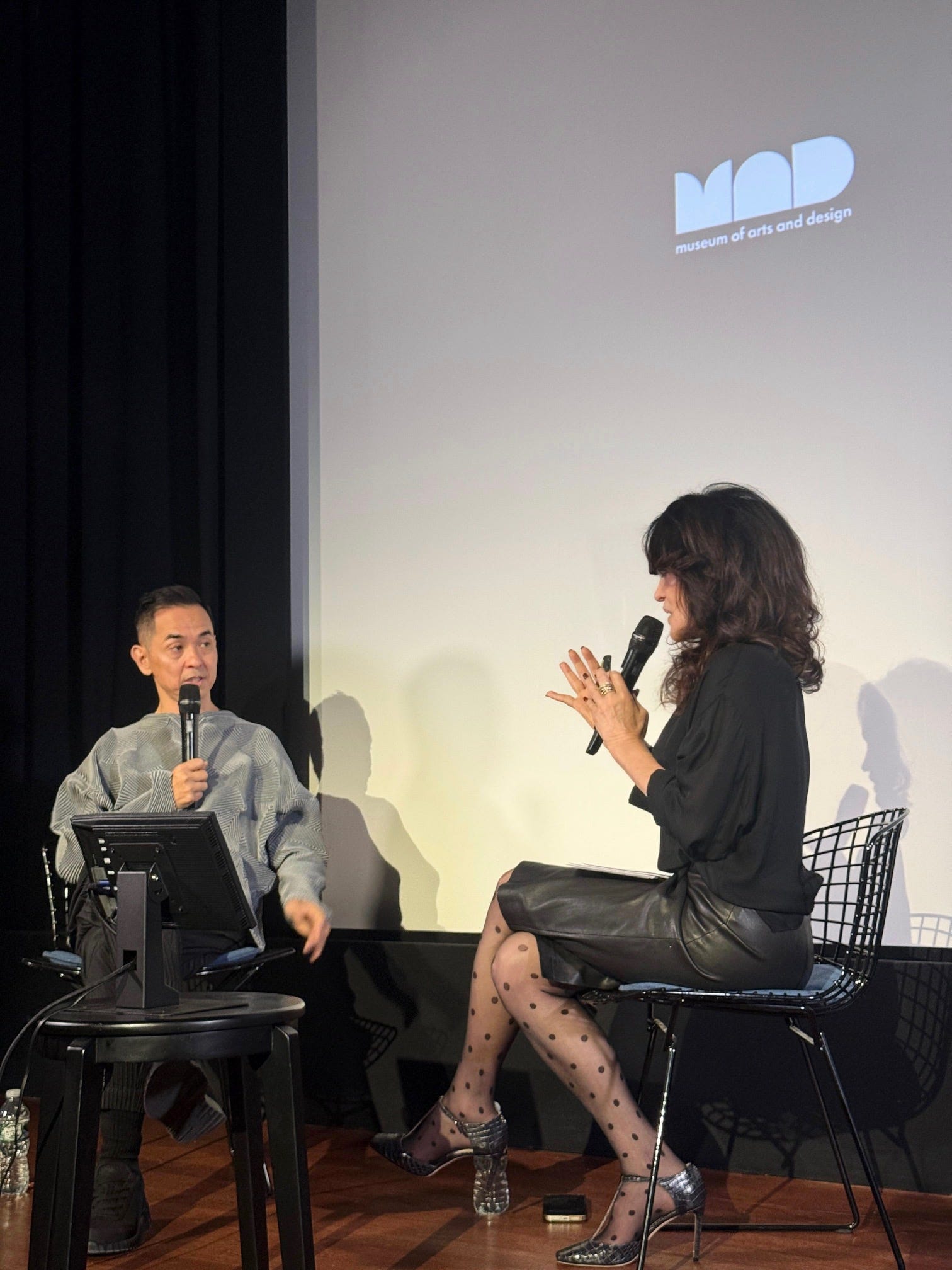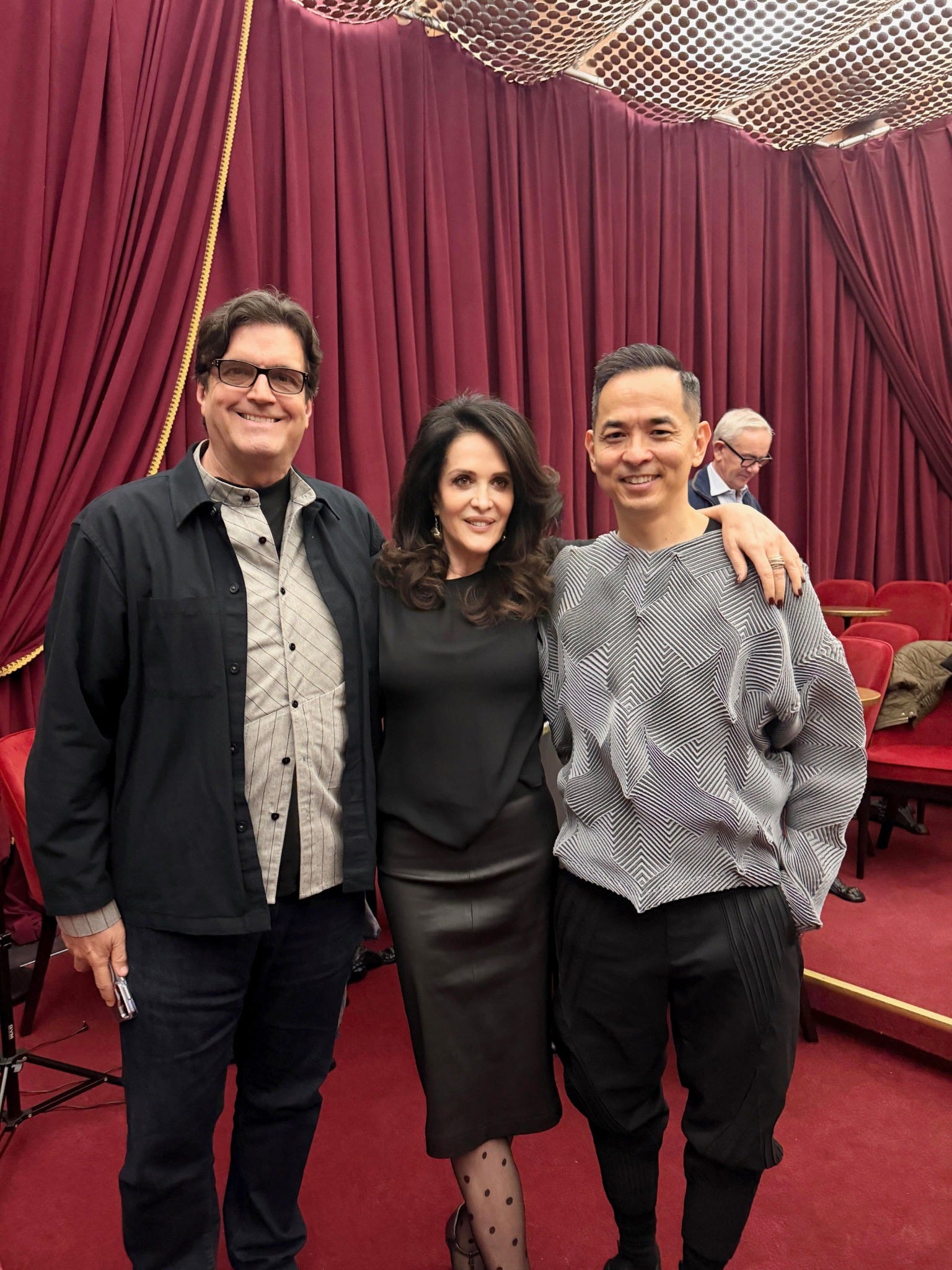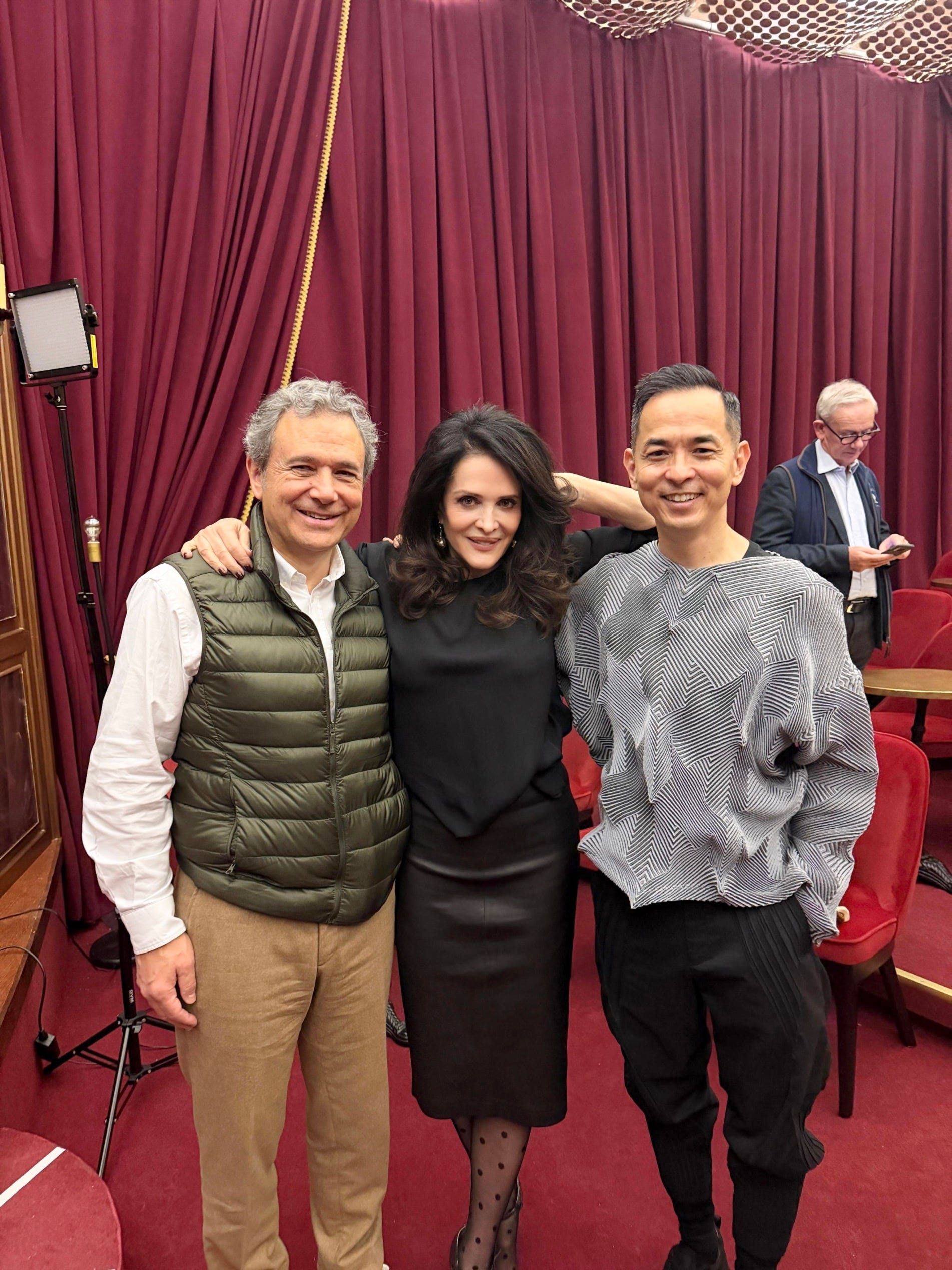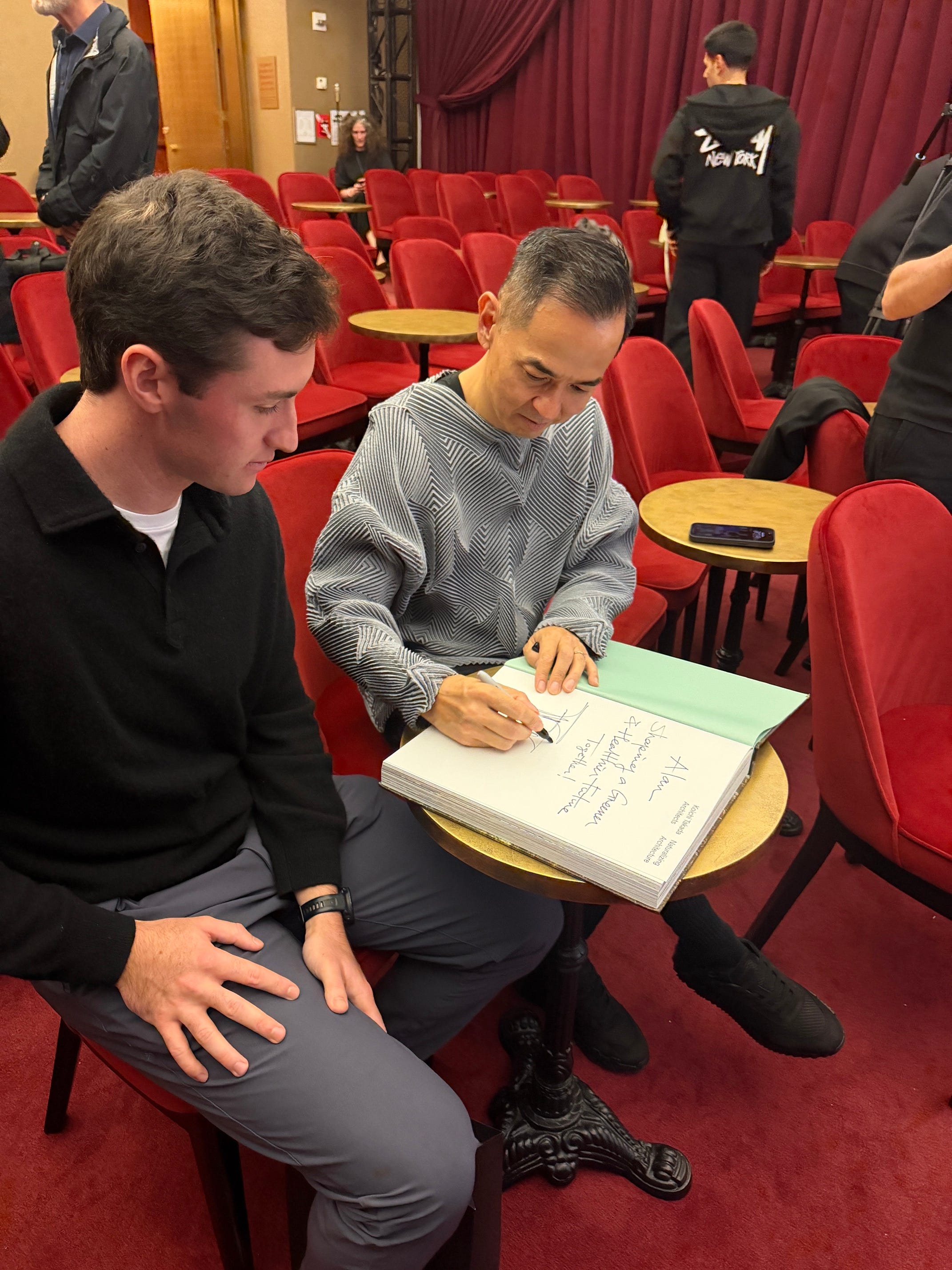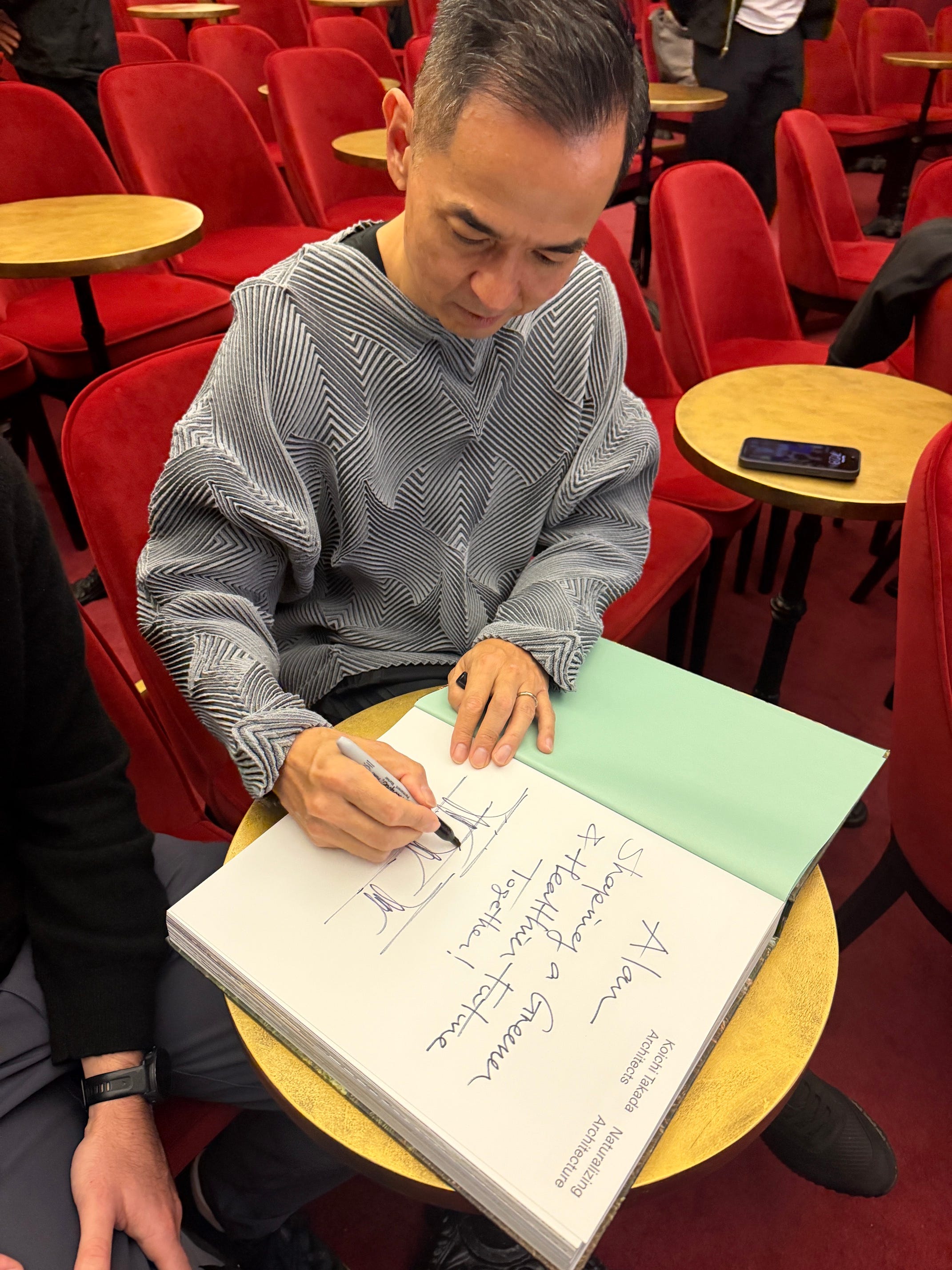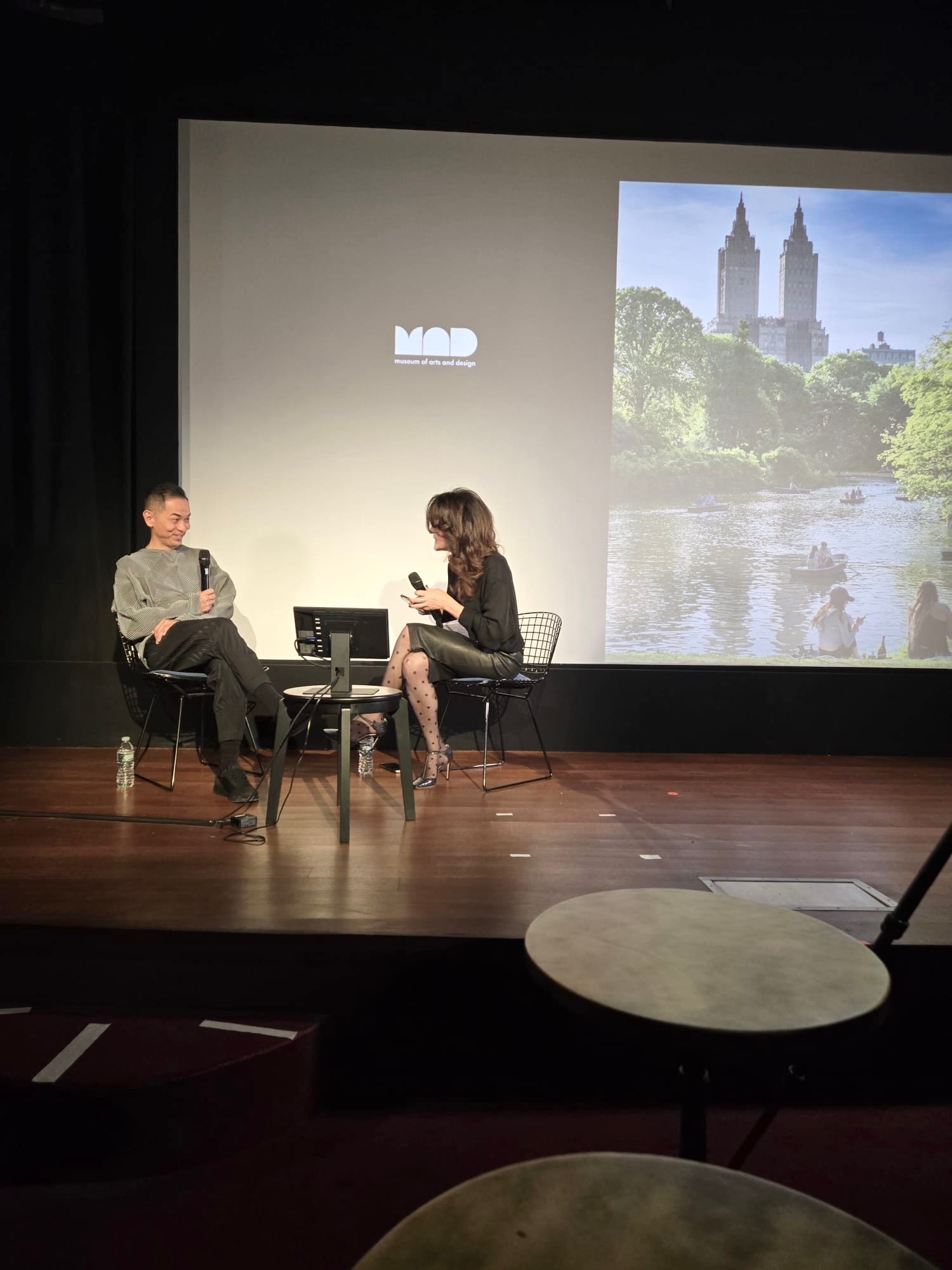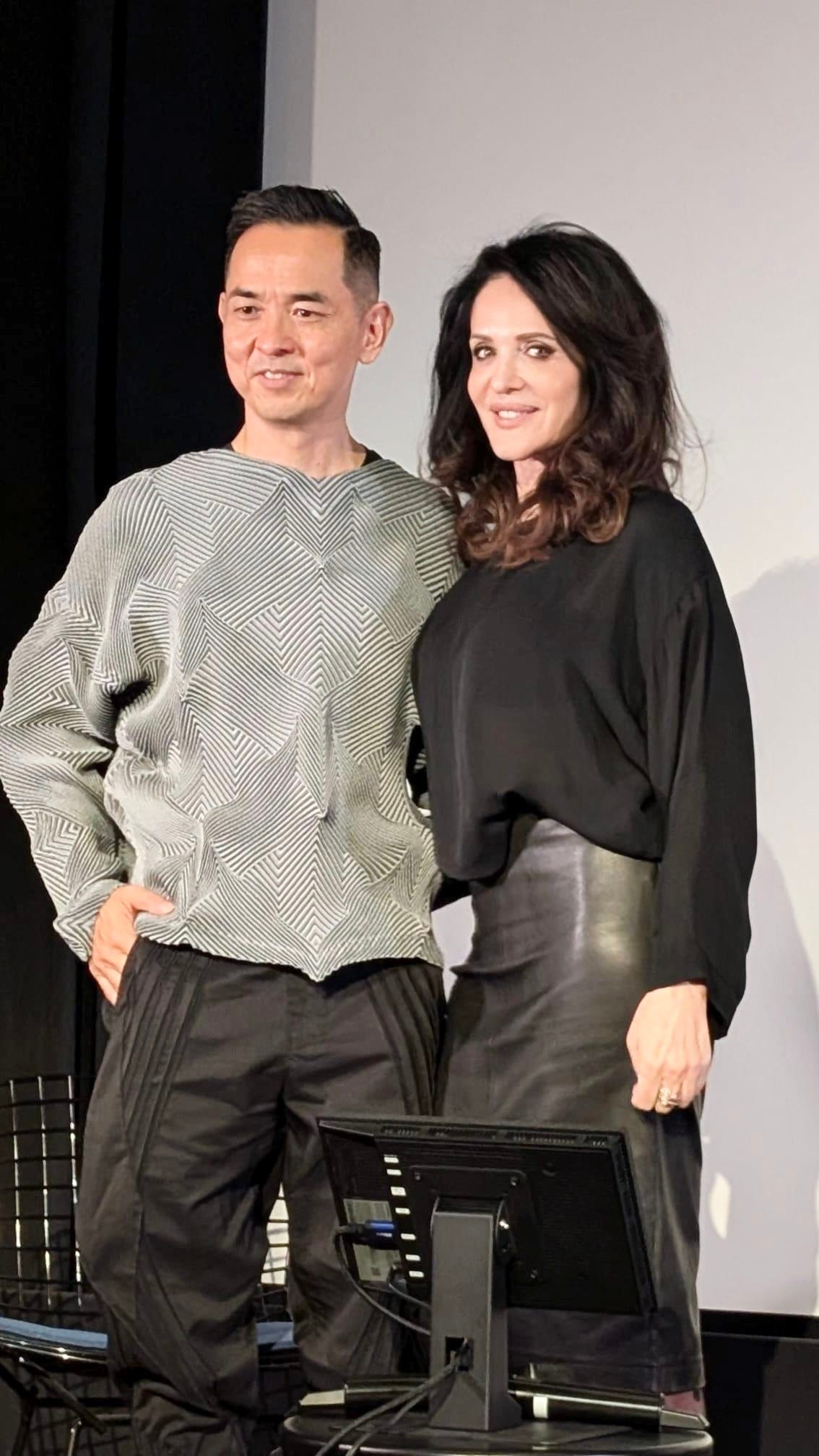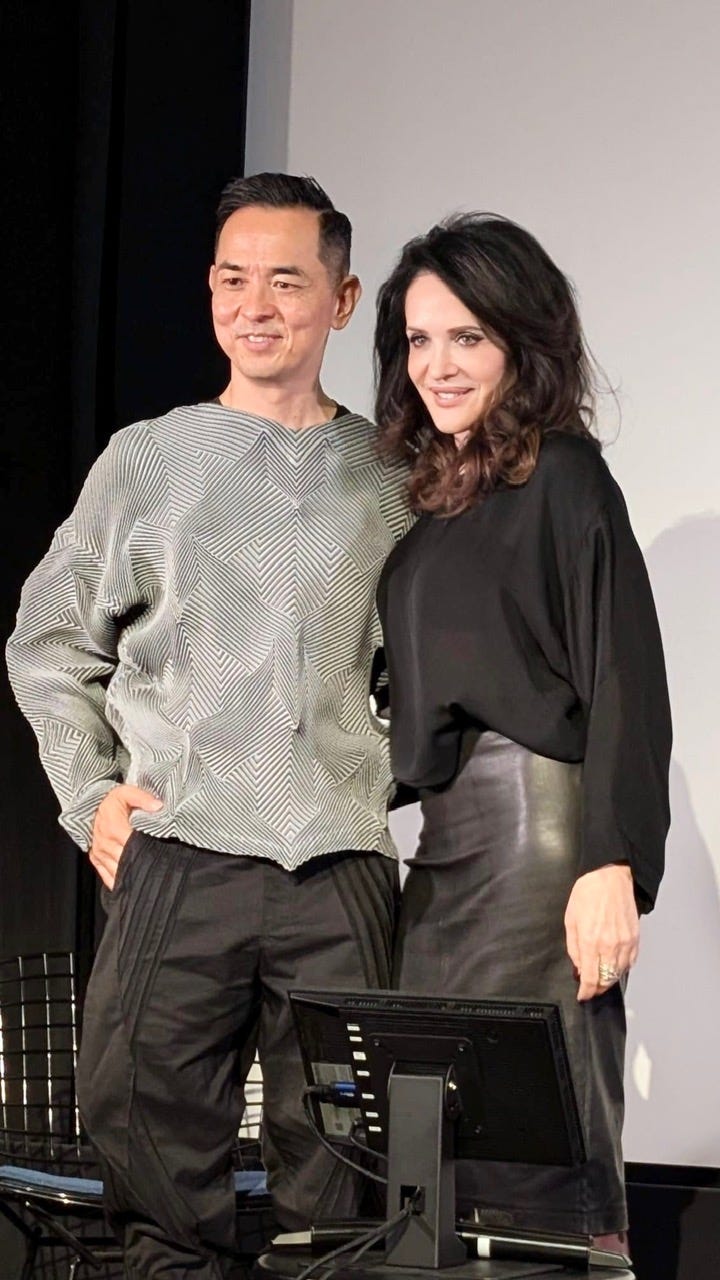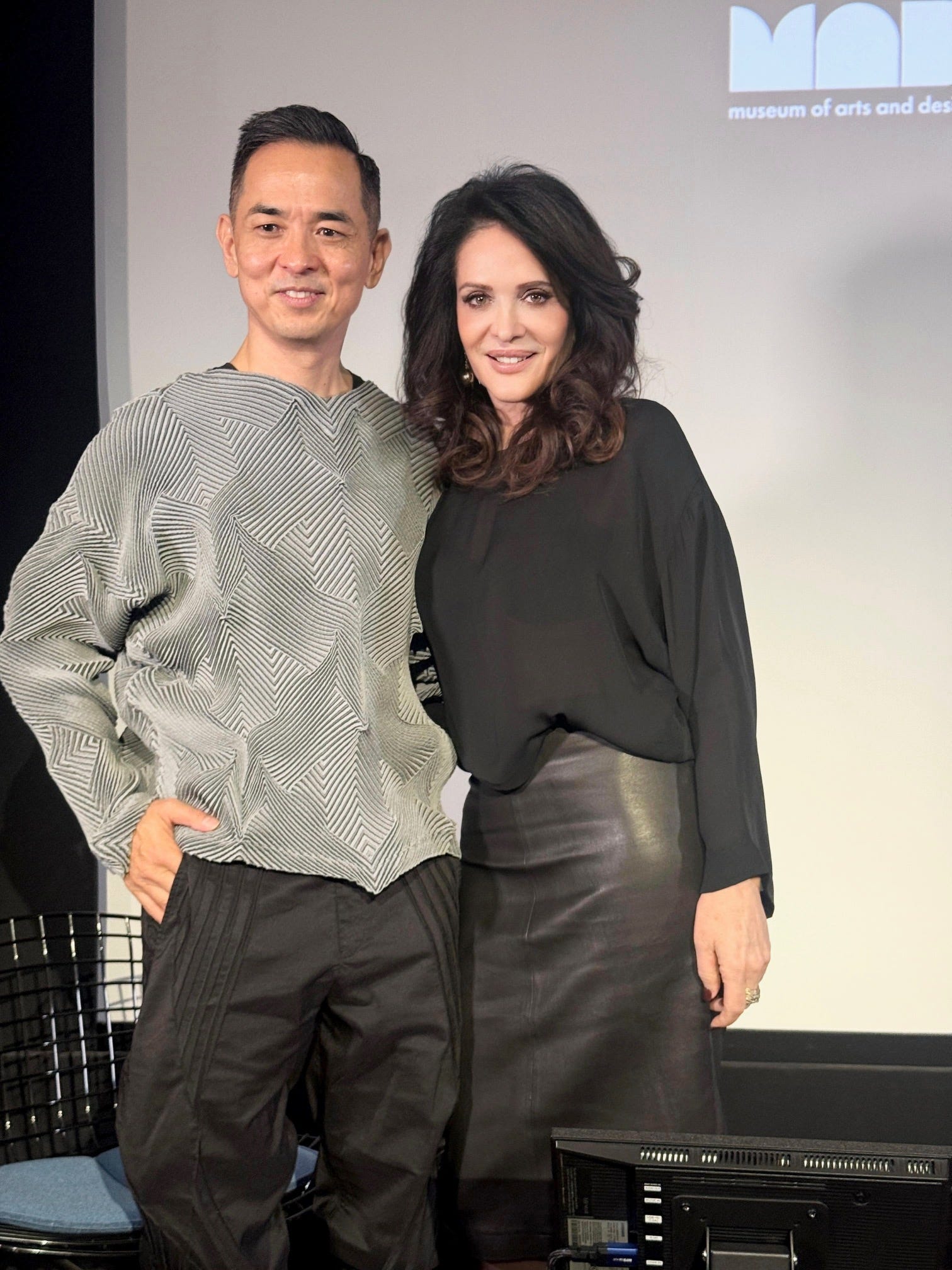
Last evening, I welcomed Japanese architect Koichi Takada to the Museum of Arts and Design for the series Conversations with Design Legends. It was one of the most memorable and magical evenings of the series.
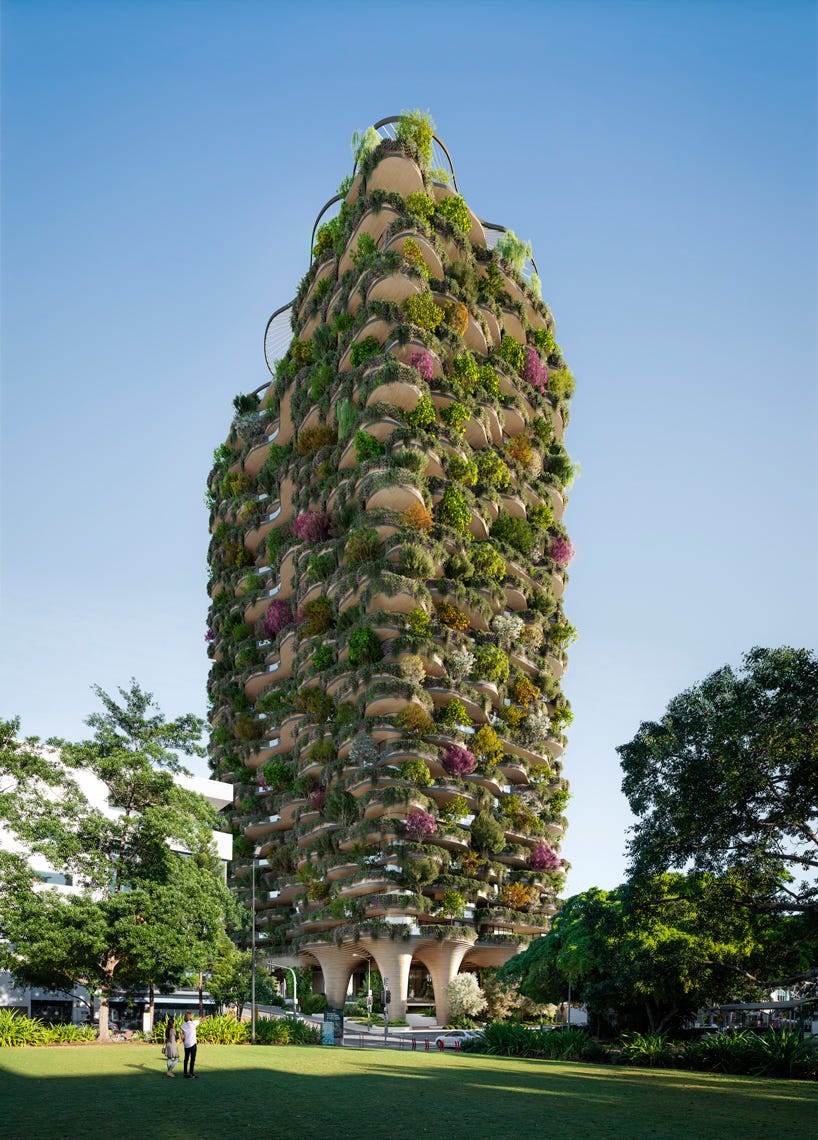
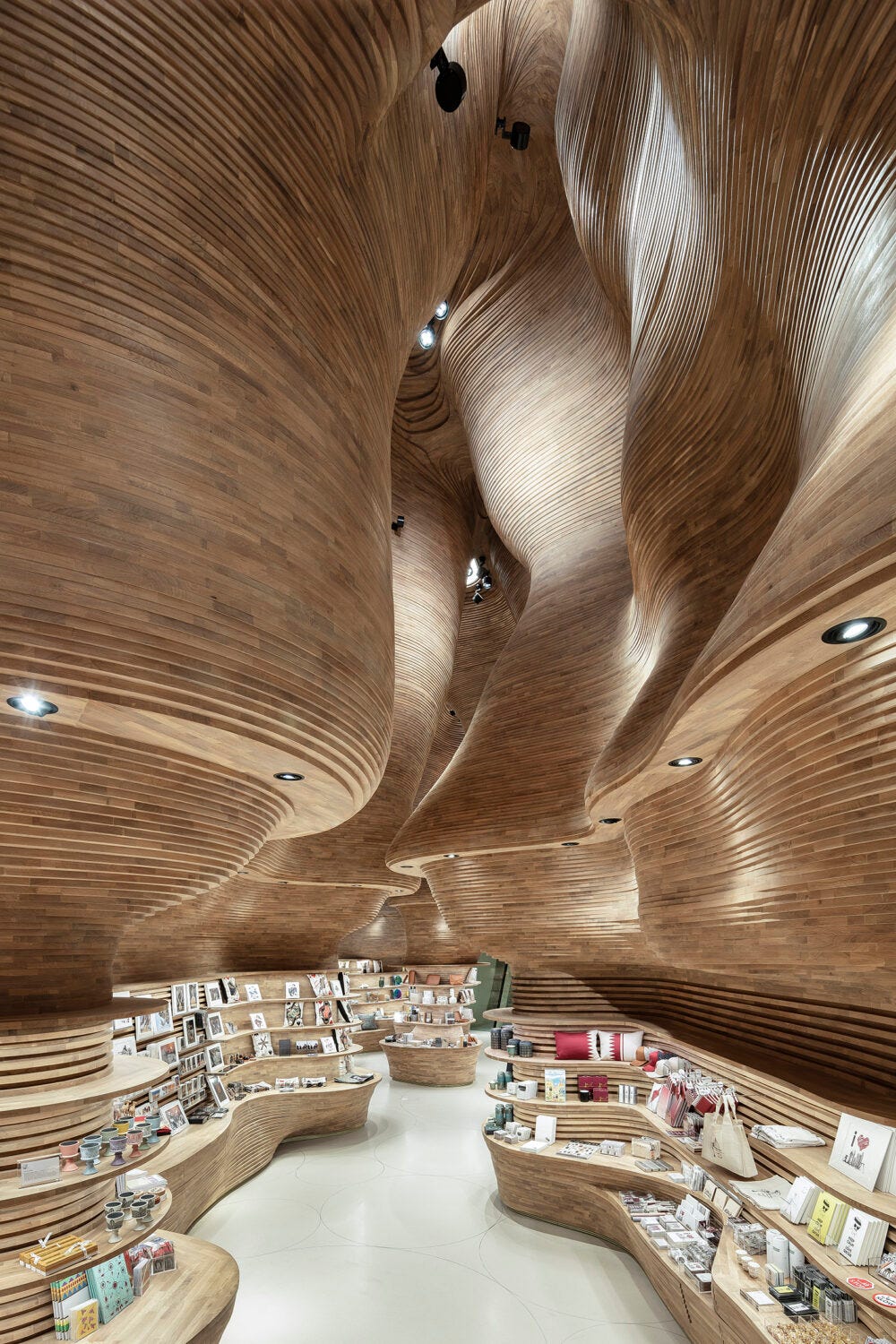
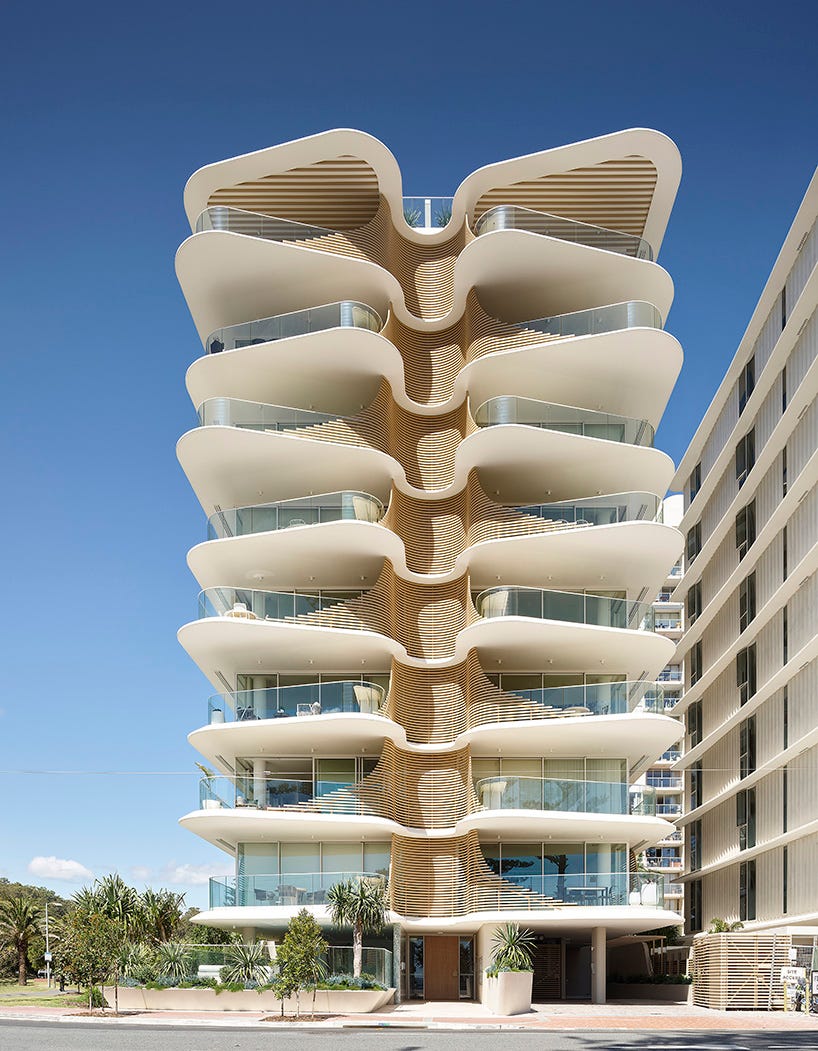
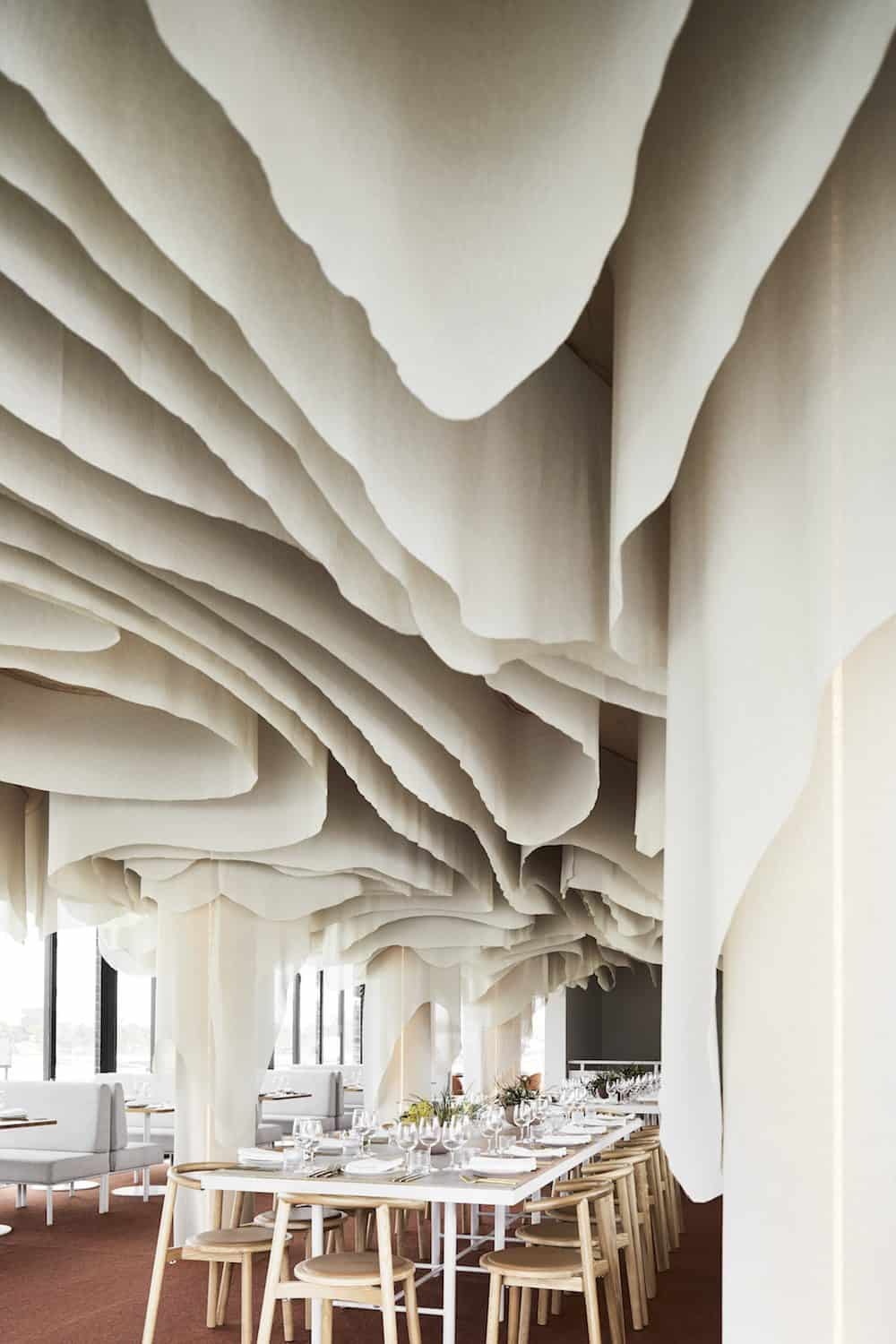
Takada has brought a distinctive vision to contemporary architecture by making nature his guiding principle. “Form follows nature,” he says, reinterpreting Louis Sullivan’s famous maxim, “Form follows function.” What does it mean for a building to follow nature? That was the question at the heart of our conversation.
Organic architecture, the idea that buildings should harmonize with the natural world and deepen our connection to it, emerged more than a century ago. Frank Lloyd Wright, widely regarded as a pioneer of organic architecture, believed that a building should grow naturally from its site, respond to the landscape, and draw on materials that connect it to its surroundings. His thinking echoed an ideal of the Arts and Crafts movement that remains central to Takada’s work today: living close to nature is essential to human well-being.
Long before the term “organic architecture” came into use, Japanese builders had developed their own ways of connecting interiors with the landscape. Timber construction, sliding screens, gardens, and sheltered verandas allowed the spaces of daily life to open to the natural world.
With the rise of the International Style, the universal language of glass, steel, and concrete often took precedence over responses to local geography and climate. Today, climate change has brought those concerns back into focus. How a building responds to its setting can shape how much energy it uses, how many resources it consumes, and how well it supports the people who inhabit it.
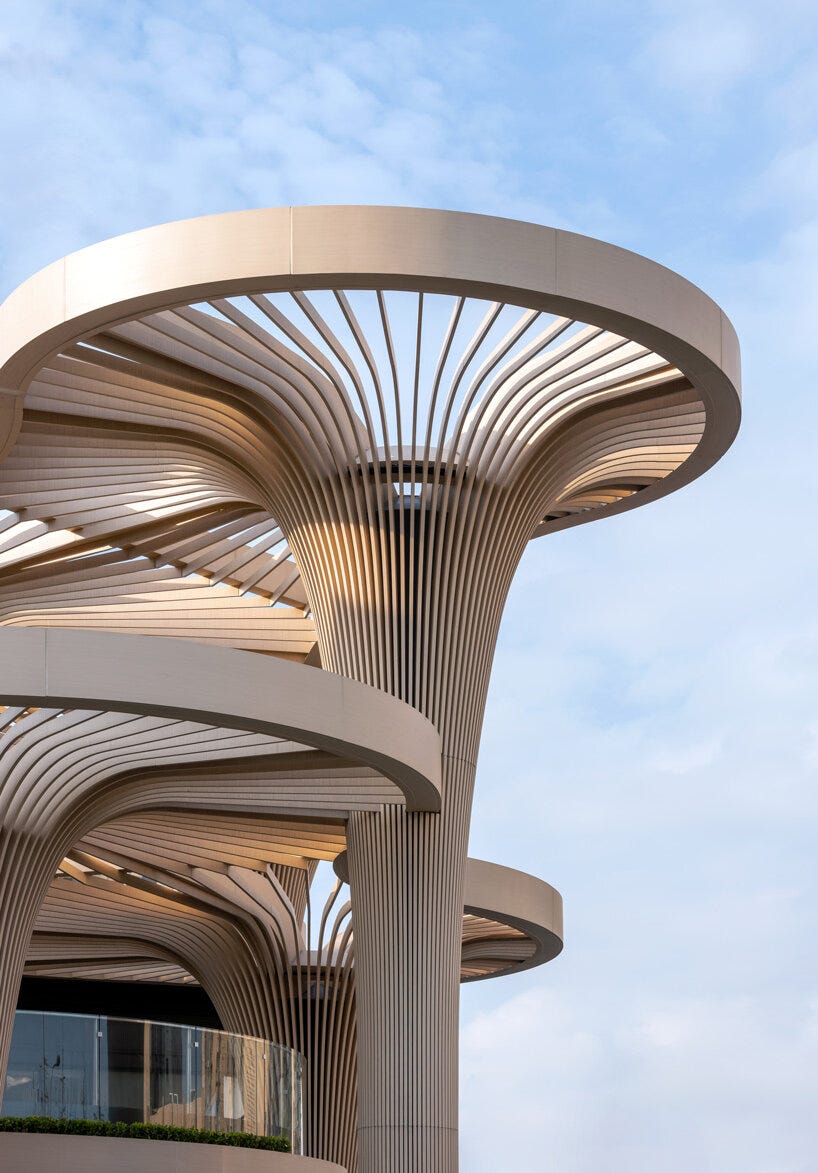
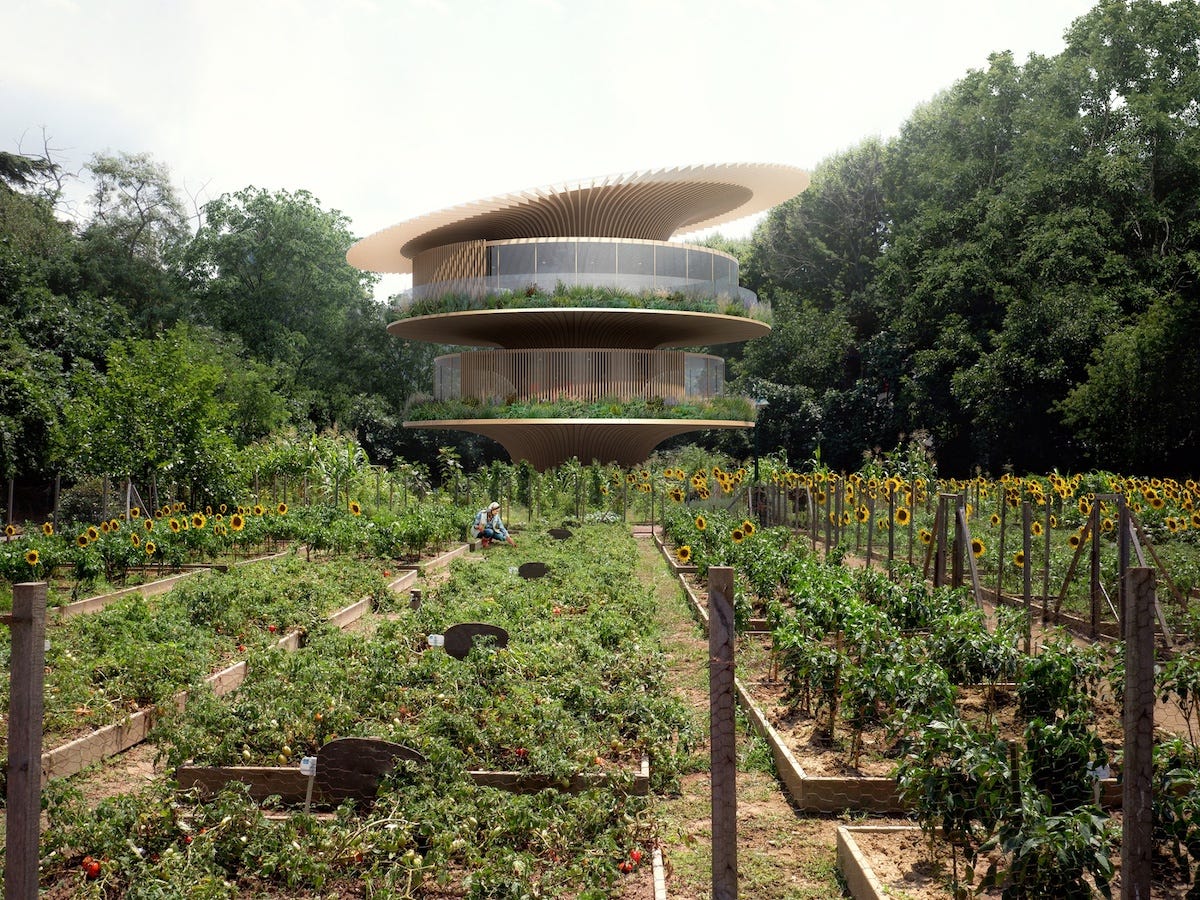
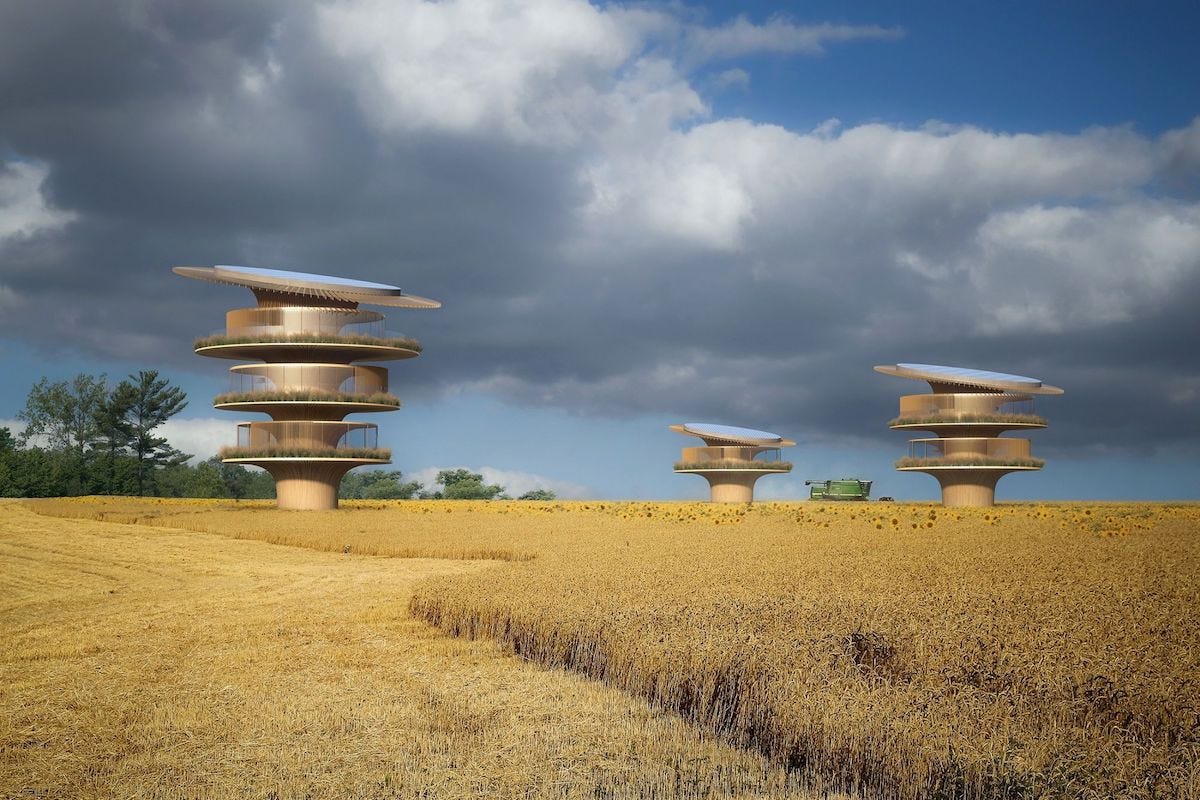
Takada has developed a distinctly twenty-first-century vision of organic architecture. He looks to nature for both the forms of his buildings and the ways they can respond to climate. He also sees nature as a way to bring emotion back into the experience of the city and to make living close to it part of everyday urban life. His practice spans the globe, and each project is shaped by the culture, climate, and landscape of its setting.
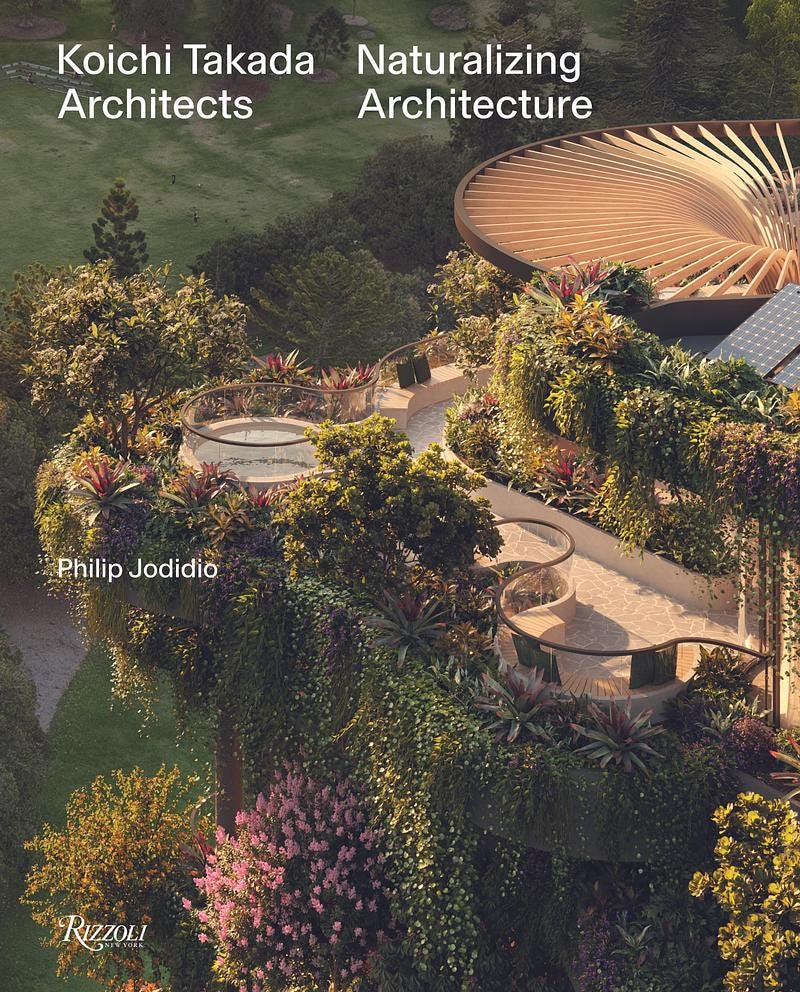
As we celebrated his monograph, Naturalizing Architecture, we explored the experiences and ideas that shaped his vision and considered what it might mean for the cities we live in.