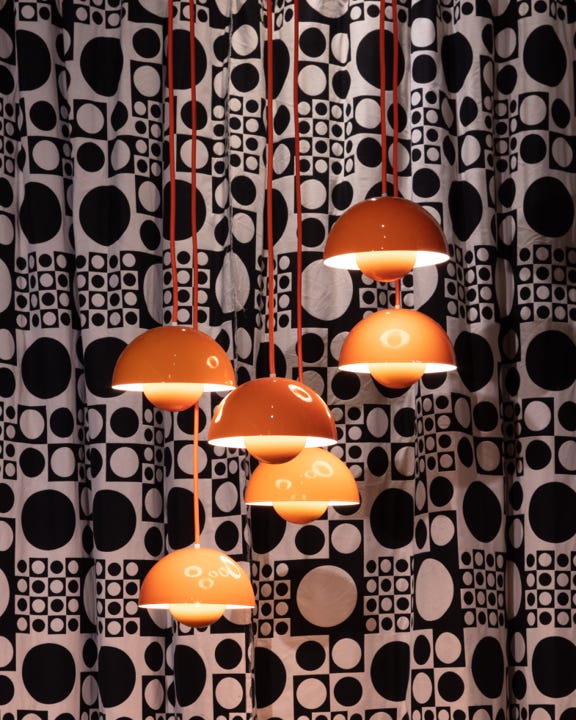
Verner Panton (1926-1998) is everywhere this season. Two weeks after the celebration of his 100th birthday, the prolific Danish designer is experiencing a resurgence of interest, as his products return to production with renewed focus. Louis Poulsen and Verpan are reissuing Panton’s lamps, while &Tradition is producing his flower lamps and metal furniture. Vitra, with whom Panton forged a lifelong partnership that helped shift the company toward experimental design, is launching previously unproduced fabrics and leathers, along with limited editions, in addition to its ongoing production of furniture, textiles, and the iconic Panton Chair. Panton’s formative monograph has also been reissued in a second edition by Strandberg Publishing, and the Vitra Design Museum, which maintains his archives, will open a comprehensive retrospective of the legendary designer this summer.
His daughter, Carin Panton von Halem—seen in the famed family portrait taken inside her father’s Living Tower—has worked closely with manufacturers and institutions to curate exhibitions, develop new interpretations, and ensure that his daring work remains relevant. With the prolific presence in the industrial design world, the question of how to collect Panton’s work, who had famously collaborated with a vast range of manufacturers during his career, in addition to the vibrant interiors where he regularly installed his furnishings, is becoming trickier than the design work of the past, crafted by hand. How to navigate the market with the wealth of current reproductions? How to ‘read’ Panton’s work, and how to recognize greatness in the vintage pieces? I invited Zesty Meyers as my first guest in the current series ‘Collecting Design: History, Collections, Highlights,’ in marking Panton’s 100th birthday. Meyers helped pioneer the secondary market, rediscovered Panton’s significance in the 1990s, and has since become a leading voice in the field of collectible design.
Together with his partner Evan Snyderman, Meyers had pioneered the market, rediscovered Panton in the 1990s, and became the leading voice in the collectible market. Given Panton’s prolific presence in industrial design—and his collaborations with a vast range of manufacturers, as well as the immersive interiors in which he installed his furnishings—collecting his work today is more complex than acquiring the hand-crafted designs of earlier eras. How does one navigate a market saturated with current reproductions? How should Panton’s work be “read,” and how can true vintage pieces be distinguished from later editions?
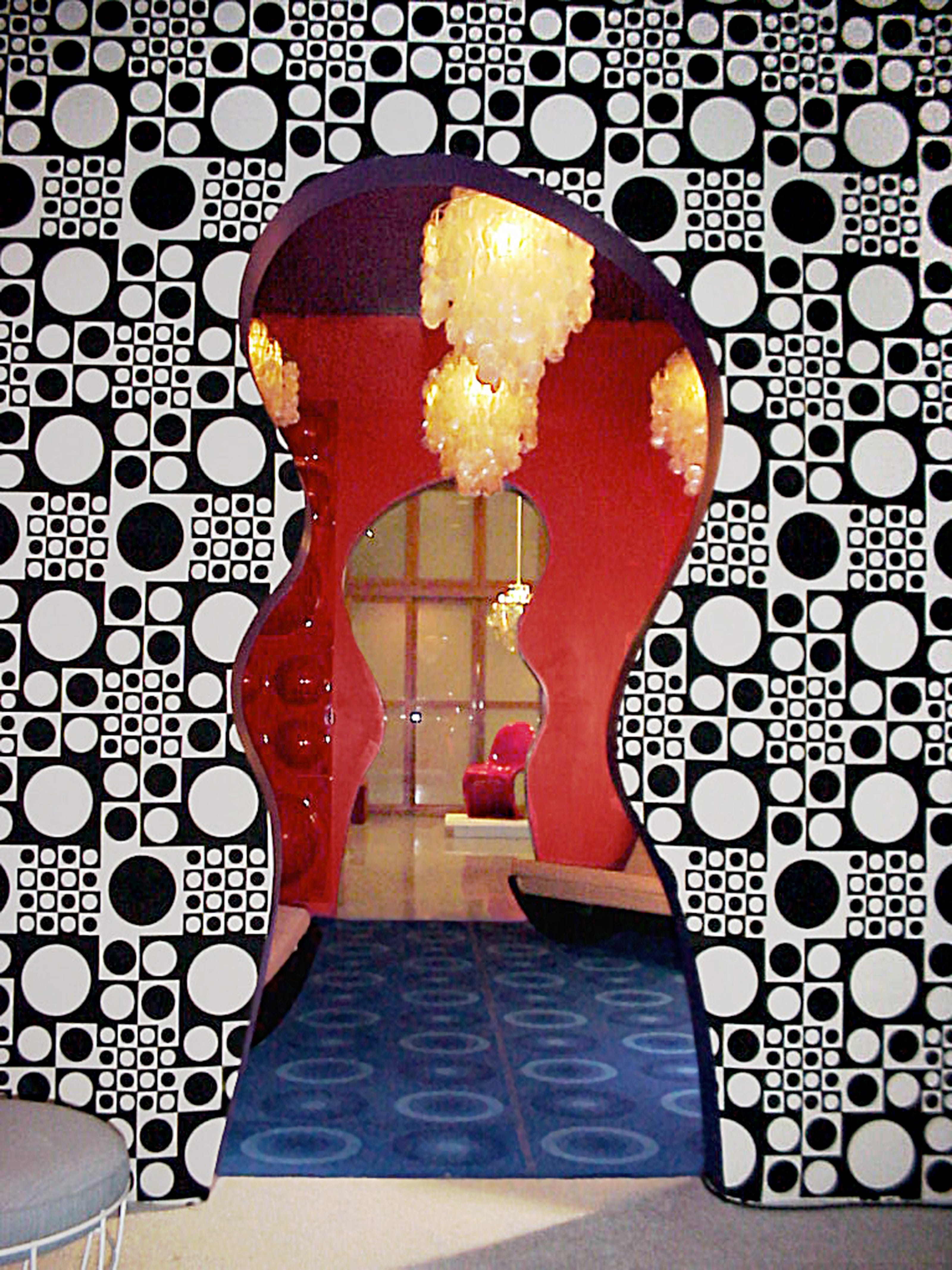
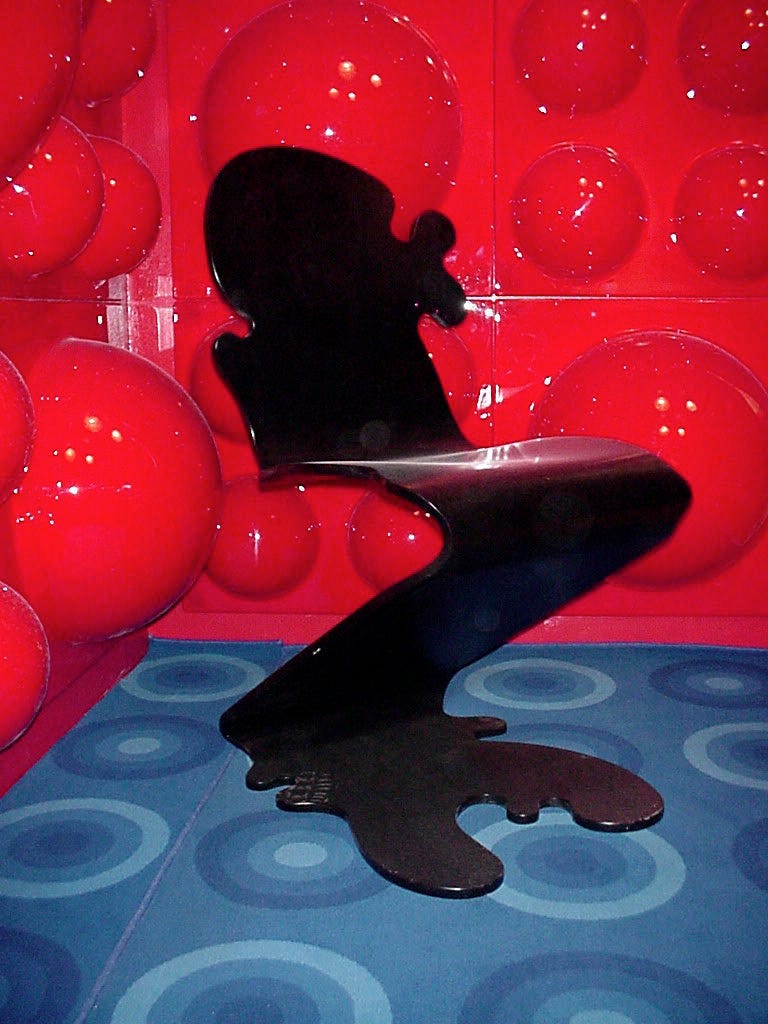
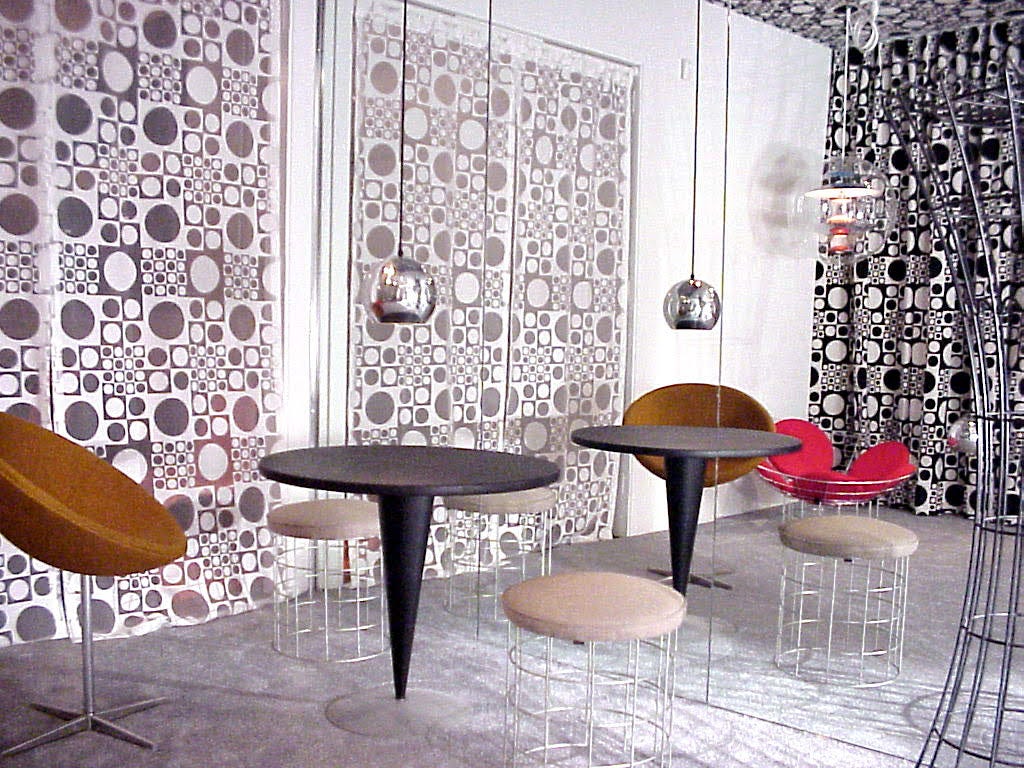
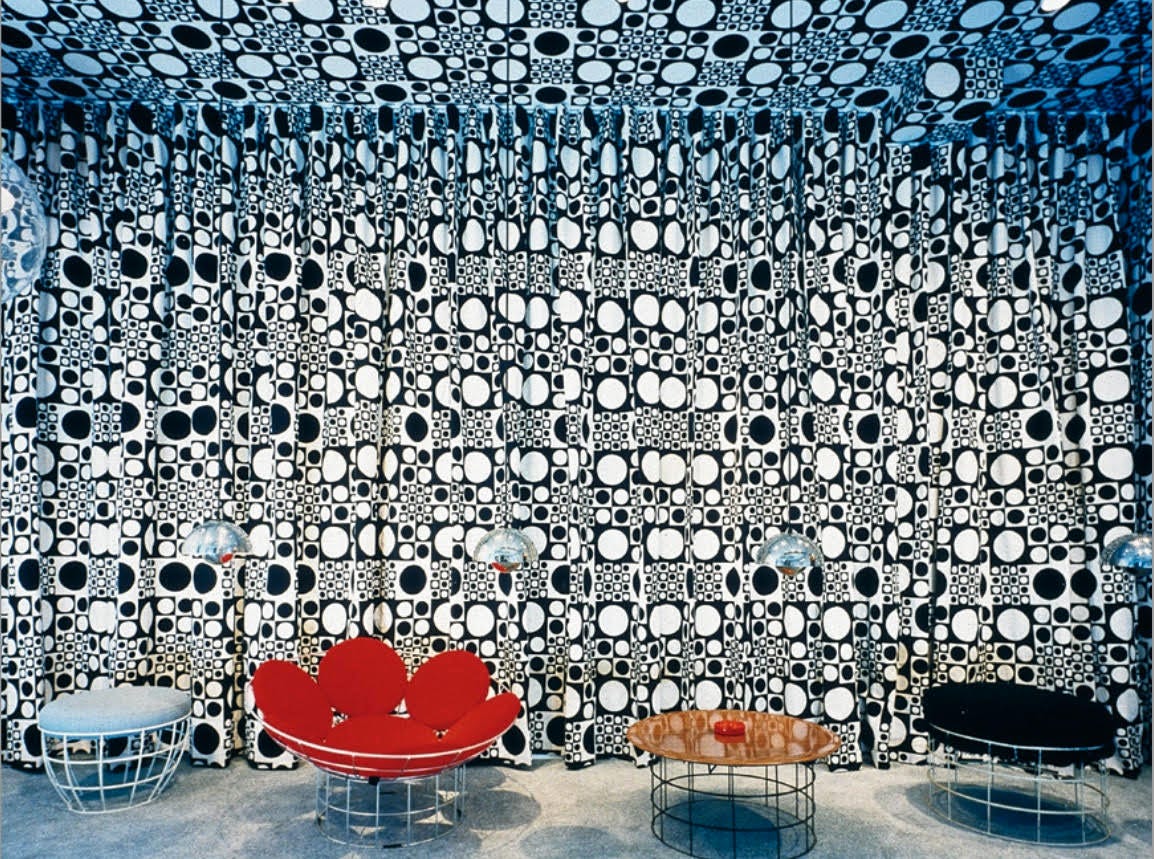
When Meyers and Snyderman, opened the first monographic exhibition dedicated to Verner Panton at their New York–based gallery, R & Company, in 2001—shortly after the Danish designer’s death—he was largely forgotten. His legacy was overlooked during the 1990s, and his postmodernist aesthetic fell out of favor as design tastes shifted towards a minimalist ethos, and was certainly not considered collectors’ material. The 60s were very different for Panton, the rockstar of design, who, with distorted, vibrant, surreal work, brilliantly applied the principles of Op Art and Pop Art to design interiors and products. He was to design what Yayoi Kusama and Claes Oldenburg were to art, what Mary Quant was to fashion, what Steve McQueen was to film—a rebellious dreamer who challenged design conventions, experimenting with immersive environments that were radical and psychedelic.
Panton was born in Denmark and graduated from the Royal Danish Academy of Art in 1951. He began his career at the Copenhagen office of his mentor, architect Arne Jacobsen, during the heyday of Danish modern. When establishing his own practice, he departed from the ethos of modernist Danish design and began to create a personal avant-garde. He loved color, texture, patterns, drama, and creating personally. His design was sensual, non-modernist, sexy, and extreme. ‘What is most important, form or color?’ he famously asked and replied: ‘Color!’ “Panton,” Meyers says, “created objects meant to make people happy—design rooted in pleasure, relaxation, and leisure.”
It was during the early days of the newly founded design galleries that Meyers and Snyderman rediscovered Panton’s fresh and unexpected work. During their travels in Europe in the 1990s, the two gradually discovered pieces rescued from old restaurants, hotels, offices, and from Panton’s iconic exhibition pavilions. The two gradually learned his oeuvre and acquired it as they followed in the footsteps of Panton’s prolific career, traveling to Scandinavia, Germany, Switzerland, France, and Belgium. No other designer had shifted away from modernism with as much success as Panton, Meyers says. The Italian radicals were contemporaries, but they experimented with conceptual pieces which never exceeded the limit of the handwork; a handful of Americans tried to infuse design with Pop contents, which resulted in playful design that never gained popularity; and in France, a handful of designers like Andrée Putman practiced postmodernism in high-end interiors. But Verner Panton paved the way for Postmodernism.
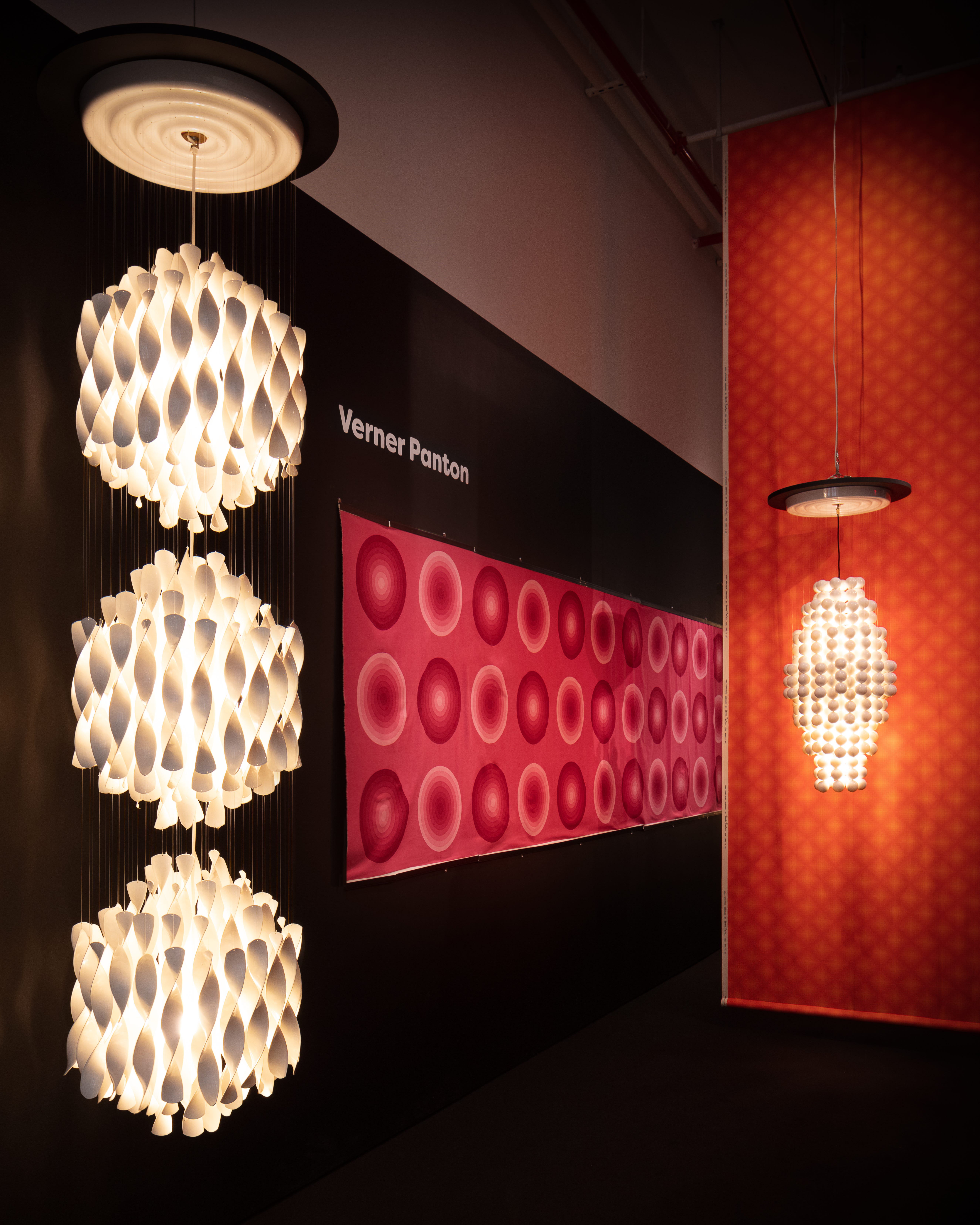
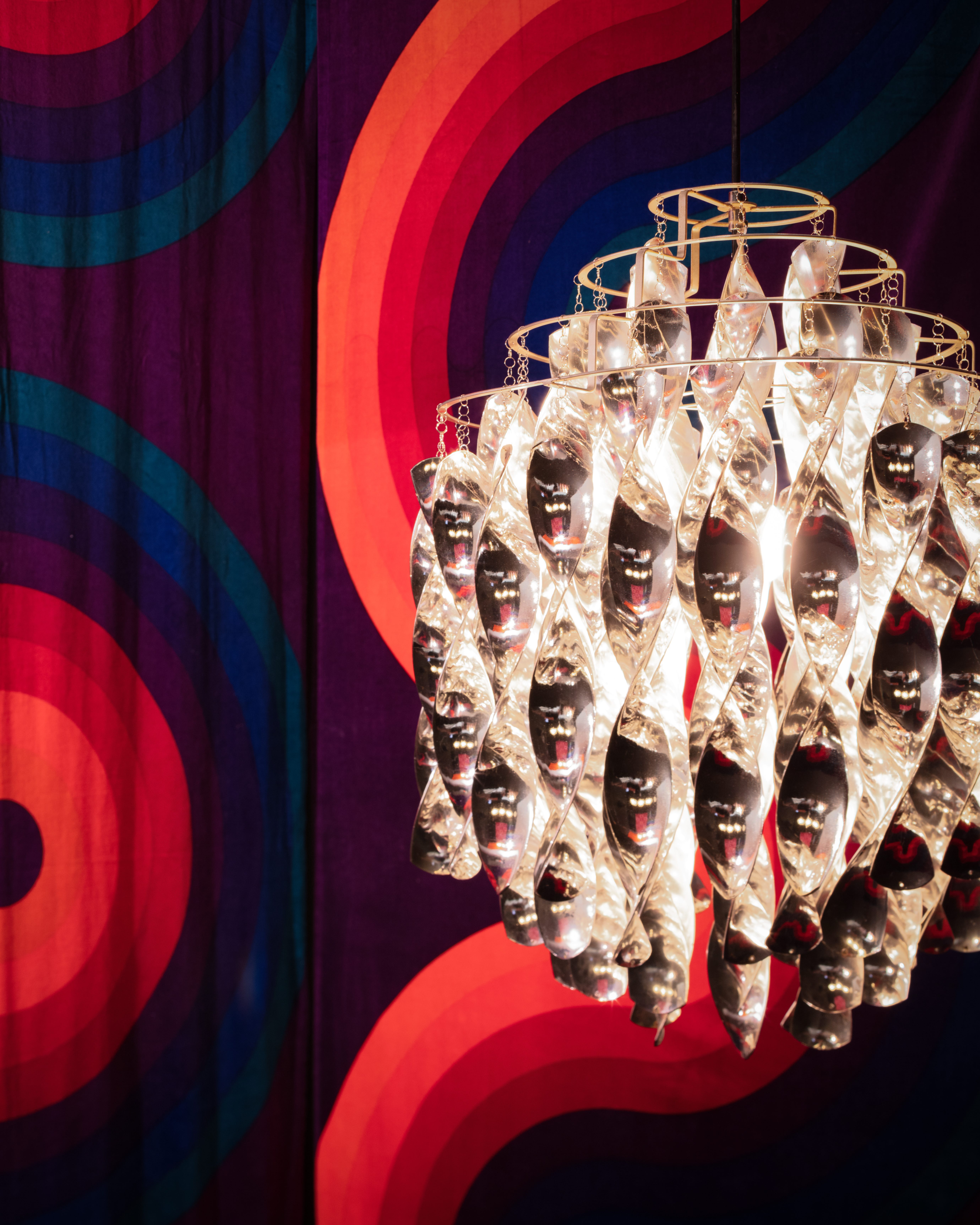
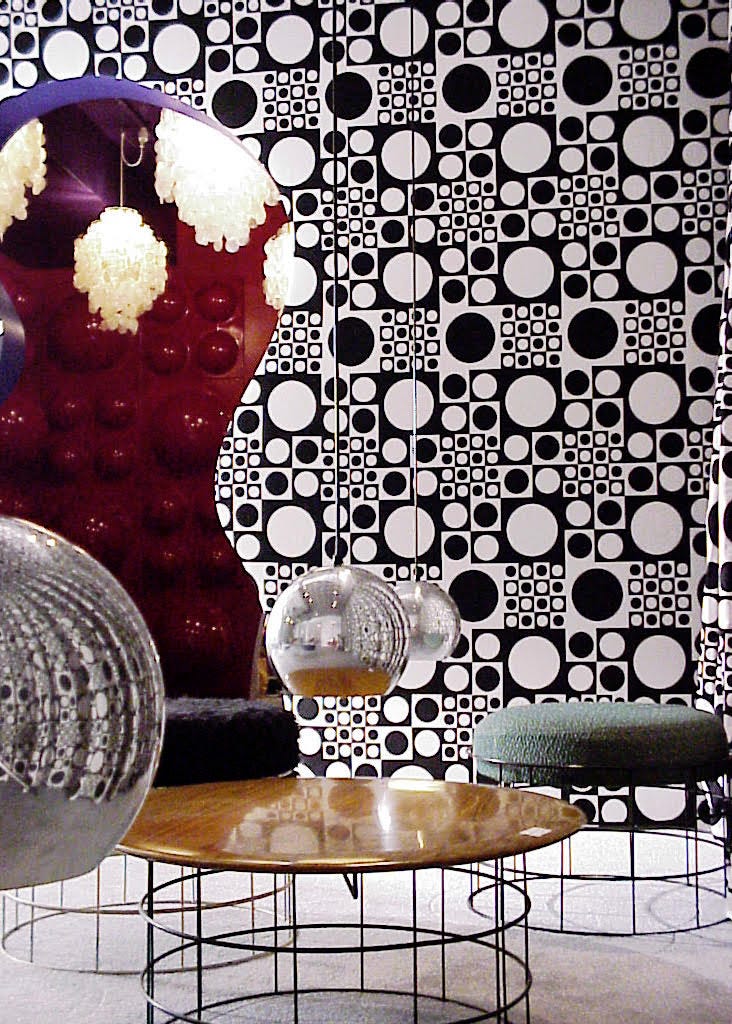
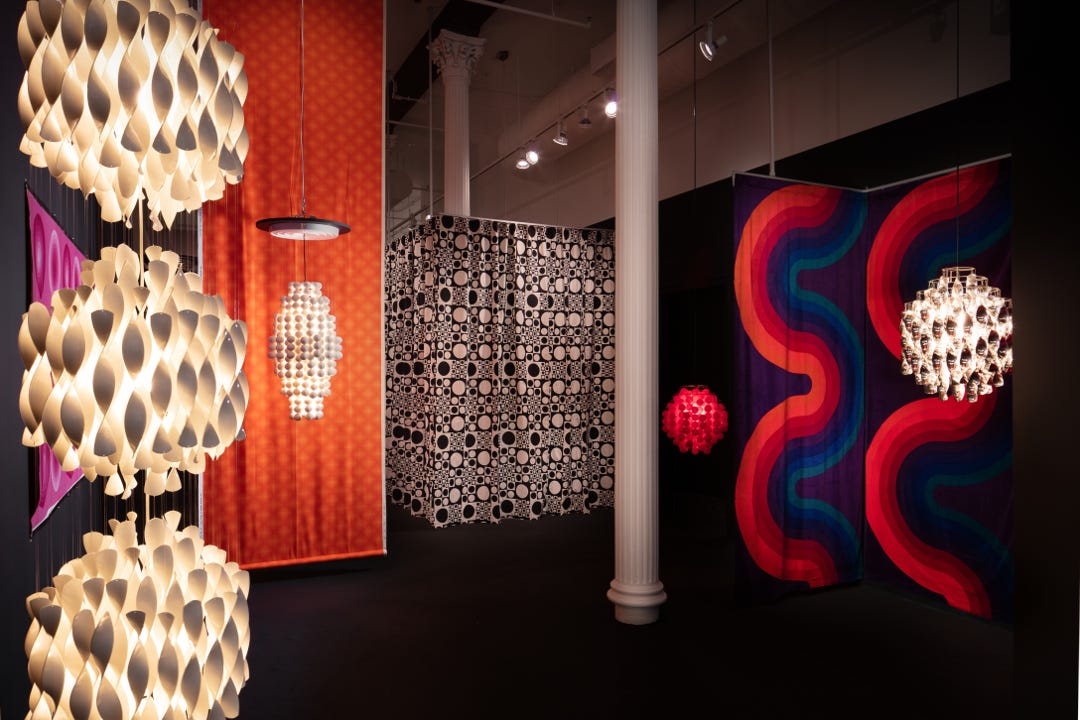
When the exhibition at R & Company opened, it was sensational, with material that had never been seen before, and became an event that sparked interest in 60s design. In this show, I purchased a three-tier seashell chandelier, which has been a central piece in my home ever since. Living with the Panton piece, what I find interesting—and what has ultimately turned his work timeless and relevant—is the power of his pieces to transform and resonate within contemporary spaces. While they bring a sense of sensuality, playfulness, and optimism, they also have the power to remain neutral, thereby feeling at home in the 21st-century interior. It is hard to believe how the extraction of his pieces from the vibrant, colorful, dramatic, and radical interiors that he created can result in entirely new interpretations.
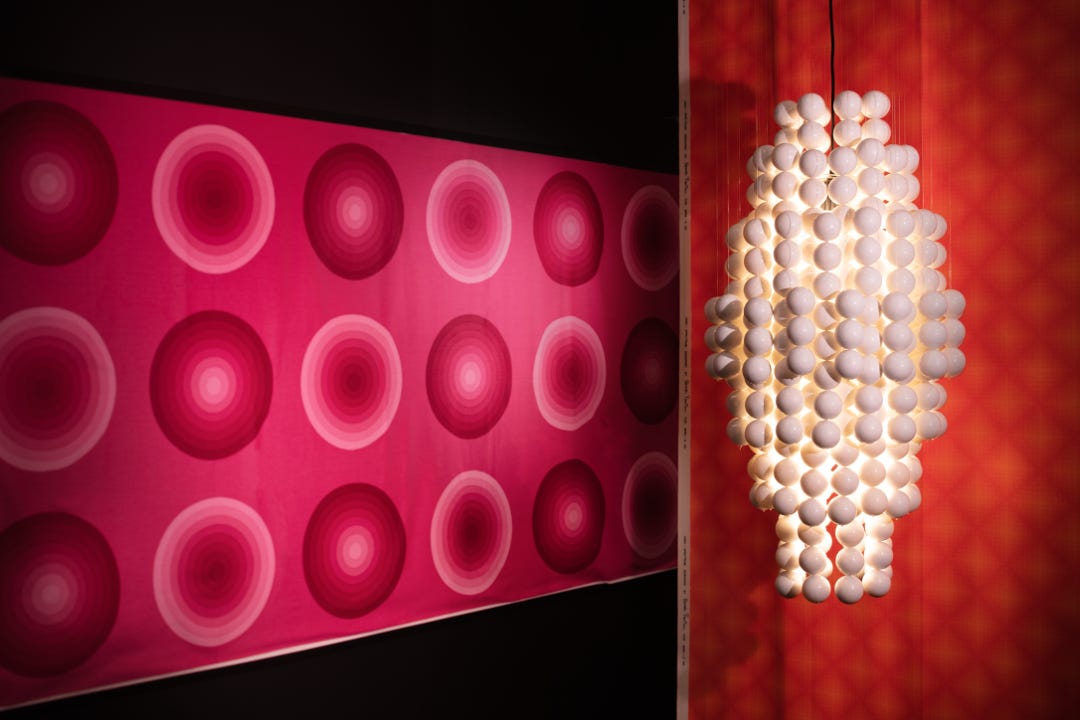
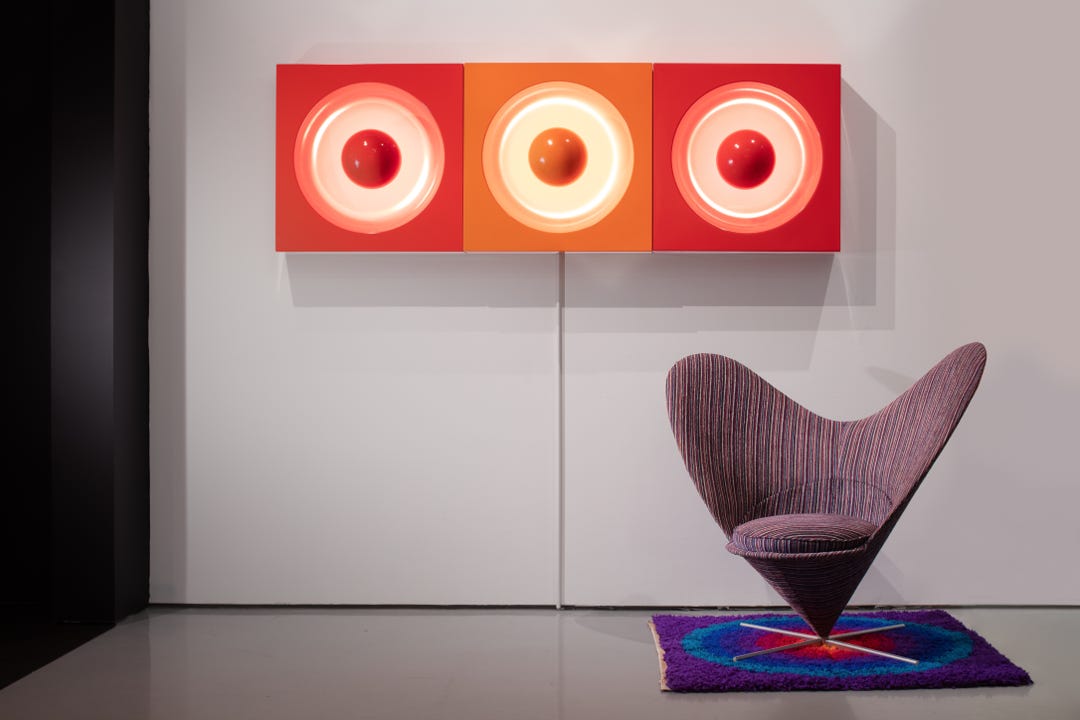
Verner Panton’s work remains among the most affordable forms of collectible design available to today’s collectors. It is a museum-quality material that should be on every collector’s radar. Moreover, since production today is expensive, vintage pieces are often sold for less than new editions, while preserving their value. The Cone Chair, Panton’s first radical piece of furniture, which he created in 1958, is priced at $4,110, while a vintage example recently fetched $924 at Wright auctions. Similarly, a new edition of the Fun Chandelier, produced by Danish company Verpan ApS, is priced similarly to the vintage model.
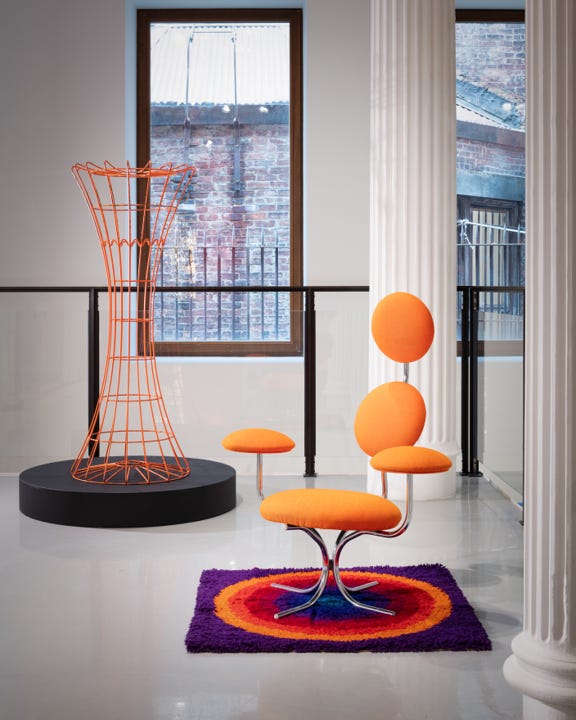
But the most sought-after collectible items according to Meyers are not the pieces produced today or those produced in the millions, but rather prototypes that never went into production: unreleased designs, rare pieces, and experimental objects, rugs, and textiles, which can be found at auction houses across the globe. Twenty-five years after the pioneering exhibition assembled by R & Company, Verner Panton’s legacy is more vital now than at any point since his passing. His work is seen as a great entry point for building a blue-chip, true design collection. Panton is seen as a true legend who was influential in shaping the story of modern design.
All images courtesy R & Company.