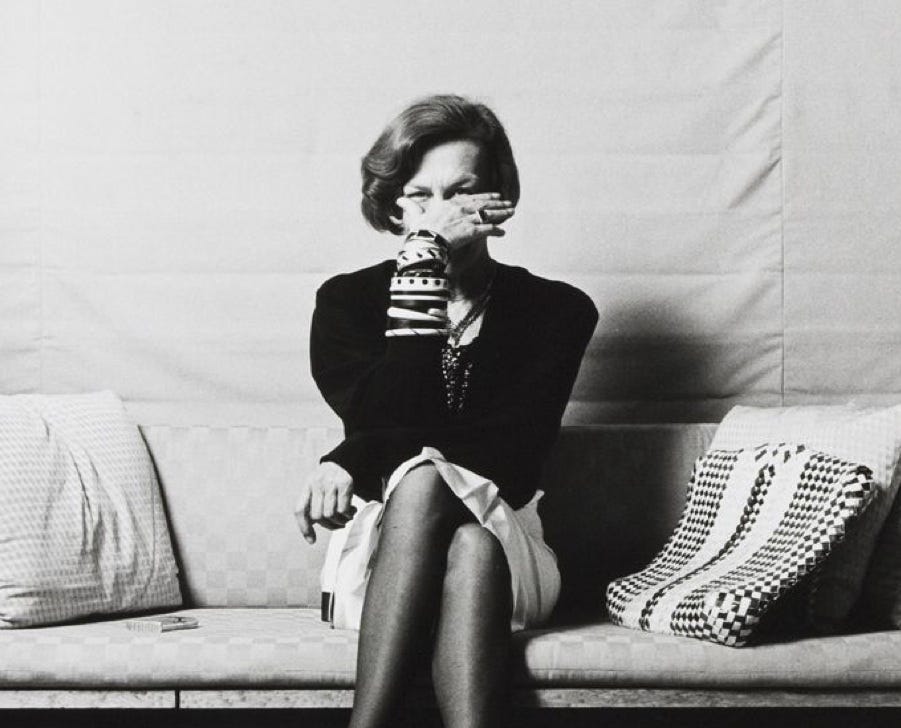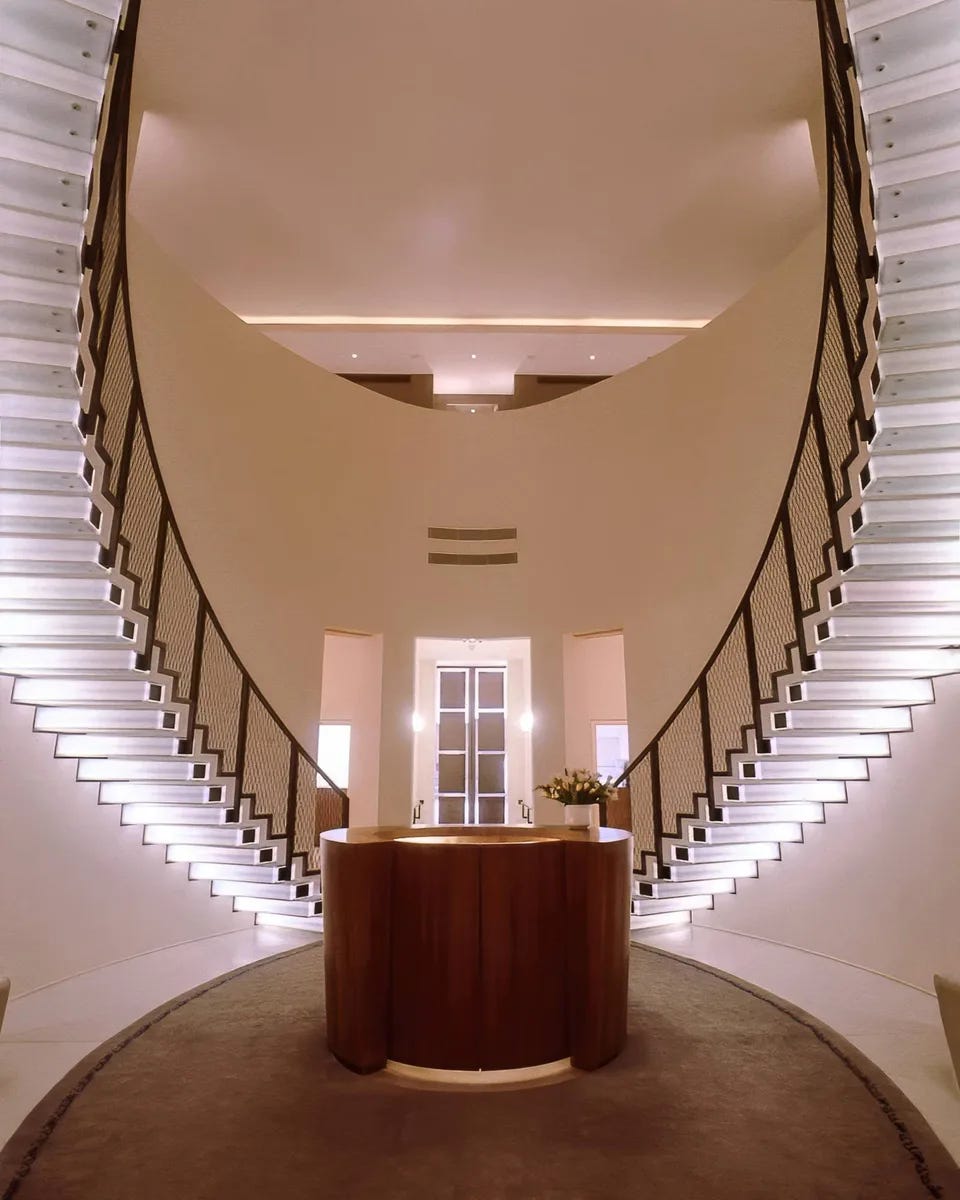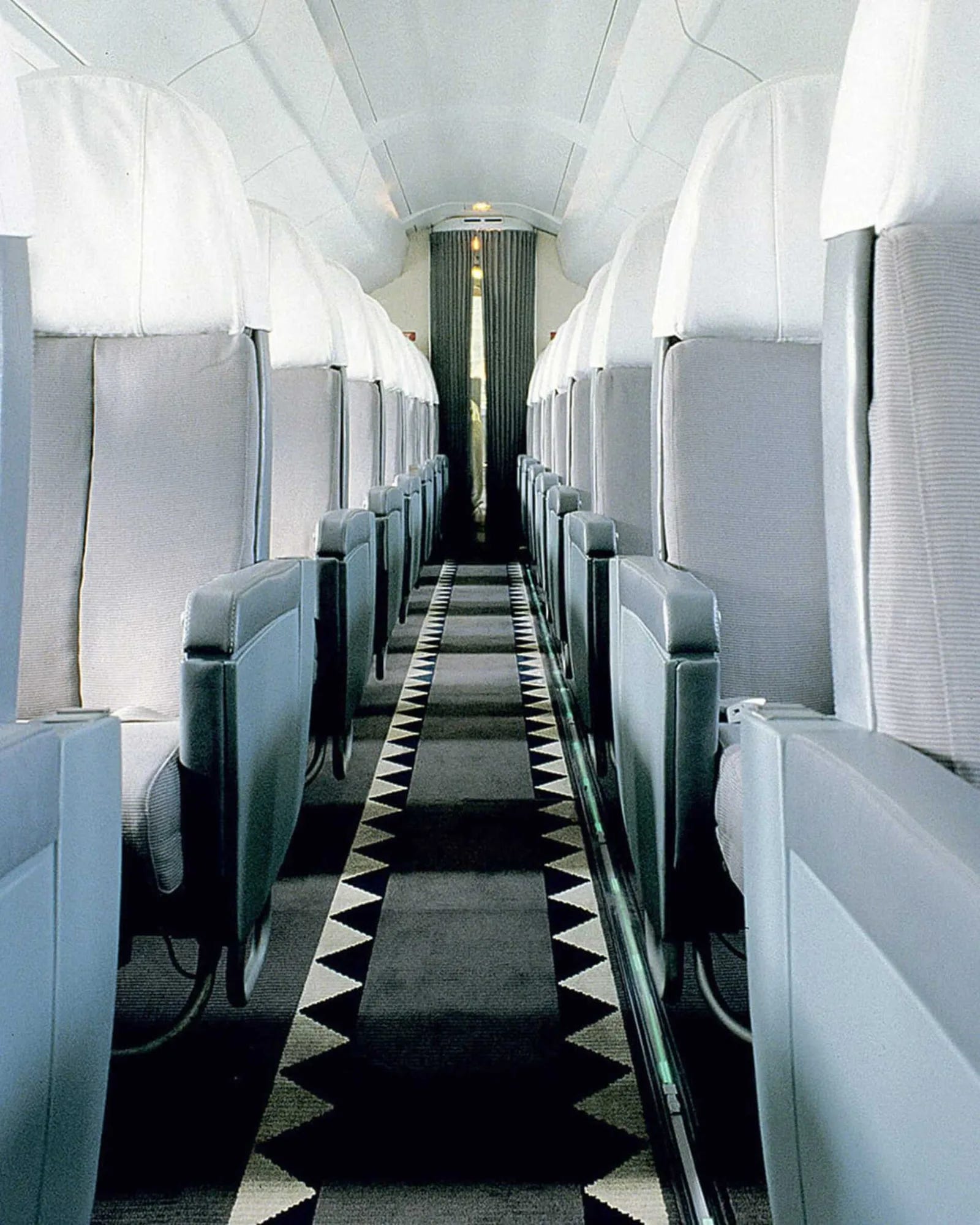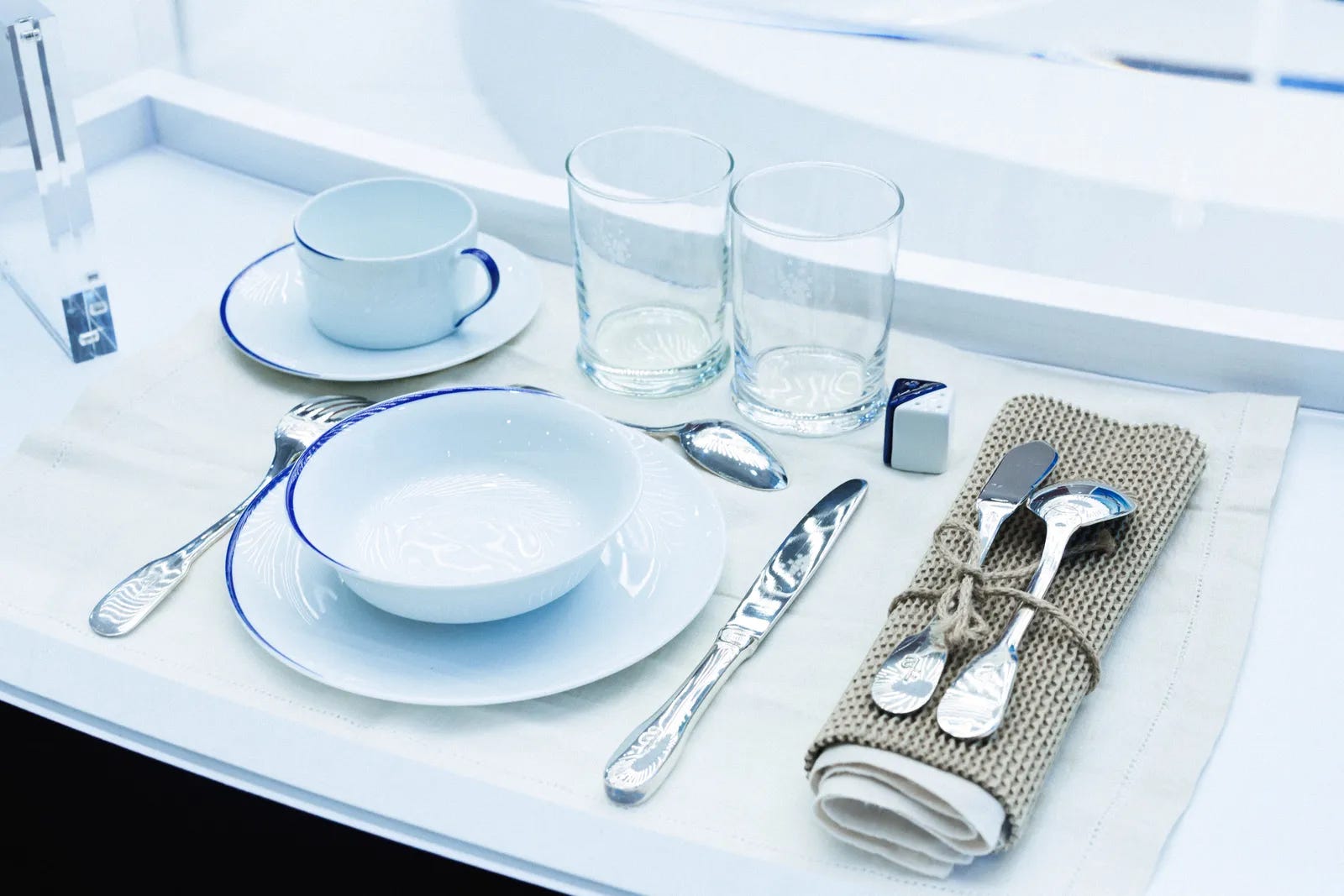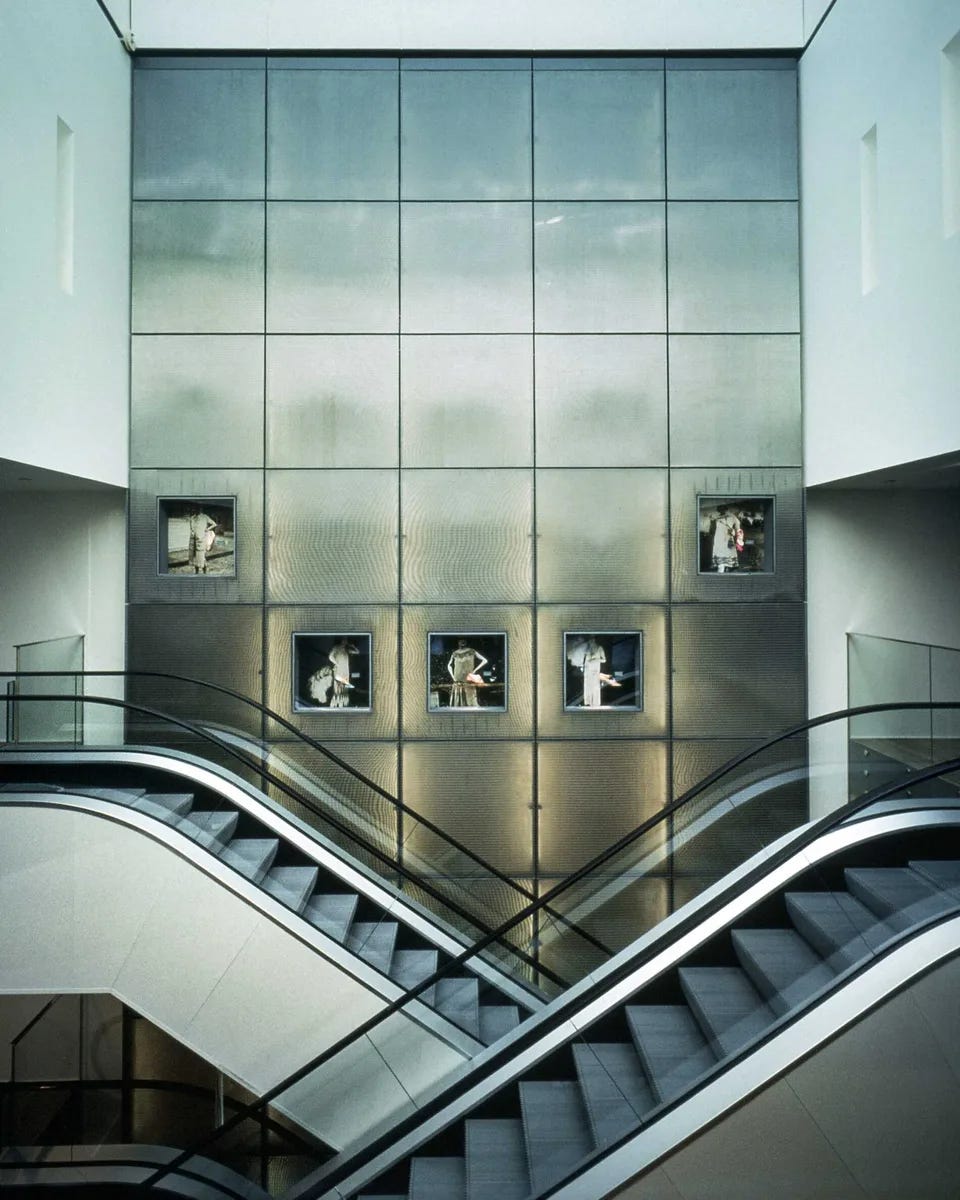
Only few have become that synonynous with French design as Andrée Putman (1925–2013), who helped shaping the visual language and design culture of the late twentieth century. Her defining project, the Morgans Hotel in New York, which opened in 1984, established her signature black-and-white palette and made her name internationally synonymous with the decade’s elegance and edgy allure. She designed interiors for Air France’s Concorde, the CAPC contemporary art museum in Bordeaux, and fashion boutiques for Yves Saint Laurent, Azzedine Alaïa, and Balenciaga, and her iconic project trasnforming Le Bon Marché aith its central crossed escalators in 1989. Working across interiors, furniture, and industrial design, Putman became one of the most influential figures in late twentieth-century French design.
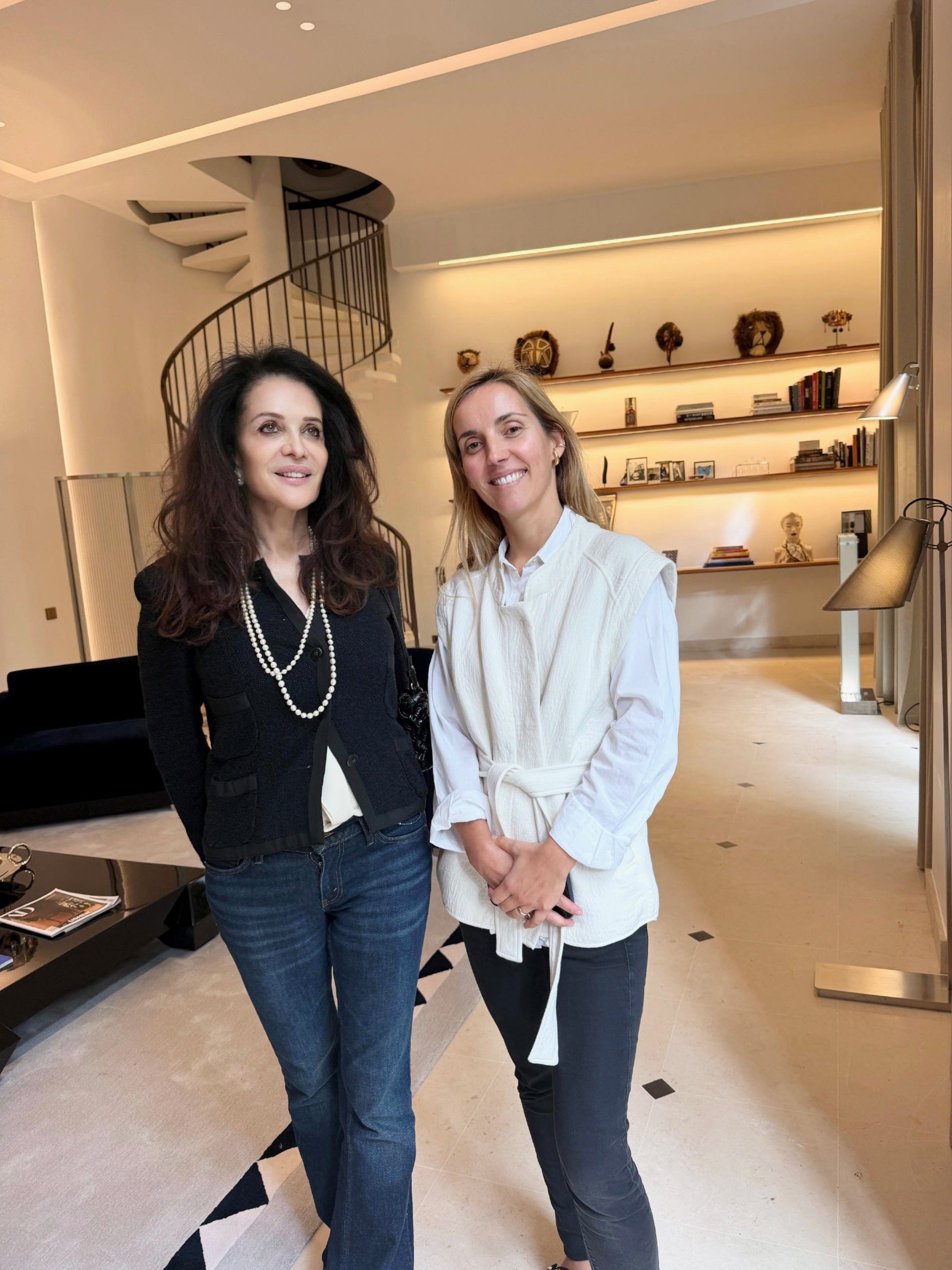
Today, the revival of Studio Andrée Putman is bringing renewed attention to her work. Led by Aurélie Laure, who was working with Putman herself, and then took over the studio’s management, alongside artistic director Olivia Putman, the designer’s daughter, the relaunch of her furniture and objects offers a fresh encounter with the spirit of the 1980s and 1990s and the recent revival of those decades.
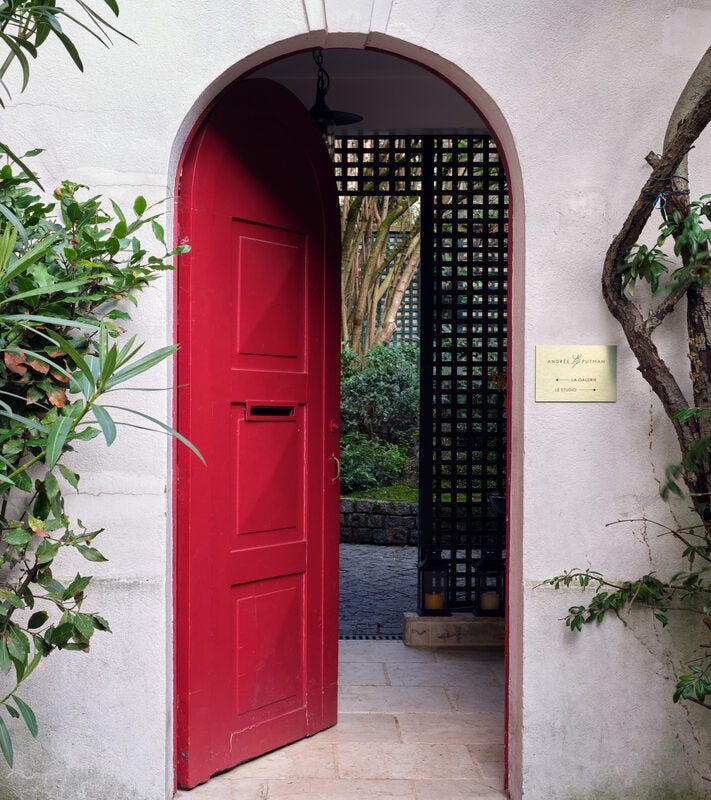
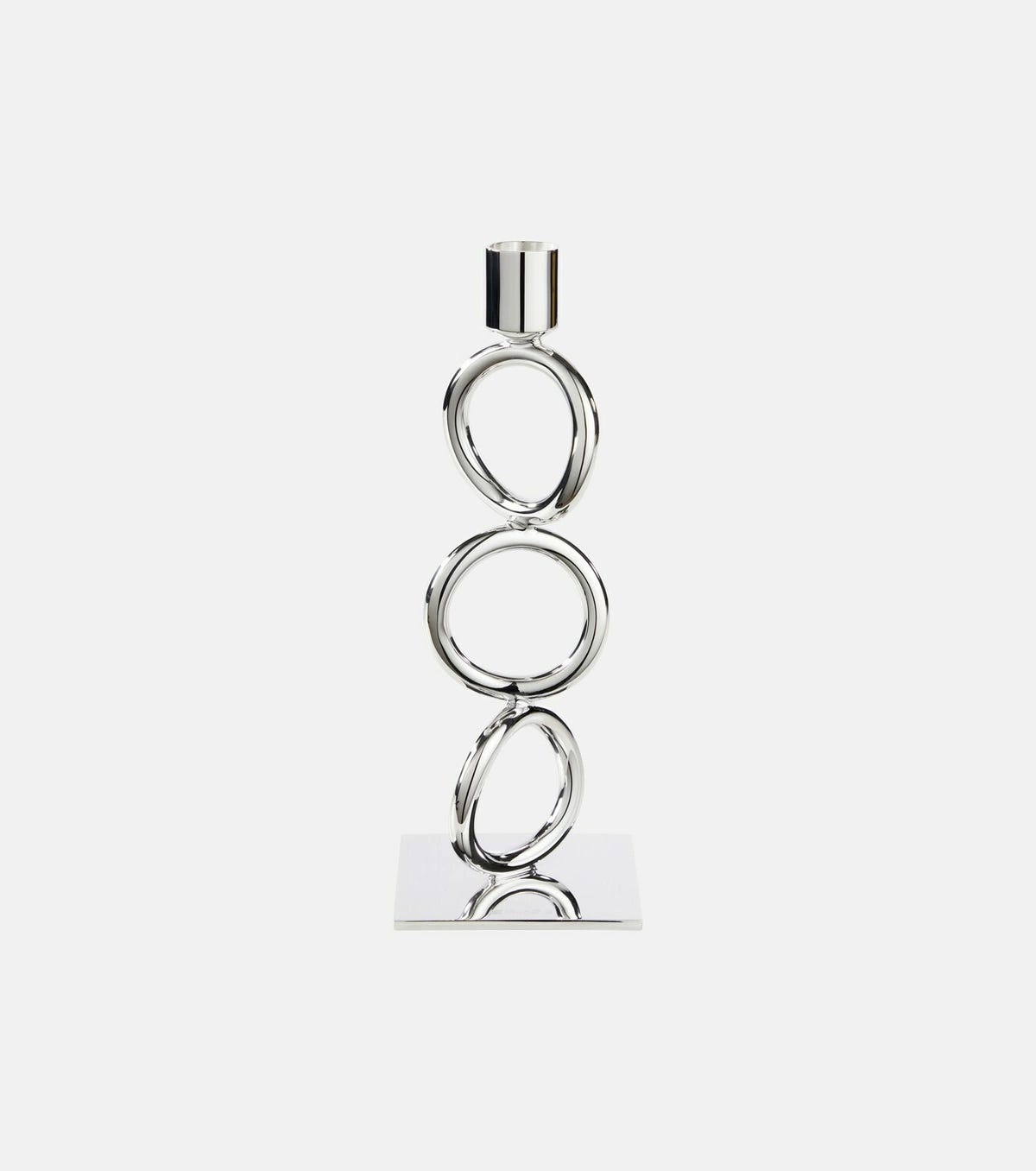
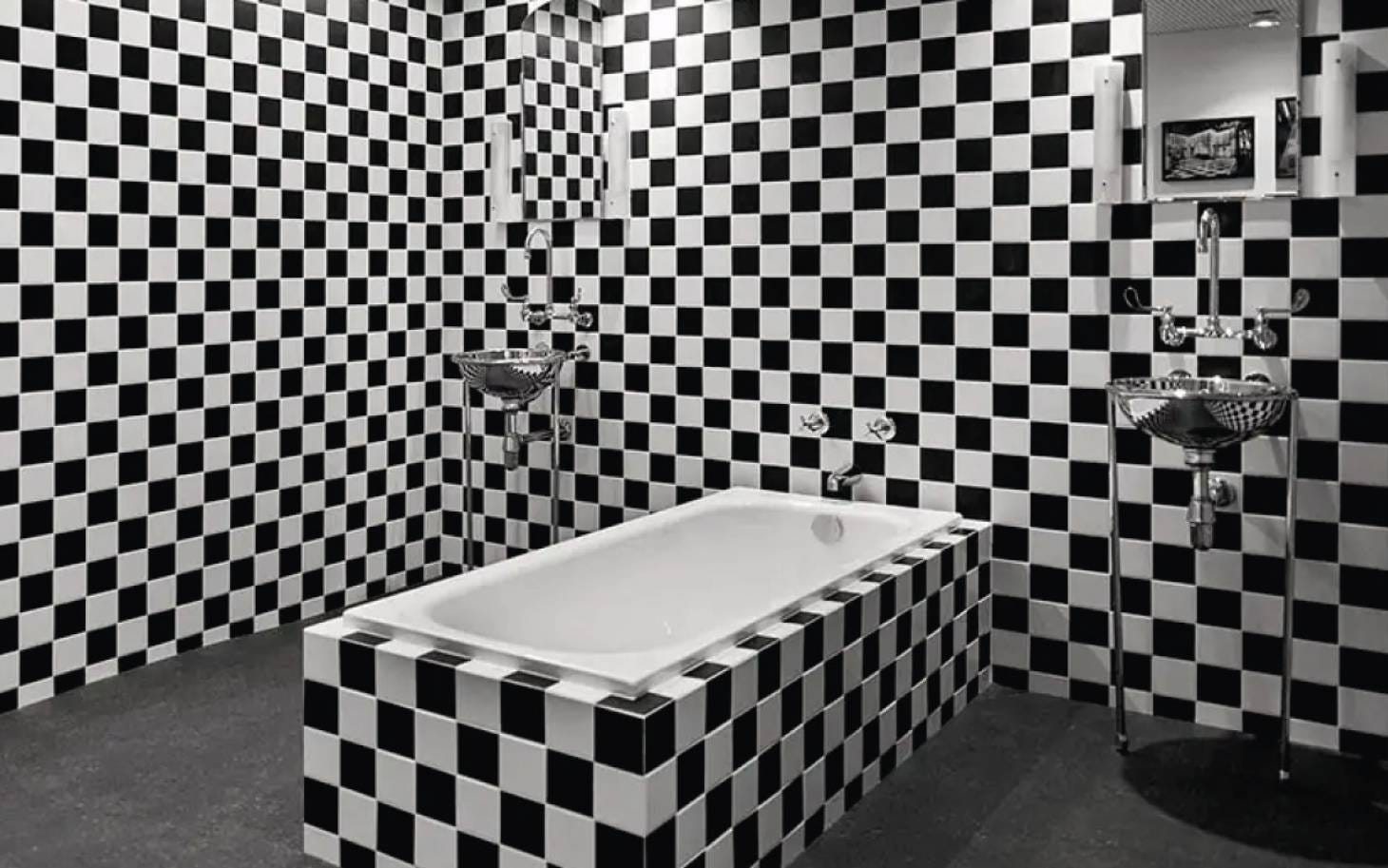
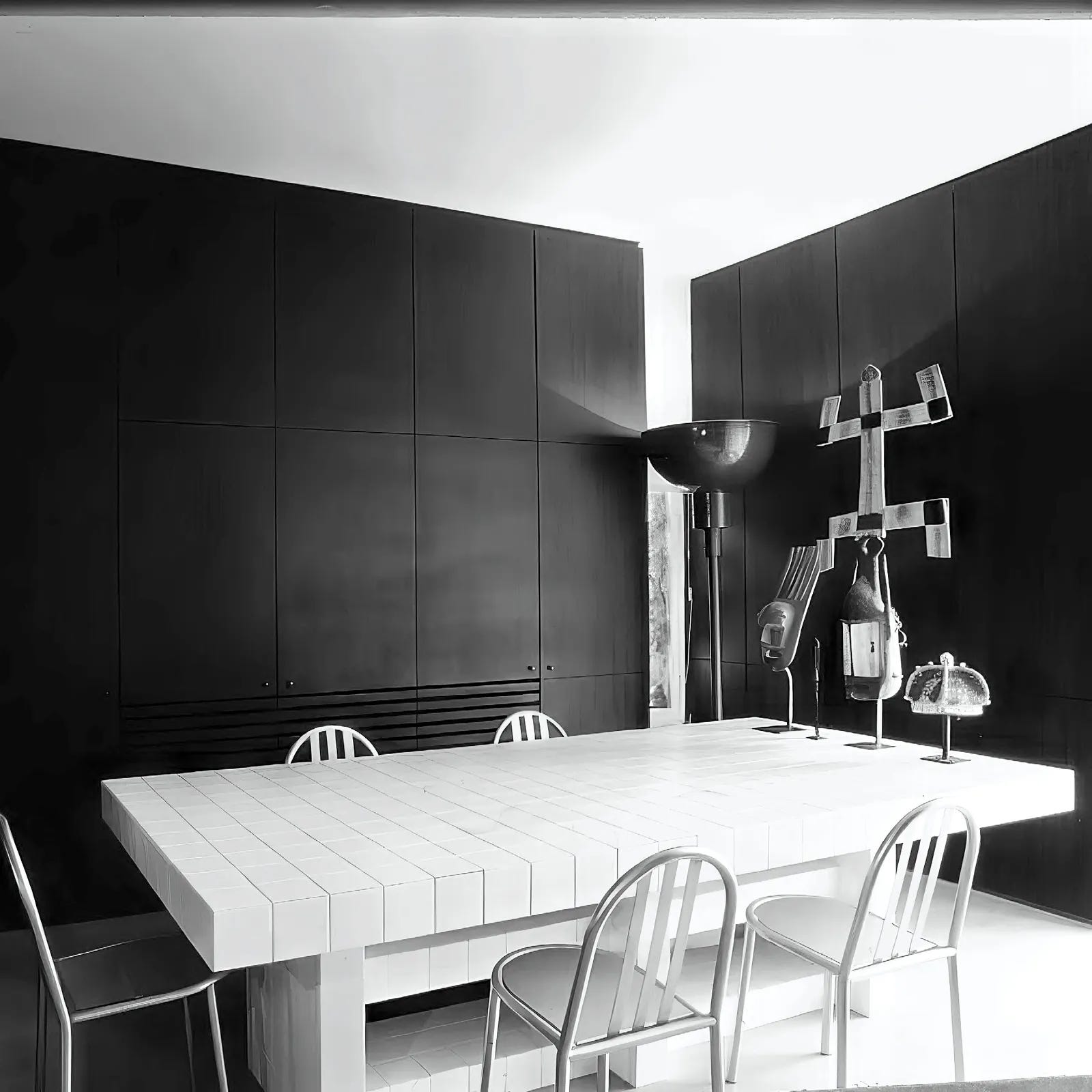
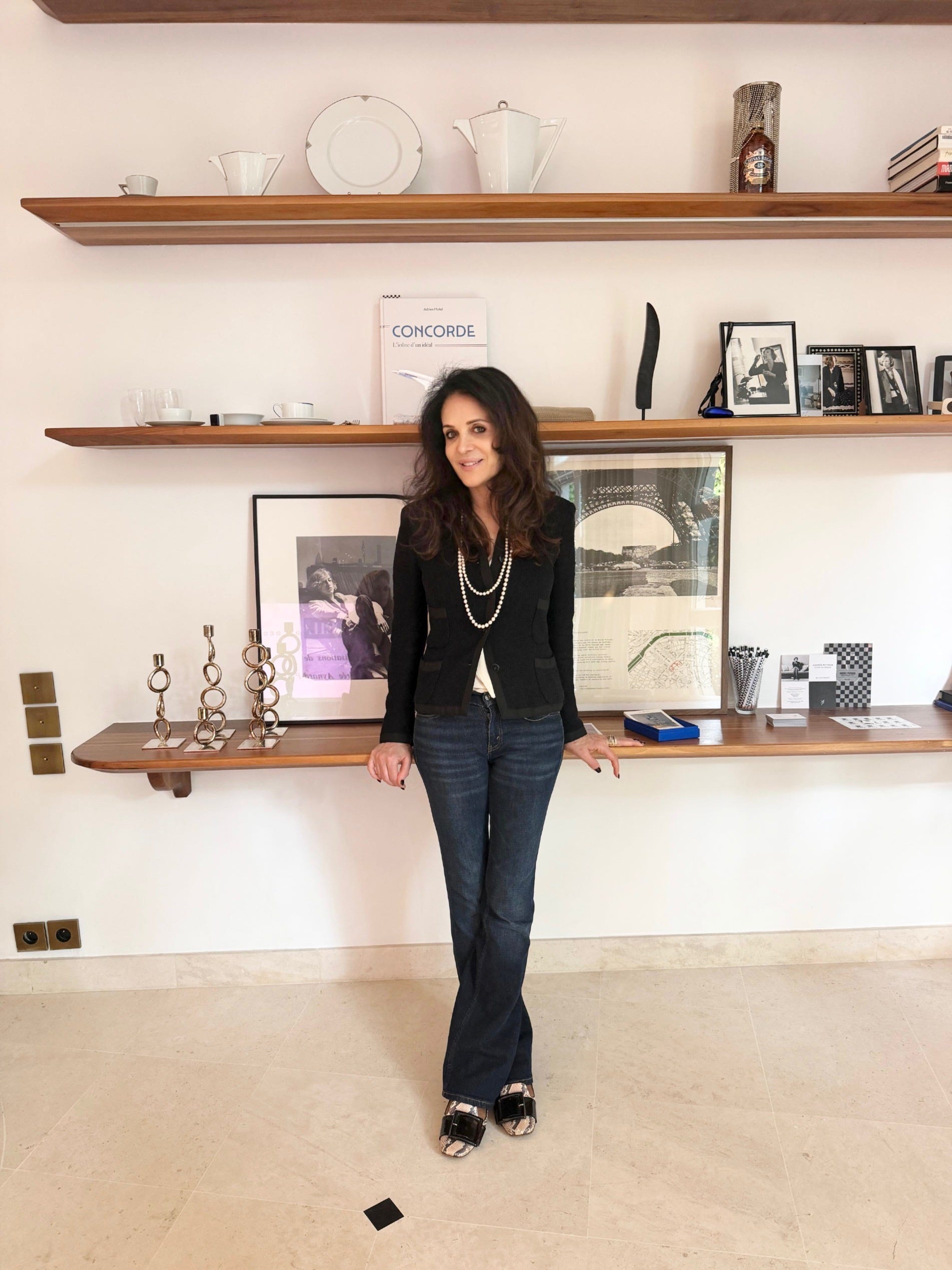
At her stunning private home in Paris’s 7th arrondissement, Laure has created a showroom devoted to Putman’s legacy and her distinctive place in French culture. Among the most recognizable reissues are the Compas dans l’œil floor lamp, Mille et un Carré table, and Voie Lactée rug, revealing the wit and precision of her design vocabulary. Her celebrated checkerboard bathroom has also been recreated, recalling the interiors that helped establish her international reputation. Archival materials, photographs, and books enrich the presentation, tracing her Charles Vörösmartyand enduring place in French cultural memory.
What makes this project particularly compelling is its historical symmetry: through Écart International, the company she founded, Putman helped revive interest in earlier modern designers. Now, her own work is undergoing a similar rediscovery. The presentation invites us to look beyond the glamour of the 1980s and 1990s, and reconsider the objects, spatial ideas, and unconventional sensibility that made her work so distinctive. During Paris Art Week only, the private home and showroom is accessible by appointment.