My love affair with American design began in the 1990s, as a graduate student under the legendary curator Marilynn Johnson (1934–2022). She brought the full allure of the Metropolitan Museum’s American Wing, the cradle of historical American design into the classroom; her passion for American decorative arts was both inspiring and infectious. Having played a pivotal role in the museum’s centennial exhibition, 19th-Century America (1970), she possessed an unrivaled instinct for unearthing the finest American objects and, in doing so, helped expand the Museum’s collection immeasurably.
In honor of the Semiquincentennial—the 250th anniversary of the United States—I have curated a list of the most significant, celebrated, and enduring pieces of furniture in American history, from the colonial outposts of the eighteenth century to the present day. Together, these objects trace the vibrant arc of American design: the distinct eras, movements, and singular figures who have each secured their place in its history.
Newport Rococo
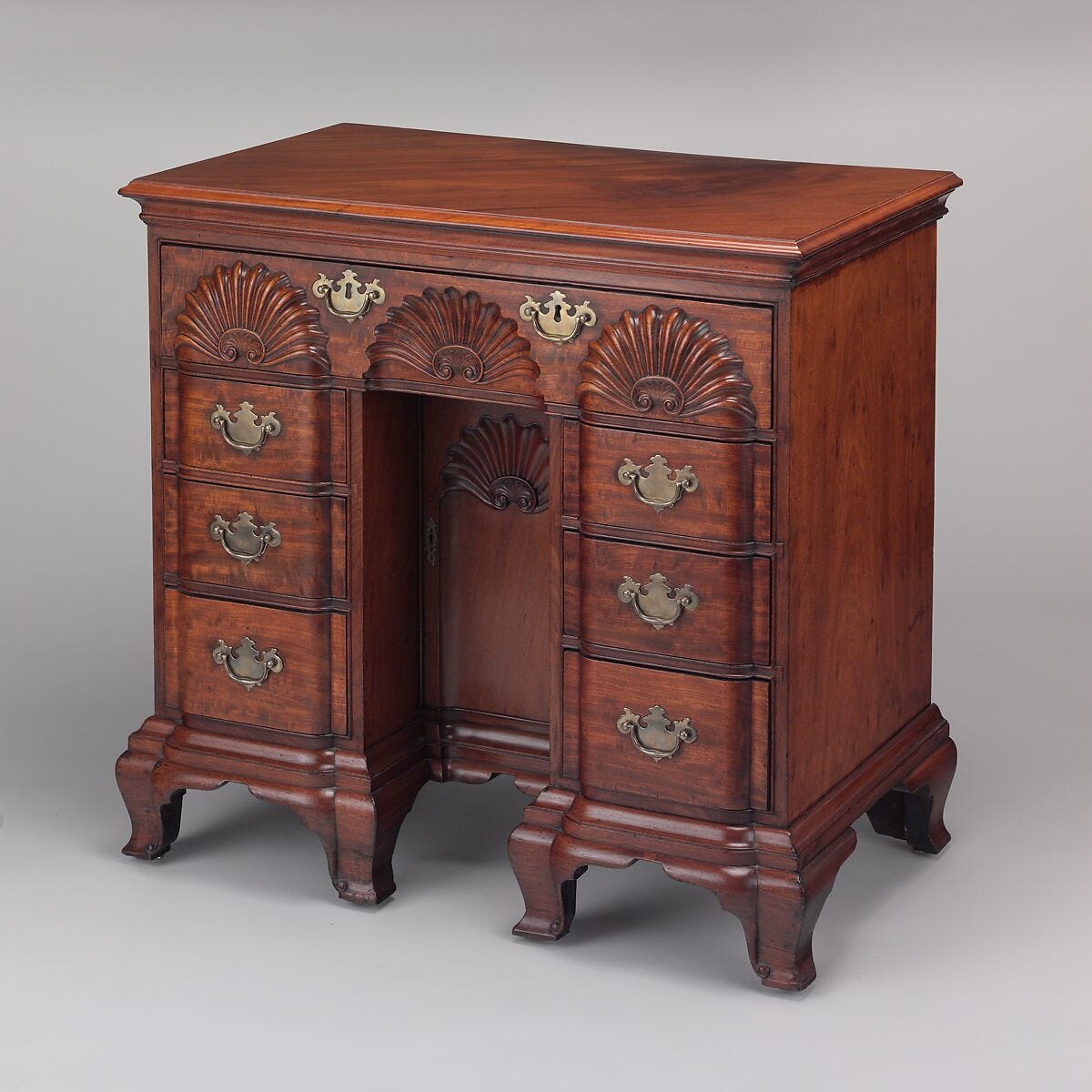
John Townsend was an eighteenth-century craftsman based in Newport, Rhode Island, and a leading figure among the artisanal community of cabinetmakers who gave form to the furniture of this uncommonly prosperous region. Only thirty surviving pieces bear his signature, each a testament to the highest standard of design and craftsmanship. Townsend’s hallmark lay not only in his precision and elegance but in his singular interpretation of the American Rococo—his shell motifs and blocked facades became, in time, the very emblem of Newport furniture.
The Aesthetic Movement
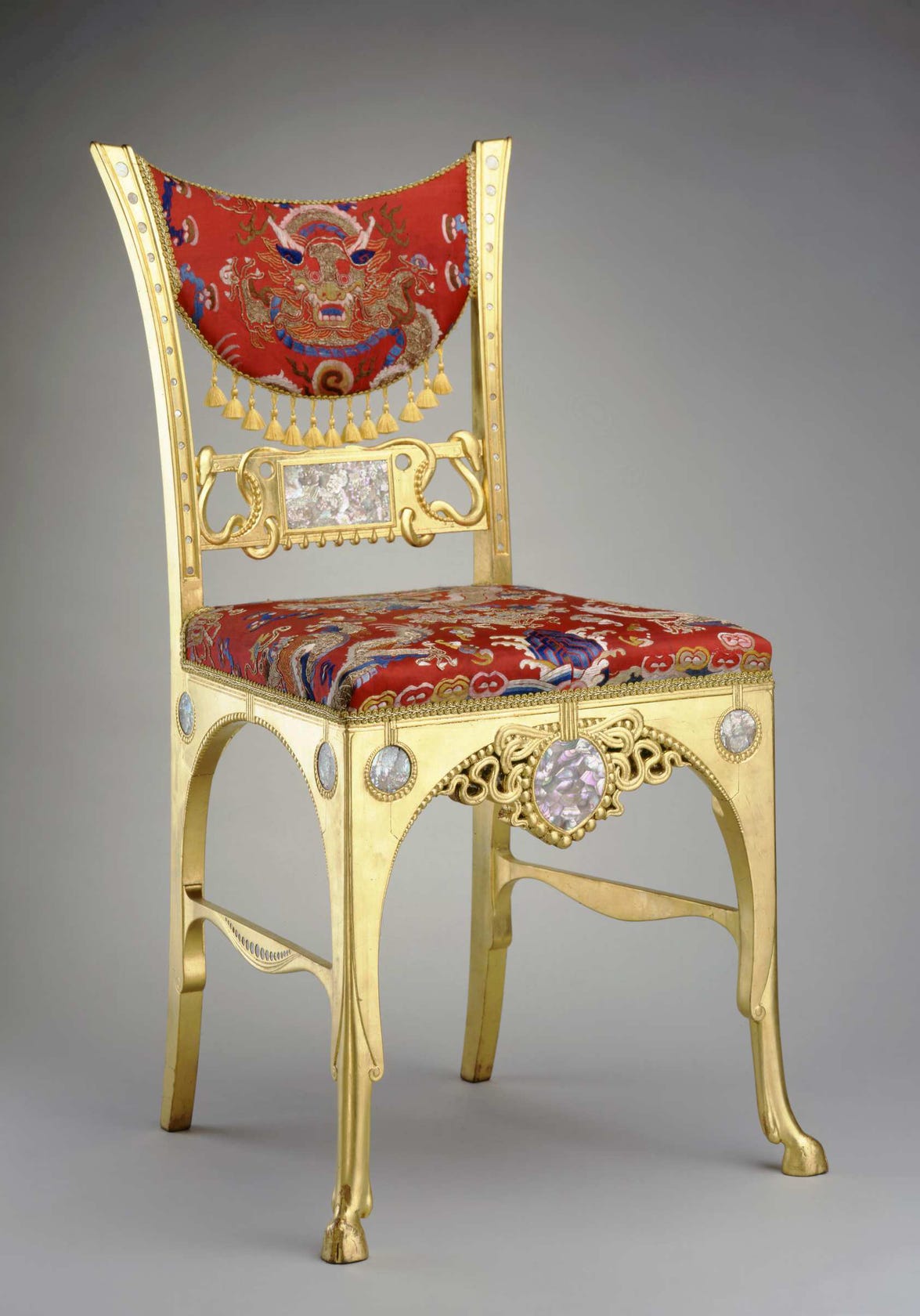
Herter Brothers (active 1864–1906), founded in Manhattan by the German immigrants Gustave and Christian Herter, rose to become America’s foremost interior decoration firm. The firm conceived fully integrated interiors and produced some of the most ambitious and inventive works of art furniture within the exuberant idiom of the Aesthetic Movement, shaping the taste of a new class of industrialists and the era’s fashionable elite. Their work fused elegance, style, and opulence in equal measure.
The Shakers
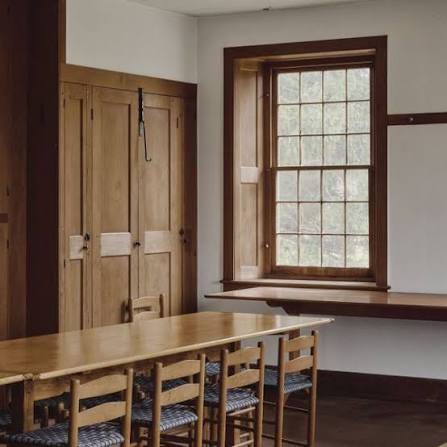
Few communities have left as lasting an imprint on the history of design as the Shakers. Founded in Manchester, England, the sect fled religious persecution and built its life anew in America during the nineteenth century. In their community buildings, furniture, and everyday objects—crafted in deliberate isolation from the fashions of the day—they forged a minimalist aesthetic that the design world has admired ever since.
The American Arts and Crafts Movement
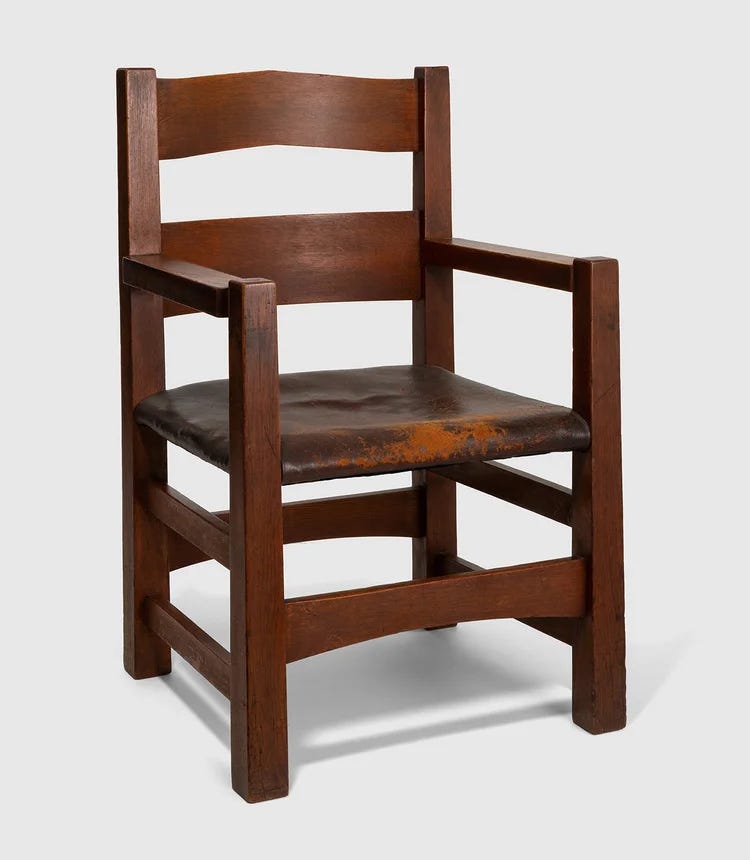
Though born in England as a socialist response to anxieties over industrialization, the American Arts and Crafts Movement developed a distinct character of its own. Its adherents sought to elevate the standard of daily life through handcraft, resisting the encroachment of mechanization. Gustav Stickley emerged as its most revolutionary voice, producing furniture defined by solidity, honesty, and uncompromising craftsmanship.
American Modernism
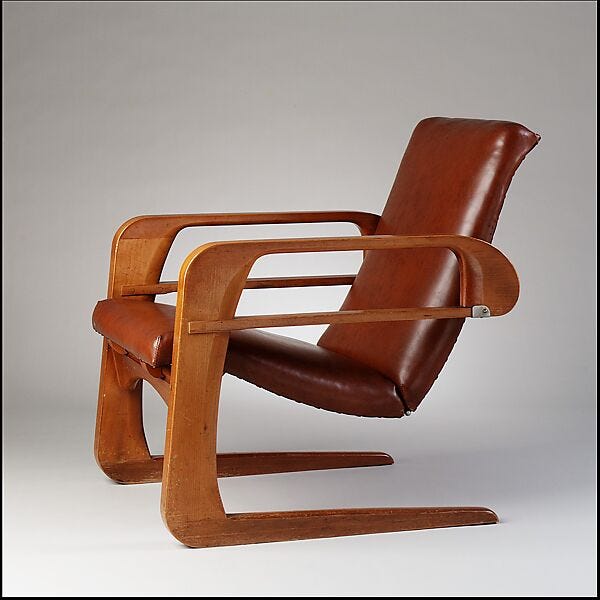
American Modernism drew much of its language from Streamline Moderne, a sleek, aerodynamic mode, that captured the velocity of the Machine Age. The furniture of Kem Weber—a German-born industrial designer working in Los Angeles—embodied this spirit through curving forms, teardrop silhouettes, and rounded corners, accented by horizontal speed lines and rendered in the industrial materials of the moment.
Postwar Industrial Furniture
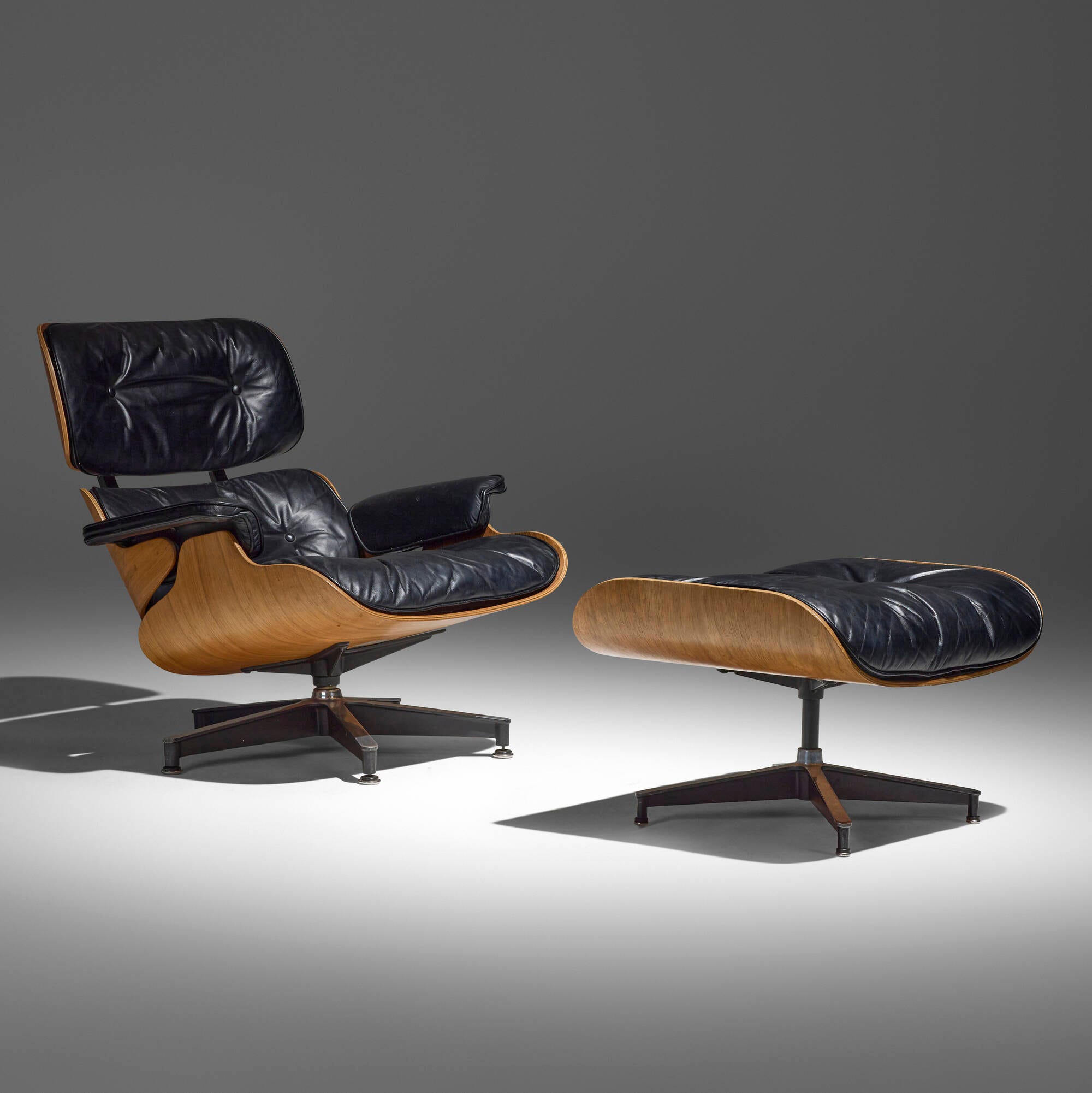
The ascent of industrial design paralleled an era of unprecedented American prosperity, as the United States came to manufacture half the world’s goods. Charles and Ray Eames stood among the era’s most influential designers, their modernist furniture embodying the surge of postwar consumerism and the pursuit of the American Dream, and shaping nearly every corner of domestic life. Pioneering the technology of molded plywood, they achieved ergonomic forms responsive to the contours of the human body.
The Studio Movement
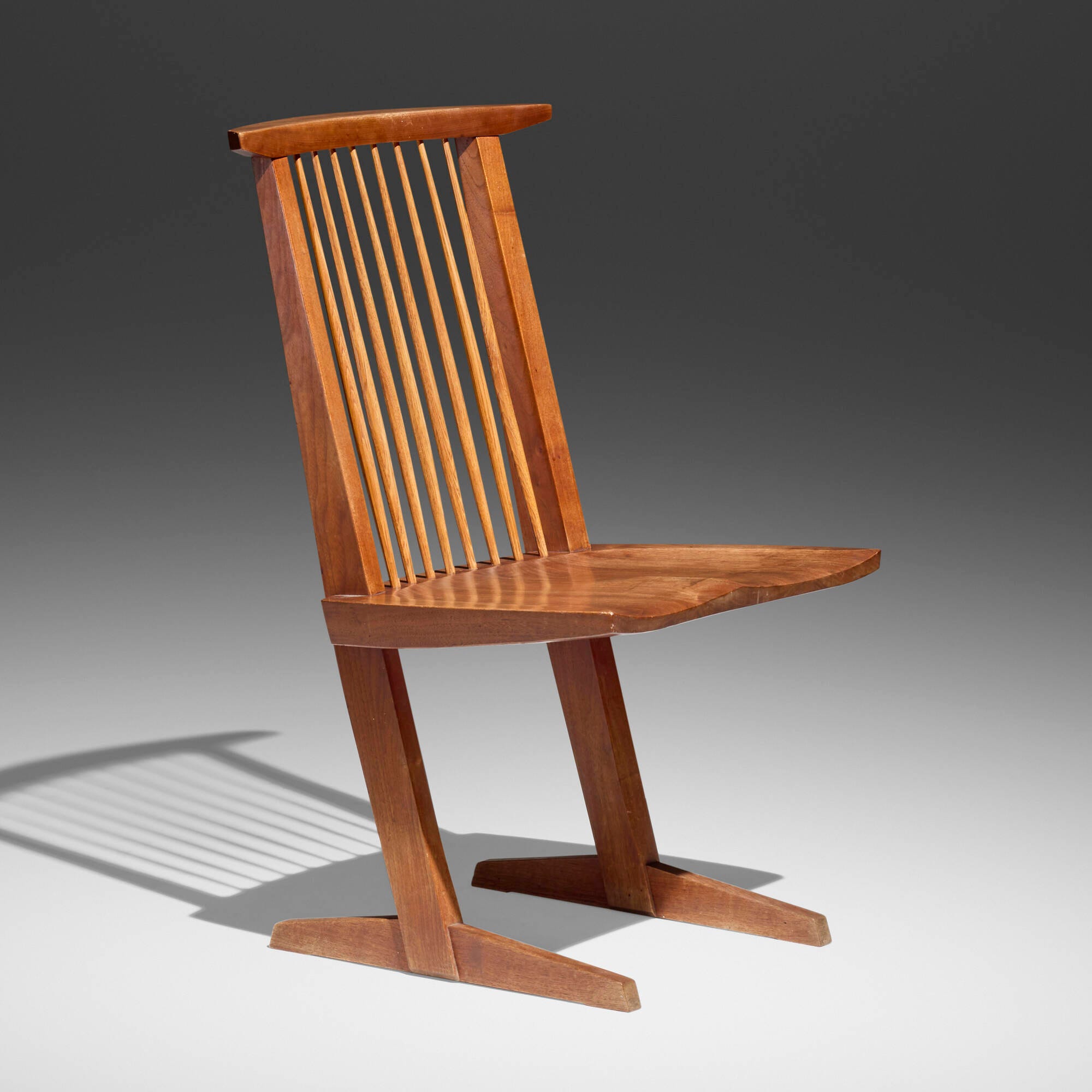
The postwar renaissance of the handcrafted object was a distinctly American phenomenon that soon coalesced into a movement. Its adherents rejected mass production, retreating instead to the studio to craft one-of-a-kind furniture by hand. George Nakashima (1905–1990), the influential Japanese American architect, devoted his life to woodworking and became one of the movement’s most celebrated figures. His Conoid Chair stands among the finest chairs of the twentieth century.
Art Furniture
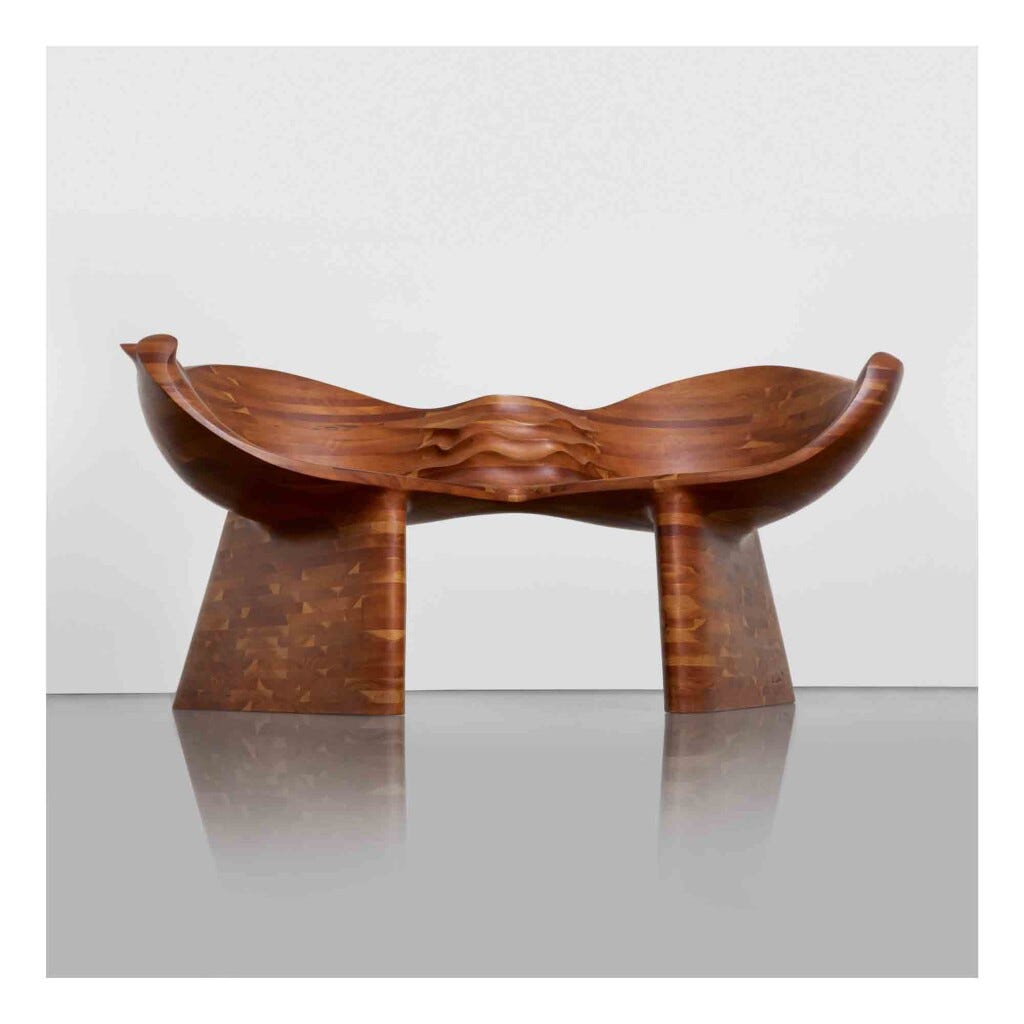
Art Furniture emerged as a global movement that reached its height in the 1970s, with a particularly powerful expression in the United States. Wendell Castle, trained as a sculptor, fused art and design as no one before him had. Attuned to the spirit of his time, he crafted his furniture in wood at his studio in Rochester, New York, achieving pieces of exquisite precision and organic forms that proved genuinely revolutionary.
Radical Furniture
Amid the fervent radicalism of the 1980s—an era defined by extremes and rebellious countercultures—American designers, in step with their European counterparts, broke decisively from convention, producing furniture that seemed to have stepped straight out of the canvases of Keith Haring and Jean-Michel Basquiat. The movement found its most compelling showcase at Art et Industrie, a gallery in SoHo where the unconventional, sculptural furniture of Forrest Myers, Michele Oka Doner, Peter Shire, and Dan Friedman was on display.
Twenty-First-Century Furniture
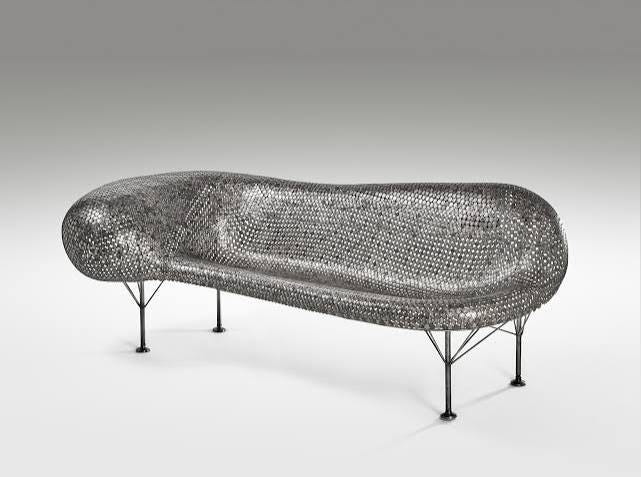
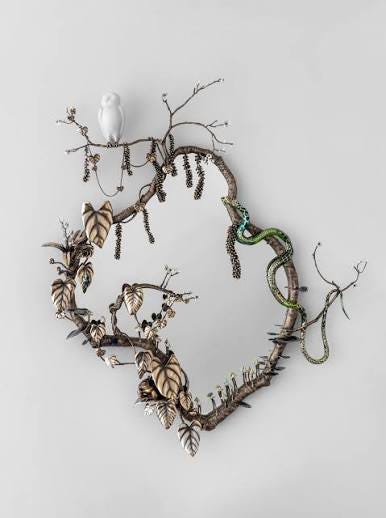
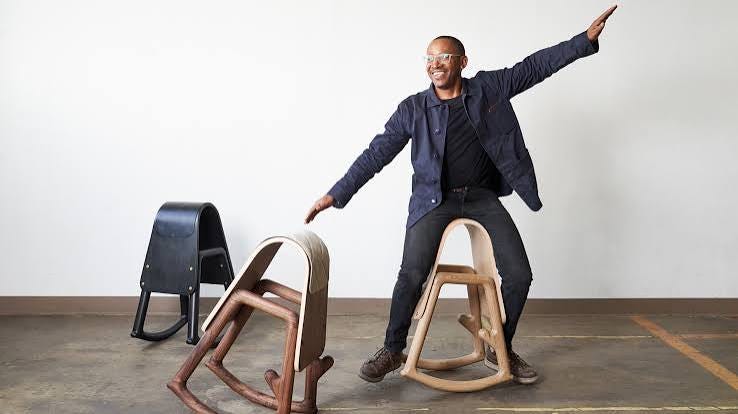
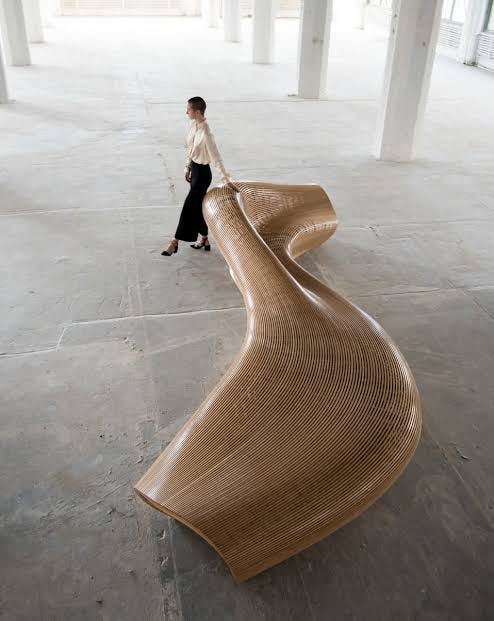
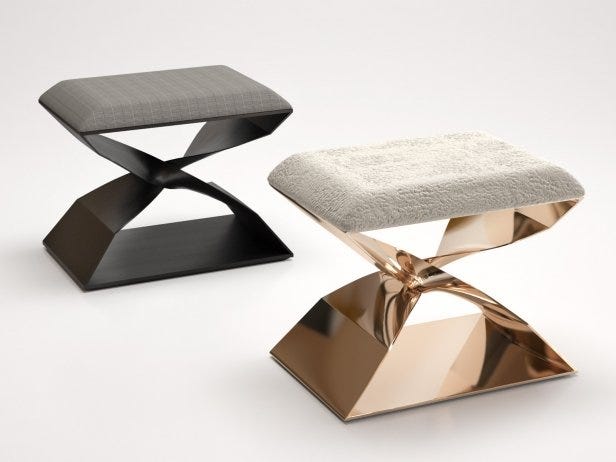
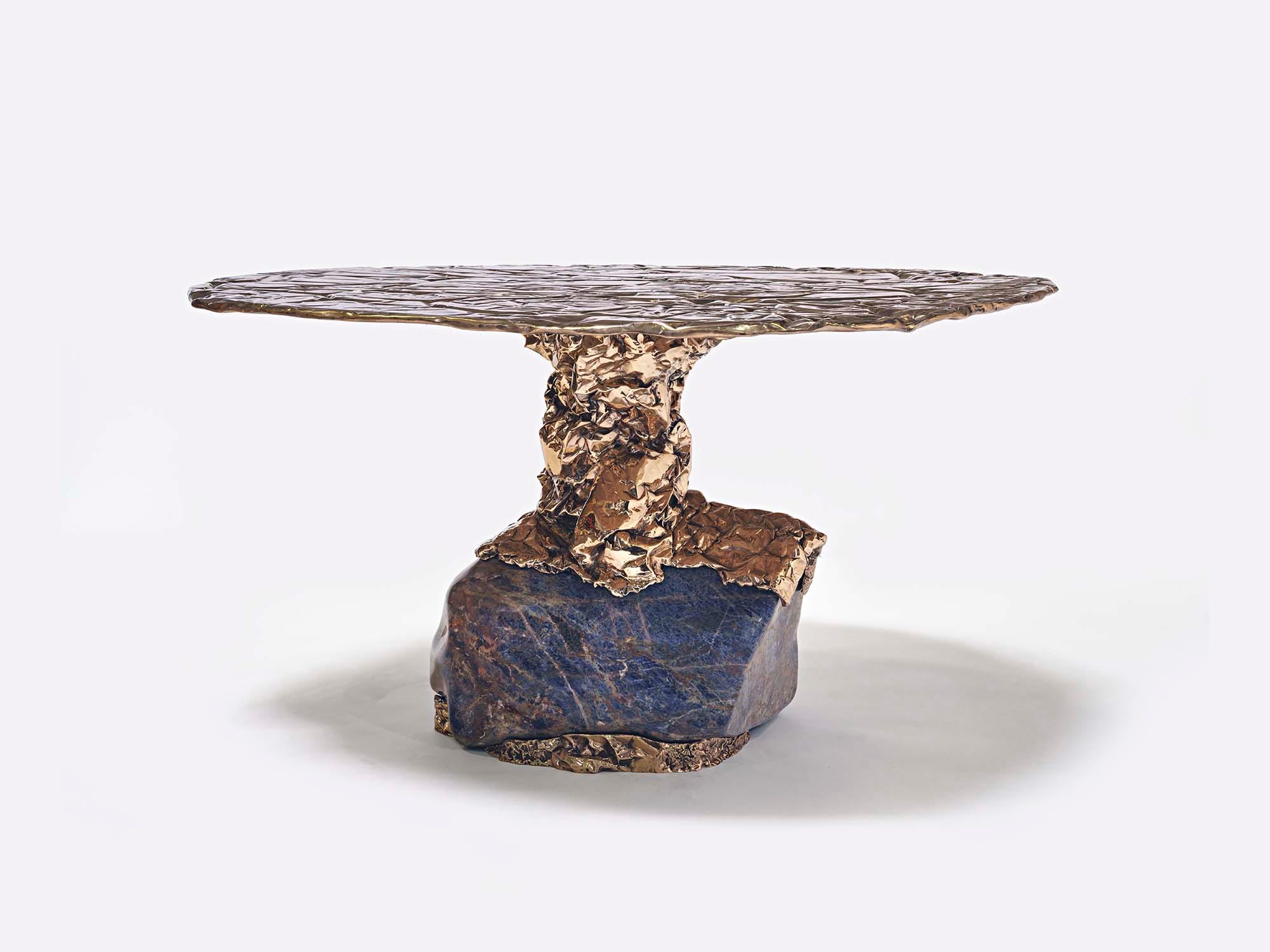
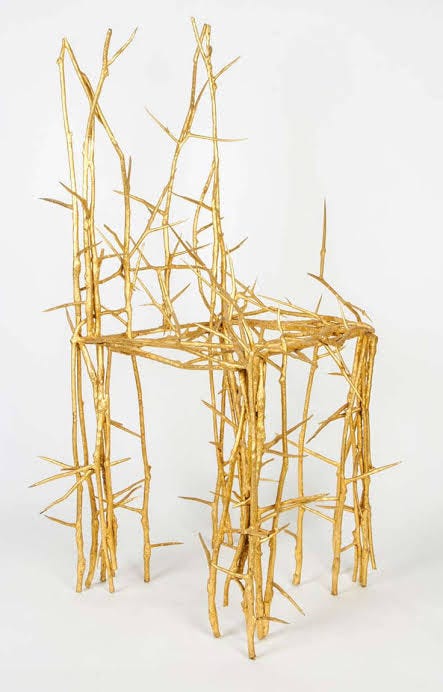
In the current century, innovation in furniture design has migrated away from industry and into the studio and gallery, carrying a strong senes of storytelling. Among the movement’s most visible figures are Johnny Swing, who fashions furniture from authentic American coins; Matthias Pliessing whose bentwood techniques have allowed him to achieve architectural pieces in enormous forms; Norman Teague, who brings his identity as a Black Artist living in Chicago to bear on his designs; Carol Egan, whose strong inspiration from the art world has resulted in sophisticated minimalism; Misha Kahn, whose furniture conjures a world of fantasy; and David Wiseman, whose opulent, intricate pieces offer a fresh vision of traditional craft.