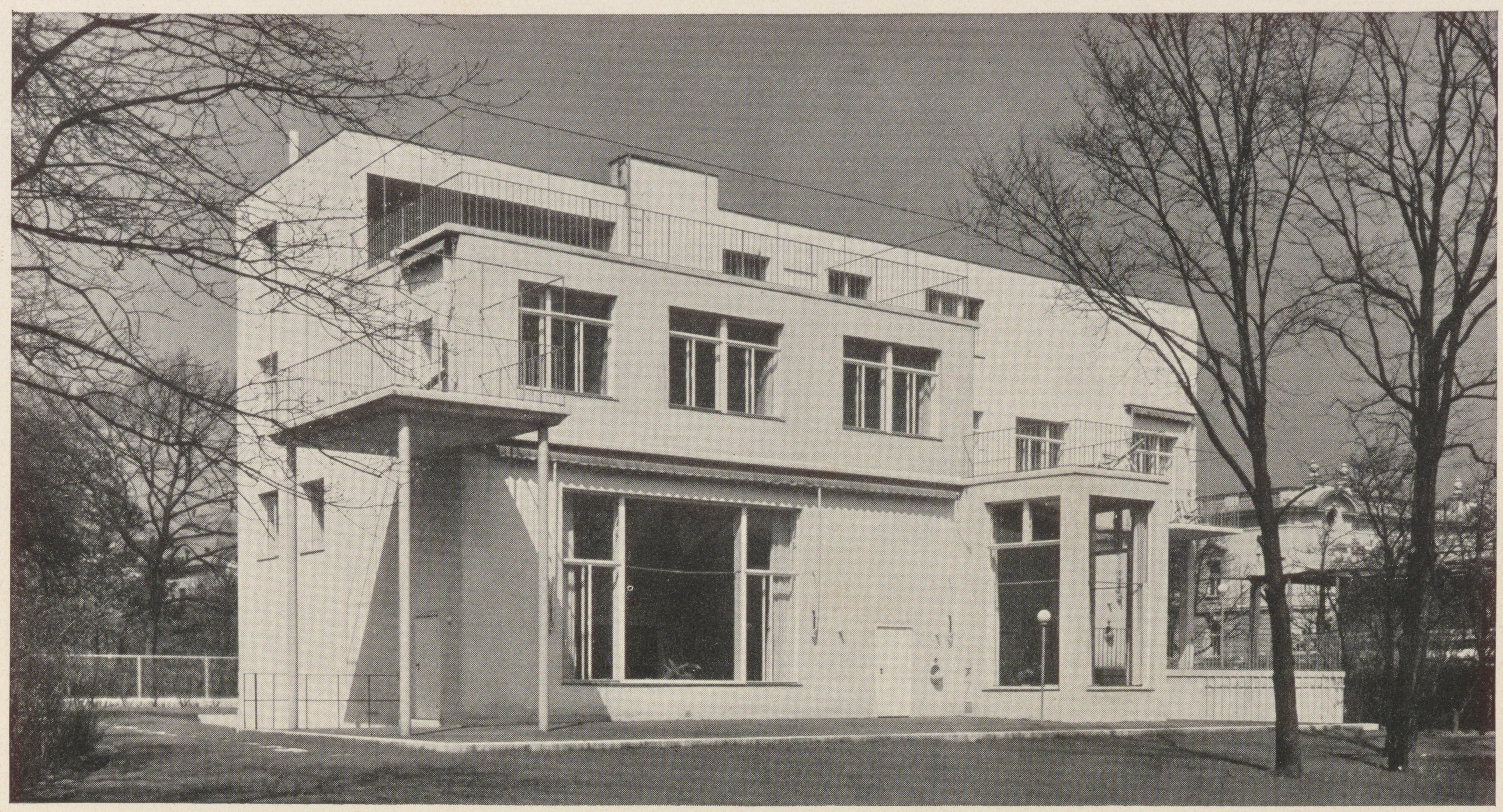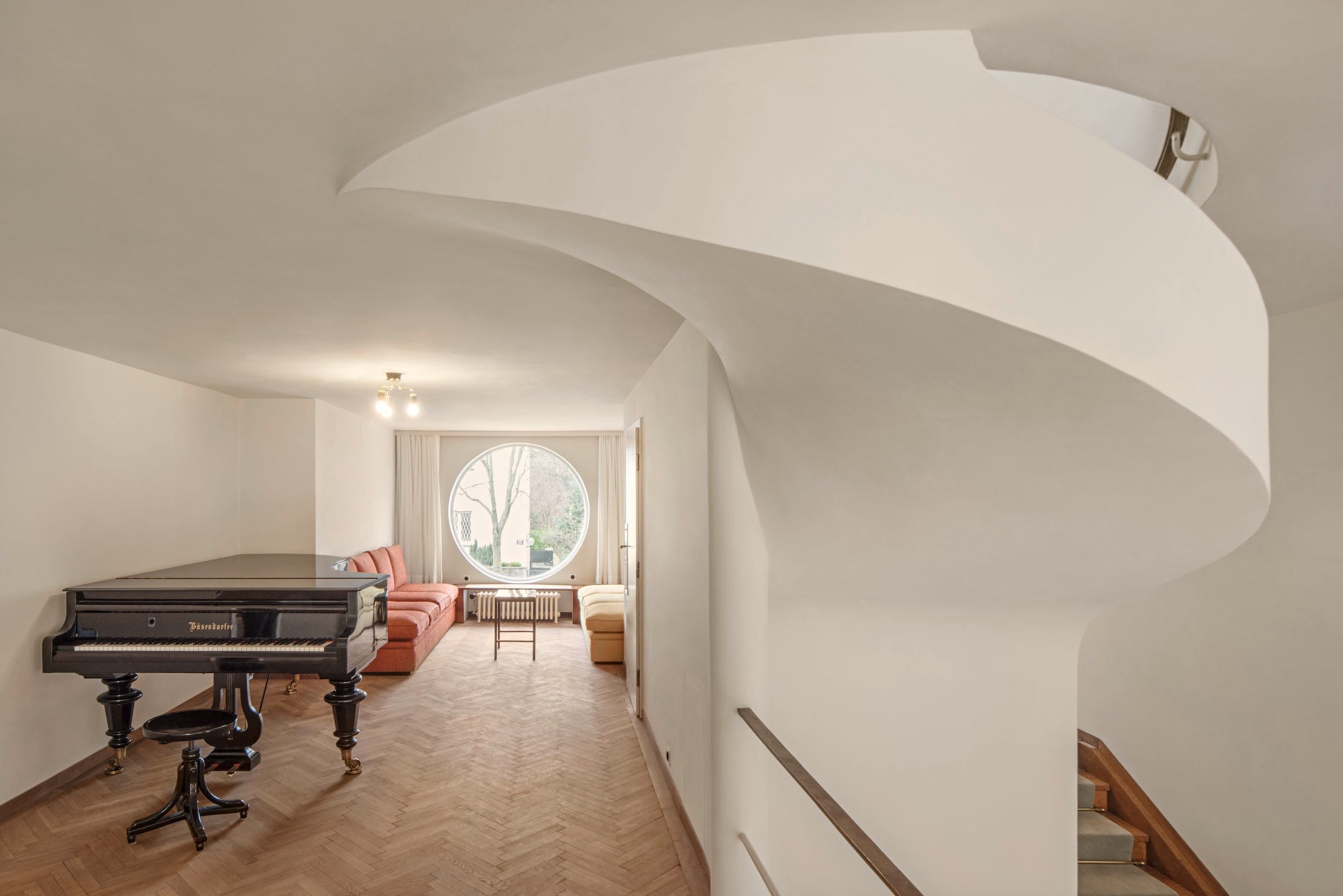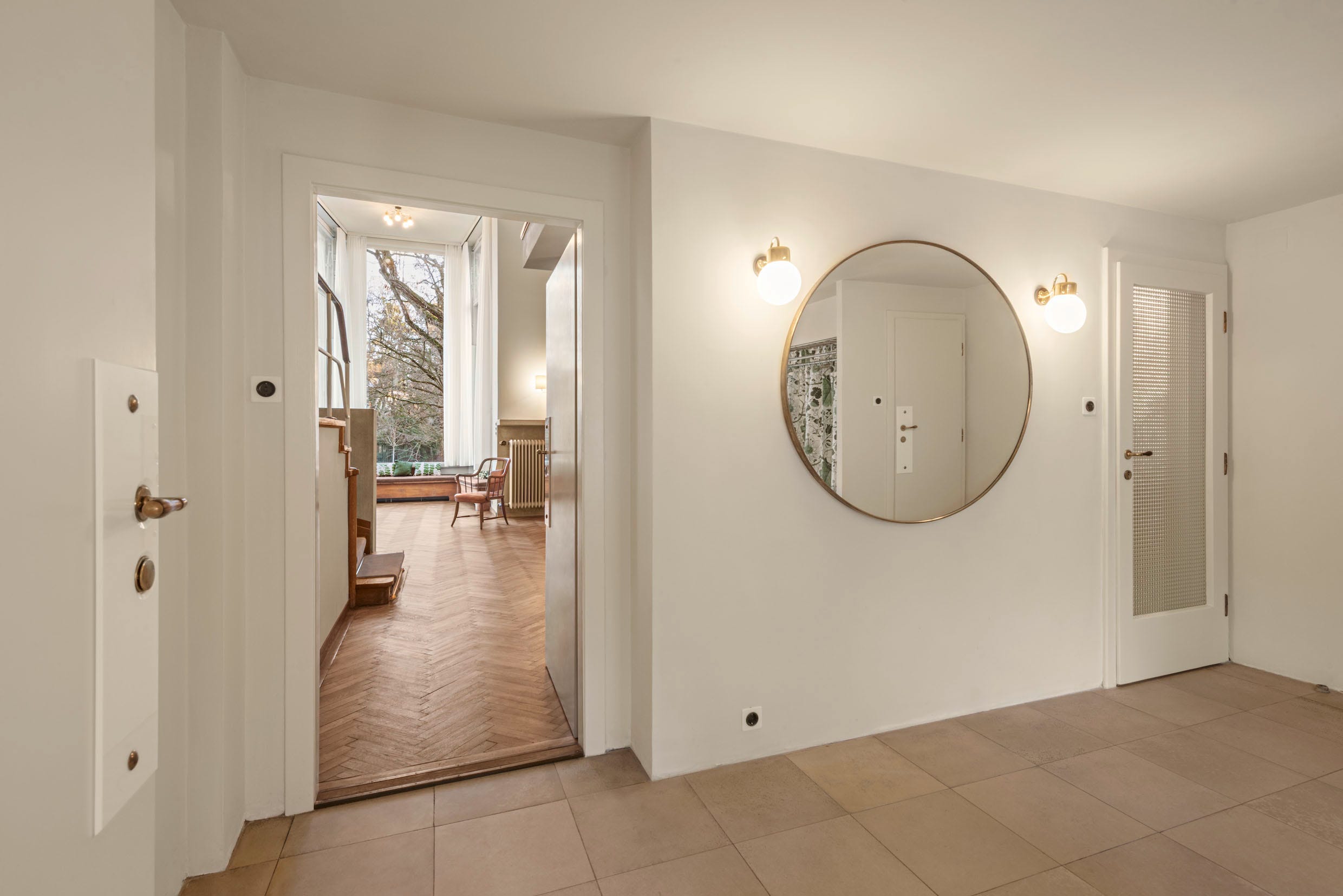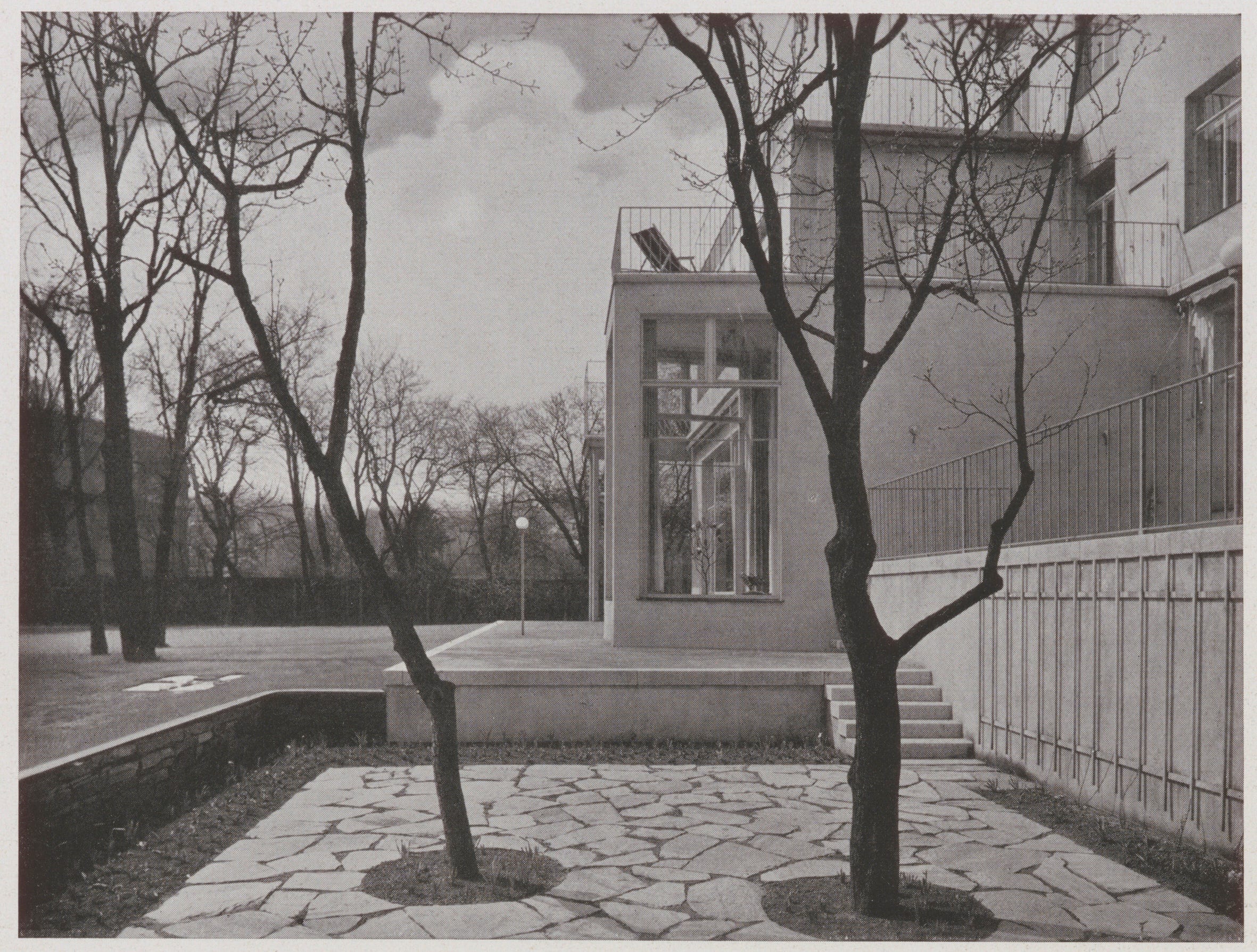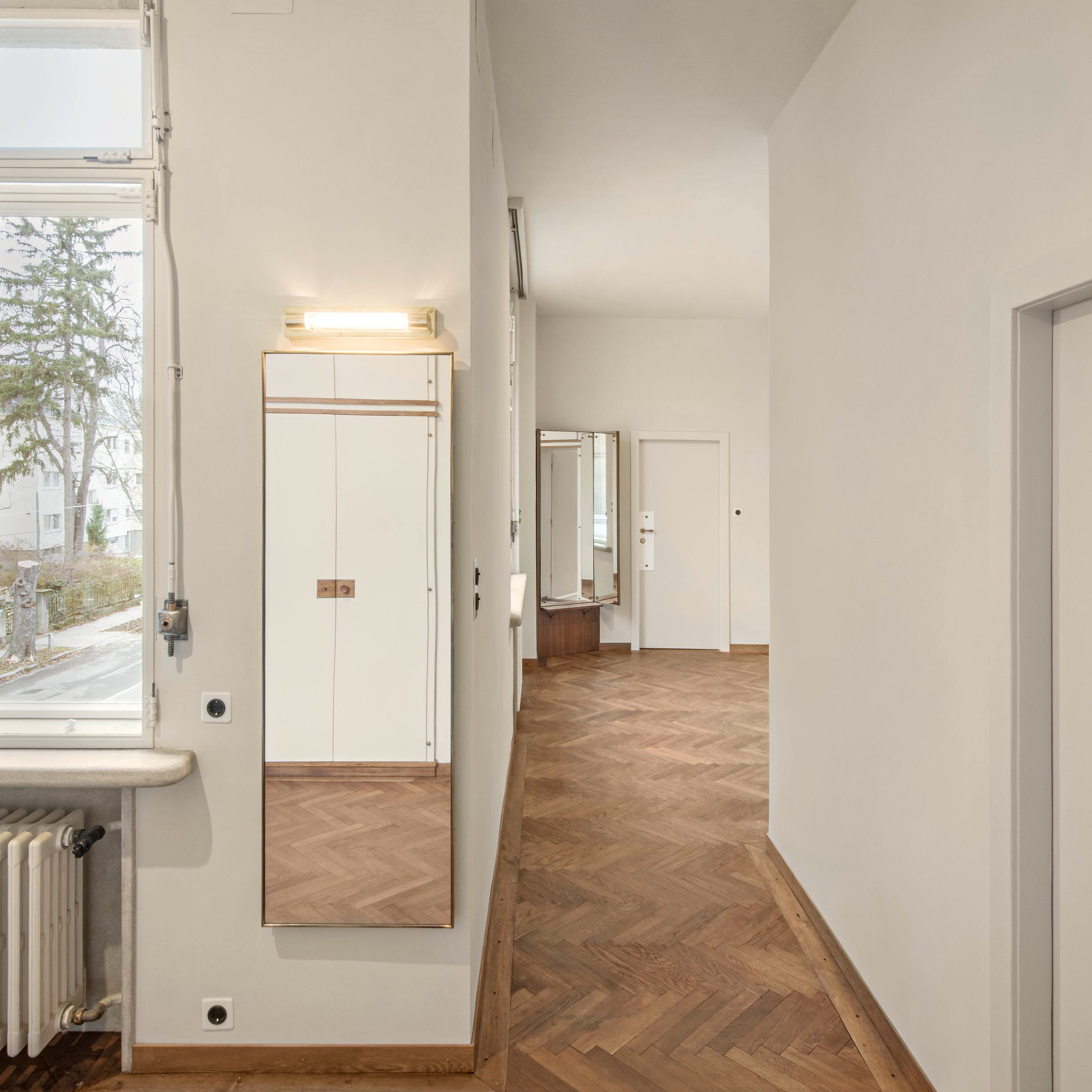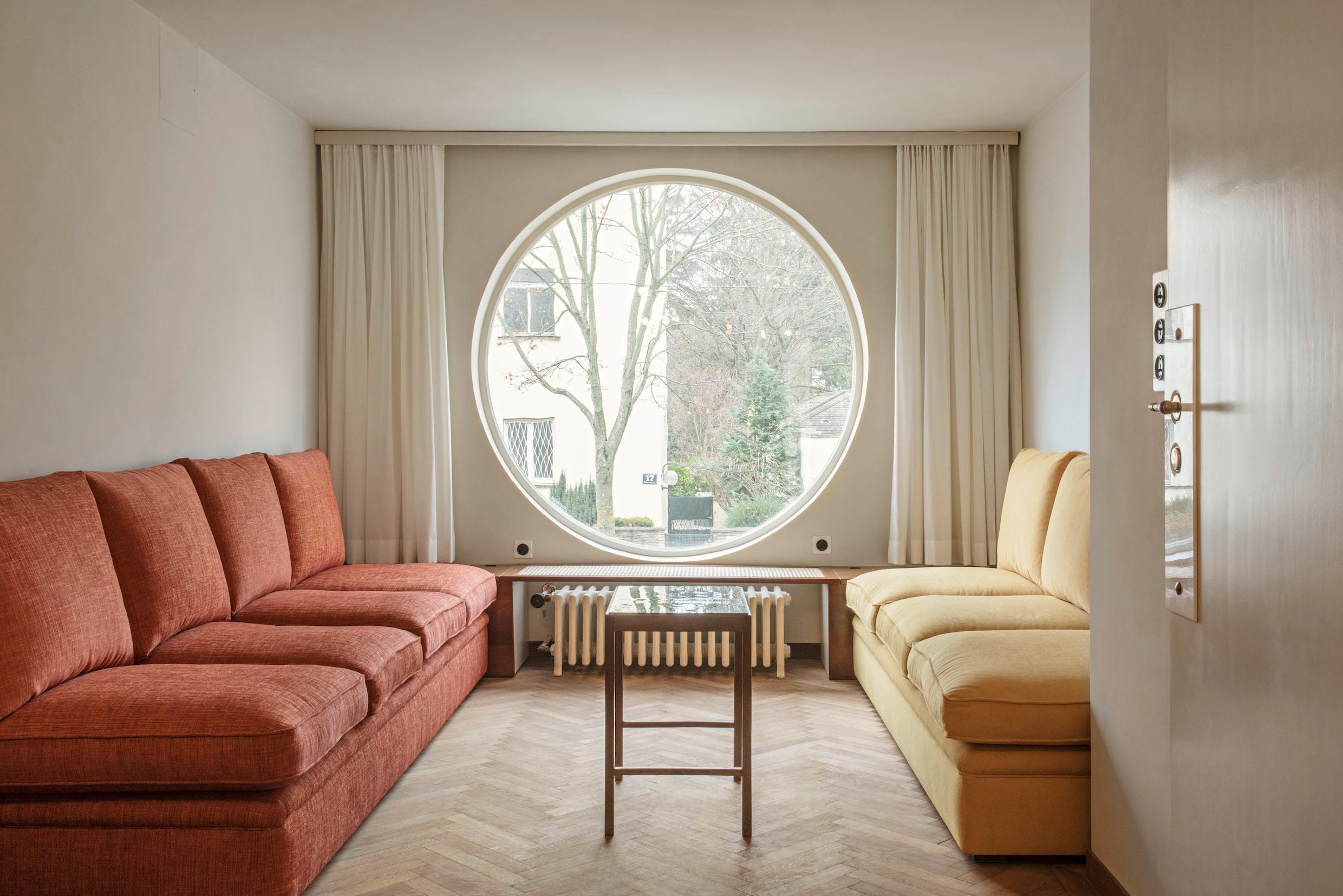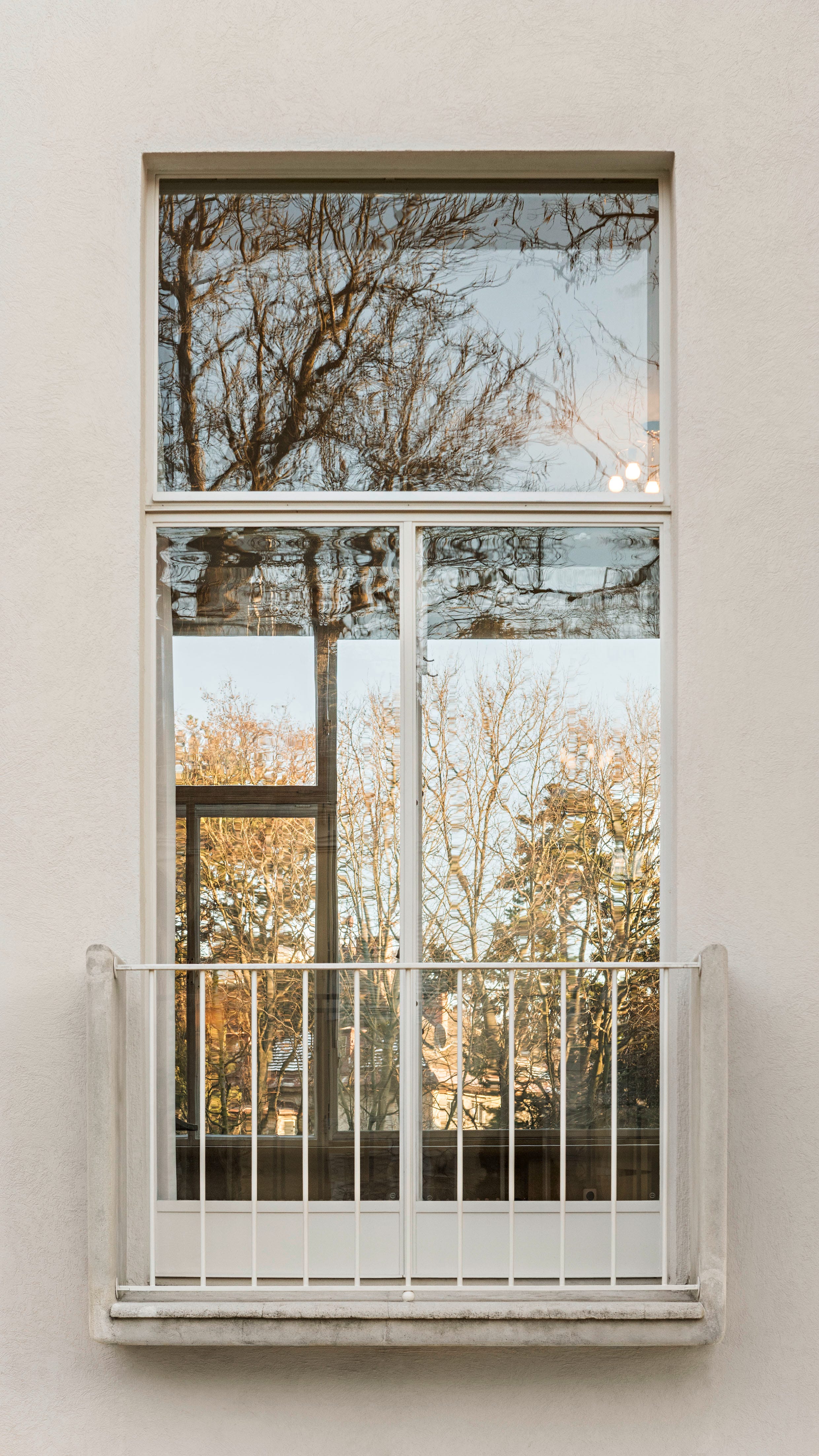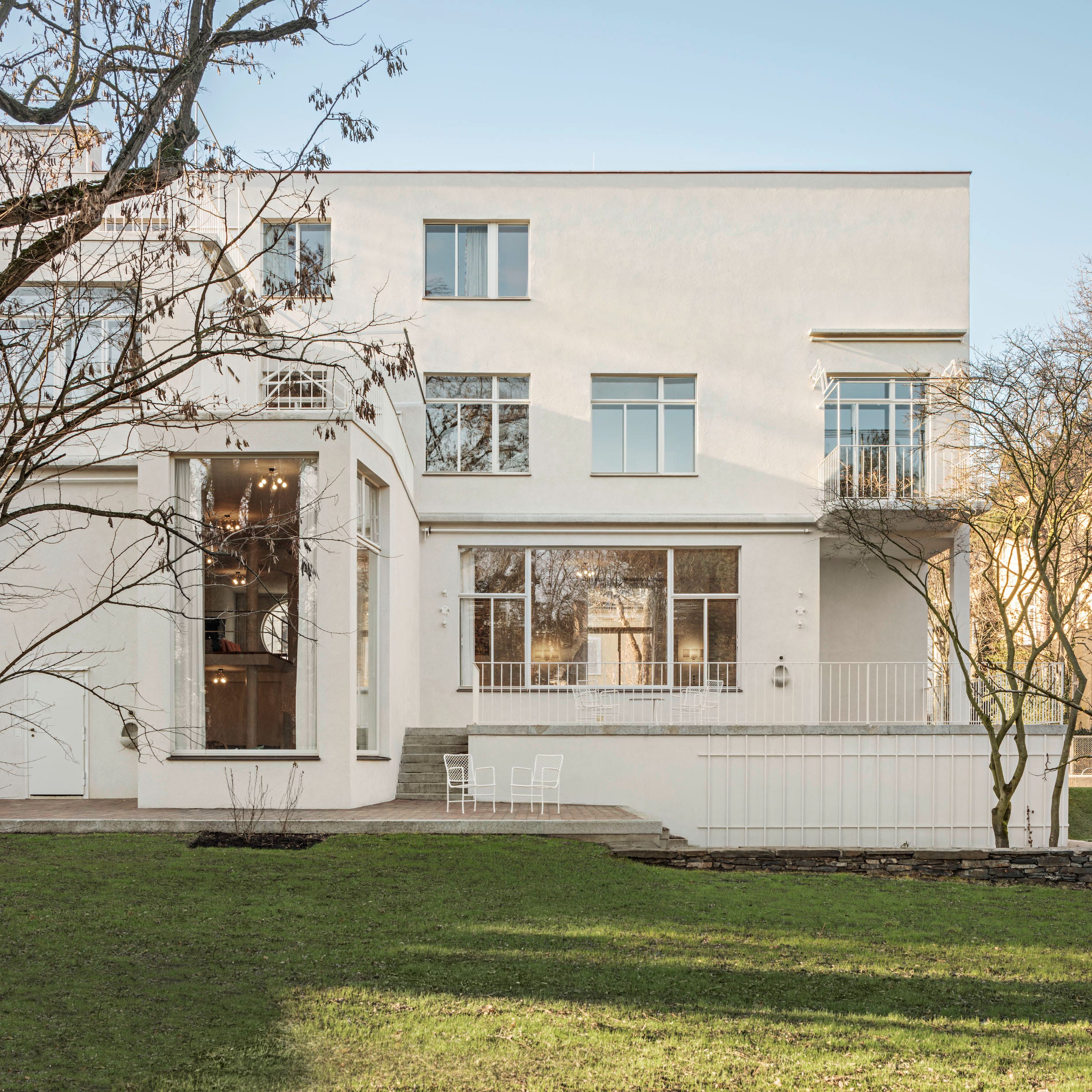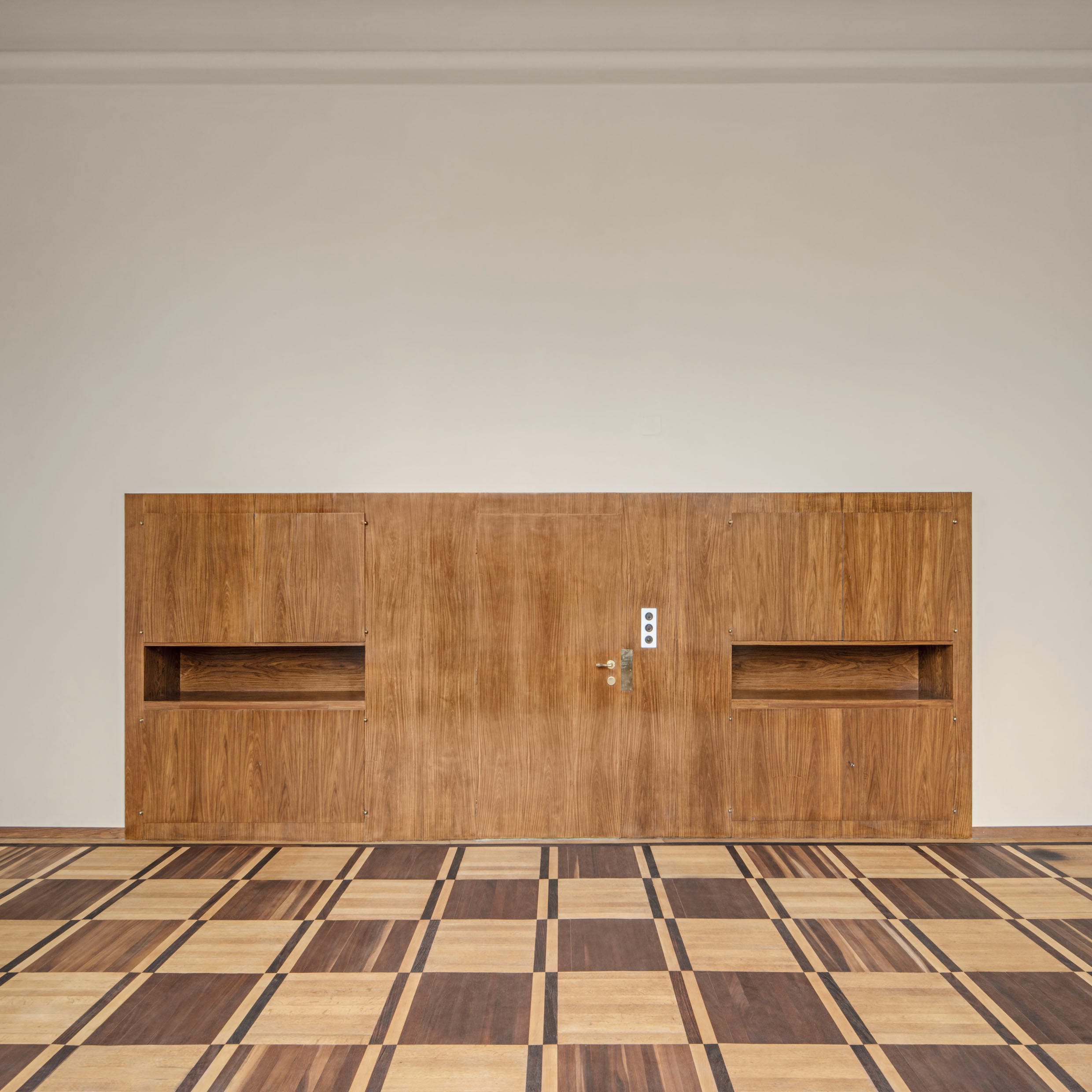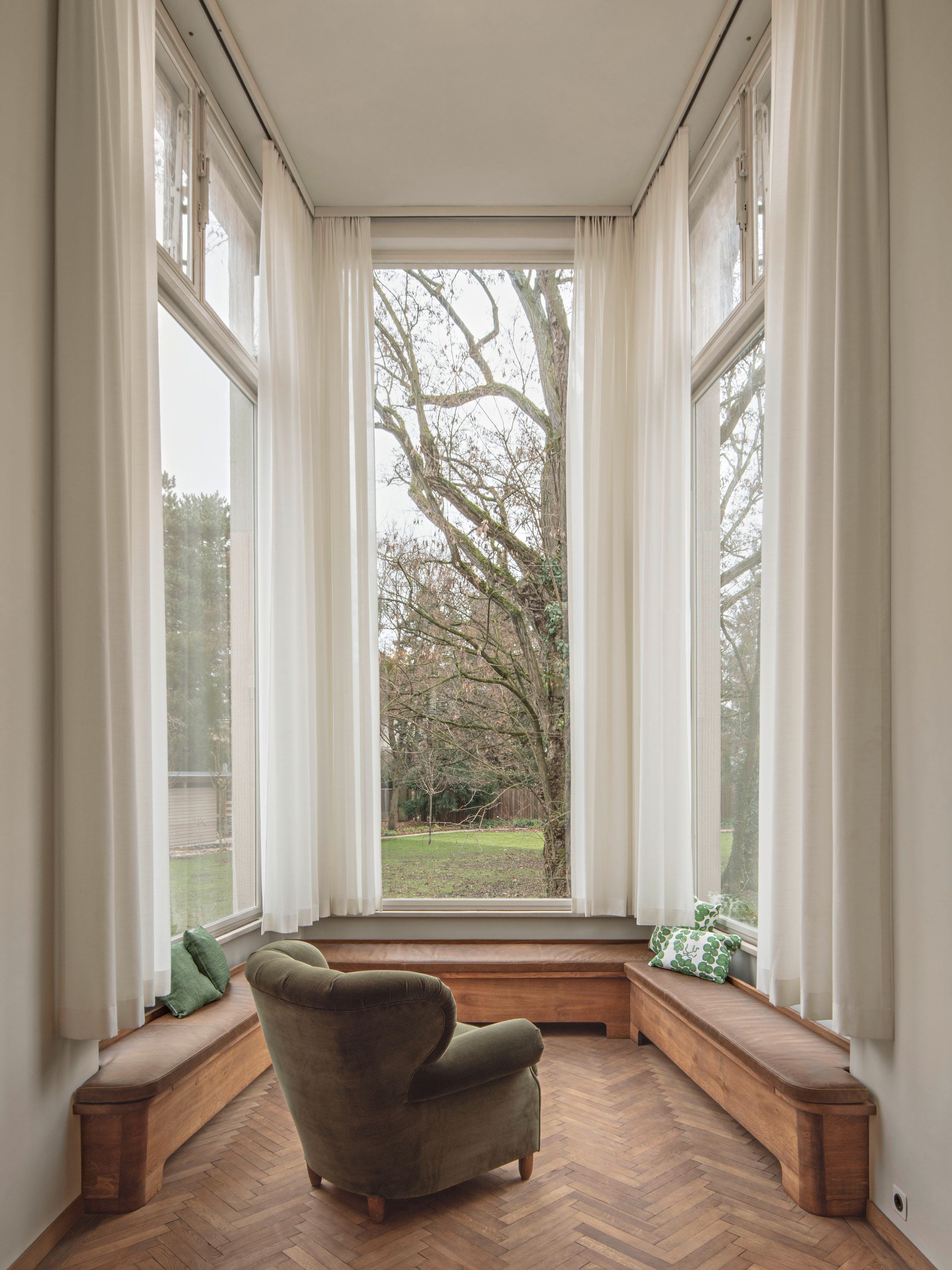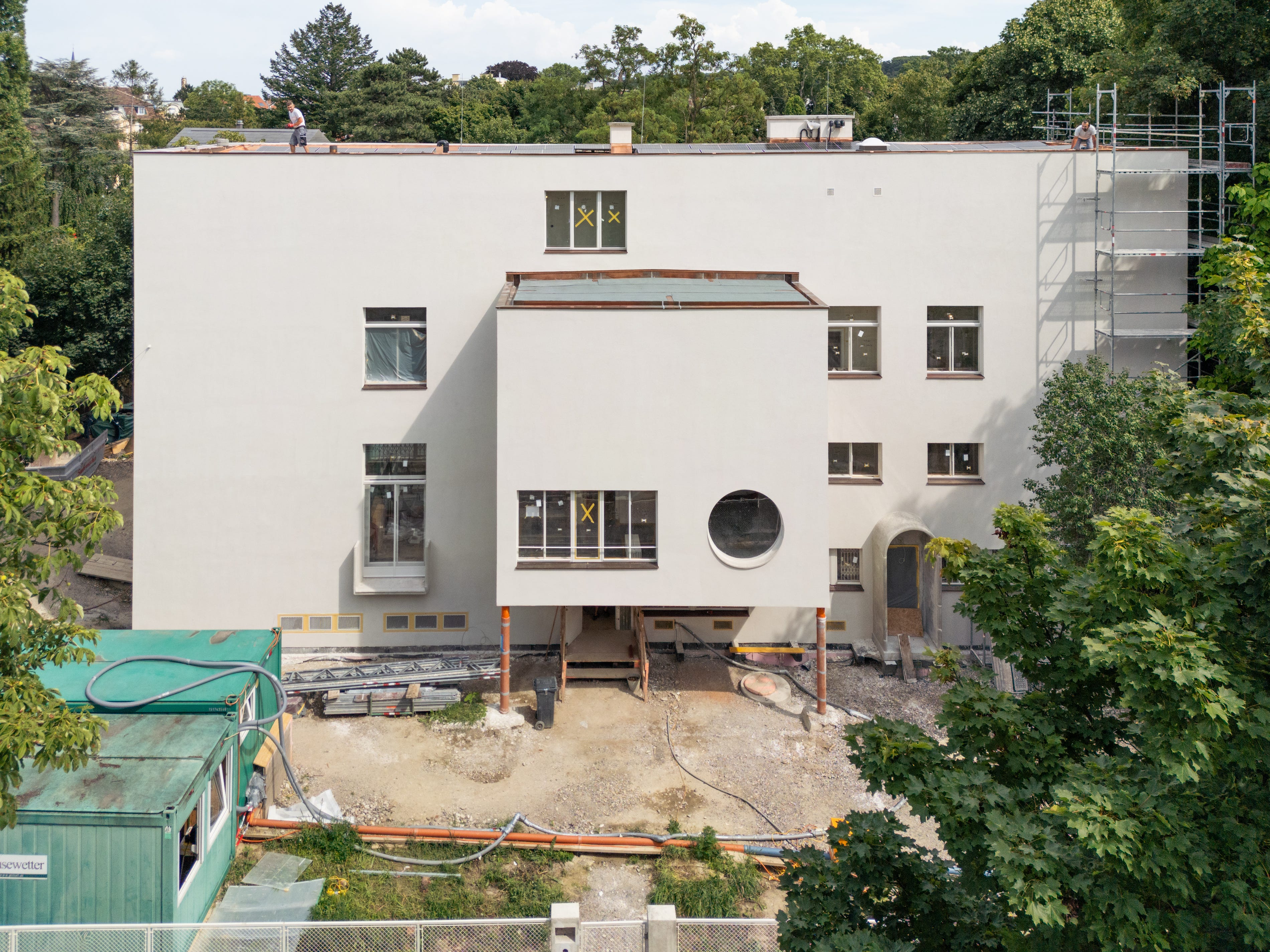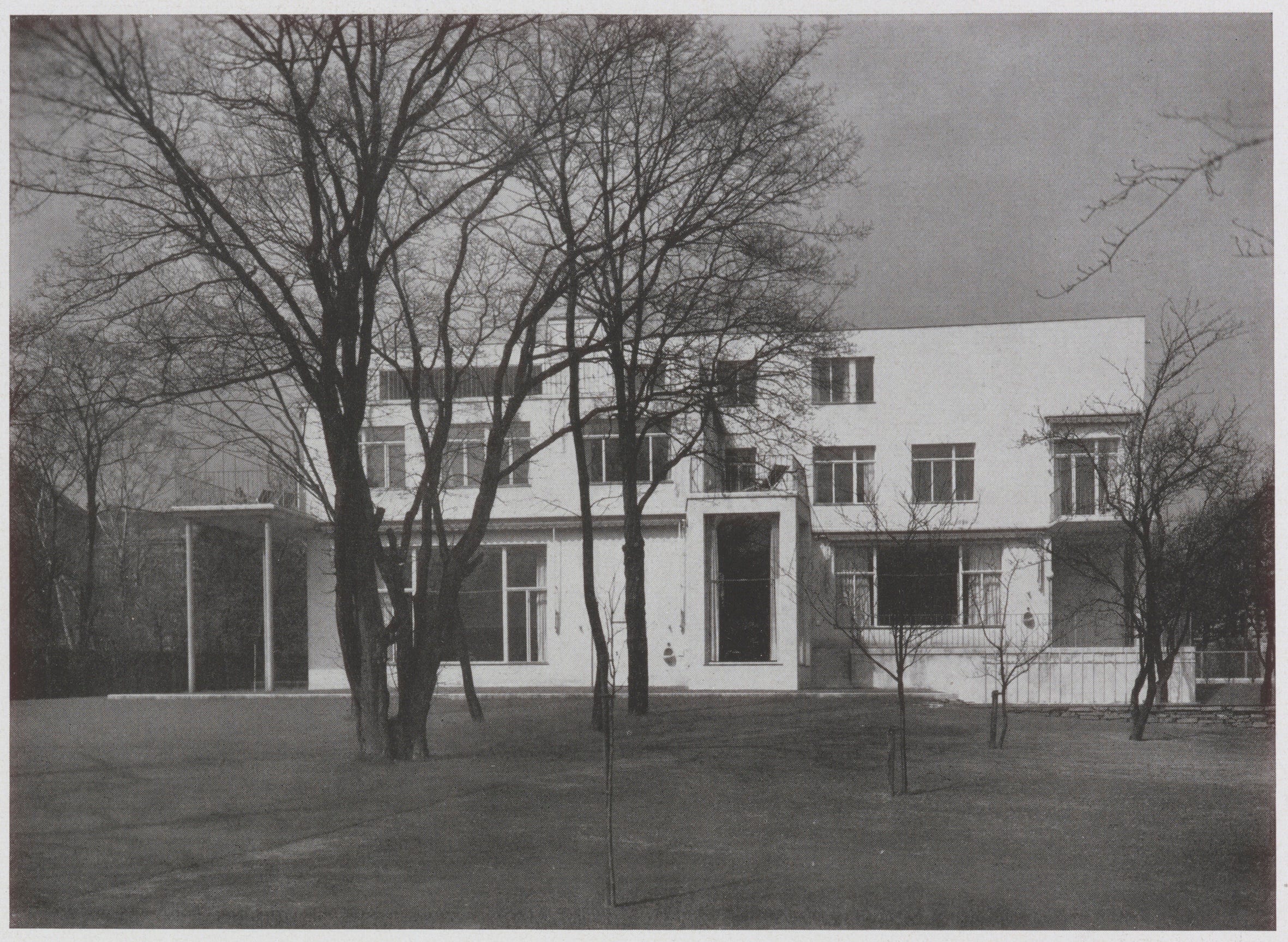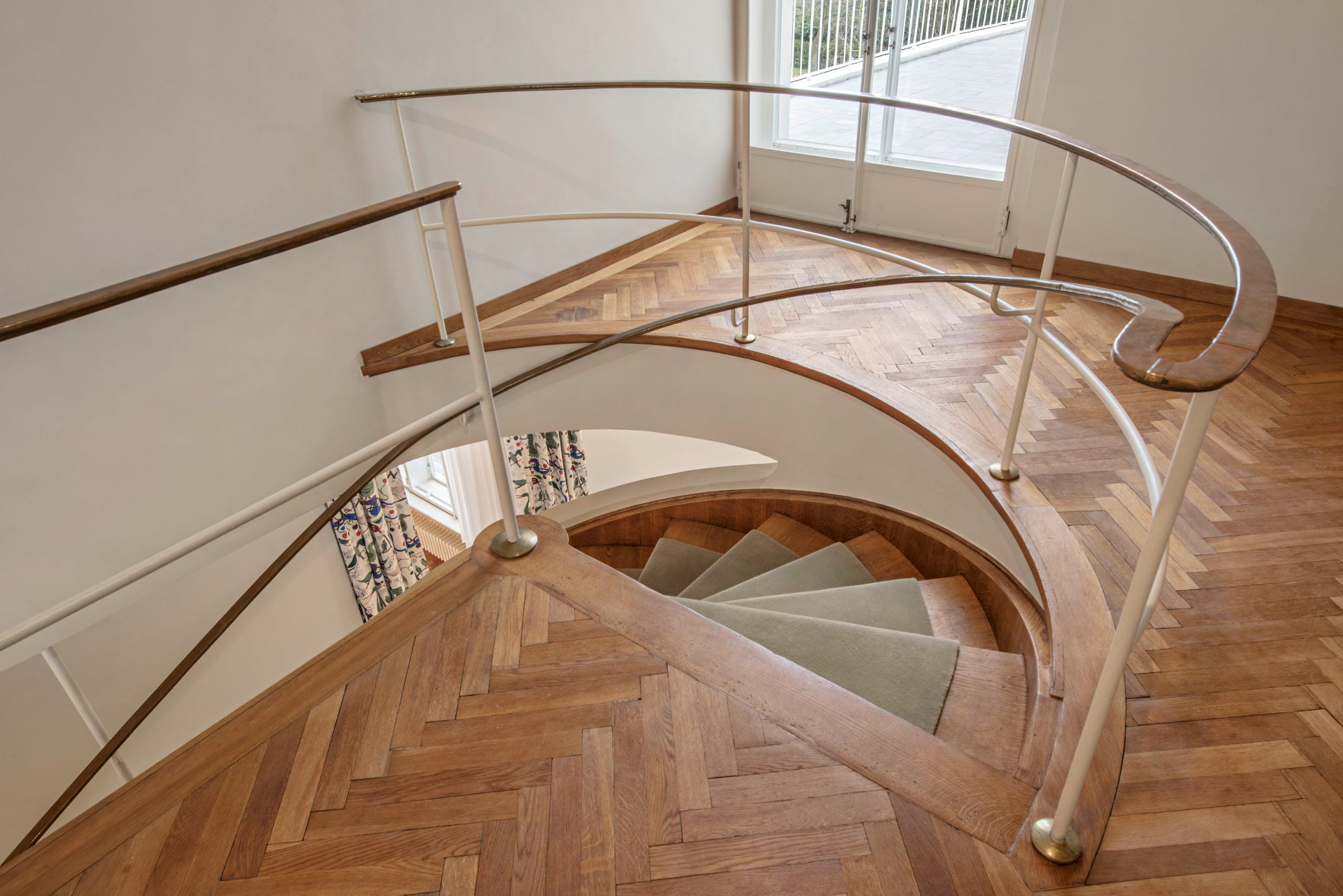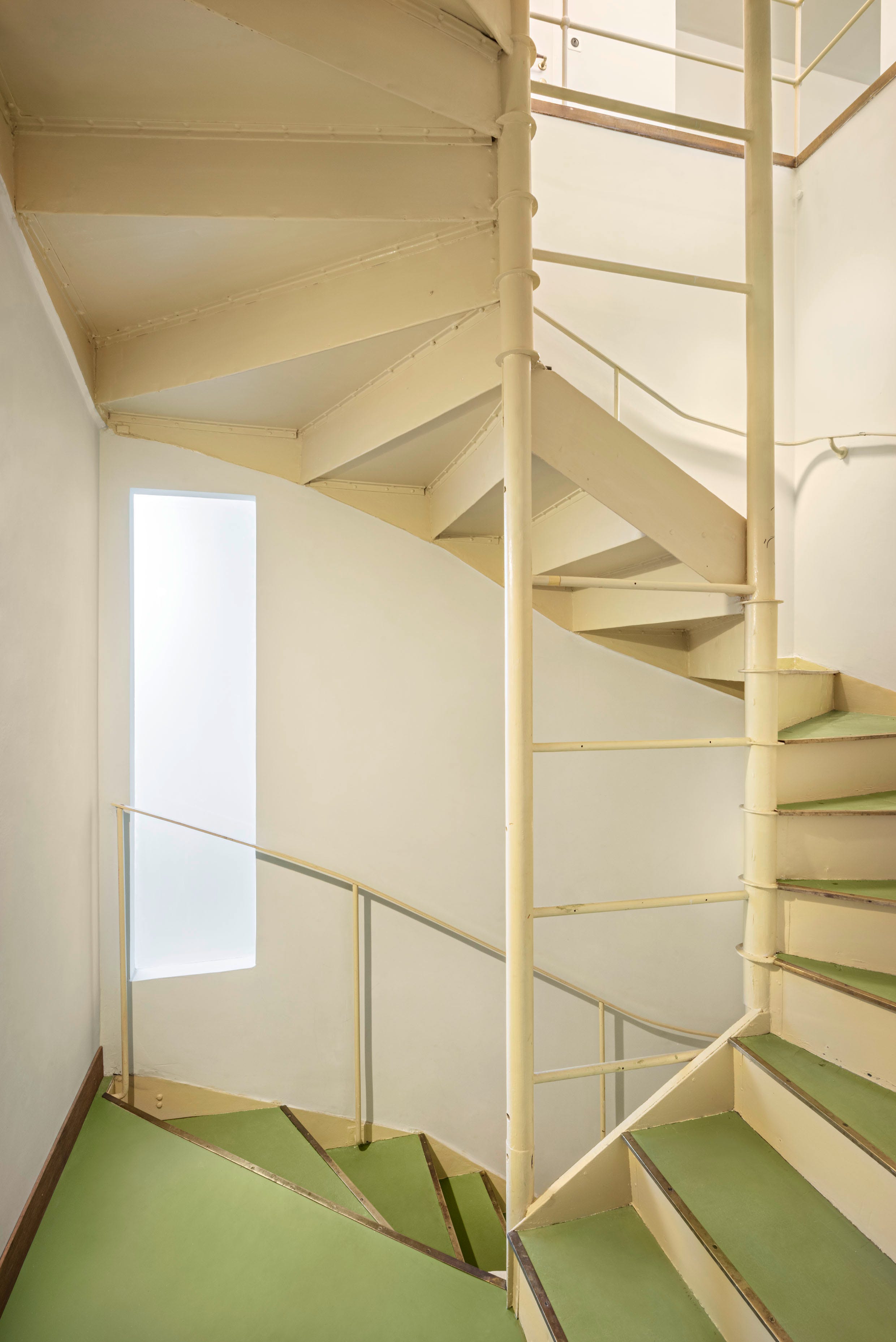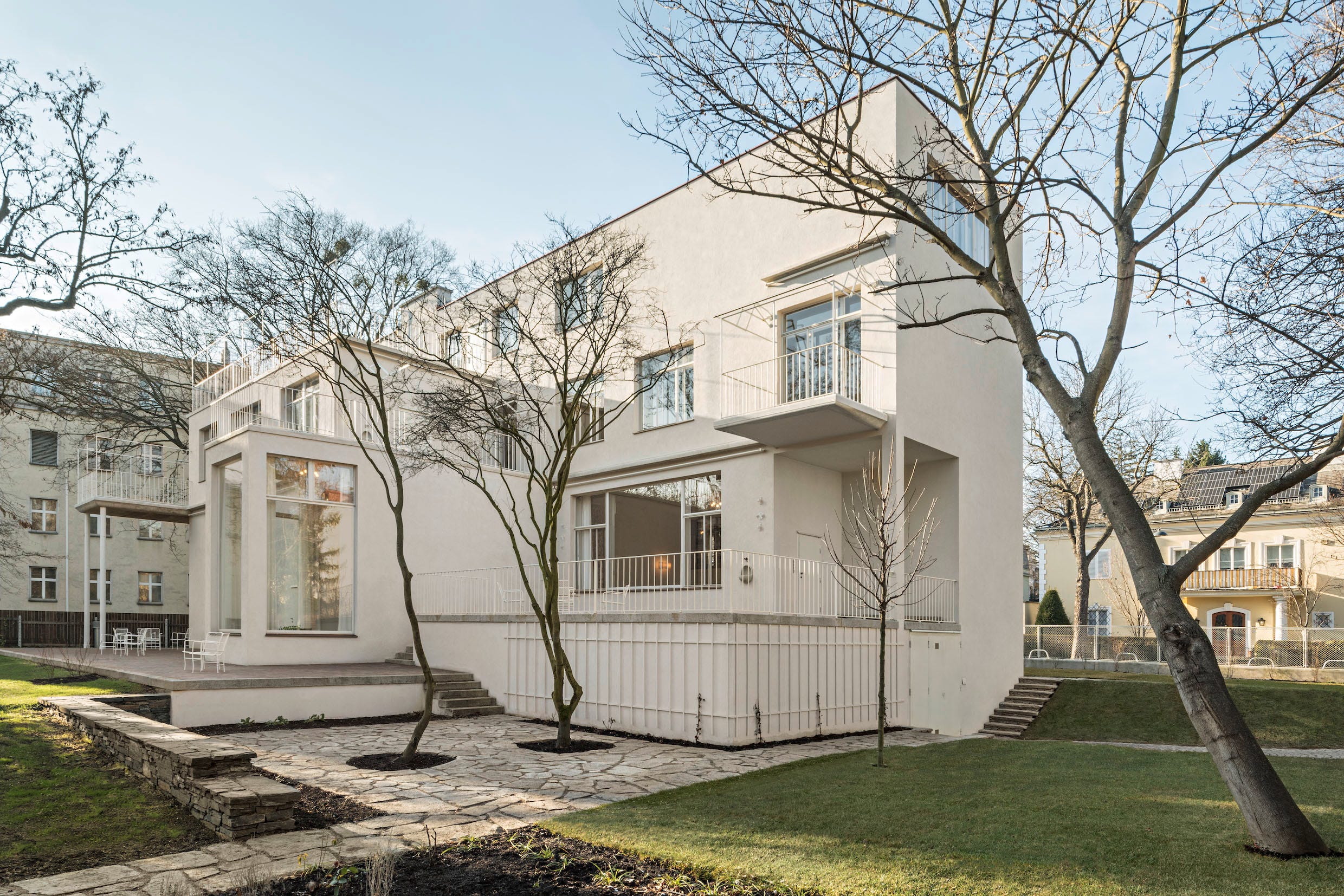
The upcoming first public opening of Villa Beer since it was completed nearly a century ago is certainly the most anticipated design event of this spring. Scheduled for March 8th, the opening of the Viennese icon follows fundamental research and an extensive €10 million restoration led by architect Christian Prasser in collaboration with the Federal Monuments Office. The white villa, completed in approximately the same year as the more famous, but equally futuristic and radical Le Corbusier’s Villa Savoye and Mies van der Rohe’s Villa Tugendhat, was designed by Viennese architect partners Josef Frank (1885-1967) and Oskar Wlach (1881-1963). Despite their enormous success and influence, the two did not enter the pantheon of modern design when it was established by the early architecture historians in the 1930s. Not because they did not create significant work, but only because they did it differently and outside what became known as the mainstream of orthodox modernism.
Villa Beer could have become completely lost and forgotten as it stood vacant for decades, if not for a Viennese businessman Lothar Trierenberg, who became interested in Josef Frank when moving into an office space in Frank’s former home. When Villa Beer was on the market for sale, he established a family foundation and acquired it, entering the restoration projects and making Frank’s most ambitious and large house available for the public to experience and visit. Now, thanks to him, visitors can experience this special and obscure stream of modern design as well as the extraordinary lives lived within those walls and those who built the house, the life of members of the wealthy, intellectual, Jewish upper-middle class in Vienna during the early decades of the 20th century.
Julius Beer was a successful Jewish rubber manufacturer and entrepreneur who, along with his wife Margarete, commissioned the house on a plot of land in the Hietzing neighborhood of Vienna. Like other patrons of modern art such as Bloch-Bauer, Lederer, Primavesi, Zuckerkandl, and Wittgenstein families, they enjoyed cultural Vienna. Like many prominent Viennese Jewish financiers and industrialists who patronized modern design, Beer chose to live in a modern house as to construct a new and contemporary Jewish identity. However, following the rise in antisemitism, they were forced to lose their home and eventually emigrated to the USA in 1940. The Beer’s daughter Elisabeth was deported and murdered in Maly Trostinez in 1941. Their daughter Elisabeth was deported and murdered in Maly Trostinez in 1941. V It is unfortunate that he was only able to live in his dream house for 10 years before the ascent of Nazism forced the family to emigrate to the US.
Frank was a modernist whose career flourished in the interwar years and created some of the most memorable modernist houses in Vienna in what has become known as the ‘second wave of Viennese modernism.’ In his famed public housings, Frank made a pavilion in the famed Weissenhof Estate, curated by Mies van der Rohe. His architecture was informed by the principles of orthodox modernism, but when it came to interiors, he formulated a different language than his contemporaries, and preferred to create livable interiors rather than statements. In 1925, Frank and Wlach founded a decorating firm called Haus und Garten & Co. in Vienna, introducing this informal approach. They broke down the connection between architecture and interiors, including oriental carpets, wooden furniture, and floral upholstery and curtains, all produced through their joint company Haus & Garten. Their signature style in interiors included oriental rugs, colorful floral curtains, wooden furniture, and a lot of textiles, which came to be called ‘Alternative Modernism’: a concept explored in a 1996 monographic exhibition of Frank at the Bard Graduate Center, which analyzed Frank’s reaction to the stark, minimalist version of Viennese modern design. After emigrating in 1933 to his wife’s native Stockholm, Frank developed a second but no less successful career as a designer for the Swedish textile company Svenskt Tenn. Then, with the continued rise of antisemitism in Vienna, Frank lived in Manhattan during the early 1940s. Villa Beer was his most ambitious achievement, and the largest of all private residences he designed.
When visiting Vienna, I always prefer to see the monuments of modern design rather than its baroque legacy or its 19th-century historic Ringstrasse. Among my favorite buildings are Otto Wagner’s Steinhoff Church, Postsparkasse, Majolika House, his own houses, and his spectacular train stations. Now that Villa Beer is open to the public, you are free to walk through its terraces, balconies, and attics as well as stroll through the garden with its replanted black locust trees, and develop an understanding of Viennese modernism. It will be a tremendous addition to the design experience of Vienna, and an opportunity to see the second wave of Viennese residential culture, to better understand what it meant to live modern in flourishing Vienna. Unlike much historical architecture which relies on ornamentation and decorative facades, Modernist architecture must be experienced firsthand in order to fully understand it because volumes cannot be captured in photography. I am sorry that much of the house was left unfurnished, and wish that in the future, it will be furnished just as it was when the Beers left their dream house to never come back. All images courtesy Villa Beer.